Author: [email protected]

  • Istanbul Archaeological Museums: A Bridge from the Ancient World to Modern Time

    One of the most impressive points of Istanbul is undoubtedly the Istanbul Archaeological Museums. Thousands of artifacts from a wide geography ranging from the pre-Islamic periods of Anatolia to Mesopotamia, Greece, Egypt and the Arabian Peninsula await their visitors here. This museum is a treasure trove for archaeology enthusiasts and offers the opportunity to travel deep into the past with each of its works. With the skip-the-ticket-line online tickets with an audio guide feature offered by Istanbul Tourist Pass®, you can enter for free and have an efficient and enjoyable tour accompanied by a professional tour guide.


    Istanbul Tourist Pass® is a digital travel pass for tourists exploring the city. It includes over 100 popular tourist attractions, such as the Hagia Sophia and the Blue Mosque, and different experiences, such as the Flying Dress Photoshoot. Tourists can save money over 50% and time by purchasing 1, 2, 3, 4, or 5-day passes, depending on the duration they plan. With Skip the Ticket Lines, pass holders can pass through many tourist attractions without waiting in ticket queues, and since they enter the museums with their instant QR ticket, they do not waste time in the entrance queues.


    About the Istanbul Archaeological Museums


    The Istanbul Archaeological Museums is like a treasure chest for history and culture enthusiasts. This museum, which offers you a journey to a thousand years of history with its rich collection, is a true paradise of history and culture. Legendary Anatolian Civilizations, artifacts from the ancient Greek and Roman Periods, and the cultural richness of the Middle East are waiting for you here. The Istanbul Archeology Museum will fascinate you with its valuable artifacts, each of which tells its own story.
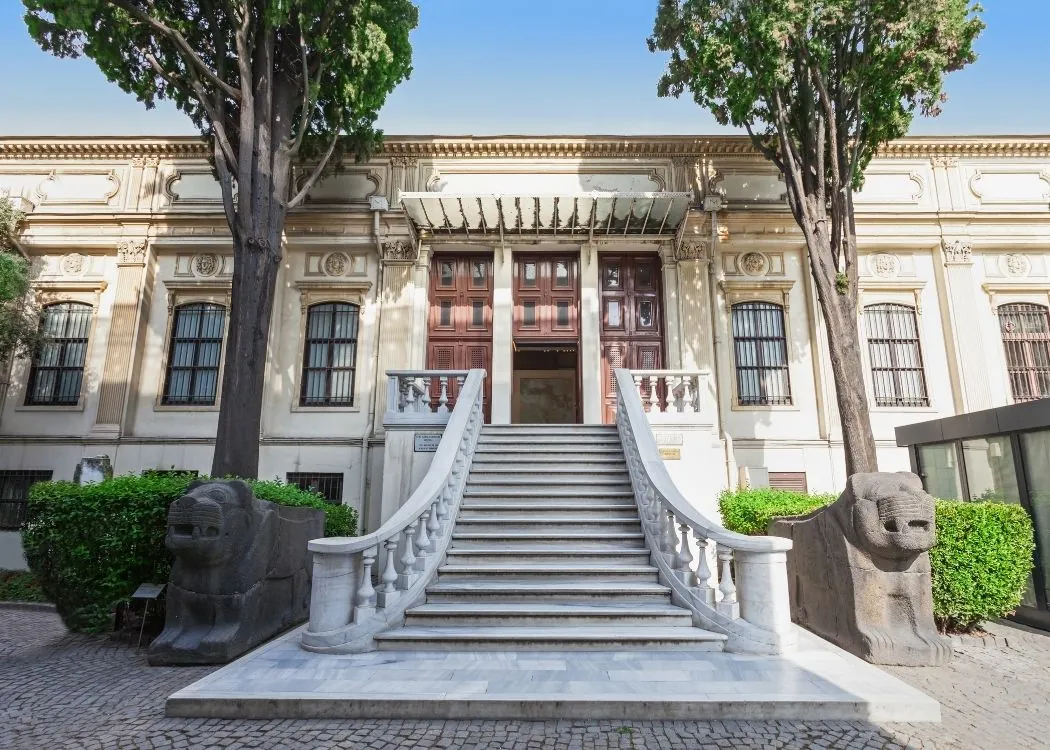


    This museum has three main units: The Archaeological Museum, the Museum of Ancient Oriental Art, and the Tiled Pavilion Museum. Istanbul Archaeological Museums is Turkey’s first museum and this museum contains nearly a million artifacts from various cultures brought from the lands of the empire.


    History of the Istanbul Archaeological Museums


    The Istanbul Archaeological Museums is an important establishment that bears the traces of the first museology in Turkey. The interest in collecting historical artifacts dates back to the period of Mehmed the Conqueror. However, the institutional birth of museology started with the establishment of Muze-i Humayun (the Imperial Museum) in 1869. The archaeological artifacts collected in the Hagia Irene Church form the basis for the Istanbul Archaeological Museums. The Imperial Museum was re-established by German Doctor Phillip Anton Dethier, in 1872. However, when a new building had to be built due to lack of space, the Tiled Pavilion was converted into a museum and opened to visitors in 1880.


    Turkish museology entered a new period with the assignment of master painter and archaeologist Osman Hamdi Bey as museum director in 1881. Hamdi Bey's excavations at home and abroad led to the discovery of world-famous artifacts. A larger museum building is needed to exhibit these artifacts. On this request, the Istanbul Archaeological Museums, a new museum building built by Alexandre Vallaury, was opened to visitors on June 13, 1891.


    The building known as the Museum of Ancient Oriental Arts was built by Osman Hamdi Bey as the Academy of Fine Arts and later devoted to museums. The classical building of the Istanbul Archaeological Museums opened in 1891, is a center where many important artifacts are exhibited. Now, let's start exploring and take a journey into the depths of history.


    Architecture of the Istanbul Archaeological Museums


    The Istanbul Archaeological Museums was built at the end of the 19th century as one of the impressive examples of Ottoman architecture. Bearing traces of the neoclassical style, the building displays a fascinating appearance, reflecting the aesthetic understanding of that period.


    The exterior of the main building reflects distinctive features of elegant Ottoman architecture. Large domes, finely embroidered decorations, and arches make visitors feel the majesty of the Ottoman Empire. The museum building has a remarkable facade design. The high-arched entrance door impresses visitors with its fascinating details and elegant decorations. In addition, the reliefs and decorations on the outside of the building provide visitors with interesting details that tell historical and mythological stories.


    The interiors of the museum are also dazzling. The interior of the building is full of large and spacious halls. The frescoes on the ceilings, mosaics and marble decorations on the walls reflect the intricate details of Ottoman period architecture.


    First Step into the Istanbul Archaeological Museums


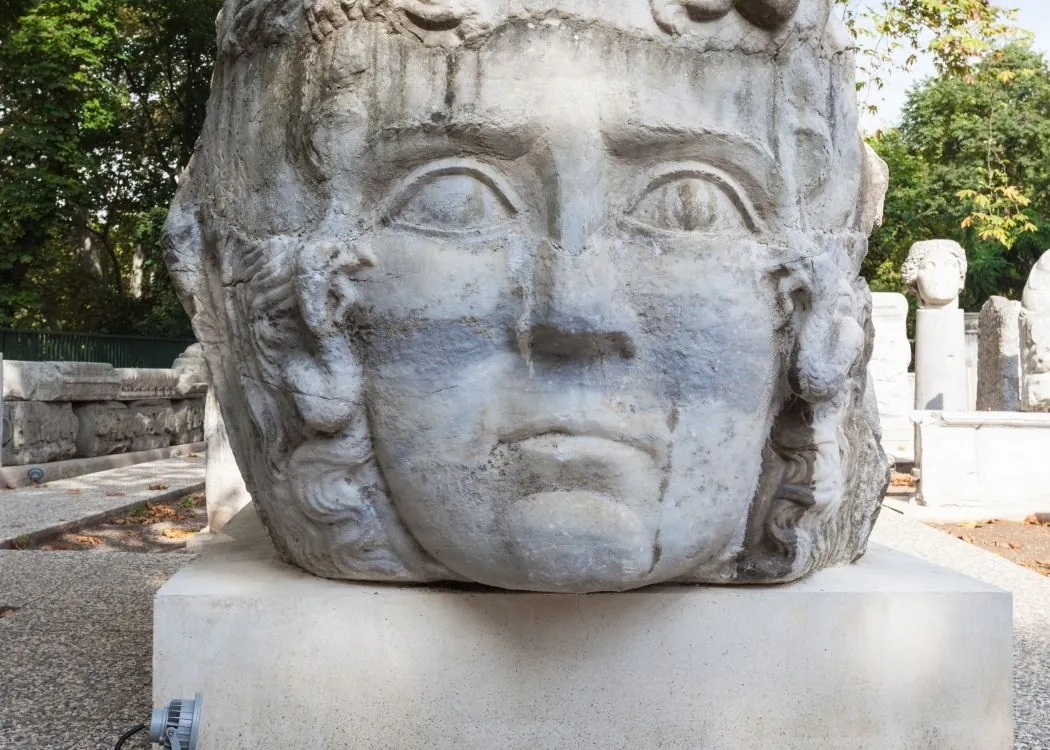
    As you close the entrance of the Istanbul Archaeological Museums, the first place that affects you is the large courtyard. The courtyard is decorated with statues, columns and other archaeological artifacts from various periods. Trees and other plants in the courtyard add liveliness to the museum. The main entrance of the Istanbul Archaeological Museums has a wide door flanked by an impressive staircase. While this door invites visitors to the mysterious atmosphere of the ancient world, the details on it reflect a rich history and art heritage.


    The museum complex consists of three main sections: the Archaeological Museum, the Tiled Pavilion and the Museum of Ancient Oriental Arts. The Archaeological Museum, located at the entrance, is the main building and houses the main collection. This magnificent building, bearing traces of history and art in every detail, makes a valuable contribution to the cultural heritage of Istanbul.


    What to See in the Istanbul Archaeological Museums


    We invite you thousands of years ago, to the world of ancient civilizations in this magnificent place where you step to discover the historical richness of Istanbul. The Istanbul Archeology Museum is ready to impress and amaze you with its world heritage collection. The Istanbul Archeology Museum is located in the heart of the city, right next to Sultanahmet Square. You can spend more time thanks to the museum being divided into three sections.


    The Archaeological Museum


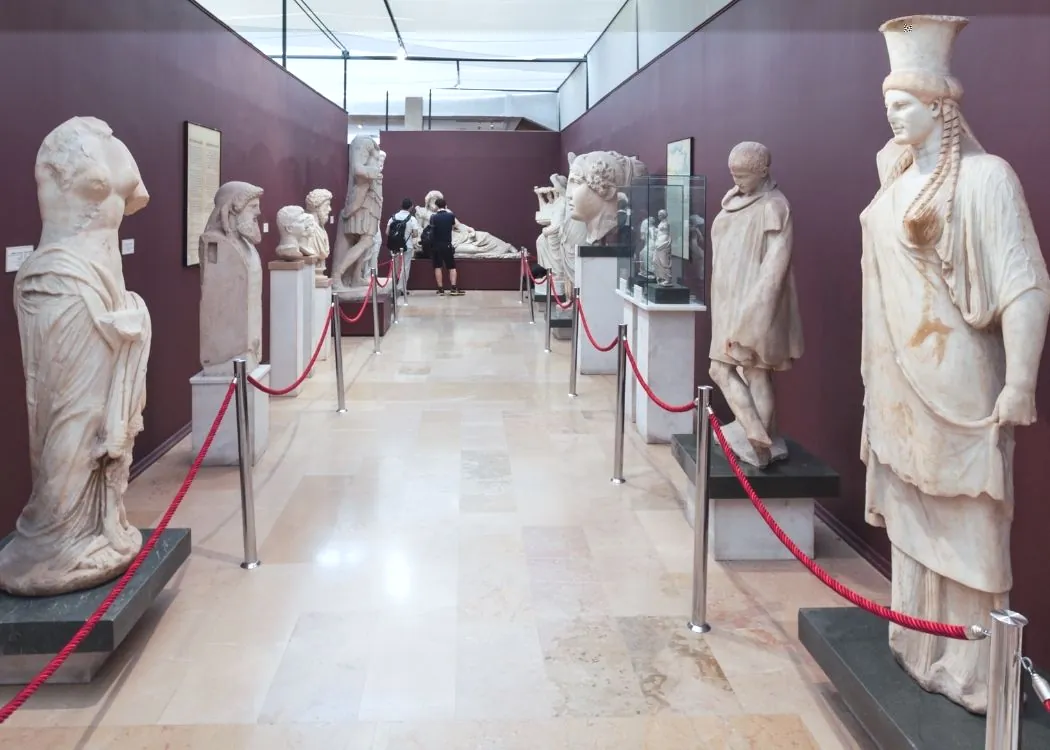
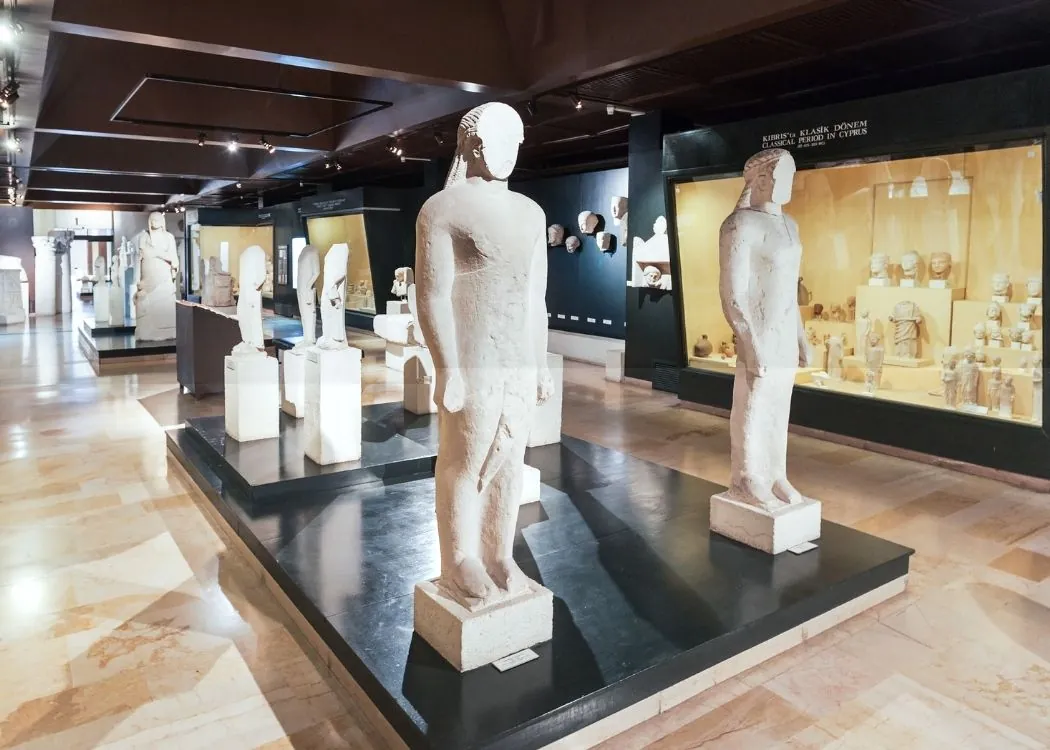
    This section is an area where works from the Ancient Greek, Roman and Byzantine periods are exhibited. Many ancient artifacts such as statues, sarcophagi, coins and ceramics obtained from excavations in Anatolia and surrounding countries are located here.


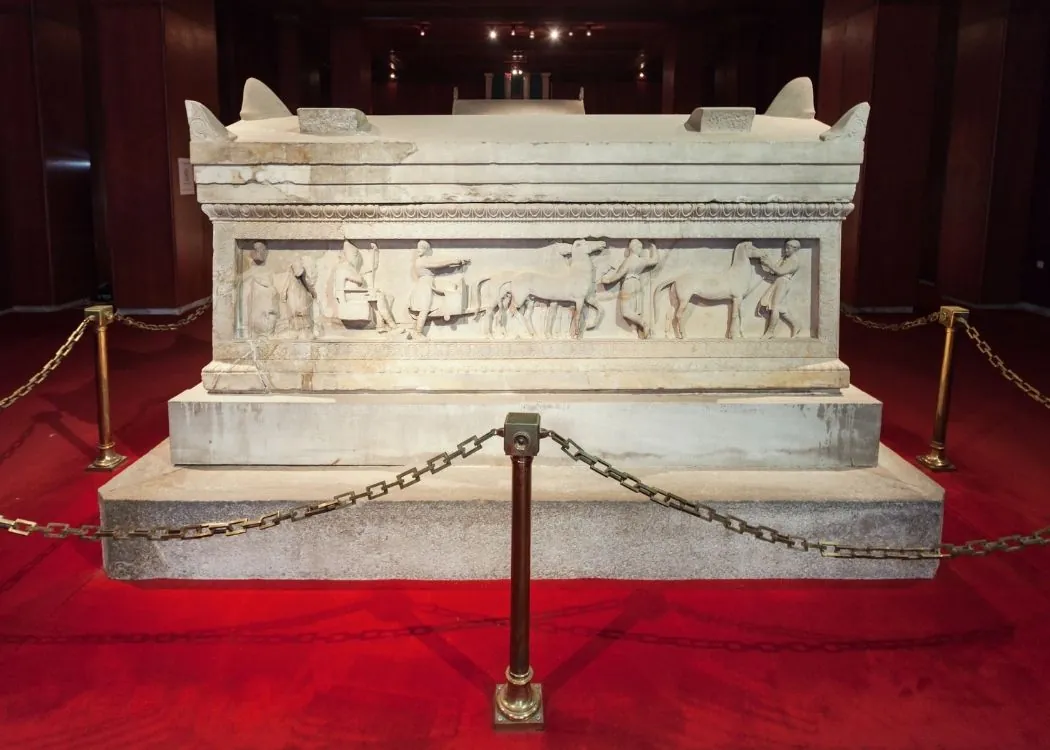
    Osman Hamdi Bey brought many artifacts to Istanbul with the excavations he carried out in various places, including the sarcophagus of Alexander the Great. The museum contains works from prehistoric times to the Ottoman Period. Featured artifacts such as the Tomb of "Crying Women" (Sarcophagus of the mourning women), the Lycia Tomb and the Tabnit Tomb are also exhibited.


    The Museum of Ancient Oriental Art


    In the magnificent corridors of the Istanbul Archaeological Museums, the Ancient Orient Museum section hosts a unique collection reflecting the rich cultural heritage of the wide geography. This unique area light on the deep history of the Middle East and its surroundings.
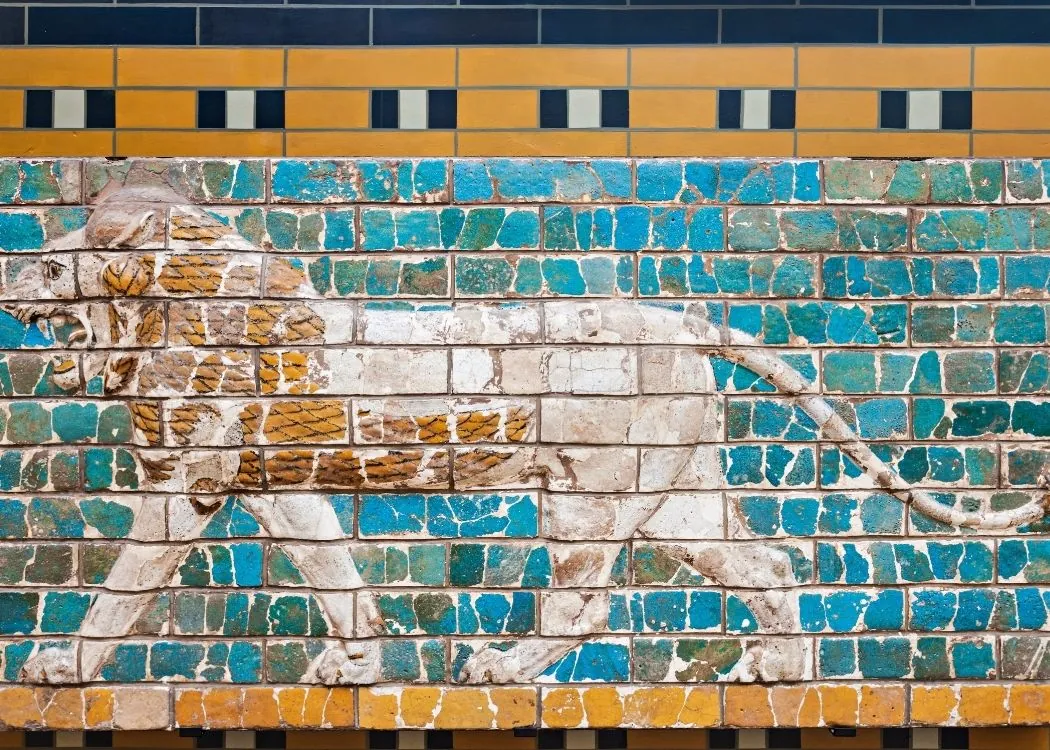


    The museum is full of rare artifacts from a wide geography stretching from the pre-Islamic Arabian Peninsula to Anatolia, from Egypt to Mesopotamia. Artifacts from the pre-Islamic Arabian Peninsula are enriched with sculptures and ceramics reflecting the religious and cultural life of the region. Mesopotamian Artifacts attract attention with important works bearing the traces of humanity's first civilizations. Unique artifacts such as the Stele of Akkadian King Naramsin, the Treaty of Kadesh, and the Ishtar Gate are also included in this section.


    The Tiled Pavilion Museum


    The Tiled Pavilion Museum, the oldest building in the Istanbul Archaeological Museums complex, was built by Mehmed the Conqueror. It welcomes its visitors with its architecture reflecting the Persian style and a columned portico decorated with magnificent mosaic tiles. The pavilion contains many examples of Turkish tiles and ceramics from the Seljuk and Ottoman periods.
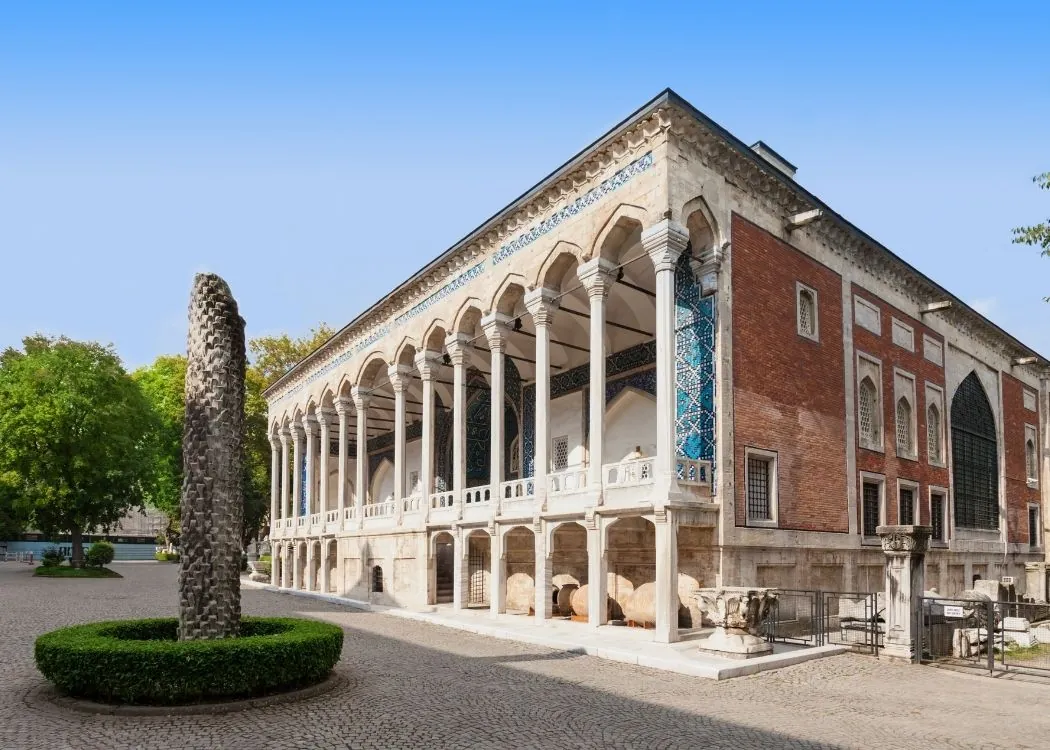


    The interior of the Tiled Pavilion attracts attention with its six rooms and central hall filled with rare examples of Turkish tiles and ceramics. The museum's rich collection includes approximately 2000 works dating back to the 11th-20th centuries. In particular, works such as the tile mihrab of Karamanoglu Ibrahim Bey Imaret, dated 1432, and the Ab-i Hayat Fountain, built in 1590, impress visitors.
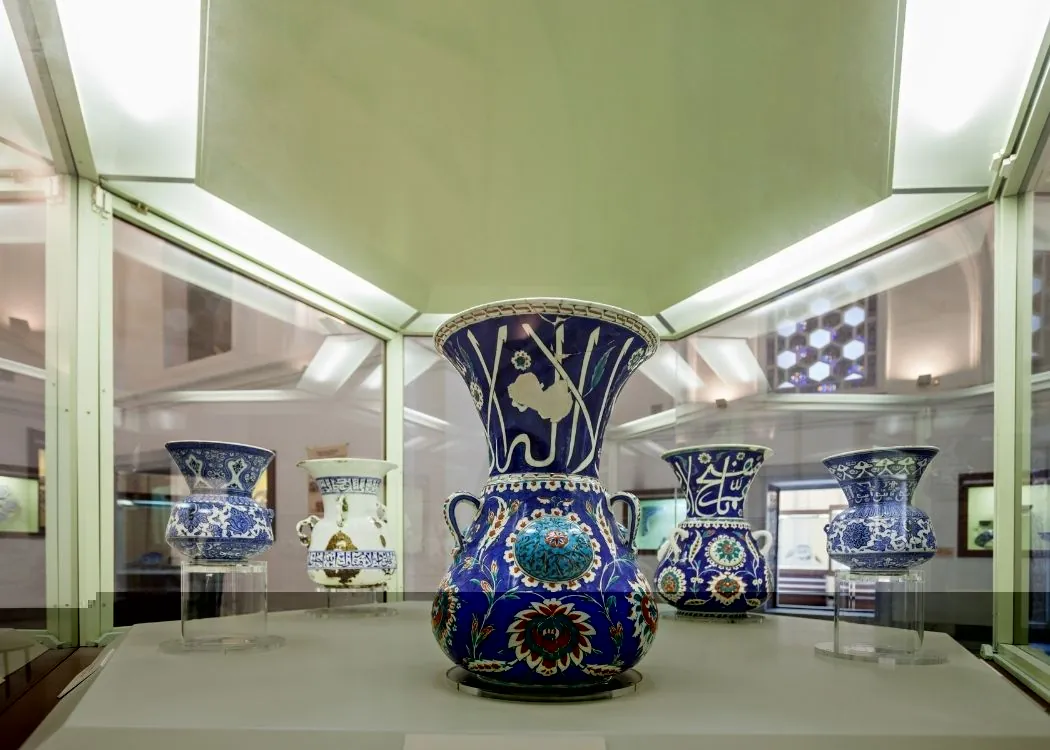


    The Tiled Pavilion section of the Istanbul Archeology Museum is open to those who want to discover Istanbul's rich cultural and architectural heritage. Here, you can look back on the glorious days of the Ottoman Empire and see magnificent examples of Turkish art.


    The Istanbul Archaeological Museums invite history and culture enthusiasts to a fascinating journey. This magnificent complex, the first regular museum of the Ottoman Empire, contains a rich and deep historical heritage. The Archaeological Museum is a treasure for anyone who wants to follow the traces of the past. It offers visitors the mysterious world of ancient civilizations and artifacts from imperial lands.


    Note: Istanbul Archaeological Museums is open to visitors while the Tiled Pavilion and the Museum of Ancient Oriental Arts are currently under construction


  • Taksim Square and Around

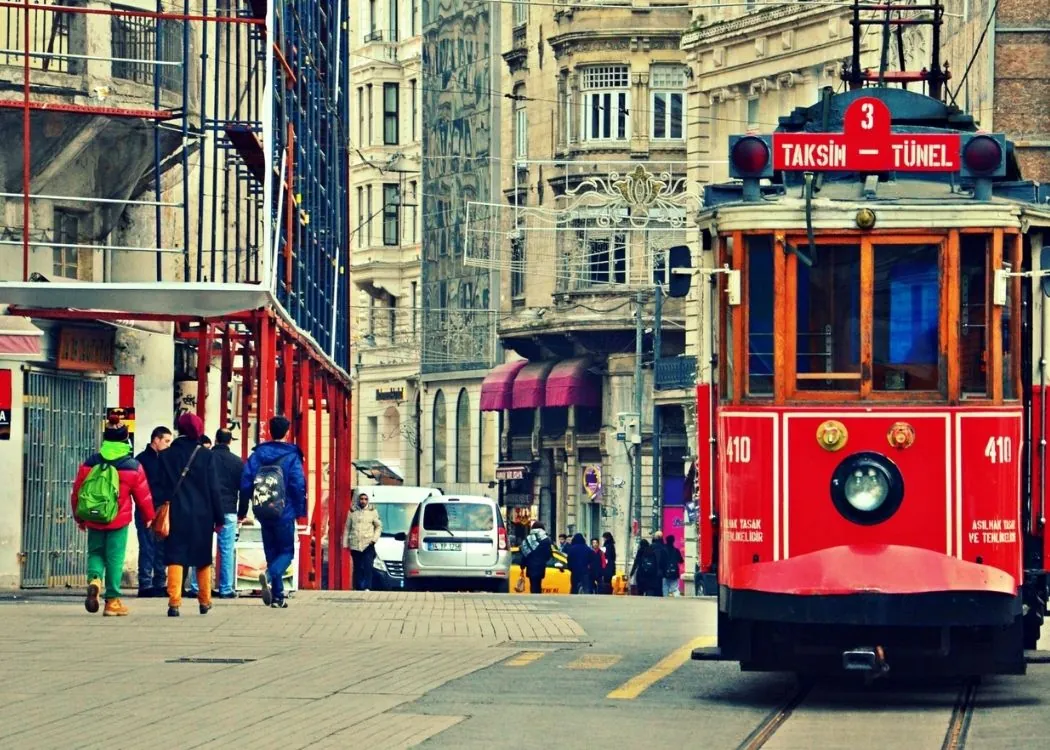
    Taksim Square is the perfect starting point for exploring Istiklal Street. You can visit Istiklal Street all day long, starting from Taksim Square. Exploring Taksim and Istiklal Street individually with a great free audio guide offered by Istanbul Tourist Pass® provides a more efficient experience. With this audio guide, you can be informed and have a pleasant time.


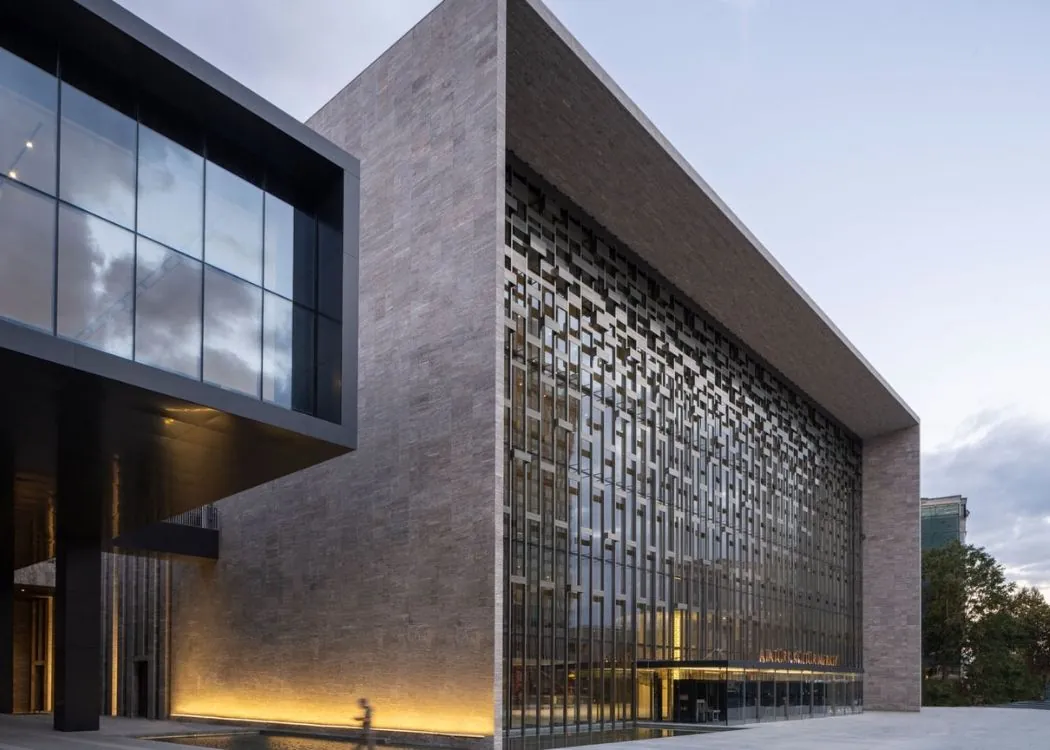
    The services of Istanbul Tourist Pass® for your Taksim and Istiklal Street tour are not limited to the free audio guide. You can also get discounted entrance to the Galata Tower and the Museum of Illusions. You can benefit from discounts on VIP tickets for the Fire of Anatolia Dance Show at Ataturk Cultural Center.


    Istanbul Tourist Pass® is a digital travel pass for tourists exploring the city. It includes more than 100 popular tourist attractions, such as the Hagia Sophia and the Blue Mosque, and different experiences, such as the Flying Dress Photoshoot. Tourists can save both money save over 50% and time by purchasing 1, 2, 3, 4, or 5-day passes, depending on the duration they plan. With Skip the Ticket Lines, pass holders can pass through many tourist attractions without waiting in ticket queues, and since they enter the museums with a guide, they do not waste time in the entrance queues.


    About Taksim Square


    Taksim Square, one of the most symbolic and vibrant areas of Istanbul, offers visitors a unique experience. This iconic square holds a special place in the hearts of both locals and visitors, offering a perfect blend of history, culture, and modernity. As you explore this lively area, you'll be captivated by its unique charm and energy.


    Taksim Square is one of the most famous and lively squares in Istanbul. Known as the center of the city, this square has been the scene of many important events in the past and played an important role in the social, cultural and political life of Istanbul.


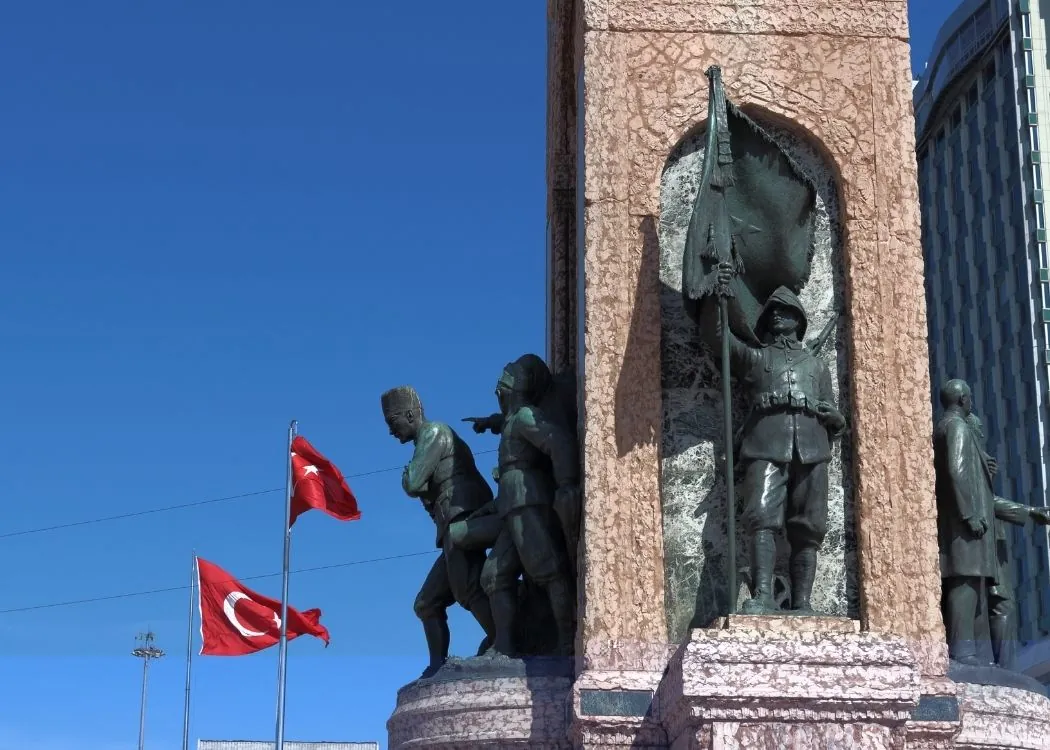
    The square is located in the Beyoglu district and is located on the European side of the city. It takes its name from the Arabic word "taksim", which means "division". It is very close to the historical Galata Tower and Istiklal Street and is one of the most popular tourist areas in Istanbul. One of the most distinctive features of the square is the Republic Monument. This monument represents Mustafa Kemal Ataturk, the founder of the Republic of Turkey, and symbolizes the country's efforts at modernization and Westernization.


    Taksim Square is a cosmopolitan and vibrant center in Istanbul. At the very center of Taksim Square stands the Republic Monument, a magnificent structure unveiled in 1928 to commemorate the fifth anniversary of the Turkish Republic. This symbolic masterpiece pays homage to the nation's history and the spirit of its people.


    While wandering around the square, you can observe the fluttering of the pigeons' wings and the friendly people who feed them. This scene highlights the liveliness of the square and the common spirit that people come together and share. Taksim Square is not just a square, but also the soul of the city. This creates a charming atmosphere, making Taksim Square a true gathering place for locals and tourists alike.


    About the Republic Monument


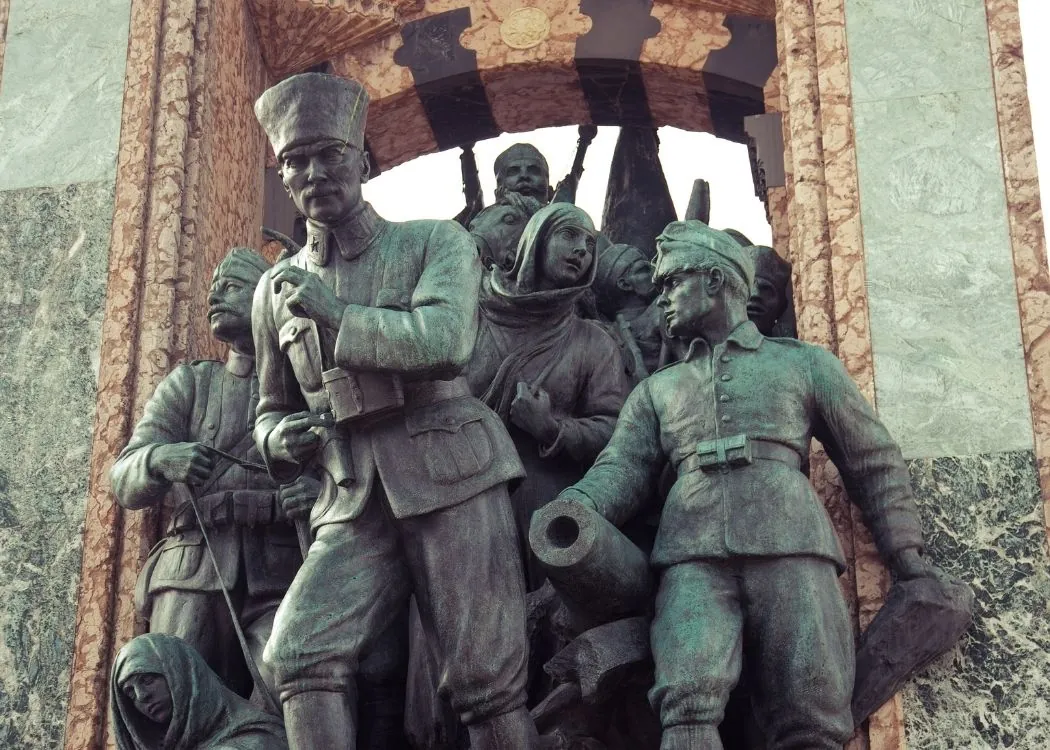
    The Republic Monument, located in Taksim Square, was completed in 1928 by Italian sculptor Pietro Canonica. The base and landscaping of the monument were made by architect Giulio Mongeri.


    The monument is located in a circular square and is designed in a fountain style. The bronze figures are placed on an arched stone plinth, inspired by traditional architecture. The height of the monument is 11 meters and pink Trentino-Alto Adige/Sudtirol and green Suza region marbles were used on its base.


    One side of the monument represents the Turkish War of Independence, and the other side represents Republican Turkey. On the north face, Mustafa Kemal is depicted with his soldiers. On the other side, it symbolizes the founding of young Turkey with Mustafa Kemal Ataturk, Ismet Inonu and Fevzi Çakmak in civilian clothes, soldiers and the public. Additionally, on this face, the statues of Soviet generals Mikhail Frunze and Kliment Voroshilov, located behind Atatürk, express gratitude for the Soviet aid provided to Turkey. On the side faces of the monument, there is a soldier statue and two female portraits in the medallions above them.


    What to do Nearby?


    Beyond the monument, the vibrant energy of Taksim Square continues to unfold. Immerse yourself in the lively ambience of the bustling commercial markets lining Istiklal Street, offering a wide array of shops, eateries, and boutiques. Whether you are in search of unique souvenirs or craving authentic Turkish delicacies, you are sure to find something that piques your interest.


    Taksim Square is not only a cultural hub but also serves as the central transportation hub of modern Istanbul. The Istanbul Metro and bus system converge here, making it incredibly convenient for travellers to access various parts of the city. From here, you can embark on exciting journeys to explore the enchanting attractions that Istanbul has to offer. Adjacent to the square is the peaceful and picturesque Gezi Park, a lush green oasis amidst the bustling cityscape. Take a stroll through its winding paths, relax on the benches, and enjoy the serenity of nature, offering a welcome escape from the vibrant energy of Taksim Square. As you explore the area, you’ll also come across the magnificent Taksim Mosque, an architectural gem that graces the skyline with its stunning domes and minarets. Feel free to step inside to admire the intricate craftsmanship and experience the spiritual ambience.


    Taksim Square truly embodies the spirit of Istanbul—historic, lively, and diverse. It is a place where the past meets the present, and where the heartbeat of the city can be felt in every corner. Whether you’re a history enthusiast, a shopaholic, or a lover of culture, Taksim has something remarkable to offer you.


  • Everything You Need to Know About Madame Tussauds Museum Istanbul

    Madame Tussauds is a wax museum headquartered in London with 24 locations worldwide. The wax statues exhibited in this museum generally represent various famous people, from historical figures to famous actors, successful athletes, movie characters, and musical artists. Its branches include Hong Kong, Tokyo, Sydney, Berlin, Amsterdam, New York, and Istanbul.


    Madame Tussauds, one of the museums included in the Istanbul Tourist Pass®, offers its visitors hyper-realistic wax sculptures. Although there is a fee to enter the museum, you can enter for free as long as you have this pass. With the pass, you can explore the museum at your leisure, taking in the artistry and marveling at the impressive collection of wax figures. Inside the museum, knowledgeable guides will meet you, and you will have the opportunity to explore Turkey's cultural heritage along with its historical figures.


    Istanbul Tourist Pass® is a digital travel pass for tourists exploring the city. It includes more than 100 popular tourist attractions, such as the Hagia Sophia and the Blue Mosque, and different experiences, such as Stand-up Paddle-Boarding and Flying Dress Photoshoots. Tourists can save both money over 50% and time by purchasing 1, 2, 3, 4, or 5-day passes, depending on the duration they plan. With Skip the Ticket Lines, pass holders can pass through many tourist attractions without waiting in ticket queues, and since they enter the museums with a guide, they do not waste time in the entrance queues. So let's get back to the Madame Tussauds Istanbul.


    About Madame Tussaud Museum


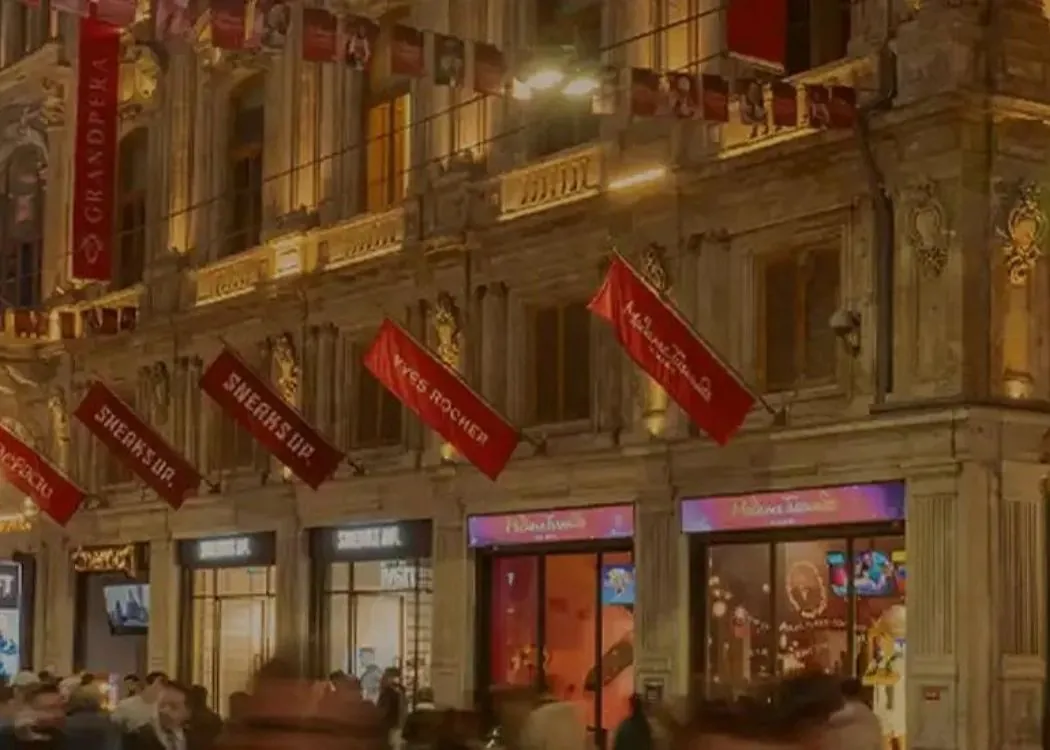
    Madame Tussauds Istanbul is an extraordinary wax museum located on Istiklal Street in the vibrant city of Istanbul. As you explore this renowned tourist attraction, you'll have the opportunity to come face-to-face with lifelike wax figures of famous and historical figures and beloved characters from film, television, and sports.


    Madame Tussauds is not just a museum; it's a global phenomenon with branches in 24 cities worldwide. Founded by the talented sculptor Marie Tussaud in London, this museum has captivated audiences since its inception in 1835. Today, Madame Tussauds Istanbul stands as a testament to the artistry and craftsmanship that Madame Tussaud herself pioneered.


    Who is Madame Tussaud?


    Marie Tussaud's journey began in Strasbourg, France, in 1761. As a young girl, she learned the art of wax modeling from Philippe Curtius, a skilled physician in Bern, Switzerland. Her talent blossomed, and she created her first wax sculpture of Voltaire in 1777. Throughout her career, she sculpted prominent figures of the time, including those from the French Revolution.


    After inheriting Curtius's extensive collection of wax models, Marie Tussaud embarked on a touring show across Europe, showcasing her remarkable creations. In 1835, she settled in London and opened her own museum, which featured the famous Chamber of Horrors, housing sculptures of victims of the French Revolution and notorious criminals.


    The History Behind the Museum


    Madame Tussauds' history is as fascinating as the wax figures it showcases. It all began with the remarkable life and talent of Marie Tussaud, a sculptor extraordinaire who laid the foundation for what would become one of the world's most renowned museums. Marie Tussaud, born initially Marie Grosholtz in Strasbourg, France, in 1761, had a unique upbringing that set the stage for her extraordinary career. Her mother worked as a maid for Philippe Curtius, a skilled physician skilled in wax modeling in Bern, Switzerland. It was here that Marie first encountered the enchanting world of wax sculpture.


    Under Curtius's guidance, Marie honed her skills and showcased her exceptional talent at a young age. Her first significant creation was a wax sculpture of the renowned philosopher Voltaire, which she crafted in 1777. This early success began a lifelong dedication to perfecting the art of wax modeling. Marie Tussaud's talents quickly gained recognition, and at the age of 17, she became the art tutor to Madame Elizabeth, sister of King Louis XVI, at the Palace of Versailles. During the tumultuous period of the French Revolution, Marie used her skills to create wax models of many prominent figures, including King Louis XVI and Marie Antoinette. Tragedy struck when Marie's mentor, Philippe Curtius, died in 1794. As his inheritor, Marie inherited his vast collection of wax models, which became the foundation of her future endeavors. Marie embarked on an ambitious journey, touring Europe with a traveling exhibition of wax figures. She traversed the continent for the next 33 years, captivating audiences with her lifelike creations. In 1795, she married Francois Tussaud, a French civil engineer, and adopted his surname, becoming known as Madame Tussaud.


    In 1835, Madame Tussaud settled down in Baker Street, London, and opened her first permanent museum. This marked a significant milestone in the museum's history, as it became a permanent home for her ever-growing collection of wax figures. The museum quickly gained popularity, captivating visitors with its unique art, history, and entertainment blend. One of the museum's most famous attractions, the Chamber of Horrors, was introduced in the early years. It featured wax figures depicting victims of the French Revolution and notorious criminals and murderers. This macabre section added a thrilling and captivating element to the museum, ensuring its lasting impact on visitors.


    Over the years, Madame Tussauds continued to expand and evolve, adding more figures and attractions to its collection. The gallery originally housed around 400 different figures, each meticulously crafted to capture the likeness and personality of its subject. However, Madame Tussauds faced its fair share of challenges throughout history. In 1925, a devastating fire broke out in the museum, severely damaging many of the wax sculptures. Then, during World War II, the museum endured further destruction due to German bombardment in 1941. Despite these setbacks, Madame Tussauds persevered and rebuilt, continuing to captivate audiences with its lifelike creations.

    Today, Madame Tussauds Istanbul is a testament to Marie Tussaud's vision and legacy. Its 21st location has become an integral part of the city's cultural landscape, allowing visitors to immerse themselves in the world of wax figures and experience the magic of meeting their favorite celebrities and historical icons. As Madame Tussauds Istanbul continues to expand its collection and embrace new technologies, it remains an iconic destination for those seeking entertainment, education, and a truly unique museum experience. Its rich history and dedication to artistry make it a must-visit attraction for visitors worldwide.


    About Madame Tussauds Istanbul Museum


    Fast forward to the present day, and Madame Tussauds Istanbul offers visitors an immersive experience. You'll encounter a diverse array of figures, carefully crafted to resemble celebrities, musicians, actors, historical icons, and even influential figures from Turkish culture and history. Whether you're a music, cinema, sports, science, or politics fan, there's something here for everyone.


    Let's delve into some fascinating figures you'll encounter during your visit. The music section features icons like Madonna, Beyoncé, Lady Gaga, Demi Lovato, and the legendary Bob Marley. Turkish musicians such as Zeki Müren, Müslüm Gurses, Aleyna Tilki, and Murat Boz are also proudly displayed. As you venture into the cinema section, prepare to be starstruck by wax figures of Marilyn Monroe, Audrey Hepburn, Jennifer Lawrence, Steven Spielberg, Tom Cruise, and the beloved Turkish actor Tarik Akan. You might even come face-to-face with Spider-Man himself!


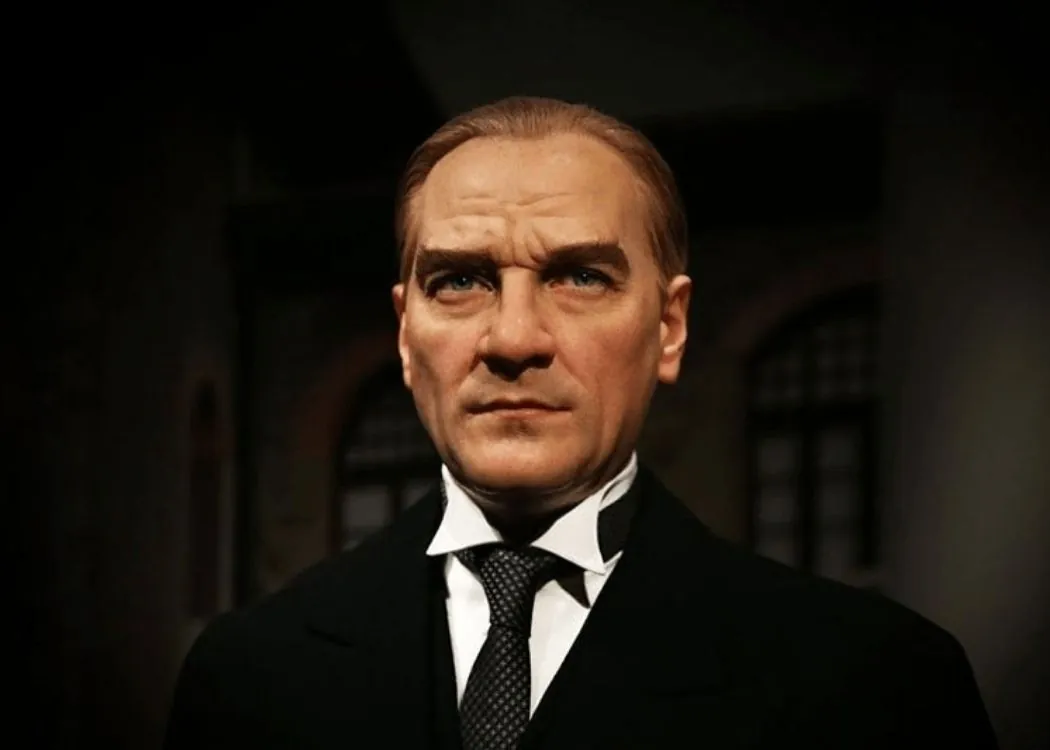
    For sports enthusiasts, Madame Tussauds Istanbul showcases legendary athletes such as Muhammad Ali, Maria Sharapova, Rafael Nadal, and Lionel Messi, capturing their athleticism and grace in stunning detail. The museum also celebrates great minds and cultural icons. You can admire the likenesses of Marie Tussaud, Albert Einstein, Leonardo da Vinci, Wolfgang Amadeus Mozart, Sabiha Gökçen (the first Turkish female pilot), Steve Jobs, and the esteemed Turkish novelist Yaşar Kemal. In the VIP Party section, you'll find the glamorous wax figures of Angelina Jolie, Brad Pitt, Johnny Depp, Julia Roberts, and Leonardo DiCaprio. Turkish actress Beren Saat, comedian Tolga Çevik, and actor Kerem Bursin are also present, adding a touch of local stardom. Madame Tussauds Istanbul also pays homage to historical leaders, with figures like Atatürk, the visionary founder of the Turkish Republic, Fatih Sultan Mehmed, the conqueror of Istanbul, and Mimar Sinan, the renowned Imperial Architect.


    Lastly, the museum features a special section dedicated to the stars of the Middle East, including Nancy Airam, Maya Diab, Eile Saab, Carla Di Bello, and Bin Baz. Throughout your visit, feel free to take memorable photos and capture the magic of Madame Tussauds Istanbul. Immerse yourself in the rich history, entertainment, and artistry that this unique museum has to offer.


    Tips for Visitors


    As you embark on your visit to Madame Tussauds Istanbul, here are some helpful tips to enhance your experience and make the most of your time in the museum:


    Take your time: Madame Tussauds Istanbul is filled with incredible wax figures and immersive displays. Allow yourself ample time to explore each section and appreciate the attention to detail in each sculpture. Take in the ambiance and enjoy the unique atmosphere of the museum.


    Get up close and personal: Madame Tussauds's wax figures are incredibly lifelike, so don't be shy! Feel free to get closer to the figures, pose for photos, and interact with them. This is your chance to snap some memorable selfies with your favorite celebrities and historical icons.


    Learn the stories: Each wax figure at Madame Tussauds has a fascinating story behind it. Take advantage of the audio guide and informational plaques to learn more about the figures and their significance. Discover the achievements, contributions, and impact of the individuals represented in the museum.


    Engage with the interactive exhibits: Madame Tussauds Istanbul features interactive exhibits that allow you to immerse yourself in the world of your favorite celebrities. Participate in the activities, strike a pose, and have fun interacting with the displays. These interactive elements add an extra layer of enjoyment to your visit.


    Capture the memories: Bring your camera or smartphone to capture the special moments during your visit. Photography is encouraged, so take as many pictures as you like. Share your experiences with friends and family, and relive the excitement of meeting your favorite stars.


    Plan your visit strategically: Madame Tussauds Istanbul can be busy, especially during peak hours and weekends. Consider visiting during weekdays or earlier in the day to avoid crowds. This will allow you to fully immerse yourself in the experience and take your time exploring the museum.


    Check for special events: Madame Tussauds Istanbul often hosts special events and temporary exhibits. Before your visit, check the museum's website or inquire with staff to see if any additional attractions or activities are happening during your visit. You can catch a live performance or encounter a limited-time exhibit.


    Visit the gift shop: Stop by the museum's gift shop after your tour. You'll find many souvenirs, including miniatures of wax figures, keychains, books, and more. Take home a souvenir to remember your visit to Madame Tussauds Istanbul.


    Remember to enjoy your time at Madame Tussauds Istanbul and embrace the unique opportunity to meet your favourite celebrities and historical icons up close. Immerse yourself in the museum's artistry, history, and entertainment, and create lasting memories of this extraordinary experience. A visit to Madame Tussauds Istanbul is an unforgettable experience that combines artistry, entertainment, and history in one captivating museum. From the lifelike wax figures of renowned celebrities to the immersive exhibits that transport you into different worlds, this museum offers a unique opportunity to engage with popular culture and historical icons.


    As you stroll through the museum, you'll encounter figures that span music, cinema, sports, science, culture, and politics, both from Turkey and worldwide. Each wax sculpture is meticulously crafted to capture the essence and personality of its subject, making it feel as though you are in the presence of your favourite stars. Remember to immerse yourself in the interactive displays, pose with your favorite celebrities, and capture those special moments to share with friends and family. The memories you make at Madame Tussauds Istanbul will stay with you long after your visit.


    Before you leave, be sure to check out the museum's gift shop, where you can find a variety of souvenirs to commemorate your time at Madame Tussauds Istanbul. From miniatures of the wax figures to books and keepsakes, there's something for everyone to take home and cherish. Whether you're a music, cinema, or history fan or appreciate the artistry behind wax sculptures, Madame Tussauds Istanbul offers an extraordinary experience that appeals to visitors of all ages and interests. So, take the chance to be part of this magical world where fantasy and reality converge.


  • Burgazada of the Princes’ Islands

    Burgazada is the third largest island of the Princes' Islands. Burgazada is the third largest island of the Princes' Islands and is located in the calm waters of the Marmara Sea.


    Get ready to experience this unique experience in Burgazada. This island offers unique experiences for every visitor, from day trips to long-term stays. It fascinates its visitors with its legendary architecture, lively beaches, and breathtaking views. Additionally, the island's delicious local cuisine is waiting to be discovered. You can benefit from the Istanbul Tourist Pass® for a better Princes' Islands tour.


    Istanbul Tourist Pass® is a digital travel pass for tourists who want to explore the city. It includes more than 100 popular tourist attractions, such as the Hagia Sophia and the Blue Mosque, and different experiences, such as Stand-up Paddle-Boarding and Flying Dress Photoshoot. Tourists can save both money save over 50% and time by purchasing 1, 2, 3, 4, or 5-day passes, depending on the duration they plan. With Skip the Ticket Lines, pass holders can pass through many tourist attractions without waiting in ticket queues, and since they enter the museums with a guide, they do not waste time in the entrance queues.


    About Burgazada


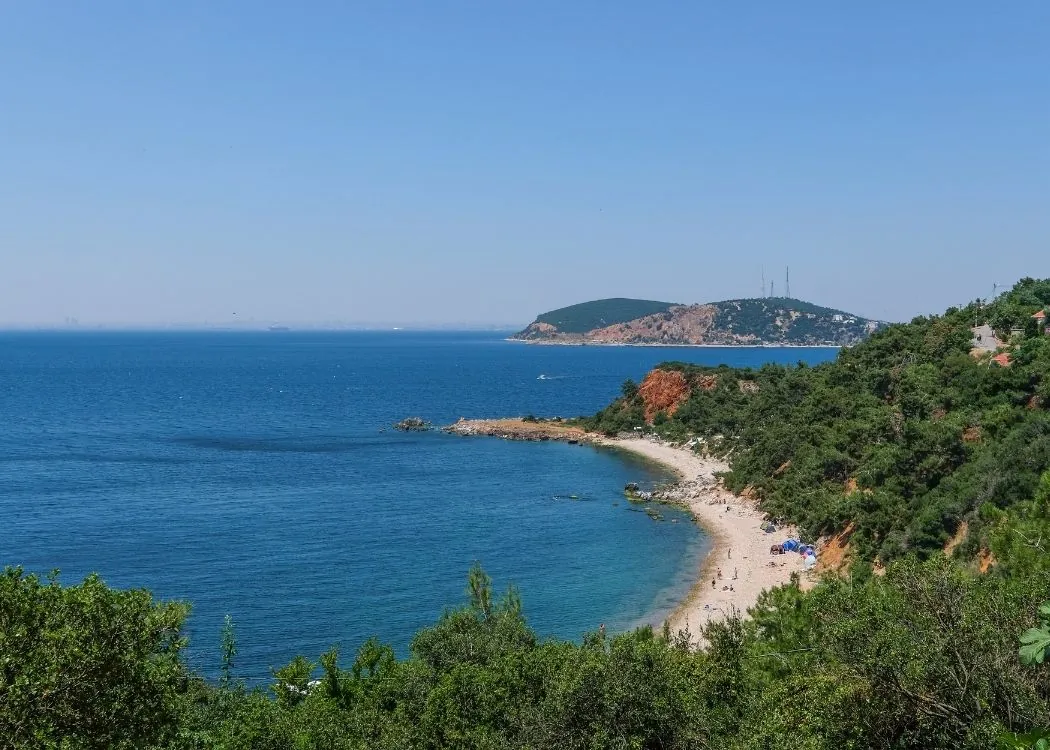
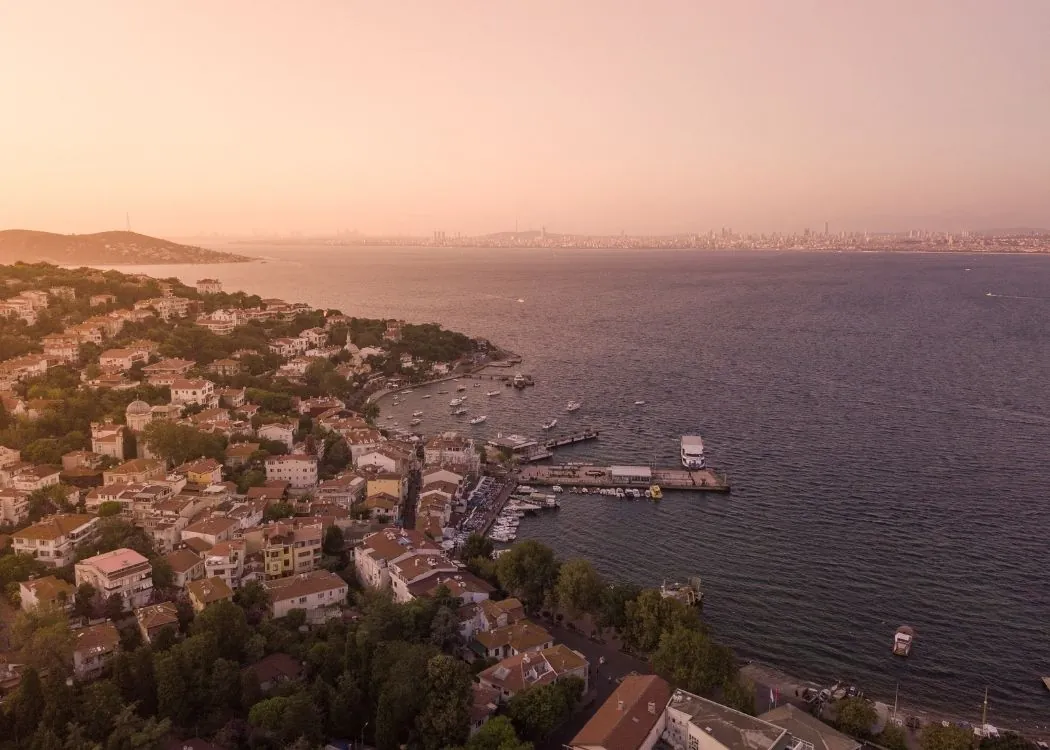
    Burgazada is a perfect option for those who want to get away from the crowds of Istanbul and have a peaceful getaway. Burgazada, the third largest island of the Prince Islands, welcomes you with quiet forest roads.


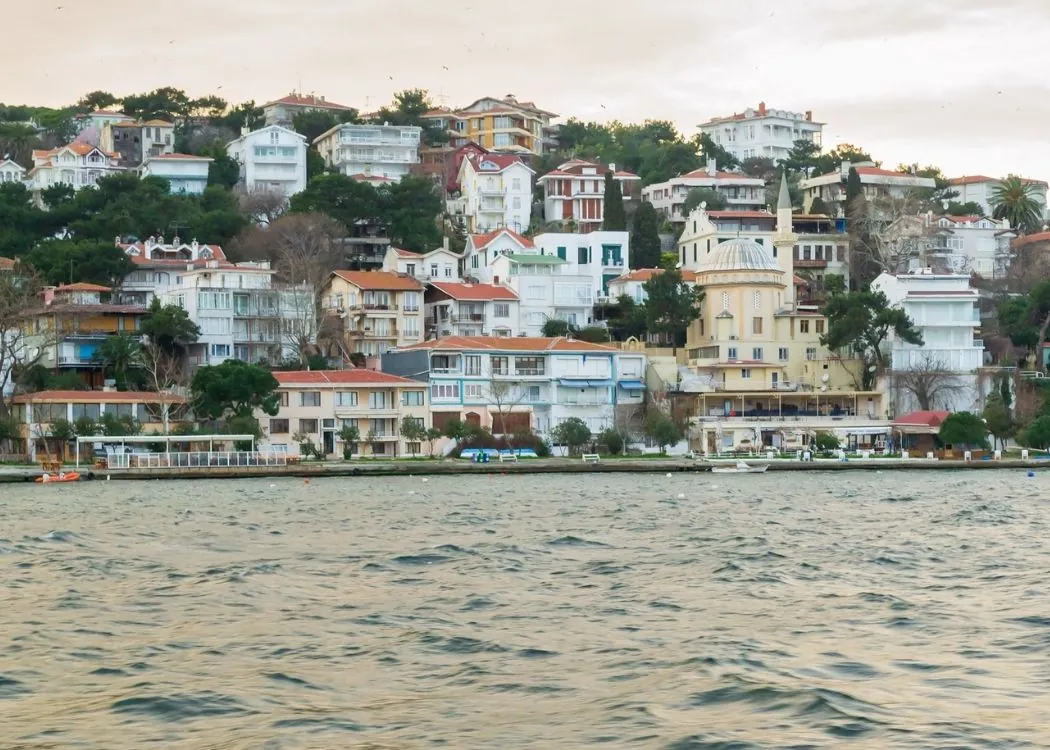
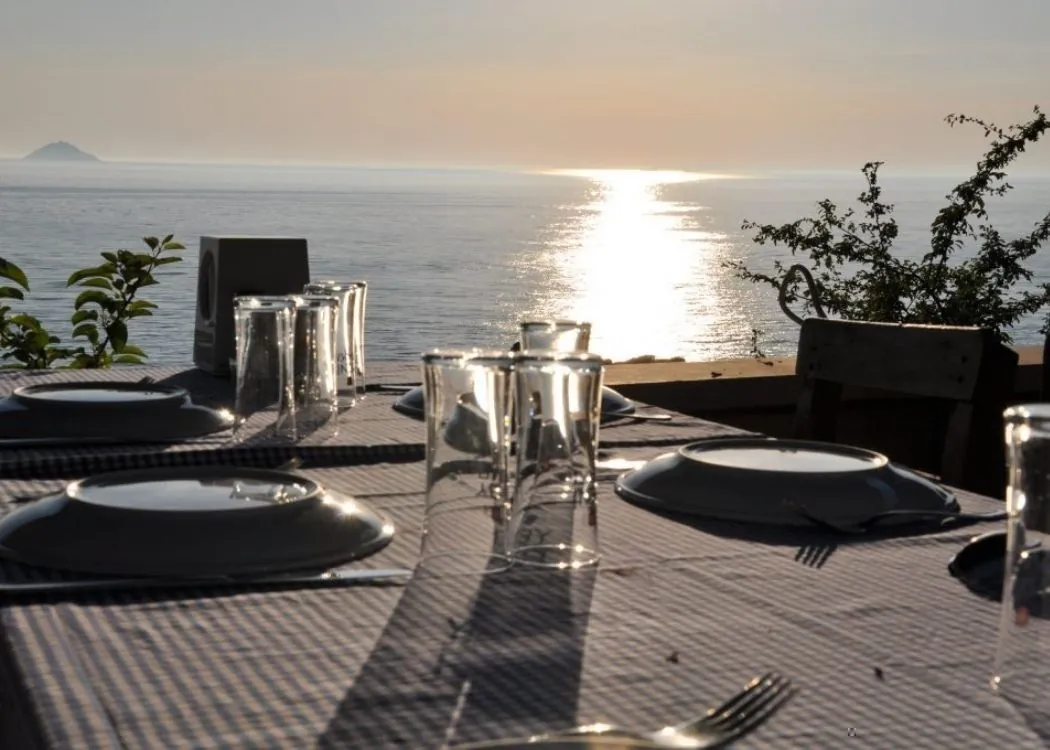
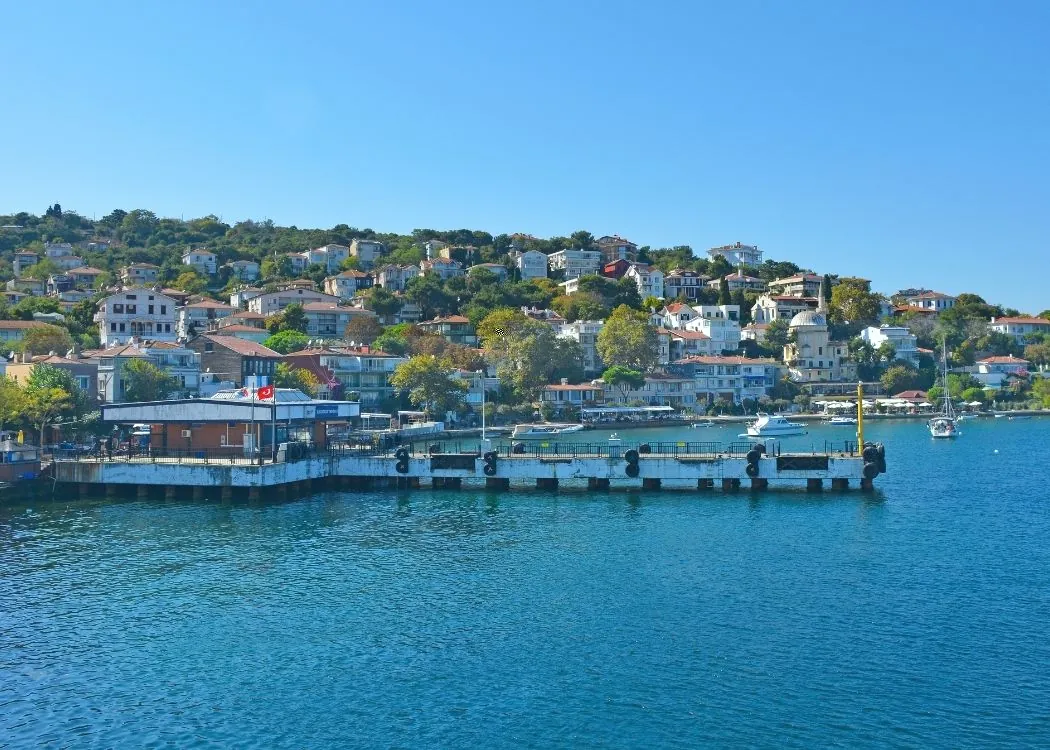
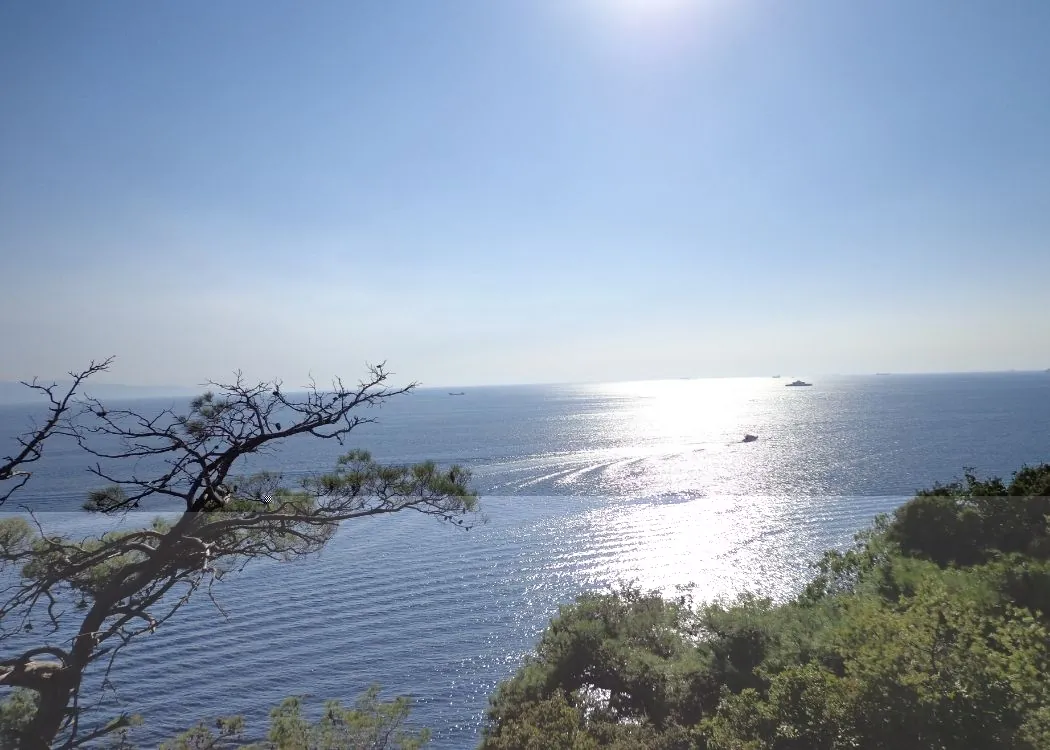
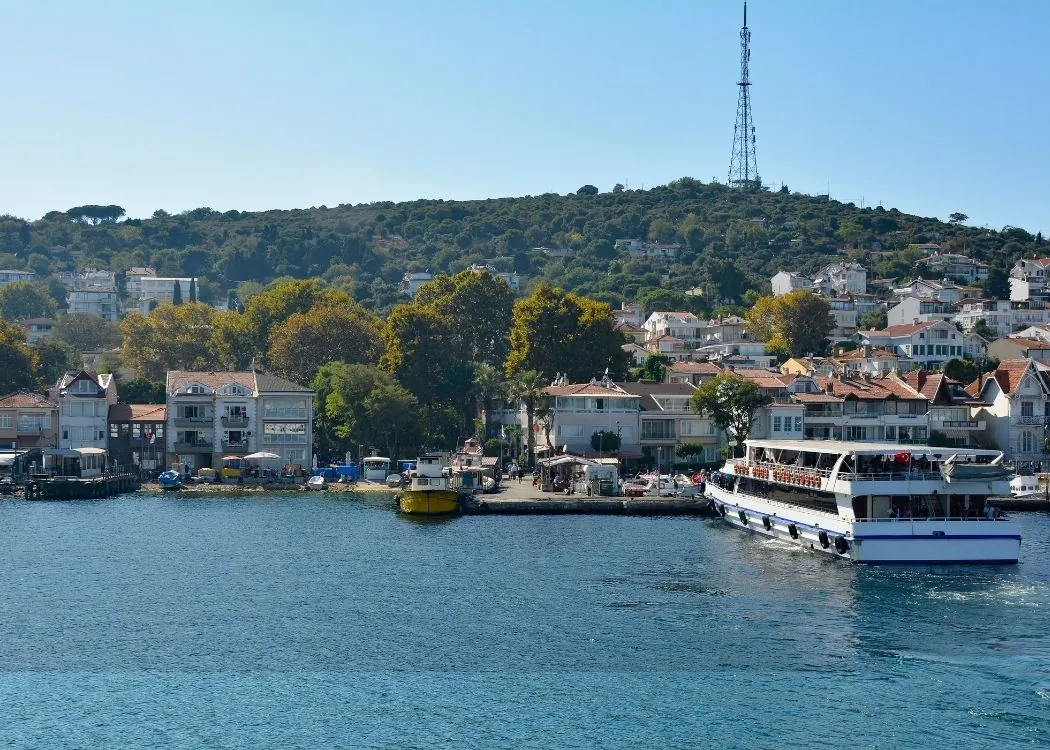
    The view of the island is truly fascinating. With its location overlooking Heybeliada and Kasikadasi (Spoon Island), it offers a picture where the sea and green come together. Burgazada is one of the most famous corners of Istanbul, with its coasts decorated with wooden mansions, pine forests, and elegant streets. You can reach the old beach of the island by getting off the ferry at the pier, turning left, and following the coastline. One of the most beautiful spots where you can watch the sunset is Kalpazankaya. There is a restaurant on this hill in the western direction of the island.


    Let's examine Burgazada's cultural texture. Sait Faik Abasiyanik, one of the important writers of contemporary Turkish literature, spent a period of his life here. His house in Burgazada has been turned into a museum named the Sait Faik Abasiyanik Museum.


    The peace offered by the island is also associated with the sanatorium that was once established here. Founded in 1928, Burgazada Sanatorium is one of the oldest sanatoriums in Turkey. Sometimes, the history of the island also includes suffering. Although a large forest fire in 2003 damaged many trees, the island's beautiful nature quickly returned to bloom.


    History of Burgazada


    Burgazada has an essential history since ancient times. It was home to an enormous castle by Antigone, Alexander the Great's general. Over time, this castle named the island after Antigone and later became known as "Burgaz" in Greek.


    Methodios, one of the respected patriarchs of the Orthodox Church for a while, was imprisoned in a cellar on the island. Today, the Ayios Ioannis Church stands on the site of this crypt. Historically, the island was inhabited mainly by Greeks, and in the 20th century, many Jews from Istanbul settled here. However, with the decline of Turkey's minorities, the local population now closely resembles the rest of Istanbul. The strait surrounding this place has been known as Erebinthus since ancient times. The Byzantines called this place Therebintos or Panormos.


    What to Do and See in Burgazada


    Burgazada is an island that can be visited in all seasons, although it is smaller than Buyukada and Heybeliada. However, the spring and summer months are the periods that host the most visitors. It is an ideal escape point for those who want to escape the city's chaos and be in touch with nature and history. You can visit Burgazada on a day trip or stay on the island and find yourself in an atmosphere where you can find more peace.


    You will feel the Istanbul of the past in the streets of Burgazada. This island, where people of different religions live together, is one of the rare places where mosques, synagogues, and churches exist. It is known for its cultural diversity. With all these features, there are many places to discover in Burgazada. Let's take a look together.


    Aya Yani Church (Ioannes Prodromos Church)


    For your tour of Burgazada, we recommend that you visit Aya Yani Church, one of the most magnificent buildings on the island.


    This church is dedicated to St. John the Baptist. It has a fascinating history: On the site of this church, built by Empress Theodora, wife of Emperor Theophilos, is the cell where the famous exiled cleric Methodius was imprisoned.


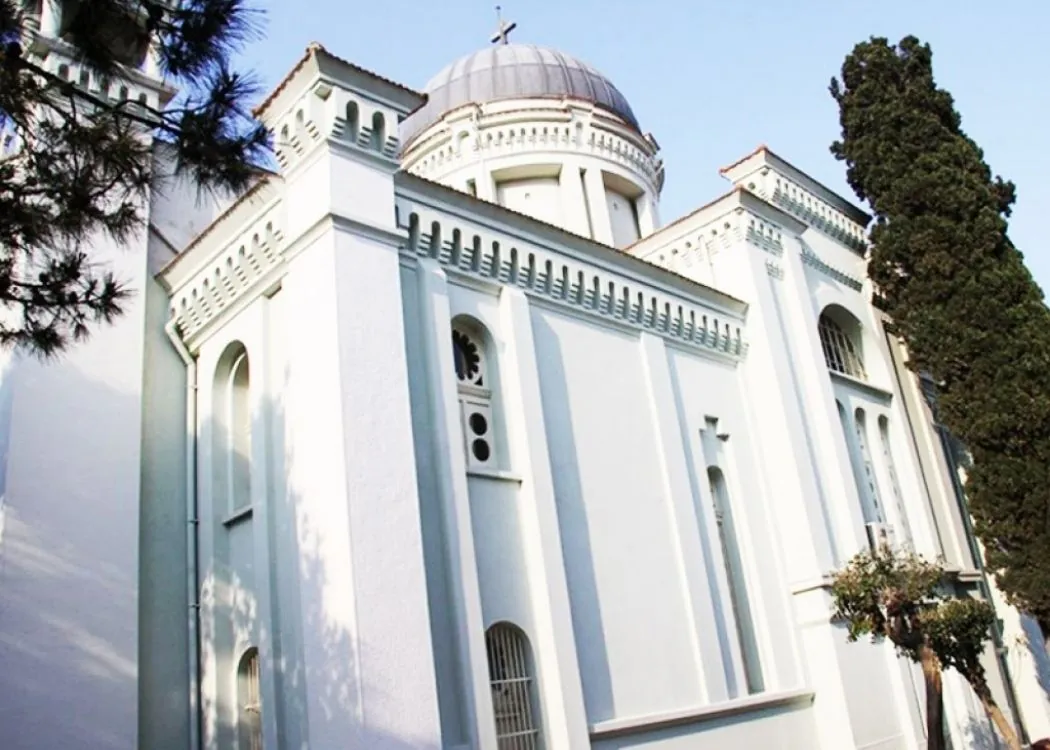
    The church, damaged during the conquest of Istanbul, was repaired in 1759 and repaired again in 1817. However, it became unusable in the July 10, 1894 earthquake, and a new one was built in 1896. Today, Burgazada serves as a place of worship for the Greek community. Aya Yani Church is entered from the entrance on the south side. The narthex at the entrance has arched doors with two columns on the right and left. A narrow staircase of 11 steps leads down to a small cell from the door on the left. This is where Methodius was imprisoned.


    From the compartment on the other side of the narthex, stairs lead to the upper floor, to the gallery that opens to the main church section. The church's central nave is dedicated to Aghios Ioannis, the right side nave is dedicated to Hagia Paraskevi, and the left is dedicated to Hagios Ayazoni. This church is an essential building that sheds light on the history of Burgazada.

    Hagia Yorgi Monastery


    You have stepped into the Hagia Yorgi Monastery, a magnificent structure on the northern coast of the island. You can reach it by following Gonullu Street. Although the monastery's origins may date back to the Byzantine period, the first documents appear in the second half of the 17th century. Greek merchants in Istanbul came together to restore and rebuild this monastery, which was almost in ruins.


    Today's church was built in 1897 with the donation of Simeon Sinyosoglu. The church, probably built faithfully to the original Byzantine architecture, is based on the Greek cross plan of medieval Byzantine architecture. Inside is a wall decorated with gold-embossed icons and wood carvings and a bishop's throne made of fine woodwork. On one side of the icons is written: "By the Cretan Monk servant Joachim of our Blessed Lord in 1818". The icon wall from the 18th century belongs to the katholikon of the old monastery.


    Hagia Yorgi Monastery is an important part of the island's cultural heritage, with its historical and artistic value. It invites visitors to experience tranquillity and a spiritual atmosphere.


    Hristos Hill and Hristos Monastery


    Hristos Hill (Christ Hill), also known as Bayraktepe (Flag Hill), is the island's highest point and one of the ideal points from which you can see the magnificent view of Istanbul. You can reach the hill either on foot or by bike. From here, you can see the superb view of Heybeliada and the Hristos Monastery, one of the most impressive structures of Burgazada.


    Emperor Basil I of Macedon built Hristos Monastery on the ruins of an Ancient Greek temple. It is located on Hristos Hill, 176 meters high, and offers a unique view to its visitors. The island's few Orthodox residents enthusiastically celebrate the holy day in Bayraktepe on August 6 every year. This traditional event is part of the island's cultural richness and is something everyone who visits should experience.


    You can now head towards Hristos Hill to discover these important points of Burgazada, which are full of natural beauty and history.


    Burgazada Mosque


    This historical mosque is one of Burgazada's symbolic buildings and forms an important part of the island's cultural heritage. The public's contribution to its construction and Angelos, a Greek journeyman from Burgazada's completion, are just a few elements that make the mosque special.


    This small mosque with a single minaret welcomes you with a warm atmosphere when you step inside. It is a quiet environment where worshipers worship in peace. The beautiful views from its windows allow you to admire the island's natural beauty.


    Burgazada Mosque is a place of worship and a center where the island's people come together and social interactions occur. Visiting this mosque, one of the essential symbols of Burgazada and its historical and cultural importance will allow you to get to know the spirit and history of the island more closely.


    Sait Faik Abasiyanik Museum


    This museum, located in Burgazada, where Sait Faik Abasiyanik, one of the important names of Turkish literature, spent a period of his life and spent his summers, takes its visitors on a journey into the writer's world. After he died in 1958, the house where Sait Faik lived began to host visitors as a museum on August 22, 1959.


    You can find traces, objects, letters, books, and photographs from the author's life here. Princes' Islands and especially Burgazada, which Sait Faik frequently mentions in his works, have been one of the sources of inspiration for his works. 16 of the 19 stories in his book "Last Birds" take place in Burgazada. Inside the museum are different rooms where you can find many details from Sait Faik's life. There is a reading room on the basement floor, a dining room and guest room on the ground floor, the author's bedroom and library on the first floor, a letter room on the second floor, and a unique sea view on the attic.


    Sait Faik Abasiyanik Museum is an important point to keep the writer's legacy, which is an important part of Turkish literature, alive and to introduce his world to visitors. Visiting here lets you feel the atmosphere in Sait Faik's works and learn more about his life.


    After discovering Burgazada's history, it is time to experience its delightful flavors and magnificent beaches. Our first stop is a selection of delectable restaurants and stunning beaches in the heart of Burgazada. You won't want to miss this delicious experience.


    Kalpazankaya Beach and Restaurant


    Kalpazankaya Beach is one of the most popular spots in Burgazada. This beach, which you can reach by a half-hour walk or bike from the pier, is famous for its clear waters and unique sunset views. With its 1, it offers a clean and peaceful environment. Kalpazankaya Restaurant, located next to the beach, is famous for its delicious seafood. It's ideal for a romantic dinner and hosts special events such as annual weddings.


    Gonullu Street and Mehtap Street Kiosks


    Gonullu and Mehtap Streets are a real attraction for those who want to explore Burgazada's historical past. These streets are full of historical mansions decorated with colorful flowers. While walking here, you can breathe in the fresh air of the island and take unforgettable souvenir photos.


    Dusler Beach (Dreams Beach)


    The Dusler Beach, known as the hidden paradise of Burgazada, is one of the island's most isolated and quiet spots. Reaching this beach near the cemetery can be a bit of an adventure, but its natural beauty and tranquillity are worth it. This beach, an ideal spot to enjoy the sea, deserves to be visited.


    We hope you have an unforgettable experience while exploring the beauties of Burgazada!


    Tips for Visiting Burgazada


    Plan Transportation: Transportation from Istanbul to Burgazada is provided by ferries. Check ferry schedules in advance and plan accordingly.


    Timing: If you want to go to the island, especially on weekends and holidays, arriving early can help avoid crowds.


    Rent a Bicycle: Since Burgazada is an island near pedestrian traffic, cycling can be pretty enjoyable. There are bicycle rental places on the island.


    Nature Walks: The island is famous for its natural beauty. There are walking routes within the island, and you can enjoy the island view on these routes.


    Explore the Beaches: Burgazada has various beaches. Don't forget to bring appropriate clothing for swimming.


    Lunch Break: The island has many restaurants and cafes serving seafood and traditional Turkish cuisine. Stop by these places to relax and taste local delicacies.


    Wear Comfortable Clothing: The island generally has a calm and peaceful atmosphere. You can enjoy the island by choosing comfortable and light clothing.


    Sunscreen and Hat: Keep sun protection materials such as sunscreen and a hat with you throughout the day. Especially in the summer months, the sun's effect can be intense.


    How to Get to Burgazada?


    You can get to Burgazada in about an hour by sea buses or motor boats departing from Istanbul's Kabatas or Bostanci piers.


    We hope you had a pleasant time exploring the beauties and rich culture of the island. If the historical and natural charm of Burgazada impresses you, consider exploring other islands. Visiting other Princes' Islands is now much easier with the Istanbul Tourist Pass®. It offers an excellent opportunity to experience Istanbul's history, culture, and natural beauty together. Suppose you want to visit Buyukada and Heybeliada, one of the Princes' Islands. In that case, you can join the Princes' Islands tour offered by Istanbul Tourist Pass® and visit the beauties of Buyukada and Heybeliada with a professional guide. If you want to explore these two great islands individually, Istanbul Tourist Pass® has offers for you. You will have a pleasant time with the Self-Guided Walking Tour with Audio Guides prepared for both Buyukada and Heybeliada.

  • A Journey Towards the Sunset in Heybeliada

    Leave behind the bustling energy of Istanbul and venture into the serene charm of Heybeliada for a day of delightful exploration. This tranquil island warrants dedicating an entire day to immerse yourself fully in its beauty and peaceful ambience. While it may seem like a substantial time commitment, the rewards of this experience are undoubtedly worth it.

    Istanbul Tourist Pass® is a benefit pass designed for city visitors. It provides a wide range of exploration opportunities by offering free or discounted entrance to more than 100 of Istanbul's most popular tourist attractions. This pass, which can be used with various validity periods from 1 day to 5 days, is economical and easy to use. You can save over 50% compared to regular entrance fees. Thanks to this pass, users can visit the city's important tourist attractions, enter museums, participate in tours and benefit from special advantages. Istanbul Tourist Pass® is usually valid for a certain period and gives its users access to many tourist attractions, making their visit more comfortable.


    Exploring islands such as Heybeliada is now effortlessly accessible thanks to the Istanbul Tourist Pass®. If you're interested in visiting Buyukada and Heybeliada, two of the Princes' Islands, the Istanbul Tourist Pass® offers a guided Princes' Islands Tour with lunch. With expert guidance, you can join the Istanbul Tourist Pass® to discover the treasures of Buyukada and Heybeli Island. If you want to explore Heybeliada yourself, a great audio guide offered by Istanbul Tourist Pass® will make your journey even more enjoyable. 


    About Heybeliada


    Heybeliada, the second largest of the Princes' Islands, is a tranquil retreat just a short ferry ride away from Istanbul, Turkey. Heybeliada, meaning 'with a saddlebag' in Turkish, is a picturesque island with a rich history and stunning natural beauty. It's a place where history meets natural beauty, offering visitors a serene escape from the hustle and bustle of city life.


    Formerly known as Halki or Halkitis due to its rich copper mines in ancient times, Heybeliada is now cherished for its picturesque landscapes and relaxed atmosphere.


    During winter, Heybeliada is home to a small community of around 4,400 residents. However, during the summer, its population swells to approximately 30,000 as tourists flock to its shores to enjoy the island's sunny beaches and refreshing sea breeze.


    Heybeliada is characterized by its four prominent hills: Hope Hill, Mill Hill, Village Hill, and Woodcutter's Son Hill. Each offers stunning panoramic views of the island and its surroundings.


    Accessible by ferry from Istanbul, Heybeliada is easily reachable for day-trippers and those seeking a peaceful retreat.


    In this guide, we'll explore Heybeliada's history, landmarks, and practical tips to enhance your visit to this enchanting island. So, let's embark on this adventure together and discover the hidden treasures of Heybeliada!


    History of Heybeliada


    Heybeliada has a rich history dating back to ancient times. Known initially as Halki or Halkitis, the island gained prominence due to its abundant copper mines, which gave rise to its name.


    During the Byzantine rule, Heybeliada became an important religious and cultural centre. Monasteries and churches were built on the island, including the Monastery of Hagia Triada (Monastery of the Holy Trinity), which played a significant role in the island's spiritual life.


    In the 16th century, Heybeliada served as a refuge for the local Greek population during the plague on the mainland. The Monastery of Hagios Georgios tou Kremnou (St. George on the Cliff) provided sanctuary for those seeking protection from the deadly disease.


    In the 19th century, Heybeliada became a popular summer retreat for Istanbul's elite, including politicians, writers, and artists. The island's mild climate and picturesque landscapes attracted visitors from near and far, leading to the construction of grand mansions and summer residences.


    During the early 20th century, Heybeliada witnessed significant social and political changes, including the decline of the Ottoman Empire and the establishment of the Republic of Turkey. The island's population became more diverse, with Greeks, Turks, Armenians, and Jews coexisting harmoniously.


    Today, Heybeliada continues to enchant visitors with its rich history, stunning architecture, and natural beauty. Whether exploring historic landmarks or simply relaxing on its sandy beaches, Heybeliada offers a glimpse into Istanbul's past and present.


    What to Do and See in Heybeliada


    Heybeliada is a treasure trove of historical and cultural landmarks, each offering a glimpse into the island's rich past and vibrant present.


    Naval High School


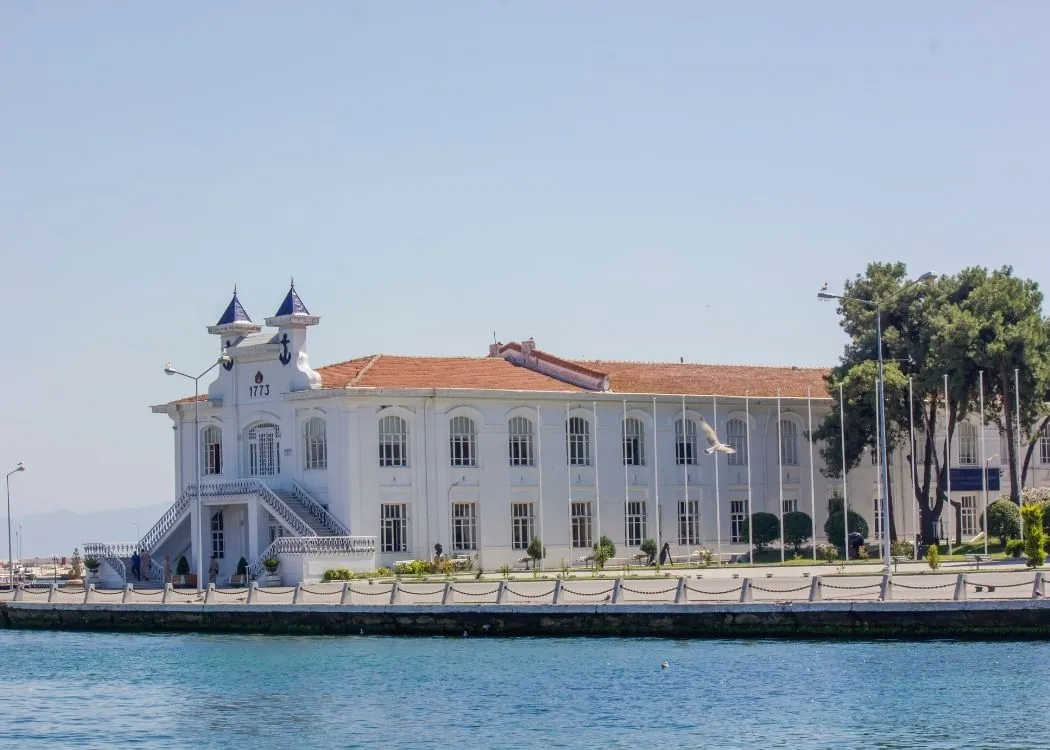
    Overlooking the jetty stands the impressive Naval High School, founded in 1773. Within its grounds lies Kamariotissa, the last Byzantine church built before the conquest of Constantinople. Though not open to the public, its significance is palpable, steeped in centuries of history.


    Monasteries


    Heybeliada boasts several monasteries, each with its own story to tell. The monastery of Hagios Georgios tou Kremnou (St. George on the Cliff), founded in the late 16th century, served as a sanctuary for the local Greek population during times of plague. Nearby, the ruins of another monastery dedicated to Hagios Spyridon offer a glimpse into the island's spiritual heritage.


    Mavromatakis Kosku


    Once the residence of Ismet Inonu, the second President of Turkey, Mavromatakis Kosku is now occasionally open as a museum, providing insight into the island's political history.


    Religious Sites


    The heart of Halki Town is adorned with the Greek Orthodox church of Hagios Nikoloas (St. Nicholas), a testament to the island's diverse religious heritage. Nearby, the Ben Yazkor synagogue and Heybeliada Camii are reminders of Heybeliada's cosmopolitan past.


    Historic Mansions


    Wander through the charming streets of Heybeliada and marvel at its elegant 19th-century mansions. These architectural gems from Lozan Zeferi to Refah Sehitler Streets offer a glimpse into the island's affluent past.


    Halki Seminary


    Perched atop Umit Tepesi (Hope Hill) lies the Halki Seminary, a symbol of Heybeliada's educational legacy. Originally home to the Monastery of Hagia Triada, the seminary has weathered centuries of history, facing challenges and controversies. Heybeliada boasts various picturesque beaches, each offering its unique charm and atmosphere. Whether you're seeking a secluded cove for relaxation or a lively spot for water sports, Heybeliada's beaches have something for everyone.


    Merdivenli Beach


    Located on the northern coast of Heybeliada, Merdivenli Beach is known for its tranquil atmosphere and clear blue waters. Accessible via a staircase (merdiven in Turkish) leading down to the shore, this beach offers a peaceful retreat away from the hustle and bustle of the island.


    Degirmenburnu Beach


    Near the iconic windmill (degirmen in Turkish) overlooking the sea, Degirmenburnu Beach is a popular spot for sunbathing and swimming. Its rocky shoreline and panoramic views of the Marmara Sea make it an ideal destination for nature lovers and photography enthusiasts.


    Halki Beach


    Nestled in a picturesque cove on the southern coast of Heybeliada, Halki Beach is known for its soft sandy shores and shallow turquoise waters. This family-friendly beach is perfect for swimming, building sandcastles, and soaking up the sun while enjoying the views of passing boats and sailboats.


    Hidden Coves and Rocky Shores


    Beyond the main beaches, Heybeliada is dotted with hidden coves and rocky shores waiting to be explored. Venture off the beaten path to discover secluded spots where you can enjoy a peaceful swim or sunbathe in solitude, surrounded by the island's natural beauty.


    Water Sports and Activities


    For those seeking adventure, Heybeliada offers opportunities for water sports and activities such as snorkelling, paddle boarding, and kayaking. Rent equipment from local vendors or join guided tours to explore the island's coastline and underwater treasures.


    Beachside Cafés and Restaurants


    After a day of sun and sea, unwind at one of Heybeliada's beachside cafés and restaurants. Indulge in delicious seafood dishes, refreshing drinks, and traditional Turkish snacks while taking panoramic views of the Marmara Sea and neighbouring islands.


    As you explore Heybeliada's landmarks, you'll uncover the layers of history and culture that have shaped this enchanting island over the centuries. Each site holds a story waiting to be discovered, inviting you to delve deeper into Heybeliada's fascinating past and present.


    Stories and Legends of Heybeliada


    Heybeliada is rich in history and steeped in fascinating stories and legends that have been passed down through generations.


    The Monastery of Hagios Georgios tou Kremnou


    Legend has it that the monastery of Hagios Georgios tou Kremnou (St. George on the Cliff) served as a refuge for the local Greek population during the plague on the mainland. Stories of miraculous healings and divine protection abound, adding to the mystique of this ancient sanctuary.


    The Naval High School and Edward Barton's Grave


    The Naval High School, with its commanding presence overlooking the jetty, holds tales of yesteryears. Within its grounds lies the grave of Edward Barton, the second English Ambassador sent to Constantinople by Queen Elizabeth I. Barton's decision to spend his final days on Heybeliada to escape the plague in Constantinople adds a touch of intrigue to the island's history.


    The Halki Seminary


    Perched atop Umit Tepesi (Hope Hill), the Halki Seminary is shrouded in mystery and controversy. Stories of its founding by patriarch Photios I of Constantinople and its turbulent history, including closures and debates over its future, evoke a sense of intrigue and fascination.

    Legends of Mansions and Religious Sites


    From the grand mansions lining the streets of Heybeliada to the historic churches and synagogues scattered across the island, each landmark holds its tales of bygone eras. Whether it's tales of illustrious residents or whispered stories of hidden treasures, Heybeliada's landmarks are steeped in legend and lore.


    As you explore Heybeliada, watch for these captivating stories and legends, which enchant your journey through this historic island. Whether fact or fiction, these tales offer a glimpse into the soul of Heybeliada, weaving a tapestry of wonder and imagination that continues to captivate visitors today.


    Tips for Visiting Heybeliada


    1. Plan Your Visit: To ensure a smooth journey to Heybeliada, check the ferry schedules in advance. Ferries depart from various locations in Istanbul, so choose the most convenient departure point for you.


    2. Pack Essentials: Remember to bring essentials such as sunscreen, a hat, sunglasses, and comfortable walking shoes. Heybeliada's sunny weather and scenic trails make it perfect for exploring outdoors.


    3. Stay Hydrated: Bring a reusable water bottle throughout your day on the island. You'll find plenty of opportunities to refill your bottle at public water fountains and cafes.


    4. Explore on Foot: Heybeliada is best explored on foot, so take your time to wander through its charming streets and discover hidden gems along the way. Be sure to bring a map or use a navigation app to help you navigate the island's winding paths.


    5. Respect Cultural Sites: When visiting religious sites and historic landmarks, remember to dress modestly and observe any rules or regulations in place. Keep noise to a minimum out of respect for other visitors and the sanctity of the sites.


    6. Enjoy Local Cuisine: Take advantage of Heybeliada's culinary offerings by sampling traditional Turkish dishes at local cafes and restaurants. Indulge in fresh seafood, mezes, and other regional specialties.


    7. Capture Memories: Bring a camera or smartphone to capture the beauty of Heybeliada's landscapes, historic buildings, and vibrant atmosphere. You'll want to preserve these memories long after you visit the island.


    8. Relax and Unwind: Take time to relax and soak in Heybeliada's laid-back atmosphere. Whether lounging on the beach, enjoying a leisurely meal, or simply taking in the views, embrace the island's slower pace of life and unwind from the stresses of everyday routine.


    By following these tips, you'll make the most of your Heybeliada adventure and create unforgettable memories to cherish for years. So, pack your bags, embark on your island getaway, and let the magic of Heybeliada enchant you.


    How to Get to Heybeliada?


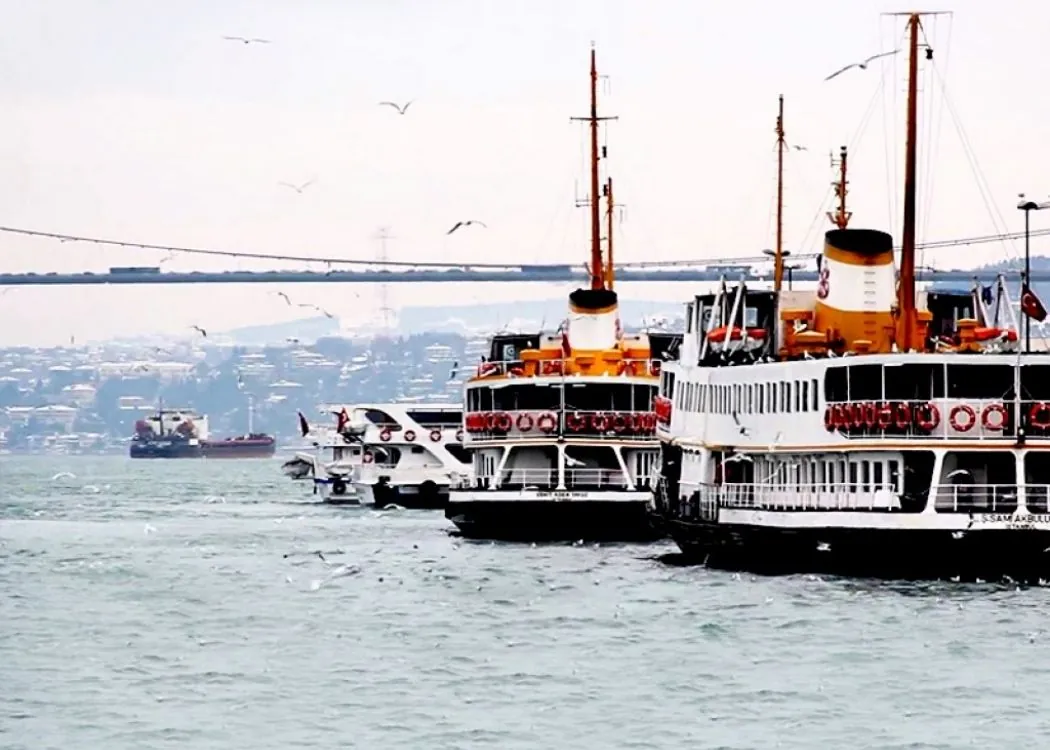
    Getting to Heybeliada is quite easy; You can access the island by ferries departing from Kadikoy, Bostanci, Eminonu and Kabatas. You can also go to Heybeliada by boat departing from Bostanci Pier. Transportation schedules vary depending on the season and the number of trips is increased on weekends.


    As your journey on Heybeliada comes to an end, take a moment to reflect on the beauty and tranquillity of this charming island. From its picturesque beaches and historic landmarks to its vibrant culture and natural wonders, Heybeliada offers a truly unforgettable experience for visitors of all ages.


    As you explore the island's hidden coves, swim in its crystal-clear waters, and stroll along its winding streets, you'll discover a sense of peace and serenity unique to Heybeliada. Whether you're seeking relaxation, adventure, or simply a day of leisure by the sea, Heybeliada has something for everyone to enjoy.


    And remember, your adventure on Heybeliada is made even more convenient and enjoyable with the Istanbul Tourist Pass®. With exclusive discounts, skip-the-line entry to attractions, and hassle-free transportation options, the pass ensures you can make the most of your time in Istanbul without any stress or worry.


    So, as you bid farewell to Heybeliada, carry with you the memories of its sun-drenched beaches, historic landmarks, and warm hospitality. Whether you're a first-time visitor or a seasoned traveller, Heybeliada will always hold a special place in your heart as a true island paradise in the Marmara Sea.

  • Kinaliada of the Princes’ Islands: Reasons to Spend a Day

    Displaying dazzling beauty in the calm waters of Istanbul, the Princes' Islands are an essential destination for those seeking a peaceful escape from the city's crowds. In order of increasing size, the four main islands, each extensively settled (the Turkish word "Ada" means island), are Kinaliada, Burgazada, Heybeliada (Greek, Halki), and Buyukada (Greek, Prinkipos).


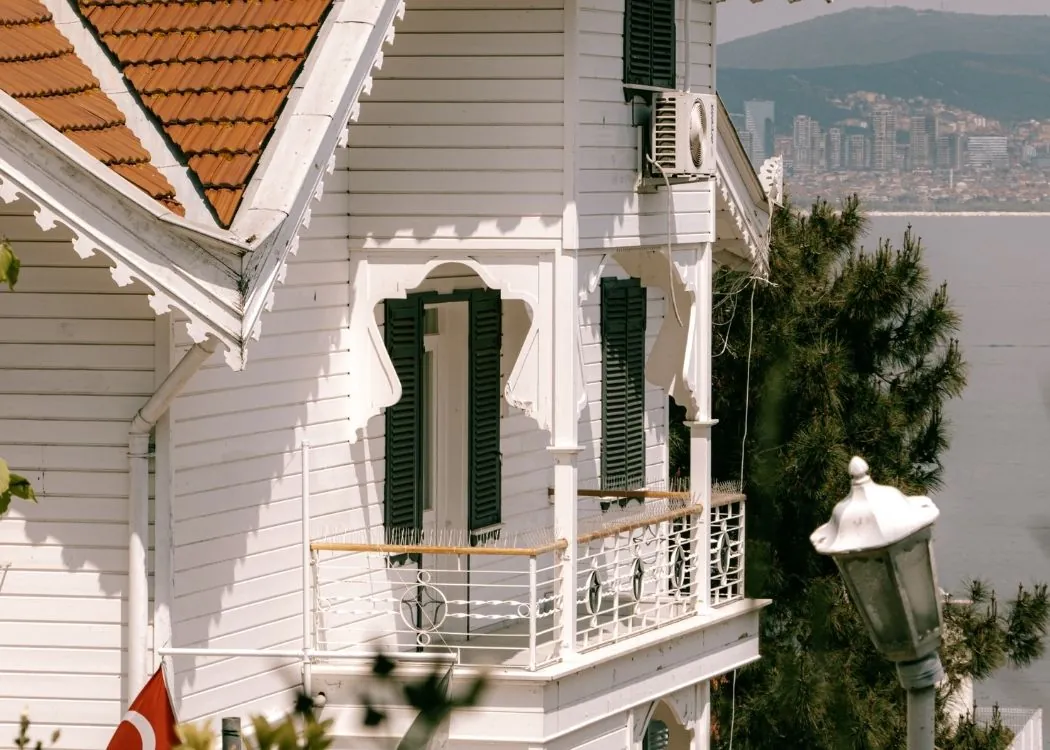
    The Princes' Islands, used as places of exile during the Ottoman period, gradually became an escape point for urban Istanbulites during the summer months. The islands, which are closed to traffic and famous for their natural beauty, offer their visitors a unique holiday experience with their verdant nature, historical buildings and clean sea. The islands have a timeless atmosphere with bikeable streets, mansions, and colourful bougainvillaeas. One of the islands, each of which stands out with its unique beauty, is Kinaliada.


    Istanbul Tourist Pass® is a benefit pass designed for city visitors. It provides a wide range of exploration opportunities by offering free or discounted entrance to more than 100 of Istanbul's most popular tourist attractions. This pass, which can be used with various validity periods from 1 day to 5 days, is economical and easy to use. You can save over 50% compared to regular entrance fees. Istanbul Tourist Pass® is Istanbul's experienced tourist pass provider, which has proven its quality with high customer satisfaction and user comments. It offers easy planning, allowing visitors to explore the city's most popular attractions with a single pass. It is ideal for visitors who want to discover its cultural and historical riches. It is the best way to discover Istanbul. Thanks to this pass, users can visit the city's places of interest to tourists, enter museums, participate in tours and benefit from special advantages. Istanbul Tourist Pass® is usually valid for a certain period and gives its users access to many tourist attractions, making their visit more comfortable.


    About Kinaliada


    Kinaliada is an island ideal for those who want a quiet and peaceful holiday away from the crowds of Istanbul. This island, where shades of green and blue intertwine, is famous for its sea. The historical Greek mansions and churches on the island are also important in architecture. The first thing you will notice when you arrive on the island will be the fish swimming in its crystal clear sea and the verdant nature surrounding it. Kinaliada is perfect for those who want to get away from the noise, even for a few days. Exploring the island by renting a bike or on foot is possible. You can also relieve the tiredness of the day by eating fresh seafood and appetizers at the restaurants on the island.


    Among the essential points you can visit on the island are the Surp Krikor Illuminator Armenian Church, Kinaliada Panagia Greek Orthodox Church, Hristos Hill and Hristos Monastery, Kinaliada Mosque and, of course, the famous beaches of Kinaliada. While visiting these places, you will discover the cultural riches and history of the island.


    Kinaliada from Past to Present


    Kinaliada will fascinate you with its natural beauty. The origin of the word Kinaliada means the island with henna in Turkish. The island got its name because the maquis used to have a reddish appearance. Today, the island has three central hills: Cinar Hill, Tesvikiye Hill, and Monastir Hill.


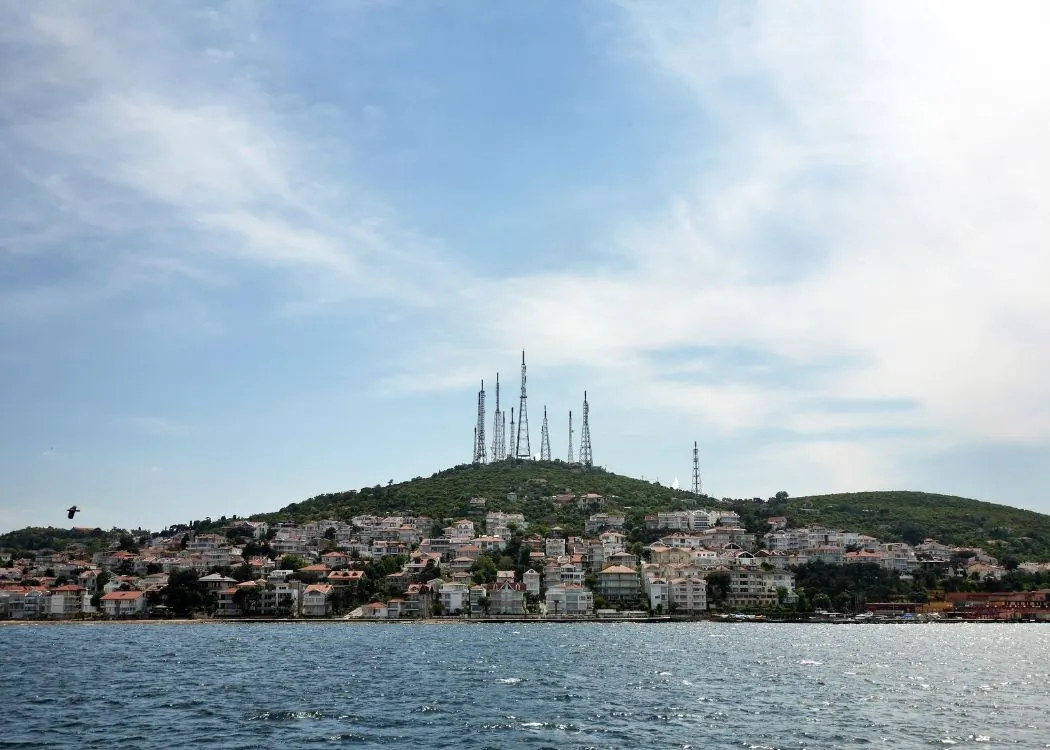
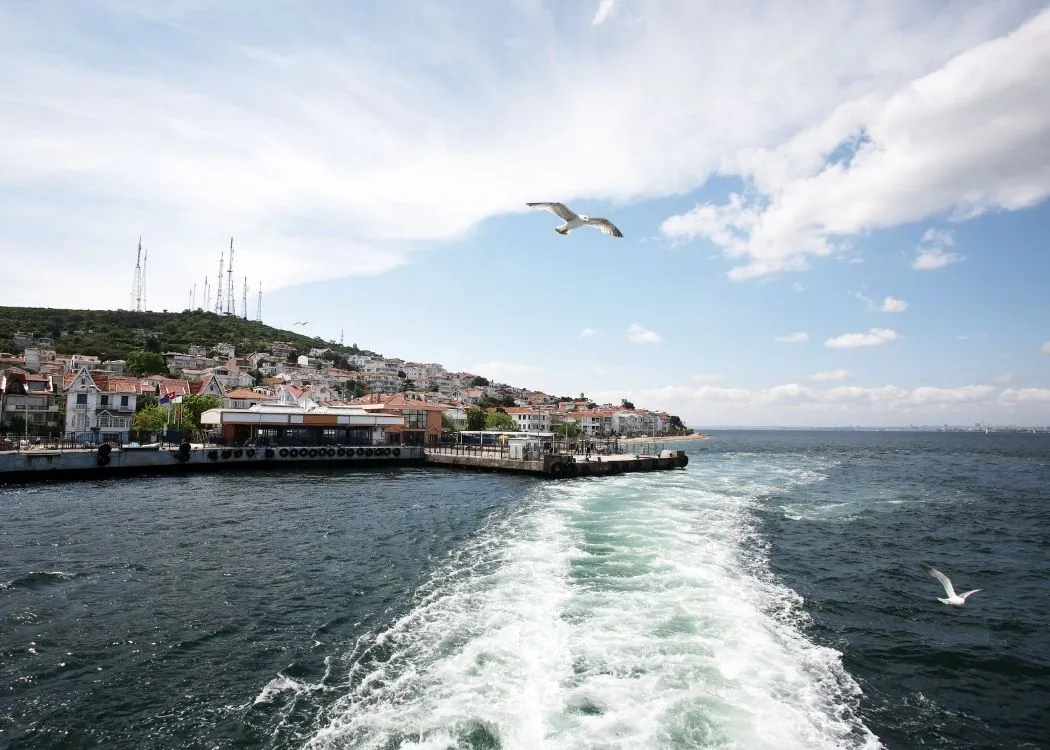
    The first thing that will attract your attention here will be the giant radio and television antennas located on Cinar Hill. These antennas have become a distinctive silhouette of the island. However, considering the island's natural structure, you will find that woodlands are rare here. Its rocky structure prevented trees from growing here. In fact, during the Byzantine period, stones were quarried from the rocks here and used in the construction of the walls of Istanbul.


    Throughout history, Kinaliada has been known for its calmness and natural beauty. In the past, it was more isolated than other islands due to the lack of essential services such as water and electricity. However, this changed when electricity came to the island in 1946 and water in 1981. The first inhabitants of the island were Armenians, and it is known as the island where they lived during the Ottoman period. However, with the start of ferry services to the Islands in 1846, Greeks and Turks began settling here.


    Kinaliada's population did not exceed a few hundred people for many years. However, with new settlements, the winter population reached 2000. In the summer, the number of people visiting the island varies between 20 and 30 thousand.


    Finally, because Kinaliada is easily accessible, it is considered the most suitable for swimming among the Princes' Islands, attracting many people's attention.

    What to Do and See in Kinaliada


    Now that you have learned the story of Kinaliada from past to present and gained some information about the island's rich cultural heritage, it's time to see this unique island with your own eyes. Be prepared to get lost in its depths.


    Kinaliada is a charming island of history and nature, surrounded by sea views. Even though it is a small island, there are so many things to see and do that you can spend your day to the fullest on this island.


    It is full of historical buildings, such as the Surp Gregory, the Illuminator Armenian Church and the Panagia Greek Orthodox Church. It also fascinates its visitors with its natural beauties, such as Hristos Hill and Monastery. Kinaliada Mosque and beaches reflect the island's cultural and natural richness. This small island offers an unforgettable experience with its history and natural charm that impresses everyone.


    Let's take a look at the places to visit in Kinaliada.


    Surp Krikor Lusavoric Armenian Church


    Surp Krikor Lusavoric Church, an essential part of Kinaliada's historical heritage, is the center of worship for the Armenian island community.


    Surp Krikor Lusavoric Church was built in 1857 and is the only Armenian church on the island. Its construction aimed to meet the Armenian community's religious needs, which were concentrated on the island then. The church's walls are decorated with extraordinary Armenian craftsmanship, which fascinates local and international tourists.


    The church's exterior is eye-catching in the center of the island. Inside, panels bear the best examples of medieval stone carving. The church's current appearance was achieved with a restoration carried out in 1988.


    Experience the quiet peace and impressive architecture of Surp Krikor Lusavoric Church and feel the island's spirit.


    Kinaliada Panagia Greek Orthodox Church


    Kinaliada Panagia Greek Orthodox Church is dedicated to the birth of the Holy Mother of God.


    This church is one of the most striking religious structures on the island and holds many secrets in its historical depths. Designed as a basilica with three passages, this structure will take you on a fascinating journey starting from the courtyard at its entrance. You will see a silver-covered icon when you first step into the narthex. This icon symbolizes the birth of the Virgin Mary and allows you to feel the spiritual atmosphere of the church immediately.


    An interesting detail about the church's history is that the Byzantine Emperor Leon V lived here between 813 and 820. This shows that the church was not only a religious but also a historical center. If you look around with your curious eyes, you can see the ancient ruins discovered during the excavation of the church's foundations. These ruins consist of column capitals dating back to the 6th century and are exhibited in the church garden.


    Other exciting artifacts found during the excavations include olive oil-making tools, candlesticks, and marble remains, which provide a wealth of clues about the island's past. Kinaliada Panagia Greek Orthodox Church is essential to the island and its religious and cultural heritage. 


    Hristos Hill and Hristos Monastery


    Hristos Hill (Christ Hill) is one of the highest points on this island and is an attraction that attracts visitors. It is located southwest of the island, and when you reach its peak, you will be greeted by a magnificent view. The silhouette of the islands and the city coast and the unique view of the Marmara Sea offer a spectacular feast.


    Being here, especially at sunset, will give you an unforgettable experience. The hill's historical importance cannot be ignored. It is also essential as the place where Romanus Diogenes was exiled after Alp Arslan defeated him in the Battle of Manzikert in 1071. It is also believed that Romanus Diogenes' grave is next to the current orphanage.


    Another place that draws attention at the foot of Hristos Hill is the Hristos Monastery. First built in 867, this monastery has made a great contribution to the island's religious life and is known for its historical depth.


    Hristos Hill and Hristos Monastery are great starting points for exploring the history and natural beauty of Kinaliada.


    Monastery Hill and the Donusum Monastery


    Monastery Hill is one of Kinaliada's historical and touristic riches. The Donusum Monastery (Conversion Monastery), located on the island's east coast, has a deep-rooted history dating back to the Byzantine period. This monastery, which has an essential place among the cultural and religious heritage of the island, is located on Monastery Hill. The monastery's history dates back to the Turkish conquest and has undergone various restorations.


    The monastery was built on the site of a former Byzantine monastery on Monastery Hill. Abandoned after the Turkish conquest of the island and falling into disrepair over time, the monastery was restored in the 1720s by Greek merchants from Chios. These merchants built a new church on the site of the old Byzantine Katholikon and added a chapel dedicated to St. Paraskevi.


    By visiting Kinaliada's Monastery Hill and Donusum Monastery, you can discover the island's rich history and cultural heritage.


    Kinaliada Mosque


    Kinaliada Mosque attracts attention with its impressive architecture. The roots of the Kinaliada Mosque date back to 1964.


    At the islanders' request, the mosque was taken from Karakoy Square, restored during the Adnan Menderes period, and transported to the island by sea. Unfortunately, there was an accident on the seaway, and as a result of the ship sinking, some parts of the mosque were submerged in the sea. A few years later, it was decided to build a modern mosque in Kinaliada.


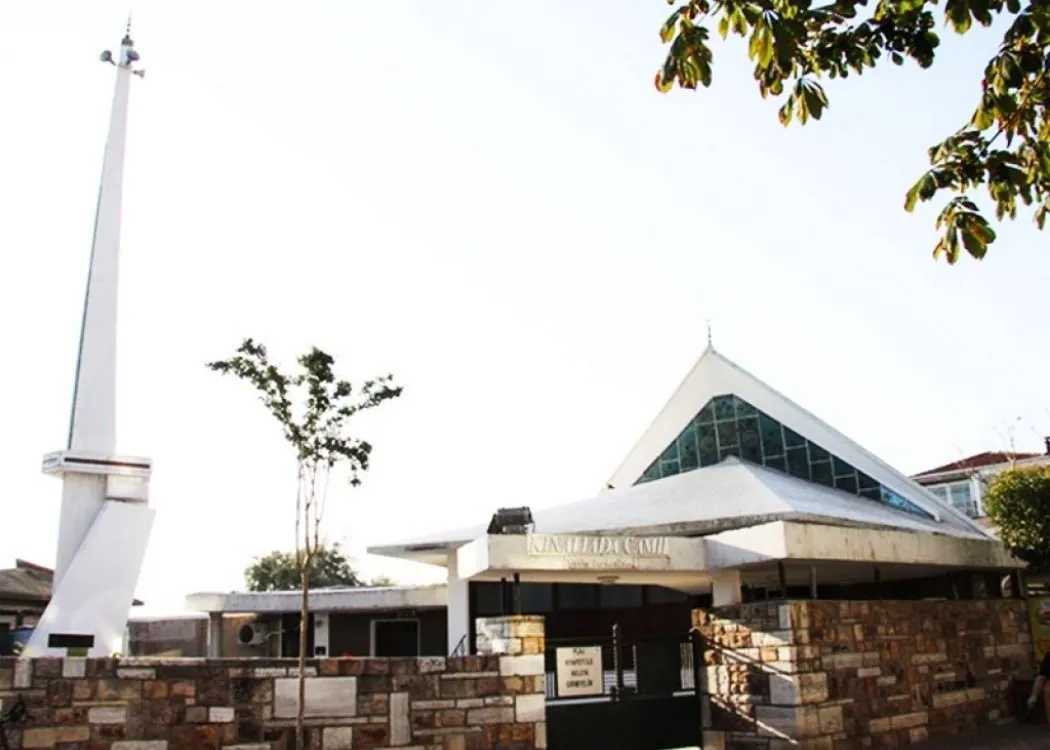
    This mosque, built by architect Basar Acarli, stands out with its most unique architecture in Turkey. A triangular ceiling was preferred instead of a dome to maximize light. Its minaret also differs from traditional architecture and looks like a monument. Its colored windows add a separate originality to the mosque. Kinaliada Mosque is the only mosque on the island and manages to attract the attention of both local and foreign visitors with its unique architectural structure. Do not forget that this mosque also has an essential place in the island's history.


    Beaches of Kinaliada


    Kinaliada's beaches have become the favourite of holidaymakers due to their calm atmosphere and crystal-clear sea. You can immerse yourself in the waters of the sea on the island's beaches and spend a peaceful day sunbathing on the golden sands. On these beaches, which are especially ideal for families with children, your children can play safely and increase their swimming experience.


    Kinaliada Beach is a dazzling beauty with its turquoise sea. You can visit this beach free of charge and try the unique flavors of Kinaliada, take walks in nature, or have a pleasant time cycling.


    Ayazma Beach is another beauty that welcomes visitors throughout the year. With the entrance fee, you can also benefit from the services of the businesses on the beach and enjoy the sea to your heart's content.


    For an unforgettable experience, join the warm embrace of Kinaliada and enjoy these unique beaches.


    Food and Shopping


    The center of Kinaliada offers many opportunities that will make you feel the sincerity of the island.


    This place is full of adorable shops run by local tradesmen, restaurants serving traditional tastes, and relaxing cafes. You can walk around here, taste local delicacies, discover local handicrafts, and buy unique souvenirs. From fresh fish feasts to delicious local appetizers, the restaurants here offer the perfect opportunity to discover the tastes of Kinaliada.


    For shopping, you can find handmade jewelry, ceramics, textile products, and more in the shops located on the streets. These unique items are special pieces that reflect the spirit and culture of the island.


    Tips for Visiting Kinaliada


    From Kinaliada's quiet beaches to its traditional streets, from its delicious cuisine to its natural beauties, there are many beautiful things to discover on this island. We have tips to help them have an unforgettable experience for those planning to visit Kinaliada.


    Plan Transportation: The island is pretty easy to get to, but when planning your day, consider ferry services organized by Istanbul City Lines, Mavi Marmara, and Turyol Companies the island. This will make it easier to get around and explore the island.


    Be Prepared: Remember to bring sunscreen, a hat, and water. Additionally, comfortable walking shoes are essential when walking around the island's streets.


    Nature Walks and Bicycle Rides: The island is famous for its natural beauty. You can take pleasant walks along Kinaliada Beach or enjoy unique views by cycling. Exploring the island by renting a bike or on foot is a great option.


    Try Local Flavors: Enjoy local flavors at the restaurants in the center of the island. Rich menus full of seafood and delicacies will be waiting for you.


    Shop: The shops in the center sell handmade souvenirs and local products. These special pieces make great souvenirs for your visit to Kinaliada.


    Explore the Beaches: Cool off in the clear sea of Kinaliada and enjoy the sun. Don't forget to visit spots such as Kumluk Beach and Ayazma Beach, which are especially ideal for families with children.


    How to Get to Kinaliada?


    Companies organise regular trips to reach Kinaliada, Istanbul City Lines, Istanbul Sea Buses, Mavi Marmara, and Turyol. Ferries depart from Kabatas, Kadikoy and Bostancı piers to the island. During the summer, there are sea bus services from Kabatas and Bostanci. Kinaliada is among the islands closest to Istanbul and is 25-30 minutes away by ferry.


    Kinaliada is one of the most popular parts of the island chain. With its unique atmosphere and historical and natural beauties, this island offers visitors an unforgettable experience. It is a corner of paradise for everyone who wants to escape from the complex city life of Istanbul and find peace.


    Visiting other islands like Kinaliada is now much easier with the Istanbul Tourist Pass®. It offers an excellent opportunity to experience Istanbul's history, culture, and natural beauty together. Suppose you want to visit Buyukada and Heybeliada, one of the Princes' Islands. In that case, you can join the Princes' Islands Tour offered by Istanbul Tourist Pass® and visit the beauties of Buyukada and Heybeli Island with a professional guide.


    Kinaliada is a place that will leave memories that will last for a day and a lifetime. So, it stands out as a must-have destination for everyone who visits the Princes' Islands. Take a step to discover this adorable island and get ready for an unforgettable journey.

  • Discover the Kucuksu Pavilion: An Ottoman Gem in Istanbul

    Istanbul's history extends from the Roman Empire to the Ottoman Empire. It is almost an open-air museum with traces from each period. The magnificence of Hagia Sophia from the Byzantine period and the riches of Topkapi Palace architecture of Suleymaniye Mosque are just a few examples of the city's historical and cultural heritage.


    Istanbul, which reigned for many years as the capital of the Ottoman Empire, is also famous for its palaces, fountains, baths and bridges. The mansions and pavilions located on both sides of the Bosphorus carry the richness and magnificence of the city to the present day. Located on the Anatolian side of this fascinating city, on the shore of the Kucuksu Stream, the Kucuksu Pavilion is one of the eye-catching structures of the Ottoman period.


    Istanbul Tourist Pass® is a benefit pass specially designed for visitors to the city. It offers visitors extensive exploration opportunities by providing free or discounted entrance to Istanbul's most popular tourist attractions. It is economical and easy to use, with validity periods ranging from 1 day to 5 days. You can save over 50% compared to average entrance fees. Istanbul Tourist Pass® is one of the leading tourist pass providers in Istanbul. It has been proven to be of high quality, with high customer satisfaction and user comments. This pass allows you to visit the city's major attractions, enter museums, participate in tours, and benefit from special benefits. Usually valid for a certain period, the pass offers users access to many different tourist attractions for convenience. This digital pass offers a comprehensive Istanbul experience, providing access to more than 100 of Istanbul's most popular tourist attractions.


    You can enhance your visit with rich historical insights and magnificent architectural details with the impressive audio guide offered free of charge at Kucuksu Pavilion with your Istanbul Tourist Pass®. While visiting Kucuksu Pavilion, you can access detailed information with a professional audio guide to make your own discoveries. So, let's get back to the Kucuksu Pavilion.


    About the Kucuksu Pavilion


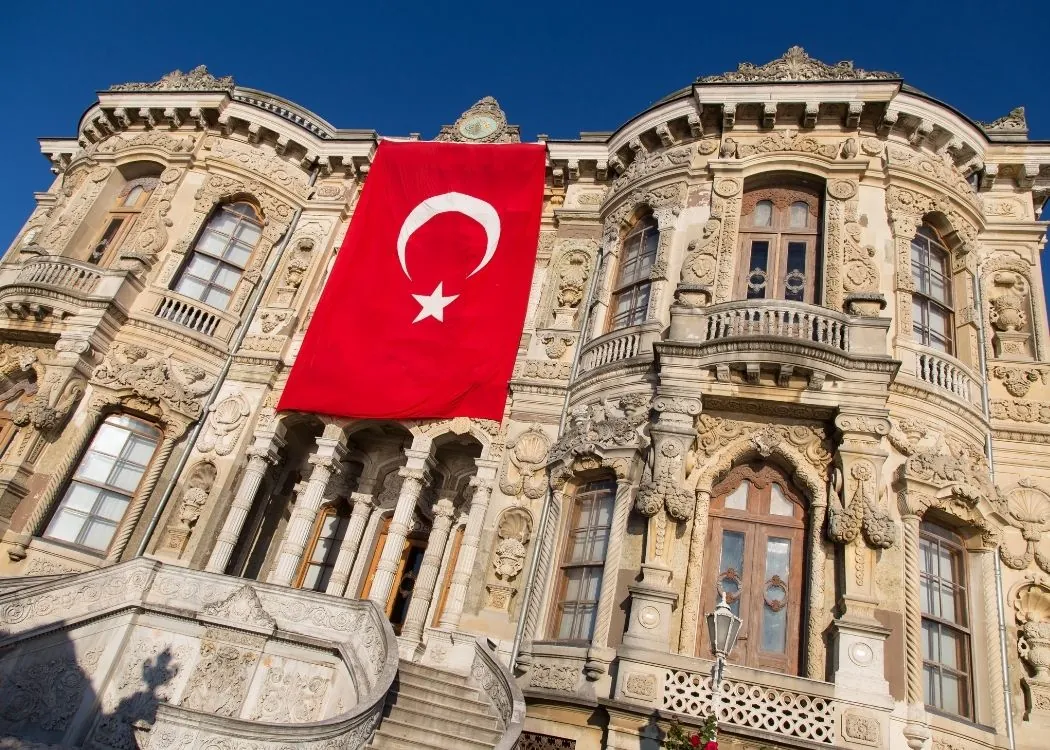
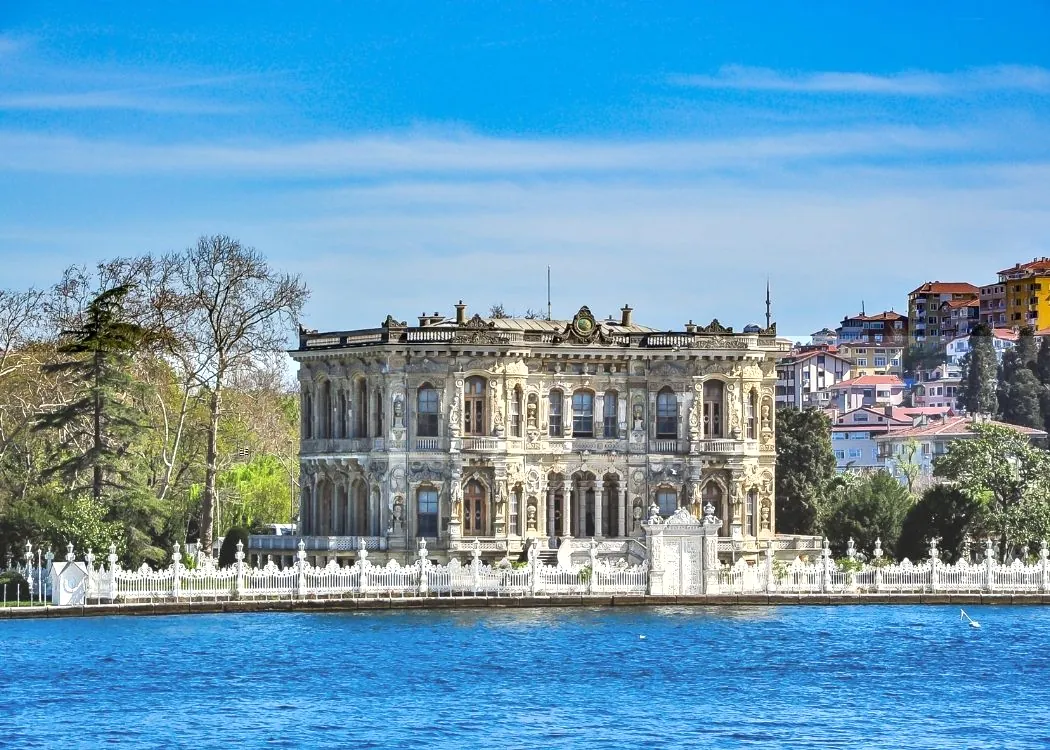
    Kucuksu Pavilion, located in a corner of Istanbul full of history and beauty, is part of the magnificent heritage of the Ottoman Empire. The pavilion was built in the mid-19th century, during the last years of the Ottoman Empire. This historic structure is one of the most beautiful examples of the elegant architecture of the Ottoman Empire. With its eye-catching architecture and impressive view, it offers visitors the opportunity to experience the magnificence of the past while also discovering the unique natural beauty of the Bosphorus.


    History of the Kucuksu Pavilion


    Kucuksu Pavilion, between the Goksu and Kucuksu streams, is one of Istanbul's unique beauties. It sheds light on the glorious past of the Ottoman Empire. This pavilion was historically located in one of the private gardens of the Ottoman sultans on the Bosphorus. The first construction in Hasbahce started during the reign of Sultan Mahmud I. The Sultan, who was affected by the political events of his period, left his palace in Kagıthane and headed towards the shores of the Bosphorus. Kucuksu was one of his favourite places to relax and have fun. Grand Vizier Divitdar Mehmed Emin Pasha realized that the Sultan loved this region and suggested a pavilion be built here. Necessary orders were given for the pavilion, and it was opened with a great ceremony in 1751.


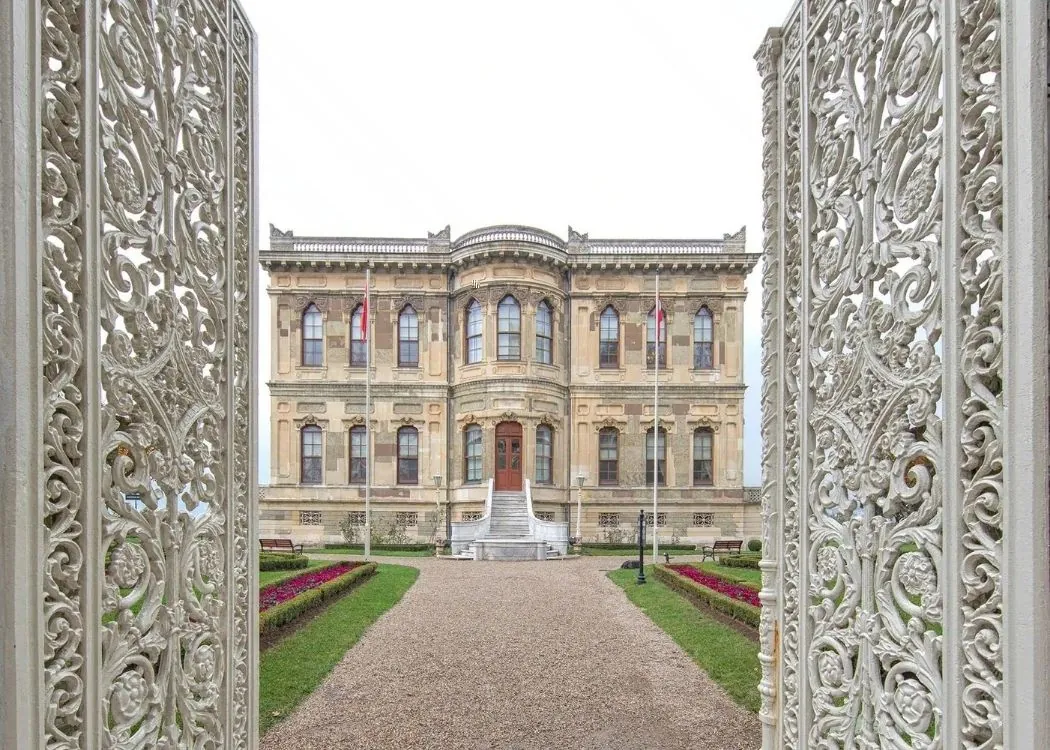
    The pavilion's seaside part underwent restoration during Sultan Selim III's reign. At the request of the Sultan, a fountain was added in the name of his mother, Mihrisah Valide Sultan. In the following years, during the reign of Sultan Mahmud II, pavilions continued to be used. However, during the reign of Sultan Abdulmecid, this structure was demolished, and today's Kucuksu Pavilion was built in 1856-1857. This wonderful building, which opened as a museum in 1983, has become a special visit point for everyone who wants to discover the history and beauty of Istanbul.


    First Step into the Kucuksu Pavilion


    The exterior of the Kucuksu Pavilion offers an impressive appearance with its calm atmosphere. When you take your first step, you will see this magnificent historic structure with a beautiful garden overlooking the Bosphorus view. You will be fascinated as you walk around this garden, surrounded by greenery and historical texture. The gardens and colourful flowers surrounding the pavilion offer a dazzling atmosphere. While walking around this garden, where there are different flowers in every corner, you will encounter bird sounds that are compatible with its historical texture.


    To discover more, proceed towards the pavilion and examine the architectural details. Every detail bears traces of the past and emphasizes the importance of the pavilion. This fascinating building awaits its open doors to present Istanbul's rich history to visitors.


    Architecture of the Kucuksu Pavilion


    The architect of the new pavilion, which was put into service in 1857, is Nikogos Balyan Kalfa.This two-story structure was built using bricks and stone using the masonry technique. The sea-facing rooms have two windows, and the land-side rooms have one. Inside the building, areas such as the kitchen, pantry, and maid's rooms are located on the basement floor, while the upper floors have a four-room arrangement. Each room has a structure that opens to both halls and other rooms.


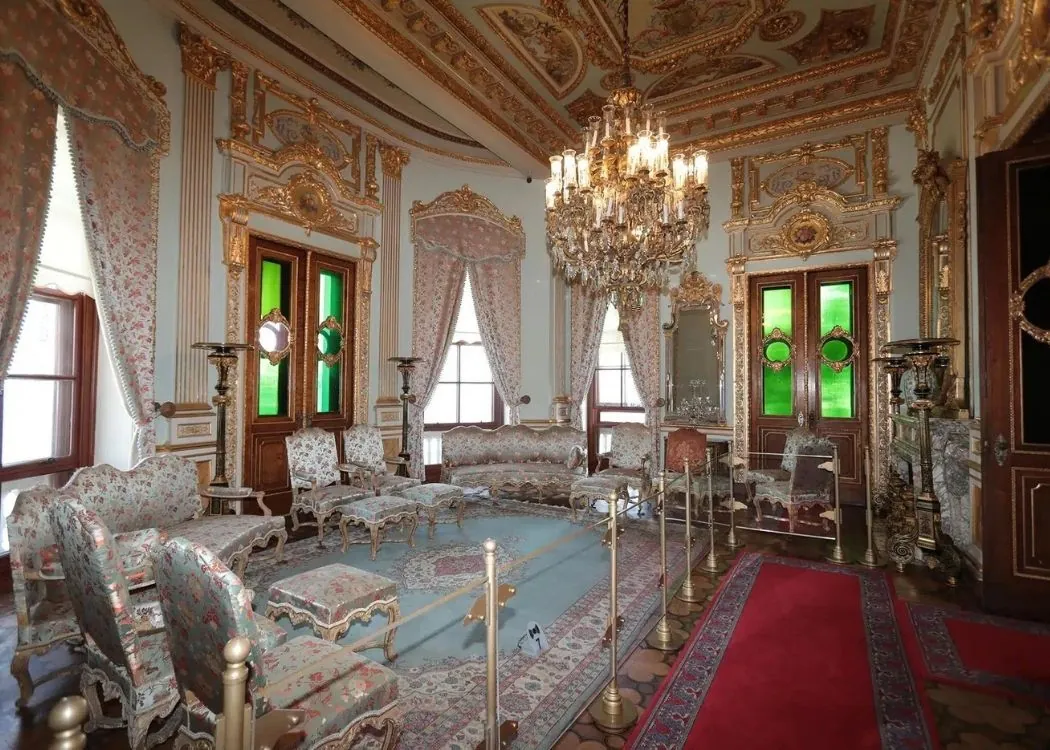
    The pavilion was built in the traditional Turkish architecture. This elegant structure was not surrounded by high walls and was used for rest and hunting. Its exterior is decorated with reliefs, and its sea view attracts attention. The interiors feature artworks by Vienna Opera decorator Sechan. The pavilion has a rectangular plan and extends parallel to the sea. The two balconies on the lower floor are carried to the consoles on the upper floor, ending with a wall that hides the roof. The interiors are decorated with plaster reliefs, hand-carved decorations, and fireplaces made of Italian marble. It is also furnished with European-style furniture, carpets, and paintings.


    What to do Nearby?


    The area around Kucuksu Pavilion is full of not only historical and architectural beauties but also natural and cultural riches. Inspired by the pavilion's historical atmosphere, visitors to this region are waiting to discover various places.


    Kucuksu Cafe


    This cafe is an ideal place to relax before visiting the pavilion. While sitting here, you can sip your coffee while listening to bird sounds and watching the Bosphorus view.


    Kucuksu National Park


    This park is a nature paradise full of greenery, picnic areas, and walking paths. You can relax with the cool breeze of the Bosphorus, watch the view, and have a peaceful day.


    Kandilli Botanical Garden


    This botanical garden is famous for its plant diversity and natural beauty. While walking here, you can discover different plant species and enjoy the tranquillity of nature.


    This fascinating structure is a unique spot for anyone who wants to discover the magnificence of the Ottoman Empire and the unique beauties of Istanbul. While wandering around the pavilion, valuable works of art and original elements that reflect the luxurious lifestyle of the period can be discovered. The natural and cultural riches around the pavilion offer visitors an experience that complements the historical texture of the region.


  • Ataturk Cultural Center (AKM): Istanbul’s Iconic Arts Venue

    Istanbul is a city that stands out with its rich history and culture. It bears the traces of many civilizations throughout its thousands of years of history. This long and diverse history has made Istanbul one of the most important cultural centers in the world. The city contains artifacts from different periods on every corner. In particular, being the capital of the Roman, Byzantine, and Ottoman Empire has given the city a unique cultural touch. Buildings, museums, and works of art from these periods constitute the cultural heritage of Istanbul.


    The city is one of the centers of its historical texture, modern culture, and art. International festivals, biennials, concerts, and exhibitions held every year make Istanbul a dynamic and vibrant cultural atmosphere. These events unite local and international artists, enriching the city's cultural life. The streets of Istanbul are full of modern galleries and art workshops with traditional artisans. These places keep the interest of both local people and visitors in art and culture alive.


    Cultural events held in Istanbul include theatre plays, concerts, exhibitions, and festivals. These events attract locals and international visitors. The city's cultural dynamism brings together professionals in different artistic fields, art lovers, and cultural intellectuals. An essential part of Istanbul's dynamic cultural environment is the Ataturk Cultural Center, which plays a critical role in the city's cultural life. In addition to being a historical building, it hosts modern cultural events. This cultural complex, named after Mustafa Kemal Atatürk, was opened in 1969 and is located in Taksim Square. Considered one of the symbols of modernism, many famous artists and groups have used the Ataturk Cultural Centre over the years.


    The Istanbul Tourist Pass® is a benefit pass designed for city visitors. It offers visitors a wide range of exploration opportunities by providing free or discounted entry to more than 100 of Istanbul's most popular tourist attractions. With various validity periods from 1 day to 5 days, the pass is economical and easy to use. It can save over 50% compared to regular entrance fees. Istanbul Tourist Pass®, Istanbul's experienced tourist pass provider, has proven its quality with high customer satisfaction and user comments. Offering ease of planning, the pass allows visitors to explore the city's most popular attractions with a single pass. Istanbul Tourist Pass® is ideal for visitors who want to discover the city's cultural and historical riches. It is the best way to discover Istanbul. Thanks to this Pass, users can visit the city's major tourist attractions, enter museums, participate in tours, and enjoy special benefits. Istanbul Tourist Pass® is generally valid for a certain time and offers access to many different tourist spots for the convenience of its users. So let's get back to the Ataturk Cultural Center, or AKM as Turkish people call it.


    About Ataturk Cultural Center


    Standing out in Taksim Square, in the heart of Istanbul, the Ataturk Cultural Center (AKM) is one of the centers of the city's cultural and artistic life. With its modern architecture and rich activities, it offers unforgettable experiences to its visitors. This place has become an indispensable stop for everyone who wants to discover Turkey's cultural richness. Listen to a great FREE audio guide during your discovery around Taksim and Istiklal Street.


    Ataturk Cultural Center is known for hosting various art events. Different events are organized, from concerts to theatre plays, dance shows to cinema screenings. Concerts of famous artists, world-class theatre plays, and international film festivals take place here. Visitors can have the chance to find an art event that appeals to every taste at Ataturk Cultural Center.


    As you step into this magnificent building, you will be transported to a world where creativity and expression come alive. Our first stop is the Gallery, a space of 400 square meters dedicated to showcasing a diverse range of artworks. Here, you can explore paintings, sculptures, photographs, and various other forms of visual art, both from local Turkish artists and international talents. Take your time to immerse yourself in the colors, textures, and emotions conveyed by these masterpieces.


    History of Ataturk Cultural Center


    Ataturk Cultural Center has a history of being one of the symbolic buildings of Istanbul. The foundation of the building was laid on May 29, 1946, with a project drawn by architects Feridun Kip and Ruknettin Guney, but it could not be completed due to financial difficulties. Construction started again in 1956 with the project of architect Hayati Tabanlioglu, and it was finally opened as the Istanbul Palace of Culture on April 12, 1969. However, a fire soon destroyed the building during Arthur Miller's play "The Witch's Cauldron" on November 27, 1970. The building, which Hayati Tabanlioglu restored after the fire, was put into service again on October 6, 1978, and was used until the early 2000s.


    The demolition of the Ataturk Cultural Center came to the fore in 2005 because it had completed its economic life. This proposal attracted great reaction, and the demolition was prevented with the intervention of the art and architecture circles. An attempt was made to restore the building, but during the 2013 Gezi Park protests, its roof was evacuated, and the police began using it as a logistics center. 2015, the vacant building was looted, and technical equipment was lost.


    Ataturk Cultural Center was demolished in 2018, and construction of the new building started on February 10, 2019. The new complex has a total area of 95,000 m2 and consists of five sections: theatre, cinema, concert halls, exhibition center, congress hall, library, museum, art gallery, cafe, and restaurants. Hayati Tabanlioglu's son, Murat Tabanlioglu, designed the new building. The New Ataturk Cultural Center was officially opened on October 29, 2021.


    Sections of Ataturk Cultural Center


    Ataturk Cultural Center, which draws attention with its modern architecture and rich event program, opens its doors to art enthusiasts with its three separate halls: Multipurpose Hall, Grand Opera Hall, and Theater Hall. These halls, each with unique features, host various events, from music to theatre, from opera performances to conferences.


    Multipurpose Hall


    The Ataturk Cultural Center's first stop is the Multipurpose Hall, which is designed to host various events. This multipurpose hall hosts a wide range of cultural events, from music concerts to dance performances, film screenings, and conferences. It is the heart of dynamic cultural gatherings and offers visitors a variety of artistic experiences.


    The Grand Opera Hall


    Prepare to be awe-struck as we enter the grand Opera Hall. With a seating capacity 2040, this opulent venue is a testament to Turkey's appreciation of the performing arts. From breathtaking operas to symphony concerts, the Opera Hall provides an enchanting setting for unforgettable performances. The acoustics are carefully designed to ensure that every note resonates with perfection.


    The Theatre Hall


    Lastly, we have the Theatre Hall, capable of accommodating 781 eager spectators. This space is where the magic of theatre unfolds, bringing captivating plays, musicals, and dramatic performances to life. Whether you are a seasoned theatre enthusiast or a first-time attendee, you will surely be captivated by the compelling stories presented on this stage.


    Events in Ataturk Cultural Center


    Ataturk Cultural Center continues to be a center of attraction for those who want to discover the rich world of cultural events and art. With its historical building and wide facilities, it hosts people of all ages and cultures and offers unforgettable experiences.


    Music and Concerts


    Ataturk Cultural Center is filled with concerts of internationally famous artists and ensembles. A wide repertoire is offered, ranging from classical to contemporary music, from Turkish folk to world music. Concerts held every month offer music lovers a privileged experience.


    Theatre and Performances


    Turkey's leading theatre groups and independent theatre groups perform on Ataturk Cultural Center stages. Plays of different genres, such as drama, comedy, musical and experimental theatre, offer art lovers a wide range of options.


    Exhibitions and Art Events


    For those interested in visual arts, Ataturk Cultural Center hosts events showcasing works from different art branches, such as painting, sculpture, and photography. Works of local and international artists meet art lovers and create a cultural exchange environment.


    Dance and Performing Arts


    Modern dance shows, folk dances, and world dances take the stage at Ataturk Cultural Center and fascinate dance enthusiasts. Nationally and internationally recognized dance companies provide unforgettable moments to the audience with their masterful performances.


    Fire of Anatolia Dance Show


    One of the important events held at Ataturk Cultural Center is the Fire of Anatolia Dance Show. The rich culture of Anatolia inspires this show, which blends traditional Turkish dances with a modern approach. Colourful costumes, impressive music, and the performances of professional dancers give the audience unforgettable moments.


    Fire of Anatolia is a world-famous dance show based on ancient mythology and cultural heritage. Founded in 2001, the group offers a unique synthesis of traditional Anatolian folk dances, ballet and modern dance. Their mission is to spread Anatolia's love, peace and cultural heritage to the world. Watched by over 50 million people in more than 100 countries, Fire of Anatolia has achieved great international success and has become one of the world's leading dance groups.


    Fire of Anatolia is offered exclusively for Istanbul Tourist Pass® visitors and offers a privileged experience with discounted VIP tickets. Those who visit Ataturk Cultural Center to watch this unique dance show have the opportunity to spend an unforgettable night with this fascinating performance inspired by Anatolia's deep cultural roots.


    Beyoglu Culture Route Festival


    Every year, the Beyoglu Culture Route Festival is held in various venues in the Beyoglu district to celebrate the city's cultural and artistic diversity. Ataturk Cultural Center is one of the centers of this colorful festival. The festival includes concerts, dance shows, theatre plays, and many other events in the fascinating atmosphere of the Ataturk Cultural Center. Anyone who wants to discover the historical and modern texture of Beyoglu can experience the lively cultural life of the city by attending this festival.


    At Ataturk Cultural Center, cultural exchange knows no boundaries. In addition to hosting events by established institutions, this venue opens its doors to joint and foreign productions. Artists and communities from Turkey and beyond celebrate art in various forms, fostering a spirit of unity and creativity that transcends borders. We encourage you to take the time to explore the Ataturk Cultural Center fully. Check the schedule for ongoing and upcoming events to maximize your visit. Whether you have a passion for visual arts, music, or theatre or appreciate the power of creativity, this cultural hub has something special in store for everyone.


    We hope you enjoy visiting the Ataturk Cultural Center and have a memorable and enriching experience. Immerse yourself in the beauty of arts and culture in this extraordinary venue.


  • The Little Hagia Sophia Mosque: An Architectural Marvel in Istanbul

    Istanbul is a unique city that has hosted many civilizations throughout history and contains traces of different cultures. Its strategic importance, with its geographical location connecting Asia and Europe, includes traces from different periods. It was the capital of the Roman Empire, followed by the Byzantine Empire and then the Ottoman Empire.


    These riches of Istanbul, whose name has changed throughout its history and has hosted many cultures, are revealed at every step as you wander through the city streets. Historical buildings and monuments, from Hagia Sophia to Sultanahmet, from Topkapi Palace to the Grand Bazaar, make Istanbul a world-class centre of culture and history.


    Every structure in this magnificent city has a story of its own. One of these stories is the story of Little Hagia Sophia Mosque. Little Hagia Sophia is a critical structure located in the historical peninsula of Istanbul, attracting attention with its architectural beauty. This church was built during the Byzantine period and has undergone many changes. Today, it serves as a mosque that holds an important place in the cultural mosaic of Istanbul.


    Little Hagia Sophia Mosque makes an important contribution to Istanbul's fascinating texture, with its rich historical and cultural heritage extending from the past to the present.


    With the Istanbul Tourist Pass®, you can visit more than 100 attractions in Istanbul. You can save time and money by not waiting long lines or paying museum entrance fees. Istanbul Tourist Pass® offers the highest level of services in Istanbul. The free audio guide feature can make your tour more enjoyable. You can both travel and learn.


    Additionally, the Customer Support line is at your service to help you plan and navigate your trip before arriving in Istanbul. Istanbul Tourist Pass® is a sightseeing pass that provides access to many attractions, such as Topkapı Palace, Hagia Sophia, Dolmabahce Palace, a Sapanca Lake day tour, dinner on the Bosphorus, and the Istanbul Airport Shuttle. Benefit from discounted premium services with Istanbul Tourist Pass®. Visit the website for more details and updated attractions available with the pass.


    About Little Hagia Sophia Mosque


    The Little Hagia Sophia Mosque was converted from a church originally built by Emperor Justinianos (527-565) and named after Sergios Bakkhos. As you approach this unassuming structure, you'll notice its simplicity, a testament to a different era. The small domed building exudes a quiet charm, surrounded by a small green garden. Despite its modest appearance, the significance of this place echoes through the ages.


    Please take a moment to appreciate the serenity of its surroundings, hidden away in the Kumkapi neighbourhood. It may not boast intricate carvings or elaborate designs, but its humble presence holds a wealth of history and cultural importance. Step inside and discover the hidden treasures within the walls of Little Hagia Sophia. Double the quality of your Little Hagia Sophia Mosque tour with a great FREE audio guide.


    History of Little Hagia Sophia


    Emperor Justinian I, known for his grand buildings, like the Hagia Sophia, had this place built between 527 and 536 CE. Initially, it was called the Church of Saints Sergius and Bacchus, honouring two soldiers who were Christian martyrs. This church was remarkable because of its unique design, with a giant dome in the middle, which was quite new back then. It might have even inspired the design of the more significant Hagia Sophia.


    Jump forward to the time after the Ottomans took over Constantinople in 1453. They changed the church into a mosque called Küçük Ayasofya Camii, or Little Hagia Sophia Mosque. They added a tall tower called a minaret and a school for religious learning. Over the years, the mosque faced some problems like earthquakes and dampness. During wars, it even became a home for people who needed shelter. But thanks to restoration work, it's still standing strong today.


    What to See in Little Hagia Sophia


    From the outside, you'll notice this ancient structure's simple yet elegant design. Built with bricks and mortar, it is a testament to the architectural techniques of its time. The walls are strengthened by chains made of small stones, adding to their durability.


    Little Hagia Sophia is octagonal, meaning it has eight sides. Picture a big octagon inside a lopsided square. Perched atop this unique shape is a magnificent dome divided into sixteen sections, some flat and some curved. Eight pillars support the dome and create a mesmerizing silhouette against the sky. As you approach the entrance, you'll find a charming courtyard adorned with a small garden and a fountain. It's a tranquil space where you can pause and admire the surroundings before entering.


    Upon entering, you'll be greeted by serenity and grandeur. The interior features a two-storey arcade along the north, west, and south sides, adorned with verd antique and red Synnadic marble columns. These columns bear witness to the craftsmanship of artisans from centuries past. Look closely, and you'll notice an elegant inscription in twelve Greek hexameters dedicated to Emperor Justinian, his wife Theodora, and Saint Sergius, the patron saint of Roman soldiers. The interior's intricate details and historical significance make it a captivating space to explore.


    Stories and Legends about Little Hagia Sophia


    While not as rich in legends as its grand counterpart, the Hagia Sophia, the Little Hagia Sophia holds its share of intriguing tales.


    One captivating legend revolves around Emperor Justinian, who, before ascending to the throne, faced a grave accusation of treason against his uncle, Emperor Justin I. Facing imminent death, the intervention of Saints Sergius and Bacchus purportedly saved Justinian. These saints are said to have appeared to Justin I in a dream, advocating for Justinian's innocence. In gratitude for his salvation, Justinian vowed to erect a church to honour the saints. Many believe the Little Hagia Sophia is a testament to this sacred promise.


    Another fascinating tale surrounds the architectural significance of the Little Hagia Sophia. It's said to have served as a testing ground for innovative techniques that would later find their perfection in constructing the grand Hagia Sophia. While not a supernatural tale, this legend highlights the spirit of innovation and experimentation that defined Byzantine architecture.


    Like many ancient structures steeped in history, whispers persist of hidden treasures concealed within the walls of the Little Hagia Sophia. Some speculate that these riches were secreted away during the tumultuous period of the Ottoman Conquest. While the notion of hidden treasure adds a sense of mystery to the site, its existence remains uncertain.


    As with all legends, these stories offer a blend of truth and imagination, providing insights into the beliefs and aspirations surrounding the Little Hagia Sophia throughout the ages.


  • Visiting Mosques for the First Time in Istanbul – Do’s and Don’ts

    Istanbul, a city that brings two continents together, is renowned for its stunning architecture, vibrant culture, and rich history. Among its most iconic landmarks are the beautiful mosques that dot the skyline, each offering a glimpse into the city's Islamic heritage. For first-time visitors, stepping into these sacred spaces can be a profoundly moving experience. However, it's important to approach your visit with a sense of respect and understanding for the local customs and traditions. In this blog, we'll provide you with essential tips on the do's and don'ts when visiting mosques in Istanbul, ensuring that your visit is both respectful and memorable.


    To make your exploration of Istanbul's mosques and other attractions even more convenient, consider using the Istanbul Tourist Pass®. This digital pass offers access to over 100 attractions and services, including some of the city's most famous mosques, guided tours, skip-the-line entrance tickets, and transportation alternatives. With the Istanbul Tourist Pass®, you can effortlessly navigate the city's rich tapestry of cultural and historical sites, ensuring a seamless and enriching experience. Whether you're visiting the majestic Blue Mosque, the historic Suleymaniye Mosque, or any other landmark, the Istanbul Tourist Pass® provides a hassle-free way to immerse yourself in the beauty and heritage of Istanbul.


    Do's and Don'ts: Visiting Mosques for the First Time in Istanbul


    For first-time visitors, especially non-Muslim tourists, stepping into these sacred spaces can evoke a sense of curiosity and perhaps even a bit of apprehension. However, it's important to know that mosques in Istanbul are open to the public, welcoming visitors to explore their beauty and learn about Islamic traditions. With a few simple guidelines, your visit can be both respectful and enlightening.


    Do 


    Respect prayer times: While mosques are generally open to visitors throughout the day, it's best to plan your visit around prayer times to avoid interrupting worshippers. Check the prayer schedule beforehand, and aim to visit between prayer sessions.


    Observe mosque etiquette: Before entering the prayer hall, perform ablution (abdest) if possible, as it's a symbol of purification before prayer. Additionally, make sure to step over the threshold with your right foot first, as tradition dictates.


    Respect the dress code: Men should wear long pants and shirts with sleeves. Women should wear long skirts or pants, long-sleeved tops, and a headscarf to cover their hair. 


    Take off your shoes: Upon entering the mosque, you'll be required to remove your shoes. Most mosques provide designated shelves or cubbies for storing footwear.


    Stay quiet: Maintain a quiet and respectful demeanor throughout your visit. Avoid loud conversations and silence your mobile phone to avoid disrupting worshippers and other visitors.


    Learn about the mosque: Take some time to familiarize yourself with the history and significance of the mosque you're visiting. Many mosques in Istanbul have rich cultural and architectural heritage, and knowing a bit about them can deepen your appreciation.


    Engage respectfully: If you have questions about Islam or the mosque itself, feel free to ask politely. Many mosques have volunteers or staff members who are happy to provide information to visitors.


    By following these simple guidelines, you can navigate your visit to Istanbul's mosques with confidence, embracing the opportunity to experience the city's spiritual and cultural heart.


    Don't


    For first-time visitors, entering these serene places of worship may evoke a mix of curiosity and respect. It's natural to feel a bit unsure, especially if unfamiliar with Islamic customs. However, remember that mosques in Istanbul welcome visitors of all faiths to appreciate their beauty and tranquility, provided that visitors approach with respect and understanding.


    Entering a mosque during prayer: Mosques in Istanbul are places of worship, and entering while prayers are in progress should be avoided unless you're participating in the prayer itself. It's best to observe from a respectful distance or wait until prayers have concluded before exploring further.


    Engage in public displays of affection: While it may be customary in some cultures to hold hands or show affection in public spaces, it's important to refrain from such gestures inside mosques out of respect for the sacred atmosphere.


    Walk in front of worshippers: If you find yourself in the prayer area while worshippers are engaged in prayer, try to avoid walking directly in front of them, as it's considered disruptive. Instead, choose a path that respects their space and devotion.


    Overstay your welcome: While it's perfectly acceptable to spend time admiring the architecture and soaking in the atmosphere, be mindful of other visitors and worshippers. Avoid lingering for too long, especially if the mosque is crowded, to allow others the opportunity to enjoy the space.


    Fight the dress code: Respect the dress code requirements of mosques in Istanbul. Men should wear long pants and shirts with sleeves, while women should wear long skirts or pants, long-sleeved tops, and a headscarf to cover their hair if required.


    Come with prejudices: Approach your visit with an open mind and respect for Islamic traditions. Avoid bringing preconceived notions or stereotypes.


    Disturb cats: Many mosques in Istanbul are home to resident cats that are considered part of the mosque's community. Respect their presence and refrain from disturbing them.


    Attempt to enter gender-specific areas: In mosques that have separate prayer areas for men and women, respect these divisions. Men should not enter the women's section, and vice versa.


    By adhering to these guidelines, visitors can ensure that their experience in Istanbul's mosques is not only respectful but also enriching, offering a deeper insight into the city's cultural and religious heritage. Remember, the key is to approach with an open mind and a heart of respect, allowing you to fully appreciate the spiritual significance of these magnificent landmarks.


    Must-Visit Mosques in Istanbul


    Exploring Istanbul's mosques is an essential part of experiencing the city's rich cultural tapestry and spiritual heritage. Whether you're a first-time visitor or returning to delve deeper into Istanbul's historical marvels, these mosques offer not only architectural splendor but also profound insights into the city's history and cultural identity.


    For those new to mosque visits, these iconic landmarks are particularly welcoming, often with English-speaking staff available to enhance your understanding and appreciation. Here are some of the must-visit mosques in Istanbul that promise to enrich your journey through this fascinating city:


    Sultan Ahmed Mosque (Blue Mosque)


    The Sultan Ahmed Mosque, also known as the Blue Mosque, is a ideal stop for any visitor to Istanbul. Admire its stunning architecture adorned with intricate blue tiles, which give the mosque its nickname. This masterpiece of Ottoman design not only impresses with its exterior but also offers a serene interior filled with light streaming through its many windows. English-speaking staff are available to provide guidance and information, making it accessible and informative for all visitors. For a safer and more inclusive experience, consider joining a guided tour which is specially created for tourists by Istanbul Tourist Pass®. 


    Hagia Sophia Mosque


    As one of Istanbul's most iconic landmarks, Hagia Sophia has a rich history that spans centuries. Originally built as a Christian basilica in the 6th century, it later became a mosque during the Ottoman period and is now a mosque again after serving as a museum. Its architecture blends Byzantine and Islamic influences, offering visitors a unique perspective on Istanbul's cultural evolution. English-speaking guides are often on hand to offer insights into its fascinating past and architectural marvels. Hagia Sophia Mosque differs from other mosques as there is an entrance fee to visit it. Istanbul Tourist Pass® offers you exclusive skip-the-line Hagia Sophia entrance tickets if you to purchase. 


    Süleymaniye Mosque


    Perched on a hill overlooking the Golden Horn, the Süleymaniye Mosque is not only a place of worship but also a testament to the grandeur of Ottoman architecture. Designed by the renowned architect Sinan, it boasts impressive domes and minarets that dominate Istanbul's skyline. Visitors can enjoy panoramic views of the city from its courtyard and explore its tranquil gardens. English-speaking staff are available to share the mosque's history and significance, making it an enriching experience for visitors. If you'd like to visit Suleymaniye Mosque at your own pace, the Istanbul Tourist Pass® provides you with a great audio guide!


    Yeni Cami (New Mosque – the Valide Sultan Mosque)


    Located near the bustling Spice Bazaar, the Yeni Cami, or New Mosque, is a vibrant hub of activity and spirituality. Its distinctive architecture and serene courtyard make it a peaceful retreat from the lively streets of Eminönü. Visitors can marvel at its intricate interior decorations and relax in the shade of its courtyard. English-speaking guides and volunteers are often present to assist visitors in understanding the mosque's role in Istanbul's cultural and religious life.


    Visiting these mosques not only allows you to appreciate their architectural splendor but also offers a glimpse into Istanbul's rich history and cultural heritage. Whether you're drawn to the serene ambiance of the Blue Mosque, the historical significance of Hagia Sophia, the panoramic views from Süleymaniye Mosque, or the vibrant atmosphere of Yeni Cami, each visit promises to be a memorable and enlightening experience.


    Unlocking Istanbul's Wonders with Istanbul Tourist Pass®


    To make your exploration of Istanbul's mosques and other attractions even more convenient, consider using the Istanbul Tourist Pass®. This digital pass offers access to over 100 attractions and services, including some of the city's most famous mosques, guided tours, skip-the-line entrance tickets, and transportation alternatives. With the Istanbul Tourist Pass®, you can effortlessly navigate the city's rich tapestry of cultural and historical sites, ensuring a seamless and enriching experience. Whether you're visiting the majestic Blue Mosque, the historic Süleymaniye Mosque, or any other landmark, the Istanbul Tourist Pass® provides a hassle-free way to immerse yourself in the beauty and heritage of Istanbul.