Author: [email protected]

  • Basilica Cistern: History and Today

    Istanbul is a magnificent city with not only its geography but also its history. If you have traveled to this beautiful city then you know, under every stone there is a historical artifact in this huge city. Especially the Old Town is the meeting point of many cultures, religions, and states. Basilica Cistern is one of the ancient places that marvels its visitors from the first moment they get in.


    Basilica Cistern has gone under a major restoration and reopened in 2022. Now, by 2023, it is not just a historical place to visit but an extraordinary museum that blends historical walls with modern art.


    Before we have a look at Basilica Cistern and its amazing history, check out Istanbul Tourist Pass® which includes an amazing Guided Tour to Basilica Cistern among 100+ great attractions. Let’s dig into the history and today of this marvelous place!


    General Information About Basilica Cistern


    The Basilica Cistern, located southwest of Hagia Sophia, is one of Istanbul's best tourist attractions. As one can see from the underground marble columns, this large underground water reservoir was installed for Justinianus I, the Byzantium Emperor (527-565), and is known to the public as the "Yerebatan Cistern'' Since there used to be a basilica on the site of the cistern, it's now known as Basilica Cistern.


    The cistern is a huge structure that occupies a rectangular area, measuring 140 meters long and 70 meters wide. There are 336 9-meter-high columns in the Cistern, which can be accessed with a 52-step staircase. The columns are spaced at 4.80 m intervals and are made up of 12 rows of 28 columns each. The case bay of the cistern is transported over arches by the columns. The rest of the columns are made up of a single piece, with the exception of one that is made up of two pieces. The bulk of the columns is believed to have been sculpted out of various styles of marble and gathered from ancient sites in Istanbul.


    History of Basilica Cistern


    The Basilica was a Roman cathedral. The Cisterna Basilica, also known as the Cistern, is the largest of several hundred ancient cisterns in Istanbul, Turkey. The cistern, which is 150 meters (490 feet) southwest of Hagia Sophia on the historical peninsula of Sarayburnu, was built in the 6th century during the reign of Byzantine Emperor Justinian I. It is now stored with only a small amount of water inside the space for public access. When you visit Istanbul, pay a guided visit to the Basilica Cistern, which holds a significant position among Istanbul's historical sites.


    The heads of these columns have a variety of patterns. The Corinthian style is used in 98 of them, while the Dorian style is used in the remaining ones. For water resistance, the cistern's walls are 4.80 meters thick, and the floor is bricked and plastered with a dense layer of brick dust mortar. The cistern covers a total area of 9,800 square meters and can hold 100,000 tons of water.


    The Basilica Cistern served the region's residents as well as the large, sprawling palace where the emperor lived under Byzantium's dominion as a means of meeting water needs. It was put to use for a short time after Istanbul was conquered in 1453, and water was delivered to Topkapi Palace, where the sultans lived. However, the Ottomans built their own water systems in the city because they preferred flowing water over still water. The cistern is considered to have been abandoned after that, and it wasn't until the middle of the 16th century that the western world became aware of it.


    P. Gyllius, a Dutch traveler who went to Istanbul to conduct research on Byzantine ruins, was responsible for the rediscovery of the Basilica Cistern and its introduction to the western world between the years of 1544 and 1550. In one of his studies, P. Gyllius, who was wandering around Hagia Sophia, was able to enter the cistern with a torch in his hand by going down the stone steps that led underground from the backyard of a wooden building surrounded by walls, which was located on a sizable underground cistern. According to reports, the locals there dug bucket-sized holes similar to wells on the ground floor of their homes to draw water from and even fished there. Under difficult circumstances, P. Gyllius rowed a boat around the cistern, measured it, and noted the columns. Gyllius made an impact on many travelers thanks to the trip book that contained the knowledge he gained from his experience.


    Since it was built, the cistern has undergone numerous restorations. The cistern had two renovations during the Ottoman Empire's administration, with the first one being carried out by architect Kayserili Mehmet Aa in 1723 under Ahmed III. Additionally, the second restoration was carried out during Sultan Abdulhamid II (1876-1909). The cistern was cleaned during the republican era by the Istanbul Municipality in 1987 and made accessible to visitors so that a path could be made. In May 1994, a thorough cleaning was performed once more.


    In 2022, Basilica Cistern reopened again after a complete renovation. With this comprehensive renovation. By 2023, Basilica Cistern is now a modern art museum in which various events hold place. So, travelers are welcome to discover this amazing place. We highly recommend you join a guided tour to understand this place fully without waiting in a long line, that’s why we included a Guided Basilica Cistern Tour in Istanbul Tourist Pass®.


    Medusa Heads in Basilica Cistern


    In the northwest corner of the cistern, the bases of two columns are made of blocks engraved with Medusa's profile. The two heads' sources are unclear, although they are thought to have been transferred to the cistern after being removed from a late Roman structure. There is no written documentation that they were used as column pedestals in the past. The blocks are claimed to be twisted and angled sideways to deflect the Gorgons' gaze; however, it's commonly thought that one was oriented sideways only to be the correct size to hold the column. The upside-down Medusa was mounted that way so she would be the same height right-side up as the usual Medusa. This mythological building definitely deserves a visit during your Istanbul vacation.


    According to legend, 7,000 slaves were used in the construction of the cistern. The enlarged cistern served as a water filtration plant for Constantinople's Great Palace and other First Hill residences, and it continued to provide water to the Topkapi Palace after the Ottoman conquest in 1453 and into modern times.


    According to ancient sources, the basilica had gardens that were surrounded by a colonnade that faced the Hagia Sophia. Emperor Constantine built a structure that was later rebuilt and enlarged by Emperor Justinian following the 532 Nika riots, which devastated the city.


    Save Time and Money with Istanbul Tourist Pass!


    The Istanbul Tourist Pass® is needed whether you are a first-time traveler or returning to the amazing city of culture. The Pass gives you access to more than 100 attractions while still saving you money! With the Istanbul Tourist Pass®, you can save up to 75%. You will also save a lot of time with the Pass and you will not have to stand in ticket queues. All you have to do now is screen your pass on your phone and you're free to go! There is a slew of other benefits that come with the Pass that you can check out!


    FAQ


    Why is the Basilica Cistern closed?


    Basilica Cistern has been closed down for maintenance for a while. But as of July 2022, Basilica Cistern has been reopened following this extensive restoration.


    Why is Basilica Cistern famous?


    There are many cisterns in Istanbul but Basilica Cistern is famous for its huge structure and ancient columns as well as its Medusa heads.


    What movies was filmed in the Basilica Cistern?


    Dan Brown's thriller “Inferno” was filmed in the Basilica Cistern.


    How much does it cost to visit Basilica Cistern?


    As of 2023, the entrance ticket for Basilica Cistern is 300TL but if you wish a skip-the-line ticket with a Guided Tour, then it is FREE with Istanbul Tourist Pass®.


    Is Basilica Cistern open in 2023?


    Yes, it is open and waiting for visitors to discover its amazing beauty.


    How do I get to Basilica Cistern Istanbul?


    Southwest of Hagia Sophia is where Basilica Cistern is located. Take the F1 funicular to Kabataş from Taksim. Take the tram T1 from Kabataş Station seven stops to Sultanahmet Station. Basilica Cistern is only two minutes away from here.
  • Michelin-Recommended Restaurants in the Istanbul Old Town in 2025

    Istanbul has an amazing food culture thanks to its role as a meeting point of Turkish cuisine with world cuisines. There are thousands of restaurants, cafes, and eateries in this amazing city. Especially in the last years, fine dining restaurants are rising in number. So finally world famous Michelin Guide finally came to Istanbul to rate and recommend the best of the best.


    In Michelin Guide 2025, Istanbul has 77 restaurantsMichelin-starred restaurants in Istanbul, check this article, you’ll love them. 


    In this article, we are looking at the Michelin-recommended restaurants in the Old Town. Before we start, check out Istanbul Tourist Pass® which offers 100+ amazing attractions for a single price. The Pass offers many audio-guided self-discovery opportunities to Hagia Sophia, Topkapi Palace, Basilica Cistern, and many other top Istanbul landmarks. After these amazing discoveries, here are eight great Michelin-recommended restaurants for you to recharge yourself!


    Pandeli Restaurant


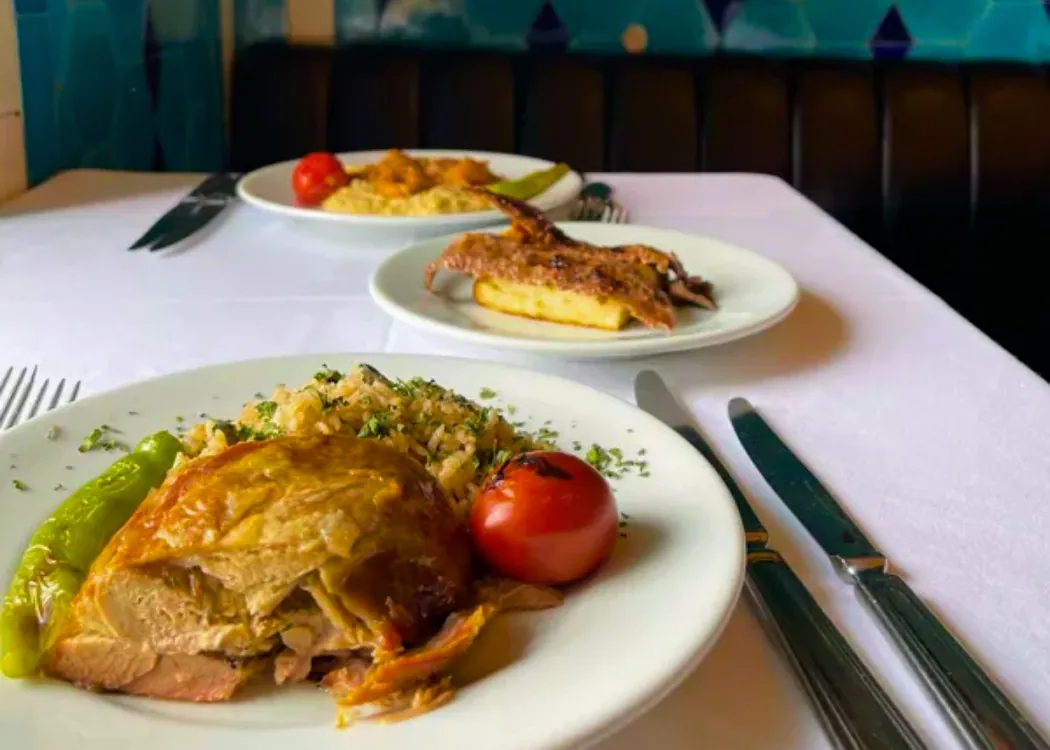
    Pandeli Restaurant is at the heart of the Old Town. Take the stairs to the first floor, which is above the Spice Bazaar, and take in the historically significant and distinctly Turkish design with its blue mosaics on the walls.


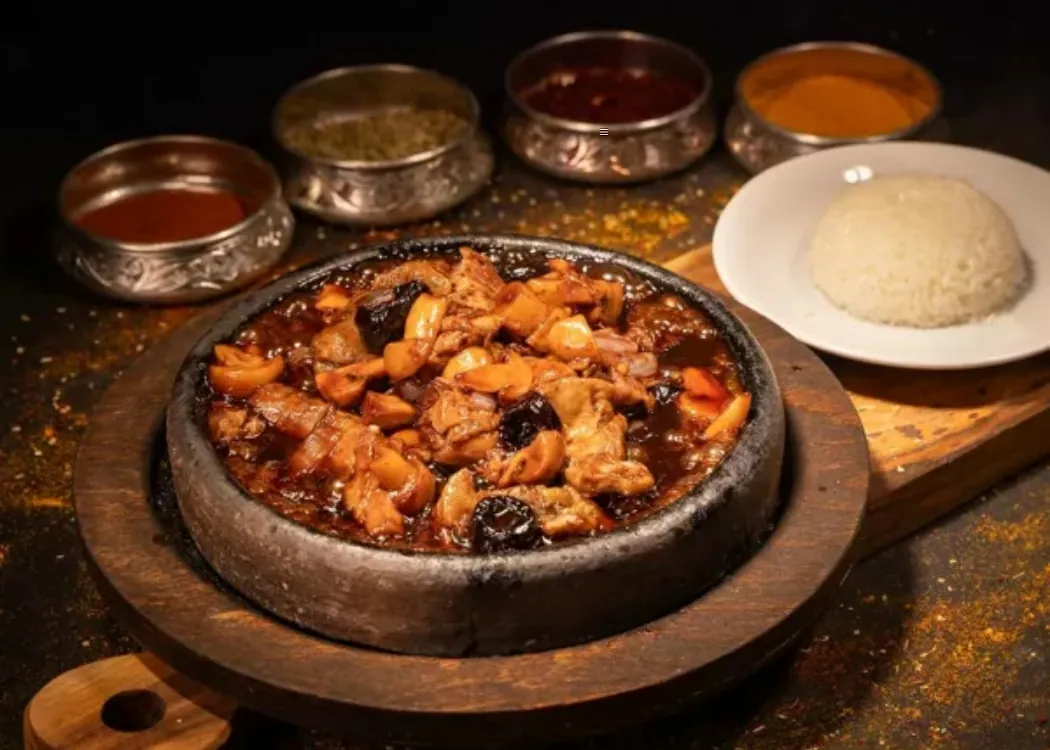
    The chef steadfastly keeps to classic Turkish recipes, such as roast lamb with rice, grilled aubergine salad, and wood-fired spicy chicken. A true favorite! If you are around Spice Bazaar, make sure you listen to the Istanbul Tourist Pass® Audio Guide and learn about the fantastic history of this bazaar. 


    OCAK Restaurant


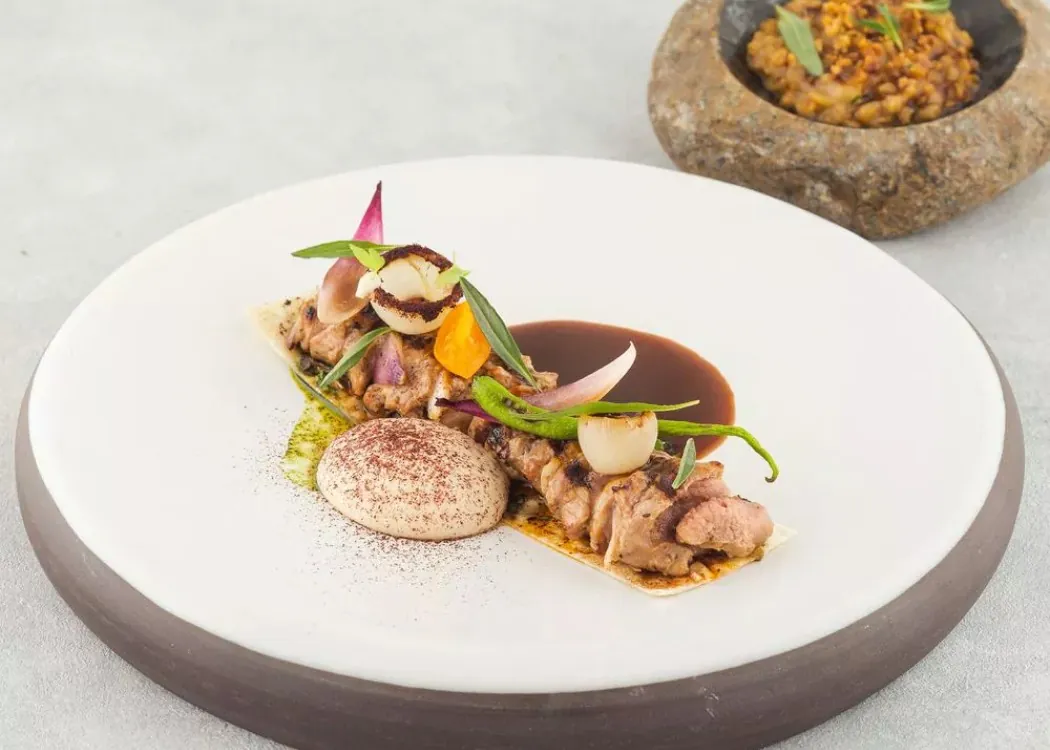
    OCAK is a charming restaurant in the Old Town neighborhood with exposed brick walls, mellow lighting, and marble accents. OCAK offers an intimate setting for a unique dining experience. The chef presents a single-set menu that highlights Turkish cuisine with a contemporary twist. From crispy chickpeas to innovative interpretations of traditional dishes, each course is a delightful surprise.


    Think deliciously creamy hummus with strawberries, sorrel, and a pomegranate vinaigrette for the chef's take on Turkish tradition. His robust flavor combinations usually manage to find the perfect mix between traditional and modern. Every food served here will stimulate your curiosity.


    Lokanta 1741 Restaurant


    Through the entrance on the right, opposite Cagaloglu Hamam is this lovely modern restaurant with a charming rooftop patio. It offers traditional Turkish dishes with a contemporary twist, some of which date back to 1741. While occasionally introducing unexpected textures and flavors, the chef never forgets about tradition.


    Lokanta 1741 is a contemporary restaurant that pays homage to Turkish culinary traditions. The chef artfully blends classic recipes with modern techniques, resulting in innovative dishes that are both familiar and exciting. While the evening menu offers a refined fine dining experience, diners can also enjoy a more casual meal featuring zesty ceviche and flavorful lamb brochettes. The restaurant's extensive wine cellar provides the perfect complement to the culinary delights.


    Deraliye Restaurant


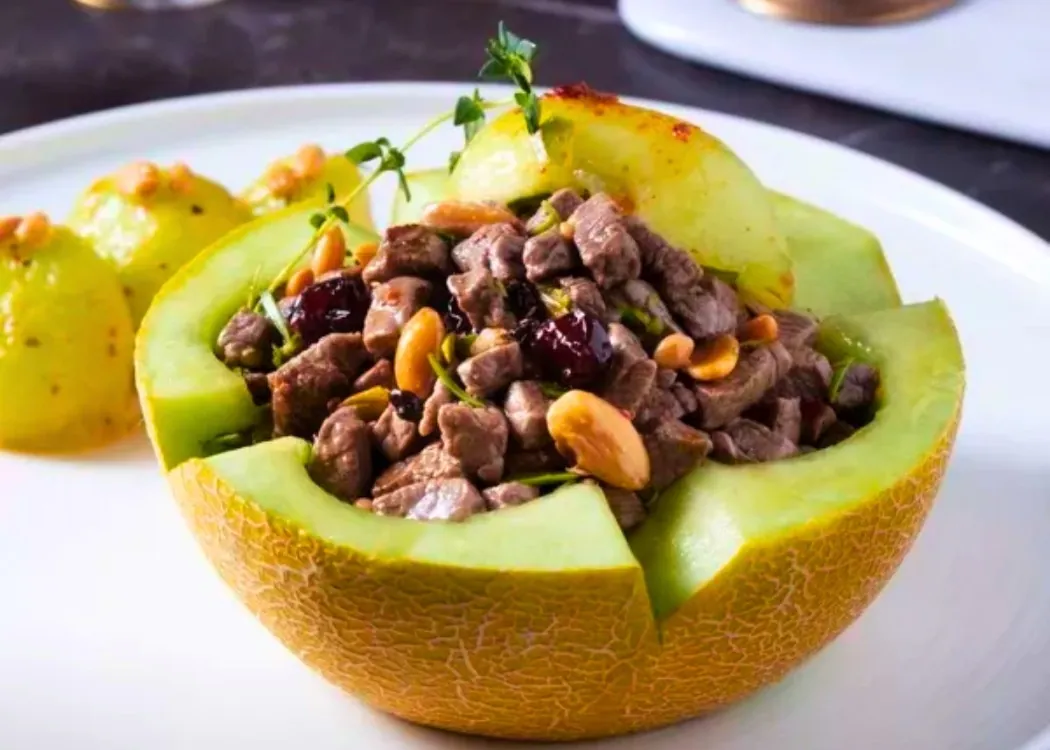
    Deraliye is one of the landmark locations of the historic Sultanahmet neighborhood. The striking, lavish decor draws attention right once and pays homage to the Ottoman Empire, just like the food. Do you yearn for spicy rice roasted in a classic tandoori oven with a goose, lamb, or duck kebab? Discovering the savory flavors of Ottoman cuisine can be done here.


    Before digging into these delicious foods, you need a bit of walking through Sultanahmet. Our professional guides take you on our Old City & Sultanahmet Square Highlights Guided Tour, and you can learn more about the stones you walk on. 


    Khorasani Restaurant


    The tourist restaurants in the Sultanahmet neighborhood are well-known for their photo-based menus. In that regard, the rustic-style Khorasani is no different, but what distinguishes this kebab shop is the chef's commitment to excellence. This is the real stuff, whether you want grilled vegetables, lamb, or katmer for dessert.


    While you are around, check out our amazing Topkapi Palace Guided Tour. With our professional guide, you will learn every detail of this beautiful palace and its history, and also gossip and legends about it. 


    Matbah Restaurant


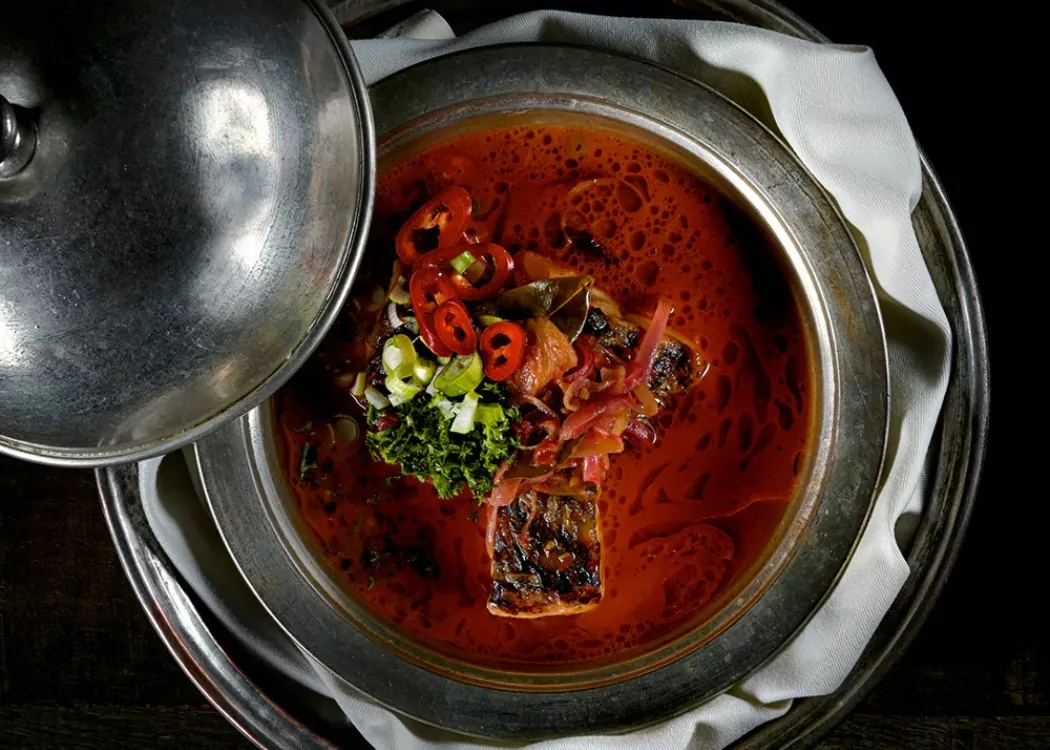
    A glimpse of Turkish history can be found at this elegant restaurant. You can take in the lovely settings given by the walled summer garden and covered winter garden here, in the shadow of the Hagia Sophia. Traditional cooking is wonderfully brought to life by dishes from the Ottoman sultans' era (the years are listed next to each dish on the menu). Consider dishes like gemici böregi with honey, which is a crispy fried filo pastry loaded with seven Turkish kinds of cheese and served with juniper honey.


    If you are making dinner plans in Matbah, first check out the Hagia Sophia Mosque! You can enter this amazing once-church-now-mosque structure without a guide but you’ll definitely miss a lot. Note that, Matbah Restaurant is no longer on the Michelin Recommended Restaurants list, but we wanted to keep this restaurant in our list because it is still one of the best fine dining restaurants in the old town.


    Giritli Restaurant


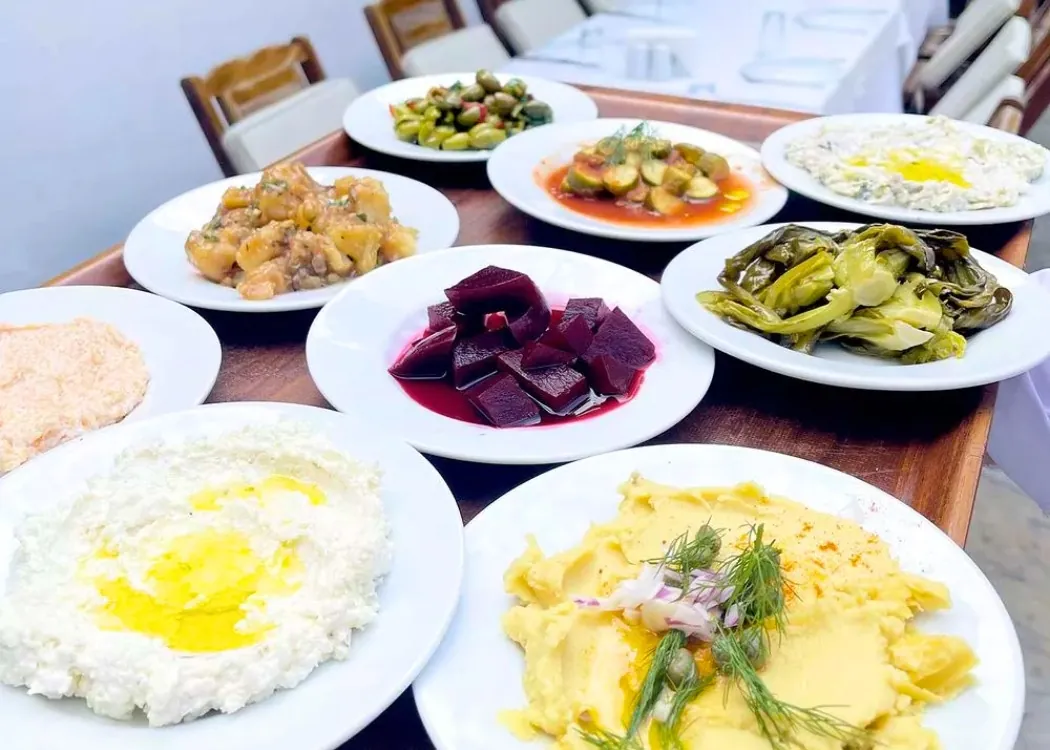
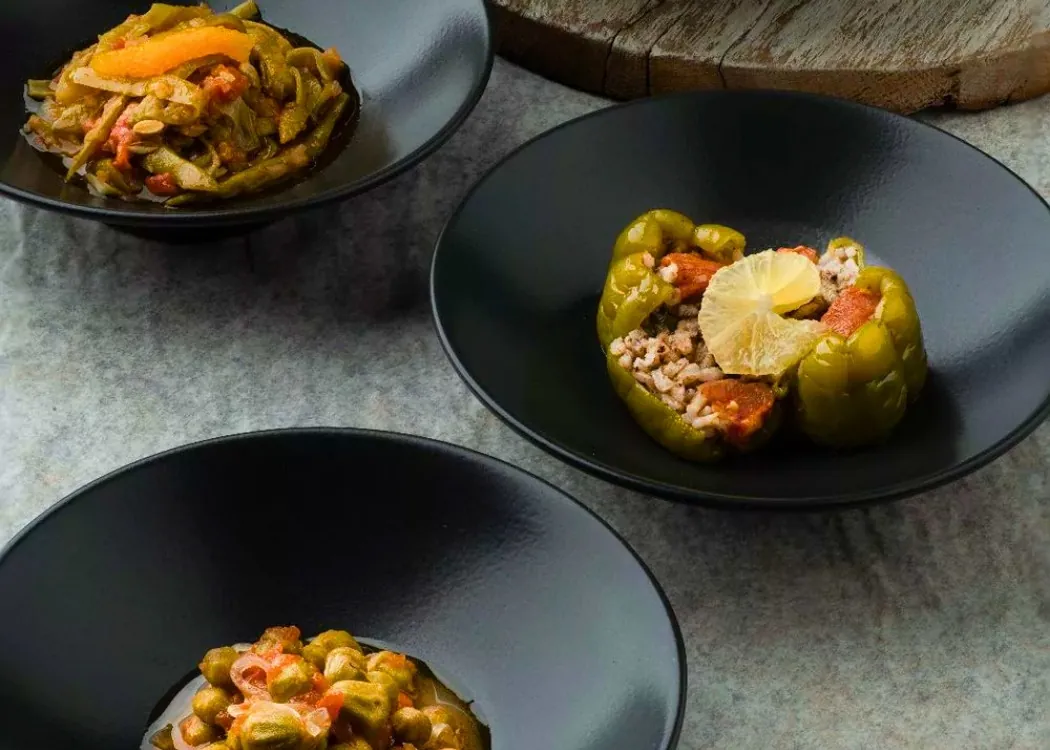
    The restaurant is located in a fully-restored historic Sultanahmet house. Giritli welcomes you to its ambient terrace in the summer, which also accommodates the kitchen. Make sure to sample the tempting mezze menu, which creatively highlights classic flavors and includes drinks. A great feast with perfectly seasoned, generously portioned fresh veggies! 


    Giritli offers a delightful dining experience, whether on its summer terrace or in its cozy indoor space. The restaurant's focus on Cretan cuisine shines through in its inventive mezze set menu, which showcases fresh, flavorful dishes. From marinated sea bass to tangy potato salad, each bite is a testament to the island's culinary traditions.


    Avlu Restaurant


    Nestled within the luxurious Four Seasons Hotel Sultanahmet, Avlu Restaurant offers a serene escape. This Mediterranean-style courtyard invites you to relax and savor a unique culinary experience. Indulge in a delightful array of Anatolian delicacies, from freshly baked bread to innovative Turkish dishes. The chef expertly blends tradition and modernity, as showcased in the rich beef manti paired with refreshing buffalo yogurt and spiced butter.


    The restaurant's menu celebrates the flavors of the region, with a focus on fresh, seasonal ingredients. From the wood-fired oven to the skilled hands of the chef, every dish is a testament to culinary excellence. Whether you're seeking a romantic dinner or a leisurely lunch, Avlu Restaurant promises a memorable dining experience.


    Istanbul Old Town is a central point to see the amazing history of this city. There is so much to see in every corner of this district. Istanbul Tourist Pass® gathers the best of the best for you to see them all comfortably. Here check our 100+ amazing attractions yourself and decide whether or not you want to deal with ticket lines or not. If you have any questions in mind, you can always reach us through our WhatsApp line or Instagram account


  • Frequently Asked Questions About Istanbul

    Istanbul is a great city and millions of visitors every year come to this amazing city to witness its historic and natural beauty. In this article, we’ll take a look at some of the most frequently asked questions about Istanbul!


    But before we start, here check out other 100+ attractions you can visit for FREE with Istanbul Tourist Pass®, and if you love history, don't forget to book your place for guided tours! Let's start digging into the answers to frequently asked questions about Istanbul. 


    Is Istanbul a city?


    Yes, although it is huge and crowded like a state itself, Istanbul is a city in Turkey. There are various neighborhoods in this huge city and each has its own local municipality, and there is one major municipality Istanbul Metropolitan Municipality (IBB).


    Do I Have to Speak Turkish in Istanbul?


    In Turkey, English is the most widely spoken foreign language. In all of the major cities, shopping malls, restaurants, and vacation resorts, you should have no trouble finding individuals who can speak English and assist you in getting about.


    Also in recent years, Arabic is mostly spoken especially in touristy areas like Beyoglu and Eminonu. So visitors from all around Arabic geography prefer Istanbul for a great holiday.


    What is the Dress Code of Istanbul?


    Although exposing clothes is not particularly dominant in Istanbul, the Turkish dress sense is largely westernized. Turkey is accepting of various cultures and faiths since it is a secular state. Unless attending a mosque, where scarves are generally available to borrow, female visitors are not required to wear a headscarf.


    In summer, women are wearing shorts, mini skirts, or crop tops in central neighborhoods like Besiktas or Kadikoy, but you may go for longer options in clothing in other areas of the city. Men generally wear pants or long shorts. Actually, you can wear what you like in this cosmopolitan city just like in any other Western country. It is a good idea to have long skirts or pants for visiting a mosque like the Hagia Sophia, but in case you don’t have those, you can buy or borrow them at the entrance to touristy mosques. 


    Is Istanbul a Safe City?


    Istanbul is a safe city in comparison to most Western nations. Foreigners are seldom victims of serious crime, and few tourists to the city have any difficulties. There are some pickpockets and frauds operating (especially in tourist-heavy locations), so proceed with care. It is always to be careful but don't worry too much because Istanbul is a city that never sleeps just like New York so you won't probably be alone in central areas at night even if you want. 


    Do I Have to Exchange Money in Istanbul?


    Despite the fact that Euros are accepted in certain bigger shops and tourist locations, it is usually preferable to deal with the Turkish Lira. If you convert money in Turkey, the rates are usually always better, and a smart approach is to bring enough local currency for the first day or two, then change the remainder once you arrive. Alternatively, ATM machines may be found throughout the city, and anyone with a credit or debit card should have no trouble getting cash. Here's where you can learn more about the Turkish lira.


    What is the Best Way to Visit the City?


    There are a variety of methods to see the city, but buying a tourist card will make things much simpler. Tourist cards may assist you with any museum visit while also allowing you to save money. The Istanbul Tourist Pass® is Istanbul's first and most trustworthy tourist pass, with over 100 attractions to choose from throughout your stay. With an Istanbul Tourist Pass, you can save over 50% and see the city's most famous sites including Hagia Sophia, Topkapi Palace, and more with a guide. In just a few easy clicks, you can buy your Istanbul Tourist Pass® on our website!


    How can I travel from Istanbul's European to the Asian Side?


    There are buses, metrobuses, and dolmus that run between the European and Asian sections of Istanbul, but the boat is the cheapest and most convenient option. Eminönü-Kadıköy and Besiktas-Kabatas are two useful ferry ports.

    There is also a metro line called Marmaray which is running under the Bosphorus between two sides of this beautiful city. So there is no reason to visit both sides and join the attractions included in the Istanbul Tourist Pass®.


    Let’s list some other FAQs here:


    Istanbul is one of the most visited cities in the world. Every year millions of visitors from all around the world come to this beautiful city for different reasons. So, for the people who are curious about this amazing city, we picked some of the most popular questions and answered them for you. 


  • History and Today of Grand Bazaar, Insider Tips

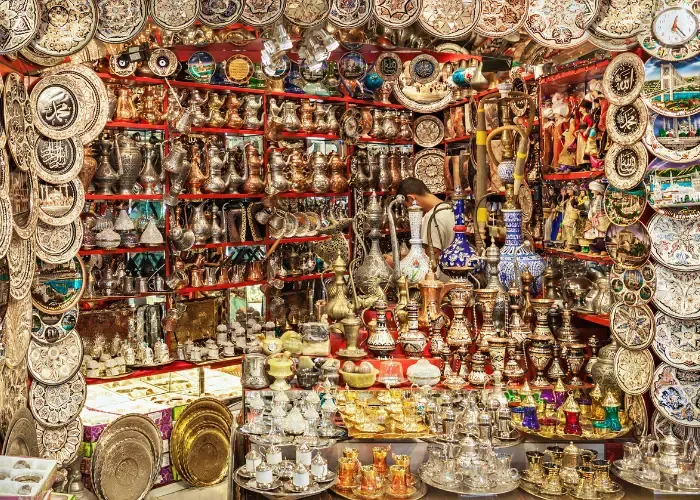
    The Grand Bazaar has grown over time to include a variety of services in addition to direct commerce. It also includes restaurants, the most recent of which was the renowned chef Nusret Gökçe's Salt Bae restaurant last year, a mosque, a hammam, and its own police station, as if it were a suburb or an area in and of itself. You will approach the covered market Grand Bazaar in Istanbul or the “Kapalı Çarşı” if you enter from Beyazit Gate, Nuruosmaniye Gate, Urgo Gate, or Sorguçlu Han Gate.


    The Grand Bazaar in Istanbul is a popular destination for most visitors since it is the world's largest covered market. The Grand Bazaar's ancient history is full of tales and legends about its beauty and heritage.


    With Istanbul Tourist Pass®, you can join a guided tour of the Grand Bazaar. We strongly recommend you visit this amazing place with a guide especially if it is your first time there. You'll be amazed by the richness of culture and history of the Grand Bazaar.


    Here check out other 100+ attractions you can visit for FREE with Istanbul Tourist Pass®, and if you love history, don't forget to book your place for guided tours! Let's start digging into the history of Grand Bazaar.


    Grand Bazaar’s Construction


    The Grand Bazaar, which was built between 1451 and 1481 during Sultan Mehmed II "the Conqueror's" reign, is one of the world's largest and oldest covered bazaars or markets, with an area of 30,700 square meters and over 60 avenues, alleys, and over 4,000 shops.


    The question of the Grand Bazaar's gates, as well as the question of the market's streets and how to differentiate them from one another usually arises among tourists in Istanbul. Specialization is the solution! The gates were built according to specializations to ensure that shoppers, including those who had recently visited the Grand Bazaar, do not get lost. For eg, anyone looking for gold and jewels should go to the Beyazit Gate and follow the directions, while those looking for carpets and wool goods should go to the Zenneciler Gate, and those looking for antiques and Ottoman pieces should go to the Nuruosmaniye Gate or the Mercan Gate. Check the gates well when you visit Istanbul!


    The Grand Bazaar's past is riddled with incidents, including several disasters, which were generated to provide funds to Hagia Sofya. Earthquakes and fires have wreaked havoc on the city. The covered market burned down in 1701 and 1750 before being damaged by an earthquake in 1766. Then, there were new fires in 1791 and 1826, followed by the great Istanbul earthquake of 1894, and finally the fire of 1954. Following the burn, renovation work on this business lasted for five years and is still going strong today.


    The covered market came to an end in its present form after Suleiman the Magnificent rebuilt it from wood to stone during his rule between 1520 and 1566, and it has since included handicrafts as well as buying and selling. There are streets dedicated to the selling of leather goods and furniture, and others to the production of traditional Turkish sweets, especially Turkish delight. It's worth noting that some of the streets have taken on the names of popular occupations, such as Gold Street and Copper Street.


    Prices in Grand Bazaar


    Many people are unaware that the market's rates are the highest in Istanbul, but they are open to "bargaining," and a first-time buyer might be stunned to find that the price has dropped to half of his initial estimate. In addition, because of the scale of the shops and the people who work in them, some of them have business relationships with countries and big multinational corporations. The amount of gold shipped from the market on a daily basis is immense, as is the amount of leather shops and heritage goods sold, including those used in films. The Grand Bazaar is said to be where most of the actors in historical Turkish TV shows get their clothing.


    Where is Grand Bazaar


    The Grand Bazaar is in the Beyazıt area of the Fatih district, one of the oldest settlements in Istanbul. The Grand Bazaar is easily accessible via public transportation. After leaving the Beyazıt station on the T1 tram line, the Grand Bazaar is a few minutes away from the station. Before your trip, please do not forget to check what time Grand Bazaar opens and closes.


    The shopping mall opens at 08:30 am and closes at 07:00 pm, so definitely make sure you have enough time to discover this magnificent place extensively and to shop! And no need to worry about any Grand Bazaar Istanbul entrance fee! The historical shopping mall is free to enter and walk through.


    The Grand Bazaar is also the perfect location for a long day of exploring the city. With the T1 tram line, you can easily go from the Grand Bazaar to Spice Bazaar Istanbul, near the Eminönü station, and discover the unique atmosphere of Eminönü and the Spice Market, get fresh air near the seashore and take in the area’s beauty.


    If you are wondering how far Grand Bazaar is from Blue Mosque, they are also close in proximity. Blue Mosque is easily accessible through the T1 tram line at the Sultanahmet station. If you would like to have a full-day trip, discovering the various iconic landmarks of the city, consider our Blue Mosque tour for a guided trip through places such as the Grand Bazaar and the Blue Mosque. This day-long trip takes you on a journey through time amongst the most well-known Ottoman and Byzantine relics and informs you about the centuries-old history of Istanbul.


    The Grand Bazaar is one of the oldest covered shopping malls in the world, so no need to worry about the weather! The Grand Bazaar is great for both summer and winter visits! If you do not know where to shop in Grand Bazaar, worry not! Your guided experience takes you through the most reputable shops in the mall, so you can get an idea of what to buy in Grand Bazaar Istanbul our guide teaches you how to bargain in Grand Bazaar so you can shop smart. Also, you’ll get the unique experience of visiting workshops and seeing master artisans and how their works come into being.


    Insider Tips for Grand Bazaar


    Our most important Grand Bazaar Istanbul tips are: do not get overwhelmed by the countless shops and definitely do not get lost in the mall! Our Grand Bazaar shopping tips are: to bargain relentlessly and take your time when examining intricate works such as Turkish rugs, copperware, and other decor and jewelry items to fully appreciate the work that goes into making them. After a fun bargaining and shopping spree, you might want to know where to eat near Grand Bazaar Istanbul for the most delicious Turkish food. You are in luck! The Grand Bazaar is surrounded by all kinds of food options, from quick and easy Turkish fast foods like döner and kokoreç to the most delicious and hearty kebabs and home-style meals. You can also walk around and see other important buildings like Hagia Irene and Topkapi Palace. You can take a tour of the Hagia Irene Museum or Topkapi Palace. Maybe you will want to see a lot of things in Istanbul and choose the Istanbul In 1 Day tour.


    If you like indoor spaces, we offer you two more places. You can enjoy a fun Safari in Istanbul and experience the horror in Dungeon in Istanbul. They are both in Istanbul.


    Book your trip now! We have safe and secure payment options for credit cards, protected by the international infrastructure so you can enjoy your trip with peace of mind! If you need any help whilst you visit Istanbul, istanbultouristpass.com offers a WhatsApp service so you can get the help you need!

  • Istanbul: The Legend of Seven Hills and the Foundation of Constantinople

    Istanbul is a city with a deep history and amazing stories. There are many things to explore in this beautiful city. In this article, we will take a closer look at one of the legends rooted in the city's rich history. 


    Before starting digging into the past, check out the 100+ amazing attractions, guided museum tours, and experiences you can join for a single price with Istanbul Tourist Pass®. Especially if you love history, you will enjoy our guided museum tours


    What is the Importance of Seven Hills?


    Istanbul is well known as the City with seven hills. But that's not a geographically right definition. The ancient peninsula's hills were initially described by the Byzantines, who took their inspiration from Rome's seven hills. So, it is actually Rome, not Istanbul which was founded on seven hills. When Constantin the Great was moving the capital of the Roman Empire from Rome to Istanbul, he adapted the tale of seven hills to this city, as well as many institutions and foundations.


    Thus the high locations around the Golden Horn were declared as the seven hills of Istanbul. These hills were ornamented by the Byzantines with temples, palaces, and forums. Mosques were first constructed in the city following the Ottoman conquest in 1453. Many cities throughout the world are known to be erected atop seven hills. Some of these are Mecca, Tehran, Barcelona, Edinburgh, Seattle, and Moscow. Rome and Istanbul are the most well-known of these cities, though, given the former was the first and the latter was the final capital of the Roman Empire.


    This is the region called the historical peninsula today. For centuries, when the city of Constantinople was mentioned, this limited area was mentioned. Compared to the most extreme borders that Istanbul has reached today, this area, which includes seven hills, constitutes a very small part of a big city.


    What are the “seven hills” of Istanbul?


    Where are the seven hills of Istanbul? These seven hills, which were clearly evident before the city was influenced by modern architecture, are located within the wall called "real Istanbul" or "historical Istanbul". Let’s have a look at the Seven Hills of Istanbul


    Hill 1st – Sarayburnu 


    From Seraglio Point, the first hill on which the ancient city of Byzantium was built, spans over the entire region that is home to Hagia Sophia, the Blue Mosque, and Topkapi Palace.


    As today it is called, Sarayburnu, which sits at the very end of the old peninsula, is around 40 meters high. Here, Istanbul's conqueror Fatih Sultan Mehmet erected his palace. Following then, Topkapi Palace was the epicenter of an empire spanning three continents for 400 years. If one has not visited the Topkapi Palace, one cannot comprehend Istanbul or the Ottoman Empire.


    Hill 2nd – Cemberlitas


    The Nuruosmaniye Mosque, Grand Bazaar, and Column of Constantine are located on the second hill. A rather broad valley that originates from Babiali on the east Eminönü separates the second hill from the first hill. From Beyazit to Sultanahmet, a huge circular column known as the Cemberlitas or Constantine Column may be seen. It is well known that throughout the Roman and Byzantine eras, the Constantinople Forum—which served as the city's political and commercial hub—was constructed on the location of Cemberlitas.


    Hill 3rd – Süleymaniye Mosque


    The principal structures of Istanbul University, the Bayezid II Mosque, and the Süleymaniye Mosque are currently located on the third hill. The hill's southern slopes fall down to Kumkapi and Langa. The Suleymaniye Mosque is situated atop Istanbul's third hill. The mosque is regarded as a journeyman's design by the eminent architect Mimar Sinan. It is named after Suleiman, the Sultan who ruled during the height of the Empire's supremacy. The mosque is portrayed as the beautiful memory of the Empire spreading to three continents with many conquests in the famous poet Yahya Kemal's work "Feast Morning in Süleymaniye," which is about the mosque.


    Hill 4th – Fatih Mosque


    The fourth hill, which once hosted the Church of the Holy Apostles and later the Fatih Mosque, dips down somewhat steeply to Aksaray in the south and the Golden Horn to the north. The Church of the Holy Apostles was the second-most significant church in the city during the Byzantine era, after the Hagia Sophia. Additionally, there is a cemetery where the Byzantine emperors are interred. The destroyed cathedral was replaced with the Fatih Mosque and Complex after the city was taken over.


    Hill 5th – Yavuz Sultan Selim Mosque


    The Sultan Selim Mosque is located on fifth hill. The valley that descends on the west toward Balat on the shore of the Golden Horn divides the fifth and sixth hills. This hill, which dominates the Balat area, is situated on the rocky Golden Horn slopes. The Ecumenical Patriarchate building is close by and is situated in a historically non-Muslim district with lots of churches and synagogues all around. It is structured as a compound and contains many educational institutions, just like Fatih and Süleymaniye Mosques. Here is also where Sultan Selim's octagonal mausoleum is. A white robe can be seen by the Sultan's coffin's bedside.


    Hill 6th – Mihrimah Sultan Mosque


    Edirnekapi and Ayvansaray districts are located on the sixth hill. Its gentle slopes extend past the perimeter of the fortification walls. Theodosian Walls, which surround the old city, are near this hill, which marks the highest point of the peninsula. İt is situated in the Edirnekapi neighborhood of Karagümrük. This is where Mimar Sinan's Mihrimah Sultan Mosque, which he constructed for Suleiman the Magnificent's daughter.


    Hill 7th – Kocamustafapasa Hill


    The seventh hill, often referred to as the "dry hill" or Xrolophos in Byzantine times, stretches from Aksaray to the Theodosian Walls and the Marmara. Having three summits, it forms a triangle with apexes in Topkapi, Aksaray, and Yedikule. It is a broad hill. In contrast to the other six hills, Kocamustafapasa Hill is situated near the Sea of Marmara. Kocamustafapaşa Hill, which is over 60 meters above sea level and is situated between the Cerrahpaşa and Samatya districts, stretches from the Aksaray area to the Theodosian Walls and the Marmara Sea.


    Now, let's dig deeper into how Istanbul (Constantinople with its historical name) was founded.


    How was Constantinople founded?


    The Emperor Constantin 1st, or by his other name Constantin the Great thinks a lot about what happened due to the event known as the Migration of Nations in history, and anticipating the possible dangers, he searches for a new, safe, powerful, and centrally located capital for the ancient Roman Empire, which was in a difficult situation. (Actually, this search begins much earlier. Even Gaius Julius Caesar thought of moving the capital to Milan. The capital of Western Rome would be moved to Ravenna later.) Before Constantinople, Constantine the Great thought of Troy (Çanakkale) as the capital, but according to rumors, in one night's dream, God asked him for another capital.


    Apart from Troy, undoubtedly, the most suitable city among the cities within the borders of the empire of that period is Augusta Antonina, that is, Istanbul, which was named Byzantium by Emperor Vespasian. There are many reasons for this.


    • being a transit point between Europe and Asia,

    • the possibility to reach the Mediterranean and therefore Africa via Istanbul,

    • the location makes it possible to control the Black Sea trade,

    • being suitable for agriculture and fishing, rich in terms of geographical and land features

    • being available for reconstruction

    • being in a dominant position to control both the Asian continent, the European continent, and the Middle East

    • being an ancient Greek city


    The fact that the ancient Constantinople city center area has 7 hills just like ancient Rome and the silhouette of the city resembles an eagle (the symbol of Rome) also played a mystical role in this choice.


    This city, called Nova Roma (New Rome) in Latin, was declared as the new capital of the Roman Empire on 11 May 330 AD, 65 years before the empire was divided into east and west. Even before the reconstruction of the city was completed, all important institutions such as the army, the senate, the treasury, etc. were moved here. A little over half a century later, it became the capital of the Eastern Roman Empire.


    FAQ


    Why is Istanbul called seven hills?


    Historically, the old town, which is the first territory of the city, consisted of seven hills as in Rome. When Constantin the Great was moving the capital of the Roman Empire from Rome to Istanbul, he adapted the tale of seven hills to this city, as well as many institutions and foundations.


    Why are the seven hills important?


    Seven Hills is thought of as a sign of a city’s holiness. 


    Was Constantinople built on 7 hills?


    Historically yes, but compared to the most extreme borders that Istanbul has reached today, this area, which includes seven hills, constitutes a very small part of a big city.


    Does Istanbul have 7 hills?


    İstanbul has many hills. Seven Hills signifies the first land city that originated. 

  • Top Things to Do in Istanbul in Winter 2025

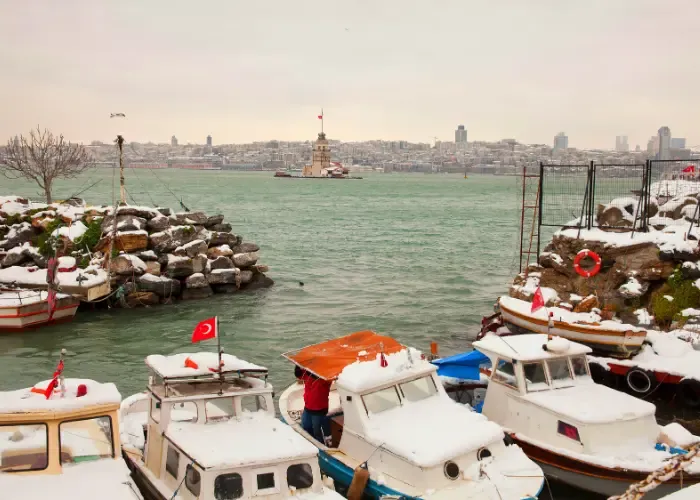
    Istanbul is beautiful in every season. Even in winter, the city has a unique beauty that attracts visitors. Especially when it snows, walking through the streets of Istanbul can be a memory to remember. 


    The city has so much to offer its visitors every month of the year. In this article, we will look at the attractions, indoor activities, and foods to try in winter in Istanbul. 


    Before starting, check out the most comprehensive attractions lists of the city covered by the Istanbul Tourist Pass® here. You can find whatever you want to see or do in Istanbul among the 100+ attractions gathered by Istanbul Tourist Pass®. It is designed for you to save time and money. So if your waterproof boots and warm clothes are ready, let’s start digging into the top things to do in Istanbul in winter 2025. 


    General Information About the Winters in Istanbul


    Istanbul gets cold winters, with typical lows of 5 to 15 degrees Celsius (40-60 Fahrenheit). If you intend to travel during December, January, or February, pack some warm clothes and shoes because they are the coldest months of the year.


    Until the end of March, Istanbul is generally cold but in the city center, it is generally warmer than other European centers. So, visiting Istanbul is always a good idea. Istanbul snows every winter but in central areas, it is only for a couple of days and then the snow melts fast. Winter is not a rainy season for Istanbul but it is always better to be prepared than soaked up. 


    You should pack your waterproof and warm clothes and shoes with you. Also, don’t worry Istanbul has many great shopping opportunities if you feel packed loosely. 


    Is it a good idea to visit Istanbul in winter?


    If you love your warm clothes, hot drinks, and chilly days then yes, it is a great idea to visit Istanbul in winter! There are fewer visitors in winter so it means fewer lines at attractions! And since it is generally off-season, you can find many hotel deals and discounts!


    For rainy days there are many indoor attractions but don’t miss the chance to enjoy the outdoors if you have sunny days! Here you can find 100+ attractions included in Istanbul Tourist Pass®.


    Unlimited Public Transportation all around Istanbul! 


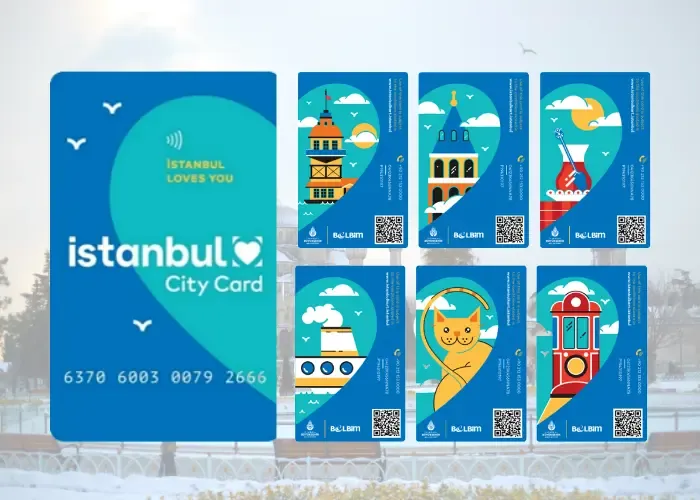
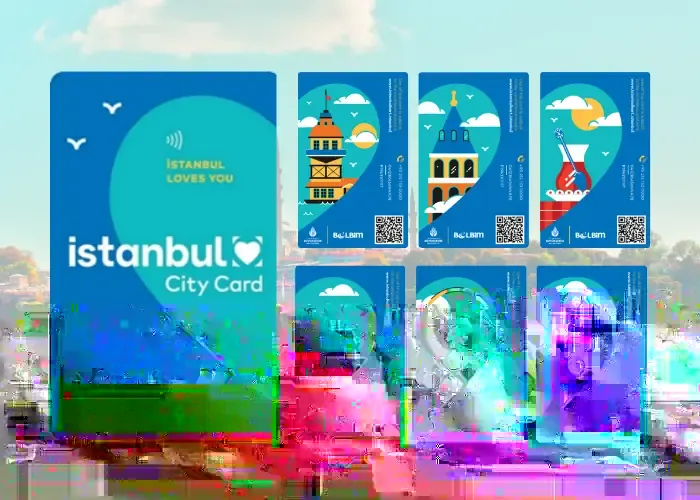
    Let’s start with the basics! You need to use transportation during your visit. A prepaid transit card called the Istanbul City Card provides you unrestricted use of public transportation for as many days as you decide. Every form of public transit, including the metro, trams, buses, metrobuses, and ferries, accepts it. It is a physically presentable card with a lovely design that a courier will deliver to your hotel, and after use, you can retain it as a souvenir.


    A unique public transit card called the Istanbul City Card was created having tourists in mind. Especially in winter, it is a great advantage to take transportation vehicles even within walking distance. 


    Join a Guided Hagia Sophia Tour 


    There is no special season to explore the history of Hagia Sophia. In Winter, Hagia Sophia is less crowded and there will be shorter lines at the entrance. So winter is the perfect time to explore this amazing mosque with our informative guides. 


    Hagia Sophia is one of the most popular tourist destinations in Istanbul. It will astonish you with its stunning architecture, ambiance, and history. While exploring Hagia Sophia, you'll feel as though Christian and Islamic history are present side by side. The knowledgeable tour guides from Istanbul Tourist Pass® will make your visit to Hagia Sophia simple.


    Visiting Hagia Sophia, Topkapi Palace, Dolmabahce Palace, and many more with professional tour guides is easy and FREE with Istanbul Tourist Pass® among 100+ great attractions all over Istanbul. 


    See the Whirling Dervishes Show


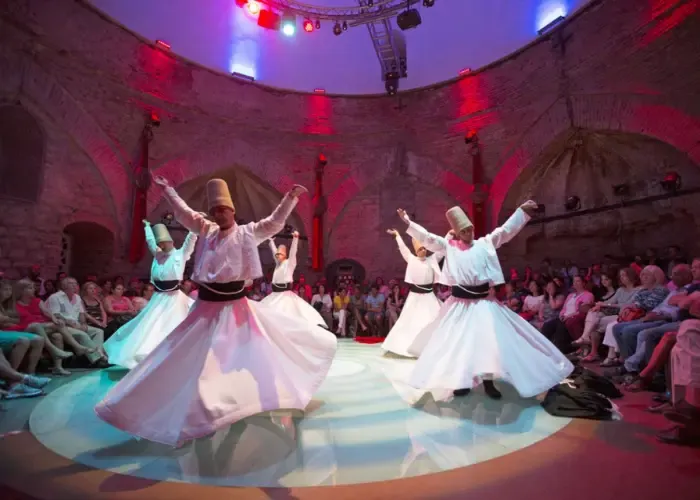
    Here is a perfect attraction for a winter day or night. You'll feel as though you've entered another universe after watching the Whirling Dervishes Show! You will experience mystical sentiments while watching the show. In fact, it's a must-see attraction in Istanbul. It is a spectacular religious ritual that dervishes believe will help them get closer to God. You'll feel incredibly serene and enchanted after this spiritual Mevlevi ceremony!


    The majority of the ceremony is accompanied by ney, a traditional Turkish instrument of which enchanting rhythm and voice make the performance unique. This incredible night can be experienced very easily with an Istanbul Tourist Pass®! Check out the Rhythm of the Dance Show also if you want to see an incredible Turkish dance show. This show is also included in  Istanbul Tourist Pass®!


    A Perfect Family Day: Legoland Discovery Center Istanbul


    Are you looking for a fun activity that the whole family can enjoy? The Legoland Discovery Center in Istanbul is the answer! Among the many things to do there are the Legoland Factory, the Lego 4D Theatre, and Miniland. With LEGO® bricks and figures, you can build anything you want. You and your kids will have a blast creating palaces, fortresses, fortifications, or even houses!


    With Istanbul Tourist Pass®, you can enjoy this family-friendly activity to the fullest. With the Istanbul Tourist Pass®, you will have free access to Legoland Discovery Centre where you can relive your childhood and enjoy time with your family.


    There are many attractions for the whole family, check this article to see them all: What to Do in Istanbul with Kids? Top Family Activities to Do


    Try Authentic Turkish Winter Drinks: Salep and Boza


    Istanbul is lovely in the winter. Boza and salep are two popular traditional wintertime beverages. Boza is a traditional Turkish fermented beverage. Boza is made by boiling hulled millet in water, which is then poured into pans to chill. After it has been sieved, water and sugar are added, and it has a sweet, tangy flavor. Boza is typically consumed with a spoon because of its thick nature. The drink is occasionally prepared with roasted chickpeas in addition to cinnamon.  In certain areas, traveling vendors start selling boza in the winter while pulling a sizable canister and calling out to anyone in the mood for boza.


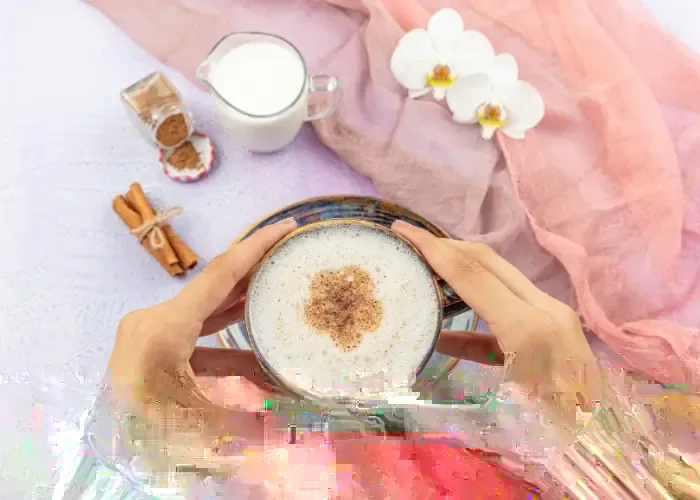
    Boza is a winter beverage, however, it is served cold. However, Salep is available if you're looking for a warm, sweet beverage in the winter. Salep, a delightful hot beverage, is produced from the tuberous roots of orchids. The dried flour is mixed with additional components including sugar, cornstarch, powdered milk, cinnamon, and vanillin, just like with hot chocolate or chai spices. T hen presto! It is absolutely creamy, sweet, and smooth.


    You can visit the Vefa neighborhood, which is renowned for its boza cafes, for boza. There are numerous cafes that provide salep, so you can choose which one has the greatest salep for your preferences.


    With 25+ years of experience in tourism, we are proud to create Istanbul Tourist Pass® which is the first and most inclusive tourist card in Istanbul. Check our website and witness yourself. Have a great time in Istanbul in winter and don’t forget to stay warm!


    FAQ


    Is it worth going to Istanbul in winter?


    Yes, it is definitely worth visiting Istanbul in winter. You can catch great deals and discounts in hotels and there will be fewer tourists everywhere, which means fewer lines in attractions!


    What is Istanbul like in winter?


    The first thing to say is that Istanbul is beautiful in winter. Istanbul can snow for a couple of days, but it is generally between 5-15 degrees Celsius. The city gets winter sun and bright sky on most winter days.


    What to wear in Istanbul in winter?


    Pack your warm coats and waterproof shoes and you are good to go. But don’t pack too thick! It is generally around 5-15 degrees Celsius in winter in Istanbul.


    Which one is a winter month in Turkey?


    December, January, and February are winter months but it is generally cold until the end of March.


    What is the cheapest time to visit Istanbul?


    Winter is the cheapest time to visit Istanbul. You can catch great deals and discounts in winter, especially for accommodation.

  • Istanbul’s colorful neighborhood: A guide to Balat

    Istanbul has so much to offer! There are many attractions, museums, and experience zones in this magnificent city. So that you do not get lost in all these offers, we have selected the best for you and created the Istanbul Tourist Pass®! There are 100+ attractions, show&go skip-the-line tickets, guided tours, and experiences for a single price. 


    If you are ready to discover Istanbul, let’s start with Balat! Located on the southern shore of Golden Horn, Balat is one of the oldest and most spectacular districts of İstanbul. Famous for its historical heritage, colorful streets, various churches, and synagogue, Balat has become one of the most known tourist zones of İstanbul in recent years. Once you set foot in Balat, it surrounds you with a unique atmosphere. Let’s start discovering Balat! 


    The History of Balat 


    Balat is a multicultural district, home to many Jewish and Greek Orthodox families. You will meet a range of churches, synagogues, and historic buildings as you walk around the cobbled streets of Balat. 


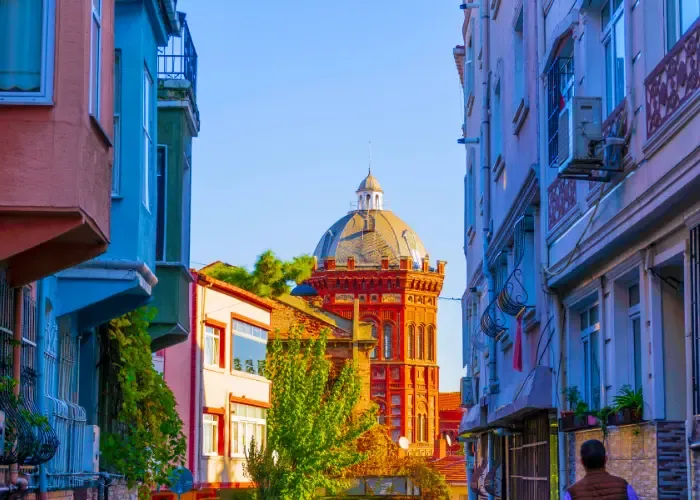
    With its red silhouette and magnificent architecture, The Phanar Greek Orthodox College is located in Fener, Adjacent to Balat. It is the oldest surviving and most prestigious Greek Orthodox school in Istanbul, Türkiye. The college is also one of the most photographed attractions of visitors with its gorgeous structure and signature red color. 


    The Bulgarian Church, also known as the Iron Church, is located along the coast of Golden Horn. The iron castings of the church were manufactured in Vienna, and the bell tower was a gift from Russia. The church was built for the Bulgarian minority that left the Fener Greek Patriarchate.


    You will come across many religious architectures in the Balat neighborhood.– the Yanbol Synagogue was built by Bulgarian immigrants – and the residents match this with many famous Turks having lived here as well as a Moldavia and Wallachia prince and other dignitaries. The Vaftizci Yahya Church is one of the unique churches in the world, built during the Ottoman period and based on a monastery Sultan Selim I saw during his conquest of Egypt.


    In short, Balat is one of the most diverse neighborhoods of İstanbul. Its historic buildings and varied architectural beauties give you this sense the second you walk through it.


    Balat’s Colorful Houses


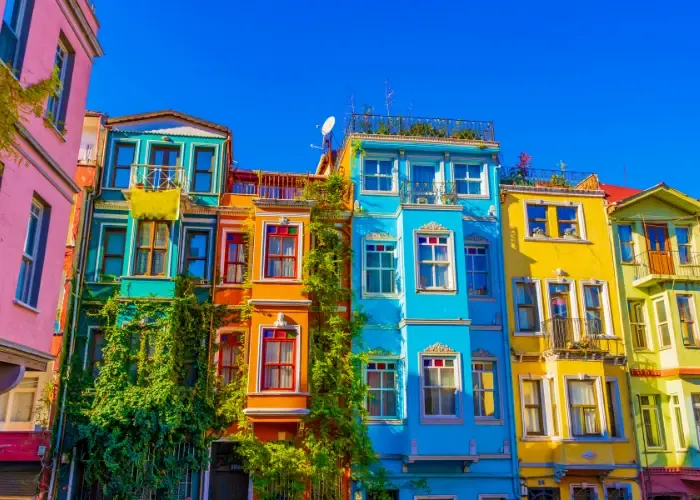
    The most known and distinguished part of Balat is its colorful houses. These historic wooden homes are aged between 50 and to 200-year-old.  They are one of the most photographed buildings in İstanbul. And the best place to take a photo is, infamously, Merdivenli Yokuş street (literally, "slope with stairs" street). Here, multicolored cumba houses sit in a row, waiting for tourists to take pictures. When you visit Balat, we recommend you visit this restored area within the scope of the UNESCO Cultural Heritage project.


    Food and Shopping in Balat


    After discovering the picturesque scenes of the neighborhood, take a break after taking lots of photos and sit at a cafe or restaurant in Balat around Vodina Street and Yıldırım Street.  The diversity of the district has bled into the food options: numerous bakeries, authentic and colorful cafes, restaurants, meyhanes (a type of traditional dinner spot serving alcohol), and so on. 


    While you are strolling around the iconic streets of the iconic area, Balat, you will meet various kinds of markets, antique shops, vintage shops, mirror-selling shops, and so on. These places are famous for their traditional wares and fresh produce. You can find many interesting gifts and souvenirs from İstanbul and Türkiye at these shops dotted across Balat.


    Balat Toy Museum


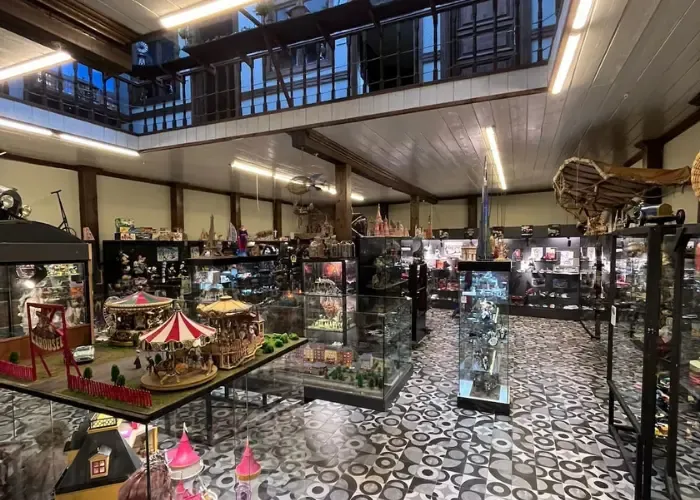
    The museum, born from a 50-year-old collection, has an exhibition area where you can find past and present toys. You can spend your time with workshops where you can make unique toys for your child and experience old Istanbul in the historic streets of Balat.


    Balat Toy Museum shows the variety of toys transferred from the past to the present and the future so that every age group can find a piece of itself. There are collections created by collecting from different regions of the world. In Balat Toy Museum, you can experience toys and workshops with limited and specially made collection value in several areas.


    The museum's lower floor features rare toys, unique diecast cars, and detailed doll houses over 1,000 m2 of enclosed space. There is a Museum Cafe in the Balat Toy Museum for those who want to take a break during their visit to the Balat Toy Museum. The Museum Cafe is where you can have a pleasant time with various toys and unique decorations.


    A Magical Christmas Bazaar in Balat’s Historic Fener Greek High School


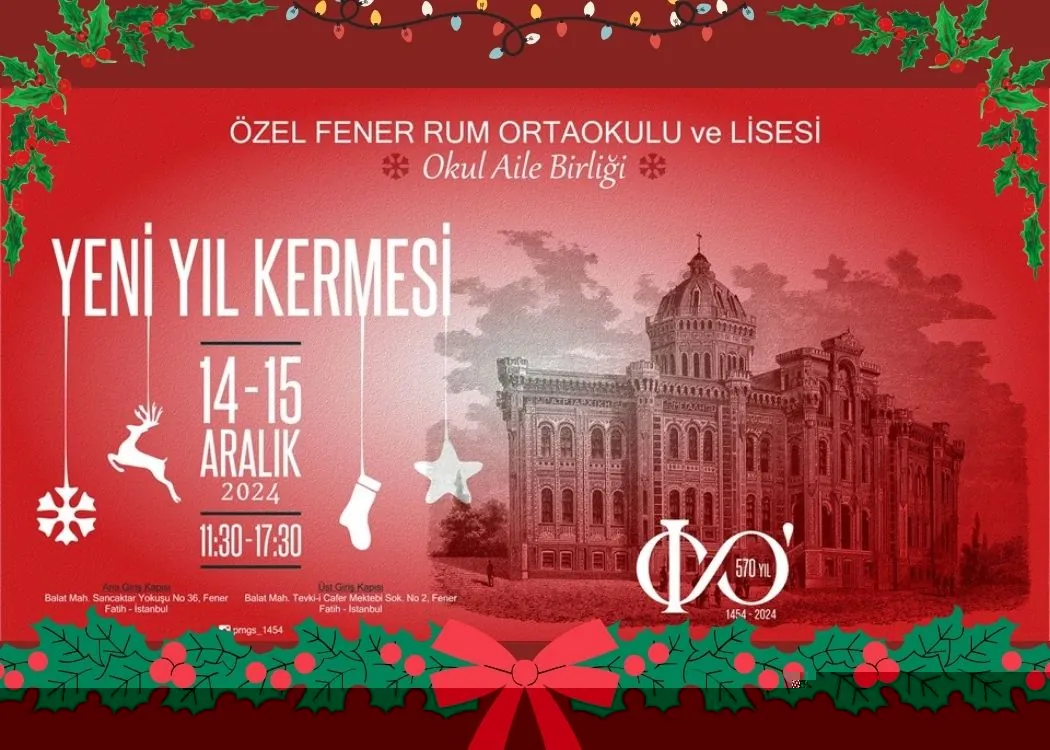
    This December, step into the heart of Balat’s history and holiday spirit at the annual Christmas Bazaar hosted by the Fener Greek High School Parents' Association. Held on the weekend, December 14-15, 2024, from 11:30 AM to 5:30 PM, the event takes place in the stunning, historic school building. Guests will have a rare chance to explore the school’s charming courtyard, second-floor classrooms, and grand ceremony hall, all while soaking in the festive atmosphere.


    With an array of unique gifts, handmade crafts, and delicious treats, the bazaar is the perfect way to embrace the holiday season. Even better, all proceeds go directly toward supporting the students' education. Whether you're shopping for meaningful gifts or simply enjoying Balat’s rich heritage, this delightful event promises a magical day out for everyone.


    Bonus: Princes' Islands Boat Trip From Balat


    If you have discovered Balat already and are ready to see more, then this trip to the Princes’ Islands is perfect for you! Prince's Island is made up of four main islands Büyükada, Heybeliada, Burgazada, and Kınalıada. After a great boat trip, you’ll get off Buyukada which is the biggest island and you will have a chance to walk around this beautiful island. 


    This dreamy trip is FREE with Istanbul Tourist Pass® along with 100+ great attractions. With more than 25 years of experience in tourism, we have created Istanbul Tourist Pass® to enhance your time in Istanbul so you can fall in love with the city we live in, and come back! Enjoy your time in Istanbul. 


  • Istanbul in January 2025: Weather, events, tips

    Istanbul is a bit wet but still so beautiful in January. In this new year, in 2025 we are expecting a rainy January but don’t worry there are plenty of things to do indoors in this beautiful city.


    Let’s start digging into what to do in January in Istanbul but the best way to plan your trip is always to check the 100+ attractions of Istanbul Tourist Pass® and make your own list! The Show&Go feature of the Istanbul Tourist Pass® redefines convenience and flexibility for exploring the city's top attractions. Unlike traditional guided tours or paper tickets, it allows you to skip the hassle of schedules and waiting lines. With instant QR access to over 100 attractions, you can simply show your digital QR online ticket and go! What’s more, the pass includes amazing audio guides, letting you explore landmarks at your own pace while uncovering fascinating stories and history directly on your phone. This seamless experience offers the freedom to craft your own adventure, making it a superior alternative to rigid guided tours. Istanbul Tourist Pass® sets you free and allows you to discover Istanbul on your own terms!


    Here are all the answers you need to plan your visit to Istanbul in January 2025. And, before beginning, we wish you a happy new year, let this year be dreamy for you and your loved ones!


    Weather in Istanbul in January 2025


    With temperatures in Istanbul ranging from 5°C to 9°C in January 2025, warm clothing is essential. Rain can be expected in Istanbul for about half of January. We expect about 8 to 15 rainy days, so you can put your rubber boots and umbrella to good use this month if you're determined to stay dry.


    In January, you can expect a few days of snow in Istanbul. It's important to get out your snow boots and warm mittens to stay warm while you explore Istanbul. If you’re planning to visit Istanbul in the near future, we highly recommend that you review the weather forecast for Istanbul before you arrive.


    What to Pack Before Coming to Istanbul in January 2025


    Istanbul in January can be chilly, so it's essential to pack accordingly. Here's a checklist to ensure a comfortable and enjoyable trip:


    Warm Clothing: Bring layers, including a jacket, sweater, and scarf to stay cozy during the cooler temperatures.


    Comfortable Footwear: As you'll be exploring various attractions, comfortable and waterproof shoes are a must. You can always buy amazing clothes and shoes in Istanbul if you don't want to carry them here. 

    Travel Adapters: Ensure you have the right adapters to charge your electronic devices and keep your Istanbul Tourist Pass® accessible on your devices. The electrical outlets and sockets in Turkey are Types C and F, and they operate on a 230-volt, 50 Hz power supply. You can easily buy adaptors in Istanbul, so don't be panicked! 


    Camera: Capture the beauty of Istanbul's landmarks, and don't forget to charge your camera or bring spare batteries.


    Umbrella: January in Istanbul can bring some rain, so it's wise to pack a compact umbrella.


    With your Istanbul Tourist Pass® in hand, January in Istanbul promises to be a month filled with exploration, culture, and unforgettable experiences. Embrace the charm of this historic city and create memories that will last a lifetime. Safe travels!


    Is it a good idea to visit Istanbul in January 2025?


    Yes, Istanbul is always a good idea in every month of the year, January is no different! The city has its own winter beauty throughout this month. It is fair to say that if you love your sunny and warm days, this month can be a little challenging for you but Istanbul is always warmer in the winter than other  European centrals. There are many things to do in Istanbul in the winter, and because it is an "off-season’" period, there will be fewer lines and many deals in most attractions. Especially hotels around the old town or other central neighborhoods might have reduced prices for a comfortable stay. 


    Istanbul has many cafes, restaurants, and malls you can shelter whenever you feel cold but keep in mind Istanbul is still warmer than many other European capitals. Waterproof shoes and warm coats are enough for you to walk around the city. 


    In January 2025, we don’t expect many snowy days but it is more than fair to say that Istanbul is very beautiful when it snows. 


    Unlock Unlimited Adventures with the Istanbul Tourist Pass® in January 2025!


    Are you planning a visit to the enchanting city of Istanbul in January? Make the most of your trip with the Istanbul Tourist Pass®, your key to unlocking unlimited adventures in this vibrant metropolis. The Istanbul Tourist Pass® is not just a digital sightseeing pass; it's your passport to over 100 attractions and services that will enhance your experience of this fascinating city.


    Top Things to Do in Istanbul in January


    Visit the Hagia Sophia


    Begin your journey through history by exploring the iconic Hagia Sophia. Admire the stunning architecture and immerse yourself in the rich cultural heritage of this historical gem. Your Pass includes a skip-the-ticket-lines online ticket to the Hagia Sophia Mosque with a great audio guide for you to enjoy this amazing place at your own pace. 


    Explore the Hagia Sophia History Museum


    Delve deeper into the past with a visit to the Hagia Sophia History Museum. Uncover the layers of history and witness the evolution of this architectural marvel over the centuries with crafted video projections and audio stories. Visiting this amazing technologically great museum is discounted with your Pass, here are the details


    Marvel at the Blue Mosque


    No trip to Istanbul is complete without a visit to the Blue Mosque. Experience the grandeur of its interiors and appreciate the intricate details of Ottoman architecture. With a specially crafted audio guide, enjoy visiting Blue Mosque in depth at your own pace. Here are the details of the FREE audio guide to Blue Mosque


    Fire of Anatolia Dance Show (Exclusive)


    Immerse yourself in the mesmerizing Fire of Anatolia Dance Show, an exclusive experience included in your Istanbul Tourist Pass®. Witness the beauty of traditional Turkish dance and music in a spectacular performance. Here are discounted VIP tickets for Fire of Anatolia especially for Pass visitors. 


    Bosphorus Dinner Cruise with Turkish Shows


    Embark on a romantic Bosphorus Dinner Cruise and enjoy a delightful evening with Turkish shows. Revel in the panoramic views of Istanbul's skyline while savoring delicious Turkish cuisine. With your Pass, there are two amazing cruise dinners you can choose from. One is the basic and one is premium, so choose for yourself!


    Visit the Basilica Cistern


    Explore the mysterious underground world of the Basilica Cistern. Marvel at the ancient columns and the captivating ambiance of this subterranean marvel. Amazing Basilica Cistern is waiting for you with a skip-the-ticket-lines online ticket to Basilica Cistern with a specially curated audio guide.


    Discover Topkapi Palace Museum


    Step into the opulent world of Ottoman sultans by visiting the Topkapi Palace Museum. Admire the exquisite artifacts and experience the grandeur of this historical palace. Our professional and experienced tour guides are ready to take you on an amazing journey through Topkapi Palace


    Whirling Dervishes Show (Exclusive)


    Experience the spiritual and mesmerizing Whirling Dervishes Show, another exclusive offering with your Istanbul Tourist Pass®. Witness the captivating dance of the dervishes and feel the spiritual energy in the air. Entrance tickets to the most famous Whirling Dervishes show in Istanbul are FREE with your Pass!


    Events in Istanbul on January 2025


    There are many events in Istanbul


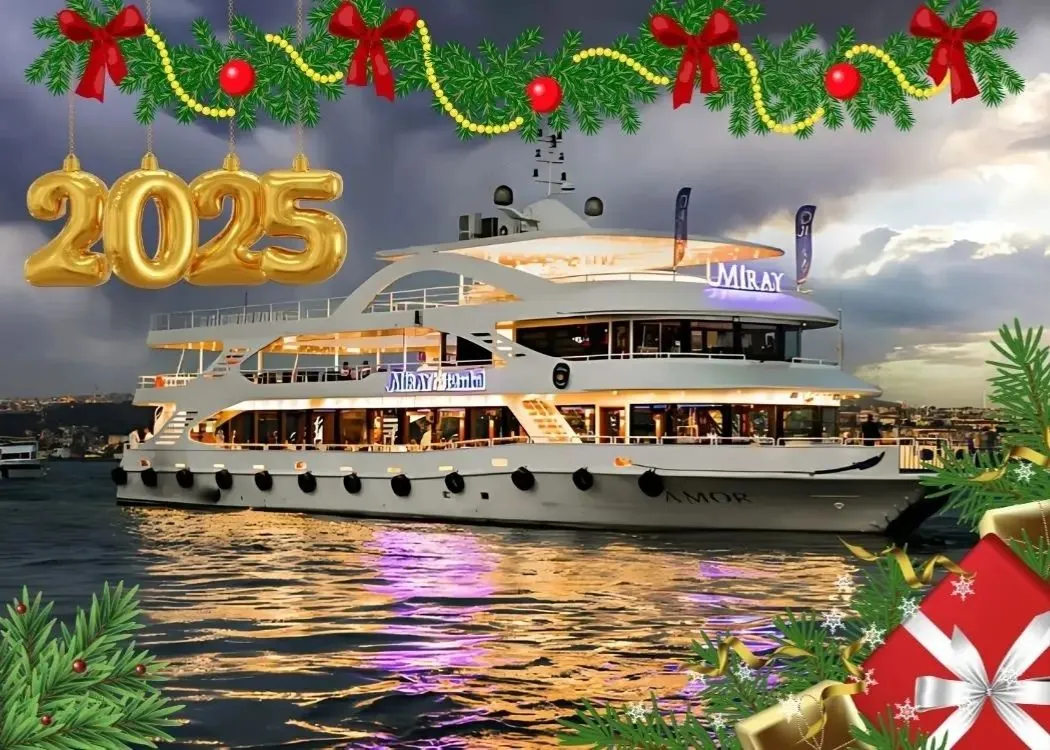
    A Night to Remember: New Year's Eve Dinner Cruise on the Bosphorus


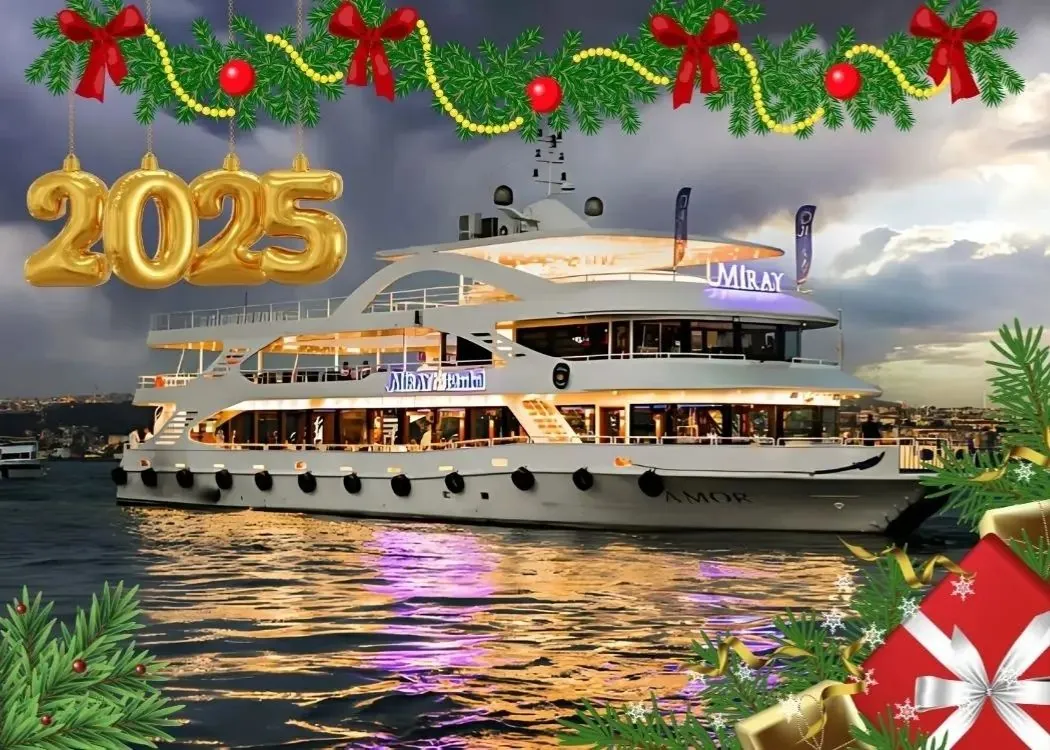
    Join us for a truly unforgettable New Year's Eve celebration on the beautiful Bosphorus. With Istanbul Tourist Pass®, you can experience a magical night of dining, dancing, and breathtaking views.


    Indulge in a delicious dinner, sip on your favorite drinks, and watch captivating performances by talented dancers and musicians. From belly dancing to gypsy rhythms, there's something for everyone.


    As you cruise the Bosphorus, you'll witness stunning sights and create lasting memories. Book your spot now and experience the magic of New Year's Eve on the Bosphorus. Don't miss out and book your tables right away for an amazing New Year's Celebration in Istanbul!


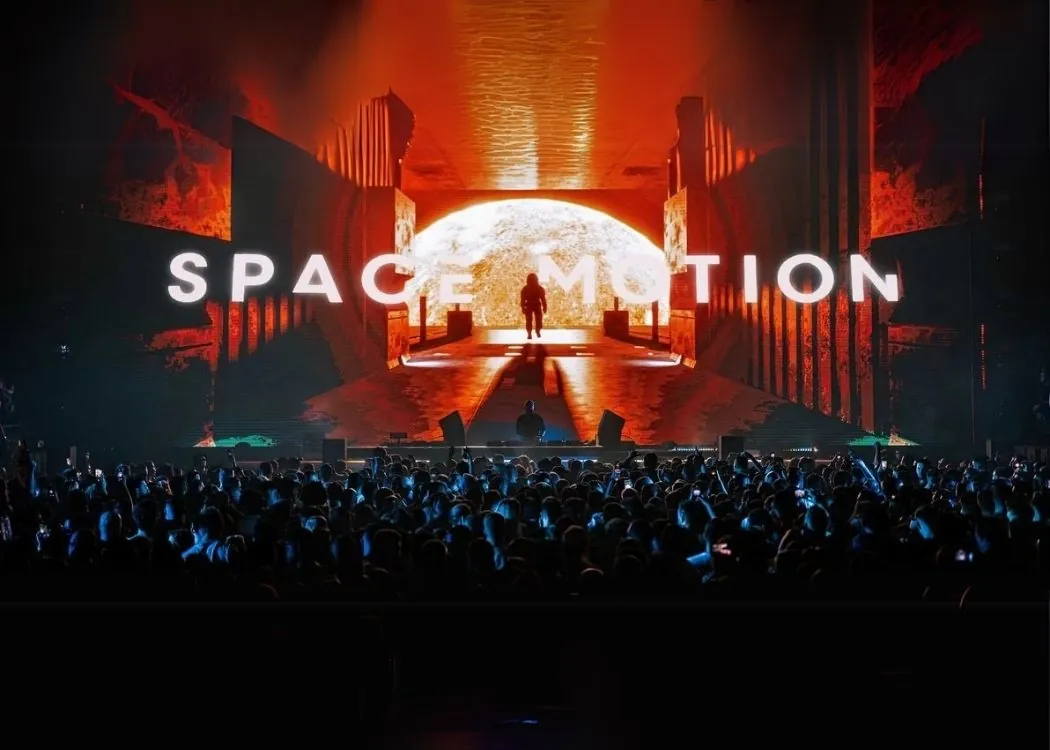
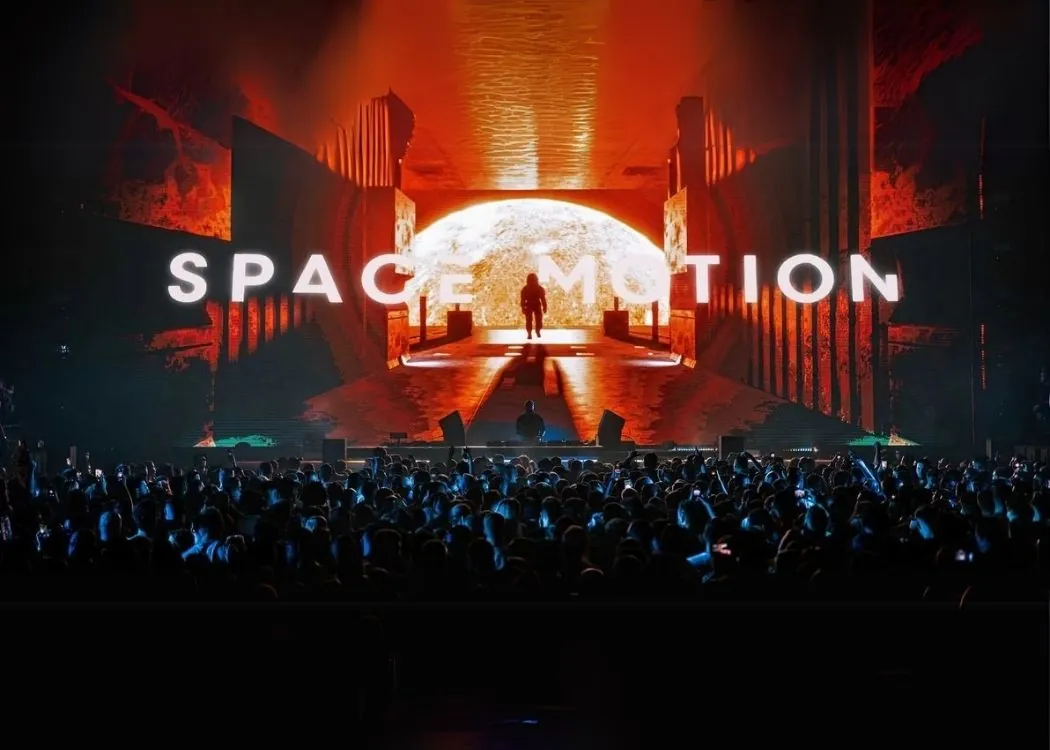
    Space Motion Lights Up Klein Phönix


    Get ready to immerse yourself in the electrifying world of Space Motion as they take the stage at Klein Phönix on Saturday, January 11, 2025. Known for their chart-topping hits like "Baiana – Radio Edit," "Madan 2024," and "Hera – Radio Edit," Space Motion promises a night of unforgettable music and high-energy performances. Don't miss this opportunity to witness the magic firsthand and experience the euphoria of their live show.


    Händel: “Amour Fou” Burak Özdemir & Musica Sequenza


    Burak Özdemir and Musica Sequenza present a new project, "Amour Fou," at Borusan Music House. This concert brings together the creativity of internationally renowned composer and bassoonist Burak Özdemir and the mastery of the ensemble Musica Sequenza. "Amour Fou," which combines Handel's unforgettable arias, offers a journey into the vibrant world of Baroque music while telling a love story. In the concert, Burak Özdemir's Baroque bassoon and the impressive voice of countertenor Georg Bochow perform with 18th-century instruments. Don't miss this unique musical experience and take your place at Borusan Music House on January, 18th at 8:30 PM.


    New Year's Concert


    Istanbul Klasik is more than just a classical music concert; they are bringing the legacy of the past into the 21st century. Adapting to the spirit of Istanbul, they blend the traditional with the modern. While listeners enjoy works by classical music greats such as Tchaikovsky and Rodriguez, they will also encounter the unforgettable music of modern masterpieces like Star Wars and Titanic, reinterpreted by Istanbul Klasik. Under the direction of conductor Oleksandr Samoylenko, Istanbul Klasik is kicking off on January 4th at the Turkcell Stage, inviting all guests to set their expectations high!


    How to Travel Around Istanbul in January 2025: Unlimited Public Transportation Card


    Istanbul Municipality has announced an unlimited public transportation card specifically for tourists: Istanbul City Card. This is a prepaid public transportation card that gives you unlimited access to public transportation for the number of days you choose.  Istanbul City Card is valid in every public transportation vehicle including metro, trams, buses, metrobuses, and ferries.  It is a beautifully designed physical card delivered at your hotel by Istanbul Tourist Pass® and after using it, you can keep it as a souvenir. You can have up to 40% advantage in buying with Istanbul Tourist Pass®.


    Check out this unlimited public transportation card here and buy it easily! So you can freely travel around the city.


    A full family day: Istanbul Aquarium


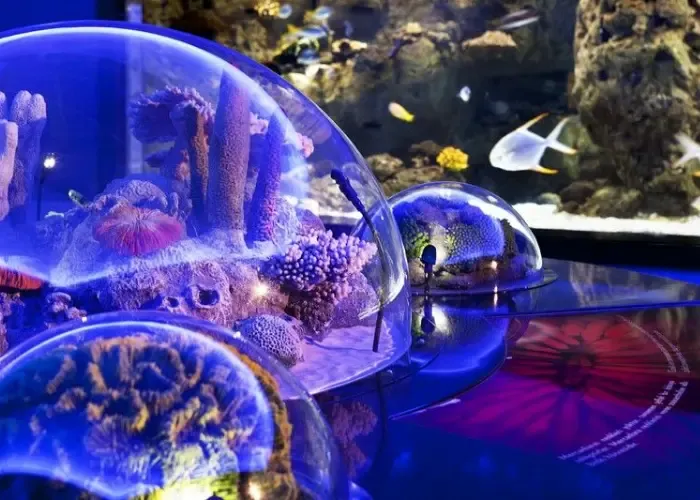
    Are you ready to see the breathtaking world of the seas for yourself, swim with the fishes, and go on a wild journey that will take you across the Atlantic, Pacific, and Amazon rainforests? Istanbul Aquarium is waiting for you to fulfill your dreams! Especially in the cold weather, Istanbul Aquarium is one of the best places in Istanbul to have a perfect family day.


    With the vastness of its journey route, thematic zones, a thousand square meter rainforest, and interactive new generation technology, the Istanbul Aquarium is one of the world's largest thematic aquariums, where fish species living in the world's oceans may be observed. Are you ready to pursue a geographic itinerary that covers 16 theme zones from the Black Sea to the Pacific Ocean and the Amazon Rainforest? In the theme regions, rich information on the cultural, geographic, historical, and architectural qualities of the relevant place, as well as ornamental artifacts, interactive plays, sound and lighting, films, and visual graphics are provided. You may observe sea species native to these places as well as learn about their geographical and cultural traits.


    Enjoy 100+ amazing attractions FREE with Istanbul Tourist Pass. For MORE Istanbul for LESS visit Istanbul Tourist Pass®  and start your journey!


  • Most Popular Places for the Best Turkish Coffee in Istanbul

    In Istanbul, there are many things to do, many great foods to eat, and many traditional drinks to taste. In this article, we look at the famous Turkish coffee which is in the Intangible Cultural Heritage of Humanity of UNESCO. So let’s dig into this amazing Turkish tradition, from preparing Turkish coffee to serving ritual of it.


    Before we start digging, check out the Istanbul Tourist Pass®, a city card we created with our 25+ years of experience in tourism. We have gathered the best 100+ attractions for you and put a single price on it so you can enjoy more İstanbul for less without worrying about ticket lines. Let’s start!


    What is Turkish Coffee?


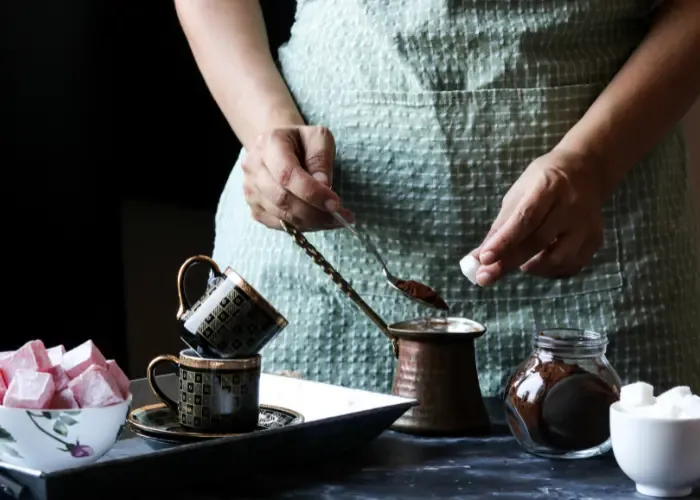
    The first thing to know is that coffee beans are not produced in Turkey so what makes them Turkish is the preparation technique. Turkish coffee combines special preparation and brewing techniques starting from grounding. The freshly roasted beans are ground to a fine powder; then the ground coffee, cold water, and sugar are added to a coffee pot and brewed slowly on a stove to produce a thick foam.


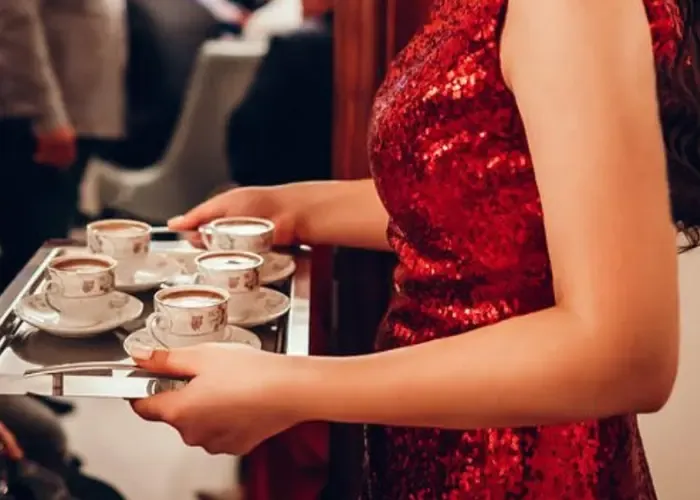
    Turkish coffee is served in small cups, accompanied by a glass of water and a Turkish delight on sight. After drinking, coffee grounds remain at the bottom of the cup since the coffee is not filtered before pouring.


    Turkish coffee is a strong coffee like espresso but it is also thick and creamy because it is not filtered. Although in recent years some flavored Turkish coffee types come to market, traditional plain Turkish coffee is still the most preferred one.


    What is the importance of Turkish coffee in Turkish culture?


    In houses and offices, Turkish coffee is a daily drink like tea. Outside nearly all restaurants and cafes offer Turkish coffee. Especially after dinner in a restaurant, the restaurant generally offers complimentary tea or Turkish coffee after the bill is paid. There are also special coffee houses where people meet to converse, share news, and read books.


    Symbolizing hospitality, friendship, refinement, and entertainment, the tradition binds people from all walks of life together. An invitation for coffee among friends provides an opportunity for intimate talk and the sharing of daily life. On social occasions, such as holidays and engagement ceremonies, Turkish coffee occupies a prominent role, with knowledge and rituals being shared informally by family members.


    The grounds left in the empty cup are often used to tell a person’s fortune. Turkish coffee is regarded as part of Turkish cultural heritage: it is celebrated in literature and songs and is an indispensable part of ceremonial occasions.


    The Most Popular Places for the Best Turkish Coffee in Istanbul


    mandabatmaz Coffee House


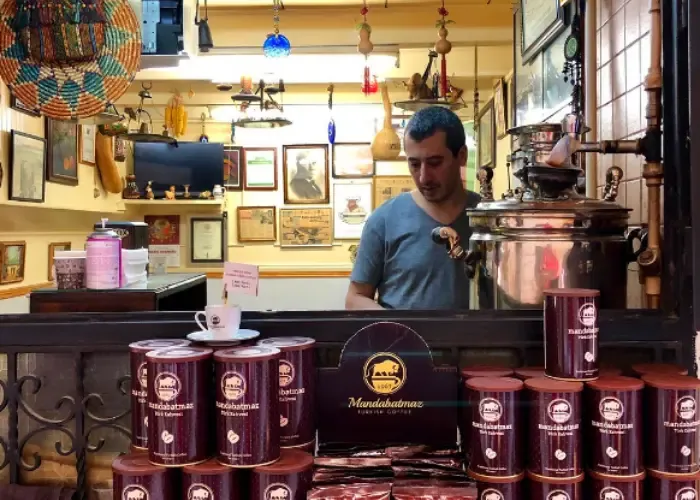
    Mandabatmaz means ‘’even a buffalo won’t sink in’’ and it is an appropriate name for their coffee with thick and creamy foam! It is located on the well-known Istiklal Street and is a very popular spot for anyone who’d love to have a cup of Turkish coffee during the day. Mandabatmaz is an old coffee house but it is still trendy with its cool brand. If you are around, it’s worth taking a break and tasting their strong and foamy Turkish coffee.


    Corlulu Ali Pasha Medresesi Cafe


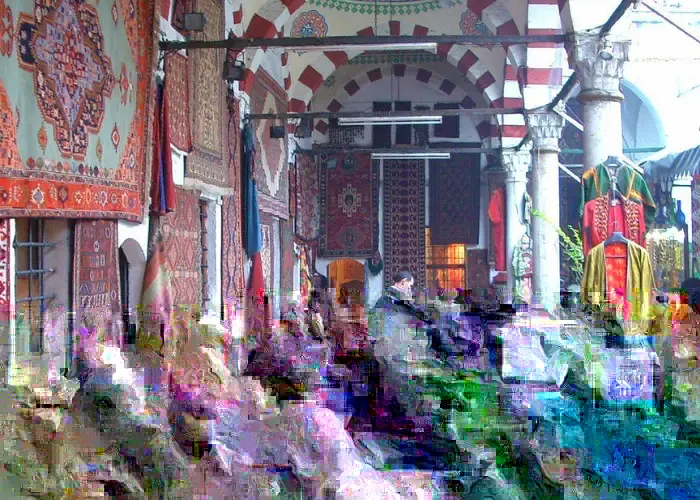
    Drinking Turkish coffee in Corlulu Ali Pasha Medresesi is a totally authentic experience since the building itself was built in the 18th century as an Islamic school. Today it is one of the most popular tourist spots in the Beyazit area with its cafe. Not only their Turkish coffee but also their hookah is famous so if you are in trying both, don’t miss it. Corlulu Ali Pasha Medresesi is a truly Instagrammable place with its small chairs and carpets on the wall!


    Fazıl Bey’in Türk Kahvesi


    The name means “Turkish coffee of Mr. Fazıl’’ and as expected from its name, the founder, Mr. Fazıl had a special formula to make his delicious Turkish coffee in the 1920s. Today his ancestors continue the tradition. Roasting and grinding unprocessed raw coffee according to the classical Turkish flavor is a difficult and experience-based process. Especially in the roasting process, personal mastery and experience determine the unique taste of coffee. They are against the production of raw coffee by fabrication methods, and they believe that the processing of Turkish coffee requires care and love. The old-fashioned machines they use in their establishment have been in operation for many years and continue to carry the unique taste of their coffee from the early days until today. So if you are in the Asian side of Istanbul, don’t miss this authentic experience but since it is a very popular spot, you can wait for a table for around 15-30 minutes.


    Cumbalı Kahve


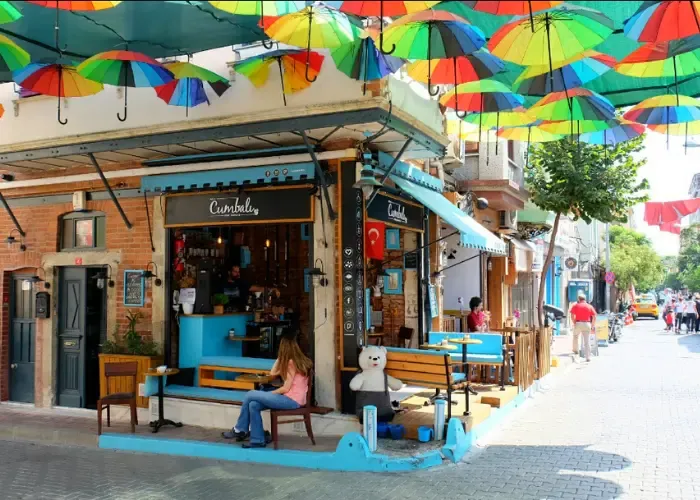
    Here is a colorful coffee place in the heart of the historical neighborhood, Balat! They differ from other cafes with the coffee beans they use and their modern but still traditional ways of roasting and grinding raw coffee. They don’t serve sugar or milk with their coffee to keep the authentic taste of real coffee. In this colorful coffee house, Cumbalı Kahve you can find books about coffee and Istanbul. And to note that it is a perfectly Instagrammable place so if you are around Balat, stop for a coffee break and taste their special Turkish coffee.


    Şark Kahvesi


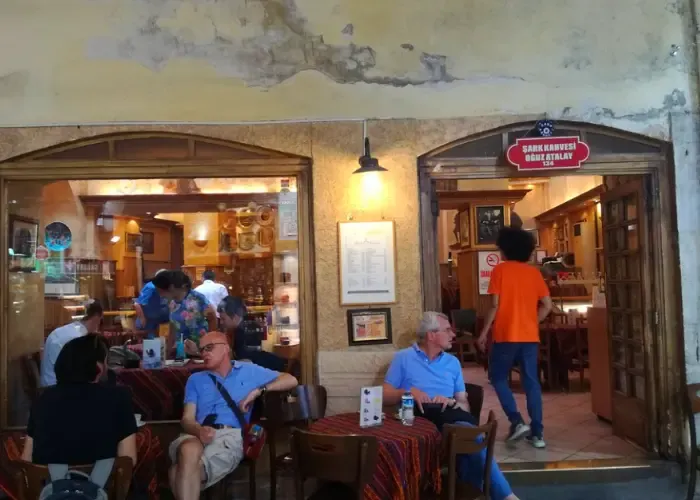
    Now a truly authentic place just at the heart of Grand Bazaar: Şark Kahvesi. Şark means ‘the East’ so you can expect to see a very eastern way of decoration in the cafe. To be honest, don’t expect the coffee to be mind-blowingly delicious but the general atmosphere in the coffee deserves to be experienced. You can have Turkish coffee and try their always-fresh baklava with your coffee. After your coffee, you can also have a cup of tea before you continue your journey into the Grand Bazaar.


    If you are looking for a guide to show you around in Grand Bazaar, here is our specially designed Guided Grand Bazaar tour so before you start your own shopping experience, an informative guide will answer all your questions! This tour along with 100+ other great attractions is FREE with Istanbul Tourist Pass®. We love this city, we help you to fall in love with it also.


    FAQ


    How much is a Turkish coffee in Istanbul?


    It depends on the place but, a cup of Turkish coffee is around 80 Turkish liras. It is served with water and generally with a Turkish delight or chocolate on the side.


    What is the most popular coffee in Turkey?


    Turkish coffee is the most popular coffee by far in Turkey.


    What is Turkish coffee called in Turkey?


    Turkish coffee is called ‘Türk Kahvesi’ in Turkey. The meaning is the same, it means Turkish Coffee.


    What coffee is best for Turkish?


    Turkish coffee is the best coffee for Turkish people from all walks of life.


    Where do they drink Turkish coffee?


    Everywhere. Turkish people drink Turkish coffee every day at their houses, in their offices, in cafes, and in restaurants after a meal… Turkish coffee is an indispensable part of Turkish daily life with tea.

    Can I get Turkish coffee at Starbucks?


    Yes, in Turkey all the Starbucks cafes have Turkish coffee and it is served in its traditional cup with a bottle of water and a Turkish delight on the side.

    Is Turkish coffee healthy?


    Yes, since it's unfiltered, Turkish coffee contains higher levels of the beneficial compounds found in traditionally brewed coffee. Normally coffee beans contain healthy compounds like chlorogenic acids but if you filter coffee grounds, you may lose them. So unfiltered Turkish coffee is healthier than other filtered coffees.

    Which brand of Turkish coffee is best?


    If you want to take some Turkish Coffee home then go for Kurukahveci Mehmet Efendi Turkish coffee, it is the most popular coffee among Turkish. You can find it in markets but prefer to buy from its store in Eminonu.


    Is it healthy to drink Turkish coffee everyday?


    Yes, if you are good with caffeine and if your doctor didn’t warn you about coffee consumption. Turkish people generally drink Turkish coffee every day.


    How do they drink coffee in Turkey?


    In Turkey, Turkish people put ground Turkish coffee, cold water, and some sugar in a single pot and boil it without mixing. In the end, the coffee will be foamy and since they don’t filter, the coffee ground will be at the bottom of the cup.


    When should I stop drinking Turkish coffee?


    If you have a heart condition or a sensitivity to caffeine, then you should stop drinking Turkish coffee. But if you are asking about the cup, then you should normally drink up to the coffee ground. Only drink the drinkable part, and leave the rest in the cup.


    Why Turkish coffee is so special?


    The preparation of Turkish coffee is different but what is truly special is the ritual behind Turkish coffee. Turkish coffee means a break in the middle of the day, call for an intimate talk between friends, and a part of a ceremony in engagement ceremonies.


    Which is stronger Turkish coffee or espresso?


    If we are talking about caffeine per mg, then espresso in stronger than Turkish coffee. But the taste of Turkish coffee may be stronger since it is unfiltered.


    Can you add milk to Turkish coffee?


    Normally no but it is your coffee, your choice. It is not easy to find a place to serve Turkish coffee with milk but you can add milk to your cup.


    Do you drink all of the Turkish coffee?


    No, you leave the grounds at the bottom. Only drink the drinkable part.


    Do you drink all of the Turkish coffee grounds?


    No, you only drink the liquid part of the Turkish coffee and leave the grounds in the cup.


    Why is Turkish coffee served in small cups?


    Turkish coffee is served in a small cup because it is a strong coffee and like espresso, it contains high caffeine so it is better to have it in a small cup. But you can always order double Turkish coffee in cafes.

  • Christmas in Istanbul: Weather, Christmas Services, Christmas Meals, and more

    Istanbul is a city that can surprise you in every season; winter is magical, autumn is beautiful, spring is lively, and summer, ah summer, is full of life! Like throughout the year, Istanbul is a great place to be during the Christmas season. The whole city is in a festive atmosphere because the new year is close by and the new year is commonly celebrated in Turkey. Remember that always, Turkey is a secular country in a Western way and you can enjoy every holiday you wish in Istanbul! 


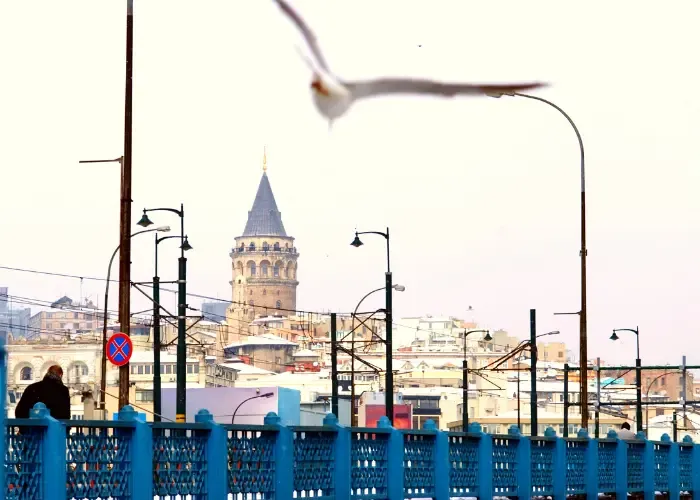
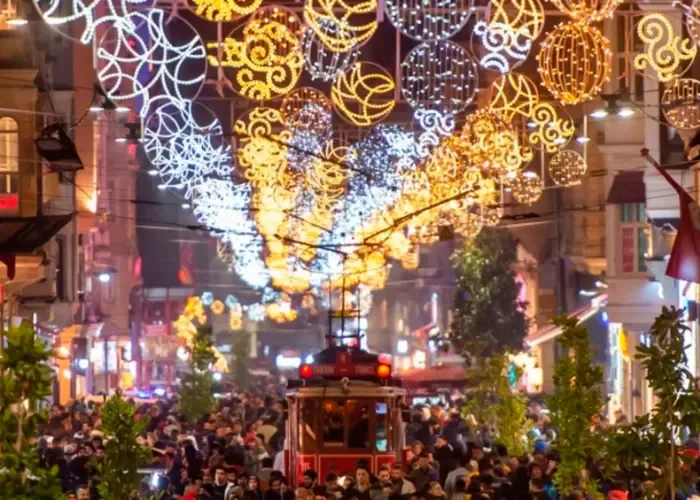
    In Istanbul, many main streets, especially the well-known Istiklal and Bagdat Avenue, are decorated with stylish festive lights and other decorations. In the Galata neighborhood, there’ll be views of the Galata Tower with sparkling lights too. There are also decorated pine trees, especially in shopping malls, you’ll love the city during this season. 


    So, yes Christmas in Istanbul is a good idea! In this article, we have gathered all the necessary information for you to know from Christmas services to special dinner places. If you decide to come to ıstanbul, we're here for you to enjoy the best of the city. With more than 100+ attractions, Istanbul Tourist Pass® is the best way to enjoy Istanbul the most. Check out here the prices and plans, and Merry Christmas!


    Weather in Istanbul in the 2024 Christmas Season


    Thanks to global warming, the winter has been more rainy than snowy in Istanbul in recent years. Istanbul has been generally not that cold in December as low as 10-13°C so it is pretty much warmer than any other European country! Especially in the 2024 Christmas season, we expect temperatures to rise slightly and the sunshine to favor beautiful days that are bright and clear. Although in the early days of December, it is expected to rain mostly, the Christmas season will be mostly dry. As this period is still the heart of winter, don’t forget to wrap warmly in comfortable clothes.


    General Information about Christmas in Istanbul


    Istanbul has been the leading city of the Orthodox Church for hundreds of years. Istanbul has been home to numerous Christian communities that prospered in the region for centuries. While the Greek Orthodox community is the best known; there are also Armenians, Georgians, Bulgarians, and Syrian Orthodox who still speak the language of Jesus Christ, Aramaic.


    Although the majority of Turkey is known as Muslim, don’t forget Istanbul is a cosmopolitan city that is home to people from different cultural backgrounds and religions. Yes, Christmas is not as big as in European countries, but because of its close proximity to New Year, the city is in a festive mood for sure! 


    In 2024, because of the recent economy in Turkey, spending Christmas in Istanbul is much cheaper than in any other country, so this budget-friendly way of spending your Christmas is a great idea! 


    The Most Popular Christmas Mass and Services


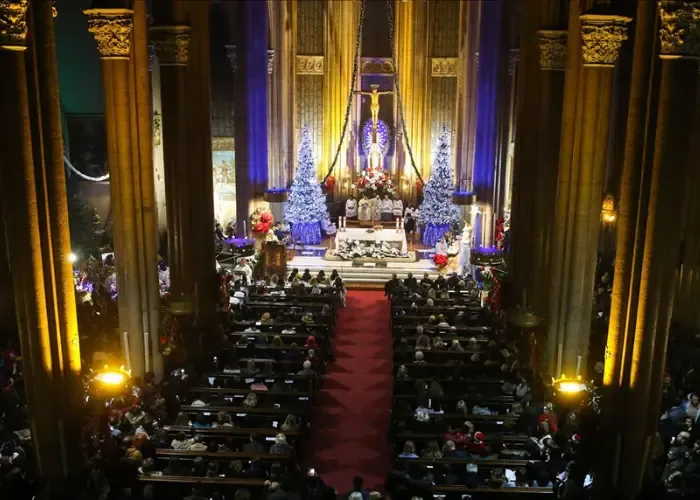
    Throughout the city, all churches have Christmas services. But if you’d like to be one of the most popular ones, here are the most popular churches you can catch a Christmas mass and services. A beautiful place to celebrate Christmas is St. Antoine Church, one of the city's largest Roman Catholic churches. During the service on December 24th, hymns will be sung at 8 PM followed by a celebration of Jesus' birth at 9 PM. On December 25th, additional services are held in four different languages: English; Polish; Italian; and Turkish.


    The British Consulate Chapel of Saint Helena has a Christmas Eve service and the Crimean Memorial Church has a service on Christmas Morning. December 24th at 7:30 PM. Last but not least, Orthodox Christmas services are held at the Church of St. George in the Balat district. Here check out the best 5 churches in Istanbul. 


    Best Christmas Meals in İstanbul 


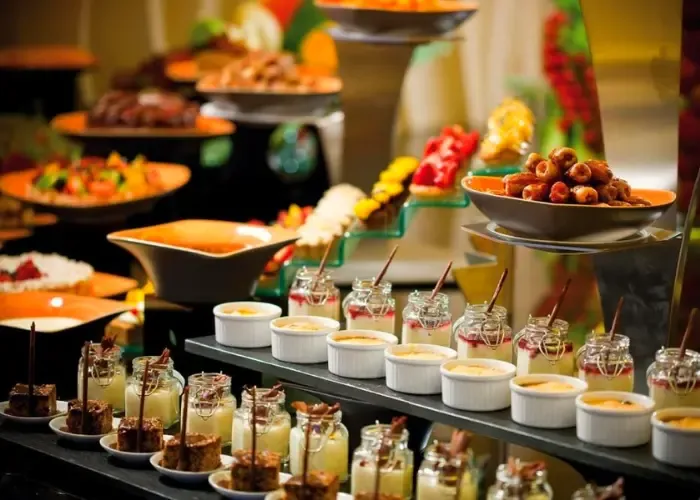
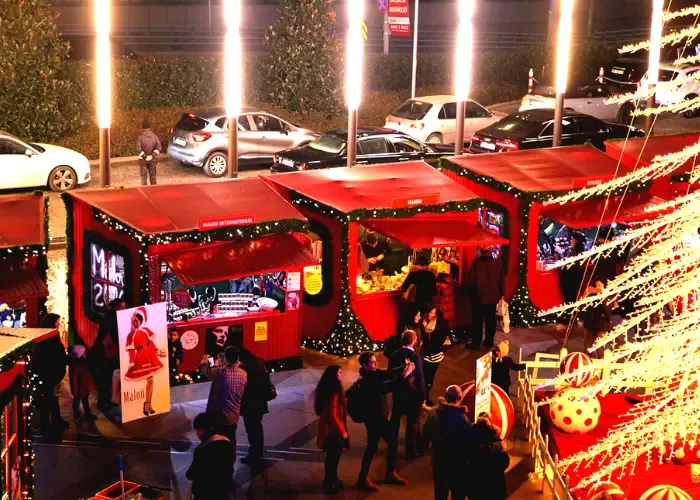
    There are not many alternatives for dinners for Christmas but we have gathered the best ones for you. The Swissotel Bosphorus has a notable Brunch and Dinner at Christmas with a special menu in their Sabrosa Restaurant so it can be a good choice if you want to be in a specially decorated restaurant on Christmas day and evening. Another great place to be at Christmas is the Four Seasons Hotel Istanbul. The hotel every year has a famous Christmas market and they have special meals for Christmas in their Aqua Restaurant. 


    If you’d like a different Christmas meal, you can enjoy a Bosphorus Dinner Cruise many of which might have special menus for that day on December 24th for a Christmas Eve Dinner on Bosphorus Istanbul. So while cruising around the Bosphorus, you can have a great meal and enjoy some music and dance shows. A belly dancer show at Christmas? It is an absolutely memorable experience. With Istanbul Tourist Pass®, you can enjoy this amazing Christmas dinner for FREE! There are many amazing Bosphorus Cruises with the Pass, you may want to check them to plan not just your dinner, but also your Istanbul experience.  


    New Year and Christmas Markets in Istanbul


    The new year is widely celebrated in Turkey but it is fair to say that Istanbul hosts the best New Year Markets and events. In many neighborhoods, you will see decorated squares and streets with Christmas lights and decorations. You’ll feel hope and happiness for the upcoming year 2025 everywhere in the city!


    There are also great markets mostly in shopping malls for you to have great presents for your loved ones. Galataport, Kanyon Shopping Mall, and Zorlu Center have their open-air Christmas markets around mid-December. Here you can check out the best 5 shopping malls in Istanbul. 


    There are also other bazaars and markets open for presents, in Besiktas’ main square there is a big New Year market between December 1-28, 2024. Here check out other great things to do in the Christmas season: December in Istanbul


    Bonus: Luxury Bosphorus New Year Dinner Cruise 2025


    Get ready for a once-in-a-lifetime New Year celebration in Istanbul and enjoy your New Year meal with a selection of both alcoholic and non-alcoholic beverages. Choose from a variety of drinks available on board to complement your dinner. Watch incredible live music, belly dancers, Gypsy dances, and many more exciting performances.


    This New Year Bosphorus dinner cruise is the perfect setting for a New Year celebration dinner with your loved ones. Don’t miss this amazing experience, discounted with Istanbul Tourist Pass®! 


    In Istanbul Tourist Pass®, you can discover places of worship including churches in Istanbul with great audio guides. Don't miss these experiences, especially during the Christmas season!