Blog

  • Istanbul in July 2025 Travel Guide: Weather, Events, Local Tips

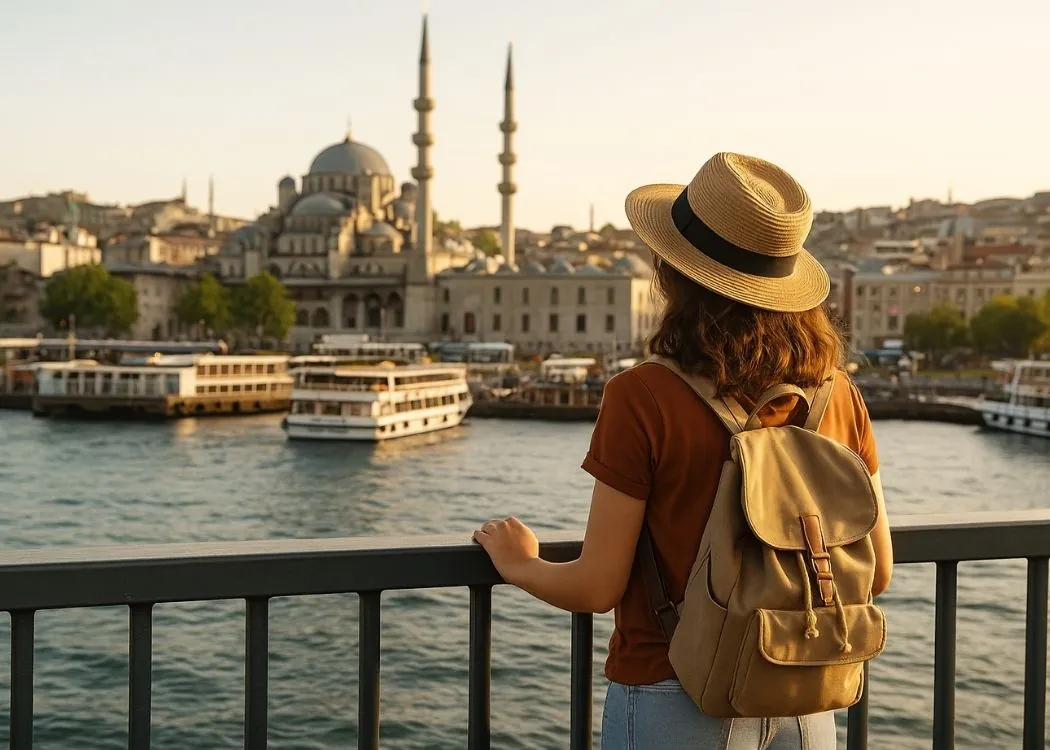
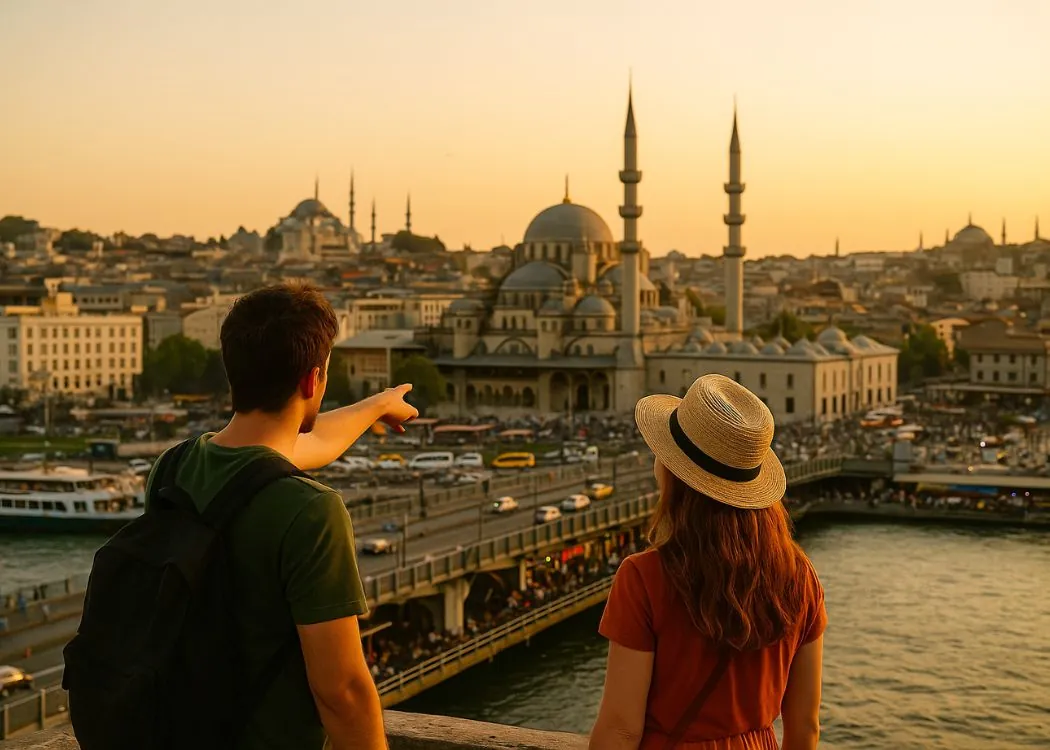
    July paints Istanbul in bright sunlight, long evenings, and a steady hum of festivals on both sides of the Bosphorus. Temperatures tip toward true summer, ferries stay busy until late, and café tables spill into every shaded corner. Yet the city still offers hidden breezes, pockets of calm, and plenty of local flavor if you know where to look.


    This guide gathers the essentials: weather, packing advice, up-to-date events, local experiences, and the smartest ways to see the big sights; so first-timers, returning fans, expats, and curious wanderers can soak up July 2025 like a resident. Simple tips, no fuss, just the right amount of detail.


    Weather in July 2025


    July is hot but rarely scorching. Daytime highs hover around 30 °C, nights settle near 22 °C, and rainfall stays low at roughly 20 mm. Sea breezes from the north bring welcome relief, yet humidity still climbs, especially inland from the waterfront. 


    What That Means for You


    • Expect bright sun from 9 a.m. until almost 9 p.m

    • Sunset cruises feel cool once the ferry leaves the pier, so a light layer helps.
    • Air-conditioned transport and museums are a welcome break on the hottest afternoons.


    What to Pack


    • Light cotton or linen tops, shorts, and airy trousers keep you comfortable.
    • A thin shawl or long skirt/trousers is needed for mosques.
    • Sun hat, sunglasses, SPF 30+, and a refillable water bottle are essentials.
    • Comfy walking shoes—cobblestones in Sultanahmet and Galata are unforgiving.
    • Light cardigan for Bosphorus evenings and air-conditioned trams.
    • Swimwear and quick-dry towel if you plan a Black Sea or Princes Islands day trip.


    Each item above earns its place in a small carry-on, leaving room for the inevitable spice-market souvenirs.


    What to Do and See


    Must-See Classics


    • Hagia Sophia and Blue Mosque in early morning to beat queues.
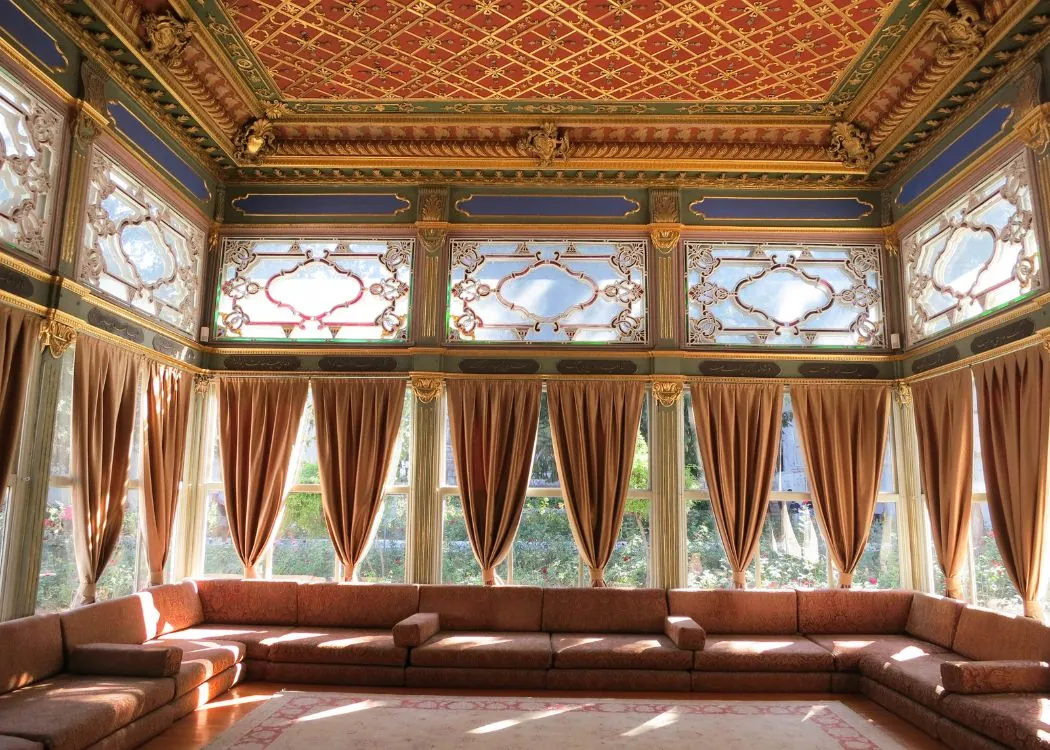
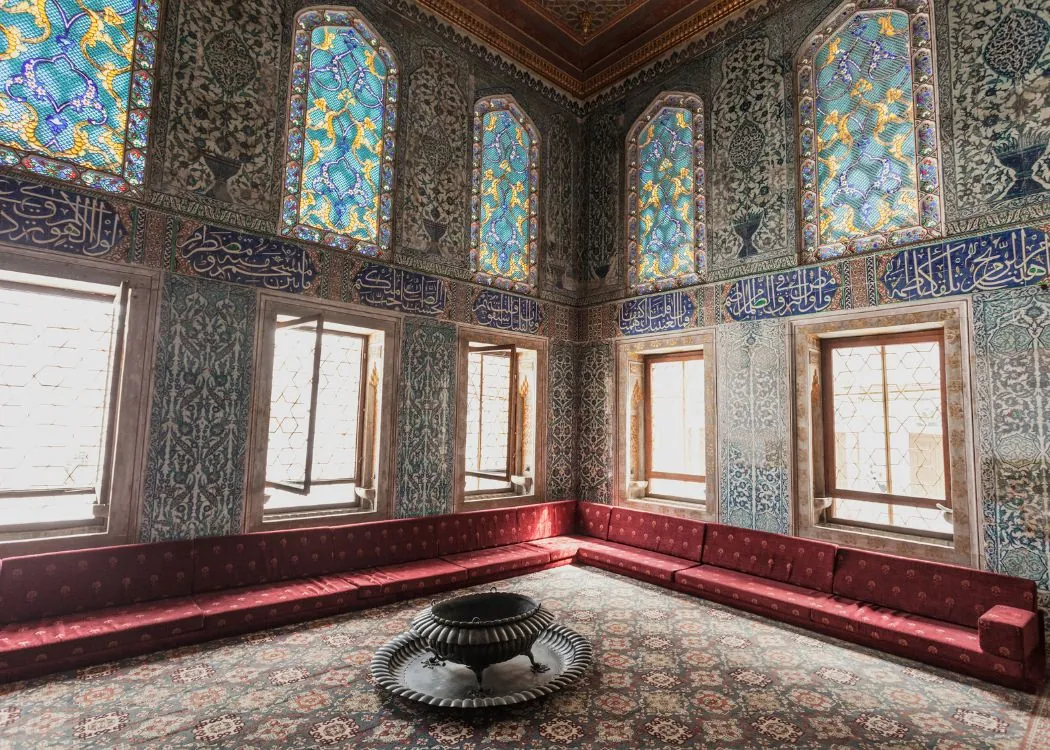
    • Topkapi Palace, including the Harem section, for cool marble corridors at midday.
    • Basilica Cistern offers natural air-conditioning beneath the streets.
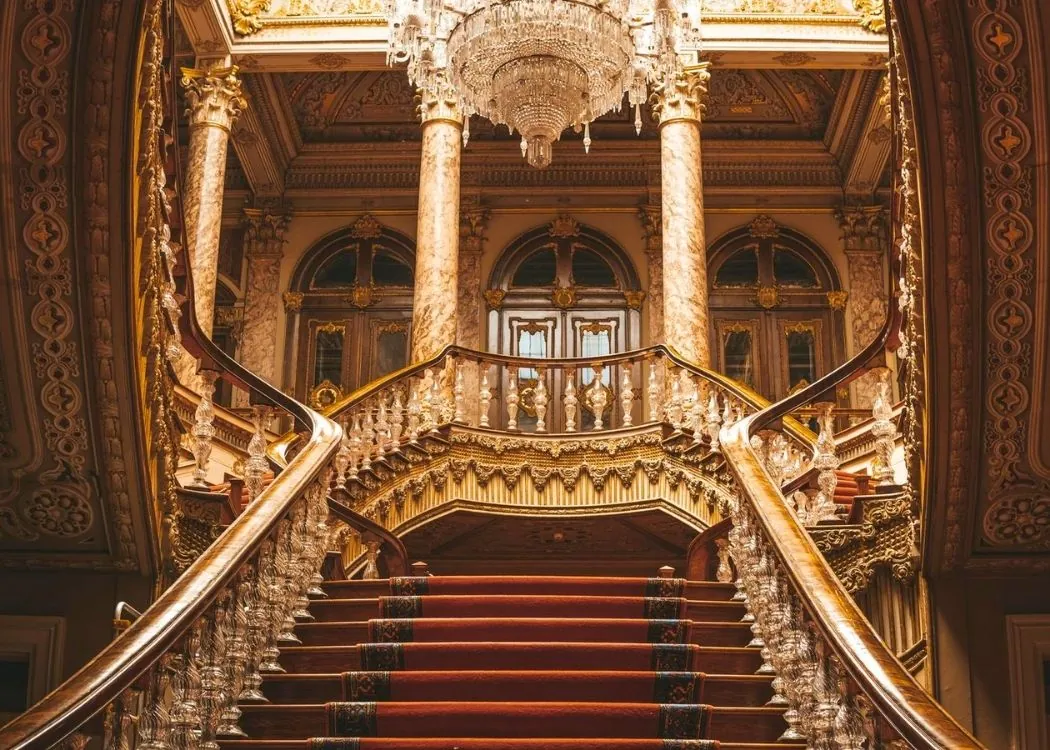
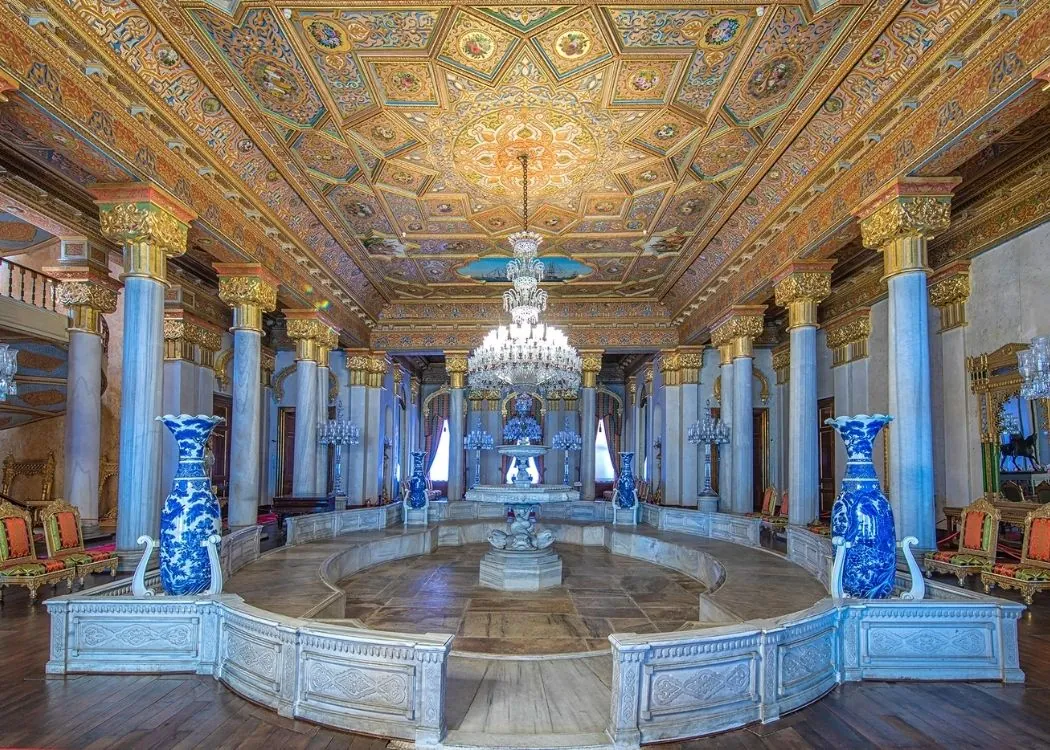
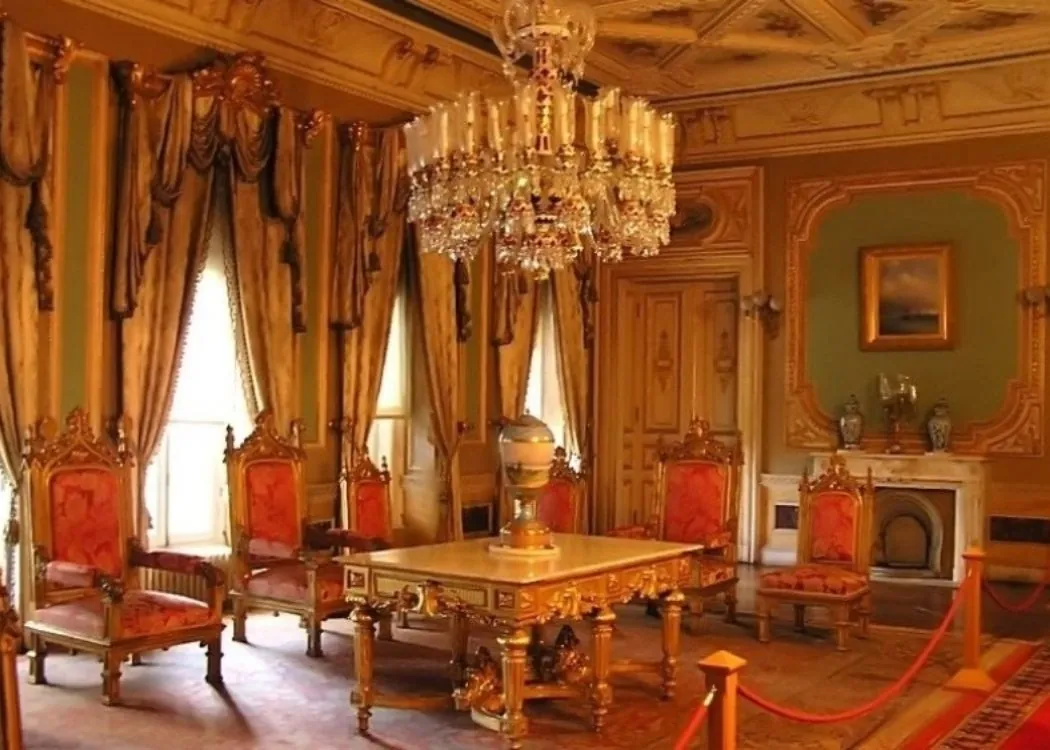
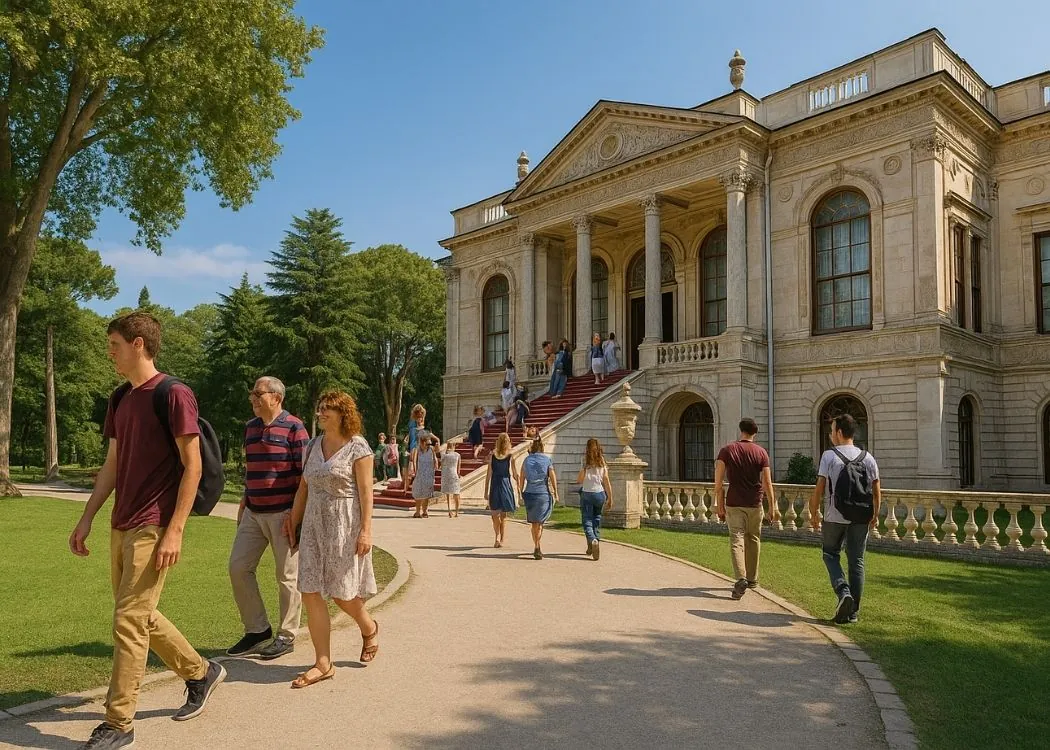
    • Dolmabahce Palace glitters by the water—arrive after 4 p.m. when crowds thin.


    July Festivals and Events


    Istanbul Jazz Festival (IKSV, 1–17 July 2025) open-air gigs at Harbiye Cemil Topuzlu Theatre and “Jazz in the Parks” pop-ups in Atasehir and Beylikduzu. Tickets sell fast; free park shows fill up by late afternoon. 


    Democracy and National Unity Day (15 July) expect flag-draped streets, evening concerts, and traffic diversions around Taksim Square and the bridges. Banks and many offices close. 


    Summer Open-Air Cinema weekly screenings at Swissotel rooftop, Bomontiada courtyard, and ENKA Open-Air Theatre from 3 July onward. Arrive early for lounge chairs. 


    Summer on the Water


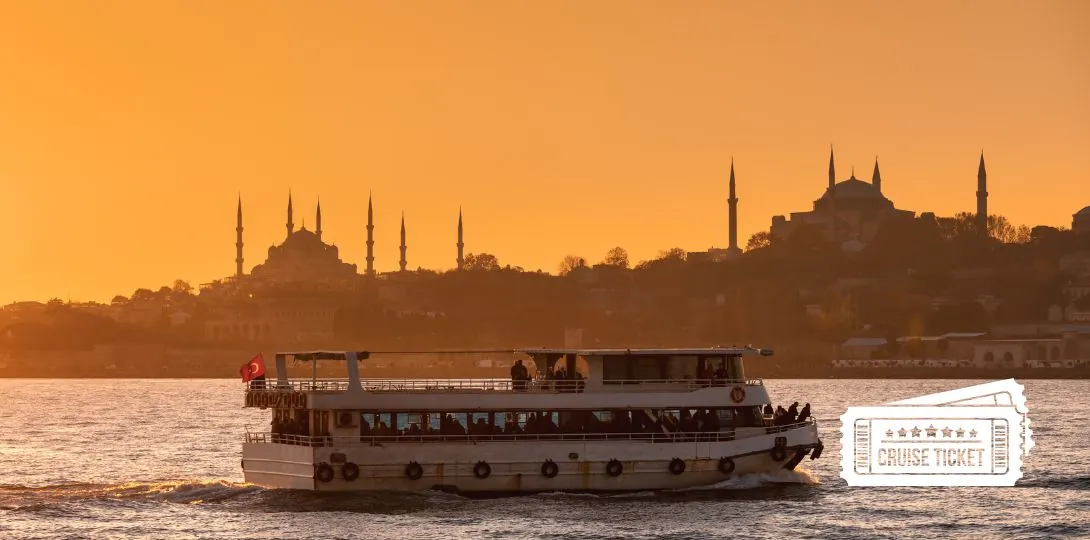
    • Classic Bosphorus sunset ferry from Eminonu to Uskudar returns you under the first bridge at golden hour.
    • Day-trip to the Princes Islands—rent a bike on Buyukada, hunt for peach ice cream.
    • Paddleboard rentals now operate from Caddebostan beach on calm mornings.


    Hidden Local Corners


    What to Eat


    Other Practical Details


    • Transport—trams and ferries run extended summer timetables; Metro operates until 1 a.m. on festival nights.
    • Public holidays—only 15 July triggers closures at banks and some museums; major sights remain open but busy.
    • Cash vs card—street vendors prefer cash; everywhere else accepts contactless.
    • Dress code—modest attire is required at mosques year-round.


    Istanbul Tourist Pass®: The Smart July Shortcut


    Travel time counts when the sun is high. Istanbul Tourist Pass® bundles 100+ attractions and services in one mobile QR, letting you skip ticket lines and sidestep rising entry fees. Highlights for July 2025 include:


    • Hagia Sophia skip-the-line entry with audio guide.
    • Topkapi Palace guided tour plus Harem rooms.
    • Basilica Cistern fast entry, Galata Tower hosted entry, Camlica Tower observation deck.
    • Dolmabahce Palace audio guided halls, Maiden’s Tower entry.
    • Bosphorus dinner cruise with live music, Hop-On Hop-Off Bosphorus boat, and a one-way airport shuttle from Istanbul Airport to city hubs.
    • Discounted unlimited public transport card.
    • In-app reservation manager and chat support from real Istanbul experts
    • With walk-in access or easy reservations, the pass saves up to half the regular cost and trims precious queue time, ideal for hot July afternoons. 


    Ready to plan? Pack light, keep water handy, book festival tickets early, and let the pass handle the queues. Istanbul in July rewards wanderers who balance classic sights with local rhythms; enjoy every sun-soaked minute.

  • Karakoy Istanbul 2025 Guide: History, Things to Do, Local Food & Travel Tips

    Karakoy hugs the mouth of the Golden Horn where it meets the Bosphorus, and the neighborhood feels alive from dawn until long after the last ferry. Fresh-painted warehouses line a brand-new promenade, fishermen still guard their spots on Galata Bridge, and cruise passengers step straight into city streets instead of a fenced-off terminal.


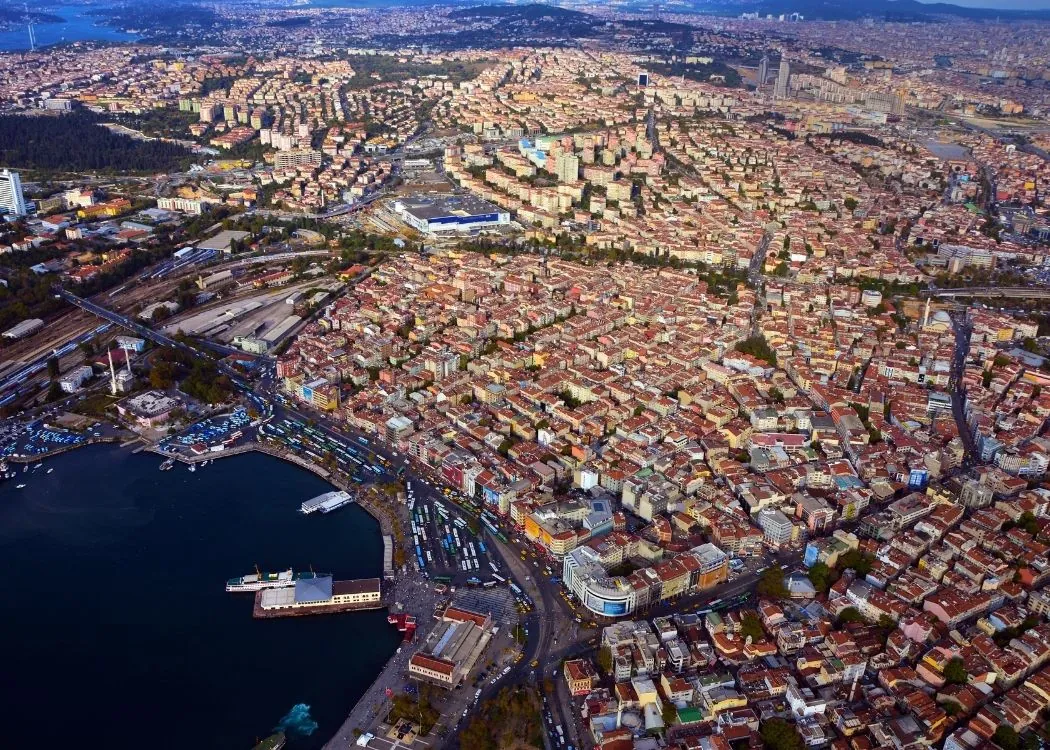
    Come in 2025, and you will see a district fully renewed. Istanbul Modern now gleams in a glass box designed by Renzo Piano on the waterfront, while the Galataport project has buried an entire cruise terminal below ground so visitors can stroll 1.2 kilometres along the sea without barriers. 


    A Short Walk Through Karakoy History


    Layers of empire, commerce, and migration sit behind today’s latte counters and graffiti walls. When you know the backstory, every cobblestone and cornice suddenly feels alive with older footsteps. 


    Genoese Colony and Medieval Walls


    In 1273 the Byzantine court granted Genoese merchants the right to build a fortified trading post on the north bank of the Golden Horn. They filled the hillside with warehouses for silk, spices, and furs, ringed it with stout stone ramparts, and crowned the ridge with Galata Tower in 1348 so watchmen could spot incoming ships on the Marmara and the Bosphorus. 


    The settlement soon turned into a small Latin city. Genoese guild halls, Franciscan churches, and merchant houses rose beside Greek shops and Jewish inns; streets echoed with Italian, Greek, Ladino, and Arabic. Many of those foundations survive inside later buildings, and you can still trace the line of the medieval wall on narrow lanes like Camekan and Kule. 


    Ottoman Docklands and the Age of Finance


    Mehmed the Conqueror absorbed Galata into Istanbul in 1453 but left its cosmopolitan privileges intact, encouraging Venetian, Jewish, and Armenian traders to keep business flowing.


    By the 1800s steam freighters clogged the quays, customs sheds stacked cotton bales six stories high, and Bankalar Street became the empire’s financial spine. The Imperial Ottoman Bank opened its marble headquarters here in 1892, soon joined by Deutsche Bank, Banque de Paris, and Lloyd’s insurers. 


    Moving money demanded speed, so engineers dug the Tünel funicular under the steep slope in 1875. It is the world’s second-oldest subway after London and still whisks commuters between Karakoy and Beyoglu in ninety seconds, a reminder of how modern the district once felt. 


    Industrial Decline and Creative Revival


    After the 1950s big cargo operations shifted up the Golden Horn and across to Haydarpasa, leaving Karakoy’s piers quiet and its warehouses empty. The water grew foul, the banks moved north to shiny towers, and the neighborhood slipped into decades of neglect.


    Clean-up projects in the 1990s brought life back. Artists rented cheap lofts, cafés replaced ship chandlers, and two headline projects sealed the rebirth: Istanbul Modern reopened in a glass box by Renzo Piano in 2023, and Galataport unveiled the world’s first underground cruise terminal along a 1.2-kilometre public promenade in 2024. The district that once guarded galleons now welcomes gallery-goers, joggers, and sunset strollers.


    Landmark Highlights


    Karakoy keeps its most famous sights within a ten-minute walk of one another. Spend a day here and you can climb a medieval watchtower, admire world-class art on the water, pray in a sixteenth-century mosque, leaf through bank ledgers in a free museum and finish with sunset on a brand-new promenade. Below you will find deeper notes on each landmark so you know exactly why it matters and how to enjoy it.


    Galata Tower


    The stone cylinder that rules the skyline was raised by Genoese merchants in 1348 as the watchtower of their walled colony. It stands 62 metres high and its Romanesque crown still gives the best 360-degree view in Istanbul. A careful restoration finished in 2023 stabilized the masonry, added bird-nest niches for the migrating swifts and rebuilt the wooden balcony.


    Visitor numbers are now capped at one hundred people per hour, so securing a hosted entry through Istanbul Tourist Pass saves a long wait. Two lifts take you to the seventh floor; a short spiral stair climbs to the open deck where you can trace the curve of the Golden Horn and watch ferries draw silver lines on the Bosphorus. Go near closing time for softer light and fewer selfie sticks. 


    Istanbul Modern


    Turkiye’s first museum of modern art reopened in May 2023 inside a shimmering glass-and-aluminium building designed by Renzo Piano. The five-level structure offers 10,500 square metres of galleries, a photography wing, film auditorium and an education lab for kids. Huge windows pull the Bosphorus into the galleries, and a roof terrace frames Topkapi Palace across the strait.


    Inside you will see a permanent survey of Turkish art from 1945 onward alongside global names like Olafur Eliasson; outside a public sculpture garden spreads toward the sea. The ground-floor café and design shop face the Galataport promenade, so even non-ticketed visitors can drop in for coffee with a front-row harbor view. Aim to visit mid-week when cruise traffic is light and the light through the facade is crystal clear. 


    Kilic Ali Pasa Complex


    Ottoman admiral Kilic Ali Pasa asked master architect Mimar Sinan to build this mosque beside the docks between 1578 and 1580. Sinan answered with a single half-orange dome that echoes Hagia Sophia on a smaller scale and floats above a cube of pale stone pierced by stained glass. Iznik tiles glow in the mihrab, and carved marble medallions honor the admiral’s victories at sea.


    The wider complex once served sailors with a madrasa, fountain and bathhouse; the hammam was restored in 2011 and now offers evening steam sessions under the original brick domes. Non-Muslim visitors are welcome outside prayer times—bring a scarf to cover shoulders, slip off your shoes at the door and let the caretaker point out Sinan’s signature on the courtyard fountain. 


    SALT Galata


    Bankalar Street was the Wall Street of the Ottoman Empire, and this marble palace from 1892 held the Imperial Ottoman Bank. A French-Levantine architect, Alexandre Vallauri, mixed neoclassical pillars and cast-iron beams long before art-deco lobbies became fashionable.


    Since 2011 the building has carried a new life as SALT Galata: part exhibition hall, part research library, part Ottoman Bank Museum. Entry is free. Browse the original vault rooms to see nineteenth-century share certificates, then climb to the reading room for Golden Horn views.


    The ground-floor café and Neolokal restaurant both champion Anatolian produce, so it is a fine lunch stop between sights. Opening hours run 11:00-19:00 Tuesday to Saturday and until 18:00 on Sunday. 


    Camondo Stairs


    A flourish of neo-Baroque curves links Bankalar Street with Galata’s upper slope. Banker Abraham Salomon Camondo commissioned the staircase in the 1870s so his grandchildren could reach the Austrian High School safely. The double-helix shape acts like a braid, slowing a fall if someone trips, and the pale stone catches golden light at dawn.


    The Camondo family’s banking empire has long gone, but the stairs survive as one of Istanbul’s most photogenic corners—come early for a clear shot, or stay late and watch newly married couples queue for wedding photos. 


    Galataport Promenade


    What used to be a fenced-off dockyard is now a 1.2-kilometre waterfront open to everyone. Galataport sank its entire cruise terminal 29,000 square metres underground and installed a 176-panel hatch system that only rises when a ship is in port. On normal days the quay feels like a seaside park lined with design stores, street-food kiosks, and pop-up art shows, while the original Tophane clock tower and cannon foundry peek through newer glass.


    The terminal can handle three ships and 15,000 passengers a day, yet you will rarely notice the logistics rumbling below your feet. Tram T1 stops at the eastern gate, and Istanbul Modern sits at the center, so you can weave culture, shopping and sea air into one relaxed loop. 


    What to Do and See in Karakoy Istanbul


    Karakoy rewards slow wandering. Pick a theme or let the alleys guide you—there is always something new behind the next mural.


    Street-art safari: Mumhane Street and the lanes toward Kemeralti burst with graffiti and pop-up galleries. Bring a camera and look up: many pieces fill entire facades.


    Golden Horn ferry rides: Public ferries to Kadikoy, Uskudar, and Eyup give postcard views for the price of a transit swipe.


    Design shopping: Indie boutiques like Mae Zae and weekend pop-up markets sell ceramics, linen wear, and local prints.


    Nightlife and music: Jazz riffs spill from vaulted brick arches under Galata Bridge; roof bars on Bankalar Street serve raki with sunset over Suleymaniye Mosque.


    What to Eat and Drink in Istanbul Karakoy in 2025


    Food in Karakoy swings between century-old institutions and experimental roasters—perfect for sampling both tradition and trend.


    Karakoy Lokantasi: A turquoise-tiled bistro famed for its midday meze trays and evening seafood plates. Book ahead for dinner.


    Karakoy Gulluoglu: Istanbul’s first dedicated baklava shop opened here in 1949 and now sells pistachio-stuffed midye baklava by the kilo.


    Third-wave coffee: Karabatak set the trend in a converted workshop, while Coffee Sapiens roasts beans on site and chats you through every pour.


    Street bites: Grab a fresh simit at the tram stop, or try a midye tava (fried mussel sandwich) from carts that appear after dark. Oh, don't forget to get a simit from one of many old bakeries. 


    Rooftop drinks: Terrace bars line Voyvoda Street; order a glass of local wine and watch the ferries trace light trails on the Bosphorus.


    Practical Tips for Discovering Karakoy in 2025


    Even a quick visit runs smoother with a little planning.


    When to go: Mornings bring softer light and open tables at cafés; Friday nights get crowded once office workers clock off.


    Getting around: Tram T1 stops at Karakoy, and ferries from Eminonu, Kadikoy, and Uskudar dock beside the Galataport terminal.


    Money and connectivity: Most spots take cards, but keep small lira coins for tea kiosks.


    Etiquette: Cover shoulders and knees inside mosques; ask before photographing shopkeepers.


    Explore Karakoy and the Rest of Istanbul with Istanbul Tourist Pass®


    If you plan to climb Galata Tower, tour Dolmabahce Palace, or cheer inside the Besiktas JK Museum, the pass covers them all and more. It bundles over 100 attractions and extra services into one QR code on your phone. 


    Galata Tower hosted entry: Get your tickets from a local guide, skip the ticket line, and use the audio guide to decode every skyline landmark. 


    Dolmabahce Palace skip-the-line ticket with audio guide: Wander chandeliered halls and Ataturk’s study any day except Monday. 


    Besiktas JK Football Museum: Walk straight into Tupras Stadium to trace the club’s 120-year story. 


    Flexible 1- to 5-day passes: Choose the length that matches your stay, tap to activate, and flash the QR at each venue.


    The pass often cuts total costs by half compared with single tickets, and the live schedule in the app helps you dodge unexpected closures. Pair the pass with Karakoy’s easy footpaths and ferries, and you will spend more of your trip tasting baklava, sailing the strait, and soaking up those unbeatable rooftop views instead of waiting in queues.

  • Exploring Kadikoy Istanbul: A Lively Guide for 2025

    Kadikoy is one of Istanbul’s most vibrant neighborhoods on the Asian side, known for its unique blend of local spirit and modern flair. This bustling district has soared in popularity in recent years , even earning a spot among the world’s coolest neighborhoods, thanks to its hundreds of new cafes, bars, restaurants, and shops that give visitors a feel for how Istanbulites hang out today. Despite its growth, Kadikoy maintains a relaxed, authentic vibe compared to the tourist-heavy European side of the city, offering a refreshing escape where you can soak up Istanbul’s inimitable views on a ferry ride across the Bosphorus.


    Kadikoy’s charm lies in its harmonious mix of tradition and trendiness. This is a place where artistic, bohemian soul and liberal spirit shine through street art, indie coffee shops, and a generally laid-back atmosphere. The neighborhood draws a diverse crowd, students, artists, intellectuals, and expats, all enjoying the inclusive community and creative freedom Kadikoy offers. Locals chat over coffee about art and politics, musicians perform on street corners, and people stroll along seaside promenades, savoring an authentic slice of Istanbul life. It’s no wonder tourists and expats alike are increasingly drawn to Kadikoy’s unique energy and local warmth.


    History of Kadikoy


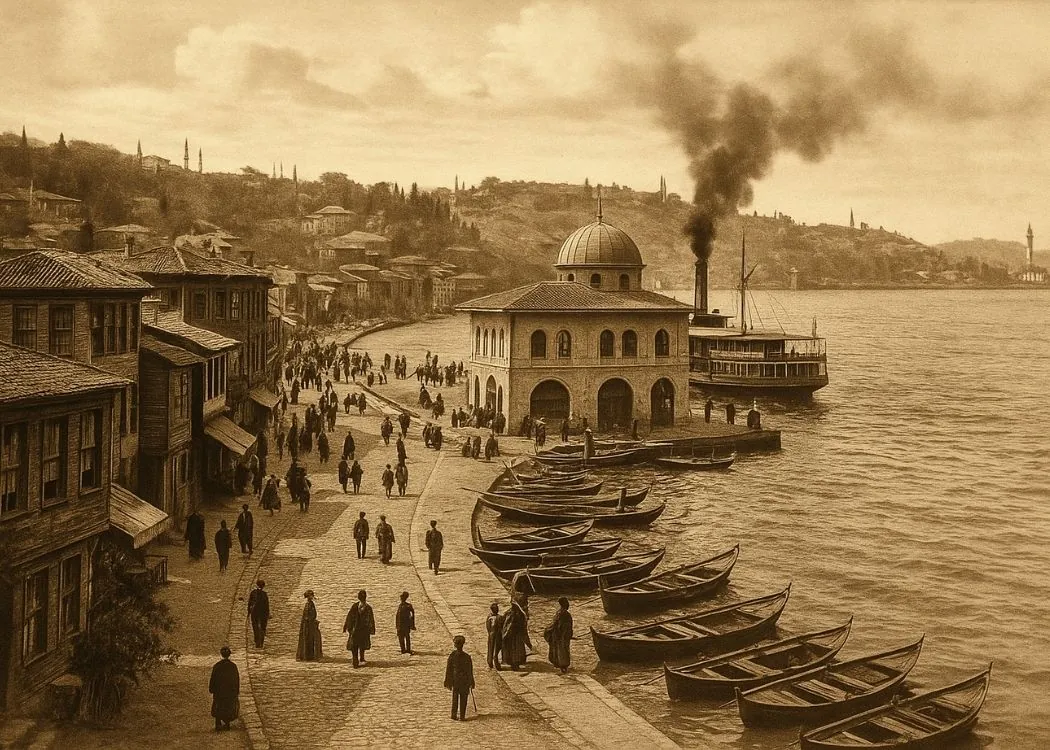
    Kadikoy’s Ancient Roots: The story of Kadikoy stretches back to antiquity. In classical times it was known as Chalcedon, a Greek colony founded in 685 BC – actually a few years before Byzantium was established across the Bosphorus. According to legend, Chalcedon was dubbed the “city of the blind” after an oracle hinted that its founders must have been blind to overlook the superior site of Byzantium on the European shore.

    Exploring_Kadikoy_istanbul_Lively_Guide_for_2025_tickets_online_pass


    Despite living in the shadow of Constantinople, Chalcedon thrived as a trading port and even hosted the historic Council of Chalcedon in 451 AD, a major early Christian gathering. The area changed hands many times over the centuries – Persians, Romans, and Byzantines all ruled here – until it fell to the Ottoman Turks in 1350, nearly a century before Constantinople’s fall. Under Ottoman rule, the settlement was relatively rural at first, and its Turkish name “Kadikoy” (meaning “village of the judge”) likely came from an Ottoman judge who administered the area.


    From Ottoman Era to Modern Kadikoy: In the late Ottoman period and into the 19th century, Kadikoy began growing into a suburb connected by new railways and ferry lines. The magnificent Haydarpasa Train Station, built from 1906–1908 by German architects, became the terminus for trains heading to Anatolia and beyond. By the early 20th century, Kadikoy had evolved into a bustling township, officially separating from Uskudar district in 1928 to form its own municipality.
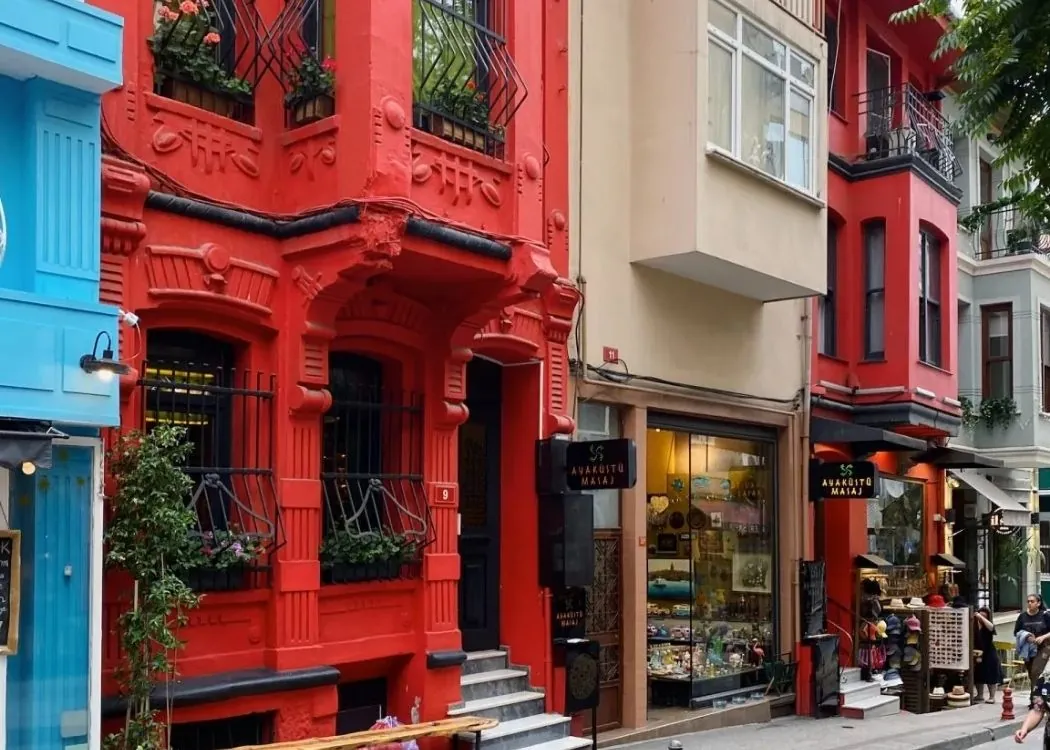

    Exploring_Kadikoy_istanbul_Lively_Guide_for_2025_tickets_online_pass


    Today, traces of Kadikoy’s layered history are still visible: Ottoman-era mosques and Greek Orthodox churches are tucked between modern buildings, and recent archaeological excavations around Haydarpasa have uncovered thousands of artifacts from Hellenistic, Roman, Byzantine, and Ottoman periods – even ancient coins and pottery from the old Chalcedon. This rich heritage lives on in Kadikoy’s streets, reminding visitors that this now-trendy district has seen millennia of change on its way to becoming the lively cultural hub it is in 2025.


    Important Places in Kadikoy


    Kadikoy brims with must-see sites that capture its character – from scenic waterfront hangouts to historic landmarks. Strolling through the neighborhood, you’ll find a blend of buzzing modern spots and lovingly preserved heritage buildings. Here are some of the important places in Kadikoy that no visitor should miss:


    Moda District and Seaside Promenade


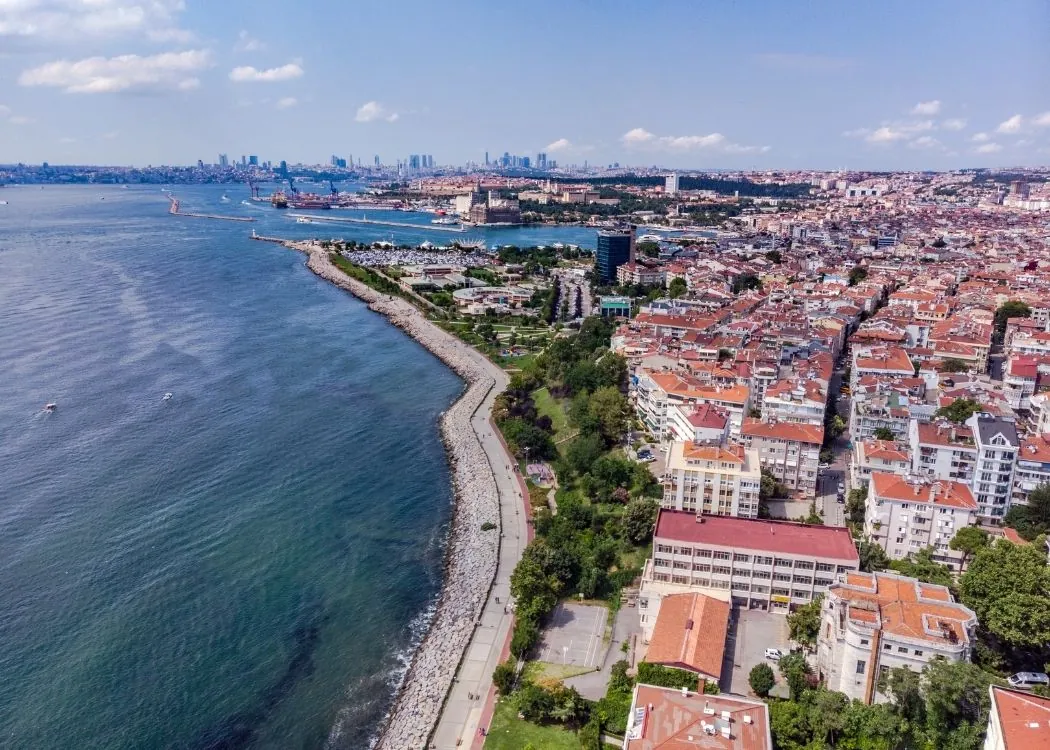
    Moda is the gem of Kadikoy’s coast – a laid-back seaside haven where locals and visitors unwind by the water. You can stroll along the Moda coastal promenade and take in panoramic views of the Sea of Marmara, often catching sight of the Princes’ Islands on the horizon. The Moda Coastal Park is a favorite gathering spot, especially at sunset when people picnic on the grass or sit on the rocks watching the sky glow over the historic peninsula across the strait.
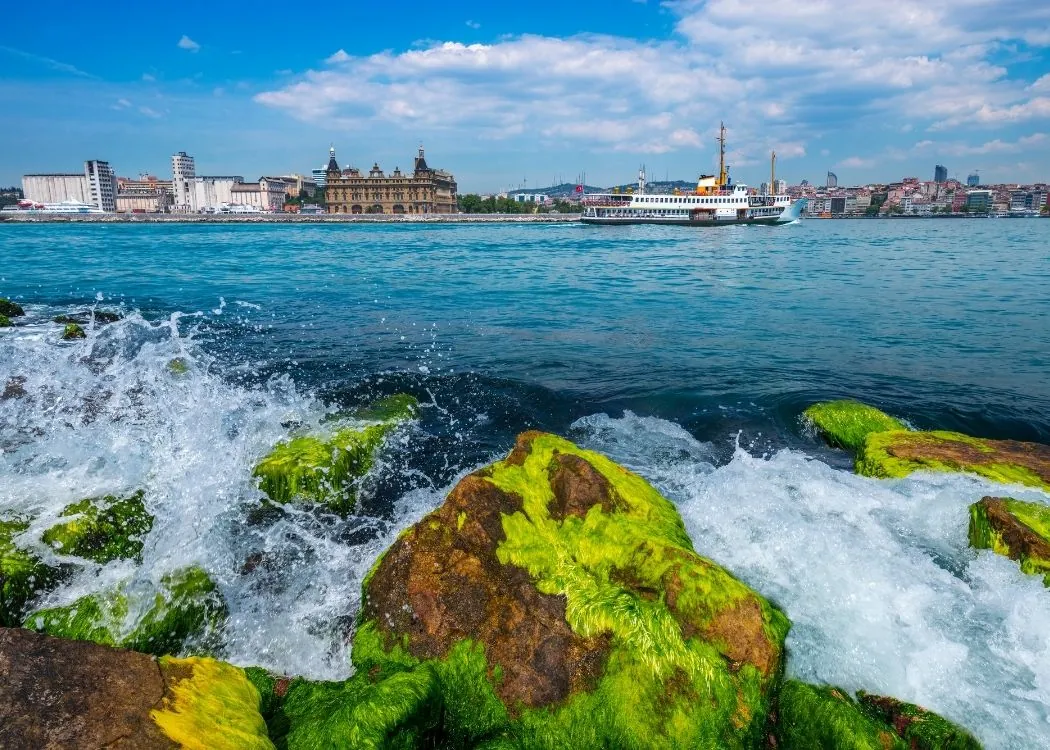

    Exploring_Kadikoy_istanbul_Lively_Guide_for_2025_tickets_online_pass


    Moda’s charming streets are lined with vintage shops, indie boutiques, and some of Istanbul’s coziest cafes. Whether you’re in the mood for a leisurely walk, a coffee by the shore, or browsing unique little stores, Moda’s inviting vibe makes it a must-visit in Kadikoy. Don’t forget to join the locals in grabbing a cone from the famous Ali Usta Ice Cream shop or a hot pastry from a bakery – simple pleasures that taste even better with a sea breeze.


    Kadikoy Bull Statue and Bahariye Street


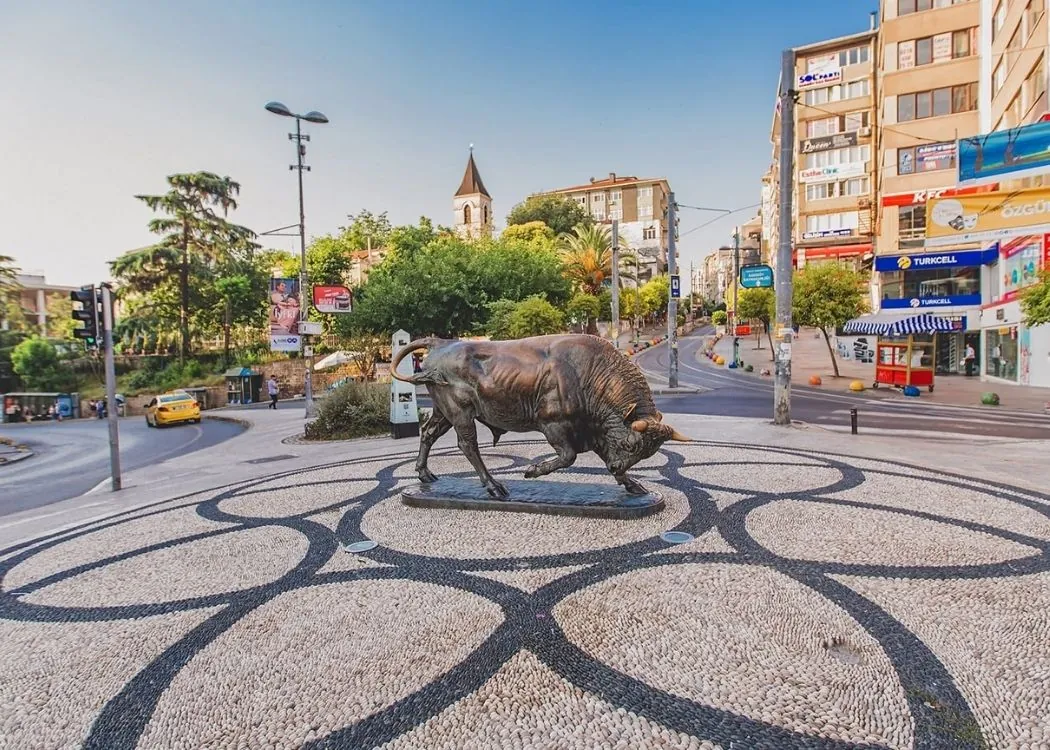
    The iconic Kadikoy Bull Statue at Altıyol Square has become one of the most popular meeting points on Istanbul’s Asian side. The Kadikoy Bull Statue (“Kadikoy Boga”) isn’t just a striking bronze sculpture – it’s a true symbol of the neighborhood. Originally created in 1864 in Paris by artist Jules Rouillard for the Ottoman Sultan, this fighting bull statue has traveled through palaces and exhibitions before finally being installed at Kadikoy’s Altıyol Square in 1987.
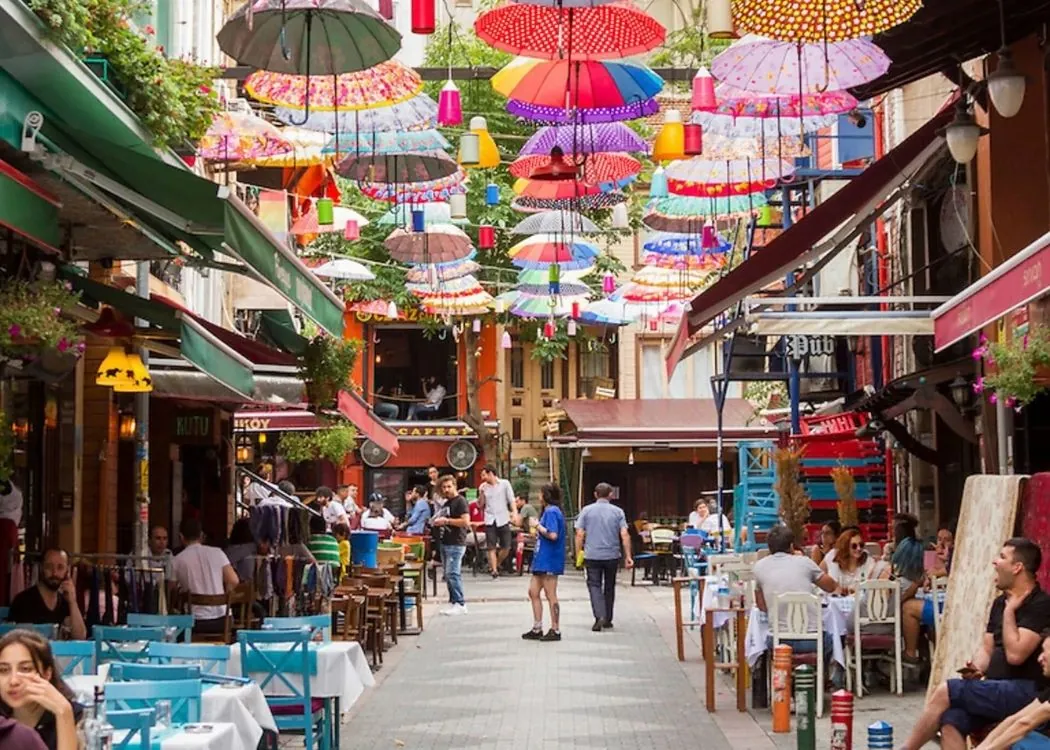

    Exploring_Kadikoy_istanbul_Lively_Guide_for_2025_tickets_online_pass


    Today it’s Kadikoy’s most famous rendezvous spot; you’ll often see friends arranging to “meet at the bull,” and it serves as a landmark mascot for the area. Surrounding the statue is the beginning of Bahariye Caddesi, Kadikoy’s main pedestrian shopping avenue. Walking up Bahariye Street, you’ll pass countless shops, boutiques, bookstores, and cafes, all set along a lively promenade that’s closed to traffic.


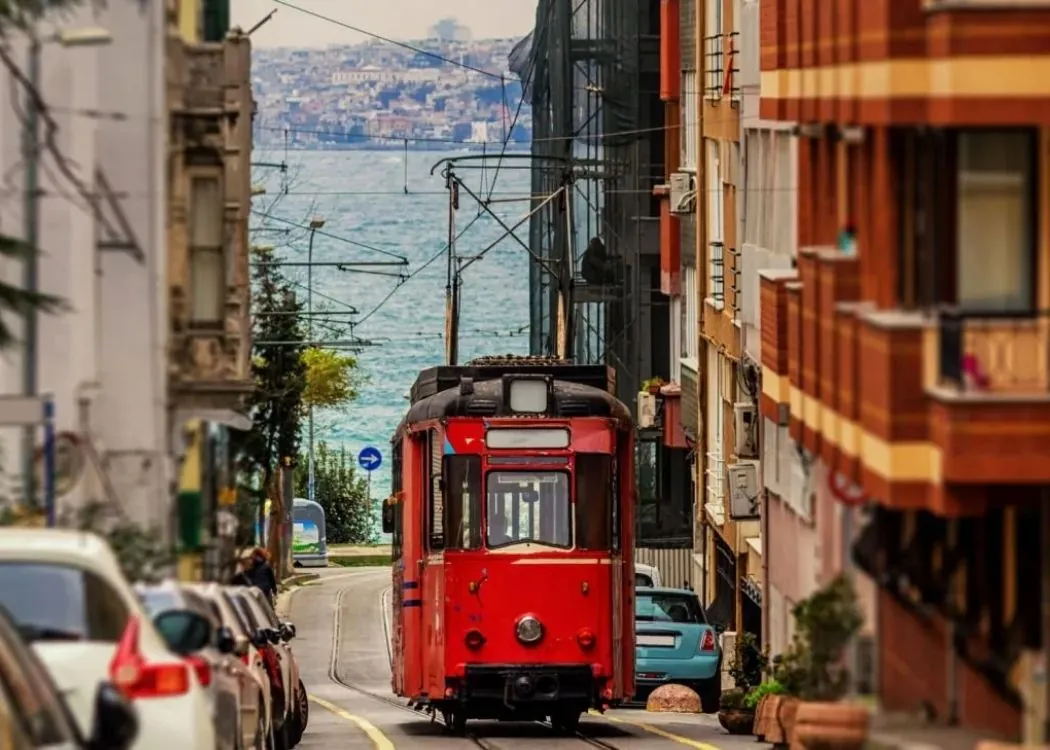
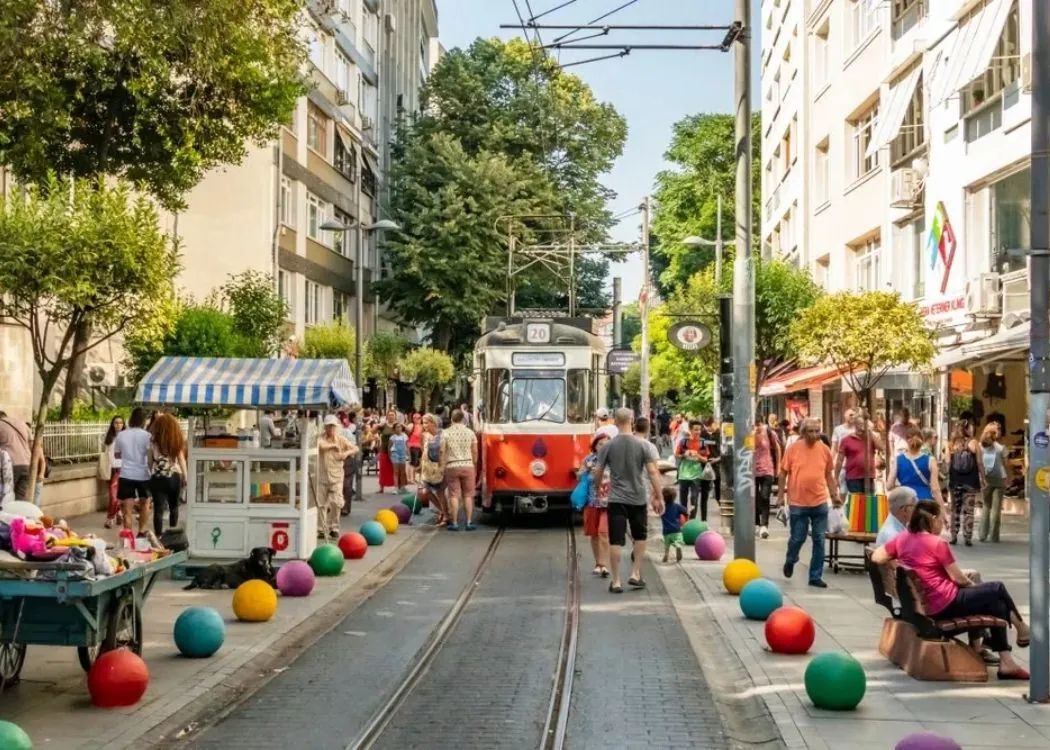
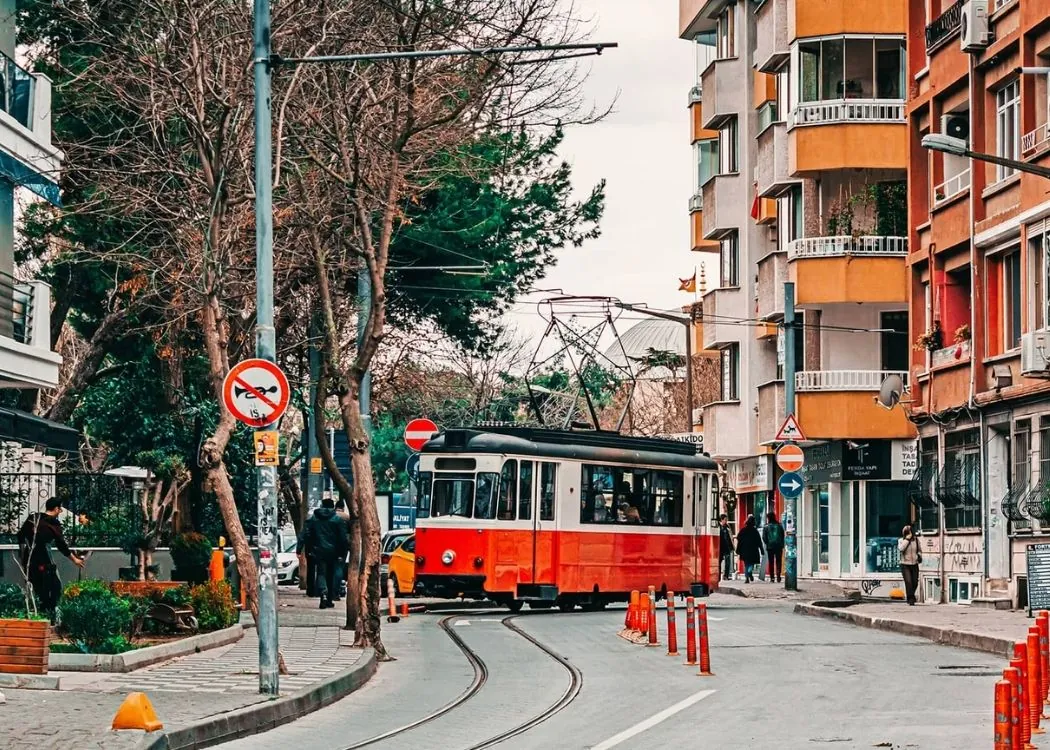
    A nostalgic red tram rattles along Bahariye up to Moda, giving the street a storybook feel as it trundles past colorful buildings. In the evenings, street musicians often perform here and the whole area buzzes with energy. Between the Bull Statue’s local lore and Bahariye’s bustling charm, this crossroads is the beating heart of Kadikoy.


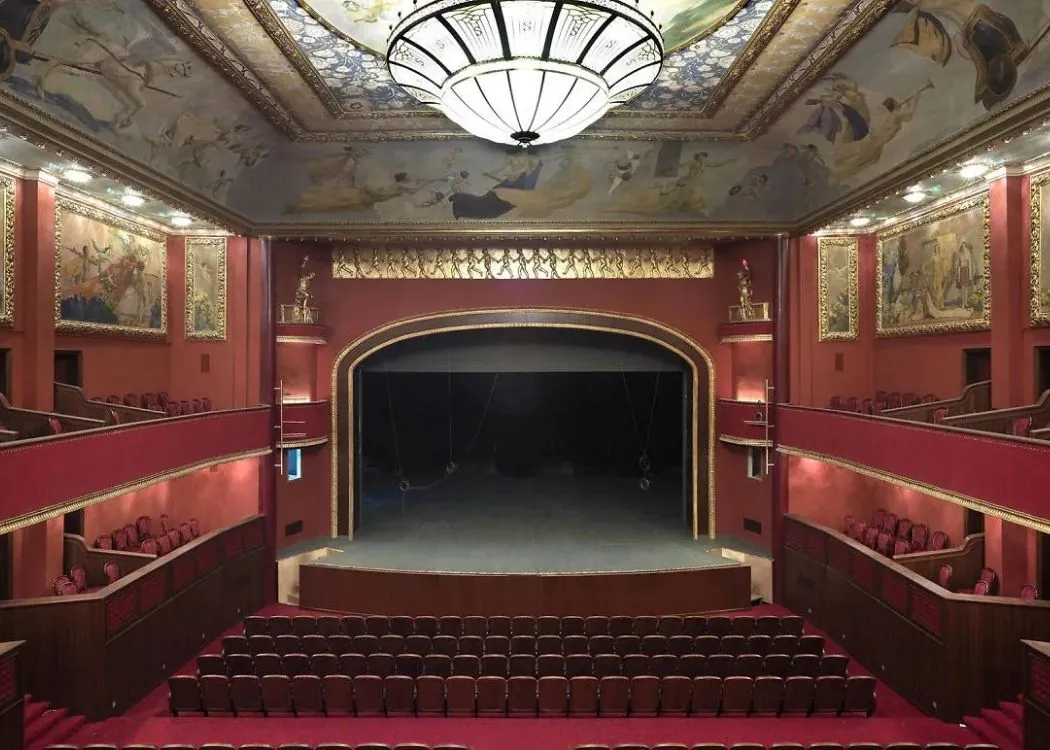
    Sureyya Opera House


    Kadikoy even has its own historic opera house. The Sureyya Opera House is a beautiful 1927 art deco building on Bahariye Street, originally built by a forward-thinking Ottoman politician, Süreyya Ilmen Pasha. Interestingly, it never hosted an opera in its early years – because the stage machinery was incomplete, Sureyya operated as a movie theater and even a wedding hall for decades.

    Exploring_Kadikoy_istanbul_Lively_Guide_for_2025_tickets_online_pass


    After a thorough restoration, it finally opened in 2007 as a proper opera and ballet venue, fulfilling its founder’s grand intentions. Today, stepping into its elegant foyer (modeled after a Parisian theater) is like stepping back in time. Catching a performance here is a delight, but even from outside, the building’s ornate facade adds a touch of old-world glamour to Kadikoy. Sureyya Opera House stands as a testament to the neighborhood’s cultural heritage – a place where nostalgia and the performing arts come together under one opulent roof.


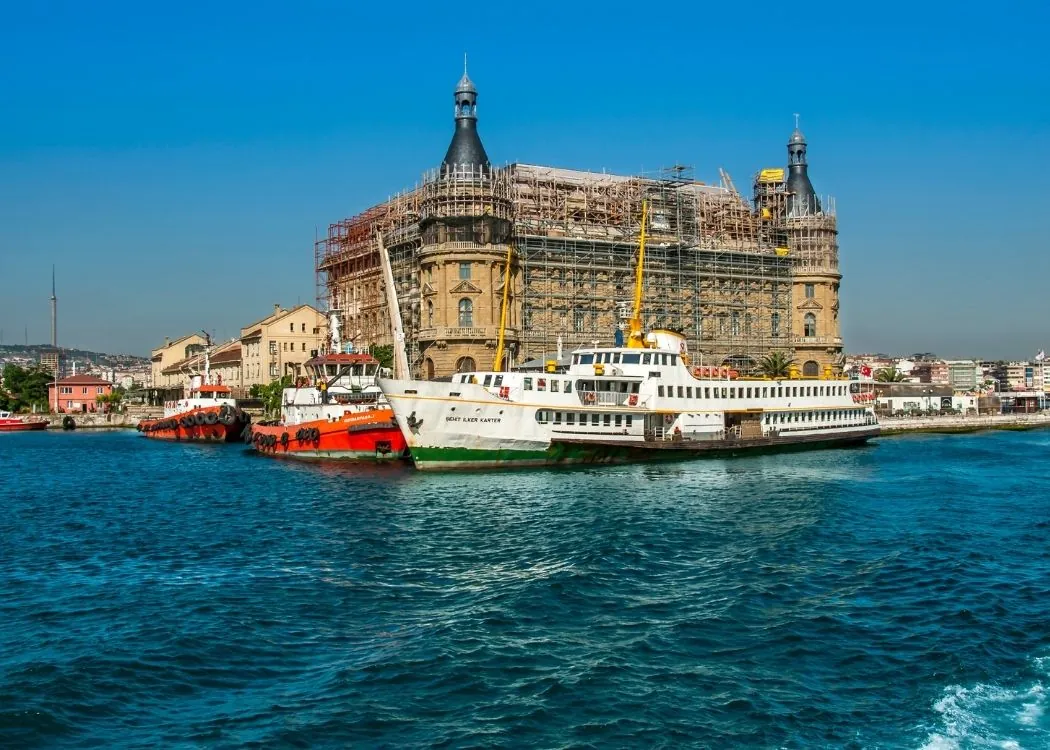
    Haydarpasa Train Station


    The Haydarpasa Terminal is one of Istanbul’s most iconic landmarks, majestically presiding over Kadikoy’s waterfront. Built in 1908 as the western terminus of the Istanbul–Baghdad railway, this grand stone building was designed by German architects and for decades sent off trains bound for Anatolia and the Middle East. Its imposing neo-classical facade and clock tower have witnessed countless hellos and goodbyes. Although a fire in 2010 severely damaged Haydarpasa’s roof, a meticulous restoration project has been underway and is nearing completion as of 2024. (Transportation authorities announced that the station will be fully restored and expected to reopen by 2025, returning as both a working station and a cultural attraction.)

    Exploring_Kadikoy_istanbul_Lively_Guide_for_2025_tickets_online_pass


    For now, visitors cannot enter the terminal building due to ongoing works, but you can certainly admire it from the outside. Haydarpasa’s elegant silhouette, especially stunning viewed from a ferry at sunset, remains a beloved sight. There’s also an exciting new archaeological park being created around the station, showcasing artifacts unearthed beneath its tracks – from ancient coins to a 5th-century church – which will add another reason to visit this historic siteenglish.news.cnenglish.news.cn. Even in semi-retirement, Haydarpasa stands proudly as a monument to Istanbul’s railway age and Kadikoy’s significance as the gateway to Asia.


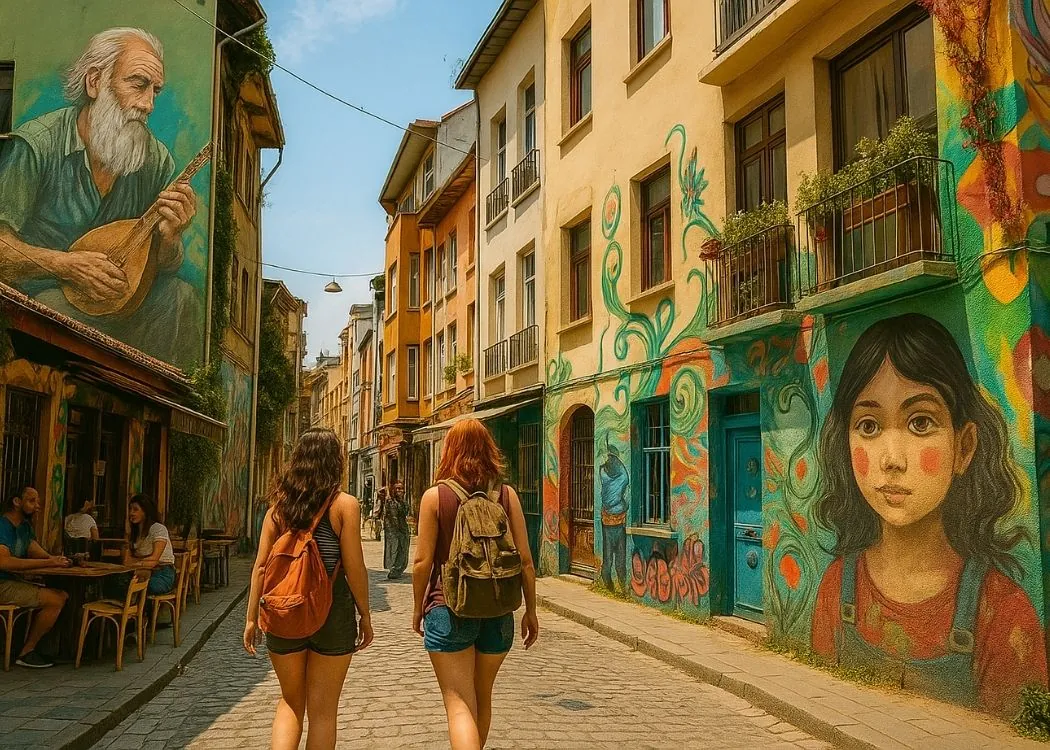
    Yeldegirmeni Art District


    Just a short walk from the ferry pier, the Yeldegirmeni neighborhood is a hidden bohemian enclave bursting with art and history. One of Kadikoy’s oldest quarters, Yeldegirmeni (meaning “windmill” in Turkish) was traditionally a multicultural residential area – home to Ottoman-era synagogues, churches, and some of Istanbul’s first apartment buildings with internal courtyards. In recent years, it has been transformed into a vibrant art district while retaining its old-world charm.


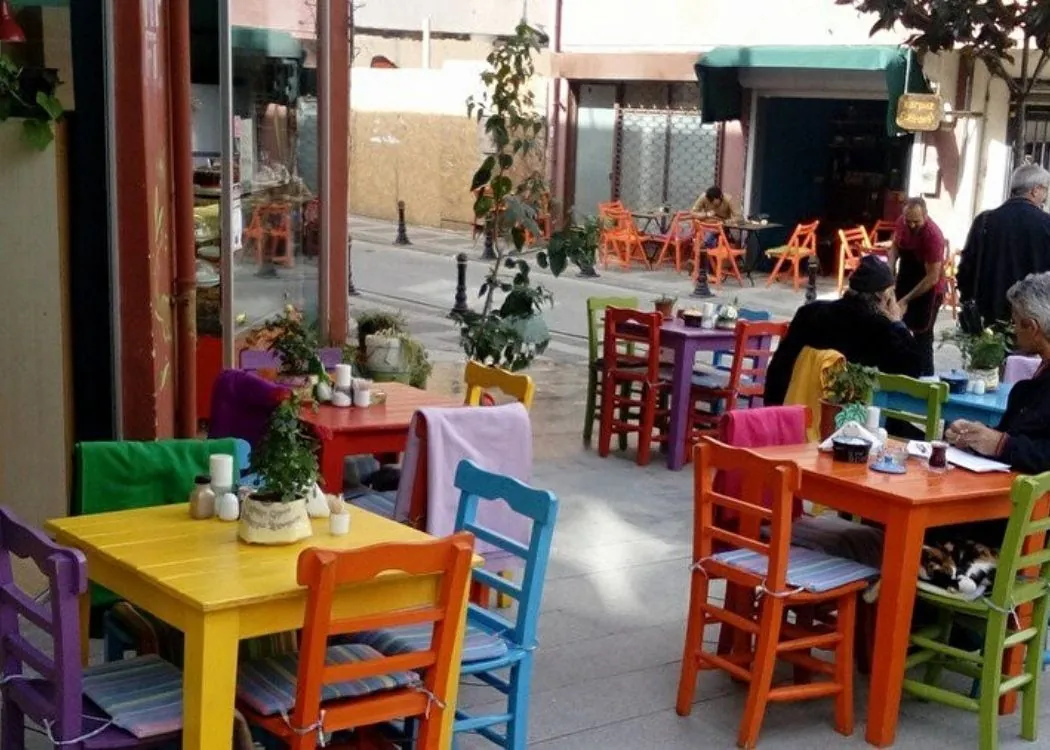
    The streets here are lined with impressive colorful murals on building facades – the result of Turkey’s first-ever street art festival held in 2012, when artists from around the world painted Yeldegirmeni’s blank walls with massive works of art.

    Exploring_Kadikoy_istanbul_Lively_Guide_for_2025_tickets_online_pass


    Scattered between traditional coffee houses and bakeries, you’ll now find dozens of art studios, galleries, and hip cafes, giving the area a lively, creative and slightly edgy vibe. It’s not unusual to turn a corner and stumble on a beautiful mural or a community art project in progress.


    Yeldegirmeni perfectly blends the past and present – century-old buildings and local shops coexisting with street art and student-filled hangouts. It’s a hidden gem in Kadikoy for those who love offbeat, artsy neighborhoods. Take a wander through its streets (perhaps using a street art map) and experience how tradition and bohemia meet in the most colorful ways here.


    What to Do and See in Kadikoy


    Beyond its landmarks, Kadikoy offers countless experiences that allow you to live like a local and soak up the neighborhood’s culture. Here are some of the top things to do and see for an immersive visit:


    Ferry Rides and Bosphorus Views


    One of the essential Istanbul experiences is taking a ferry ride, and Kadikoy is the perfect place to do it. From Kadikoy’s ferry docks, you can catch boats to various European-side neighborhoods – Eminonu, Karakoy, Besiktas, even the Princes’ Islands. The rides are short (15–20 minutes to most central piers) but spectacular. As you glide across the Bosphorus, you’ll be treated to panoramic views: the silhouette of Topkapi Palace, Hagia Sophia and the Blue Mosque fading behind you, and the Maiden’s Tower perched in the strait.

    Exploring_Kadikoy_istanbul_Lively_Guide_for_2025_tickets_online_pass


    Seagulls chase the ferry hoping for simit bread, and vendors on board might offer you hot tea. It’s a simple joy to stand by the railing with the wind in your face, watching Europe and Asia drift by on either side. Many locals commute this way daily, and for visitors it’s both transportation and sightseeing in one. Pro tip: try to time at least one ferry trip for sunset – few things beat the sight of the sun setting over Istanbul’s minaret-studded skyline from the deck of a Kadikoy ferry.


    Stroll Through the Kadikoy Bazaar (Local Markets)


    Kadikoy is famed for its bustling local market – a paradise for foodies and an experience for all the senses. Just a few steps from the ferry pier and bull statue, the Kadikoy Bazaar (Çarşı) unfolds in a maze of narrow streets around the historic Osman Aga Mosque. Here you’ll find one of Turkey’s largest food markets: stalls heaped with fresh produce, glistening olives, fragrant spices, and more varieties of cheese than you knew existed. Be sure to wander down Fish Market Street, where fishmongers enthusiastically hawk the day’s catch, from sea bass to giant shrimp, and will happily tell you how to cook them.

    Exploring_Kadikoy_istanbul_Lively_Guide_for_2025_tickets_online_pass_new


    The market also offers heaps of Turkish delight, baklava, dried fruits and nuts, and local delicacies from across Anatolia – it’s an edible tour of Turkey in one place. Even if you’re not buying, it’s fun to watch locals doing their daily shopping and to soak up the lively atmosphere (and maybe accept a sample of fresh melon or Turkish delight). On Tuesdays, Kadikoy also hosts an enormous Tuesday Market (Salı Pazarı) in a nearby open lot, selling everything from clothes to organic veggies. Whether you visit the daily bazaar or the weekly market, exploring Kadikoy’s marketplaces is a must-do cultural experience – an authentic glimpse into Istanbul life beyond the tourist stalls of the Grand Bazaar.


    Bookshops, Galleries, and Vintage Finds


    Kadikoy has a decidedly bookish, artsy side. Literature lovers should not miss the cluster of second-hand bookstores tucked in a two-story arcade off the main market – known as the Kadikoy Sahaflar Çarşısı (used book bazaar). In this well-trod hall of bookshops, you’ll find stacks of old books (in multiple languages), vintage maps, records, and magazines spanning every genre and era. It’s a treasure trove for bibliophiles and a great place to hunt for unique souvenirs.


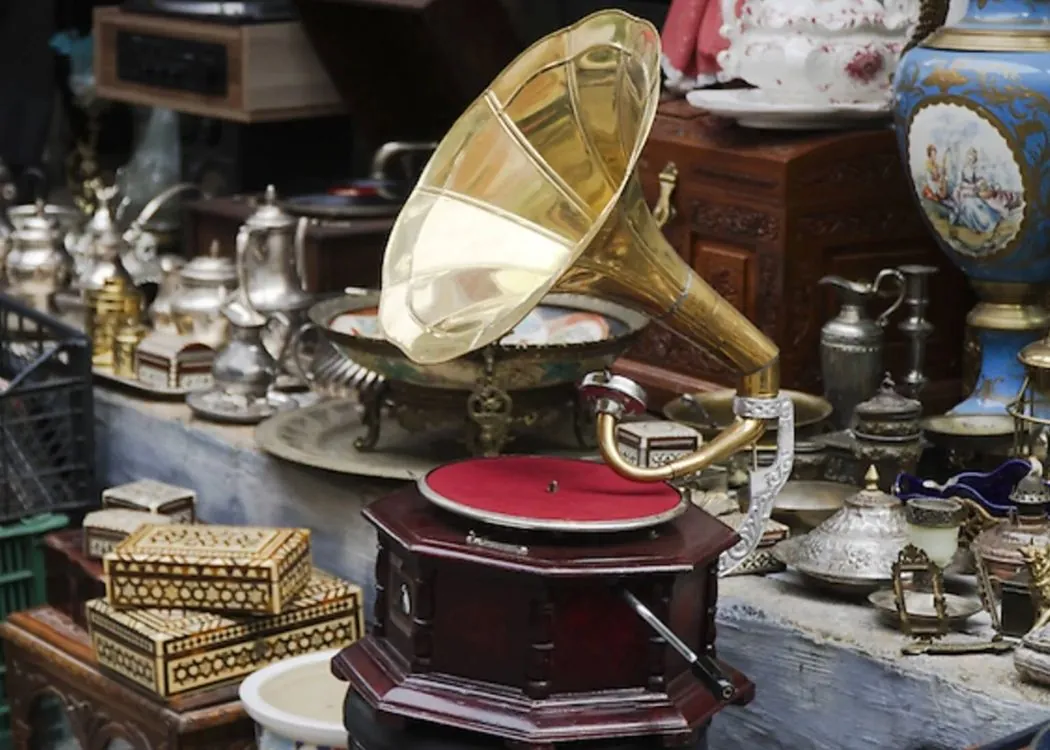
    Kadikoy is also booming with independent art spaces and galleries – from Halka Sanat to Arthere – often hosting free exhibits, workshops or live performances. Many are run by local artists (including a community of Syrian artists at Arthere) and welcome curious visitors to pop in. If you’re more into retro fashion and trinkets, Kadikoy won’t disappoint either. Stroll down Tellalzade Street, the antiques lane, where shops sell everything from old telescopes and gramophones to Ottoman-era jewelry and furniture.
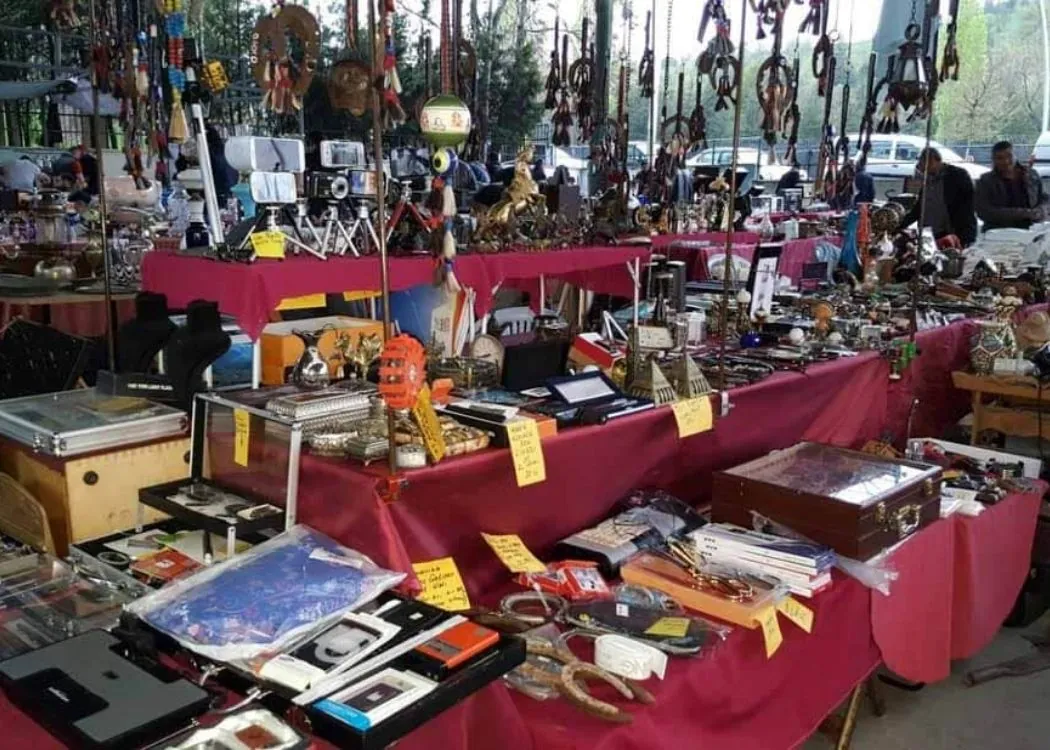

    Exploring_Kadikoy_istanbul_Lively_Guide_for_2025_tickets_online_pass_new


    You can spend hours browsing the vintage clothing boutiques around Moda and Caferağa that offer quirky second-hand outfits, vinyl records, and 90s nostalgia. Whether you’re buying or just window-shopping, exploring Kadikoy’s bookshops, galleries, and vintage stores gives you a feel for its creative, intellectual spirit. Don’t be surprised if you end up chatting with a shop owner about local history or Istanbul’s art scene – Kadikoy’s creative community is friendly and always up for a conversation over a cup of Turkish tea.


    Watching the Sunset from the Moda Coast


    As evening approaches, make your way to the Moda coast for one of the simplest yet most magical Kadikoy experiences: watching the sunset. The waterfront park areas stretching from Moda to neighboring Fenerbahçe are local gathering spots at dusk. Find a spot on the seaside promenade or the large rocks by the water’s edge – you’ll see clusters of people already relaxing there, some with picnic blankets and snacks, others with guitars softly strumming.


    As the sun descends in the west, the sky over the Sea of Marmara explodes in hues of orange, pink, and purple. You’ll see the silhouettes of Istanbul’s historic skyline in the distance, and the lights of the Princes’ Islands start to twinkle in the sea. The call to prayer might echo faintly from across the water, adding to the ambiance.
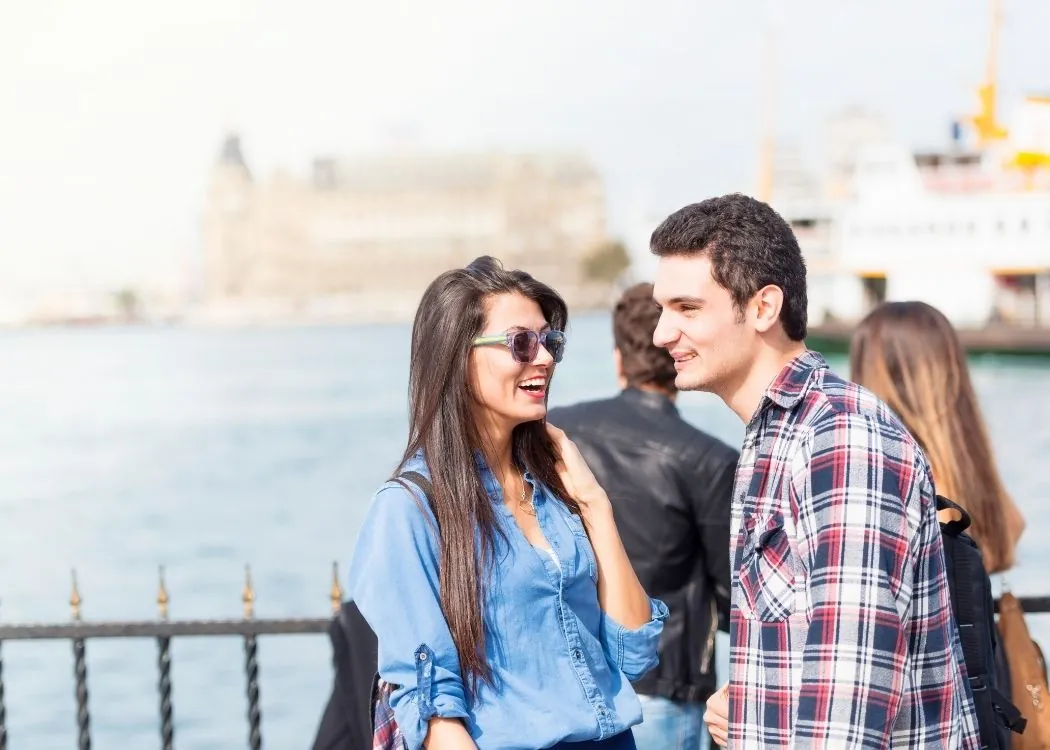

    Exploring_Kadikoy_istanbul_Lively_Guide_for_2025_tickets_online_pass_new


    This daily show draws everyone from young couples to families and solo wanderers – all pauses in collective appreciation of the moment. Many bring a beverage (you can grab a takeaway tea or beer from nearby cafes) to sip as day turns to night. Watching the sun set over the Bosphorus or Marmara from Moda is a quietly beautiful ritual that costs nothing and stays in your memory long after you leave Istanbul. It’s the perfect way to reflect on your Kadikoy adventures and feel a sense of connection with the city and its people.


    What to Eat in Kadikoy


    Kadikoy’s food scene is legendary, reflecting Istanbul’s culinary diversity with a hip, local twist. On these streets you can feast like a sultan one moment and eat like a street-food-loving student the next. Here are some of the top eats and treats to seek out:


    Traditional Turkish Breakfast Spots


    Istanbul is famous for its lavish Turkish breakfast (kahvaltı), and Kadikoy offers some of the best breakfast spots in the city. Join the locals on a lazy morning at a neighborhood cafe to indulge in a proper spread: freshly baked breads, cheeses, olives, tomatoes and cucumbers, eggs (maybe menemen, the Turkish-style scramble with tomatoes), honey and clotted cream, and endless tea refills.


    In Kadikoy’s Moda area you’ll find the much-loved Van Kahvalti Evi, known for its Van-style breakfast with regional cheeses and hot pastries – a true “breakfast feast” that arrives as dozens of small plates covering your table. Another popular spot is Küff, a trendy café that by day serves hearty breakfast platters in its leafy garden (and turns into a bar at night).

    Exploring_Kadikoy_istanbul_Lively_Guide_for_2025_tickets_online_pass_new


    For a more traditional vibe, seek out Cakmak Kahvalti Salonu, a no-frills breakfast joint often packed with locals. Wherever you go, a Kadikoy breakfast is meant to be savored slowly. On weekends especially, you’ll see groups of friends making brunch an hours-long social occasion. Pro tip: try to get a seat in a café’s backyard or terrace – many Kadikoy breakfast spots have hidden gardens that make your morning meal even more relaxing. With so many options, you can easily eat a huge breakfast in Kadikoy every day and never have the same combination twice!


    Street Food Adventures: Midye Dolma, Kokorec, Durum and More


    Kadikoy is a street food paradise, inviting you to eat your way through Turkish comfort foods on the go. One absolute must-try is midye dolma – stuffed mussels. Come evening, you’ll spot vendors like Moda Midyecisi offering trays of these morsels: plump mussels on the half-shell, filled with aromatic spiced rice, doused in a squeeze of lemon. It’s a beloved local snack (especially after a night out) – just don’t be shy, pop them one after another until you’re full! For the more adventurous palate, kokoreç is the ultimate late-night street food.


    Kokoreç consists of skewered lamb intestines grilled over coals, chopped and seasoned with herbs, and served in a crispy bread loaf. It might sound intimidating, but places like Reks Kokoreç in Kadikoy have perfected this savory delicacy – one bite of the spicy, herby kokoreç sandwich and you might become a convert. Also omnipresent are dürüm wraps. You can grab dürüm with all kinds of fillings – classic döner kebab sliced from the spit, or Tantuni (spiced tiny beef strips) rolled in soft lavash bread.

    Exploring_Kadikoy_istanbul_Lively_Guide_for_2025_tickets_online_pass_new


    One famous local spot, Borsam, is known more for its super-crispy lahmacun (Turkish “pizza”), but you can find excellent dürüm at many small grills around the market. Don’t miss trying a fresh simit (sesame bagel) from a street cart for breakfast, or a cup of roasted chestnuts in winter. And if you have a sweet tooth, look for halka tatlisi (spiral churro-like fritters in syrup) or stop by a bakery for baklava. Kadikoy’s street food reflects Istanbul’s soul – comforting, flavorful, and best enjoyed while wandering or perched on a street bench. It’s cheap, delicious, and you’ll quickly see why Istanbulites are so passionate about their street eats.


    Trendy Cafes and Coffee Roasters


    Coffee culture is thriving in Kadikoy, fueled by a young crowd and creative entrepreneurs. The area is dotted with third-wave coffee roasters and cozy cafes where you can get your caffeine fix in style. One of the most beloved is Montag Coffee Roasters, tucked in a side street with a minimalist vibe – locals praise its carefully sourced beans and expert brewing methodsj. There’s also Coffee Manifesto, another pioneer of specialty coffee in Kadikoy, and the whimsically themed Walter’s Coffee Roastery (inspired by Breaking Bad) where baristas in lab coats brew your latte.


    These indie coffee shops take their craft seriously: expect flat whites with rosetta art, cold brews, and Aeropress or Chemex options for the connoisseur. Many double as comfortable work and hangout spaces, so you can linger for hours. If tea is more your speed, traditional Turkish tea is everywhere too – but Kadikoy even has modern tea houses and matcha cafes now. 180° Coffee Bakery and Çekirdek are other favorites combining good coffee with freshly baked treats. And for those who like a little nightlife in their café, spots like Arkaoda and Bina morph from daytime coffee hangouts to trendy bars in the evening.


    Exploring_Kadikoy_istanbul_Lively_Guide_for_2025_tickets_online_pass_new


    In short, Kadikoy’s cafe scene is as diverse as its people: whether you want a strong Turkish coffee cooked in sand, or a soy-milk latte with latte art, you’ll find a welcoming spot here. Take a break from sightseeing in one of these cafes, sip a cup, and watch Kadikoy’s street life through the window – it’s the perfect way to feel like an Istanbul local.


    Vegetarian and Vegan Eats


    Kadikoy’s dining scene has something for everyone including vegetarians and vegans. In fact, this neighborhood is at the forefront of Istanbul’s plant-based movement, with several popular vegan restaurants and cafes. One top pick is Kümin Vegan Lezzetler, a cozy vegan eatery in Rasimpaşa that serves up creative dishes like seitan “meatball” burritos, zucchini noodle pastas, and hearty lentil. Their menu is so flavorful and varied that even non-vegans leave impressed. Another favorite is Mahatma Cafe, also in Kadikoy, which offers wholesome vegan daily specials and desserts, think chickpea wraps, creamy hummus, and vegan köfte, all made with organic ingredients.

    Exploring_Kadikoy_istanbul_Lively_Guide_for_2025_tickets_online_pass_newest


    For a quick bite, Veganarsist in Osmanaga is known for vegan versions of Turkish street foods, you can try a plant-based kokoreç or vegan lahmacun there!. Many of the regular cafes and restaurants in Kadikoy also have vegetarian options on their menus, reflecting the area’s young, health-conscious crowd. And if you’re looking for a casual meal, Kadikoy’s numerous meze restaurants (Turkish tapas) offer plenty of veggie delights like ezme (spicy tomato salsa), grilled eggplant, stuffed grape leaves, and more.


    In short, you won’t go hungry in Kadikoy if you don’t eat meat; actually, you’ll be spoiled for choice. The neighborhood’s welcoming, progressive vibe extends to its food, making it easy for vegetarians and vegans to dine deliciously while traveling.


    Local Kadıköy Tips and Hidden Gems


    For those who want to go beyond the standard guidebook highlights, Kadikoy has a wealth of local hangouts and hidden gems that reward the curious traveler. Here are a few insider tips to enrich your Kadikoy experience:


    Nightlife on Kadife Street (Barlar Sokak)


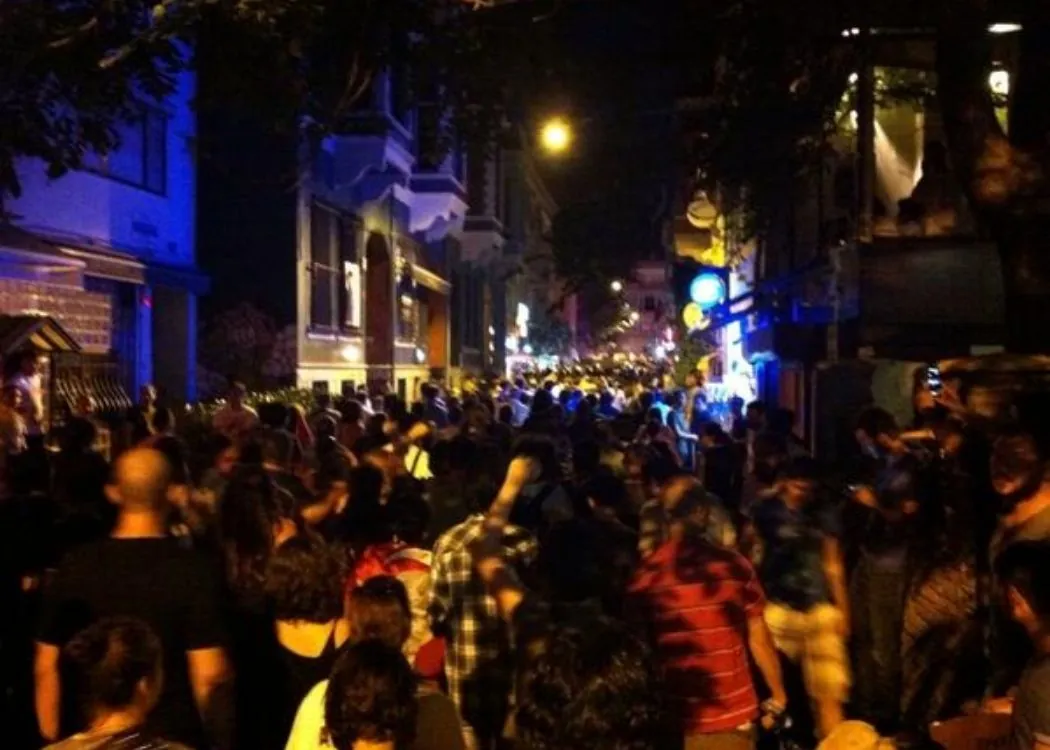
    When the sun goes down, head to Kadife Sokak – aka “Bar Street” – to experience Kadikoy’s famously eclectic nightlife. This stretch of Kadife Street in the Caferağa neighborhood is lined with gritty, bohemian bars and clubs that have transformed Kadikoy into one of Istanbul’s most happening night districts. Iconic venues like Arkaoda (opened in 1999) led the way in turning Kadikoy into the city’s hippest neighborhood.

    Exploring_Kadikoy_istanbul_Lively_Guide_for_2025_tickets_online_pass_newest


    By day, Arkaoda is a chill café, but by night it becomes a lively bar/club with DJ sets on the upper floor and a courtyard full of expats, students, and artists relaxing on vintage velvet armchairs. A few doors down is Karga, another legendary bar set in a creaky old building where alternative music plays amid dim lighting and eclectic decor. Whether you’re into craft beer pubs, rock bars, or laid-back lounges, you’ll find a spot on Kadife Street – there’s even a bar with live rock and jazz in what used to be an old cinema.


    The atmosphere on weekends is electric, with the whole street buzzing as people hop between venues or simply hang out on the sidewalk with drinks in hand. It’s far less touristy than nightlife in Taksim, giving you a chance to party shoulder-to-shoulder with Istanbul locals. If you’re into a more traditional vibe, Kadikoy also has meyhanes (Turkish taverns) and live fasıl music pubs tucked away nearby. But for a true taste of Kadikoy after dark, Kadife Sokak is the place to be – come as you are, and enjoy the neighborhood’s creative, come-as-you-like spirit late into the night.


    Open-Air Cinemas in Summer


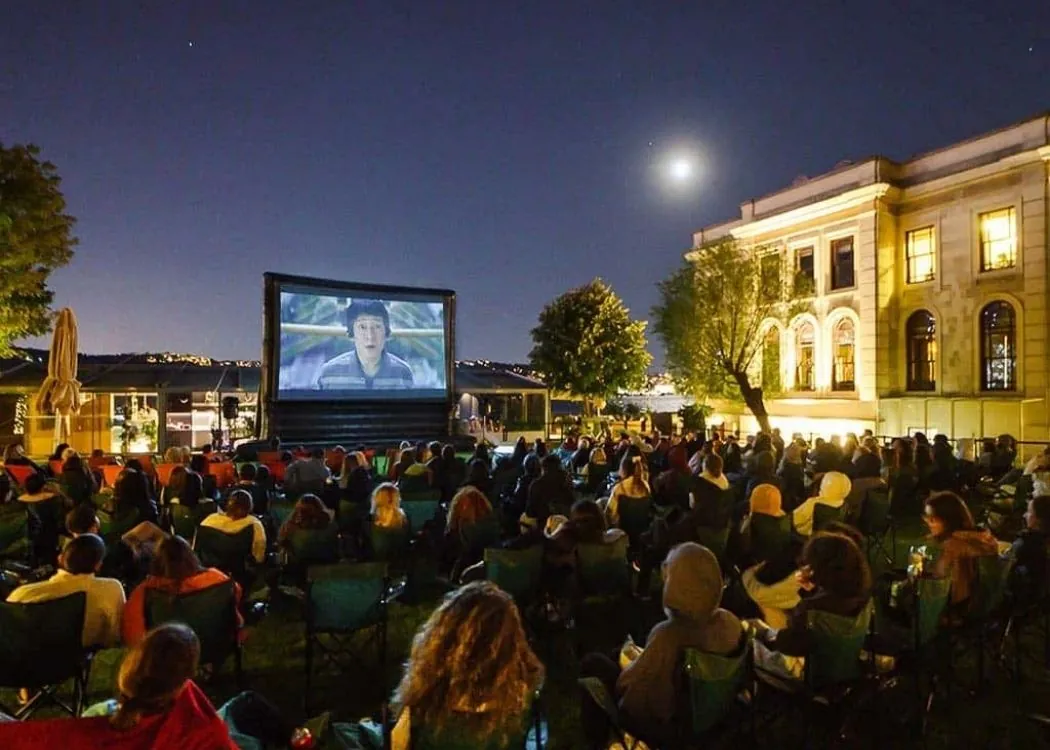
    Here’s a delightful local secret: in the summer months, Kadikoy indulges in a bit of nostalgia with open-air cinema evenings. While outdoor movie screenings in Istanbul aren’t extremely common, there are a few initiatives that bring films under the stars – and Kadikoy residents love them. For example, the Kadikoy Municipality often organizes free outdoor film nights in Yoğurtçu Park or in the courtyard of cultural centers, showing a mix of old Turkish classics and popular movies.

    Exploring_Kadikoy_istanbul_Lively_Guide_for_2025_tickets_online_pass_newest


    Imagine sitting on the grass or a portable chair on a warm night, surrounded by families and young couples, watching a Yeşilçam (Golden Age) Turkish film flicker on a big inflatable screen – it’s a cozy, communal experience. Some cafes and bars also host rooftop or garden movie nights during summer; keep an eye out for posters or social media announcements when you’re in the area.


    Just across the Bosphorus in Üsküdar, there’s the well-known Çengelköy open-air cinema in a park, which screens nostalgic Turkish films weekly in summer – Kadikoy locals sometimes venture there for a change of scenery. Additionally, not far away in Ataşehir (still on the Asian side) is the Cinecity Trio open-air cinema, where you can lounge by a pool and watch movies on certain nights.


    The schedules vary year to year, but if you visit Istanbul in July or August, ask around in Kadikoy for any outdoor movie events. It’s a charming way to spend a warm evening like a local – sipping something cool, possibly nibbling sunflower seeds (a Turkish movie tradition), and enjoying cinema al fresco with the sea breeze in the air.


    Second-Hand and Antique Treasures


    Kadikoy is a fantastic hunting ground for those who love thrifting and antiques. We already mentioned Tellalzade Street in the bazaar area, famous for its antique shops piled high with treasures. Walking down this street feels like a mini-grand bazaar: you’ll see everything from Ottoman-era gramophones and telescopes to vintage vinyl records and old postcards, all jumbled in charming chaos.


    Nearby, the Kadikoy Antiques Bazaar is a small arcade where vendors sell fine antiques and old furniture if you’re seeking something special. But antiques aside, Kadikoy also has a growing scene of second-hand and vintage clothing stores. Around Moda and the streets leading from Bahariye, look for quirky shops like Sentetik Sezar or Paper Kite Vintage (both highlighted in local guides) selling retro fashion, 90s streetwear, and upcycled accessories.

    Exploring_Kadikoy_istanbul_Lively_Guide_for_2025_tickets_online_pass_newest


    There’s also an indoor flea market on some weekends (often at the Kadikoy municipality hall) where locals sell pre-loved clothes, books, and handmade crafts – essentially a pop-up community thrift event. If you’re into books, don’t skip the used book arcade we discussed, or Khalkedon Books for rare finds. Another hidden gem is the Moda Book and Record Shop (just off Moda Caddesi), where you can flip through second-hand books and classic vinyls in a cozy setting.


    Part of Kadikoy’s appeal is that it hasn’t been sanitized of its quirks – you can still find dusty old stores and unexpected markets. So take a detour from the main streets and explore the little alleys; you never know what vintage lamp or one-lira comic book might be waiting for you. Even if you buy nothing, the act of browsing these shops – often while chatting with their friendly, passionate owners – is a rewarding way to connect with the neighborhood’s soul.


    Relaxing in Yoğurtçu Park


    For a quiet breather amid your urban explorations, join Kadikoy locals in Yoğurtçu Park, one of the area’s beloved green spaces. Stretching along the coastline by the Moda and Fenerbahçe neighborhoods, Yoğurtçu Park offers a peaceful retreat of lawns, walking paths, and tall trees right by the water. Here you can do as the locals do: take an early morning jog with a view of the Marmara Sea, or sit on a bench in the shade reading a book while elderly men nearby play backgammon.

    Exploring_Kadikoy_istanbul_Lively_Guide_for_2025_tickets_online_pass_newest


    The park has sports facilities (tennis and basketball courts) and plenty of open space where on weekends you’ll find families having picnics and kids kicking around a soccer ball. Its location is fantastic – one side of the park runs along Kurbağalıdere Creek, where small boats are moored, and on the other side is the coastal promenade with views toward the Fenerbahçe Lighthouse and marina. In the evenings, especially in summer, Yoğurtçu Park comes alive with locals strolling, cyclists and skaters passing through, and sometimes even open-air events or live music performances spontaneously happening.


    The park is named after an old “yoghurt seller’s fountain” that still stands from Ottoman times, but today it really serves as Kadikoy’s communal backyard. Grab a cup of tea or a Turkish ice cream from a nearby cafe and enjoy a slow moment in the park, watching dogs play and the sky change colors towards dusk. Amid the buzz of Kadikoy, Yoğurtçu offers a dose of tranquility and nature. As you relax under its palm trees and pines, with the sounds of city life muted by rustling leaves and gentle waves, you’ll understand why Istanbul residents cherish these green oases. It’s the perfect spot to recharge after a day of exploring, or to gear up for another round of nightlife after sundown!


    Istanbul Tourist Pass® Benefits for Asian Side Travelers


    If you’re visiting Kadikoy and other parts of Istanbul’s Asian side, the Istanbul Tourist Pass® can be your secret weapon for saving money and enhancing your experience. This all-in-one digital pass grants access to over 100 attractions and services across the city (European and Asian sides) – and it includes several perks that are especially useful for travelers exploring the Asian side in 2025. Here are some key benefits for Kadikoy and beyond:


    Sabiha Gokcen Airport VIP Transfer: Flying into Istanbul’s second airport (SAW) on the Asian side? The Tourist Pass offers a discounted private VIP transfer from Sabiha Gokcen Airport to your hotel. You’ll be met with a name board at arrivals and whisked into a comfy Mercedes van – no haggling with taxi drivers or lugging bags on shuttle buses. Pass holders pay a fixed discounted fee (around €98 round-trip for up to 5 people) for a 24/7 private transfer, which is about €14 cheaper than booking directly. It’s a stress-free way to start or end your trip, especially after a long flight, and you can use it in either direction (to or from the airport) even outside your pass activation days. This perk alone can make the pass worthwhile for Asian-side arrivals, ensuring you reach Kadikoy comfortably and quickly.

    Exploring_Kadikoy_istanbul_Lively_Guide_for_2025_tickets_online_pass_newest


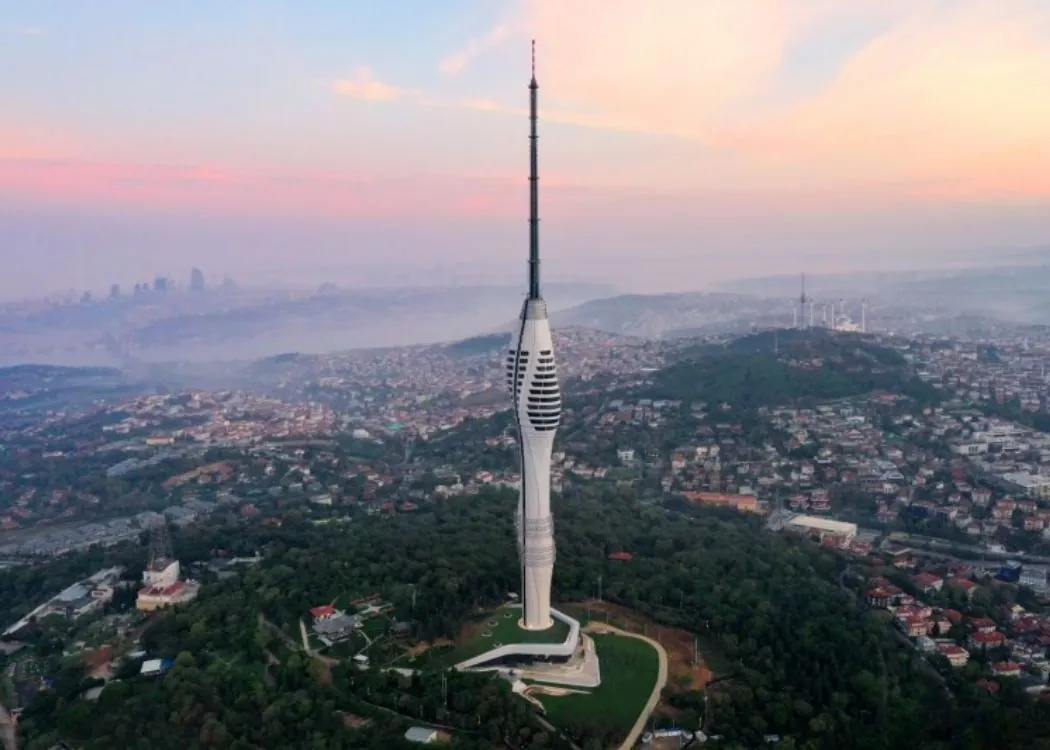
    Çamlıca Tower Observation Deck: The Camlica Tower is a new standout on Istanbul’s Asian skyline – a sleek telecommunications tower with a public observation deck offering panoramic city views from about 369 meters high. With the Istanbul Tourist Pass, you get free entry to the Camlica Tower’s observation deck (including an audio guide). This means you can ride up to the tower’s viewing platform and enjoy 360-degree vistas of Istanbul, the Bosphorus, and the Marmara without buying a separate ticket. On a clear day, the views are absolutely stunning and stretch for miles. Visiting Camlica Tower is a great addition to a Kadikoy itinerary (it’s a short drive or bus ride from Kadikoy to Camlica Hill), and with the pass you won’t have to worry about ticket lines or fees – just show your digital pass and head up to soak in the scenery.

    Exploring_Kadikoy_istanbul_Lively_Guide_for_2025_tickets_online_pass_newest

    Emaar Skyview & Aquarium: Kadikoy is not far from the modern Emaar Square Mall in the Acibadem area, which boasts two attractions included with the Tourist Pass®. First, the Emaar Aquarium and Underwater Zoo – home to an impressive range of marine life including sharks, rays, and a walk-through tunnel – is free with the pass. It’s a fun stop, especially for families, and lets you explore marine ecosystems right on the Asian side. Secondly, the mall’s SkyView observation deck (atop the Emaar Tower) is available to pass holders at a discounted rate.


    The Skyview elevator takes you up 48 floors to an open-air terrace for yet another fabulous city panorama – different from Camlica’s, but equally breathtaking, especially at sunset. Having the pass means you can enjoy the aquarium at no extra cost and get a price break on the Skyview deck. It’s a convenient way to experience a slice of Istanbul’s contemporary side – combining shopping, dining, and attractions – during your Kadikoy visit.


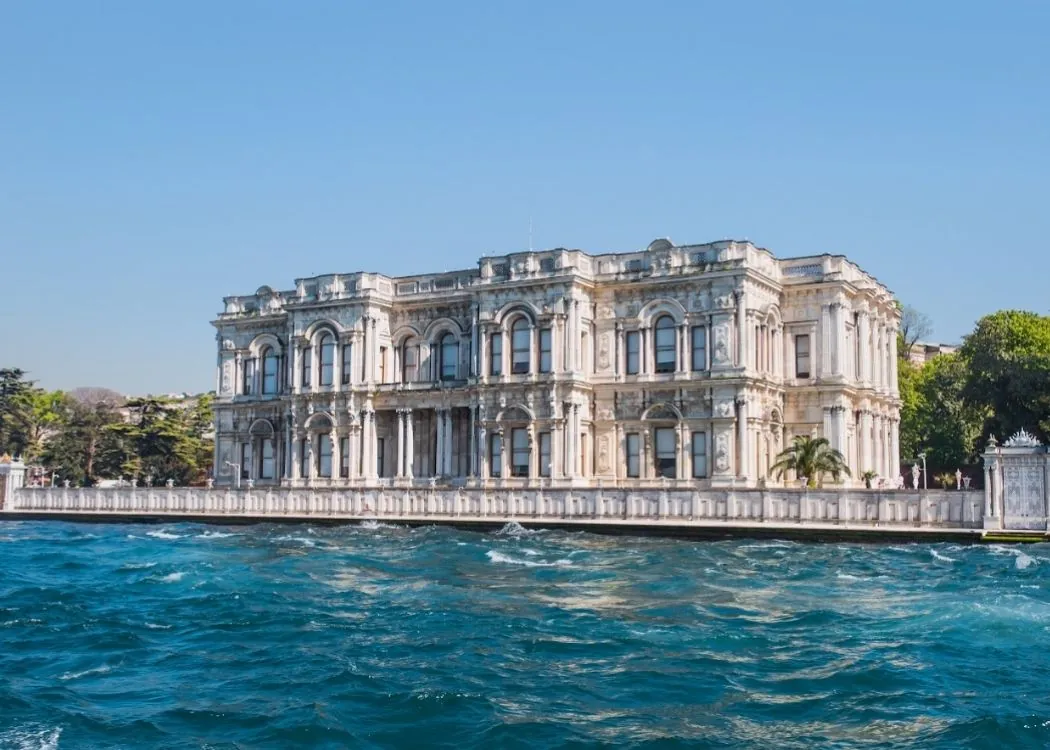
    Beylerbeyi Palace: Nestled on the Asian shore of the Bosphorus, not far from Kadikoy, is Beylerbeyi Palace – a gorgeous 19th-century Ottoman palace that served as a summer residence for sultans. With the Tourist Pass, you get skip-the-line entry to Beylerbeyi Palace, including an audio guide, for free. This means you can tour the ornate salons, harem, and gardens of this waterside palace without paying the standard ticket price. Visiting Beylerbeyi is a great complement to exploring Kadikoy; it gives you a dose of Asian-side imperial history in a fraction of the time it would take to visit Dolmabahce or Topkapi on the European side. The palace’s interior is richly decorated (European Baroque meets Ottoman opulence), and the audio guide helps you appreciate the stories behind each room and the sultans who lived there. Since Beylerbeyi is directly under the Bosphorus Bridge, you can easily reach it by a short taxi or bus ride from Kadikoy, enjoy the tour with your pass, and even have tea in the palace’s courtyard café by the water.

    Exploring_Kadikoy_istanbul_Lively_Guide_for_2025_tickets_online_pass_newest


    In addition to the above, the Istanbul Tourist Pass® includes many other attractions across the city from Maiden’s Tower ferry access to Hop-on Hop-off Bus tours and even a Bosphorus dinner cruise, as well as practical perks like an unlimited public transport card discount. But for travelers focusing on the Asian side, the pass’s coverage of the airport transfer, Camlica Tower, Emaar experiences, and Beylerbeyi Palace can significantly enrich your itinerary while saving you money and hassle.


    You could start your day marveling at Camlica’s skyline views, spend your afternoon wandering Kadikoy and Moda, pop over to Beylerbeyi Palace, and cap it off with an evening aquarium visit or ferry ride – all seamlessly facilitated by the pass. It allows you to combine Kadikoy exploration with Asian-side highlights that first-time visitors often overlook.


    Tip: The Istanbul Tourist Pass® has a digital QR code system you buy for a set number of days, so you can download its app to your phone and simply scan in at included sites. Just remember to check if any attractions (like the Camlica Tower or aquarium) require advance reservation on their system – the pass website/app will guide you. Overall, if you plan to sightsee broadly and take advantage of the Asian side’s offerings, the Istanbul Tourist Pass® can be a worthwhile investment that turns Istanbul into your all-access playground, Kadikoy very much included.

    Exploring_Kadikoy_istanbul_Lively_Guide_for_2025_tickets_online_pass_new


    By combining Kadikoy’s local delights with broader Istanbul experiences, you’re in for an unforgettable journey. This lively neighborhood will welcome you with open arms; whether you’re sipping tea in Moda, bargaining for books in the bazaar, or enjoying the Bosphorus breeze on a ferry. In 2025, Kadikoy continues to thrive as a cultural hotspot where the past and present mingle freely. Tourists and expats are discovering what locals have long known: Kadikoy is more than just a district; it’s a way of life, one that captures the soul of Istanbul’s Asian side. Enjoy your visit, and let Kadikoy’s creative, vibrant energy inspire you at every turn! Safe travels, or, as we say in Turkish, iyi yolculuklar!
  • A Culinary Time Machine: 100-Year-Old Restaurants Still Serving Istanbul Today

    Istanbul’s dining scene is ever-changing, yet a handful of venerable eateries stand as living time capsules. These are places where recipes endure for a century, where the decor whispers of sultans and paschas, and where each bite carries the flavors of history. 


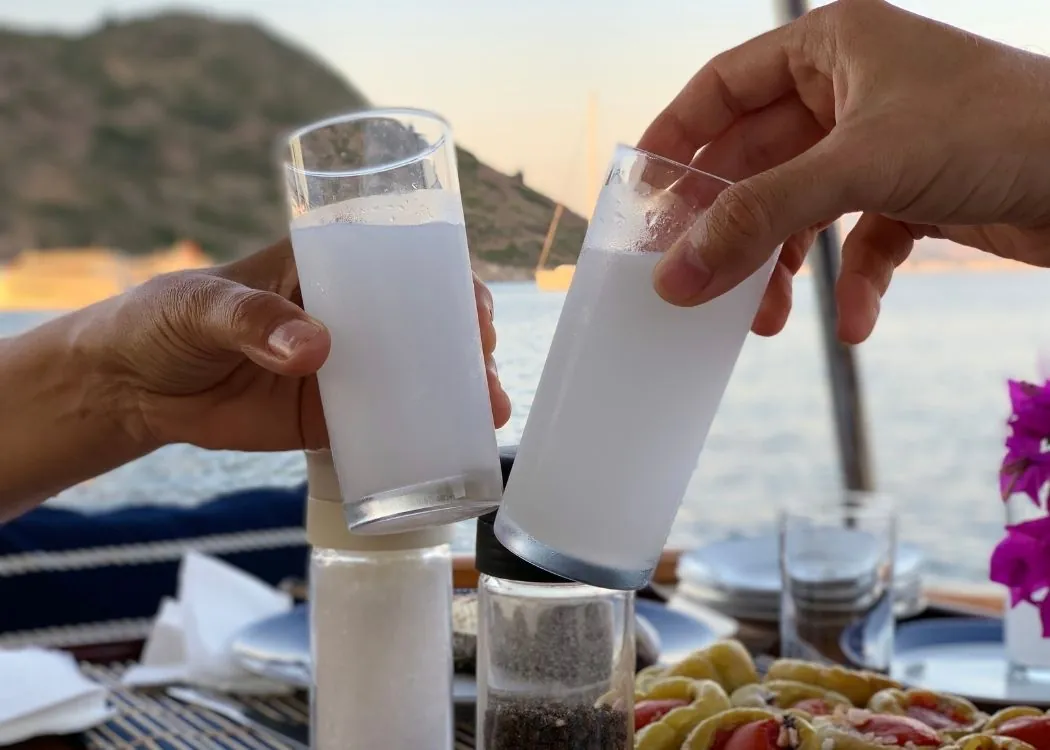
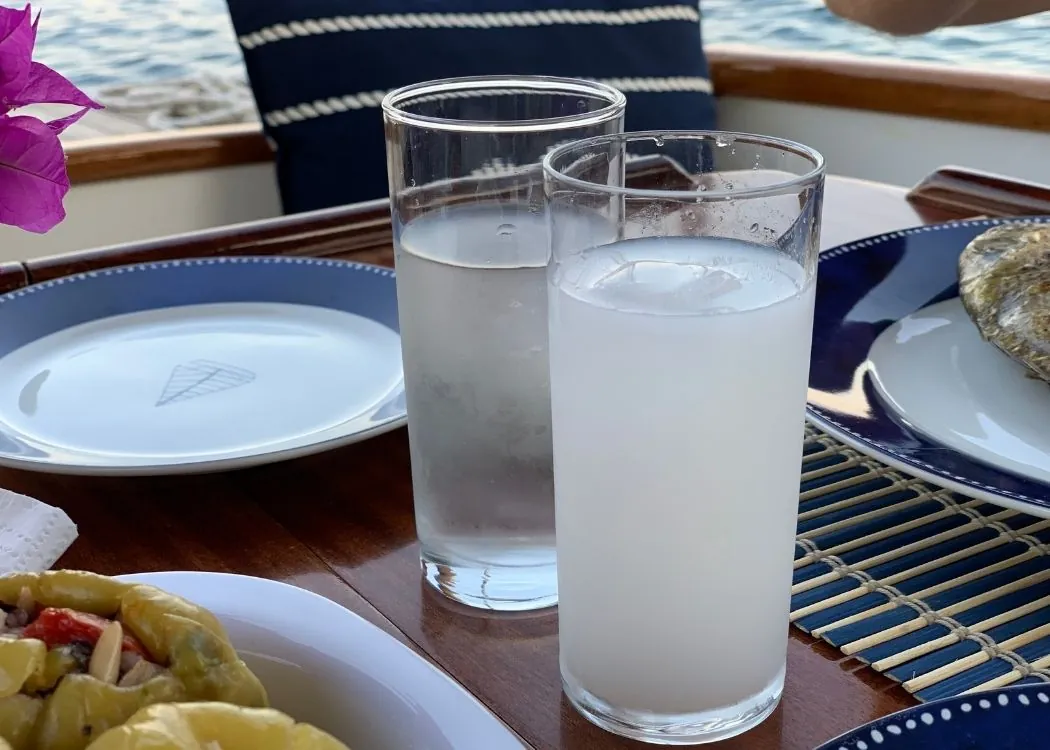
    In this blog-style journey, we visit some of Istanbul’s oldest still-operating restaurants (on both European and Asian shores) that have preserved their culinary traditions for at least a century. Pour a glass of rakı (or boza!) and join this local food lover on a long, leisurely tour of Istanbul’s timeless dining institutions.


    Istanbul’s Culinary Mosaic: A City of Flavors


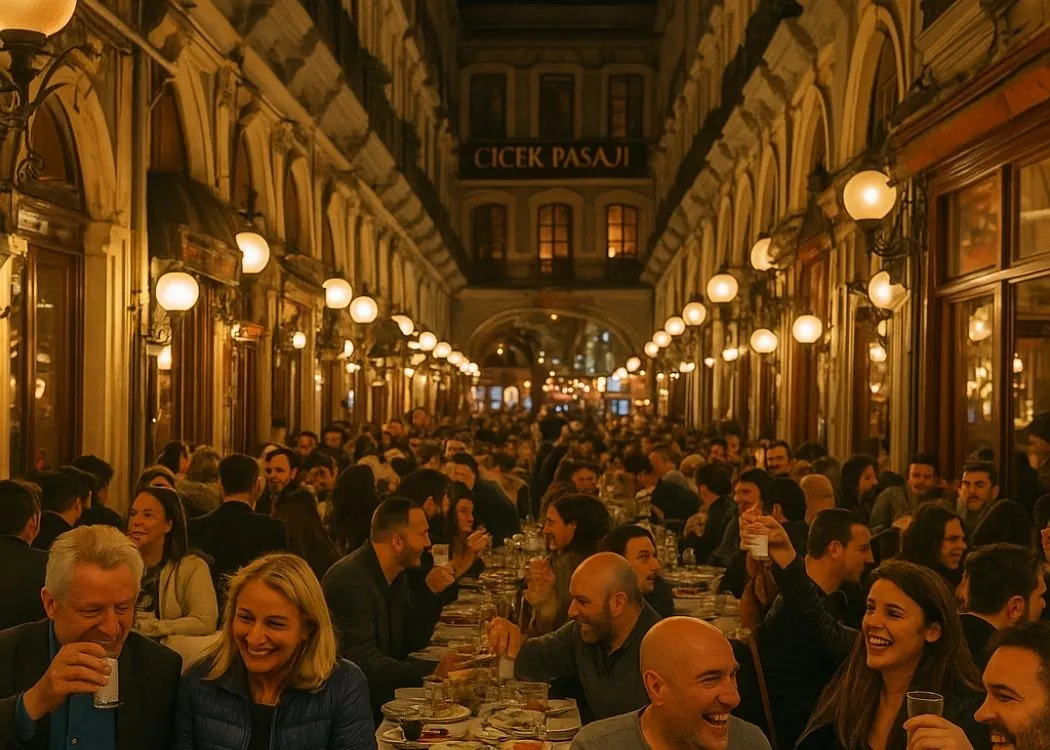
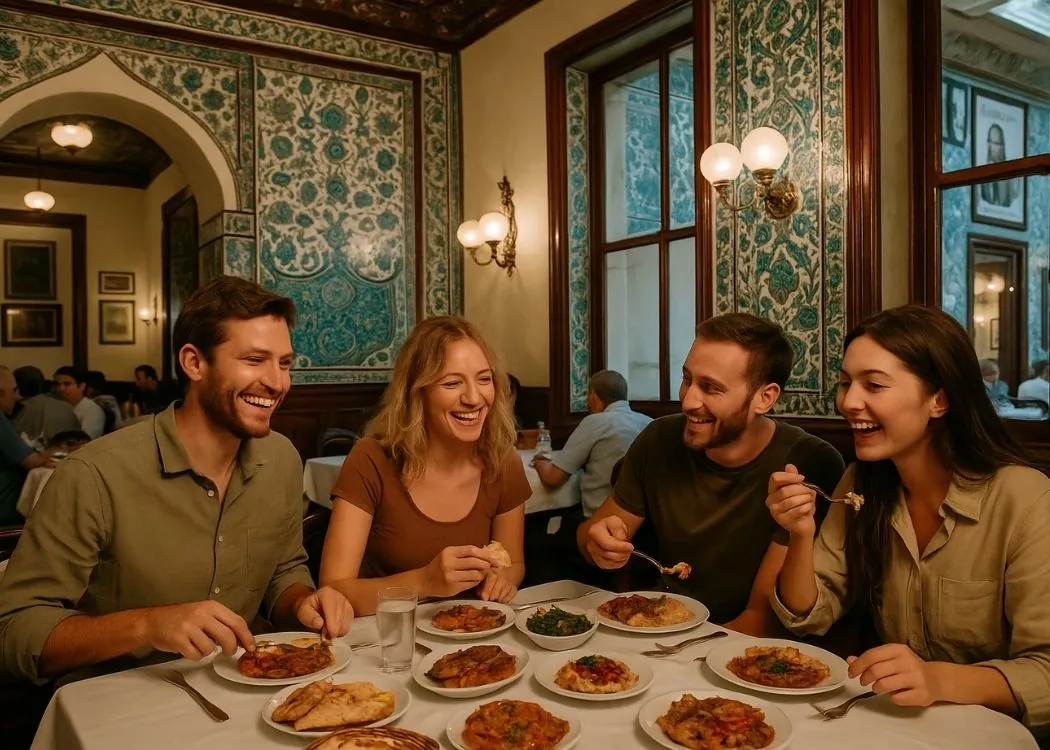
    Istanbul eats like it lives, loud, layered, and endlessly curious. At dawn, simit bakers hiss their sesame rings in stone ovens that haven’t cooled since the sultans. By noon, back-alley lokantas spoon out lentil soups thick enough to stand a spoon in, while fishmongers shout the day’s catch along the Golden Horn. Istanbul loooves to eat and drink. Come nightfall, rakı glasses clink beside meze plates bright with Aegean olive oil, and somewhere a pide master slides another boat-shaped crust into a wood-fired chamber that smells of oak and history.


    100_Year_Old_Restaurants_Still_Serving_Istanbul_Today


    This is a city where Byzantine monks once fermented boza, where Armenian and Greek artisans refined pastry craft, where Balkan immigrants gifted us flaky börek, and where Ottoman palace chefs merged Silk Road spices with French technique. Every district still carries its own scent: the smoky kokoreç stalls of Üsküdar, the sweet mastic breeze around Kadıköy’s patisseries, the tang of salep in wintery Vefa. Istanbul’s secret is synthesis—it layers flavors the way it layers tiles on a mosque dome, creating something both ancient and urgently alive.


    100-Year-Old Restaurants Still Serving Istanbul Today


    Istanbul is often described as a city where East meets West, past meets present – and nowhere is that more evident than at the dinner table. Dining at these century-old establishments isn’t just about satisfying hunger; it’s about savoring continuity in a city of constant reinvention. Each restaurant here is a story of resilience: recipes surviving through wars, migrations, and urban upheaval; family traditions upheld or master-apprentice chains unbroken.


    From the dignified silence of Hacı Abdullah’s dining hall to the rowdy cheer of Cumhuriyet Meyhanesi at midnight, these places offer more than meals – they offer cultural memory on a plate. So next time you find yourself in Istanbul, take a break from the new and shiny. Instead, step into one of these culinary time machines. Order the dishes your great-grandparents might have eaten, raise a toast (be it with rakı, boza, or a strong Turkish tea) to the layers of history around you, and enjoy an edible journey through time. Let's have a look at the top 10 restaurants still serving today!

    Hacı Abdullah Lokantası (est. 1888 – Beyoğlu, Ottoman Cuisine)


    One of the oldest restaurants in the city, Hacı Abdullah Lokantası opened in 1888 by imperial decree of Sultan Abdülhamit II. Originally known as Abdullah Efendi and located by the Karaköy docks, it was Istanbul’s first tescilli (registered) restaurant – a stylish Ottoman take on European fine dining. Over the decades it moved to Beyoğlu’s İstiklal Avenue and eventually settled near Ağa Mosque, handed down not from parent to child but ustadan çırağa – from master to apprentice – in the antique Ahilik guild tradition.


    100_Year_Old_Restaurants_Still_Serving_Istanbul_Today


    Stepping inside, you’ll notice shelves lined with jewel-colored komposto (fruit compotes) and stained-glass skylights. The menu reads like an Ottoman palace cookbook: tender lamb Hünkarbeğendi (Sultan’s Delight), quince and apricot stews, and pilafs studded with pine nuts and currants. In fact, Hacı Abdullah’s kitchen preserves about 1,500 classic recipes, rotating about 150 of them seasonally without major changes.


    Through world wars and regime changes, they’ve kept the same flavors – so much so that grandchildren of Ottoman-era patrons swear the dishes taste just as they remember. Dining here feels like time travel: the waiters (many lifelong employees) still wear traditional vests, and the atmosphere is quietly devotional to good food. Don’t skip the ayva tatlısı (quince dessert) or a refreshing spoon of vişne kompostosu (sour cherry compote) to truly taste history.


    Pandeli Restaurant (est. ~1901 – Eminönü, Ottoman/Turkish with Greek Heritage)


    Hidden atop the Spice Bazaar in Eminönü is Pandeli, a century-old culinary icon famed for its turquoise Iznik tiles and storied past. Pandeli was founded by Pandeli Çobanoğlu, an Anatolian Greek who arrived in Istanbul as a young man around the turn of the 20th century. He started as a modest street vendor selling meatballs to harbor porters, but his flavorful cooking soon attracted journalists, writers – even Mustafa Kemal Atatürk himself.


    100_Year_Old_Restaurants_Still_Serving_Istanbul_Today


    Pandeli’s little eatery survived the collapse of an empire, two World Wars, and even the deadly Istanbul pogrom of 6–7 September 1955, which targeted Greek businesses. After that turmoil, Pandeli moved his restaurant to its current airy premises above the Egyptian Spice Bazaar, where it remains a living museum of Old Istanbul. Walking up the worn stairs, you enter a sunlit hall covered in blue ceramic tiles and black-and-white photos of luminaries. Audrey Hepburn, Queen Elizabeth II, Sean Connery – they’ve all dined under Pandeli’s roof. The third generation now runs the place, keeping specialties unchanged.


    Locals insist on the charcoal-grilled döner kebab, served in Pandeli’s style with a slice of eggplant pie and rich gravy. Other favorites include Hünkarbeğendi (smoky eggplant purée topped with lamb stew) and keşkek wheat stew crowned with slivers of Kastamonu pastırma. For dessert, the caramelized kazandibi milk pudding or sticky-sweet ayva tatlısı arrive as sweet testaments to tradition.


    After a brief closure in 2016, Pandeli was revitalized and reopened in 2018 – and thankfully so. Sitting by the latticed window, gazing at the ferry-filled Golden Horn while savoring recipes from another age, one truly feels Istanbul’s old soul alive on a plate.


    Yanyalı Fehmi Lokantası (est. 1919 – Kadıköy, Anatolian/Ottoman Home Cooking)


    In the bustling Kadıköy Market on the Asian side, Yanyalı Fehmi Lokantası has been dishing up Ottoman comfort food since 1919. Its founder, Fehmi Sönmezler, hailed from Ottoman Yanya (Ioannina in today’s Greece), bringing Balkan flavors to Istanbul. The lore goes that Fehmi Bey, after years working in construction, met a retired Ottoman palace chef and convinced him to open a restaurant together. They set up a humble lokanta by the Kadıköy ferry docks (next to İskele Camii), with Fehmi eager to learn the secrets of imperial cuisine.


    100_Year_Old_Restaurants_Still_Serving_Istanbul_Today


    Over a century later, the Sönmezler family still runs the place, and it remains true to its roots as a bridge between palace kitchen and home kitchen. Many dishes on the menu are the very same that Fehmi and Chef Hüseyin Efendi first served when Atatürk launched the War of Independence in 1919. You can still order Papaz Yahnisi (a priest-style beef stew in tangy sauce) or Elbasan Tava (lamb baked in yogurt sauce) just as Istanbulites did a hundred years ago. Their Albanian-style pırasalı börek (leek pie) and hearty paça (tripe soup) have been crowd-pleasers across generations.


    Yanyalı Fehmi’s secret to consistency is an old-school “alaylı” kitchen culture – all the cooks learn by apprenticeship, not from culinary schools. This means recipes are passed down like family heirlooms, remaining unaltered by passing fads. The dining room itself is unpretentious and homey, with tiled walls and a mosaic of vintage photos. Regulars – from local shopkeepers to high-profile politicians – come for a taste of authentic Ottoman-era cooking, be it stuffed grape leaves or almond chicken pudding. In a rapidly changing city, Yanyalı Fehmi stands like a welcoming grandmother in the neighborhood, ladling out nostalgia by the spoonful.


    Kanaat Lokantası (est. 1933 – Üsküdar, Tradesmen’s Turkish Cuisine with Balkan Twist)


    In Üsküdar, on Istanbul’s Asian shore, Kanaat Lokantası bustles from dawn till midnight, feeding everyone from imams to office workers since 1933. This is the quintessential esnaf lokantası, or tradesmen’s canteen; a big, no-frills cafeteria where you simply point at gleaming trays of food and let hearty stews and veggies nourish you. Kanaat was founded by the Kargılı family, Albanian Turks who migrated from Skopje in 1915, during the last sultan’s reign. The family started out selling helva sweets and goat’s milk ice cream from pushcarts, and their dairy heritage lives on in Kanaat’s famous kaymak (clotted cream) and muhallebi (milk puddings).


    100_Year_Old_Restaurants_Still_Serving_Istanbul_Today


    Generations later, the same family still runs the restaurant, and remarkably, they haven’t modernized much at all. The interior has simple wooden tables and a constant clatter of trays; at peak lunch hour, finding a seat is a competitive sport. But once you have a spot, you’re in for comfort food paradise. One glass case displays dozens of zeytinyağlı dishes, green beans, artichoke hearts, and eggplant, all braised to silky perfection in olive oil. Another counter is laden with steaming yahni casseroles, various kebabs, and Uzbek pilaf layered with spiced lamb and carrots.


    Regulars swear by the delicate yaprak sarma (stuffed grape leaves) and the signature goat milk vanilla ice cream, which owes its stretchy richness to wild orchid root (salep). For dessert, Kanaat’s selection is dazzling: candied pumpkin slices glistening in syrup, bowls of aşure (Noah’s pudding with fruits and nuts), baked rice pudding with a caramelized top, and the legendary keşkül almond pudding that sells out daily (trust me, don’t skip it).


    Through wartime shortages, economic crises, and the rise of credit cards (Kanaat famously accepts only cash, true to old Istanbul habits), this restaurant has weathered it all by simply sticking to what it does best: feeding people real Turkish home-cooking. It’s a delicious constant in a sea of change, and when you savor a spoon of warm pumpkin dessert under its neon lights, you feel a comforting continuity with Üsküdar generations past.


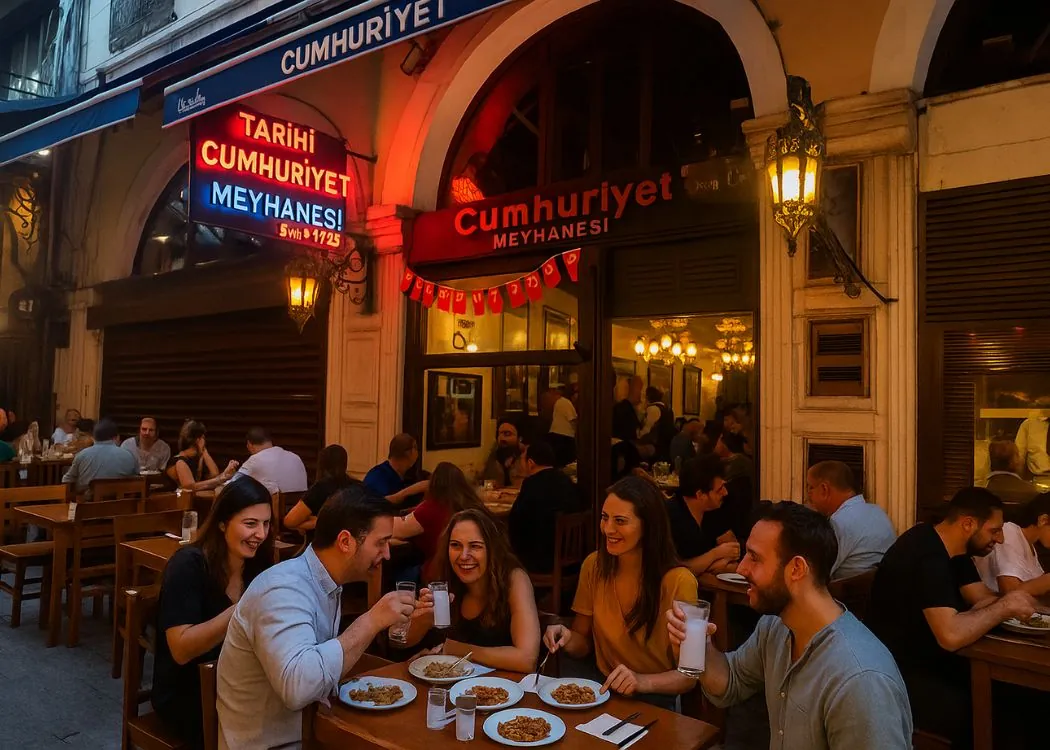
    Cumhuriyet Meyhanesi (est. ~1923 – Beyoğlu, Historic Meyhane Tavern)


    No tour of old Istanbul eateries would be complete without a classic meyhane, and Cumhuriyet Meyhanesi in Beyoğlu is the granddaddy of them all. Tucked in a side street off İstiklal Avenue, this three-story tavern has been pouring rakı and serving meze since the early years of the Republic (hence the name “Cumhuriyet”).


    In fact, its exact founding is a bit hazy – the venue existed under Greek proprietors before 1923, but took on the name “Cumhuriyet” around the time Atatürk founded the nation. What’s certain is that for over 100 years, poets, musicians, journalists and regular Istanbul folk have whiled away nights here over lively conversation and clinking glasses.


    100_Year_Old_Restaurants_Still_Serving_Istanbul_Today


    The atmosphere remains delightfully old-school: checkered tablecloths, portraits of Atatürk on the walls, and wandering musicians playing Turkish classical fasıl music on the upper floor every evening. Famously, Mustafa Kemal Atatürk himself frequented this meyhane – an upstairs corner table (Table No. 5) was reserved as his, where he would sip Kulüp Rakısı and munch on white roasted chickpeas. That very table is still preserved as a shrine of sorts; each year on November 10 (the anniversary of Atatürk’s passing) the owners adorn it with flowers and offer guests complimentary leblebi in his memory.


    Anecdotes flow as freely as the rakı here: for decades the dining room was presided over by the “Üç Ali,” three veteran waiters all named Ali who became minor legends (even inspiring a poem by Ece Ayhan). As for the food, expect a meze lover’s dream. Every day the kitchen prepares around 100 different meze plates – from garlicky eggplant salad to tangy stuffed mussels and Armenian-style lakerda (brined tuna). Grilled fish and Anatolian hot dishes are available too, but grazing on cold mezes with endless toasts of rakı is the classic way to enjoy Cumhuriyet.


    Despite the trendy bars encircling it, this meyhane resists change – no modern fusion or DJ music, thank you. Instead, you get the clatter of forks, the chorus of long-time patrons singing along to a saz, and that warm, convivial Istanbul spirit that has drawn people here for a century. As you take a sip and join the chorus of “Şerefe!”, you can feel the history around you in the patina of the wood panels and the well-loved marble bar.


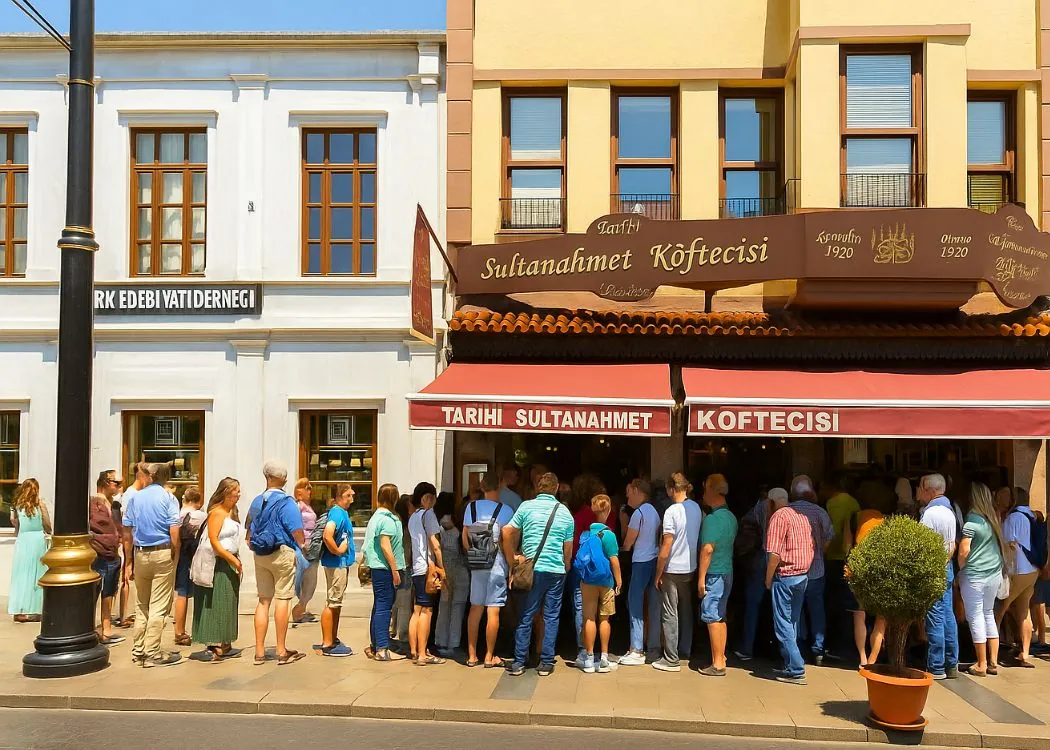
    Tarihi Sultanahmet Köftecisi (est. 1920 – Fatih/Sultanahmet, Turkish Meatball Legacy)


    In the old city’s Sultanahmet quarter – surrounded by Byzantine ruins and Ottoman mosques – there sits a humble grilled meatball shop that has quietly thrived for 105 years. Tarihi Sultanahmet Köftecisi was founded in 1920 by Mehmet Seracettin Efendi, who had migrated from Central Asia and sought to make his way in the newly forming Turkish Republic. He started selling köfte from a tiny shop near the Sultanahmet tram stop, calling it “Turan Köftecisi” in a burst of early patriotic spirit.


    100_Year_Old_Restaurants_Still_Serving_Istanbul_Today


    Over time and a few location changes (the family moved the shop a few doors down in the 1960s due to redevelopment), the name evolved too – eventually becoming Sultanahmet Halk Köftecisi and later adding “Tarihi” (historic) and “Selim Usta” to honor one of the founding sons. Name changes aside, what has never changed is the köfte itself.


    The recipe is absurdly simple – 100% beef minced with just bread, salt, and a touch of onion, absolutely no spices. These springy little meatballs are grilled over charcoal and served with a dollop of tangy mustard, a pile of crusty bread, and optional sides like bean salad and semolina helva. The restraint in seasoning lets the quality of the meat shine, and it clearly worked: locals and tourists alike flock to this unpretentious two-story diner for “the real Sultanahmet köfte” experience.


    Four generations of the Tezçakın family have run the business, turning down countless offers to franchise or modernize in ways that might compromise tradition. In fact, the family attributes their longevity to treating the restaurant as a way of life – each new generation working alongside their elders and even choosing spouses who appreciate the köfte trade!. Through the tumult of the 20th century – from the early Republic’s upheavals to the tourist booms of the 21st – this little shop stuck to its straightforward mission: grill up delicious meatballs, serve them with a smile.


    The interior is basic and perpetually packed, the walls modestly adorned with black-and-white photos and a proud banner of “1920”. They’ve never needed flashy marketing (they famously never even paid for ads; satisfied customers have been their best publicity). If you find yourself exploring the Blue Mosque or Hagia Sophia and hunger strikes, pop into this time-honored köfteci. You’ll taste the simple, hearty flavors that fueled a city a century ago, and likely rub shoulders with a mix of construction workers, celebrities, and backpackers – proof that good köfte speaks a universal language.


    Baylan Pastanesi (est. 1923 – Kadıköy, Historic Patisserie & Café)


    Not all culinary time machines serve heavy meals – some specialize in the sweet pleasures of life. Baylan Pastanesi, founded in 1923, is a legendary old-school pastry shop that introduced Istanbul to European confections and café culture. It was opened by Filip Lenas, an Albanian-Greek confectioner trained in a famous French chocolaterie, together with his cousin Yorgi Kiriçiz.


    Filip started his first little shop (then called “Loryan”) in Beyoğlu’s Deva Çıkmazı alley, right when the Ottoman era was giving way to modern Turkey. In those roaring 1920s, Baylan quickly became one of the cosmopolitan pâtisseries of Pera, holding its own among peers like Lebon and Markiz as a gathering spot for Istanbul’s literati. Over time Baylan expanded to Karaköy (1925) and eventually Kadıköy (1961).


    100_Year_Old_Restaurants_Still_Serving_Istanbul_Today


    Today, the Kadıköy branch carries the torch of this sugary heritage. Walking in, you’re greeted by an old-world ambiance: mosaic-tiled floors, mirrored displays of chocolate truffles and marzipan, and the soft whir of ceiling fans. Baylan’s menu still features many of the same treats from a century ago, but its crowning glory is the Kup Griye – a sundae that has itself become the stuff of legend.


    Invented in 1954 by Filip’s son Harry Lenas, the Kup Griye (from coupe grillée, meaning “toasted cup”) layers vanilla and caramel ice cream with whipped cream, toffee sauce, and crunchy caramelized almonds. Remarkably, Harry’s original recipe hasn’t changed one bit in over 70 years. One mouthful of this cool, creamy delight and you’ll understand why Istanbul old-timers still dream about it. Baylan offers other retro specialties too: the Montrö chocolate mousse cake, Adisababa (rum-soaked chocolate cake), and truffle chocolates that once won gold medals in Europe.


    Generations of Istanbul families have made Baylan a ritual – grandfathers who brought their sweethearts here in the 1940s now treat their grandkids to ice cream on the same chairs. In a city that often rushes forward, Baylan is a gentle reminder to slow down. Sit by the window with a Turkish coffee and a slice of cake, and watch the Kadıköy street life outside. For a moment, you might imagine you’re back in polyglot 1920s Istanbul, when a well-dressed crowd might stroll in speaking Turkish, Greek, Armenian, Ladino – all united in love of something sweet.


    Vefa Bozacısı (est. 1876 – Vefa/Fatih, Traditional Boza Shop)


    Our final stop isn’t a restaurant per se, but it’s a cornerstone of Istanbul’s culinary history that can’t be ignored. In the old neighborhood of Vefa in the old town, nestled in the shadow of a 4th-century aqueduct and a stone’s throw from Süleymaniye Mosque, stands Vefa Bozacısı – a tiny two-story shop where time ferments as slowly as the product it sells. Boza is a thick, tangy fermented grain drink (usually made from millet or bulgur) that was wildly popular in the Ottoman era.


    Vefa Bozacısı was opened in 1876 by Hacı Sadık Bey, an Albanian from Prizren, who perfected a particular recipe for boza that was smoother, lighter in color, and more refined than the boza sold by the dozens of street vendors of that time. In fact, Hacı Sadık is credited with standardizing boza as we know it – he set up the first dedicated boza shop and established this as a family trade that now spans four generations. Walking into Vefa Bozacısı truly feels like stepping into the 19th century.


    100_Year_Old_Restaurants_Still_Serving_Istanbul_Today


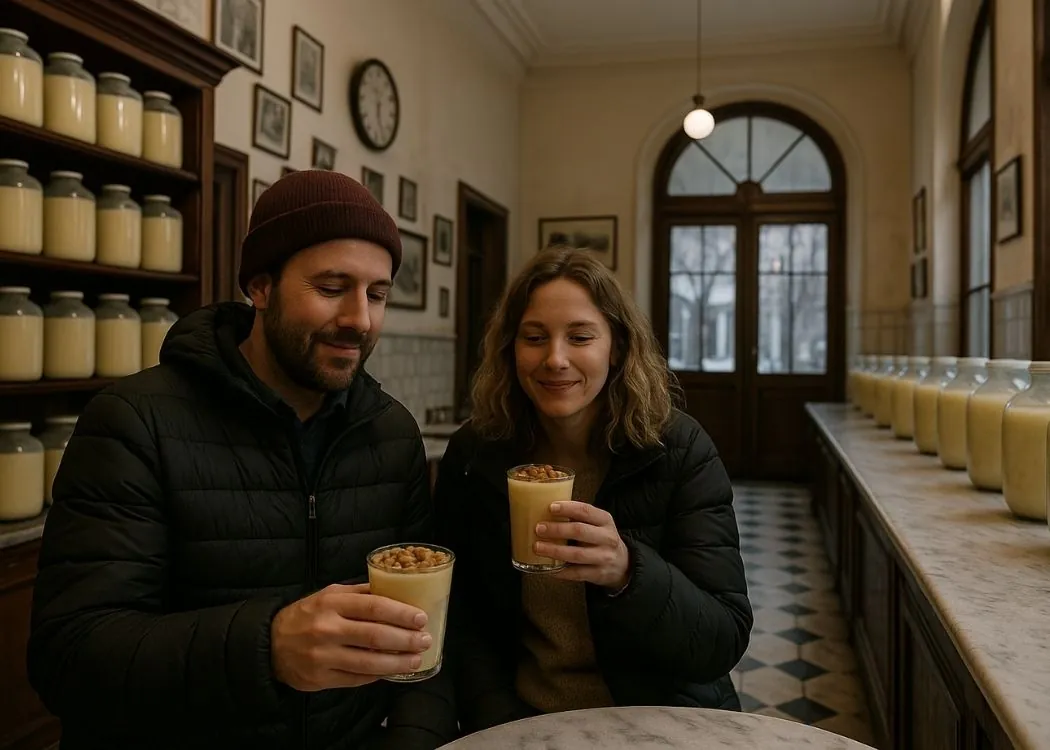
    The wooden doors open to a narrow space with high ceilings; the tile floor has been worn by countless footsteps. On one side, marble counters hold large broad-bellied glass jars filled with the day’s boza, quietly bubbling as it ferments. Shelves are lined with bottles of vinegar and şıra (another Ottoman drink), and framed old photographs and letters from famous patrons adorn the walls. If you visit on an Istanbul winter evening (the traditional boza season), you’ll likely find the place packed shoulder-to-shoulder with people jostling to get a cup.


    There’s no seating – this is the kind of place where you stand and sip. You order a glass of boza topped with a sprinkle of cinnamon and a handful of crunchy roasted chickpeas, and kaşıklarsın – you eat it with a spoon, since true boza is almost pudding-thick. The first spoonful might surprise you: it’s cool, tart, slightly sweet, and strangely comforting, almost like a porridge. As you savor it, take a look around. You might notice a very old glass on a high shelf – local lore says it’s the cup from which Atatürk himself drank boza during a 1937 visit. Whether that’s true or not, it’s a good story to toast to. And indeed, sipping boza at Vefa is less about the drink’s slight alcoholic buzz (it’s very mild) and more about the warm buzz of nostalgia.


    The shop’s threshold is literally grooved from 100+ years of footsteps; when you step back out onto Vefa Caddesi, you feel like you’ve communed with the ghosts of winters past. As the New Lines Magazine aptly put it, Vefa Bozacısı has protected this Ottoman tradition “with a flourish since 1876,” transporting visitors to a different time. It’s a sweet, slightly tangy portal to old Istanbul.


    Borsa Lokantası (est. 1927 – Tradition Meets Modern, multiple locations)


    Established in 1927 in the heart of old Eminönü’s commodity exchange district, Borsa Lokantası represents how an eatery can adapt over a century while still honoring tradition. The restaurant took its name “Borsa” (meaning exchange) from Zahire Borsası Sokak where Münir Bey first opened its doors.


    In those early republican days, Borsa was known for serving classic Turkish dishes to bureaucrats, traders, and Istanbul’s business elite – think hearty casseroles, stuffed vegetables, and grilled meats, done with just a bit more polish and service than an average lokanta. After Münir Bey passed, the restaurant changed hands and locations (moving to Sirkeci in the 1980s) but nearly closed for good in 1985. That’s when the Özkanca brothers stepped in, buying Borsa and essentially rescuing a piece of Istanbul heritage. They modernized its management but not its soul.


    100_Year_Old_Restaurants_Still_Serving_Istanbul_Today


    Throughout the late 20th century, Borsa became renowned for showcasing the best of Turkish and Ottoman cuisine, serving 1,000+ people a day at its peak while maintaining the quality of a fine esnaf lokantası. They even pioneered a Turkish “fast food” concept at one point – though instead of burgers and fries, Borsa’s idea of fast food was freshly cooked Turkish home fare served cafeteria-style!. In the 1990s, under visionary restaurateur Rasim Özkanca, Borsa stepped into a new role: as one of the first fine dining expressions of Ottoman cuisine.


    The Boğaziçi Borsa Restaurant, which opened in the glass-walled Lütfi Kırdar Congress Center above Taksim, offered old-fashioned recipes like hünkarbeğendi, lamb testi kebab, and zeytinyağlı artichokes in an elegant contemporary presentation. It was a hit, and soon a second upscale branch opened inside the Adile Sultan Palace in Kandilli – a literal Ottoman palace setting where Borsa’s chefs reimagine 19th-century court dishes for modern palates. So in a way, Borsa has come full circle: from a hearty republican-era eatery serving traditional dishes, to nearly fading away, to being reborn as a guardian of culinary heritage in a chic guise.


    Today, whether you visit the casual self-service Borsa in Osmanbey for a quick lunch of eggplant moussaka, or treat yourself to a sunset dinner at the palace tasting Ottoman classics, you are experiencing the continuum of Istanbul’s food history. The ingredients and recipes are timeless – rich tencere yemekleri (one-pot stews), zeytinyağlı vegetables as refined as those once cooked in imperial kitchens – but Borsa has shown that honoring tradition doesn’t mean living in the past. It’s about letting the past live on in the present, deliciously so. After surviving financial crashes, changing cityscapes, and even a pandemic or two, Borsa Lokantası still stands as a symbol that Istanbul can cherish its culinary past even as it strides into the future.


    Discover More with the Istanbul Tourist Pass®


    If this culinary time-travel whets your appetite for the rest of the city, the Istanbul Tourist Pass® is your all-access key. One fully digital pass (choose 1-, 2-, 3-, 4-, or 5-day options) unlocks 100+ attractions and services—skip-the-line entry to icons like Hagia Sophia, Topkapı Palace, and Dolmabahçe; Bosphorus cruises by day or night; audio guided neighborhood walks from Balat to Kadıköy; even airport transfers and a handy city-wide transportation card.


    100_Year_Old_Restaurants_Still_Serving_Istanbul_Today


    Families love it because kids jump between museums and aquariums without extra tickets; solo travelers love it because audio guides and small-group tours add instant company and expert insight for an extra to hire a private guide. Everything lives on your phone, so you can wander from a century-old köfte shop straight into a Byzantine cistern tour without breaking stride—or budget. In short, the pass lets you taste, see, and feel far more of Istanbul, leaving you free to focus on the important stuff: your next bite, your next view, and that inevitable next glass of rakı.


    Sources: Each restaurant’s details were gathered from historical archives, interviews, and official websites, including restaurant histories and Turkish press articles, to ensure authenticity. Citations are provided in the text for direct historical references. Enjoy the read and the flavors!

  • Rakı Nights in Istanbul: A Local’s Guide to the Lion’s Milk Culture

    Istanbul – a city of over 15 million where Europe and Asia meet – is a vibrant tapestry of history, food, and social traditions. From bustling spice markets to the serene Bosphorus shores, the city offers countless ways to experience its rich culture. But ask any Istanbul local, and they’ll tell you some of the most memorable nights here unfold around a meyhane table.


    A meyhane is a traditional tavern-restaurant, and it’s where Istanbulites gather for good conversation, live music, and of course, endless food & drink. This is the heart of the city’s famed nightlife: not flashy clubs or pubs, but warm gatherings over classic dishes and the city’s beloved drink, rakı.


    Turkish Rakı 101


    Rakı – often enjoyed alongside an array of small meze dishes – is more than just an alcoholic beverage; it’s a social ritual. In the evenings, Istanbul’s neighborhoods come alive with clinking glasses and lively chatter from meyhane tables spilling onto sidewalks.


    turkish_raki_drinking_culture_istanbul


    Friends and families sit for hours, slowly savoring bite after bite, sip after sip. It starts with a toast of “şerefe!” (cheers), and from there stories flow as freely as the rakı. By night’s end, you might hear folks singing old Turkish songs or see a few misty eyes as heartfelt toasts are made. Also, if you want to read about Turkish beers, here is a great guide for you on our blog page. 


    As an Istanbul local and rakı-lover myself, I can say there’s a special magic to these nights that capture the soul of the city. In this article, we’ll explore that magic: from what rakı is and why it’s cherished, to how to drink it properly, plus insider tips and the best places in Istanbul to immerse yourself in rakı culture (both traditional and trending in 2025). Afiyet olsun! (Bon appétit!) and let’s dive in.


    What Is Rakı?


    Rakı is an anise-flavored clear spirit distilled from grapes (fresh grapes or raisins) and commonly nicknamed “lion’s milk” for the way it turns a milky white when water is added. It belongs to the family of Mediterranean anise spirits (akin to Greek ouzo or French pastis), but has its own distinct character. A typical rakı is quite strong – usually about 40 – 50 % ABV – which is why Turks never drink it neat. Instead, rakı is almost always diluted with water (and then a couple of ice cubes), which magically transforms the transparent liquid into an opaque white drink (hence the “milk” nickname). This cloudy effect comes from the anise oil dispersing in water and is a signature trait of rakı.


    turkish_raki_drinking_culture_istanbul


    Despite its punchy strength, a well-prepared rakı is smooth and richly aromatic. The flavor of anise (think licorice or fennel) is front and center, so the taste can be intense for first-timers. In fact, many newcomers find it a bit strong at first – but give it time. You can even have some Turkish tea in the middle to make your stomache calmer.  As one expat humorously noted of her first try: “By my second glass, my mouth was numb and all was okay.” It’s true – rakı is an acquired taste that grows on you after a few sips! The drink is always served in slender, tall glasses, typically poured as either a tek (single, ~40 ml) or duble (double, ~80 ml) shot which is then topped up with cold water.


    Properly prepared, it’s cool, refreshing, and pairs perfectly with food. But rakı isn’t just about what’s in the glass  it’s also about how you drink it and with whom. In Turkey, rakı is never a quick shot at the bar; it’s an experience to be savored slowly in good company.


    Rakı History and Importance in Turkish Culture


    Rakı may be Turkey’s unofficial national drink, deeply woven into the social and cultural fabric of the country. It’s a tradition that dates back centuries. In the Ottoman era, Istanbul was famed for its meyhane culture – at that time, about one in three residents were non-Muslims (Greeks, Armenians, Jews), and these cosmopolitan taverns became meeting places where people of different nationalities gathered to drink and socialize.


    Early rakı was often made in those taverns by distilling leftover grape pomace from winemaking with aniseed. By the 19th century, rakı had become a fixture of urban life in the Ottoman Empire, enjoyed in meyhanes alongside performances of fasıl (classical Ottoman music) and lively conversation.


    turkish_raki_drinking_culture_istanbul


    After the founding of the Turkish Republic in 1923, rakı culture continued to thrive and even took on new symbolic importance. Mustafa Kemal Atatürk – the founder of modern Turkey – was famously fond of rakı, often enjoying it during dinner discussions that shaped the young republic. To this day many Turks affectionately refer to rakı as “Aslan Sütü” (lion’s milk), implying it’s a strong brew fit for the courageous, and indeed many legendary poets, musicians, and leaders have raised a glass of rakı. The drink came to embody the values of friendship, frank conversation, and hospitality. An old Turkish saying quips: “Rakıyı yalnız içen, ya delidir ya da derviş.” (Who drinks rakı alone is either crazy or a saint.)


    Throughout the 20th century, rakı was produced and regulated by the state monopoly Tekel, cementing its presence in everyday life. Classic brands like Yeni Rakı became household names. Turks turn to rakı to toast big milestones, console friends after losses, and philosophize about life’s mysteries. A rakı table is sometimes jokingly called “Türkiye’nin küçük meclisi” (Turkey’s little parliament) because no topic – from football to politics to lost love – is off-limits.


    Most importantly, rakı is a ritual of togetherness. Even as modern life accelerates, many still cherish the rakı sofrası (rakı table) as a moment to pause, bond, and celebrate being alive. In recent years, events like World Rakı Week have taken this heritage global, proving rakı is more than an alcohol – it’s a cultural icon and a source of national pride.


    Rakı as a Culture in Istanbul: Tradition Meets 2025 Trends


    Istanbul is the heart of rakı culture. An evening of rakı & meze can feel timeless, yet the scene keeps evolving. A classic Istanbul meyhane is unpretentious: checkered tablecloths, walls of old photos, and simple wooden tables crowded with plates and glasses. There’s soft Turkish music or live fasıl, and waiters with a sixth sense for refilling your rakı just in time.


    Clinking rakı glasses is a nightly ritual of camaraderie. Every gathering begins with raised glasses and a resounding “Şerefe!” Locals will tell you a proper rakı night isn’t just about drinking; it’s about bonding. Strangers trade meze, friendships deepen, and stories gain sparkle in the glow of milky-white rakı.


    turkish_raki_drinking_culture_istanbul


    The last decade has welcomed a wave of “new-generation” meyhanes. Places like Müşterek Meyhane blend vintage posters, curated playlists, and creative twists on mezes (think turmeric-spiced fava or calamari stuffed with Aegean herbs). The core ritual remains, but the vibe appeals to younger gastronomes. Stylish décor, rooftop terraces, even rakı cocktails at high-end bars now play a part in Istanbul’s ever-creative rakı scene. Women, once absent in old-timers’ tales, now enjoy rakı nights as comfortably as anyone, restoring the culture’s original cosmopolitan spirit.


    Yet the essence never changes: the meyhane is a refuge from the rush, a place to unwind, connect, and savor life’s simple pleasures. Whether in a 120-year-old Balat tavern or a chic rooftop with a DJ, tradition and trendiness clink glasses in harmony.


    Turkish Rakıs: Types, Brands & Regional Varieties


    Turkey produces a dazzling array of rakı. Among today’s “big four” producers are Mey (makers of Yeni Rakı), Efe, Burgaz, and Tariş. Launched in 1937, Yeni Rakı remains the iconic benchmark – robust, slightly sweet, and ever-present. Connoisseurs rave about Tekirdağ Rakısı (especially oak-aged Altın Seri and single-region Trakya Serisi) for its refined smoothness. Efe shook things up with Yaş Üzüm Rakısı (fresh-grape rakı) and other creative lines.


    Premium labels like Kulüp, Altınbaş (a potent 50 % ABV), and Sarı Zeybek (oak-aged with a whiskey-like finish) reward adventurous palates. Regional quirks include rakı infused with mastika (mastic gum) in the Aegean and sipping rakı with şalgam suyu (fermented turnip juice) in Adana. Turks debate their favorites much like wine lovers compare vintages – but all rakıs share the same goal: an anise-flavored embrace to elevate food and friendship.


    turkish_raki_drinking_culture_istanbul


    Rakı Etiquette — How to Drink & Behave Like a Turk


    For a first-timer, the world of rakı might come with a surprising number of “unwritten rules.” Turks take their rakı rituals seriously – not in a stuffy way, but in the sense of respecting a beloved tradition. Here are the essentials of rakı etiquette to help you drink like a local:


    • Always dilute with cold water first, then add one or two ice cubes.
    • Sip slowly; rakı is a marathon of conversation, not a sprint to the bottom of the glass.
    • Serve others before refilling yourself — keeping friends’ glasses half-full is a sign of care.
    • Clink the bottom of the glass, look your companion in the eye and say “Şerefe!”
    • Eat, eat, eat. Pair every sip with cheese, melon or meze to keep the evening mellow and joyful.
    • Stick to rakı. Mixing liquors is frowned upon and guarantees a morning headache.
    • Keep the mood kind. Loud arguments, rushed departures or turning your empty glass upside-down are big faux-pas.
    • Share your heart. Rakı encourages honest feelings — laughter, storytelling and even a happy tear are all welcome.


    Tips for Tourists — Your First Traditional Rakı Night


    If you’re a visitor eager to dive into an authentic rakı night, hoşgeldiniz (welcome)! Here are some tips to help you navigate and savor the experience like a local, so you leave with happy taste buds and even happier memories:


    1. Choose a true meyhane. Nevizade, Kumkapı or Kadıköy’s Çiya side streets beat the touristic traps every time.
    2. Gather a group, or be ready to be adopted by the next table — strangers turn into friends fast.
    3. Arrive after 20:00 and clear the evening; the best stories surface around hour three.
    4. Start with a colourful meze tray, then order hot dishes or rakı-balık (fish & rakı) later.
    5. Half-bottle (35 cl) rule: perfect for two or three; a full 70 cl suits four to six.
    6. Follow the rhythm — sip rakı, nibble meze, sip water, repeat.
    7. Leave space for fresh fruit and Turkish tea or coffee at the finale.
    8. Enjoy the roaming musicians, tip with a smile and join the chorus even if you only hum.
    9. Toast often. Extra points for learning “Sağlığına!” (to your health) or “Afiyet olsun!” (enjoy).
    10. Know your limit and hydrate — tahini-molasses or salty şalgam is the local hangover shield.


    turkish_raki_drinking_culture_istanbul


    Best 5 Places to Drink Rakı in Istanbul (2025)


    Istanbul has no shortage of fantastic spots to enjoy rakı, from historic taverns to modern eateries. Here are five top recommendations (a mix of local favorites and tourist-friendly options) for an authentic rakı night in 2025 – and yes, Kumkapı is on the list!


    1. Kumkapı Meyhane District — lively, rustic, musical


    A whole street of shimmering lights, fish platters and violinists weaving between tables. Anchor yourself at Kör Agop (since 1938) for legendary Armenian mezes and nightly fasıl. Expect dancing, hefty portions and a happy din until after midnight.


    2. Tarihi Cumhuriyet Meyhanesi (Beyoğlu) — nostalgic heart of Taksim


    Marble tables, black-and-white portraits, live strings and clarinet. Signature bites: mussel pilaki and paçanga böreği. When the whole room sings a classic anthem at 23:55, you’ll feel Istanbul’s soul.


    3. Yakup 2 (Asmalımescit) — artsy courtyard charm


    Dine under ivy and fairy lights where writers, actors and bohemians debate life. Try the rare topik or creamy Cretan meze, then toast “Şerefe, hayat!” (Cheers to life!) as the night breeze drifts through the trees.


    4. Mükkellef Karaköy — modern rooftop with skyline views


    Chef Arda Türkmen’s terrace pairs creative dishes (avocado ezme, Circassian-chicken pâté) with sweeping vistas of Galata Tower and the Bosphorus. Up-tempo playlists and polished service make it perfect for special celebrations.


    5. Eleos (Beyoğlu) — Aegean-Greek elegance


    White-and-blue décor, terrace over the Golden Horn and a menu of octopus salad, fried anchovies and fragrant Cretan ezme. Complimentary ouzo on arrival, but stay loyal to rakı as the lights of the old city glitter below.


    Honourable mentions: Nomads Istanbul (a modern meyhane with Turkish shows)Safa Meyhanesi (120-year-old Yedikule gem), Agora Meyhanesi 1890 in Balat, and the Moda taverns of Kadıköy like Koço (Todori) or Samatyalı for Asian-side ambiance.


    turkish_raki_drinking_culture_istanbul


    Comparisons — Rakı & Its Anise-Loving Cousins


    You might be wondering how Turkish rakı stacks up against its cousins in neighboring countries – after all, the word rakı/rakia crops up in various languages, and Greece has the famous ouzo that looks pretty similar. It’s a great question, and one that locals love to discuss (often over a glass of rakı, of course!). Here’s a look at the differences and shared traits among these spirits and their cultures:


    Greek Ouzo: lower ABV (≈ 40 %), single distillation, slightly sweeter herb profile, sipped seaside as an apéritif.


    Balkan Rakia: clear fruit brandy (plum, grape, apricot), zero anise kick, enjoyed as a hearty shot at weddings and winter feasts.


    Levantine Arak: almost twin to Turkish rakı, yet often homemade and triple-distilled; served with mezzes from Beirut to Amman.


    Shared secret: all are drunk slowly with food, friendship and many toasts wishing good health.


    Who does it best?


    That’s subjective. Greeks will vouch for their ouzo and its smoothness with a plate of octopus and olives by the sea. Turks will argue nothing beats rakı with fresh fish and melon at a Bosphorus-side meyhane. Balkan folks will point out their fruit rakia is more natural – just pure fruit, no additives – and is the best winter warmer. In truth, each drink fits its context.


    A cold ouzo at a Santorini sunset is perfect, just as rakı at an Istanbul tavern is perfect in its own scene. But one thing I always feel is that the cultures around these spirits are very much kindred. I’ve sat at tables in Athens and Izmir, in Sofia and Istanbul – different language flying around, different spices on the meze, but the essence is the same: raise a glass to friendship, nibble, chat, laugh, maybe even cry a little, sing a bit, and appreciate the moment. In a way, discovering rakı connects you to this whole constellation of traditions spanning from the Balkans to the Levant.


    If you’re already familiar with ouzo or Balkan rakia, you’ll appreciate the nuances of Turkish rakı more, and vice versa. Perhaps the best is to try them all in their home settings. Just remember, while the drinks might differ in taste – the spirit of camaraderie and lingering over a meal is universal. So whether you say şerefe, yamas, or živeli, you’re partaking in an age-old human joy: sharing a drink to bring people closer together.


    Istanbul Tourist Pass® — Your All-Access Key to the City


    Istanbul Tourist Pass® bundles 100+ attractions, tours, and services into one digital pass, saving you time and money while you explore every corner of the city — including the best neighborhoods for a classic rakı & meze night.


    Why Choose the Pass?


    • Skip-the-Line Entry to icons like Hagia Sophia, Topkapı Palace, and the Basilica Cistern.
    • Bosphorus Cruises (day, sunset, or night) — perfect for toasting “Şerefe!” as the skyline glows.
    • Guided Walking Tour of Sultanahmet  Highlights— discover the very streets where the city's old culture thrives.
    • Audio Guides in English so you can explore at your own pace.
    • WhatsApp Support from local experts weekdays 09:00–18:00 for instant help or restaurant tips.


    turkish_raki_drinking_culture_istanbul


    Rakı-Friendly Extras


    • Free Authentic Meze Tasting that introduces you to meze culture before your evening meyhane visit.
    • Discounts on Nightlife Experiences such as party pub crawl experience where rakı flows freely.
    • Flexible 1–5 Day Options — tailor the pass to match your travel (and meyhane) plans.


    How It Works


    1. Buy online and receive a QR-code instantly by email.
    2. Activate on your first attraction visit or tour check-in.
    3. Scan & enjoy easy entries and audio-guided experiences, then spend your evenings sipping rakı like a local.


    Tip: Pair your pass with a night in Kumkapı or Asmalımescit. Skip daytime ticket queues, save energy, then invest those extra hours in a long, unforgettable rakı table.


    Istanbul Tourist Pass®; less time waiting, more time living the city you came to love. Cheers, or as we say, “Şerefe!”


    A Final Toast


    Discovering rakı means stepping into an Istanbul evening of music, laughter, salt-kissed flavors and unexpected friendships. Pour the water, watch the spirit turn to lion’s milk, and let the night unfold one slow sip at a time. Whether you raise your glass in bustling Kumkapı or under Karaköy’s starry roof, may your heart be light and your stories plenty. 


    Şerefe! Here’s to unforgettable Istanbul nights and the simple joy of sharing a table. Buy your Pass Now!

  • Top 50 Questions Foreigners Ask About Istanbul Answered by a Local

    Hey there! I’m your friendly Istanbul local, the kind of person who loves sharing a cold beer by the Bosphorus while chatting with tourists. I've rounded up the top 50 real questions I get from foreign visitors everything from safety to simit to the nightlife scene. Whether you're planning your first trip or just curious, this guide has got your back. Let's dive in!


    Safety & General Concerns


    Istanbul is one of the world’s most visited cities, and for good reason. But I get it, traveling to a new place always comes with questions. Let me break it down for you:


    Top_50_Questions_Foreigners_Ask_About_Istanbul_Answered_by_a_Local


    1. Is Istanbul safe?


    Yes, it’s generally very safe. Like any major city, be aware of pickpockets in touristy areas, but violent crime is rare. Locals are friendly and helpful.


    2. Is it safe for solo female travelers?


    Absolutely. You’ll see plenty of local and foreign women walking around alone. Just dress comfortably (not conservatively unless visiting a mosque) and trust your instincts like anywhere else.


    3. Is Turkey a Muslim country? Do I need to be Muslim to visit?


    Turkey is a secular country. Religion is personal. You don’t have to be Muslim, and headscarves are optional (only required inside mosques).


    4. Do women have to cover their heads?


    No, unless you're entering a mosque. Most women in Istanbul don’t cover their heads, and tourists certainly don’t have to.


    5. Can I drink alcohol in Istanbul?


    Of course! Istanbul has bars, clubs, pubs, meyhanes (taverns), and even rooftop cocktail lounges. Alcohol is legal and part of the culture here.


    6. Is there a dress code?


    Not really. Dress like you would in Rome or Barcelona. Only mosques require modest dress—cover shoulders and knees.


    Culture & Local Life


    Istanbul is an energetic mix of East and West, past and future. Here’s what you need to know about the vibe.


    Top_50_Questions_Foreigners_Ask_About_Istanbul_Answered_by_a_Local


    7. What language do people speak?


    Turkish. But in touristy areas, many people understand English. A few Turkish phrases will earn you big smiles, though!


    8. Is tipping expected?


    Yes, but modestly. In restaurants, 5–10% is appreciated. Round up for taxis or tip a few liras to hotel staff.


    9. Can I use credit cards?


    Yes, widely accepted in restaurants, hotels, and shops. But carry some cash for smaller places and bazaars.


    10. Do I need a visa?


    Depends on your nationality. Many can enter visa-free or get an e-visa online. Check the official government portal for up-to-date info.


    Food & Drink


    This city is a paradise for food lovers. Cheap eats, fine dining, street food—whatever your style, Istanbul delivers.


    Top_50_Questions_Foreigners_Ask_About_Istanbul_Answered_by_a_Local


    11. What’s a must-try local dish?


    Kebabs are great, but try “kuru fasulye” (bean stew), “kokoreç” (grilled intestines), or “balık ekmek” (fish sandwich). And don’t miss breakfast!


    12. Is street food safe?


    Mostly, yes! Go where locals are lining up and you'll be fine. Simit (Turkish bagel) and midye dolma (stuffed mussels) are crowd favorites.


    13. Can vegetarians eat well here?


    Totally. Lots of meze (appetizers), veggie stews, lentil soup, and fresh salads. Many restaurants are veggie-friendly.


    14. What about Turkish coffee?


    Strong, tiny, and perfect for fortune-telling if you believe in that kind of fun. Also try Turkish tea—it’s everywhere and it’s free in many shops.


    Nightlife & Social Life


    From techno to traditional music, pubs to rooftop bars, Istanbul has it all. Here’s how to enjoy it like a local.


    Top_50_Questions_Foreigners_Ask_About_Istanbul_Answered_by_a_Local


    15. Where’s the party?


    Beyoğlu (around Istiklal Street), Kadıköy, and Karaköy are nightlife hotspots. You’ll find live music, DJs, and rakı-soaked taverns.


    16. Is there a nightlife curfew?


    Nope. Istanbul stays up late. Most bars are open until 1–2 AM, clubs go until sunrise.


    17. What is “rakı” and how do I drink it?


    It’s an anise-flavored spirit. Mix with water, sip slowly, and enjoy with meze and conversation. Locals call it “lion’s milk.”


    Transport & Getting Around


    Don’t worry, getting around Istanbul is easier than it looks, even with its crazy traffic.


    Top_50_Questions_Foreigners_Ask_About_Istanbul_Answered_by_a_Local


    18. Is public transport easy to use?


    Yes! Trams, metros, ferries, buses—super efficient and cheap. Get an Istanbul City Card for all of them and it is unlimited!


    19. Are taxis reliable?


    Mostly. Use apps like BiTaksi or Uber (works here) to avoid scams. Always check the meter.


    20. Can I walk between attractions?


    Often, yes. Especially in the historical peninsula (Sultanahmet). But Istanbul is huge, so mix walking with public transport.


    Must-Sees & Top Attractions


    This city has layers of history and beauty. These are the classics that never disappoint.


    Top_50_Questions_Foreigners_Ask_About_Istanbul_Answered_by_a_Local


    21. What are the must-visit landmarks?


    Hagia Sophia, Blue Mosque, Topkapi Palace, Galata Tower, Grand Bazaar, and Bosphorus cruises are all worth it.


    22. Are museums expensive?


    Some are free, others charge an entry fee. Consider the Istanbul Tourist Pass® to skip lines and save money.


    23. Do I need a guide?


    Not always, but having one (or using audio guides) can really bring the city’s history to life.


    24. Is the Grand Bazaar touristy?


    Yes, but still magical. Bargain, take your time, and don’t feel pressured to buy. It’s part shopping, part experience.


    Useful Local Tips


    These little things will make your trip smoother and more fun.


    Top_50_Questions_Foreigners_Ask_About_Istanbul_Answered_by_a_Local


    25. What’s the currency?


    Turkish Lira (₺). Exchange rates fluctuate, but Istanbul is very affordable for most visitors.


    26. Can I drink tap water?


    Technically yes, but most locals prefer bottled. It’s cheap and widely available.


    27. Is Istanbul LGBTQ+ friendly?


    There’s a growing LGBTQ+ scene in neighborhoods like Cihangir and Kadıköy. Open affection is fine in these areas, but discretion is still advised elsewhere.


    28. Are there scams to watch for?


    Avoid overly friendly strangers inviting you to bars or selling you stuff in tourist traps. If it feels weird, it probably is.


    Religion & Mosques


    Islam is the most common religion here, but Istanbul is welcoming to everyone—religious or not.


    Top_50_Questions_Foreigners_Ask_About_Istanbul_Answered_by_a_Local


    29. Can non-Muslims enter mosques?


    Yes, most mosques welcome respectful visitors. Avoid prayer times, dress modestly, and remove your shoes at the entrance.


    30. Will I hear the call to prayer?


    Yes, five times a day from mosque loudspeakers. It’s part of the city’s rhythm—some visitors even find it peaceful.


    31. Are there churches or synagogues I can visit?


    Yes! Istanbul has historic churches (like St. Anthony of Padua) and synagogues (like Neve Shalom). Some require prior booking due to security reasons.


    32. Do shops close during religious holidays?


    Some do, especially on the first day of big holidays like Eid. But most tourist areas stay active, and restaurants are usually open.


    Shopping & Markets


    Istanbul is a shopper’s heaven, from handmade crafts to designer brands. For supermarket tips read our blog post. Here's how to shop smart.


    Top_50_Questions_Foreigners_Ask_About_Istanbul_Answered_by_a_Local


    33. What’s the best thing to buy in Istanbul?


    Handmade ceramics, evil eye trinkets, Turkish delight, spices, leather goods, and hammam towels are all great souvenirs.


    34. Can I haggle?


    Yes, especially in bazaars. It’s part of the culture! Smile, joke, and bargain respectfully—it can be fun.


    35. Are shopping malls worth visiting?


    If you're into international brands, yes. Istanbul has tons of modern malls like Zorlu Center or Istinye Park.


    Hammams & Local Experiences


    Trying a Turkish bath or joining a local event? Great idea. Here’s what to expect:


    36. What is a hammam?


    A traditional Turkish bath. You steam, get scrubbed, washed, and leave feeling brand new. Some are co-ed, others separate by gender.


    37. Is nudity required in hammams?


    Nope! You’ll be given a towel (peştemal). Most tourists wear swimwear or keep the towel on. Staff are used to all preferences.


    38. Can I get a massage in a hammam?


    Yes, many offer massage packages. Just ask when booking. Go for the full experience—you won’t regret it.


    Top_50_Questions_Foreigners_Ask_About_Istanbul_Answered_by_a_Local


    Connectivity & SIM Cards


    Don’t worry, you won’t be offline. Here’s how to stay connected:


    39. Is Wi-Fi easy to find?


    Yes, most cafes, hotels, and even ferries offer free Wi-Fi. It’s not always super fast, but it works.


    40. Should I buy a local SIM card?


    Yes, if you plan to stay more than a few days. Turkcell, Vodafone, and Türk Telekom offer tourist packages at the airport or in the city. I always recommend buying eSIMs for tourists!


    41. Can I use my phone’s maps without a SIM?


    Download maps offline on Google Maps or use apps like Maps.me. But having data makes life easier for ordering taxis, translations, etc.


    Travel Tips & Logistics


    Let’s make your arrival, stay, and departure smooth and stress-free.


    Top_50_Questions_Foreigners_Ask_About_Istanbul_Answered_by_a_Local


    42. Which airport should I use?


    Istanbul Airport (IST) is the main one, modern and huge. Sabiha Gökçen (SAW) is on the Asian side and good for budget airlines.


    43. How do I get from the airport to the city?


    You can take a taxi, shuttle, private transfer, or public bus. There’s also a metro from IST. Use Google Maps or ask for help—it’s manageable.


    44. What’s the best area to stay?


    Sultanahmet for sightseeing, Beyoğlu for nightlife and cafes, Karaköy or Galata for a mix of both, Kadıköy for a local vibe on the Asian side.


    45. Can I use ride-sharing apps?


    Yes. Uber works in Istanbul, and locals also use BiTaksi. They're safer than hailing random cabs, especially for non-Turkish speakers.


    Events, Customs & Fun Facts


    Istanbul is full of surprises. Here are a few last things you might be curious about:


    Top_Questions_Foreigners_Ask_About_Istanbul_Answered_by_a_Local


    46. Are there cultural festivals worth attending?


    Yes! Istanbul Film Festival, Jazz Festival, Biennial, and many local food or music festivals happen year-round. Check the calendar before your trip.


    47. What time do locals eat?


    Dinner is usually around 8 PM or later. Don’t be surprised if you see people still drinking tea or eating dessert at midnight.


    48. Are cats really everywhere?


    Yes! Istanbul is famous for its well-fed, free-roaming cats. Locals love them, and you’ll probably fall for at least one too.


    49. Can I take a Bosphorus cruise?


    Yes, and you should! There are public ferry rides, private sunset cruises, and even dinner boats. Great views guaranteed.


    50. Will I fall in love with Istanbul?


    Almost definitely. It’s chaotic, charming, and completely unforgettable. Come with open eyes and a hungry heart you’ll leave with stories for life.


    And there you have it. Whether it’s your first time or your fifth, Istanbul has layers to discover and always something new to offer. Hope to see you soon—maybe we’ll even share a cold beer by the Bosphorus someday.


    Istanbul Tourist Pass®: your all-in-one key


    The first and most complete city pass in town, built by Istanbul insiders. Choose a pass length that fits your trip, scan a single QR code, and glide through the city while saving both time and money.


    Top_50_Questions_Foreigners_Ask_About_Istanbul_Answered_by_a_Local


    • Flexible options: pick 1, 2, 3, 4, or 5 days, then activate only when you enter your first attraction.
    • Skip-the-ticket-line entry to 100+ sights, including Topkapı, Dolmabahçe, Yıldız Palace, Basilica Cistern, and more.
    • Guided tours included at headline spots such as Hagia Sophia and the Grand Bazaar, led by licensed experts.
    • Cruises, shows, and extras: sunset Bosphorus cruise, Whirling Dervish ceremony, Princes’ Islands ferries, audio guides, airport transfer on longer plans, and plenty of hidden gems.
    • Purely digital: nothing to collect or lose, store the pass offline in the free mobile app.
    • Real savings: the pass pays for itself after just two or three major attractions, everything else feels like a bonus.
    • Live support: WhatsApp help line available on weekdays from 9 AM to 6 PM for quick answers while you explore.


    Budget, time, language, planning: the Istanbul Tourist Pass® covers them all. Enjoy the city on your own terms, then relax with a cold beer knowing you have already handled the details.

  • Beer Culture in Istanbul: Where to Drink Turkish Beers in 2025

    Istanbul is a city of contrasts where Byzantine walls stand beside glass towers and where the clatter of ferries mixes with the call to prayer. Tea and rakı might grab the headlines, yet beer has quietly become one of the city’s favorite drinks. From big-name lagers to bold new microbrews, the scene in 2025 is lively, creative, and very much its own.


    Overview of Beer Culture in Istanbul


    For years, ordering a beer in Istanbul meant picking between two familiar labels: Efes Pilsen or Tuborg Gold. They are still everywhere, but the last decade has added a new chapter. A wave of microbreweries has pushed the boundaries with IPAs, stouts, and even seasonal ales infused with Turkish flavors like pomegranate or coffee. Nightlife districts such as Beyoğlu, Kadıköy, and Beşiktaş now feature bars pouring local craft on draught. Rooftop terraces, seaside pubs, and historic brew houses all share a common vibe—good beer brings people together in this vast, energetic city.


    beer_culture_istanbul_2025


    Turkish Beer Brands and Breweries


    Mainstream Favorites


    • Efes Pilsen: Launched in 1969, this crisp lager remains Turkey’s bestseller. Variants include Efes Draft, Efes Malt, and Efes Dark.
    • Tuborg Gold: Brewed under Danish license since the 1960s, Tuborg’s flagship golden lager is smooth and slightly sweet. Unfiltered and amber versions are also popular.
    • Bomonti: A revival of Istanbul’s first brewery from the 1890s, now known for its easy-drinking unfiltered pilsner.


    Craft and Microbreweries


    • Gara Guzu: The “Black Sheep” of Turkish beer kicked off the craft movement in 2011. Look for their Blonde Ale, Amber Ale, and inventive seasonal releases.
    • Torch Brewery & The Populist: Brewing inside the historic Bomonti complex, Torch produces American-style IPAs, pale ales, and porters. Fresh kegs flow at The Populist taprooms in Bomonti and Galataport.
    • Bosphorus Brewing Company: A Şişli brewpub serving British-inspired ales such as Istanbul Pale Ale and Haliç Gold alongside hearty pub fare.
    • Pera, Zıkkım, Feliz Kulpa, and more: Smaller labels bottle bold recipes—think beetroot stouts, fruit wheat beers, and spicy ambers—that appear in specialty bars around town.


    beer_culture_istanbul_2025


    Tips for Tourists Hunting for Turkish Beers


    • Seek out taprooms: The freshest craft pours are at brewpubs like The Populist, Bosphorus Brewing Company, and Craft Beer Lab.
    • Sample local twists: Try unfiltered Bomonti, coffee-tinged stouts, or wheat beers spiced with Mediterranean herbs.
    • Pair with food: Enjoy meze plates, grilled calamari, or a late-night kokoreç sandwich with a cold lager.
    • Explore Kadıköy: Barlar Sokağı and Moda’s backstreets host laid-back pubs pouring Turkish craft by the bottle and the pint.
    • Mind the rules: Shops stop alcohol sales at 22:00, and bar prices can be steep due to taxes, so budget accordingly.


    beer_culture_istanbul_2025


    Best Five Places to Drink Beer in Istanbul (2025)


    1. Bosphorus Brewing Company – Şişli

      A cozy English-style gastropub with house-brewed ales and comfort food, just a short walk from Gayrettepe Metro.
    2. Craft Beer Lab – Akaretler

      Modern industrial bar with rotating Turkish craft taps, award-winning snacks, and a friendly international crowd.
    3. Beer Hall – Akaretler

      A colorful warehouse-like space filled with neon art, beer cocktails, street-food stalls, and weekend DJs.
    4. The Populist – Bomonti & Galataport

      Historic brewery setting plus waterfront branch, pouring Torch beers alongside gourmet burgers and pizzas.
    5. Taps Bebek – Bebek

      Seaside brewpub in a restored mansion, offering Bosphorus views and classic European-style house beers.


    beer_culture_istanbul_2025


    Istanbul vs. Other World Capitals


    Istanbul’s beer story is shorter than Munich’s or Prague’s, and per-capita consumption is lower, yet its youthful craft scene buzzes with creativity. The city offers more freedom to drink than many other majority-Muslim capitals, though taxes keep prices higher than in Central Europe. Instead of centuries-old beer halls, Istanbul provides brewpubs in Ottoman-era factories and rooftop bars overlooking the strait. It may not match the sheer variety of Portland or Brussels, but its blend of heritage, innovation, and scenery is unmistakably unique.


    Final Cheers


    Whether you share a big bottle of Efes in a Beyoğlu meyhane or sip a citrus-hopped IPA by the Bosphorus, beer in Istanbul is about good company and good flavor. The scene keeps growing, shaped by passionate brewers and curious drinkers. Raise a glass, say “Şerefe,” and enjoy the city one pint at a time.


    Istanbul Tourist Pass®: Your All-Access Companion


    We may be beer lovers, but we’re travelers first. The Istanbul Tourist Pass® is our go-to recommendation for friends who want to see more of the city and still have time (and budget) for a few pints.


    beer_culture_istanbul_2025


    • Freedom to roam: Scan your phone at major sights—Hagia Sophia, Dolmabahçe Palace, Basilica Cistern, and more—between brewery stops. No ticket lines, no extra fees.
    • Built-in Bosphorus cruises: Choose day, sunset, or dinner sailings. Few things beat sipping a cold Efes Draft on deck as the city lights flicker on.
    • Audio guides everywhere: From Yıldız Palace to the colorful streets of Fener-Balat, explore at your own pace with expert narration in your ear.
    • Curated experiences: Pub crawls in Beyoğlu, Whirling Dervish shows after a Kadıköy bar hop, even a Turkish cuisine experience; all bookable in seconds through the app.
    • Real savings: With alcohol taxes high, the pass helps balance the budget. Skip-the-line entries, free tours, and discounted airport transfers leave more lira for craft IPAs.


    beer_culture_istanbul_2025


    The pass is flexible—pick 1-, 2-, 3-, 4-, or 5-day options, activate it when you scan your first ticket, and change plans on the fly. If your perfect afternoon runs long at The Populist, no worries—your next attraction is still waiting tomorrow.


    Bottom line: Whether you’re hunting hop aromas in Bomonti or soaking up history in Sultanahmet, the Istanbul Tourist Pass® smooths out the logistics so you can focus on the good stuff—like that next frothy pint. Şerefe!

  • Ultimate Guide to Ottoman Palaces in Istanbul to Discover

    Istanbul is a city of layers. Streetcars rattle by fish boats, call to prayer meets car horns, and every corner holds a story. The richest stories belong to the Ottomans, whose sultans built homes fit for an empire.


    Four of those homes still shape the skyline. Topkapi watches over the Golden Horn. Dolmabahçe glows on the European shore. Beylerbeyi rests under the Bosphorus Bridge. Yildiz hides among tall pines behind Beşiktaş. Each palace keeps its own mood, yet all share the same royal spirit.


    Discover Ottoman Palaces in Istanbul: FREE & Skip the Long Lines


    Seeing them can take days if you stand in ticket lines. The Istanbul Tourist Pass® turns the job into a joy. It gives hosted entry at Topkapi Palace and lets you skip the lines at Dolmabahçe, Beylerbeyi, and Yildiz. Every visit includes audio guides, allowing you to explore at your own pace and discover details that most tours overlook. One pass, four palaces, zero hassle.


    dolmabahce_palace_skip_the_line_ticket_beylerbeyi_yildiz_topkapi_palaces_ottoman_visit


    Four royal residences capture that legacy with vivid detail. Topkapi Palace looks over the Golden Horn, guarding treasures of faith and empire. Dolmabahçe Palace dazzles on the European shore with crystal staircases and vast halls. Across the water, Beylerbeyi Palace offers quiet elegance at the foot of the Bosphorus Bridge. Tucked in green hills, Yildiz Palace and its pavilions whisper of late Ottoman life, moments away from lively Beşiktaş.


    Seeing them all in a single trip can feel daunting, yet the Istanbul Tourist Pass® makes it simple. The pass includes hosted entry to Topkapi and skip-the-ticket-line access to Dolmabahçe, Beylerbeyi, and Yildiz. Each visit comes with an audio guide, so you move at your own pace and hear the stories behind every courtyard and chandelier. One digital pass unlocks four palaces and more than a hundred other attractions across the city, letting you focus on wonder, not queues.


    Explore Dolmabahçe Palace


    Dolmabahçe stands on the Bosphorus like a glittering mirror of Europe. Built in the mid-1800s, it replaced the old wooden palaces of the sultans with marble, crystal, and gold leaf. Inside Dolmabahce Palace you walk under the world’s largest Bohemian crystal chandelier, then step onto handmade silk rugs that once cushioned royal feet. The grand ceremonial hall looks out on the water, so close you almost feel the spray from passing ferries.


    dolmabahce_palace_skip_the_line_ticket_beylerbeyi_yildiz_topkapi_palaces_ottoman_visit


    Plan at least two hours for a relaxed visit. Security checks move quickly, but ticket lines can snake along the gate, especially in summer. With the Istanbul Tourist Pass® you skip that line and head straight to the entrance of Dolmabahce Palace. An audio guide starts playing the moment you scan the QR code, so you can wander from harem to throne room at your own pace. Photos are allowed in most halls, but the guards may remind you to turn off flash to protect fragile décor.


    Discover Topkapi Palace


    For four centuries Topkapi was the beating heart of the Ottoman world. Its courtyards unfold like a story, each one taking you deeper into palace life. Holy relics fill the Sacred Trusts, while the Imperial Harem hides tiled chambers where queens and princes once lived. From the terraces you see both the Golden Horn and the Sea of Marmara, a view that reminded sultans of their reach on three continents.


    dolmabahce_palace_skip_the_line_ticket_beylerbeyi_yildiz_topkapi_palaces_ottoman_visit


    The palace is huge, so early arrival helps. Hosted entry to Topkapi Palace with the Istanbul Tourist Pass® means a local guide meets you at the designated gate, walks you through security, and hands you an audio guide. After a short orientation you are free to explore alone. Most visitors spend three hours here, but history fans may want half a day. Cafés inside the grounds serve simple snacks, and the gift shop stocks quality replicas of Ottoman jewelry if you need a memorable souvenir.


    Don't Miss Out Beylerbeyi Palace


    Beylerbeyi sits on the Asian shore, smaller than Dolmabahçe yet every bit as refined. It was the summer retreat of the sultans, designed to catch cool sea breezes. Beylerbeyi Palace rooms are decorated with French clocks, Bohemian glass, and bright Iznik tiles. Empress Eugénie of France once stayed here and asked for similar windows in the Tuileries Palace after admiring the Bosphorus view.


    dolmabahce_palace_skip_the_line_ticket_beylerbeyi_yildiz_topkapi_palaces_ottoman_visit


    Ferries from Eminönü or Kabataş take you across the strait, then a short walk brings you to the gate. With the Istanbul Tourist Pass® you skip the ticket booth and start your audio guide right away in Beylerbeyi Palace. The palace tour is shorter than others, about forty minutes, so it fits well before or after a Uskudar stroll. Photos are not allowed inside, but the gardens are open for free roaming and make a peaceful spot to rest by the water.


    A Must See in Istanbul Yildiz Palace


    Hidden among pine trees above Beşiktaş, Yildiz Palace feels like a park first and a palace second. Abdulhamid II built it as a private escape in the late Ottoman years, adding villas, workshops, and even a porcelain factory. The Şale Pavilion is the highlight, famous for its hand-carved wooden ceilings and carpets woven to fit each room perfectly. Outside, winding paths pass ornamental pools and flower beds that bloom from spring to autumn.


    dolmabahce_palace_skip_the_line_ticket_beylerbeyi_yildiz_topkapi_palaces_ottoman_visit


    City buses or a quick taxi ride take you uphill from the coast. Istanbul Tourist Pass® users walk past the ticket kiosk and receive an audio guide that covers both the Şale Pavilion and the gardens. Get your FREE tickets to Yildiz Palace with ease. Weekday mornings are quiet, perfect for slow walks and photos. Bring a light jacket in cooler months, because the hill catches more breeze than the shoreline below. When you finish, the cafés of Beşiktaş are ten minutes away for tea and a simit before your next stop.


    Local Tips for Visiting Istanbul’s Ottoman Palaces


    Check opening hours before you head out


    • Dolmabahçe Palace welcomes visitors from 09:00 to 17:00, Tuesday through Sunday, and closes every Monday.
    • Topkapi Palace is open from 09:00 to 18:30 in the summer season and 09:00 to 16:30 in winter, but it closes every Tuesday. Ticket desks shut at 17:00.
    • Beylerbeyi Palace keeps similar hours, 09:00 to 17:00, and also closes on Mondays. Restoration work sometimes limits access, so check the latest notice on the day you go.
    • Yildiz Palace opens at 09:00 and sells final tickets at 17:30, with Monday as its regular closure.


    Beat the crowds


    Arrive right at opening time or after 15:00 when tour buses thin out. Early mornings feel cooler and quieter, while late afternoons let you catch golden Bosphorus light in your photos.


    dolmabahce_palace_skip_the_line_ticket_beylerbeyi_yildiz_topkapi_palaces_ottoman_visit


    Use your Istanbul Tourist Pass® to skip queues


    The pass lets you walk past ticket windows at Dolmabahçe, Beylerbeyi, and Yildiz and gives hosted entry at Topkapi. Show the QR code at security, pick up the free audio guide, and start exploring instead of waiting in line.


    Download audio guides in advance


    Wi-Fi is weak inside thick palace walls. Open the app and download each palace track before you arrive so it plays smoothly as you move from hall to hall.


    Respect photography rules


    No interior photos are allowed at Dolmabahçe or Beylerbeyi. Guards and cameras enforce the rule, and flash can harm delicate fabrics and paintings.


    Topkapi lets you shoot most outdoor courtyards, but put cameras away in the Sacred Relics rooms where signs tell you to keep them off.


    Dress for comfort and modesty


    Topkapi Holy Relics gallery asks visitors to cover shoulders and knees. Light trousers, long skirts, and a thin scarf keep you respectful and cool.


    All palaces involve long walks and marble floors, so wear soft shoes with good grip.


    dolmabahce_palace_skip_the_line_ticket_beylerbeyi_yildiz_topkapi_palaces_ottoman_visit


    Travel light


    Large backpacks are not allowed inside Dolmabahçe, and airport-style scanners greet you at every palace gate. Bring only a small bag with water, sunscreen, and a phone.


    Your pass already covers the harems


    At both Topkapi and Dolmabahce the Imperial Harems require a separate ticket, but the Istanbul Tourist Pass® bundles that cost into your QR code.


    When you reach the small turnstile that guards each harem entrance, simply scan the same code you used at the main gate and walk in. No extra fee, no second queue, and the audio guide keeps playing so you do not miss the most private stories of palace life.


    istanbul_palace_tickets


    Combine palaces with nearby sights


    • Pair Dolmabahçe with a walk to the Beşiktaş fish market for lunch.
    • After Beylerbeyi, stroll along the Üsküdar seafront or take a ferry to Kadıköy for street art and cafés.
    • Yildiz sits beside Yildiz Park, a cool spot for picnics under tall pines.
    • Topkapi is next to Gülhane Park and the Archaeology Museums, perfect for an afternoon wander.


    Time your transport


    Trams T1 and F1 Funicular connect Sultanahmet, Kabataş, and Taksim for Dolmabahçe. Ferries from Eminönü reach Üsküdar in ten minutes, then buses 15 or 15F stop near Beylerbeyi’s gate. For Yildiz, hop on any Beşiktaş-bound bus from Taksim, then walk uphill along Palanga Street. Topkapi lies inside the first city walls, five minutes on foot from either Sultanahmet or Gülhane tram stops.


    Plan extra daylight in winter


    Sunset drops before 17:30 from November to February. Enter palaces no later than 15:30 in mid-winter so you can still admire gardens and waterfront terraces in natural light.


    Stay hydrated and take breaks


    Marble rooms trap humidity in summer. Refill bottles at courtyard fountains where available and pause in shaded arcades. Small cafés inside Dolmabahçe and Topkapi serve tea, coffee, and simple snacks at state-set prices, which are lower than most tourist cafés outside.


    Follow these local pointers and each palace visit flows smoothly, letting the architecture and the Bosphorus take center stage while queues, surprises, and tired feet fade into the background.


    Istanbul Tourist Pass® – the simplest way to unlock the palaces & more


    Istanbul Tourist Pass® was born in the city it serves and it was the first sightseeing pass launched here. Behind it stands Cityberry Tourism, a company that has been guiding visitors since 1995, more than thirty years of local know-how and licenced membership in TURSAB, Turkey’s official travel association.


    dolmabahce_palace_skip_the_line_ticket_beylerbeyi_yildiz_topkapi_palaces_ottoman_visit


    Today the pass covers skip-the-line or hosted entry to all four Ottoman palaces in this guide. Your single QR code opens Topkapi with the Harem included, then lets you walk straight into Dolmabahçe, Beylerbeyi and Yildiz, audio guides already downloaded so every hall and garden speaks its story. Beyond the palaces the same code unlocks more than one hundred other attractions, from Bosphorus cruises to airport transfers, and even gives you FREE five gigabytes of mobile internet to stay connected on the move.


    Savings are real. The pass promises up to fifty percent off combined gate prices and has already helped three-quarters of a million travellers explore Istanbul without queuing for tickets. Reliability matters too, and a local support team answers calls or WhatsApp messages seven days a week. In short, one digital pass, trusted by decades of experience, turns a palace-hopping dream into an easy, budget-friendly day out on both shores of the Bosphorus.

  • Where to Find the Best Views of Istanbul: A Scenic Traveler’s Guide

    Istanbul’s allure is undeniable—the city where East meets West, continents collide, and history stretches back thousands of years. Yet, one of the most breathtaking ways to truly experience Istanbul is by taking in its skyline from above or from the water. Whether it’s the glittering Bosphorus, the historic peninsula, or the sprawling cityscape, Istanbul’s panoramic views tell a story no postcard can capture.


    If you’re a traveler who seeks out scenic vistas and unforgettable photo ops, this guide will lead you to the best lookout points across the city. And with the Istanbul Tourist Pass®, you can access many of these spots without waiting in line or paying extra entrance fees—maximizing your sightseeing time and budget.


    1. Galata Tower


    Rising above the Beyoğlu district, the Galata Tower is one of Istanbul’s most iconic viewpoints. This medieval stone tower offers a 360-degree panoramic view of the city’s skyline, including the Golden Horn, Bosphorus, and the sprawling Old City.


    • Why go? The climb inside the tower is an experience in itself, and from the top, you can see the contrast between historic mosques and modern skyscrapers—a visual testament to Istanbul’s layered history.

       
    • Tip: Visit at sunset for a magical glow over the city.

       
    • Access: Included in the Istanbul Tourist Pass®, with skip-the-line entry.


    2. Pierre Loti Hill


    For a quieter, more local experience, head to Pierre Loti Hill in the Eyüp district. Named after the French writer who fell in love with Istanbul, this hilltop café overlooks the Golden Horn and offers serene views away from the tourist crowds.


    • Why go? Sip Turkish tea or coffee while enjoying panoramic views of the city’s waterways and rooftops. The hill is also surrounded by a peaceful cemetery and historical sites.

       
    • Tip: Take the cable car (teleferik) up for fun and great photo opportunities.

       
    • Access: Free to visit, but cable car tickets are separate.


    3. Çamlıca Hill


    Located on the Asian side, Çamlıca Hill is one of the highest points in Istanbul. Offering sweeping views across the Bosphorus Strait and the European side, it’s a favorite spot for locals and visitors alike.


    • Why go? The hill boasts beautiful gardens and tea houses where you can relax while soaking in the view.

       
    • Tip: Visit early in the morning or late afternoon for the best light and cooler temperatures.

       
    • Access: Free entry, accessible by taxi or public transport.


    4. Süleymaniye Mosque Terrace


    While many flock to the Blue Mosque or Hagia Sophia, the Süleymaniye Mosque offers a stunning terrace with arguably the best views of the historic peninsula. From here, you can see the domes of the Blue Mosque, the Topkapi Palace gardens, and the shimmering Bosphorus beyond.


    • Why go? The mosque itself is a masterpiece of Ottoman architecture, and the terrace provides a peaceful vantage point often overlooked by tourists.

       
    • Tip: Combine your visit with a walk around the nearby Spice Bazaar.

       
    • Access: Entry to the mosque is free; terrace access included in some tour packages.


    5. Bosphorus Cruise


    No list of Istanbul views is complete without mentioning the Bosphorus cruise. Sailing between Europe and Asia, the cruise reveals the city’s stunning waterfront palaces, mosques, bridges, and neighborhoods from a unique perspective.


    • Why go? The constantly changing views—from historic mansions to lively fishing villages—are breathtaking and ideal for photography lovers.

       
    • Tip: Choose a sunset or evening cruise to see the city light up.

       
    • Access: Various cruises included with the Istanbul Tourist Pass®, some offering guided commentary.


    6. Maiden’s Tower (Kız Kulesi)


    Perched on a tiny islet at the southern entrance of the Bosphorus, the Maiden’s Tower is both a scenic spot and a historic landmark. You can take a short boat ride to the tower, where you’ll be rewarded with 360-degree views of Istanbul’s coastline.


    • Why go? The tower’s café and restaurant offer a romantic setting, especially at sunset.

       
    • Tip: Combine this visit with a ferry ride to the Asian side.

       
    • Access: Tickets for the tower and boat ride are separate but often included in special passes or tours.


    7. Camlica Mosque’s Viewing Terrace


    A newer addition to Istanbul’s skyline, the Camlica Mosque on the Asian side is the largest mosque in Turkey. Its terrace provides expansive views across the Bosphorus and cityscape.


    • Why go? It offers a modern perspective on Istanbul’s blend of tradition and growth.

       
    • Tip: Visit during prayer times for a tranquil atmosphere.

       
    • Access: Free entry.


    Make Your Views Count with Istanbul Tourist Pass®


    Exploring Istanbul’s scenic vistas is an unforgettable part of your journey, but navigating ticket lines and transportation can slow you down. That’s where the Istanbul Tourist Pass® shines. With it, you gain skip-the-line access to landmarks like Galata Tower, Topkapi Palace, and Dolmabahçe Palace, as well as Bosphorus cruises and other city tours—all included in one easy digital pass.


    No fumbling with tickets, no waiting in queues, just seamless entry to Istanbul’s best viewpoints and attractions. Whether you’re a photographer chasing the perfect sunset or a traveler eager to see Istanbul from every angle, the Istanbul Tourist Pass® helps you maximize your time and budget.


    Ready to see Istanbul from its most breathtaking perspectives? Secure your Istanbul Tourist Pass®  today. Your panoramic adventure awaits!

  • How to Experience Istanbul Like a True Local

    Istanbul is a city of contrasts—East meets West, ancient meets modern, tradition meets innovation. Most travelers come to marvel at iconic landmarks like the Hagia Sophia, the Blue Mosque, or the Bosphorus Bridge. But to truly understand Istanbul, you need to go beyond the postcard moments and experience it the way locals do.


    From sipping Turkish tea in hidden neighborhoods to riding ferries across the Bosphorus with commuters, the real magic of Istanbul lies in the rhythms of daily life. If you’re looking to experience the city like a true local, here’s your guide—plus how the Istanbul Tourist Pass® can help you connect more deeply, and effortlessly, with the authentic soul of this vibrant metropolis.


    Start Your Day the Turkish Way


    Breakfast (kahvaltı) in Istanbul isn’t just a meal—it’s a ritual. Skip the hotel buffet and head to a traditional kahvaltı spot in neighborhoods like Beşiktaş, Moda, or Karaköy. Locals gather at cafes with low tables brimming with cheese, olives, tomatoes, eggs, jams, simit (sesame bread), and unlimited tea.


    For a deeper dive into local food culture, consider booking a guided culinary walking tour—available with the Istanbul Tourist Pass®. It's a fun, social way to learn about ingredients and food customs directly from local guides.


    Ride the Ferry Like a Commuter


    While tourists may favor taxis or trams, true locals prefer the city ferries. These vessels connect the European and Asian sides of Istanbul, offering spectacular views for just a few lira. One of the most scenic routes is between Eminönü and Kadıköy—the commute many Istanbulites make every day.


    Grab a seat on the upper deck, order a glass of Turkish tea from the onboard vendor, and watch seagulls chase the boat as you pass palaces, mosques, and mansions. You’ll see the city not just as a tourist—but as a part of its pulse.


    The Istanbul Tourist Pass® includes Bosphorus cruise options, allowing you to experience the waterway with commentary and context, enhancing your understanding of Istanbul’s geography and history.


    Explore Neighborhoods Off the Tourist Map


    To really get under Istanbul’s skin, venture into districts less known to tourists:


    • Balat: A colorful, historic Jewish and Greek neighborhood with crumbling facades, art galleries, and vintage stores.

       
    • Kadıköy: On the Asian side, Kadıköy is all about local life—street markets, bookshops, indie cafes, and bustling nightlife.

       
    • Nişantaşı: An upscale, European-style neighborhood where locals shop in boutique stores and relax in shaded parks.


    The Istanbul Tourist Pass® offers access to self-guided walking tours of many neighborhoods, plus audio guides and offline maps, making it easy to explore confidently even in less touristy areas.


    Shop Where the Locals Do


    While the Grand Bazaar is a must-see, most locals shop in neighborhood markets or the Spice Bazaar (Mısır Çarşısı), especially for spices, dried fruits, and regional delicacies. Visiting these places with a local guide (included in some Istanbul Tourist Pass® walking tours) adds layers of meaning—you’ll learn how to haggle respectfully, what to buy, and how to avoid tourist traps.


    Don’t forget weekly neighborhood markets (pazar), such as those in Fatih or Beşiktaş, where you can pick up fresh produce, textiles, and even antiques.


    Visit a Traditional Turkish Hammam


    For centuries, Turkish baths have been places for relaxation, cleanliness, and socializing. Locals still frequent historic hammams for special occasions or a monthly refresh. A visit to a hammam is both a cultural and rejuvenating experience—choose one that’s centuries old like Çemberlitaş or Cağaloğlu Hammam.


    Several hammams offer discounted or facilitated entry through the Istanbul Tourist Pass®, so you can enjoy this tradition without confusion or overpaying.


    Take in the Arts and Music Scene


    Istanbul’s local culture thrives in small art galleries, live music venues, and open-air performances. Beyoğlu, Kadıköy, and Bomonti are hotspots for indie theaters, jazz clubs, and contemporary art spaces. Locals often gather at rooftop bars for drinks and live music, especially in warm months.


    If your pass includes museum access or discounted performances, this is a great way to experience Istanbul’s creative pulse beyond the usual tourist trail.


    End Your Day With Sunset and Simit


    As the day winds down, do as many locals do—find a spot by the water and watch the sun set. Whether you’re in Üsküdar, Ortaköy, or at Pierre Loti Hill, this daily ritual is as Istanbul as it gets. Buy a simit from a street vendor, sip tea, and listen to the sounds of the city: the distant call to prayer, laughter from friends, ferries moving across the strait.


    Experience Istanbul Through a Local Lens with Istanbul Tourist Pass®


    You don’t need to be born in Istanbul to feel like you belong here. All you need is curiosity, respect for its culture, and the right tools to guide your journey. The Istanbul Tourist Pass® is more than just a sightseeing ticket—it’s your all-access pass to the city's hidden layers.


    Enjoy guided tours of local neighborhoods, entry to hammams and historic towers, Bosphorus cruises, cultural performances, and more. With over 100+ experiences to choose from, you can craft your own version of Istanbul—one that goes beyond monuments and dives into the real heartbeat of the city.


    Ready to live like a local? Start planning your most authentic Istanbul adventure today.