Blog

  • Turkish Tea 101: History, Tradition, How to Brew

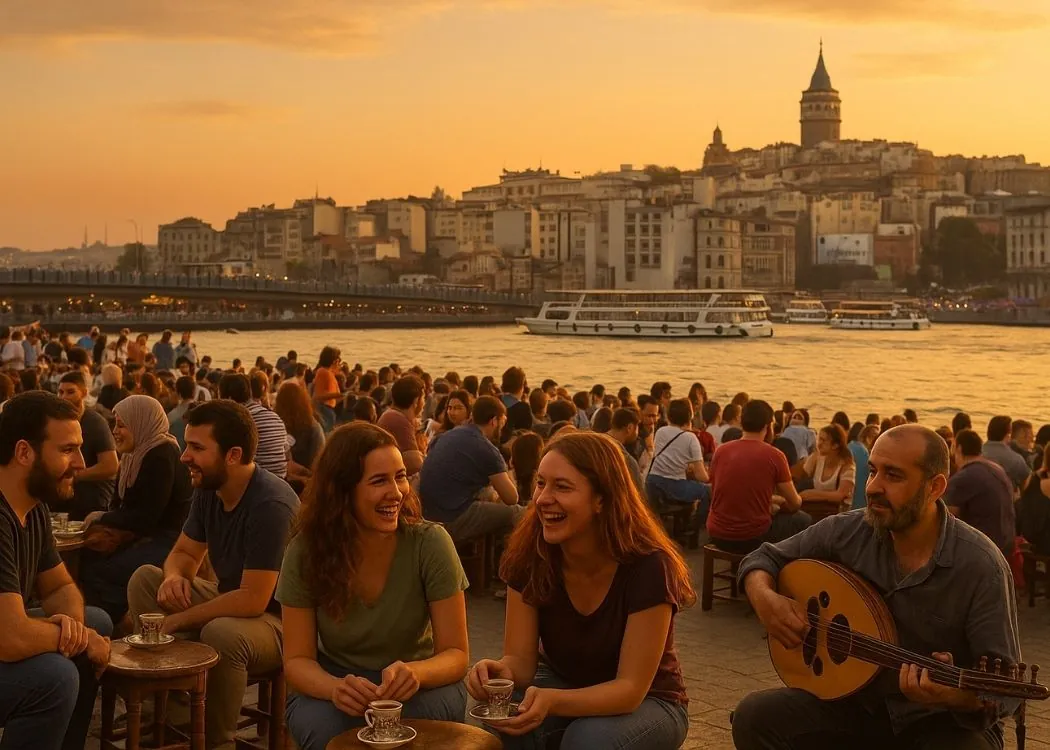
    Istanbul greets you with layers of history, the hum of ferry horns, and the comforting aroma of black tea rising from tulip-shaped glasses. The city lives on both sides of the Bosphorus, blending Europe and Asia the way leaves swirl in a çaydanlık. From sunrise call to prayer to the last tram rattling home, tea links each passing moment. It is poured for commuters on the ferry deck, shared between antique dealers in the Grand Bazaar, and served with simit to students leaning over their textbooks. Wherever you wander, a soft clink of glass tells you hospitality is close by.


    Tea is more than a drink here; it is a gentle invitation to slow down and look around. A shopkeeper will wave you in for “bir çay” as you bargain for spices. Families keep kettles quietly simmering so every guest feels welcome. Even after a single rich cup of Turkish coffee, most locals reach for more tea to balance the day. As you trace your Istanbul journey, along cobbled streets in Sultanahmet, through Beyoğlu’s indie cafes, or beside the shimmering Golden Horn, let each cup remind you that you are sharing a ritual that stitches daily life together across the city and the nation.


    History of Turkish Tea


    Tea first reached Anatolia along the old Silk Road. Merchants carried the leaves west as early as the fifth century, and the Ottoman Empire court treated the drink as a costly luxury imported from China and later Russia. Although Turkish coffee eventually stole the spotlight, tea never disappeared from palace kitchens or caravan caravans.

    turkish_tea_istanbul


    Serious cultivation trials began much later. In 1878 agronomists planted seeds from Japan in Bursa, yet the Marmara climate proved too dry and hot. Researchers turned their eyes to the rain-soaked Black Sea and, in 1918, botanist Ali Rıza Erten sowed experimental plots near Batumi and Rize. His success convinced lawmakers, and Parliament passed Law 407 in 1924 to promote tea agriculture in Rize Province.


    Mustafa Kemal Atatürk, seeking an affordable alternative to scarce post-war coffee, ordered a Central Tea Nursery in Rize the same year. Extension officers distributed seedlings to villagers while experts tinkered with processing methods. Harvests grew quickly: the first large-scale picking came in 1938 and Turkey’s inaugural tea factory opened in Rize in 1947, laying the industrial foundation for today’s giant ÇAYKUR network.


    turkish_tea_istanbul


    By the 1950s a steaming glass of “çay” had become a national habit. State support and Black Sea rainfall turned tea into an everyday staple from village homes to Istanbul’s ferries. Turks now drink more tea than anyone on earth, averaging well over three kilograms per person each year: far outpacing coffee consumption.


    Turkish Tea in Istanbul Life


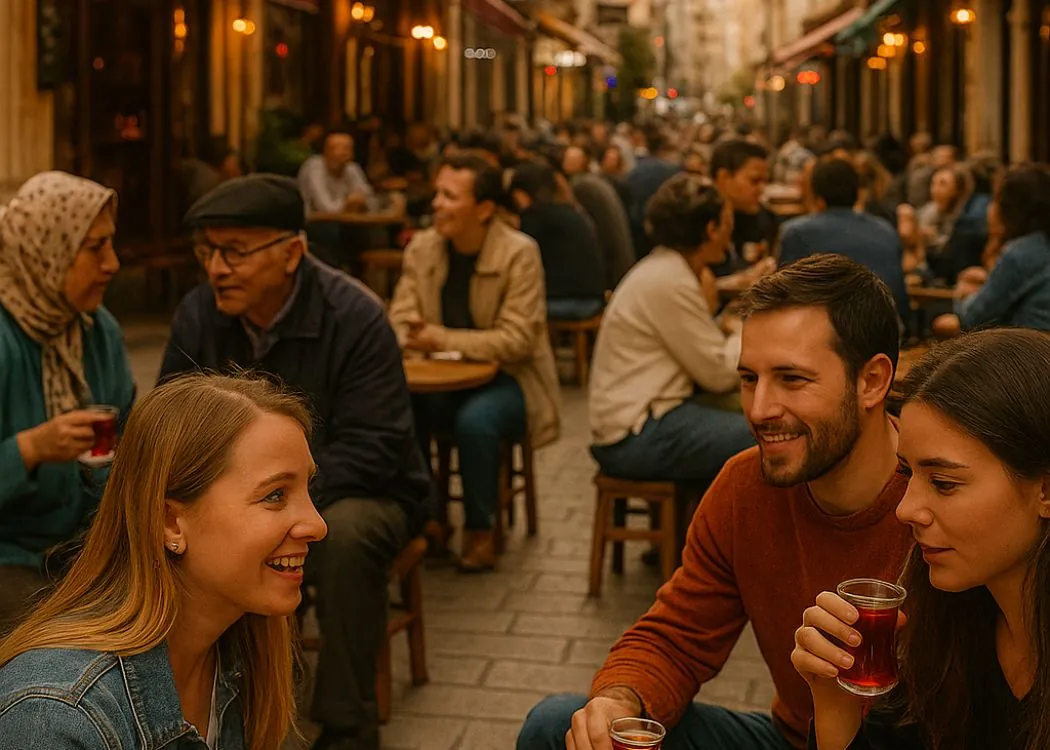
    Istanbul moves to the quiet rhythm of teaspoons tapping thin glass. At first light ferry vendors weave through commuters balancing silver trays of steaming çay. By mid-morning shopkeepers pause to share a quick sip with neighbours, and long after midnight friends linger on Beyoğlu’s sidewalks letting the last glow of the coals keep the brew hot. Turks drink more than three kilograms of tea per person every year, the highest rate on earth, so the drink feels less like a beverage and more like the city’s bloodstream.

    turkish_tea_istanbul


    Everyday stages for a simple ritual.


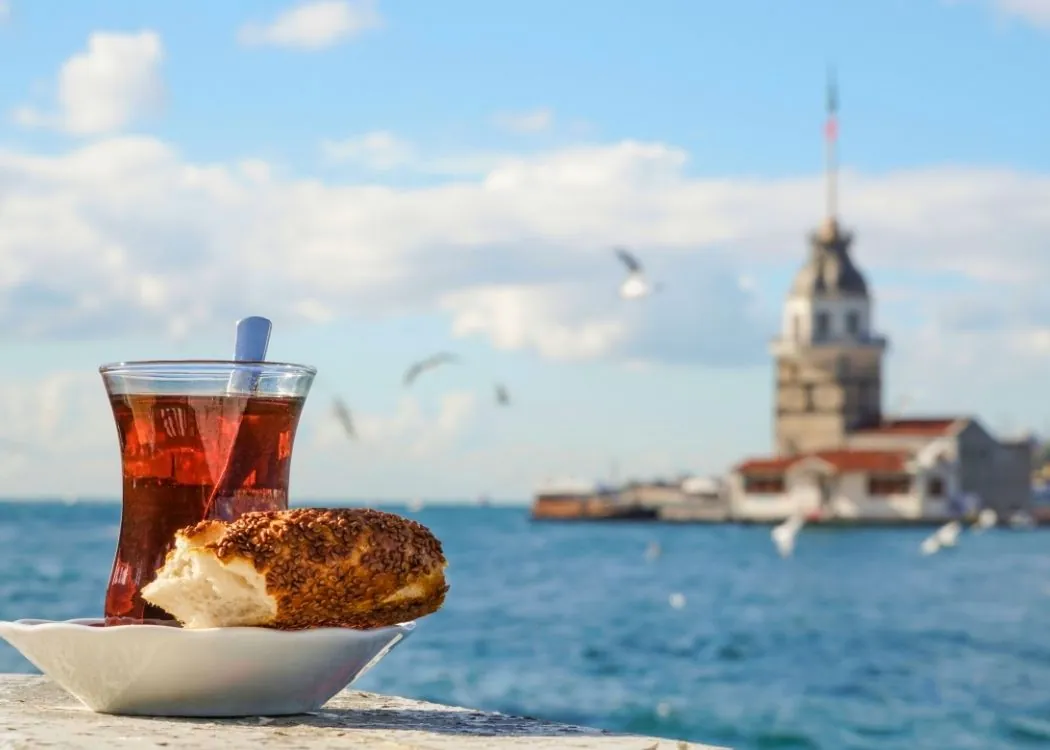
    Ferries and tram stops: Order a glass on the Bosphorus crossing and you will finish it just as the seagulls dive for your wake. Photographs of the tray-carrying çaycı have become icons of the city.


    Grand Bazaar stalls and back-street workshops: Merchants send apprentices racing between alleys with tiny metal teapots; a deal is never final until sugar cubes hit the saucer.


    Office corridors and parliament corridors alike: Law guarantees tea breaks, and a tilted spoon silently tells the server “I am full.”


    Tea gardens that frame the view


    Sipping tea is also about where you sit. Grab a glass at Pierre Loti Hill high above the Golden Horn, at Moda Family Tea Garden with its wide-angle Marmara panorama, or under the plane trees at Çengelköy Tarihi Çınaraltı on the Asian shore. Each spot offers backgammon clicks, salty breezes, and a view that asks you to stay a little longer.

    turkish_tea_istanbul


    The language of hospitality


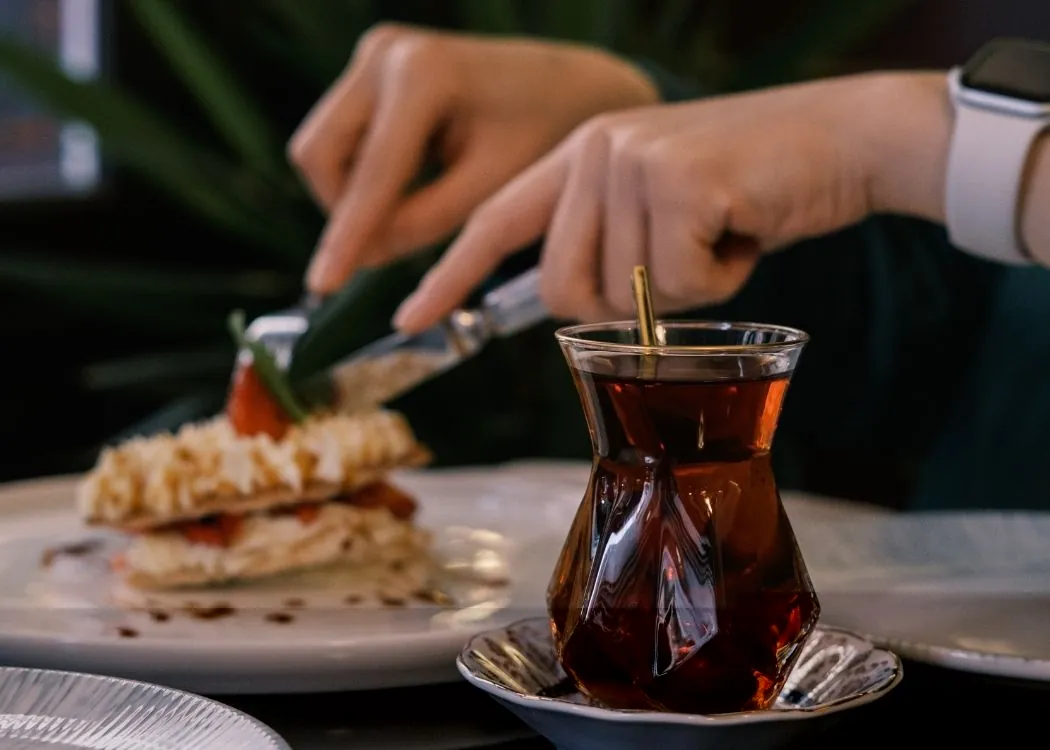
    Brewing happens in a stacked çaydanlık: strong leaves steep on top, clear water boils below, and every guest chooses dark or light. Pouring that first amber stream is an unspoken welcome; refusing can feel like closing a door. Business proposals, family gossip, even parliament debates all pause for fresh tea because conversation tastes better when the glass fogs.


    How to weave tea into your own journey


    • Accept the first offer. Locals measure warmth by whether you say yes.
    • Taste both “demli” (strong) and “açık” (lighter). You will soon know your colour.
    • Watch for the spoon signal. Leave it upright for more, lay it sideways when you are done.
    • Pair tea with a simit on the ferry at sunrise or baklava in a Spice Bazaar alley at dusk.
    • Take home loose Rize leaves; their smoky sweetness will return you to the Bosphorus in a single breath.


    Let every glass be a tiny anchor. It holds you still long enough to notice the gulls, the call to prayer, the laughter that rises from a backgammon board. That pause is the real flavour of Istanbul.


    turkish_tea_istanbul


    Tea Tips for First-Time Visitors


    Feel free to say “no, thank you.” Hosts offer tea out of habit and kindness. A simple “Sağ ol, teşekkürler” with a smile lets them know you are grateful even if you are full.


    Forget the milk. Turkish tea is served red and clear. Adding milk is not part of the custom, and most cafés will not even have it on hand.


    Strong or light; your choice.  Ask for “demli” if you like a deep copper colour and bold flavour, or “açık” for a paler, gentler brew. Pointing to the shade you prefer works too.


    Watch the spoon signal. Leave the tiny spoon standing for another refill. Lay it flat across the rim when you are finished.


    Sugar is optional. Cubes arrive on the saucer. Drop one in or bite it between sips, but never stir so hard that you clink loudly. It is polite to keep the glass quiet.


    Apple tea is for tourists. Locals rarely drink the sweet, powdered apple version. If you want to blend in, stick to classic Black Sea leaves.


    Expect glass, not mugs. Tea comes in small, tulip-shaped glasses that cool quickly. Hold it by the rim so your fingers do not burn.


    Prices stay friendly. A street-vendor glass costs about the same as a tram ticket. Upscale cafés charge more for the view, not for the leaves.


    Refills keep flowing. In homes and tea gardens the kettle never empties. When you are done, remember the spoon rule or simply say “Yeter, teşekkürler” (enough, thank you).


    Souvenirs worth packing. Pick up loose Rize tea and a mini çaydanlık set. Brewing at home will bring Istanbul back with the first fragrant swirl.


    turkish_tea_istanbul


    Discover Istanbul with Istanbul Tourist Pass®


    Savouring tea in Istanbul gets even easier when you have an Istanbul Tourist Pass®. The Pass opens the door to more than a hundred attractions and services, many of them perfect companions to your tea filled journey. Hop between European and Asian shores with free Bosphorus cruises, step into landmark museums with instant QR tickets, and lean on weekday WhatsApp support whenever you need local tips. Every cup you lift feels richer when the logistics are handled.


    One of the sweetest perks for tea lovers is the Le Vapeur Magique Morning Turkish Breakfast Cruise. Board the fully restored historic ferry at Karaköy Pier and glide along the Bosphorus for two and a half unhurried hours. A set Antioch style breakfast lands on your table, live music floats through the deck, and a guide points out palaces and fortresses as you pass. Unlimited Turkish tea keeps the glasses steaming while drone selfies add playful memories. The cruise sails at 9 AM and it is included in the pass, so you only need to reserve your table, show your digital ticket and find your table with a view.


    turkish_tea_istanbul


    The pass also covers experiences that pair beautifully with tea time:


    With Istanbul Tourist Pass® you spend less time queuing and more time clinking spoons. It turns every tea stop into part of a seamless city adventure and keeps your budget as calm as the Bosphorus at dawn. Buy now!

  • Galata: Bridging Cultures and Centuries

    In the heart of Istanbul, just across the shimmering waters of the Golden Horn, lies a district that captures the very essence of the city’s complex identity—Galata. With its sloping cobblestone streets, European architecture, and the ever-watchful eye of the Galata Tower looming above, this historic neighborhood has stood as a silent witness to the sweeping changes Istanbul has undergone for centuries.


    Galata is more than a charming district—it is a bridge between empires, religions, and peoples. It’s where East met West, where trade met art, and where cultures not only collided but blended into something entirely unique. For travelers seeking to understand the depth of Istanbul’s soul, Galata is not to be missed.


    A History Etched in Stone


    Galata’s story begins long before Istanbul was Istanbul. During the Byzantine era, this area was known as “Sykai” and served as a small fishing village outside the city walls. Its strategic position across the Golden Horn made it valuable to whoever held power. But Galata truly rose to prominence in the 13th century when it became a Genoese colony.


    The Genoese fortified the district and built many of the architectural landmarks that still stand today, including the Galata Tower, which was constructed in 1348 and originally known as the "Tower of Christ." From this time on, Galata became a cosmopolitan haven, home to Europeans, Levantines, Armenians, Greeks, Jews, and Turks. Each group left a mark, not only on the architecture and cuisine but also on the cultural fabric of the city.


    The Iconic Galata Tower


    Standing tall at 67 meters (220 feet), the Galata Tower is the crown jewel of the neighborhood and one of Istanbul’s most recognizable landmarks. For centuries, it served various purposes—watchtower, prison, observatory, and now, a panoramic viewpoint.


    Climbing the tower gives visitors a breathtaking 360-degree view of the city. From the domes of Sultanahmet to the Bosphorus Bridge and beyond, you can see just how Istanbul spans continents, cultures, and centuries.


    The tower is especially magical at sunset, when the golden light bathes the city’s minarets and rooftops, and the muezzins' call to prayer mingles with the sounds of seagulls. It’s a moment that transcends time.


    A Stroll Through Diversity


    Walking the streets of Galata is like leafing through a living history book. Serdar-ı Ekrem Street, once the domain of Italian merchants, is now a hip avenue filled with designer boutiques, art galleries, and indie cafes. Look up, and you’ll see the preserved façades of Neo-Classical buildings, with ornate balconies and faded frescoes.


    Nearby, you’ll find the Crimean Memorial Church, an Anglican church built in the 19th century for British soldiers, and the Neve Shalom Synagogue, a reminder of the district’s once-thriving Jewish population.


    The blending of Christian churches, synagogues, and mosques within a few blocks is a powerful testament to the coexistence that once defined Galata—and continues to do so in new ways today.


    Galata’s Musical Soul


    Galata has long been associated with the arts, and nowhere is this more evident than in its connection to music. The area’s alleyways are often filled with the sounds of live jazz, Turkish classical music, or the haunting notes of the ney flute drifting from Sufi lodges.


    One of the most spiritual experiences a visitor can have is attending a Whirling Dervishes ceremony in the area. The Mevlevi Order, founded by the followers of the mystic poet Rumi, has deep roots in Galata. The graceful whirling, accompanied by rhythmic chanting and music, offers insight into a mystical side of Turkish culture.


    Cafes, Cuisine, and Creativity


    Whether you're looking for an authentic Turkish breakfast, a third-wave coffee spot, or a rooftop bar with a view, Galata delivers. Start your morning with menemen (scrambled eggs with tomatoes and peppers) at a family-run eatery, then sip espresso in a stylish cafe housed in a repurposed 19th-century building.


    Don’t forget to stop at the Galata Mevlevihanesi Museum, once a dervish lodge and now a museum dedicated to Sufism and Ottoman culture. The museum offers both historical insight and a serene garden for quiet reflection amidst the bustle of the city.


    Explore Galata Seamlessly with Istanbul Tourist Pass®


    Galata’s rich cultural tapestry is best experienced unhurried, without the stress of navigating lines, buying individual tickets, or planning last-minute transportation. That’s why the Istanbul Tourist Pass® is the ideal companion for your journey through Istanbul’s storied streets.


    With the Istanbul Tourist Pass®, you gain fast-track access to top attractions including the Galata Tower, Topkapi Palace, Hagia Sophia, and Basilica Cistern—plus unforgettable experiences like Bosphorus dinner cruises, airport shuttle service, and daily tours to beautiful spots like Sapanca Lake.


    Your digital pass gives you the flexibility to choose from 1 to 5 days of access—letting you explore Istanbul at your own pace, and ensuring you never miss a moment of the magic in Galata or beyond.


    Don’t Just Visit Galata—Live It


    Let the past and present meet under your footsteps in Galata. Wander its hidden alleys, climb its ancient tower, and let your senses guide you through centuries of art, faith, and flavor.


    1. Buy your Istanbul Tourist Pass® today.

    2. Download the app, unlock over 100 experiences, and walk through history without the hassle.


    Because in a city where every street tells a story, the best ones are the ones you experience for yourself.
  • Istanbul Jazz Festival 2025 Guide: 1-17 July Across the City

    Istanbul never sits still. Ferries glide along the Bosphorus, street musicians brighten quiet lanes, and cafés buzz well past midnight. Music lives in every corner of the city.


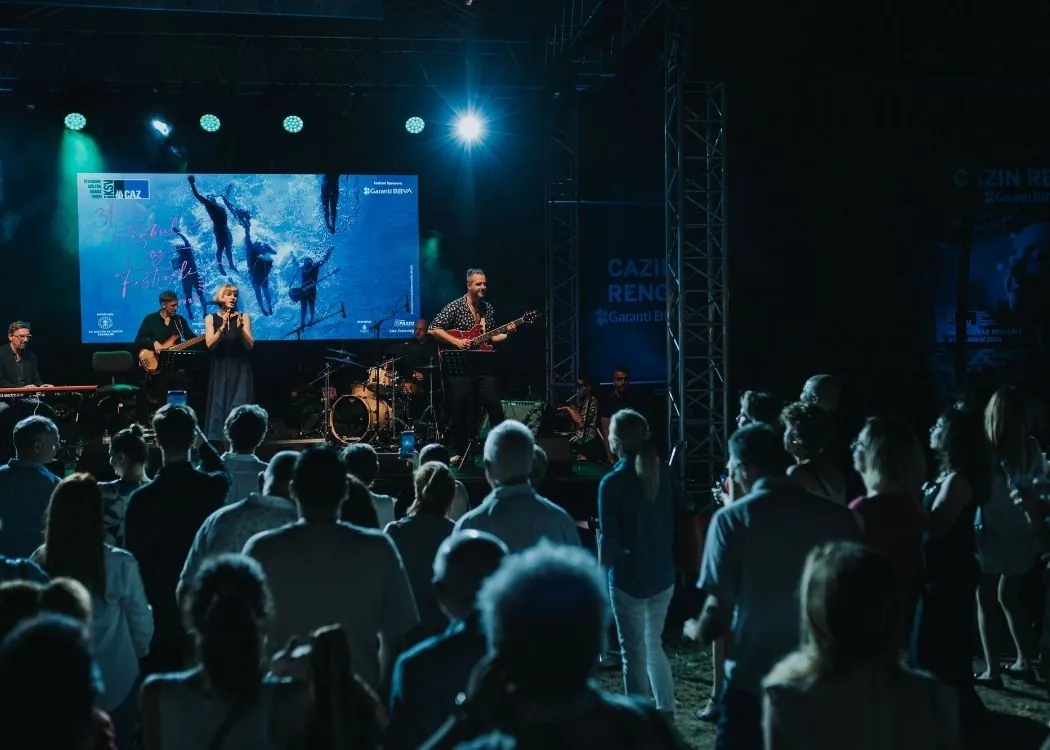
    From 1 to 17 July 2025 the Istanbul Jazz Festival turns that daily rhythm into a full celebration. The thirty-second edition brings almost forty concerts to parks, historic halls, and even the Bosphorus itself. The programme is curated by the Istanbul Foundation for Culture and Arts and backed by Garanti BBVA. Grammy-winning piano legend Chucho Valdés opens the season, followed by Latin-guitar duo Hermanos Gutiérrez, contemporary composer Max Richter, and more than two hundred artists from Turkey and abroad. The whole city becomes a stage, so tickets move fast.


    Inside Istanbul Jazz Festival: Roots, Icons, and Citywide Impact


    Istanbul Jazz Festival is more than a concert series. It is a living tradition that fills parks, ferry decks, and historic halls with music every July. Below you can trace how it began, who has played, and why the event still shapes the city’s cultural life.


    istanbul_jazz_festival


    How It Started


    The story began on 8 July 1984 when Chick Corea and Steve Kujala gave a surprise jazz set during the Istanbul Music Festival. The energy that night proved jazz belonged in the city. By 1986 jazz acts were part of the programme, and in 1994 the Istanbul Foundation for Culture and Arts created a stand-alone festival dedicated to the genre. It has run every summer since, backed by main sponsor Garanti BBVA Bank.


    Artists Who Have Lit Up the Stages


    Over three decades the festival has welcomed legends such as Miles Davis, Dizzy Gillespie, Herbie Hancock, and Wynton Marsalis. Icons from other styles also appear, including Björk, Nick Cave, and Sting, showing how open the programme is. The 2025 bill keeps that spirit. Afro-Cuban piano master Chucho Valdés opens the season, followed by Hermanos Gutiérrez, Max Richter, Jazzmeia Horn, and top names from Turkey like Kerem Görsev Quintet. In total more than two hundred musicians will perform across forty concerts.


    istanbul_jazz_festival


    Why the Festival Matters


    Every year the Festival turns Istanbul into a meeting point for global jazz musicians and jazz lovers.. It draws fans from Europe, the Middle East, and beyond, boosting summer tourism and press coverage. Local players share stages with world stars, which helps the next generation of Turkish jazz artists find larger audiences. The festival is also a founding member of the International Jazz Festivals Organization, showing its leadership role in the global scene.


    A Festival That Moves With the City


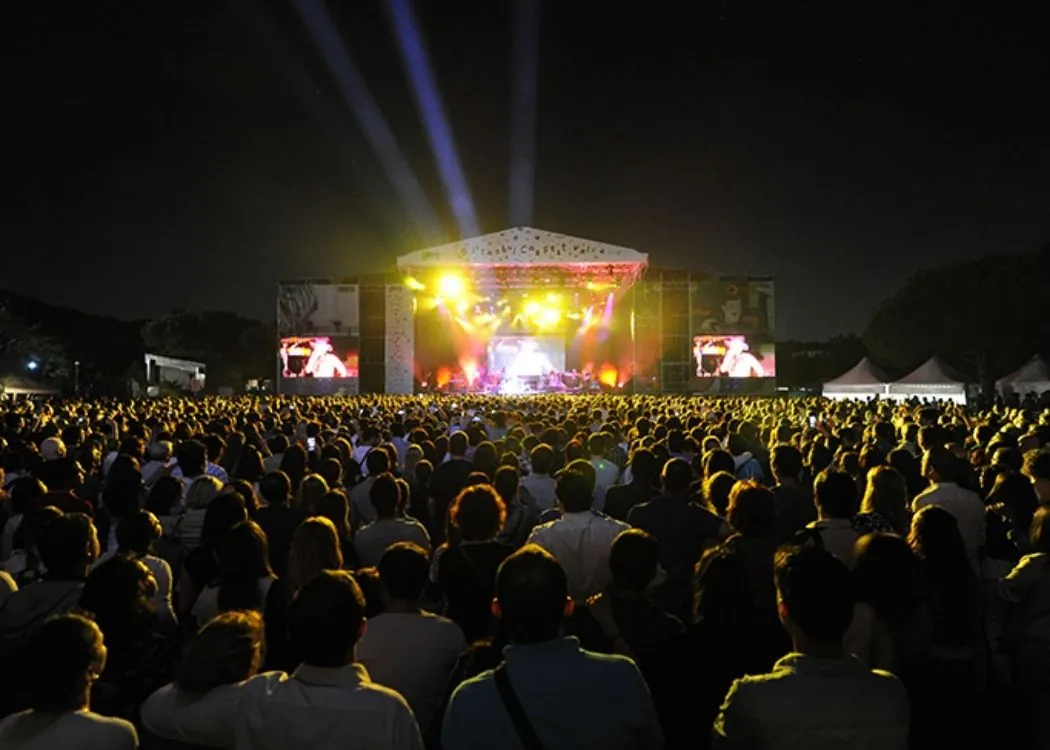
    Concerts happen in leafy parks, ancient courtyards, and on the Bosphorus itself. Ticketed shows mix with free street gigs, so everyone can join. Workshops, film nights, and late boat sessions round out the schedule, making the fifteen-day run feel like a citywide celebration of sound. Together these elements make the Istanbul Jazz Festival a highlight of the city’s cultural calendar and a must-experience event each July.


    Istanbul Jazz Festival 2025 at a Glance


    The thirty-second edition fills the city with jazz from 1 to 17 July 2025. Nearly every night brings a different stage, from historic theatres to park lawns and even a Bosphorus ferry. More than two hundred artists will perform, so the programme feels like a musical treasure hunt across Istanbul.


    istanbul_jazz_festival


    Key Dates and Venues


    Opening night, 1 July – Chucho Valdés Royal Quartet at Harbiye Cemil Topuzlu Open-Air Theatre, 21:30.


    2 July – Hermanos Gutiérrez bring desert-tinted guitar lines to the same open-air stage.


    3 July – Composer-pianist Max Richter appears for his long-awaited Istanbul debut.


    Concerts then spread to Galata Mevlevihanesi, Sultan Park, Beykoz Kundura, a jazz boat on the Bosphorus, and leafy neighbourhood parks, each chosen for its unique mood.


    Star Performers


    Alongside the first three headliners, the bill features Grammy-winner Meshell Ndegeocello, rising vocal star Jazzmeia Horn, French pianist Grégory Privat with Turkish trumpeter Tolga Bilgin, Latin–pop storyteller Chiara Civello, and home-grown talents such as Kerem Görsev Quintet and Meltem Ege.


    istanbul_jazz_festival


    Special Series and Free Events


        Jazz in the Parks offers afternoon sets on local lawns with no ticket required.


        Night Out in Kadıköy turns bars, record shops, and rooftops into one big walk-able club night.


        Jazz Boat sails at sunset with live bands and Istanbul’s skyline as the backdrop.


    These extras make the festival feel like a citywide block party rather than a traditional concert run.


    Tickets and Tips


    Buy tickets early through the İKSV website or partner outlets; popular shows sell out fast. Consider a multi-concert pass if you plan to attend three or more nights. Most central venues are near metro or ferry stops, so an Istanbul City Card keeps travel simple. Arrive at least thirty minutes before showtime to enjoy pre-concert talks and to explore the venue.


    Istanbul Jazz Festival 2025 brings legends, fresh voices, and the spirit of Istanbul summer to every corner of the city. Mark the dates, pick your favorites, and let the music guide your Istanbul nights.


    Discover Istanbul Between the Gigs with Istanbul Tourist Pass®


    Jazz nights finish late but Istanbul’s energy starts early. The Istanbul Tourist Pass® gives you instant tickets, guided audio tours, and handy services so you can explore the city all day and still make it to sound-check on time.


    Why It Works for Festival-Goers


    Skip the queues. Walk straight into landmarks like Hagia Sophia, Galata Tower, and Dolmabahce Palace with digital tickets on your phone. That leaves more daylight for rehearsals, record digs, or café sessions.


    istanbul_jazz_festival


    One pass, 100+ attractions. Museums, Bosphorus cruises, rooftop photo shoots, and family fun parks are all covered or discounted. Pick what suits your mood between concerts.


    Easy transport. Add an unlimited public-transport card at a reduced price and glide from Harbiye Open-Air Theatre to Kadıköy club nights without worrying about top-ups.


    Day Plans Around Key Venues


        Harbiye & Nişantaşı – Spend the afternoon at Istanbul Military Museum or stroll through Maçka Park, then head up the hill for Chucho Valdés at 21:30.


        Galata & Karaköy – Ride the historic Tunnel, climb Galata Tower with the audio guide, and grab a Bosphorus sunset cruise before evening sets at nearby clubs.


        Beykoz Kundura – Arrive early by ferry, explore the old shoe factory film sets on a guided tour, and catch a riverside dinner with your pass discount.


    istanbul_jazz_festival


    Bonus Perks for Music Lovers


        Free Bosphorus cruise options make a perfect rest day when your ears need a break.


        Airport shuttle or discounted private transfer gets you to the city fast and saves cab money for vinyl shopping.


        WhatsApp support in English gives quick answers when you need venue directions or may help with attraction reservations.


    How to Get the Pass


    Choose one to seven day options online, download the app, and scan your QR code at each sight. The countdown starts the first time you use it, so you can buy now and activate when you land for the festival.


    With Istanbul Tourist Pass® on your smartphone, the hours between jazz sets turn into a personal city tour. See more, spend less, and let the music guide the rest.

  • Fener Istanbul: Orthodox Heritage, Colorful Streets & Local Charm

    Istanbul is a city of dazzling contrasts. Palaces shimmer beside Ottoman mosques, Byzantine churches hide in winding lanes, and every ferry ride brings a different skyline. From the Bosphorus to the Golden Horn, each waterfront tells its own story. Nowhere does that story feel more alive than on the northern curve of the Historical Peninsula, where the inlet’s calm waters mirror centuries of faith, trade and quiet resilience.


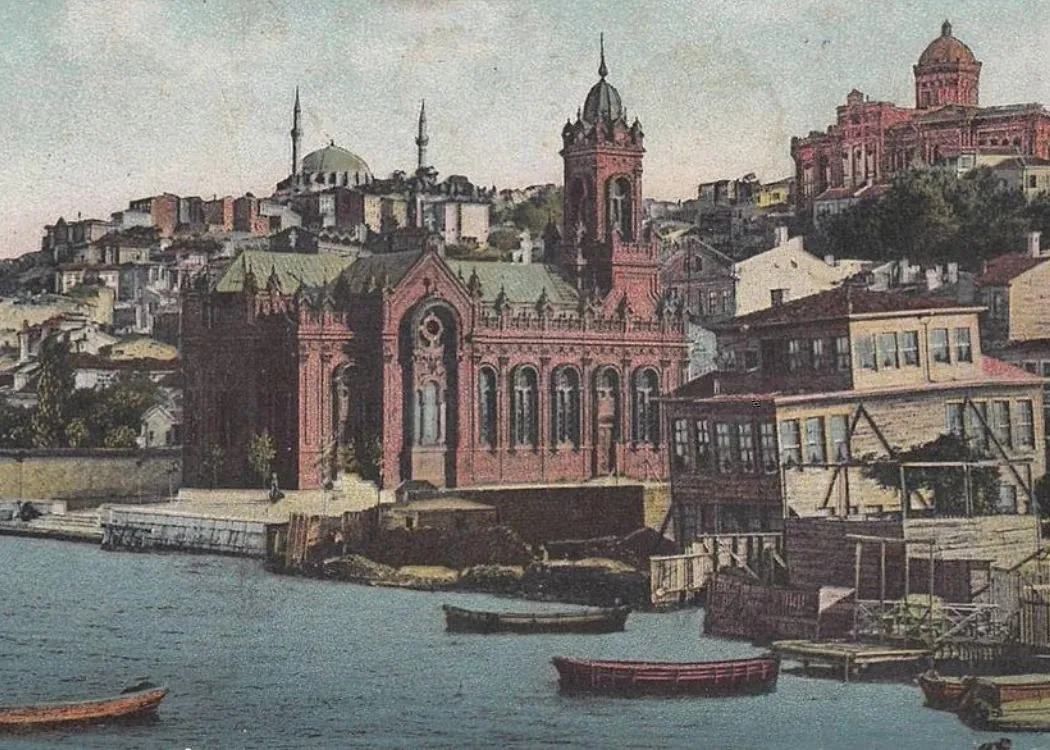
    Welcome to Fener. Tucked between Cibali and Balat, this hillside quarter was the heart of Istanbul’s Greek Orthodox world for more than five hundred years. Cobbled streets lead you past the red-brick Phanar Greek Orthodox College, the still-active Patriarchal Church of St George and rows of timber houses painted in happy pastels. Recent EU-backed restorations have protected over two hundred historic homes, letting cafés, art studios and guesthouses bloom without erasing local life.


    Stay a while, listen for church bells mingling with the call to prayer, and you will feel why Fener is a gem worth discovering on its own. 


    Fener’s Own Story: A Hidden Quarter on the Golden Horn


    Many visitors link Fener with its colorful neighbor Balat, yet this hillside quarter has a character all its own. Walk a few minutes north and the mood shifts. Bright wooden houses still lean over cobblestones, but the air feels quieter, the street rhythm slower, and the Orthodox legacy deeper. Think of Fener as the calmer sibling who guards centuries of stories while Balat chats away next door.


    fener_istanbul_discover_orthodox_church


    Location & Setting


    Fener hugs the southern bank of the Golden Horn between Cibali and Balat. Steep lanes climb toward Fatih, and every turn offers fresh angles of minarets, chimneys, and water glinting below. The map makes the district look small, but its maze of courtyards and shortcuts can fill an afternoon.


    Historical Roots


    For five centuries Fener was the heart of Istanbul’s Greek community. Merchants, scholars, and ship captains built handsome mansions near the shore and timber row houses up the hill. Even after many families moved away in the twentieth century, Greek letterboxes and street names keep their memory alive.


    Architectural Soul


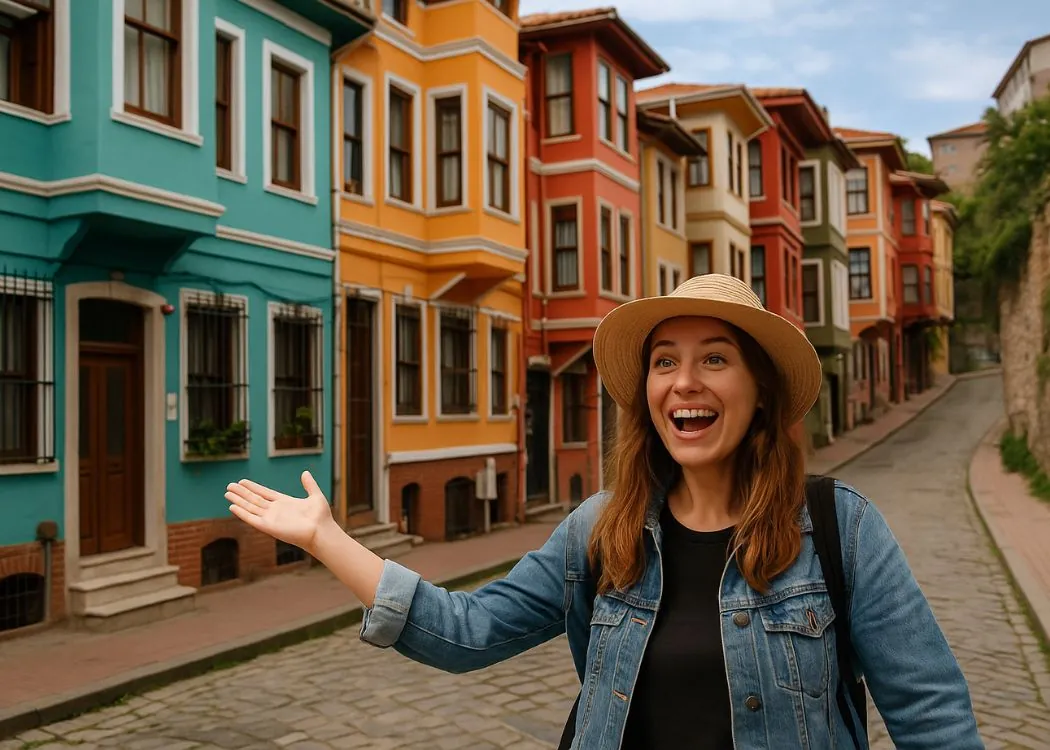
    Timber façades wear pistachio, rose, and mustard paint. Bay windows lean over narrow cobblestones, while iron balconies drip with geraniums. A few grander brick houses once belonged to Phanariote elites who served the Ottoman court. Restoration projects respect the quirks: crooked shutters stay crooked, and the scent of old pine lingers in stairwells.


    istanbul_fener_discover_cats_orthodox_church


    Community & Daily Life


    Mornings start slow. Cats of Istanbul stretch on sun-warmed steps, and bakers hang fresh simit on hooks outside. By midday children spill from school gates, students sketch façades, and neighbors share tea on stoops. Evenings bring soft light for photographers and long talks for families who pull chairs onto the street.


    Access & Transport


    Reach Fener by T5 tram from Eminönü, a Golden Horn ferry that stops at the tiny pier, or coastal buses that glide up from Galata Bridge. Once you arrive, forget wheels. The district’s charm hides in alleys and stairways too narrow for cars, so comfortable shoes are the best ticket to explore.


    Ecumenical Patriarchate of Constantinople: The Beating Heart of World Orthodoxy


    Few corners of Istanbul carry as much spiritual weight as the walled compound on Dr Sadık Ahmet Street. Here the Ecumenical Patriarch, first among equals for roughly three hundred million Orthodox believers, still presides in the modest basilica of St George. Visitors step through quiet courtyards where Byzantine incense mingles with the smell of beeswax candles and remember that this quarter once spoke Greek more often than Turkish.


    fener_istanbul_discover_orthodox_church


    From Imperial Capital to Fener


    After the Ottoman conquest of 1453 the Patriarchate moved several times before settling in Fener in 1602. Fires damaged the complex in 1720 and 1941, yet each rebuilding kept the three-aisled plan of the church. Look for the Middle Gate in the outer wall. It has been sealed since 1821 when Patriarch Gregory V was executed there during the Greek War of Independence. 


    Why It Matters Today


    The Ecumenical Patriarchate works for unity among the worldwide Orthodox churches and sponsors dialogue with Catholics, Anglicans, and other faiths. Patriarch Bartholomew I, elected in 1991, also speaks out on environmental issues and religious freedom. On major feast days such as Orthodox Easter and Christmas, pilgrims from Greece, the Balkans, and the Middle East crowd the compound for all-night services. 


    What You Will See


    Patriarchal Church of St George


    Marble columns, a gilded iconostasis, and reliquaries holding fragments of the True Cross and relics of three early patriarchs await inside. Lighting is low to protect the icons so allow your eyes a moment to adjust.


    fener_istanbul_discover_orthodox_church


    Patriarchal Library


    A small brick building across the garden shelters rare Byzantine manuscripts. Access requires prior permission but you can admire the exterior from the path.


    Sealed Middle Gate


    The iron-bound gate on the south wall remains closed as a memorial to 1821. Visitors pause here for reflection before entering the main courtyard.


    Planning Your Visit


    Opening hours: 8.00 AM–4.30 PM daily, though liturgies can close the church to tourists for short periods. Arrive early to avoid waiting. 


    Admission: Free, donations welcome. Modest dress is expected. Shoulders and knees covered, hats removed inside.


    Getting there: Ride the T5 tram from Eminönü to Fener stop in ten minutes, or hop on a Golden Horn ferry from Üsküdar or Karaköy straight to the pier beside the compound. The walk uphill takes five minutes.


    Security: All bags pass through an X-ray scanner at the gate. Photography is allowed without flash unless a service is in progress.


    fener_istanbul_discover_orthodox_church


    Traditions to Witness


    On 6 January, the Feast of Epiphany, the Patriarch tosses a wooden cross into the Golden Horn and swimmers race to retrieve it. Crowds line the waterfront well before noon so claim a spot early if you wish to watch this unique ceremony.


    Standing in the cool hush of St George you feel both the humility and the endurance of the Orthodox world. The icons glow softly, the relic cases gleam, and history breathes in candlelight. When you step back into the sunlight of Fener the church bells may still echo in your ears.


    Fener-Balat UNESCO Rehabilitation Project


    The Golden Horn’s wooden row houses once leaned at dangerous angles. Roofs sagged and narrow streets lacked basic services. In 1985 UNESCO placed the Historic Areas of Istanbul—including Fener and Balat—on its World Heritage List and urged action to protect this living museum of Ottoman-Greek life.


    fener_istanbul_discover_orthodox_church


    A World Heritage Commitment


    After the Habitat II conference in 1996 UNESCO and the European Union prepared a feasibility study for a large-scale rescue plan. The result was a 7 million-euro grant agreement signed in 2000 between the EU, Fatih Municipality and the Turkish Treasury to finance a pilot “Rehabilitation of Fener-Balat Districts Programme.”


    Inside the 2003-2007 Programme


    Work ran from January 2003 to June 2007. Teams documented every façade, offered micro-loans and construction advice through the Fatih Heritage House, and partnered with local craftsmen instead of outside contractors. About two hundred houses, roughly one-seventh of the stock,received new roofs, timber repairs and fresh colours. The project also revived Balat Çarşı, created a social centre and improved waste management.


    Early Results and Ongoing Lessons


    Restored streets drew cafés, guesthouses and walking tours, proving heritage can fuel economic life without evicting long-time residents. A five-year ban on selling renovated buildings helped curb runaway gentrification in the first phase, though property prices eventually rose and pressure returned. Academics still cite Fener-Balat as a model for participatory urban conservation that balances bricks, livelihoods and identity.


    fener_istanbul_discover_orthodox_church


    UNESCO’s Continuing Role


    When the EU project ended, UNESCO used the momentum to expand technical support across the peninsula, advising on Zeyrek, Süleymaniye and Yenikapı and training municipal staff in timber-house conservation. The Heritage House in Balat remains a hub where owners can seek permits and expert guidance before picking up a paintbrush.

    UNESCO World Heritage Centre


    Today, as you wander Fener’s pistachio and rose-coloured lanes, look for discreet plaques that mark homes restored during the programme. They are quiet reminders that saving a neighbourhood is possible when culture, community and clever funding meet.


    What to Do in Fener


    Fener invites you to slow down and let curiosity lead the way. The district is best explored on foot, where each steep lane reveals playful colors, hidden courtyards, and centuries-old whispers of Orthodox life. Below are a handful of experiences that capture its spirit; mix and match them, follow the sound of church bells or the aroma of fresh simit, and let the quarter tell you its own story.


    fener_istanbul_discover_orthodox_church


    Lose Yourself in the Colorful Lanes


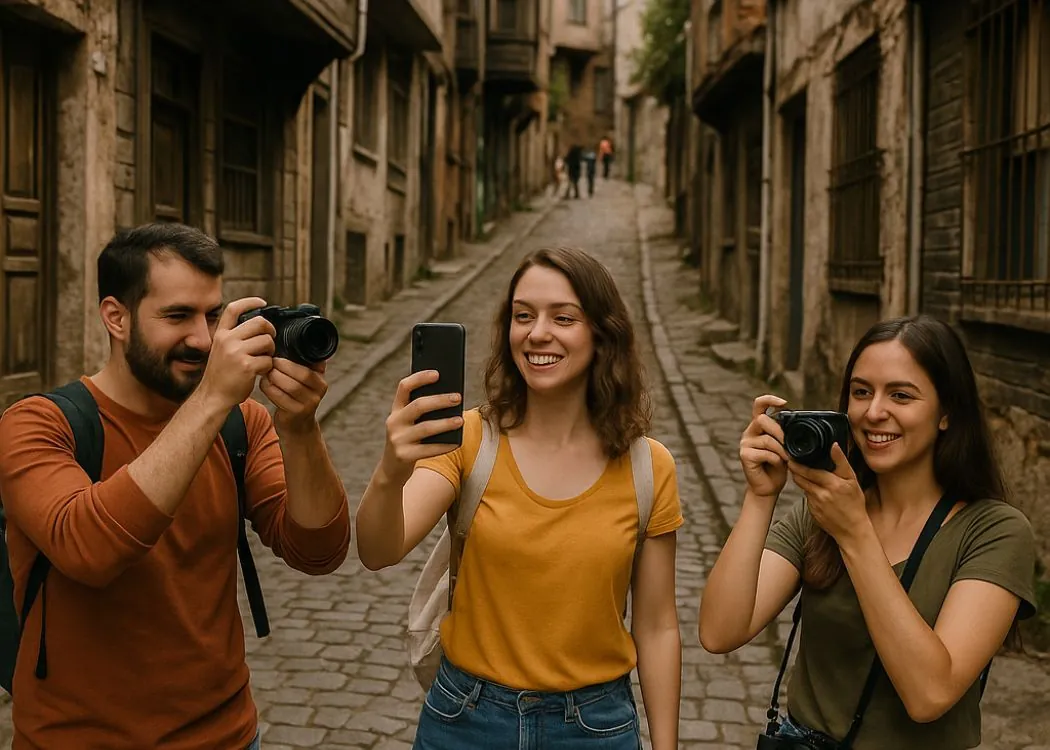
    Start on Merdivenli Yokuş, Kiremit Caddesi or Sancaktar Yokuş. Wooden houses in pistachio green, rose pink and sunflower yellow lean over cobblestones while locals chat on stoops. Photographers love the early-afternoon light here, so bring a camera and wander without a map.  


    Gaze Up at the “Red School”


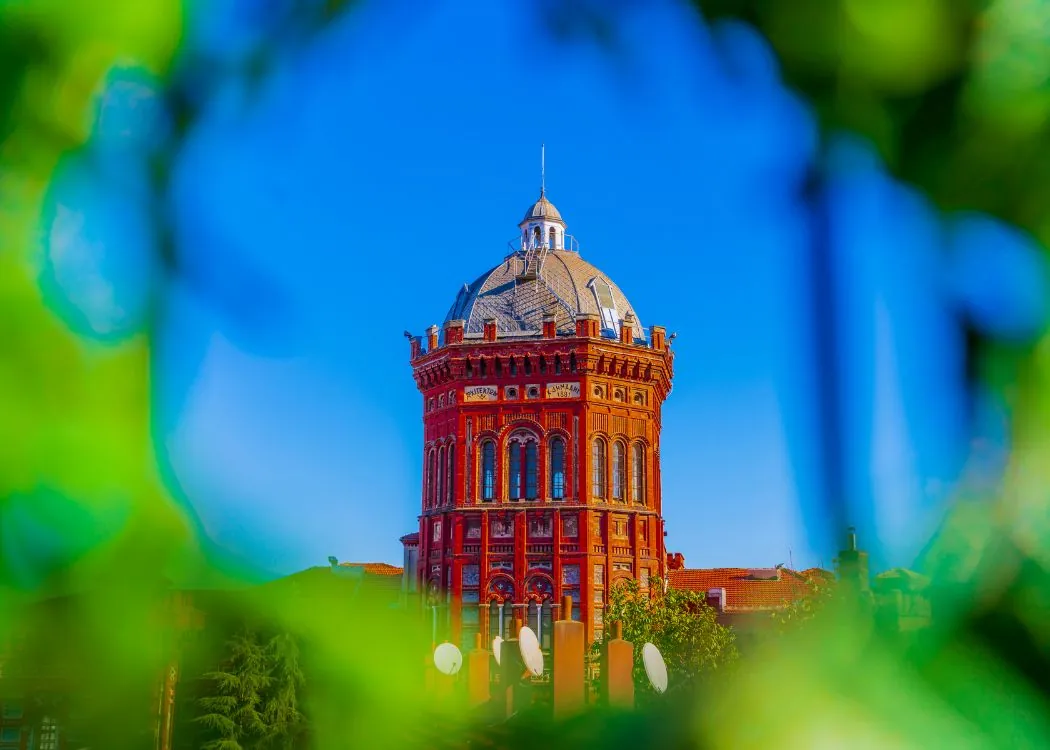
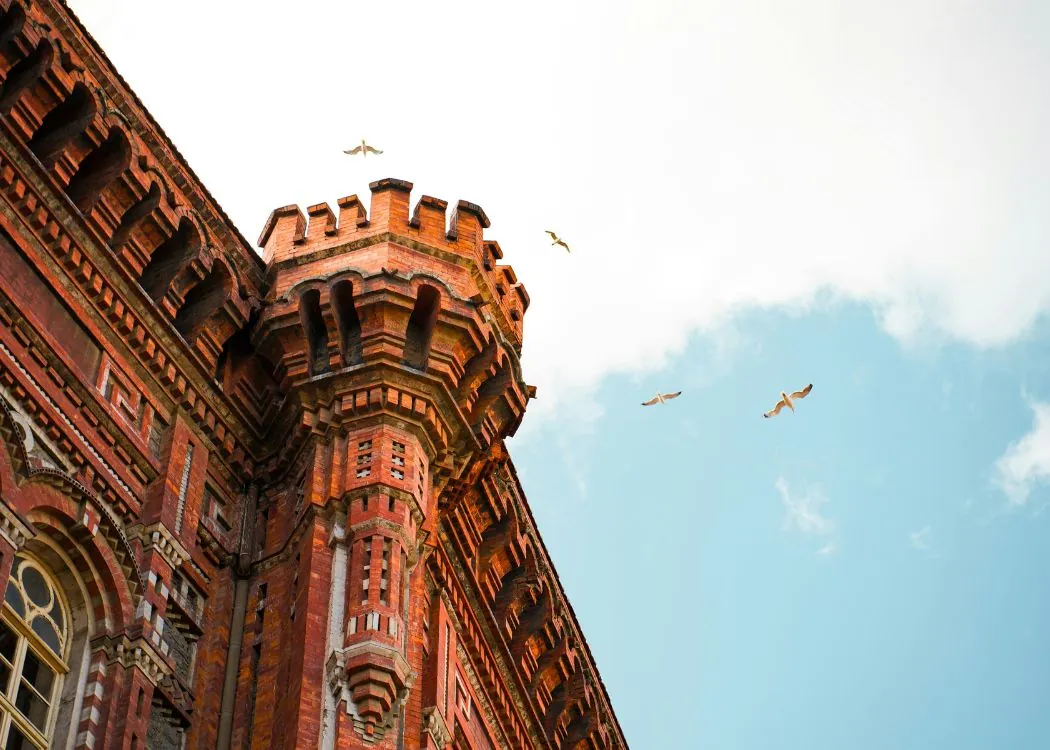
    The Phanar Greek Orthodox College, nicknamed the Red School for its towering crimson bricks, dominates the skyline. The building still functions as a secondary school, so the gates stay closed except for occasional open days and charity bazaars. Even from the street the Neo-Byzantine details are striking, and sunset turns the façade to burnished copper.  


    Step Inside the Church of St Mary of the Mongols


    Walk uphill five minutes to this church, the only one in Istanbul never converted into a mosque. It opens daily 9 00 AM – 5 00 PM; ring the bell if the door is shut. Inside, late-Byzantine icons glow beneath a timber roof saved by a 15th-century ferman from Sultan Mehmet II. 


    istanbul_fener_discover_cats_orthodox_church


    Trace the Old Sea Walls and Ayakapı Gate


    Follow the waterfront toward Balat to find battered stretches of the Byzantine sea walls. The Ayakapı gate—credited to architect Mimar Sinan—still pierces the masonry. Pause here to imagine galleys anchoring in the Golden Horn below.


    Pause for Coffee with a View


    Settle on a balcony at Fanaraki Café for a panorama of the Red School, or duck into Pop’s Balat for retro furniture and slow-drip brews. Many cafés double as art studios or co-working spaces, perfect for a longer break. 


    istanbul_fener_discover_cats_orthodox_church


    Take the Golden Horn Ferry at Dusk


    End your visit on the water. Board the hourly Şehir Hatları ferry at tiny Fener pier and glide to Karaköy or Eyüp as the evening call to prayer echoes across both shores. From the deck you catch the best full-length view of Fener’s hillside skyline.


    Spend a few unhurried hours and you will see why Fener rewards curious footsteps more than checklists: every corner holds a faded monogram, a shy street cat or the scent of fresh simit.


    Discover Fener at Your Own Pace with Istanbul Tourist Pass®


    Istanbul Tourist Pass® turns the whole city into an open-air museum you can explore on your own schedule. In Fener and neighboring Balat, the Pass unlocks a detailed audio guide that walks you street by street through wooden mansions, hidden churches, and lively back-alley cafés. Just press play in the app, pop in your earphones, and follow the storyteller’s hints, you decide when to linger for photos or pause for a simit break.


    fener_istanbul_discover_orthodox_church


    Why Use the Pass Here?


        Freedom to Roam: No fixed tour times. Start the audio guide whenever the Golden Horn light feels just right.


        Local Stories in Your Pocket: Hear legends of Phanariote merchants, the tale behind the sealed Middle Gate, and tips on the best viewpoints for the Red School.


        Seamless Old-Town Sightseeing: After Fener, the same Pass covers Topkapi Palace hosted entry, Hagia Sophia and Basilica Cistern audio guides, the Grand Bazaar walking route, and more: over 100 attractions and services across the Historic Peninsula.


    Quick How-To


        Buy Istanbul Tourist Pass® online in minutes.


        Download the free app and log in.


        Find “Fener and Balat Walking Tour with Audio Guide” under Audio Guides.


        Head to Fener tram stop, press play, and follow the map.


    istanbul_fener_discover_cats_orthodox_church


    Extra Perks Nearby


    Your Pass also grants skip-the-line or discounted access to:


        Galata Tower FREE Online Entry Ticket with an Audio Guide


        Museum of Turkish and Islamic Arts Ticket also with a great Audio Guide


        Whirling Dervish show at Hodjapasha with a great discount


        Unlimited Public Transportation Card delivered to your hotel with a discount!


        Free WhatsApp concierge for on-the-spot help on business hours


    With Istanbul Tourist Pass® you can greet Fener on your own terms, then dive straight into the rest of Old Istanbul with the same digital pass. One purchase, countless stories waiting around every corner.

  • Cultural Keepsakes: Souvenirs from Istanbul

    Walking through the vibrant streets of Istanbul is like stepping into a living museum—one filled with colors, sounds, scents, and textures that are uniquely Turkish. From the mesmerizing call to prayer echoing through ancient mosques to the scent of roasting chestnuts on cobblestone corners, Istanbul is a city that imprints itself on every traveler’s heart. And what better way to carry a piece of this unforgettable experience home than through thoughtfully chosen souvenirs?


    Souvenirs are more than just trinkets; they are cultural keepsakes, tangible memories that tell stories of the places we've been and the people we've met. In Istanbul, the options are as diverse and rich as the city’s history itself. Whether you're looking for handcrafted art, aromatic spices, or traditional textiles, this guide will help you discover the most meaningful souvenirs to bring back from the heart of Turkey.


    1. Turkish Ceramics: Art You Can Hold


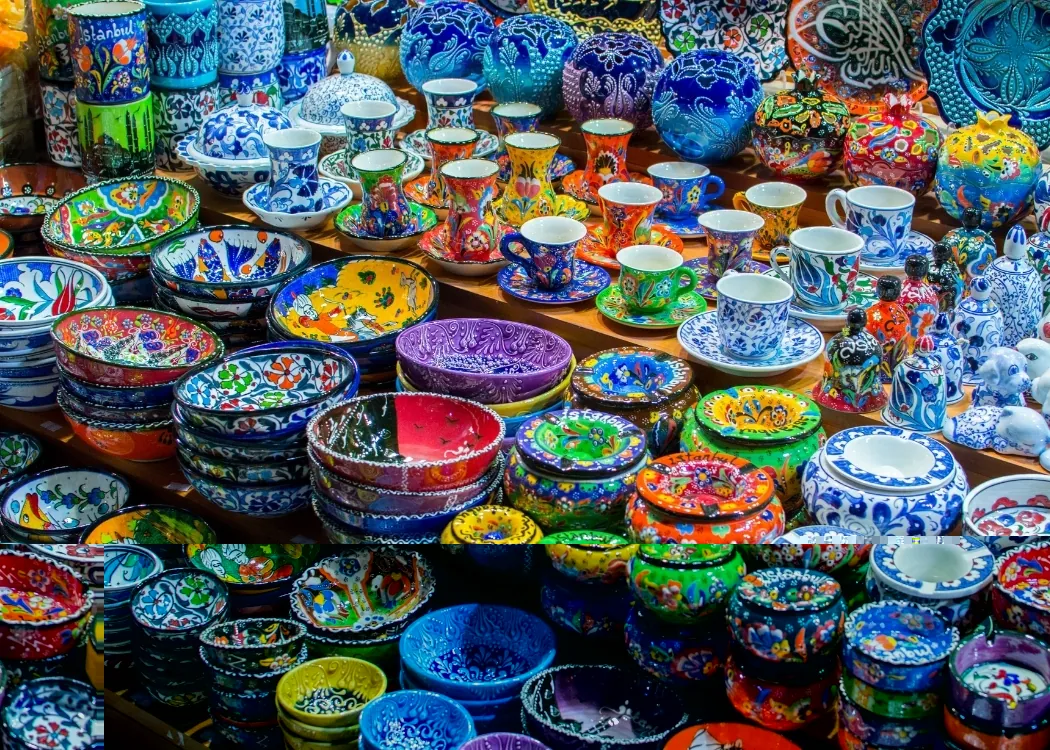
    One of the most iconic and visually stunning souvenirs from Istanbul is Turkish ceramics. These colorful tiles and dishes, often decorated with intricate Ottoman floral designs, are rooted in centuries-old traditions from cities like İznik and Kütahya. You’ll find these ceramic masterpieces in the Grand Bazaar, Arasta Bazaar, or even in museum gift shops like those at the Topkapi Palace.


    While they make gorgeous home decor items, smaller options like coasters or tiles are easy to pack and perfect for gifting. Each piece is a testament to Turkey’s rich artistic legacy.


    2. Evil Eye (Nazar Boncuğu): A Symbol of Protection


    Found hanging in homes, cars, and even stitched into baby clothes, the blue evil eye is one of the most recognizable Turkish talismans. Known as Nazar Boncuğu, this glass amulet is believed to ward off bad energy and bring good luck.


    You can find it embedded in jewelry, keychains, magnets, and even in homeware. Pick one up at any market or boutique, and take a little bit of spiritual protection back with you—along with a splash of Turkish charm.


    3. Turkish Delight (Lokum): A Sweet Taste of the East


    Made famous globally by C.S. Lewis's The Chronicles of Narnia, Turkish Delight is an essential edible souvenir. These chewy, fragrant sweets come in a variety of flavors, from rose and lemon to pistachio and pomegranate, and are often dusted with powdered sugar or coconut flakes.


    Head to Hafiz Mustafa, Ali Muhiddin Haci Bekir, or Koska for the best selection. The beautifully boxed varieties also make excellent gifts for friends and family back home.


    4. Handwoven Carpets and Kilims: A Piece of Heritage


    Bringing home a Turkish carpet may seem like a grand gesture, but it’s one of the most authentic souvenirs you can buy. Each region in Turkey has its own weaving style and symbolic motifs, and every carpet tells a unique story.


    Look for shops where artisans can explain the origins and meanings behind each piece. Reputable sellers will provide certificates of authenticity and even ship larger rugs internationally. If a full-sized carpet feels too bulky, consider a smaller kilim or cushion cover.


    5. Spices and Teas: Flavors of the Bazaar


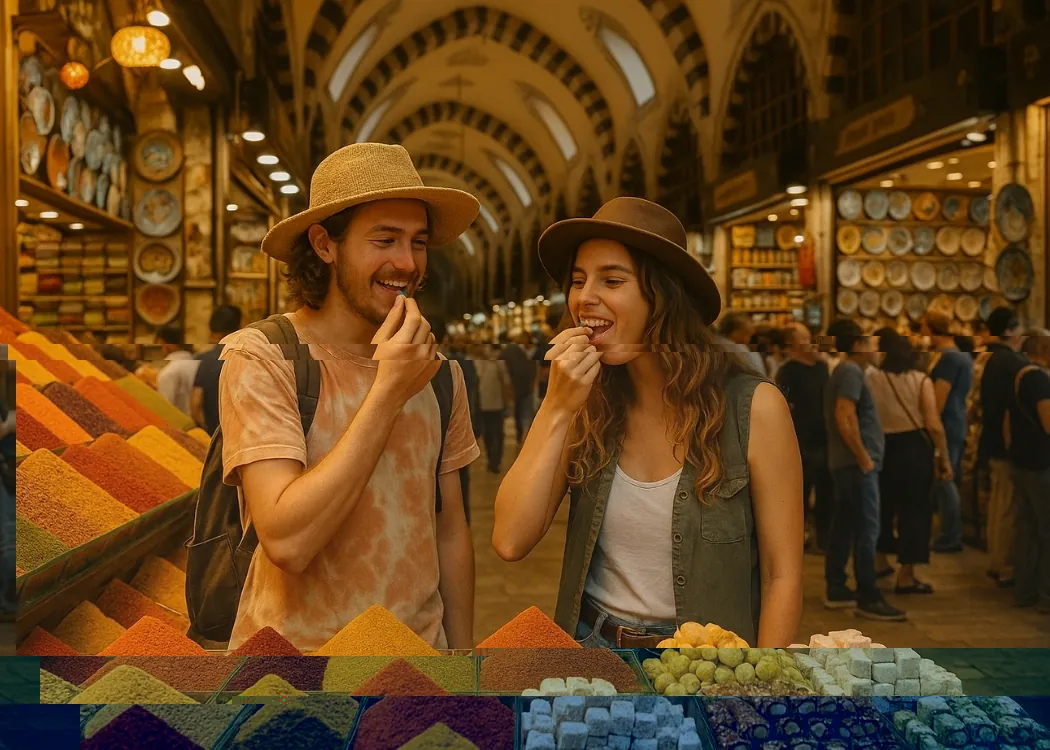
    No visit to Istanbul is complete without wandering through the Spice Bazaar (Mısır Çarşısı), where the air is filled with the rich aromas of cinnamon, sumac, saffron, and rosebuds. Here, you can purchase exotic spice blends, herbal teas, and dried fruits to replicate Turkish recipes at home.


    Apple tea, pomegranate tea, and Turkish black tea are particularly popular and easy to pack. Most vendors will vacuum-seal your purchases to preserve freshness for the journey home.


    6. Turkish Textiles: From Hammam Towels to Embroidered Linens


    Known for their softness and quick-drying properties, Turkish towels (peshtemals) are a favorite among travelers. Originally used in hammams (Turkish baths), these towels are now global wellness staples.


    In addition to towels, you can find beautiful table runners, embroidered pillowcases, and traditional garments like kaftans in shops across Sultanahmet and Beyoğlu. These are practical yet elegant souvenirs that bring a touch of Turkish luxury to everyday life.


    7. Calligraphy and Miniature Art: Framed History


    Islamic calligraphy and Ottoman miniature art are exquisite and deeply spiritual forms of artistic expression. Artists in Istanbul create personalized pieces, often using your name or favorite quote in Arabic script, transforming words into visual poetry.


    Visit galleries in Sultanahmet or the art shops around the Blue Mosque to witness live demonstrations and commission a one-of-a-kind creation to immortalize your trip.


    Save Time for Souvenir Shopping—With Istanbul Tourist Pass®


    With so many amazing souvenirs to choose from, you’ll want plenty of time and energy to explore Istanbul’s vibrant markets, historical sites, and artisan shops. That’s where the Istanbul Tourist Pass® comes in.


    This all-in-one digital sightseeing pass lets you skip the lines at over 100 top attractions like Topkapi Palace, Galata Tower, Dolmabahçe Palace, and Hagia Sophia, while also including experiences like Dinner on the Bosphorus and airport transfers. You’ll save time and money and avoid the stress of planning so you can focus on soaking up the city and hunting for the perfect cultural keepsakes.


    So before you start filling your suitcase with Turkish delights and hand-painted ceramics, make the smart move:


    1. Buy your Istanbul Tourist Pass® today.

    2. Download the app, plan your adventure, and unlock the best of Istanbul—one unforgettable attraction at a time.


    Because Istanbul isn't just a city you visit. It's a city you take home.


  • Discover Turkish Coffee in Istanbul: History, Ritual, Flavor

    Istanbul grew where continents meet, and its spirit still carries notes from every culture that once sailed into the Golden Horn. Byzantine mosaics share the skyline with Ottoman domes. Songs from ferry decks mix with the call to prayer. This mosaic life also lives in the cafés, where conversation rises above clinking glasses of tea and the rich scent of finely ground coffee.


    Turkish coffee sits at the heart of that daily rhythm. Residents linger over tiny porcelain cups, letting the thick brew cool as they trade news or plan the day. The drink is more than caffeine. It is a social pause, a fortune‐telling tool, and a bridge to centuries of tradition. Step into any Istanbul coffeehouse and you join a living ritual that has stirred the city awake for five hundred years.


    History of Turkish Coffee


    Coffee’s road to Istanbul starts in the mountains of Ethiopia, winds through Yemen’s port cities, and ends in the kitchens of Ottoman sultans. Follow its path to see how a single bean reshaped palace customs, sparked Europe’s first cafés, and still flavors daily life across Türkiye today.


    turkish_coffee_istanbul


    Origins in Arabia


    Coffee first grew wild in the highlands of Ethiopia, yet the earliest written tales of brewing come from Yemen in the fifteenth century. Sufi monks there prepared the drink to stay awake in long hours of prayer. Merchant ships soon carried the beans north through the Red Sea to the busy port of Alexandria and then to Ottoman Empire lands.


    Coffee Reaches Istanbul


    In 1554 two Syrian traders opened the city’s first coffeehouse in Tahtakale near the Spice Bazaar. Curious locals gathered inside low wooden rooms scented with cardamom and smoke. Court chroniclers say Sultan Suleiman’s chief consort Hürrem relished the drink, and palace kitchens perfected the method of roasting, grinding, and slow cooking in a cezve over live coals. From the Topkapı Palace kitchens the habit flowed into every neighborhood, from Galata’s docks to Üsküdar’s hillside gardens.


    From Palace to Bazaar


    By the seventeenth century, Istanbul brimmed with coffeehouses called kıraathane, a word that combines “reading” and “house.” Poets recited verses, janissaries played backgammon, and traveling storytellers spun epics for crowds warmed by tiny porcelain cups. Roasted beans, prized as gifts, traveled in silk pouches from the palace to provincial governors, reinforcing the idea that sharing coffee showed hospitality and rank.


    turkish_coffee_istanbul


    Turkish Coffee and the European Craze


    Ottoman diplomats carried cezves and cups on foreign postings. In 1669 the Ottoman envoy to Paris, Süleyman Ağa, hosted lavish coffee receptions that dazzled the French court. Vienna tasted its first cup after the failed Ottoman siege of 1683 when abandoned sacks of green beans were discovered outside the city walls. Traders soon opened coffeehouses in Venice, London, and Amsterdam, yet they mimicked the thick, unfiltered brew they labeled “Turkish style.” Europe’s long romance with coffee began in those moments of diplomatic showmanship and battlefield chance.


    A Symbol in the Republican Era


    After the foundation of the Turkish Republic in 1923, coffeehouses shifted from imperial lounges to modern meeting rooms. Journalists drafted articles at bar-top stools, and politicians debated under hanging oil lamps. The government promoted Turkish coffee at world fairs to signal a unique national identity, even as espresso machines and instant granules entered the scene. Today ordering a orta şekerli cup—medium sweet—still links office workers and grandparents to centuries of shared flavor and conversation.


    How to Make Turkish Coffee


    Turkish coffee is slow brewed and unfiltered. You need only three things: very finely ground coffee, cold water, and a small copper pot called a cezve. Sugar is optional. Choose between no sugar, little sugar, medium sweet, or very sweet before you start, because the sugar cooks with the coffee.


    turkish_coffee_istanbul


    Steps of Making Turkish Coffee


    1. Measure one heaped teaspoon of coffee for each cup and place it in the cezve.
    2. Add one small Turkish coffee cup of cold water for every serving.
    3. If you want sugar, add it now and stir until the grounds sink.
    4. Set the pot over low heat. Do not stir again. A dark foam will rise slowly.
    5. Just before the foam reaches the rim, lift the pot and spoon a bit of the foam into each cup.
    6. Return the cezve to the heat. When the coffee begins to rise a second time, remove it completely.
    7. Let the grounds settle for a few seconds, then pour the coffee gently so the foam sits on top.


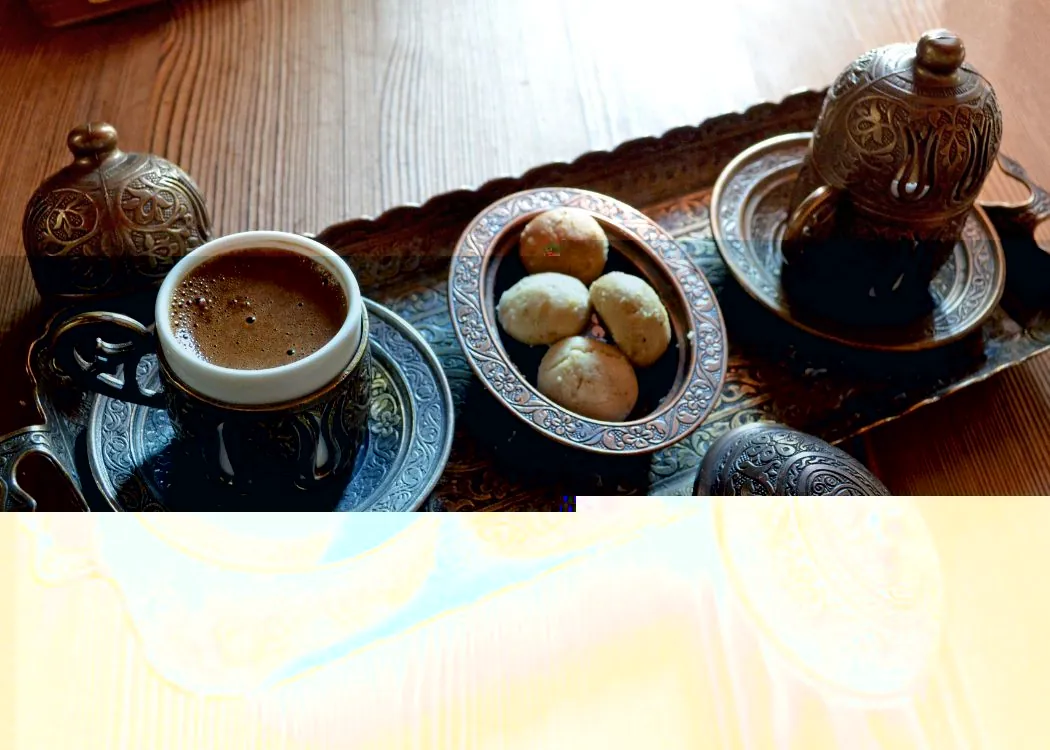
    Serve with a glass of water to cleanse the palate and, if you wish, a piece of Turkish delight on the side.


    Everything About Coffee Cup Readings


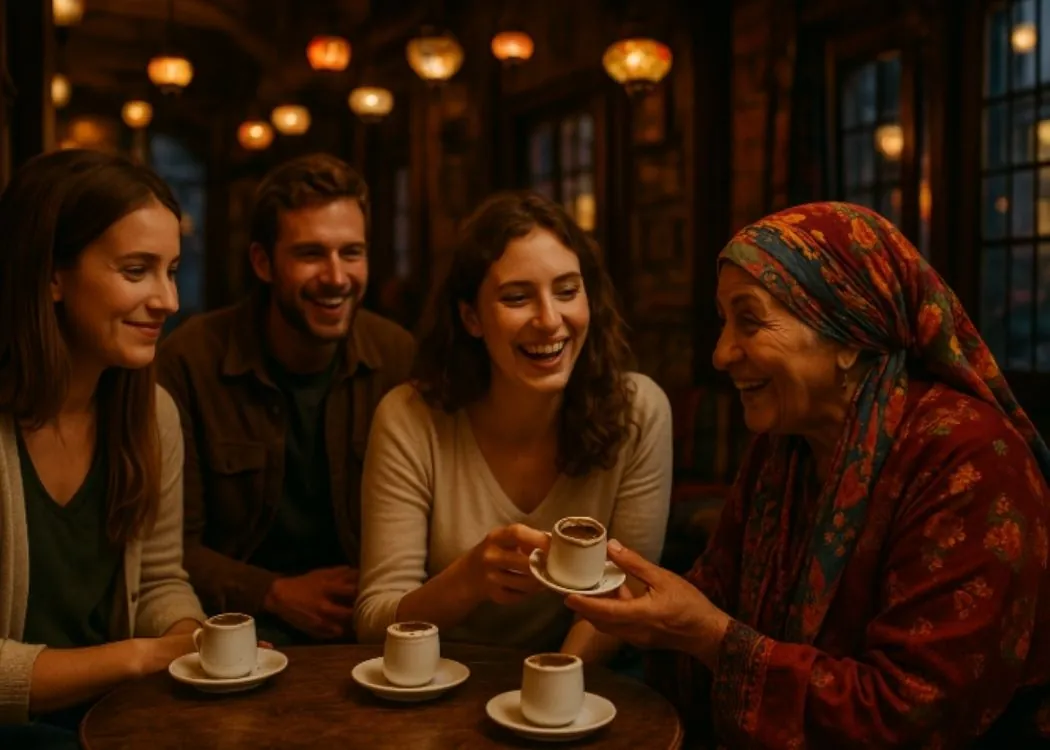
    When the last sip is gone, the ritual often continues with fortune telling called fal bakma. It is as common at family tables as it is in cafés.


    How it works


    • Place the saucer over the cup, make a silent wish, and flip the set upside down.
    • Wait a few minutes for the grounds to cool and slide down the interior, creating patterns.
    • Lift the cup and read the shapes. Many people see letters, animals, or paths that suggest future events. A bird can hint at good news, while a straight road may signal travel.
    • Some readers also examine the saucer for extra clues, saying the splashes show money or obstacles.


    The practice is playful, and no one takes each symbol too seriously. Still, it offers a charming excuse to linger, share hopes, and laugh with friends over a second round of coffee.


    turkish_coffee_istanbul


    Fortune Cafes in Beyoğlu


    Tiny coffeehouses hide in the side streets off İstiklal Avenue. They look ordinary until you notice the line of friends waiting with turned-over cups. Inside, professional readers move from table to table, interpreting symbols that form along the porcelain. A short walk from Galatasaray Square brings you to venues that market themselves as the “first fortune-telling cafés” of the district. Many offer set menus that pair one cup of coffee with a reading lasting ten to fifteen minutes. Fees start from 250 TL but rise in the evening when demand peaks.


    Tarot Meets Coffee


    Readers often spread a small tarot deck beside the cup. They say the cards clarify the shapes in the grounds and add details about relationships or work decisions. The mix of card symbols and coffee swirls turns the session into a playful ritual. Local women, especially groups of university friends, book tables after class for a shared reading and gossip session that can stretch for hours.


    Digital Fortunes on Demand


    If you cannot reach Beyoğlu, two Istanbul-based apps bring the ritual to your phone. Faladdin and Kaave ask you to upload photos of your emptied cup. Real fortune tellers, sometimes aided by AI, send back written readings within minutes. Both apps report millions of users worldwide and claim to handle more than a million readings each day. Basic readings are free but detailed interpretations and horoscope add-ons cost from 100 TL to 1500 TL.


    turkish_coffee_istanbul


    Star Readers and Sliding Fees


    Some fortune tellers build cult followings on social media. Many are women; a notable number are LGBTQ+ icons who turn each session into a small show. Their cafés release weekly booking lists that fill quickly. A reading by a celebrated reader can cost 500 TL or more, especially on Friday nights. Visitors treat the price as part show ticket, part spiritual advice, and part souvenir of Istanbul’s lively café culture.


    Turkish Coffee and Istanbul in Art and Story


    Istanbul’s tiny porcelain cups appear everywhere in local culture. Writers, poets, and film-makers rely on their slow-swirling brew to set a scene or mark a turning point. The drink turns into a shorthand for pause, memory, and shared fate.


    turkish_coffee_istanbul


    Coffee in Verse


    Ottoman divan poets praised the “black pearl” that brightened night gatherings, but modern voices keep the image alive. Orhan Veli Kanık ends a famous invitation with “let us sit and have coffee one day, the coffees are on me, the view is from you,” a line many locals still quote when they text friends for a catch-up.


    Novels Steeped in Aroma


    Coffeehouses shape whole chapters in Orhan Pamuk’s memoir Istanbul: Memories and the City, where he calls them one of the city’s greatest treasures.


    Elif Shafak’s The Bastard of Istanbul opens inside a bustling Beyoğlu café whose cezve never rests; the clatter of cups frames the novel’s clashes of past and present.


    Scenes on Screen


    Film directors also lean on the ritual. Nuri Bilge Ceylan’s Winter Sleep lets tension build while characters sip Turkish coffee in long, silent takes, underlining unspoken thoughts.


    turkish_coffee_istanbul


    The Hollywood drama The Water Diviner even pauses its Gallipoli story for a fortune-teller who reads a soldier’s cup, proving the ritual’s power travels well beyond Türkiye.


    Heritage on a World List


    UNESCO placed Turkish coffee culture on its Intangible Cultural Heritage register in 2013, noting how the drink appears in songs, proverbs, and literature as a symbol of hospitality and friendship.


    Together these lines, pages, and frames show that a small cup can hold an entire city’s imagination.


    Istanbul Coffee Events and Festivals in 2025


    Istanbul’s coffee calendar is now as busy as its ferry piers. From trade fairs to open-air tastings, every month brings a chance to meet roasters, test new gear, and sip fresh brews with locals. Below are the key dates you will want to mark if you love Turkish coffee and its modern cousins.


    turkish_coffee_istanbul


    Coffex Istanbul | 9–11 May 2025


    The city’s largest coffee fair fills the Lütfi Kırdar Congress Center for three full days. Exhibitors range from micro-roasters to global machine brands, and this year India is the focus country. Expect cupping tables, beginner workshops, and the latest in espresso tech. Tickets start at 200 TL per day, with discounts online.


    Istanbul Coffee Festival | 26–28 September 2025


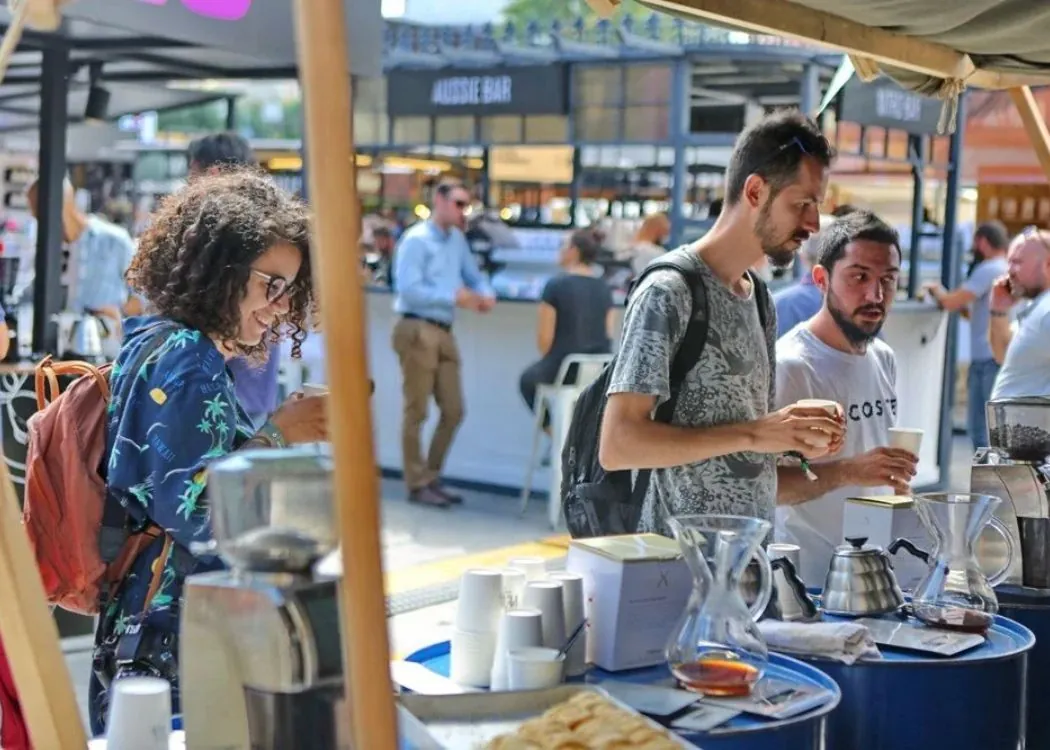
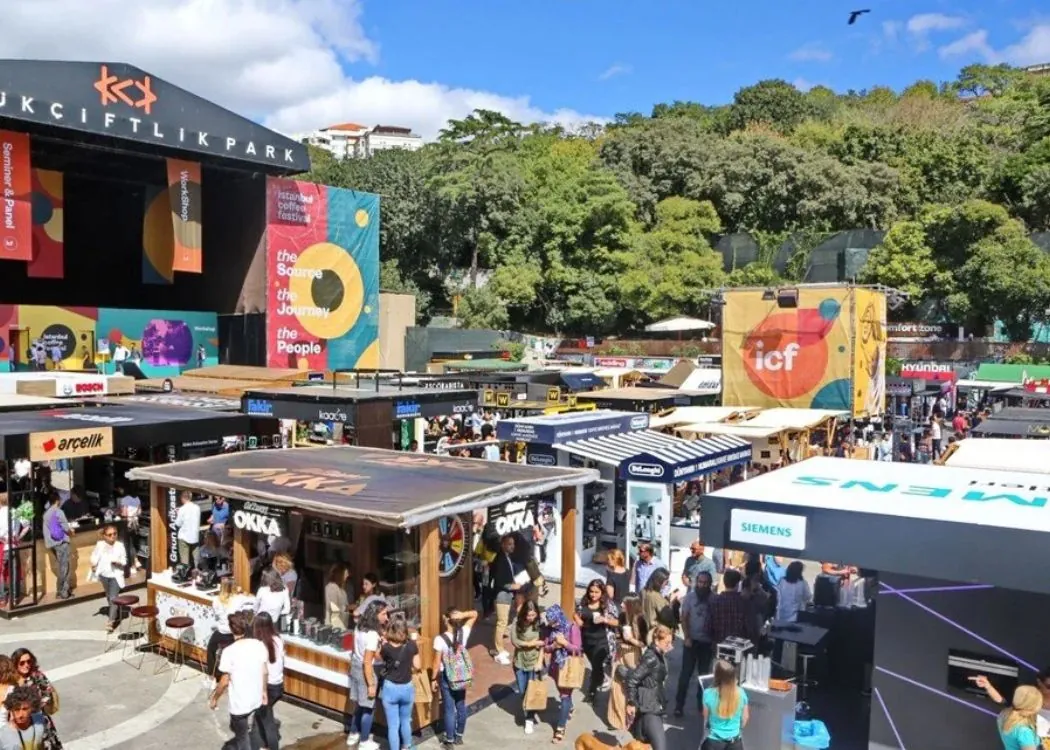
    Now in its eleventh edition, the Istanbul Coffee Festival returns to KüçükÇiftlik Park for a long weekend of live music, latte‐art battles, and endless sampling. More than 150 stalls pour everything from single-origin filter brews to classic Turkish coffee cooked on hot sand. Early bird passes usually sell out by mid-summer, so keep an eye on the festival’s social feeds.


    Kahve Zirvesi | 12–14 September 2025


    Hosted inside Müze Gazhane, this “Coffee Summit” focuses on consumer trends and sustainability. Panel talks, brand pop-ups, and tasting labs run from morning until late evening. Organisers expect over seventy thousand visitors across three days.


    turkish_coffee_istanbul


    National Championships by SCA Turkey


        Coffee Brewing Championship — 24–26 January 2025, Gaziantep.


        Latte Art & Cezve/İbrik Championships — 12–13 April 2025, Hilton Garden Inn Bayraklı, İzmir.


    Winners here go on to represent Türkiye at the World Coffee Championships later in the year, so the crowd is packed with baristas cheering for friends.


    Keep these dates handy, and you can plan your next Istanbul visit around some of the liveliest coffee gatherings on the planet.


    Top Places to Enjoy Turkish Coffee in 2025


    Let's have a look at the best places to drink Turkish coffee in 2025. This list is completely personal, if you have other cafes, write us via @istanbultouristpass on Instagram.


    Mandabatmaz (Beyoğlu)


    Step off busy İstiklal Avenue into Olivya Geçidi and you find this pocket-size shop with only a handful of stools on the pavement. The barista keeps a row of copper cezves bubbling over a gas flame and pours each cup without filters, leaving a velvety foam that locals praise as the thickest in town. The name means “a buffalo would not sink,” and regulars say the brew really is that dense. Come before noon for a quiet seat, or drop by after work when writers and musicians crowd the alley for a quick caffeine shot.


    turkish_coffee_istanbul


    Kurukahveci Mehmet Efendi (Eminönü)


    Follow the sweet aroma around the corner from the Spice Bazaar and you will see a fast-moving queue outside this historic roastery founded in 1871. Staff slide cups across a marble ledge while another team fills brown paper packets with freshly ground beans for travellers to carry home. The coffee is roasted on site in small batches, so each sip arrives hot, fragrant, and slightly chocolatey. Even if you wait ten minutes, the line feels like part of the ritual that has linked the bazaar and this brand for more than a century.


    Fazıl Bey’in Türk Kahvesi (Kadıköy Bazaar)


    Cross the Bosphorus by ferry and wander into Kadıköy’s covered market, where this family café has been brewing since the early years of the republic. Wooden shelves display tins of dark roast, and small round tables fill with shoppers taking a break from the lively produce stalls outside. Order your coffee medium sweet and it will come with a square of lokum plus a glass of cold water, just as the founder served it in the 1920s. The simple décor and steady hum of conversation make the place feel like a neighbourhood living room. If Fazıl Bey is too crowded you may go to Moda Cay Bahcesi, it is the next best thing.


    turkish_coffee_istanbul


    Pierre Loti Café (Eyüp Hill)


    Ride the cable car up from the Golden Horn and step onto a terrace that sweeps across Istanbul’s historic peninsula on Pierre Loti. The staff still prepare Turkish coffee in individual cezves, keeping the heat low so the foam stays thick in the thin mountain air. Take a seat under the plane trees, breathe the pine-scented breeze, and read a few pages from the French novelist who gave the café its name. Many visitors linger until sunset, watching mosque silhouettes darken as ferry lights flicker below. 


    Sade Kahve (Rumeli Hisarı)


    Hidden beside a fifteenth-century fortress on the Bosphorus, Sade Kahve opens just after sunrise to serve rowers, dog-walkers, and couples who want the first light on the water at Rumeli Hisarı. Wooden tables scatter across a leafy garden, and sparrows hop between chairs searching for crumbs of simit. The house style is sade, which means no sugar, but you can ask for a little or a lot if you prefer. After your coffee, stroll the seaside promenade that links the fortress to the smart cafes of Bebek. 


    turkish_coffee_istanbul


    Bonus: Starbucks Turkey


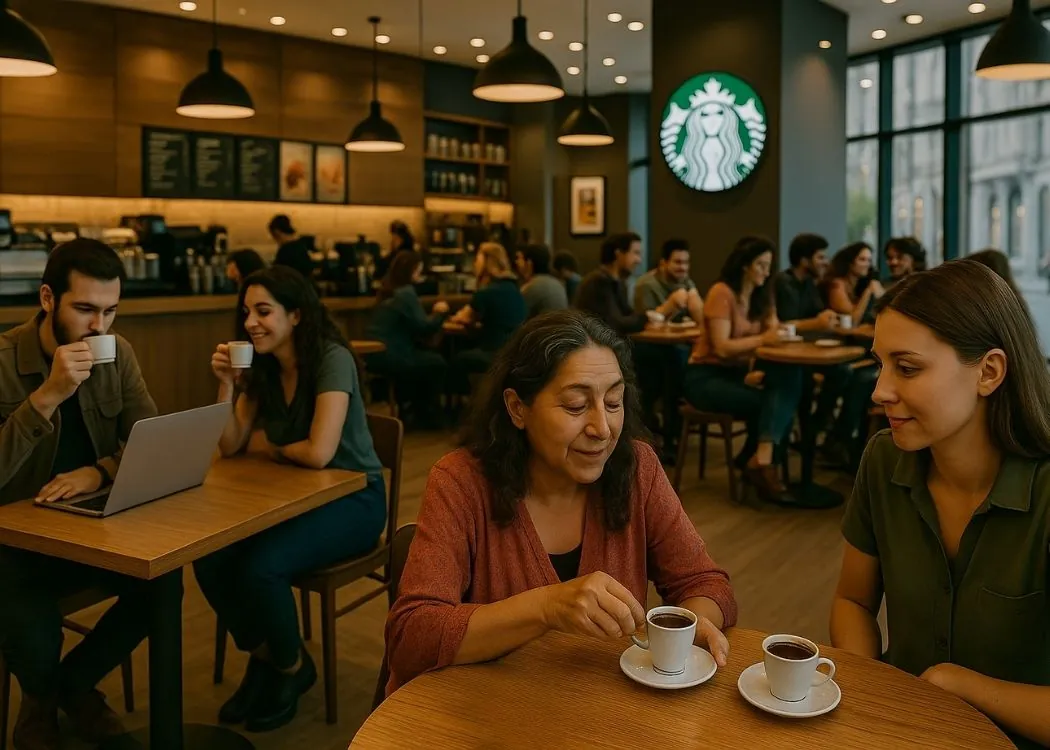
    Customer demand finally convinced Starbucks to add Türk Kahvesi to its national menu, and the drink is now available in every one of the chain’s 600-plus Turkish stores. Baristas prepare it in small cezves kept behind the counter, and many branches serve it with a cube of Turkish delight at no extra charge. A single cup costs about 150 TL, making it one of the most affordable items on the board. You can also buy Starbucks-branded Turkish coffee in retail packs to brew at home, a nod to the loyalty local coffee lovers expect.


    Explore Istanbul with Istanbul Tourist Pass®


    Istanbul Tourist Pass® is the first and still the most inclusive digital sightseeing pass in the city. It gathers more than one hundred attractions, audio guides, and handy services in a single mobile pass. That means you can hop from museum to mosque without lining up for tickets and still have time to sit down for a proper Turkish coffee.


    The pass works well for coffee lovers because many featured stops circle the same neighborhoods as the best cafés. The Spice Bazaar audio guide leads you past Kurukahveci Mehmet Efendi, where the air smells like fresh roast. The Galata Tower fast-track QR ticket drops you a three-minute walk from Mandabatmaz. The unlimited public transportation card option lets you sail across the Bosphorus to Kadıköy and reach Fazıl Bey’in Türk Kahvesi with no extra fare.


    turkish_coffee_istanbul


    You can build an easy day around both coffee and culture:


    • Start at the Grand Bazaar with the Istanbul Tourist Pass® audio guide, then walk to the nearby Turkish Coffee Museum for a short visit.
    • Continue to the Spice Bazaar and grab a cup while the pass app explains the history of the market.
    • Ride the included Bosphorus cruise to see the skyline from the water and note new cafés along the shore.
    • Finish on the Asian side with Kadıköy Street Art walks, pausing for another coffee when you need a break.


    Along the way the pass keeps customer service open on WhatsApp, so you can ask for directions to the nearest café or check if a last-minute Bosphorus sunset cruise still has seats. Whether you stay two days or a full week, Istanbul Tourist Pass® helps you taste more, move faster, and spend less on entry tickets: leaving a little extra in your pocket for that final round of Turkish coffee.


  • Time to Family Fun in Istanbul: Vialand Theme Park

    Istanbul glows when summer arrives. Street musicians fill the air with music, ferry horns echo across the Bosphorus, and every district sets the stage for festivals, pop-up markets, and late dinners under the stars. Families can find playgrounds on every corner while friends drift from waterside cafes to amazing rooftop concerts. Long daylight hours invite you to explore historic lanes in the morning, cool off with island breezes in the afternoon, and you will still have time for fireworks or an open-air movie as night settles in. As the writer of this blog, I can say that summers in Istanbul are happy times. Energy, color, and laughter flow side by side, making the city feel like one giant celebration.


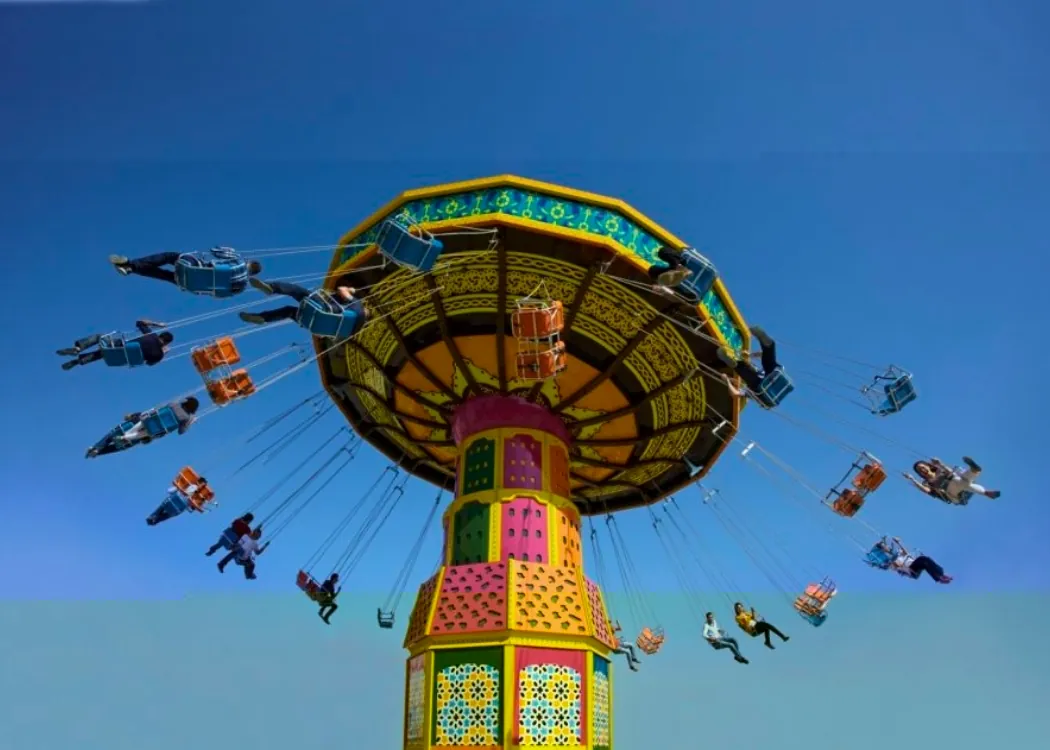
    Vialand Theme Park captures that spirit and adds a surge of adrenaline. One moment you are racing from zero to thrilling speed on the Nefeskesen roller coaster, the next you are plunging into a Viking splash that leaves everyone soaked and cheering. Little ones spin on gentle rides, parents soak up skyline views from the Tower of Justice, and live shows pull the whole crowd together out on the main stage. Thanks to Istanbul Tourist Pass®, you skip the ticket queue and walk straight through the gates with your digital QR code. Spend a full day sharing shrieks, smiles, and cotton candy, then roll back into the city with stories that will outshine every souvenir.


    About Vialand Theme Park


    Vialand opened in 2013 on the European side of Istanbul. It mixes a full-scale theme park with open-air shopping streets, cinemas, and a big events plaza. The complex covers six hundred thousand square meters, which means you can spend an entire day here without repeating a ride or a snack stand.


    vialand_theme_park_istanbul_tickets


    Thrills for the brave


    The headline attraction is the Nefeskesen roller coaster. It shoots from a standstill to top speed in three seconds and loops high over the park. If you love water rides, try the Viking splash that drops fifteen meters and leaves everyone dripping. Younger guests can take gentle turns on the Mini Tower or hop aboard the Crazy River without a single scary bend.


    Fun for every age


    You do not have to chase thrills to enjoy Vialand. The Tower of Justice lifts you to a wide terrace with a sweeping view of Istanbul. Live shows fill the outdoor stage on busy weekends, and street performers wander between the rides adding surprise moments. Picnic spots, shaded benches, and stroller-friendly paths make the day easy for families with small children.


    vialand_theme_park_istanbul_tickets


    Shops, food, and extras


    Next to the rides, a nostalgic tram rolls through long shopping streets lined with more than two hundred stores. You can watch a new release at the cinema, bowl a quick game, or pick up Turkish delight for the ride home. Local chains mix with global names, so everyone finds a favorite snack or souvenir.


    Easy entry with Istanbul Tourist Pass®


    Your Istanbul Tourist Pass® acts as your ticket to Vialand Theme Park. Show the digital QR code at the gate and walk straight inside. No need to book a time slot or wait in a separate line. The pass covers every ride, so once you are through the turnstile the day is yours. Put on the free safety helmets and belts when staff ask, follow a few simple rules, and focus on laughing with the people you love.


    Vialand Theme Park Visiting Information 2025


    Business Hours


    Vialand welcomes guests from Monday to Friday between 10:00 AM and 5:00 PM. Arrive close to opening time if you want the shortest queues. Hours can change during holidays and special events, so check the park website on the morning of your visit.


    vialand_theme_park_istanbul_tickets


    How to get there


    Vialand stands in the Eyüpsultan district on the European side of Istanbul. Paid shuttles leave from Taksim and Sultanahmet; book your seat a day in advance.


    Bus 49T runs from Taksim to Yeşilpınar and stops right by the park, while bus 49Y links Şişli to the same stop. You can also ride the M7 metro to Yeşilpınar Station, then take a short taxi or local bus to the entrance.


    A taxi from central areas such as Taksim usually takes twenty to thirty minutes, depending on traffic. We always recommend public transportation since you can have a discounted unlimited public transportation card with your Pass!


    vialand_theme_park_istanbul_tickets


    FREE Online ticket with Istanbul Tourist Pass®


    Your Istanbul Tourist Pass® already covers the full-day entry ticket. Show the digital QR code at the gate and walk straight inside. No extra booking is needed and every ride is included.


    Istanbul Tourist Pass®: Your Key to Family Fun


    Istanbul Tourist Pass® was the first digital sightseeing pass in the city and it is still the most inclusive. One price unlocks more than one hundred attractions, and your phone becomes the only ticket you need. You show a QR code, walk in, and keep moving from one adventure to the next without buying separate tickets or waiting at cash desks. Families love the freedom because the pass saves money, cuts queues, and leaves every minute for pure play.


    vialand_theme_park_istanbul_tickets


    The list of family friendly experiences is long and exciting. Ride the coasters at Vialand, dive through glass tunnels at Emaar Aquarium, or watch sharks glide over your head at Istanbul Aquarium. Step into optical puzzles at the Museum of Illusions, meet furry friends at Lion Park Zoo, fly over the city in a VR helicopter at Flyride, and finish the day with a Bosphorus sunset cruise that makes everyone stare in silence. All of these activities are already included, so you can plan a full week of smiles without adding extra costs. Istanbul Tourist Pass® keeps the family together, keeps the budget happy, and keeps the fun going from breakfast until bedtime.

  • Hunkar Pavilion: A Quiet Jewel Beside the New Mosque

    Istanbul never hides its landmarks, yet some of its finest corners sit just above eye level. Ferries dock at Eminönü, vendors pour tea, and pigeons whirl around the New Mosque. Look up from the square and you will see a small stone bridge leading to a modest two-story building. This is the Hünkar Pavilion, once a royal retreat, now a pocket-sized museum of Ottoman grace.


    A short walk from the Galata Bridge brings you here. The streets outside buzz with shoppers and fish-sandwich stalls, but one flight of stairs carries you into hushed rooms lined with İznik tiles and carved cedar. The pavilion is tiny when set against Istanbul’s grand palaces, yet its calm beauty and hidden stories make it a stop worth adding to any city stroll.


    Hunkar Pavilion History 


    The New Mosque complex rose in stages between 1597 and 1665, funded by two powerful women of the court, Safiye Sultan and Turhan Hatice Sultan. When the mosque opened, architects added a royal pavilion so the sultan could rest and pray in privacy. This Hünkar Pavilion connected to the mosque by a covered passage above the street, letting the ruler move unseen among his subjects.


    hunkar_kasri_pavilion_istanbul


    Inside, calligraphic panels, painted ceilings, and marble fountains showed the empire’s finest craftsmanship. Sultans used the rooms before Friday prayers and received foreign envoys here. Over time the pavilion survived fires and restorations; its most recent conservation opened the rooms to the public while keeping their 17th-century character.


    Hünkar Pavilion Today


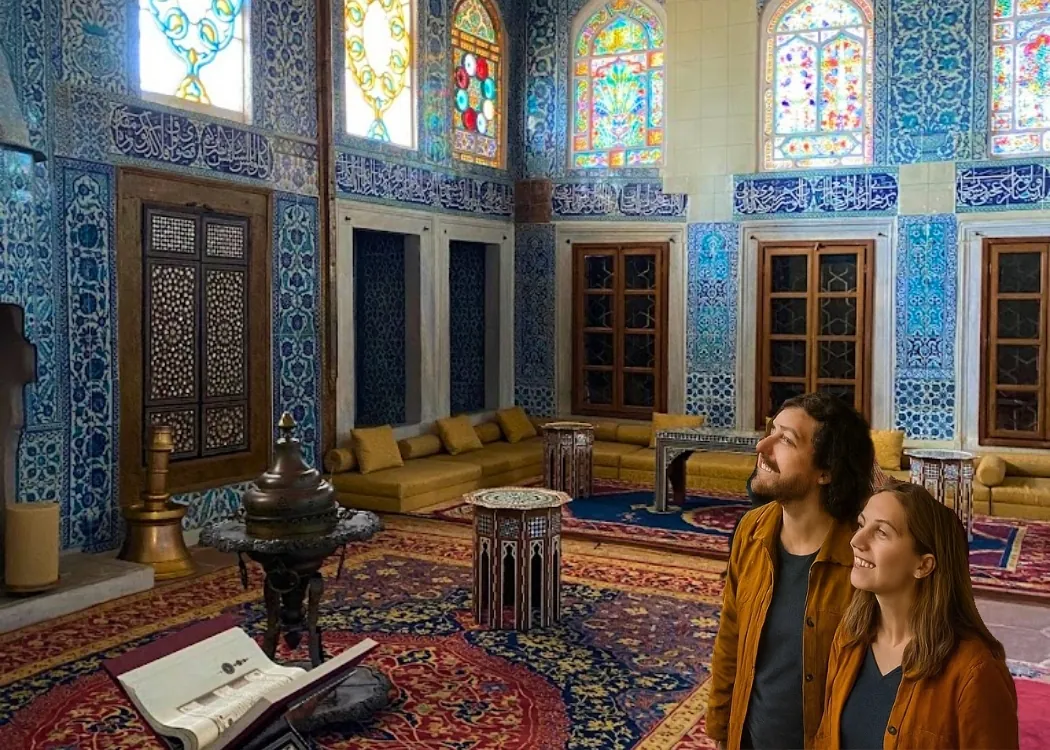
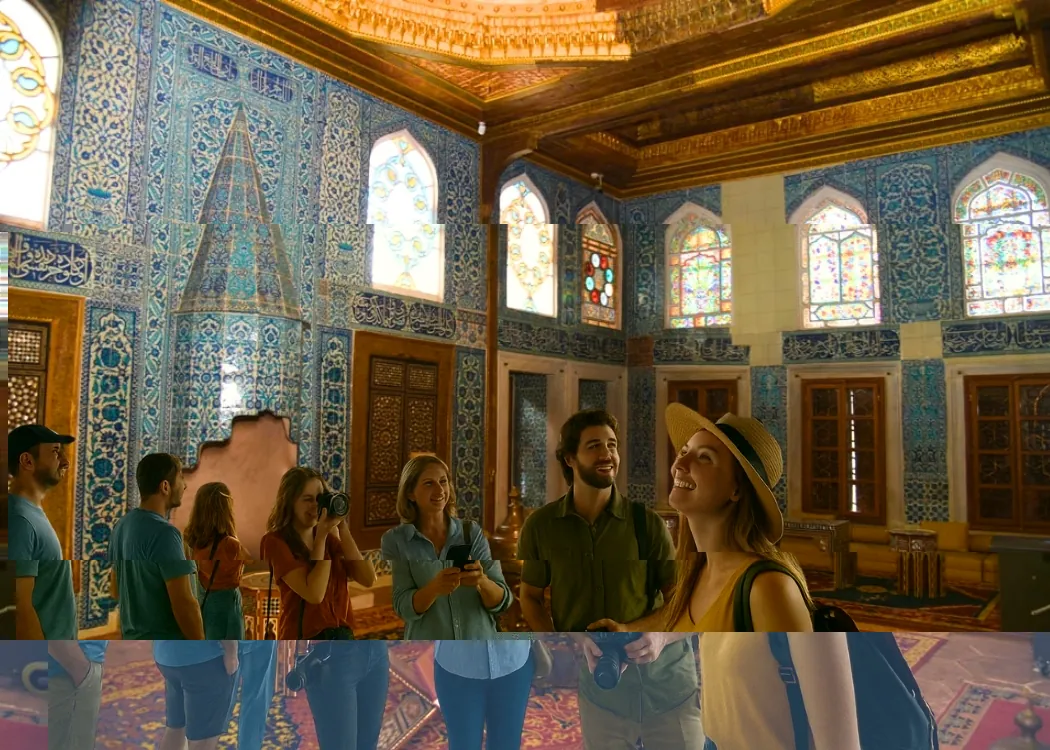
    The pavilion welcomes visitors every day except Monday, from 9:30 AM to 5:30 PM. A single stairway leads to a small reception hall, a prayer room, and a viewing loggia that overlooks the Golden Horn. Rich blue tiles glow in natural light, and hand-painted floral patterns cover the wooden ceiling panels.


    hunkar_kasri_pavilion_istanbul


    Beyond its historic rooms, the pavilion now works as a cultural hub. It hosts dozens of free exhibitions each year and offers workshops in calligraphy, ceramics, and marbling. Local artists sell jewelry and miniatures in tiny studio shops under the arches. The mix of history and living craft makes the visit feel more like stepping into a community than a museum.


    Local Tips for Visiting Hünkar Pavilion


    Arrive soon after 9:30 AM to enjoy quiet corridors before tour groups reach the mosque. If you prefer afternoon light for photos, come after 4:00 PM when the sun slants through the western windows and bathes the tiles in gold. Remember that the pavilion closes during formal prayer times, so check the call to prayer schedule and plan a coffee break if the door is shut.


    Dress modestly. Shoulders and knees must be covered to enter the adjoining New Mosque, and the pavilion staff may remind you of the same rule. Light scarves are sold cheaply in the nearby market if you forget. Slip-on shoes help when guards hand out disposable covers at the entrance. Photography is allowed without flash, but always ask before shooting in active workshop areas. Artists appreciate a quick greeting and may show you their work in progress.


    hunkar_kasri_pavilion_istanbul


    When you step back outside, spend a few minutes exploring the rest of the New Mosque complex. The courtyard fountains offer cool shade, and the Spice Bazaar sits just behind the east gate for an easy snack stop. For a different angle, cross the Galata Bridge and look back: the pavilion’s arched windows perch above the market like a hidden balcony.


    Use the T1 tram if legs are tired; the Eminönü stop is only two blocks away and your Istanbul Tourist Pass® discounted unlimited transport card covers the fare.


    Plan about thirty minutes inside, plus extra time for a workshop or exhibition. Evenings bring a soft glow on the stone façade, and street musicians often play under the archway, giving the day a gentle send-off.


    Explore with Istanbul Tourist Pass®


    Your Istanbul Tourist Pass® unlocks an audio guide for the Hünkar Pavilion. Login to your app, slip in your earphones, and wander at your own speed while expert narration fills each room with stories. The pass also covers more than one hundred other attractions and includes handy perks like airport transfers and a ready-to-use transport card.


    hunkar_kasri_pavilion_istanbul


    Ready to meet a hidden side of Ottoman Istanbul? Buy your Istanbul Tourist Pass® today, follow the covered walkway above the crowd, and let the Hünkar Pavilion share its quiet elegance with you.

  • Discover the Kucuksu Pavilion Istanbul

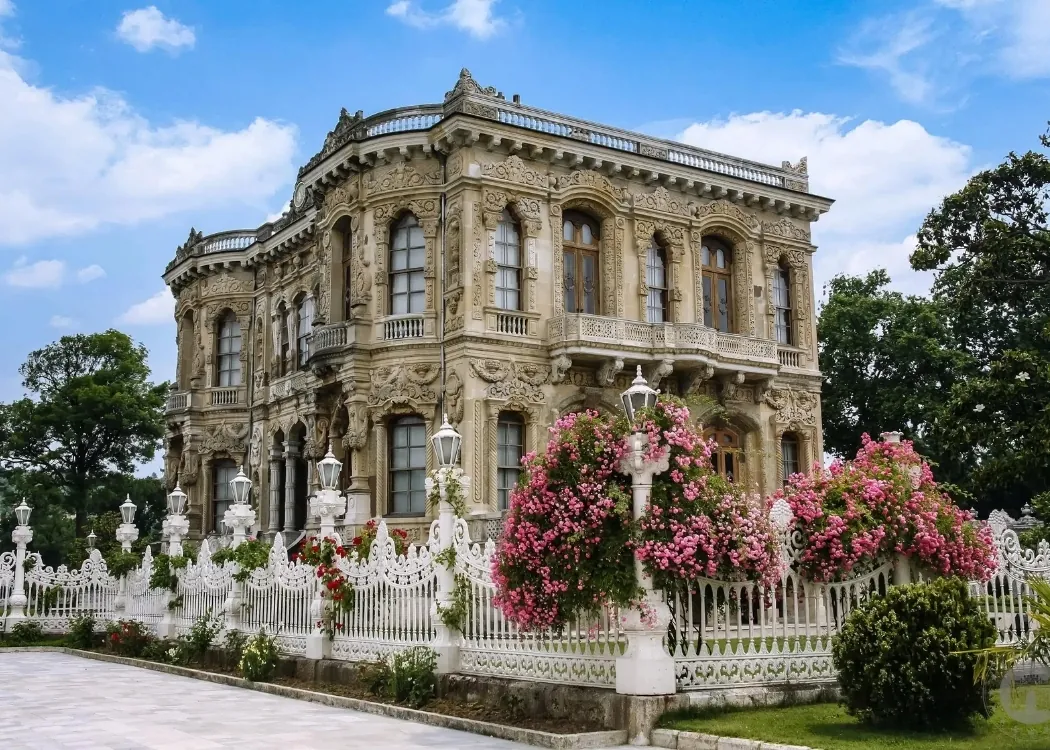
    Istanbul is a city of waterfront palaces. Marble façades line the strait, each one built for days when sultans escaped the heat of the Old City. On the Asian shore, north of the crowded bridges, Küçüksu Pavilion rests in a small meadow between two streams. Sailors once called this spot “Sweet Waters.” Today the pavilion still looks like a delicate cake set beside the Bosphorus.


    Hop on a ferry from Üsküdar and watch the city fade behind you. As the hills turn green, Küçüksu’s white stone appears among plane trees. The building is small when compared with Dolmabahçe or Topkapı, yet its lace-like carvings and river-house charm make it one of Istanbul’s most photogenic landmarks.


    History of the Beautiful Kucuksu Kasri


    The first retreat here was a two-story wooden lodge used by hunting parties of the Ottoman court. Sultan Abdülmecid decided to replace it and hired Garabet Amira Balyan and his son Nigoğayos, the architects behind many imperial projects. Construction of Kucuksu Pavilion took place between 1856 and 1857. 


    kucuksu_pavilion_istanbul_online_tickets_buy


    The stone pavilion followed a traditional Turkish house plan: four corner rooms around a central hall. Its stucco reliefs, Corinthian columns, and Italian furniture showed the new taste for European elegance. Later sultans refreshed the décor and added fountains in memory of their mothers. After the empire ended, the pavilion hosted state guests and even appeared in the James Bond film The World Is Not Enough during the opening boat chase.


    Küçüksu Pavilion Today


    Step past the iron gate and you enter a garden where fountains mix with bird calls. Inside, painted ceilings shimmer above crystal chandeliers. Rosewood tables stand on silk rugs imported from Hereke. Large windows frame passing cargo ships as if they are moving paintings. Visitors can explore Tuesday to Sunday, from 9:00 AM to 5:30 PM, and most tours last about one hour.


    kucuksu_pavilion_istanbul_online_tickets_buy


    The ground floor shows daily life of the court: a music room dressed in gold, a dining salon with porcelain from France, and a library that still smells of cedar. Upstairs, bedrooms reveal the lighter side of royal travel with pastel walls and seashell motifs. Outside, stone steps lead down to a small pier where sultans once boarded rowboats for afternoon picnics.


    Local Tips for Visiting Küçüksu Pavilion


    Arrive before 10:00 AM. Morning light touches the carvings and tour buses have not yet reached this far up the strait. Take the Çengelköy ferry, then a ten-minute taxi along the scenic coast road. If you prefer public transport, board the 15F bus from Üsküdar; ask the driver for “Küçüksu Kasrı” and follow the tree-lined park to the gate.


    Tickets include plastic shoe covers to protect the parquet, so choose slip-on shoes. Photography is allowed without flash, but guards may ask you to keep backpacks in front to avoid scraping the walls. Pause on the riverside terrace and notice how the Bosphorus narrows here; you can almost touch Europe on the opposite bank.


    kucuksu_pavilion_istanbul_online_tickets_buy


    When you finish, walk five minutes north to Anadolu Hisarı, a small medieval fortress. Wooden cafés nearby serve stuffed mussels and freshly squeezed pomegranate juice. Sit under the vines and watch rowers glide past. Fans of cinema can re-enact the Bond chase by renting a small boat at the nearby pier. Evenings bring golden light on the façade, yet the pavilion closes before sunset, so plan your photos early. The lawn outside stays open, and locals often spread blankets for a picnic dinner after the guards lock the doors.


    Use the public-transport card that comes discounted with your Istanbul Tourist Pass® to catch a fast ferry back to Beşiktaş. Weekends draw families and wedding photographers, so a mid-week visit feels calmer. Carry a light jacket


    Explore with Istanbul Tourist Pass®


    Küçüksu Pavilion entry is hassle-free with your Istanbul Tourist Pass®. Scan your QR code, skip the ticket window, and tap play on the exclusive audio guide. Stories flow through your earphones while you wander at your own rhythm.


    kucuksu_pavilion_istanbul_online_tickets_buy


    The pass also covers more than one hundred attractions across the city and adds perks like airport transfers and a ready-to-use transport card.


    Ready to taste royal leisure? Buy your Istanbul Tourist Pass® today, follow the call of the Sweet Waters, and let Küçüksu Pavilion wrap you in nineteenth-century elegance by the Bosphorus. Buy your Pass right now!
  • Explore Spice Bazaar Istanbul in 2025

    Istanbul wakes up to the call of seagulls and the clatter of trams. The city’s bridges join two continents, yet its old markets still feel like car-free time capsules. Traders call out in many languages as aromas drift through narrow lanes.


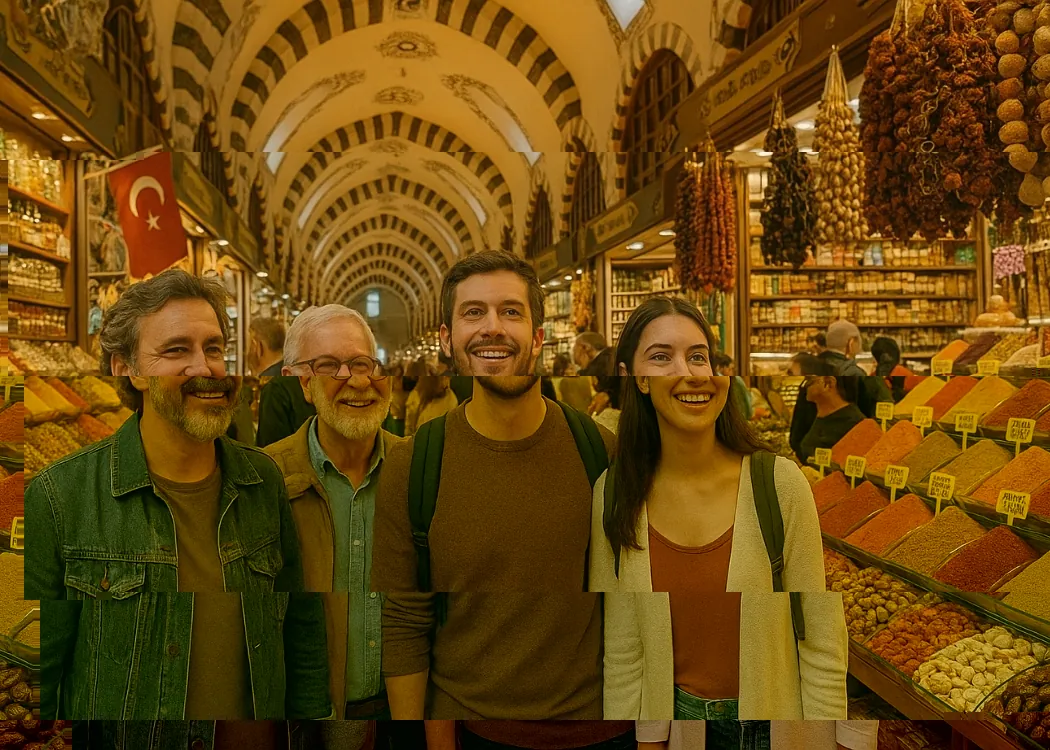
    Follow the tram to Eminönü and you step into this world. The Spice Bazaar, or Mısır Çarşısı, fills a stone arcade beside the New Mosque. Pyramids of saffron, rose petals, and pul biber glow under stained-glass skylights. This is not only a place to shop. It is a shortcut to Istanbul’s trading past.


    History of the Spice Bazaar


    The bazaar rose after the Great Fire of 1660. Revenues from Egypt helped fund the New Mosque complex, so the covered market soon earned the name “Egyptian Bazaar.” Court architect Koca Kasım Ağa drew an L-shaped arcade of eighty-plus vaulted shops that opened in 1664 and still stands today. 


    Spice_bazaar_istanbul_shpping_tips


    For centuries merchants sold pepper, cloves, silk, and coffee brought by caravans or ships. The market’s rent paid for the mosque’s upkeep and linked faith with commerce. Ottoman sultans taxed every kilo of spice that passed through these arches, making the market a treasury as well as a pantry. 


    Spice Bazaar Today


    Step inside and the city noise fades behind stone walls. About eighty-five shops now line the passage, each stacked high with teas, Turkish delight, dried apricots, and the famous red pepper flakes called pul biber. 


    Spice_bazaar_istanbul_shpping_tips


    The bazaar opens daily at 9:00 AM and closes at 7:00 PM. It stays shut only on the first days of major religious holidays. Plan thirty minutes for a quick circuit, or linger longer to taste pistachio baklava and bargain for saffron strands. You can get the best Istanbul souvenirs in the Spice Bazaar to take home! Early mornings feel calm, while late afternoons buzz with cruise-ship crowds. 


    Local Tips for Visiting the Spice Bazaar


    Arrive right after the doors open at 8:00 AM on weekdays. Shopkeepers are still arranging their displays and often offer small samples for the first sale of the day. The aisles stay roomy until about 10:00 AM, when tour groups roll in. If mornings are not possible, try the last hour before closing, when merchants lighten their loads with quiet discounts. Avoid midday Friday when the nearby New Mosque hosts large congregations and the area grows crowded.


    Spice_bazaar_istanbul_shpping_tips


    Walk the arcade once without buying anything. Note prices, quality, and friendliness. Good saffron threads look deep red with yellow tips and come in sealed packets. Ask to smell loose spices and always taste Turkish delight before you choose a box.


    Prices are marked, yet bargaining is common for bulk orders or mixed bags. Smile, keep your tone light, and settle on a deal that feels fair for both sides. Carry cash in small notes because some stalls still charge a fee on foreign cards, and loose change speeds up the bargain ritual.


    Spice_bazaar_istanbul_shpping_tips


    After shopping, step outside through the back gate onto Tahmis Street. Sip strong menengiç coffee at Kurukahveci Mehmet Efendi while your nose resets. Cross the street to the flower arcade for fresh pomegranate juice. If time allows, stroll two minutes to the Galata Bridge and watch fishermen cast lines over the Golden Horn. Use your Istanbul Tourist Pass public-transport card to hop on the tram back to Sultanahmet or the ferry to Karaköy, keeping your spice bags safe from sudden rain showers.


    Explore with Istanbul Tourist Pass®


    Your Istanbul Tourist Pass® unlocks a free audio guide for the Spice Bazaar. Open your App, put on earphones, and wander at your own speed. The audio guide explains how each vault once stored frankincense, why the ceiling tiles show tulips, and which stalls still roast their own coffee beans.


    Spice_bazaar_istanbul_shpping_tips


    The pass also covers more than one hundred attractions, from ferry rides to palace entries, and even includes a public-transport card. One purchase keeps your wallet closed while you taste, shop, and explore.


    Ready to breathe in the scents of Istanbul? Buy your Istanbul Tourist Pass® now and let the Spice Bazaar fill your senses with colour and flavour.