Blog

  • Scams to Avoid in Istanbul: 6 Common Schemes Targeting Tourists

    Istanbul, a city steeped in history and vibrant culture, unfortunately, attracts its fair share of scammers who prey on unsuspecting tourists. While most locals are welcoming and honest, it's always wise to be cautious and aware of common schemes to avoid spoiling your trip. For this article, we have prepared a list for you of six common scams to watch out for in Istanbul. But before we dig into that, let’s have a look at the best and safest way to discover this crazy city: Istanbul Tourist Pass®.


    Istanbul Tourist Pass® stands as a symbol of trust and reliability for visitors exploring the vibrant city of Istanbul. Crafted by a seasoned tourist agency with over 30 years of experience, this innovative digital card provides access to the city’s top attractions and services, ensuring a seamless and secure travel experience. From guided tours and skip-the-line entrance tickets to discounted hop-on-hop-off bus tours and captivating cruises, the pass encompasses a comprehensive array of offerings. Travelers can confidently navigate Istanbul's wonders, knowing that Istanbul Tourist Pass® is their key to hassle-free exploration, backed by a reputable agency dedicated to enhancing their journey.


    Infamous Istanbul Taxi Scams


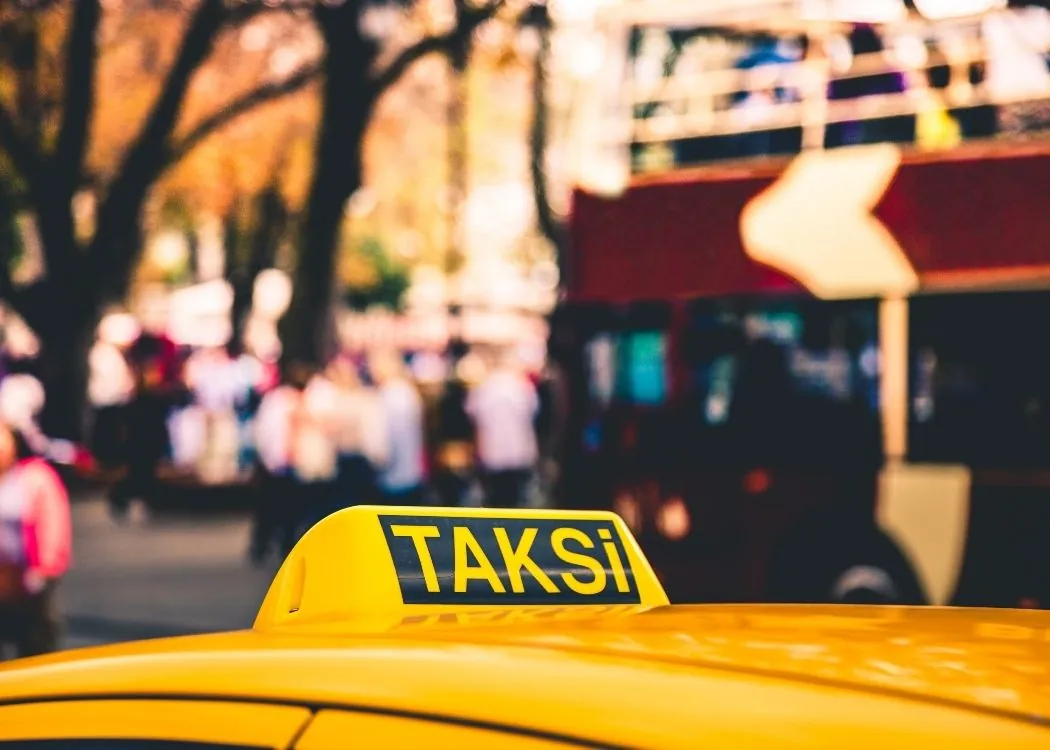
    If you are planning to visit Istanbul, you might have read or heard about the infamous taxis of Istanbul. The first thing to say is that taxis are scarce in Istanbul. Especially in rush hours, it can be impossible to find taxis in certain areas. But in this section, we wanted to warn you about the possible scams you may experience if you are ‘lucky’ enough to find a taxi. Here they are:


    Fixed price: Drivers may offer you a fixed price for your journey instead of turning the taximeter. Don’t accept it and control it if it works.


    Tampered meters: Ensure the meter is running and displays the correct fare. If it's tampered with, politely decline and hail another taxi.


    Scenic routes: Steer clear of unsolicited "scenic" detours that significantly inflate the fare. Stick to main roads and use navigation apps to confirm your route.


    Unlicensed taxis: Only use official yellow taxis with meters and license plates. Avoid unmarked cabs or those approaching you aggressively.


    Don’t look so ‘tourist’: It is common for many touristy cities, drivers always seek tourists instead of locals so they can go from a longer route. Use a navigation app, Google Maps and Yandex Maps are both working very well in Istanbul.


    Avoid taxis if you can: Istanbul has a great public transportation system and there is a special unlimited public transportation card specifically designed for tourists. Check here for more details and order yours before you come. Your Istanbul City Card will be delivered to your hotel upon your arrival.


    Overpriced Goods and Services


    Turkey, because of the recent economic crisis, is really affordable for many tourists in the world. So you may tend to be less careful about the overpriced things. But especially in touristy areas, always be careful about your spending so you won’t feel unhappy at the end.


    Restaurants: Check prices and menus displayed outside before entering. Be wary of overly friendly touts recommending specific restaurants. Some restaurants do not have prices on the menus, be sure about the prices always.


    Souvenirs and trinkets: Haggling is expected at bazaars and markets. Pay reasonable prices, and research fair market value beforehand. Consider joining one of our Grand Bazaar Guided Tours so you may have a sense of the bazaars before you shop.


    Services: Always agree on a price upfront for any services like massages, haircuts, or transportation. Especially in hamams, there can be extra charges for small utensils. For a relaxed and discounted Turkish bath experience, we recommend you to use your Pass on Cemberlitas Hamam, so you can be all clean and relaxed.


    Hidden fees: Check restaurant bills for extra charges like service fees. Ask about prices before ordering anything. Don’t assume the appetizers and water on the table are complimentary


    Fake souvenirs: Beware of low-quality souvenirs with inflated prices. Stick to reputable shops or verified vendors.


    The Great Shoe Cleaning Debacle


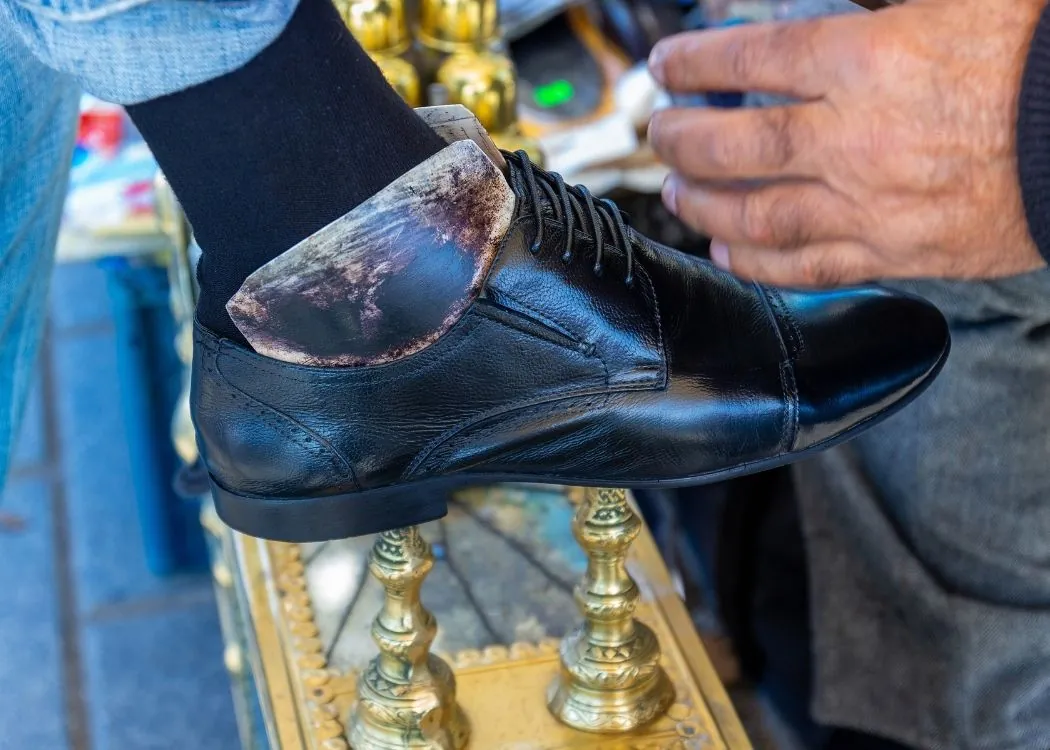
    Before writing this article, I was not aware of that scam, and it is fair to say that I am surprised. Here are two common shoe-cleaning scams you may face, here they are. But there are many shoe cleaners in the streets and they are not all scammers. So if you want to have an old-fashioned way of shoe cleaning, ask the price before, and then you may give a tip if you are happy with the result.


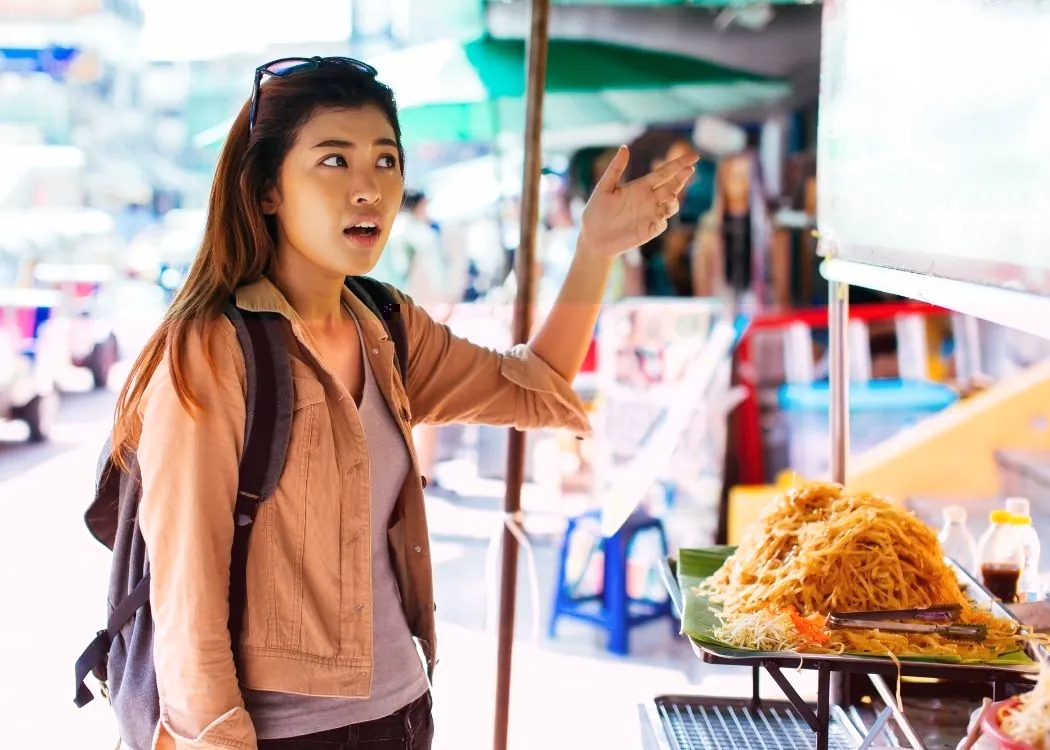
    Accidental brush drop: Scammers might intentionally drop their shoe brush near you, hoping you'll take that brush and give it to them. Then they offer you a “free shoe cleaning” but they expect you to feel obligated to pay for cleaning. So at the end, they want to charge you a lot. The best wat is to ignore them and walk away.


    Accidental brushing: Avoid sidewalk "brushers" who deliberately touch your shoes with their dirty brushes, and then offer to clean them for an inflated price. Ignore them, don't get agitated, and keep walking.


    The Falling Simit Man Scam


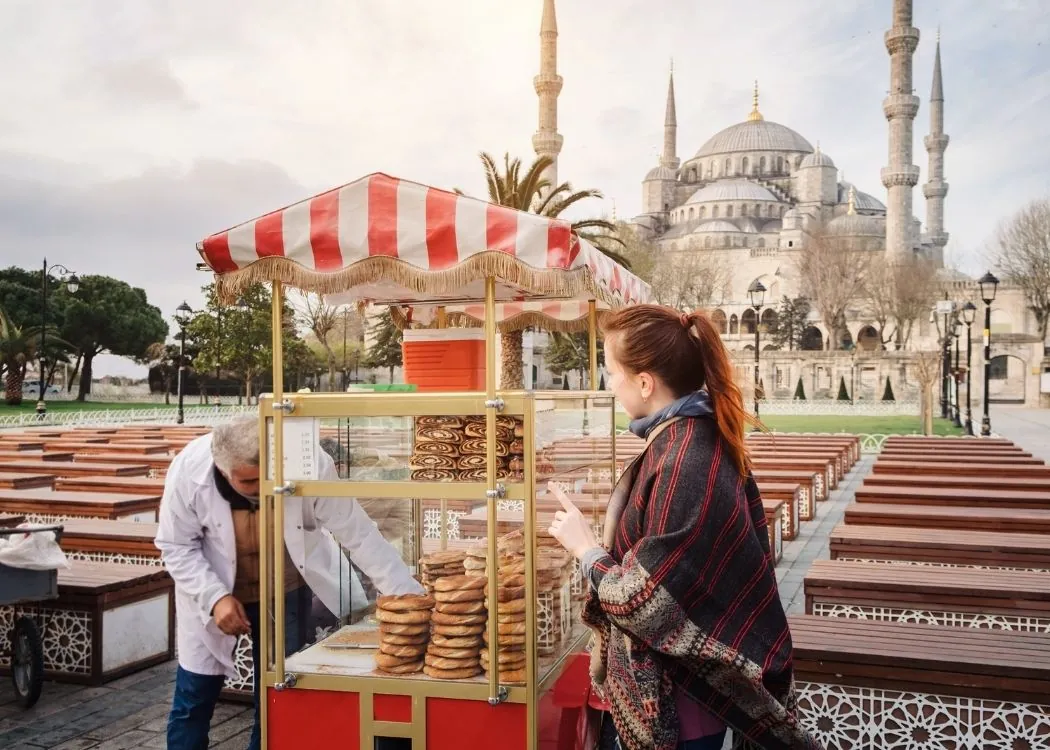
    Turkey is famous for its cuisine and street food is an important part of it. Simit, a Turkish baked delicacy, is also very famous and often being sold on the streets of Istanbul. But some scammers use this delicacy to manipulate people. Here is how:


    Staged accident: A seemingly injured or man (or sometimes a child) carrying simit (bagels) might fall near you, hoping you'll pay for his "lost" simit. Don't fall for it, as it's often staged. They might guilt you into paying, claiming they can't afford the simit. Trust your instincts and avoid interacting.


    Fake injuries: Beware of staged falls by "simiteers" in front of your car, scooter, or bike. They might pretend to fall and injure themselves, pressuring you to pay for their medical expenses and fallen simits. Don’t ever fall for it.


    Fake Tourist Guides


    Now this is very personal for us because as a professional tourism agency, we have been trying to build trust and to serve the best for over 30 years. Hearing visitors coming to our country experience these scams is very heartbreaking. Here are scams you need to be careful about.


    Unsolicited approaches: Scammers might approach you as "official guides," offering tours at inflated prices. Only use licensed guides with proper identification.


    False promises: They might promise exclusive access to attractions or hidden gems, but these are usually scams. Stick to reputable tour companies or do your own research.


    Unofficial tours: Avoid unlicensed guides who approach you on the street. Always book tours through reputable companies or official tourism offices.


    Hidden fees: Be wary of tours with hidden fees for additional activities or "donations."


    Ticket Seller Scam


    There are many events happening in Istanbul. So you may be confused about getting the tickets for the event you want to attend whether it is a concert or a show. Some people may approach you in touristy areas to sell you tickets that look nearly the same as the originals. But here are the cases for you to be very careful.


    Fake tickets: Scammers might offer cheap tickets to attractions, but they might be fake or invalid. Don't buy tickets from street vendors or unauthorized sellers. Stick to official ticket offices or online booking platforms. Especially go for online platforms but be careful about the URL you enter, you might find yourself on a fake website.


    Overcrowded events: Scammers might offer overpriced tickets to sold-out events, leaving you disappointed and out of pocket. Stick to reliable sources and double-check event details before purchasing.


    Remember, trust your instincts. If something sounds too good to be true, it probably is. Walk away from any situation that feels uncomfortable or pressuring. By being informed and vigilant, you can ensure a safe and enjoyable trip to the magnificent city of Istanbul.


    Bonus Scam: The "Let's Have a Drink" Trap


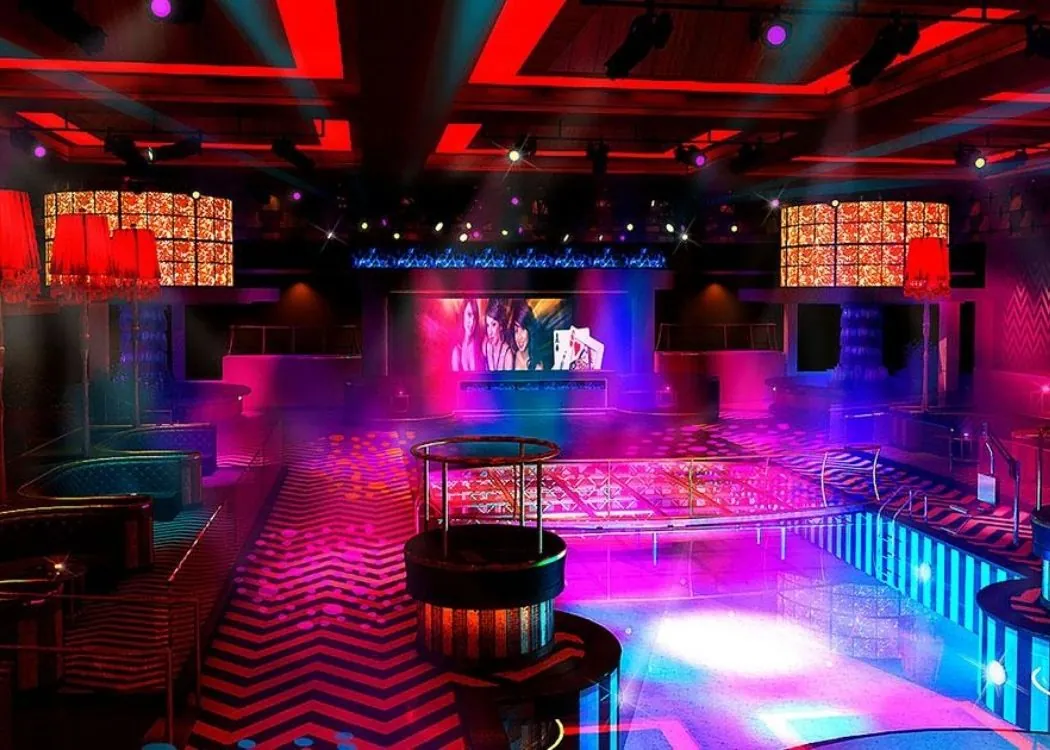
    This infamous scam targets solo travelers or small tourist groups, luring them into bars with promises of friendly company and drinks, then springing a hefty bill at the end. Here's how it works:


    Friendly Approach: A stranger strikes up a conversation, showering you with compliments and calling you "friend."


    Bar Invitation: They invite you for a drink at a nearby "hidden gem" bar or club.


    Underdressed Company: Inside, you're introduced to scantily-clad women who encourage you to order more drinks.  These drinks are often heavily overpriced and spiked with alcohol or drugs.


    Shocking Bill: At the end, you're presented with an inflated bill, often reaching hundreds or even thousands of dollars.


    Pressure Tactics: If you refuse to pay, you might be threatened, intimidated, or even physically forced to an ATM to withdraw money.


    How to Avoid this Trap


    Be wary of unsolicited attention: If anyone you don't know approaches you on the street, especially with offers of free drinks or access to hidden gems, politely decline and keep walking.


    Stick to reputable establishments: Research bars and clubs beforehand and stick to well-reviewed places with transparent pricing.


    Never accept free drinks from strangers: Be cautious of unsolicited drinks, especially in unfamiliar settings.


    Trust your gut: If something feels off, it probably is. Don't be afraid to walk away from any situation that makes you uncomfortable.


    General Tips to Avoid Scammers


    Be vigilant, especially in crowded areas: Scammers often operate in tourist hotspots like Grand Bazaar, Taksim Square, and major transportation hubs. Keep an eye on your belongings and be wary of unsolicited approaches.


    Trust your gut and don't be afraid to say "no": If something feels off, it probably is. Don't be pressured into anything you're not comfortable with, and politely decline any offers that seem too good to be true. When you say no, don't get agitated by their responses and be totally cool.


    Research prices and attractions beforehand: Knowing fair prices for goods and services can help you spot inflated charges. Research attractions and admission fees before you go to avoid getting ripped off.


    Use official and licensed services: Stick to official taxis, tour companies, and ticket vendors to minimize the risk of scams. Look for proper identification and licensing.


    Report any suspicious activity to local authorities: If you encounter a scam, don't hesitate to report it to the police or tourism officials. This can help protect other travelers and deter scammers.


    Trusted Exploration: Istanbul Tourist Pass Guides – Your Easy and Convenient Certified Companion


    Discovering Istanbul's rich history and vibrant modernity is now effortlessly streamlined with Istanbul Tourist Pass®. Crafted by a seasoned tourist agency with over 30 years of expertise, this digital pass serves as your certified companion, ensuring a secure and curated exploration of the city's wonders.


    The pass opens doors to 100+ attractions and services, from guided tours to skip-the-line entrance tickets and discounted hop-on-hop-off bus tours. What sets Istanbul Tourist Pass® apart is not just its convenience but also the trust it instills, thanks to its reputable agency origin. You will love our guided tours which are specially crafted for your needs by our local and professional certified guide team


    Making the journey even more accessible, purchasing the pass is easy and convenient. With a few clicks online, travelers can secure their pass, offering a hassle-free entry into Istanbul's cultural and historical treasures. Let Istanbul Tourist Pass® be your trusted, certified, and effortlessly convenient guide to a worry-free exploration of this enchanting city.


  • Tipping Culture in Istanbul: A Helpful Guide for Travelers

    Istanbul, the vibrant heart of Turkey, offers a unique blend of history, culture, and culinary delights. While exploring this fascinating city, understanding the local tipping culture is crucial for ensuring a smooth and respectful experience. For this article, we have prepared a guide to navigating Istanbul's tipping culture for you. But before we dig into this, let’s have a look at the best way to visit this amazing city: Istanbul Tourist Pass®.


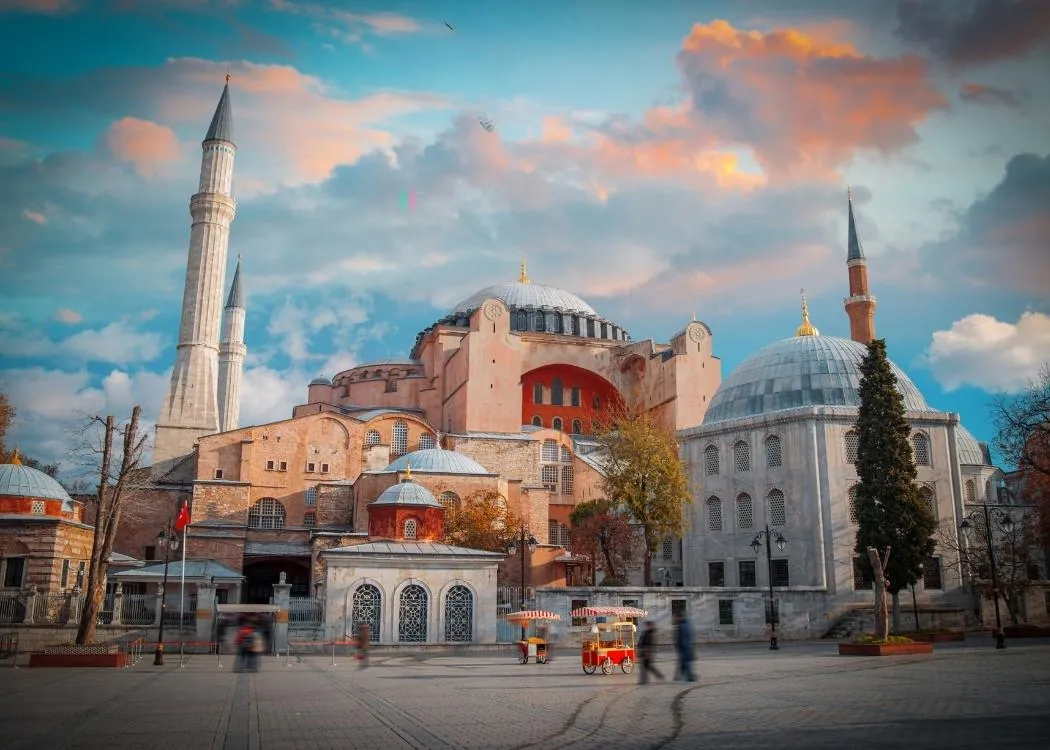
    For travelers who want to maximize their exploration of Istanbul, the Istanbul Tourist Pass® presents an invaluable opportunity. This completely digital pass, crafted by a 30+ years experienced tourist agency, opens doors to over 100 attractions and services across the city. Holders of the Istanbul Tourist Pass® gain access to amazing guided tours, skip-the-ticket-line entrance tickets, discounted hop-on-hop-off bus tours, mesmerizing cruises, and various transportation alternatives like the Istanbul City Card. With the convenience of a single pass, visitors can seamlessly navigate the city's cultural gems and historical landmarks. Whether it's exploring the iconic Hagia Sophia Mosque or joining on a Bosphorus breakfast cruise, the Istanbul Tourist Pass® enhances the overall experience, making it an essential companion for those seeking a comprehensive and hassle-free adventure in this captivating city. Buy your Pass now!


    Tipping in Restaurants and Cafes in Istanbul


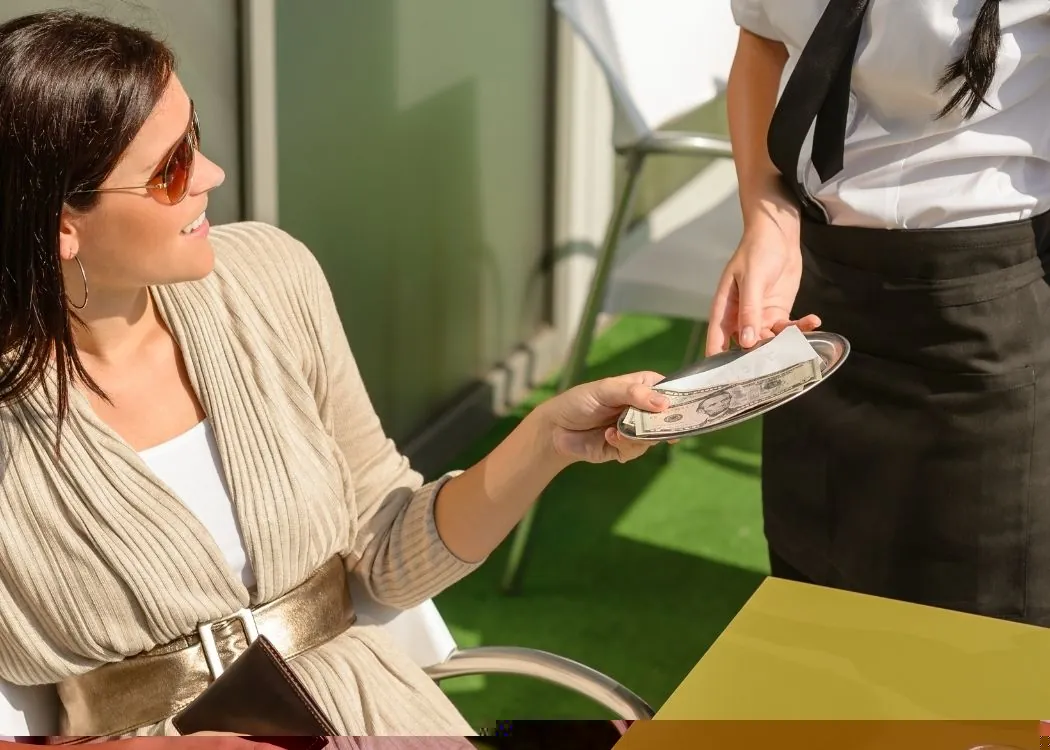
    Tipping in Istanbul restaurants and cafes is not mandatory, but it's considered a gesture of appreciation for good service. The customary tip amount ranges from 5% to 10% of the total bill. However, several factors can influence the appropriate tip:


    Factors to consider when tipping in restaurants


    Service quality: Was your waiter attentive and friendly? Did they go the extra mile to ensure your experience was enjoyable? Exceptional service warrants a higher tip.


    Restaurant type: Upscale restaurants with higher prices may expect a slightly higher tip (around 10-15%) compared to casual cafes.


    Group size: For larger groups, the tip is often automatically included in the bill. Double-check the bill before leaving any additional gratuity.


    Personal preference: Ultimately, the amount you tip is a personal choice and also it depends on your budget. 


    Tipping Methods: How to Tip in Istanbul Restaurants and Cafes


    Cash: The most common method is leaving cash directly on the table or in the bill folder after you pay up. Not in restaurants but in cafes, you can put your tip also in tipping boxes. 


    Credit card: Although it is not as common as in the USA, some restaurants allow adding a tip to your credit card bill. 


    Rounding up: Simply rounding up the bill to the nearest lira is a convenient alternative. but be careful it can be less than you wanted to give as a tip. 


    Tipping Taxis in Istanbul


    Tipping taxi drivers in Istanbul is not customary but as of the writer of this article, I find it very nice to tip taxi drivers in Istanbul. Although it is not that common, rounding up the fare to the nearest lira is appreciated. If you're happy with the service, you can leave a small additional tip of around 10-20 Turkish Liras less than 1 Euro.


    Tipping Norms for Taxi Rides


    Short trips: Rounding up the fare is sufficient. You can simply say 'üstü kalsın' which can be translated into 'that's ok' after giving more than your fare. 


    Long distances or difficult traffic: A small additional tip around 20- 30 TL is appropriate. Driving around this crowded city can be stressful for drivers so around a 1 dollar/euro can be enough to make the driver happy!


    Exceptional service: If the driver goes above and beyond, a 50-100 TL tip shows your appreciation.


    Tipping at Hotels in Istanbul: Acknowledging Exceptional Service


    When it comes to hotels in Istanbul, tipping is not an obligation, but rather a customary expression of gratitude for exceptional service. The amount you choose to tip is contingent upon the type of service provided and the overall quality of your experience. Let us give you some tips about tipping for 2023. Remember, tipping is not mandatory and the information above is just for helping you if you wish to tip hotel staff.


    Tipping Guidelines for Hotel Services


    Porters: When entrusting your luggage to the capable hands of porters, a tip ranging from 10-20 TL per bag is considered appropriate. You can simply give 50-100 TL after they bring your suitcases to your room. 


    Housekeeping: To recognize the diligent efforts of housekeeping, leaving a daily tip of 20-50 TL on your pillow or bedside table is a common practice for tourists in Istanbul.


    Concierge: When the concierge assists with reservations, recommendations, or special requests, a tip of 20-50 TL serves as a thoughtful and nice gesture.


    Valet: Express appreciation for valet services with a modest tip of 20-30 TL upon the retrieval of your car if there is no fixed fee for the valet service. 


    Bellhops: For the helpful hands of bellhops during check-in or check-out, a tip of 20-30 TL is fitting.


    Different Staff Members in Hotels and Appropriate Tips


    Front desk staff: While tipping is not mandatory and common, a small gratuity of 20-50 TL for exceptional service is warmly appreciated. It is always a good idea to tip especially in boutique hotels. There can be a tip box on the front desk and you can just put in your tip easily. 


    Spa therapists: When indulging in spa services, a tip of 10-15% of the service cost is customary. They generally wait for the tip so it won't be awkward to hand them some cash while leaving. 


    Room service: Show appreciation for room service by tipping 10 -15% of the bill on top of any service charge. You can also simply give 20-50 TL which are considered as the smallest TL bills. 


    Tour Guides and Excursions: Honoring Expertise and Effort


    While tipping tour guides in Istanbul is not obligatory, it's a widely practiced means of acknowledging their knowledge, professionalism, and dedication to making your tour enjoyable. Many people don't tip their tour guides, so it can surprise your guide and make them happy. 


    Tipping Expectations for Guided Tours


    Short tours (1-4 hours): Consider a tip of 50-100 TL per person as a token of appreciation if you are happy with the tour.


    Longer tours (full-day or multi-day): For extended tours, a customary tip ranges from 100-200 TL per person. For some tours, there is a fixed tip expected and this info is generally given by the tour operator while making a reservation. 


    Exceptional service: If your guide exceeds expectations, a higher tip of 200-300 TL showcases your gratitude.


    Additional factors to consider


    Group size: Larger groups may have gratuity included in the tour price. You can tip all together instead of individually. 


    Guide's experience and knowledge: A more experienced and knowledgeable guide may warrant a higher tip. Actually, with a great local guide, you will feel the need to gift them, I know that from the personal experience in our tours. 


    Overall tour experience: If you enjoyed the tour and gained valuable insights, a higher tip is fitting.


    Tipping in Hamam, Spas and Salons in Istanbul


    Tipping in spas and salons in Istanbul is not mandatory, but it's customary to show appreciation for good service and the therapist's expertise. Personally, as the writer of this blog, I always tend to tip in hamams, spas and beauty salons, I learned it from my family so I would suggest you tip also. 


    Tipping Practices in Spas and Salons


    Tipping in Istanbul's spas and salons is customary and considered a way to show appreciation for the therapist's skills and service. The recommended tip amount varies based on the experience:


    Massage or facial: 10-15% of the treatment cost is a good guideline. But don't give less than 50 TL anyway. 


    Hair and beauty treatments: 5-10% of the service cost is generally appropriate but also consider giving 50 TL minimum. 


    Hamam services: Normally after 100-200 TL is appreciated if you have a foam bath and cleaned by a staff. 


    Exceptional service: If you were particularly impressed with the therapist's expertise and attentiveness, consider a higher tip of up to 20%. 100-200 TL can be nice for the personnel while it is only 3 dollars/euros for you.


    Deciding on an Appropriate Tip


    Several factors influence the appropriate tip amount:


    Length and complexity of the treatment: Longer or more involved treatments warrant a higher tip.


    Experience and reputation of the spa/salon: High-end establishments may expect slightly higher tips.


    Overall satisfaction with the service: Consider the therapist's professionalism, communication, and attention to your needs.


    Tipping the Porters in Istanbul


    Everywhere in the world, tipping the porters is common. Even if you don't have cash for a tip, remember to thank the porter for their assistance. A simple "thank you" or "çok teşekkür ederim" (pronounced chok teshekkur ederim) goes a long way.


    When and How to Tip Porters


    At hotels: When porters assist with your luggage upon arrival and departure, a tip of 10-20 TL per bag is appropriate.


    At restaurants: If a porter helps you with your coat or bags, a small tip of 5-10 TL is appreciated.


    In airports: If a porter helps you with your luggage, a tip of 10-20 TL is customary.


    Acknowledging Assistance with Luggage


    Even if you decline porter services, a polite "thank you" acknowledges their presence and willingness to assist. If you have limited mobility or require extra help, a higher tip is appropriate.


    Cash Tips and Payment Methods


    If you decide to tip after having a service, let's talk about the methods of giving it. While tipping in cash is preferred, some establishments may allow adding the tip to your credit card bill. This option is convenient but may involve processing fees.


    Advantages of Tipping in Cash


    Immediate appreciation: Tipping directly in cash shows your gratitude instantly.


    Flexibility: You can adjust the tip amount based on the service quality.


    Convenience: No need to wait for the bill or adjust the credit card payment.


    While some establishments may accept tips on credit cards, cash remains the preferred and most appreciated method in Istanbul.


    Tips for Tipping in Istanbul


    Carry small bills: Having readily available 10, 20, and 50 TL notes simplifies tipping for various services. Don't tip anyone with 5 TL, it is so small, it is better not to tip instead of 5 TL. 


    Observe local customs: Pay attention to how others tip in different settings to gauge appropriate amounts. Tipping can vary in different places in Istanbul. 


    Don't feel pressured: Tipping is voluntary. Base your decision on your satisfaction and budget.


    Express gratitude: A sincere "thank you" alongside your tip goes a long way in showing appreciation.


    Don't be stressed: There is no right or wrong amount, but aim for a tip that reflects the quality of the experience. But don't try to tip less than 20 TL in any case because in the recent economic crises, 20 TL is the base for tip now. 


  • Exploring Turkish Sweets: A Guide to the Most Popular Desserts

    Dear readers, today we will have a journey around Istanbul to discover the amazing sweets culture. If you have a sweet tooth, beware yourself, this journey will be delicious! Turkey, with its rich history and diverse cultural influences, boasts a culinary scene that's as vibrant as its landscapes. Among the many treasures in Turkish cuisine, desserts hold a special place, offering a delightful conclusion to a traditional Turkish meal. In this journey through the world of Turkish sweets, we'll delve into the importance of desserts in Turkish cuisine and highlight some of the most popular treats that have enchanted taste buds for centuries.


    While savoring the delightful array of Turkish desserts, enhance your Istanbul experience with the Istanbul Tourist Pass®. This digital card opens the doors to over 100 attractions and services in Istanbul, providing not only a sweet culinary journey but also a seamless exploration of the city's rich cultural tapestry. The pass, crafted by a seasoned tourist agency with over 30 years of experience, offers convenience with skip-the-line entrance tickets, guided tours, discounted hop-on-hop-off bus tours, and even cruises. With the Istanbul Tourist Pass®, you can effortlessly navigate the city and, in between bites of baklava and sips of Turkish tea, unlock the treasures of Istanbul's historical and contemporary wonders.


    Turkish Dessert Culture: The Importance of Sweets in Turkish Cuisine


    Turkish cuisine is renowned for its fusion of flavors, drawing inspiration from the Ottoman Empire, Middle Eastern, Central Asian, and Balkan influences. One aspect that stands out prominently is the significance of desserts. In Turkish culture, desserts are not merely a sweet indulgence but an integral part of social gatherings, celebrations, and daily life.


    Symbolic Significance of Desserts in Turkey


    Desserts in Turkey go beyond satisfying a sweet tooth; they often carry symbolic meanings deeply rooted in cultural traditions. For instance, the offering of desserts holds a special place in hospitality, showcasing the warmth and generosity of the host.


    Sweets of Celebratory Occasions


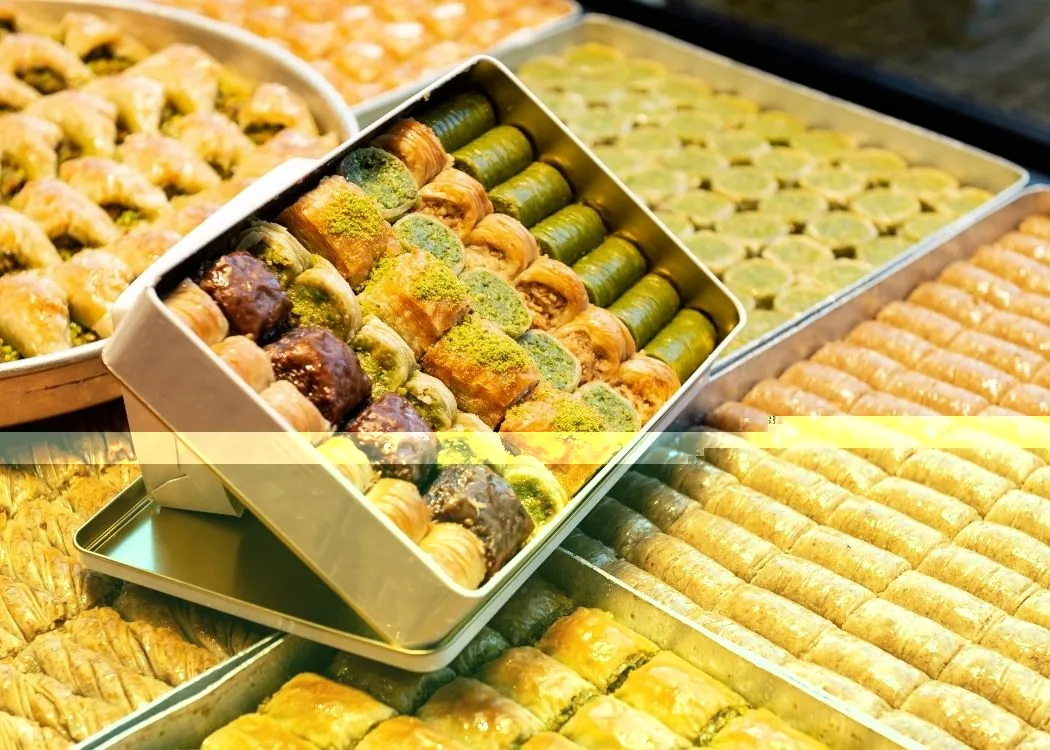
    No Turkish celebration is complete without a spread of delectable sweets. From weddings to religious festivities, desserts play a central role, symbolizing joy, prosperity, and the sweetness of life. Especially on religious holidays, you can see homemade or bought baklava in nearly every house. For my grandparents, the baklava above all the food served to guests, was the most important dish on the holidays. 


    Traditionally, Turkish people offer lemon cologne and hard candy or chocolates to their guests when they come to your house before everything. We even have a saying "Let's eat sweet so talk sweet". Although these traditions are slowly disappearing, they have strong ties to Turkish identity. 


    Culinary Heritage of Turkish Sweets


    The intricate art of crafting Turkish sweets has been passed down through generations, contributing to a culinary heritage that continues to evolve. Traditional recipes, often closely guarded family secrets, are lovingly handed down, ensuring the preservation of authentic flavors. Especially making pişmaniye, lokum, and hard candies is disappearing nowadays. But you can still find authentic handmade sweets in Istanbul. 


    Versatility in Ingredients


    Turkish desserts exhibit a remarkable variety in ingredients, reflecting the country's diverse geography. From the honey-soaked pastries of the Aegean region to the nut-filled delights of southeastern Turkey, each dessert tells a tale of local produce and culinary ingenuity. Turkish cuisine uses very different ingredients in different regions so it is just natural to enjoy different ingredients in desserts also. 


    The Ritual of Tea and Sweets


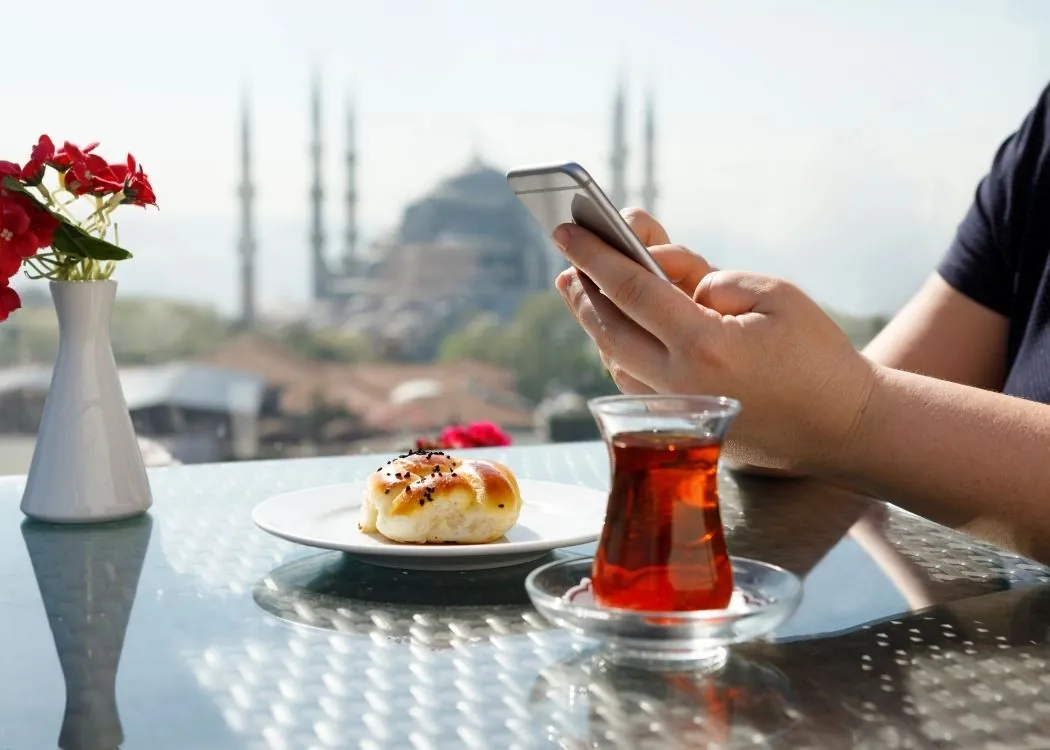
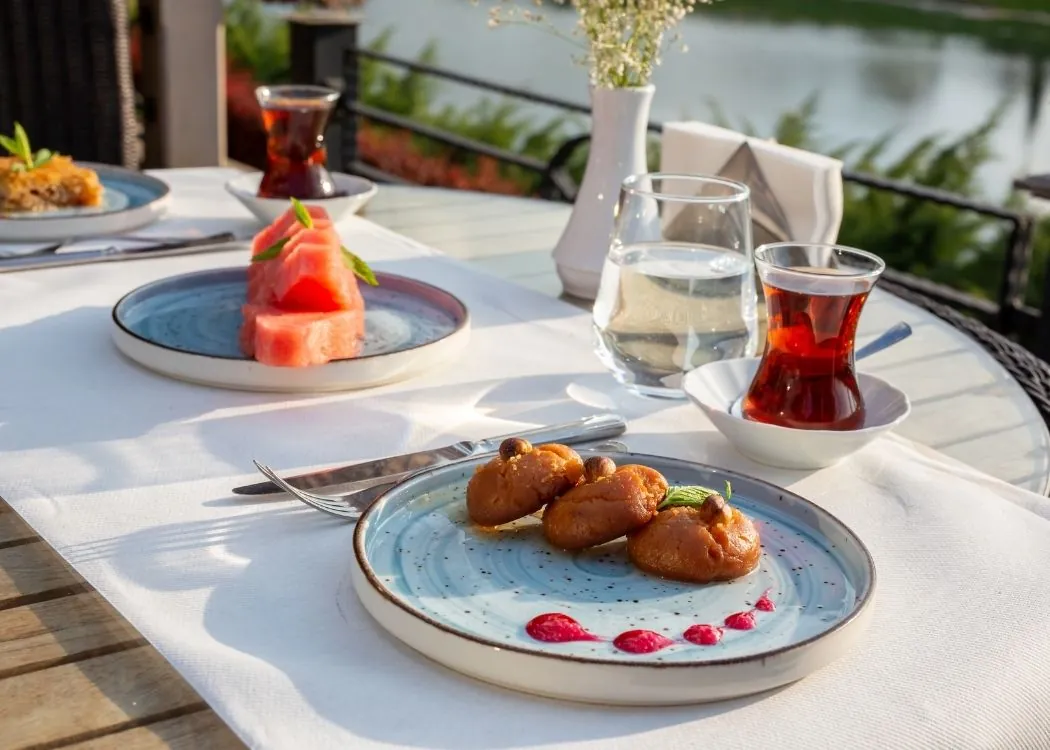
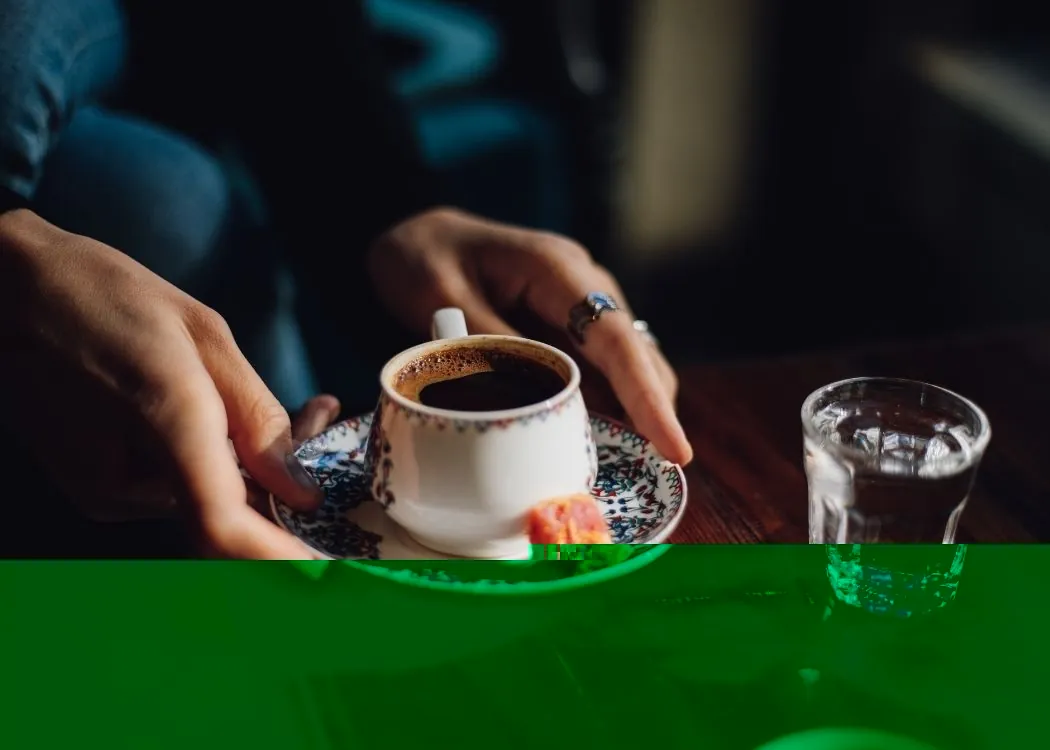
    Turkish tea holds a central place in the daily lives of Turkish people, forming an integral part of their cultural fabric. Enjoyed throughout the day, this strong, black tea is often served in small glasses, creating a ritual that fosters social connection. Whether at home, in the workplace, or at social gatherings, the act of sharing tea is a symbol of hospitality and warmth.


    It's common for Turks to pair their tea with a variety of desserts, ranging from the iconic baklava to the chewy delights of Turkish Delight. The combination of tea and sweets is not just a culinary preference; it's a cultural practice that signifies shared moments, social bonding, and the enduring importance of hospitality in Turkish culture. If you wish to taste this amazing black tea, have a cup from us. Take your welcoming treat here and enjoy a cup of tea or coffee. 


    Now let's have look at the most popular 10 desserts in Turkey in details with special tips for each one. 


    1- Baklava: Layers of Sweet Perfection


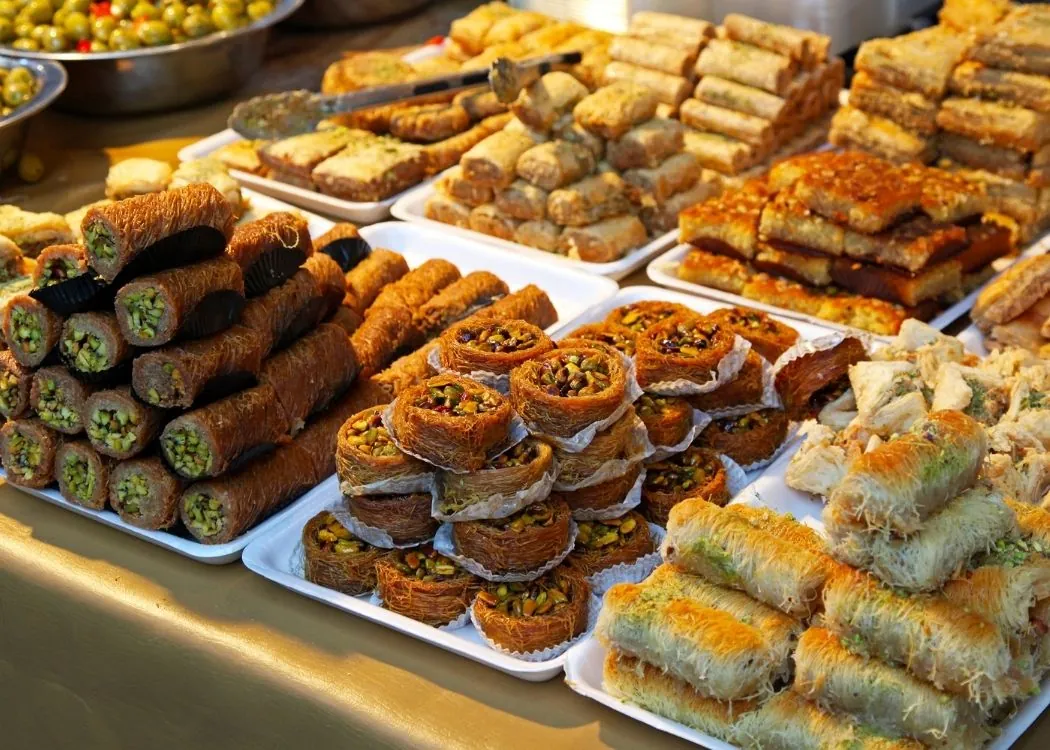
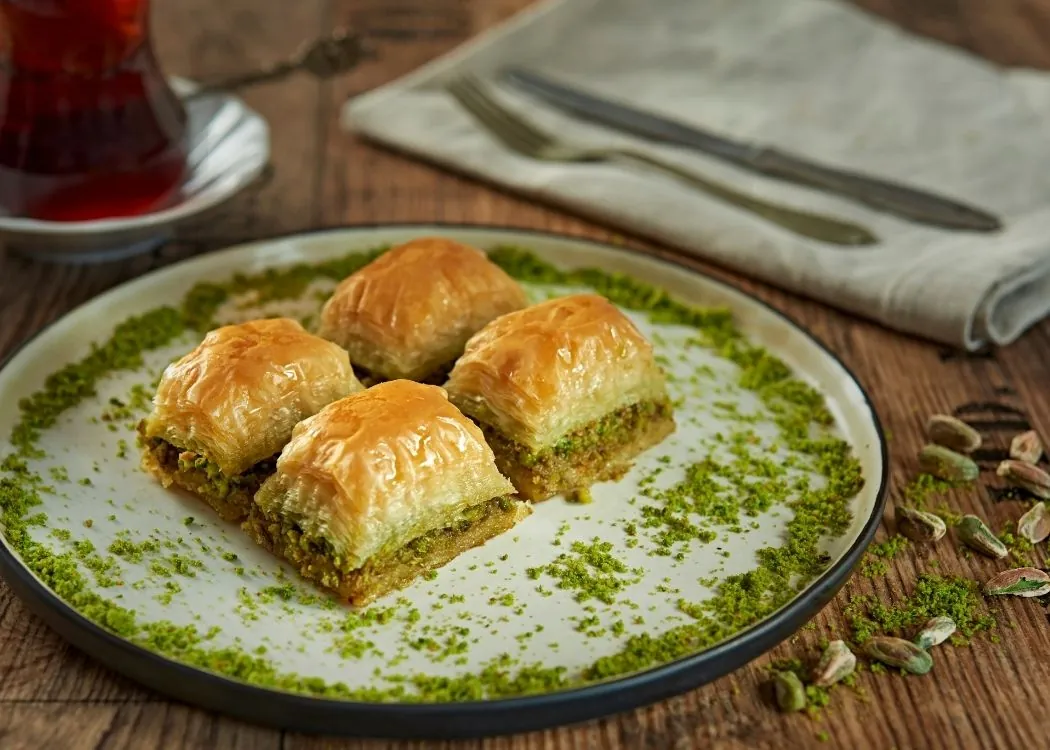
    Baklava, the crown jewel of Turkish desserts, is a symphony of thin layers of phyllo pastry, generously filled with chopped nuts and sweetened with honey or syrup. This culinary masterpiece has transcended its origins to become a global sensation.


    Where to find the best baklava in Turkey?


    Today we accept Gaziantep as the hometown of the best baklava, but you don’t need to travel all the way to Gaziantep to taste the amazing desert. To experience the pinnacle of baklava perfection, venture into the bustling bazaars of Istanbul, where family-owned patisseries like Karaköy Güllüoğlu and Hafız Mustafa have perfected the art of crafting this sweet delight for generations. These families are from Gaziantep and they generally bring their ingredients from there.


    For a famous place, head to Karaköy Güllüoğlu, a renowned institution boasting a 4.5-star rating and a loyal following. For a more modern experience, try Faruk Güllüoğlu, a chain with several locations throughout the city, but you can try one in Gümüssuyu near Taksim. Beyond Istanbul, venture to Köşkeroğlu Baklava Tophane in Beyoğlu, lauded for its traditional recipe and charming setting. In Kadıköy, Bilgeoglu Baklava offers a taste of heaven with its fresh, melt-in-your-mouth pastries.


    Bonus Tip: Don't forget to pair your baklava with a cup of strong Turkish tea or coffee for the perfect sweet and savory combination.


    Whichever spot you choose, be sure to savor the experience. Take a bite, close your eyes, and let the flavors of honey, pistachios, and buttery dough transport you to a land of pure sweetness.


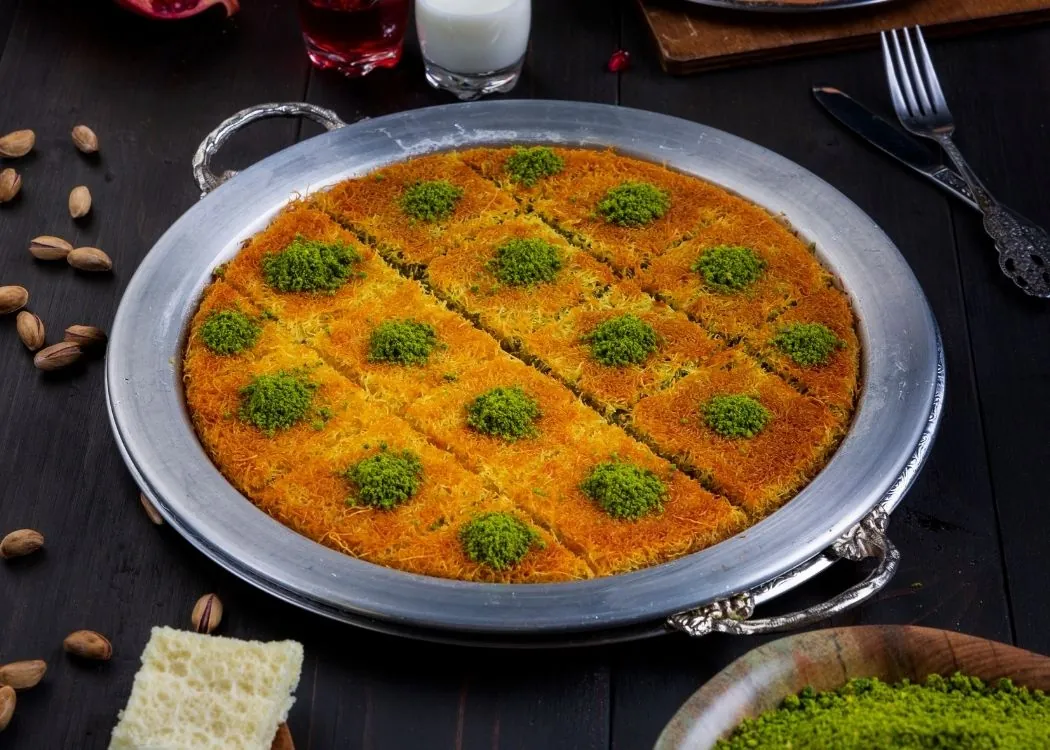
    2- Künefe: A Delectable Cheese Delight


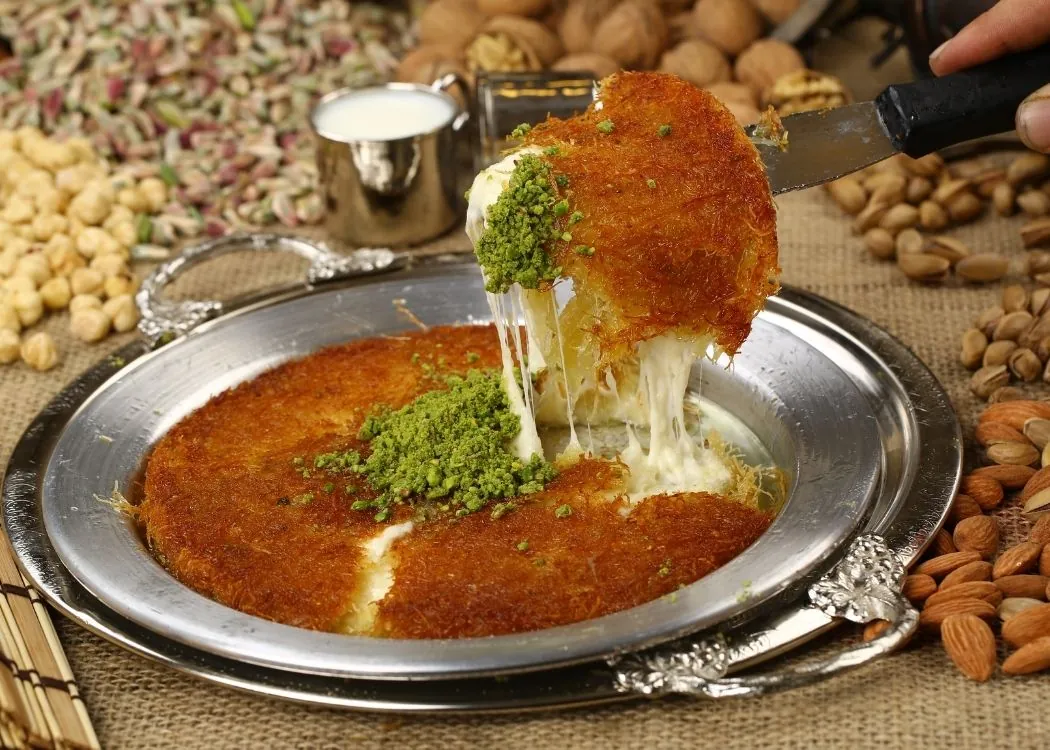
    Künefe, a heavenly marriage of shredded phyllo dough, mild cheese, and sugar syrup, creates a dessert that's both crunchy and gooey. For an authentic künefe experience, head to Antakya in southern Turkey. The city's narrow alleys are home to renowned establishments like Uzun Kıvırcık Buryan Kebap ve Künefe Salonu, where skilled artisans craft this delectable cheese delight with unparalleled expertise.


    Recommended Places to Try Künefe in Turkey


    For the Authentic Taste:


    Cinaralti Kunefe Yusuf Usta (Antakya): This legendary spot in Antakya, considered the birthplace of künefe, is a must-visit for the real deal. Expect melt-in-your-mouth cheese, crispy kataifi pastry, and a generous drizzle of sweet syrup.


    Künefe Baba (Hatay): Another Hatay gem, Künefe Baba offers a variety of künefe options, including traditional and pistachio-infused versions. The atmosphere is warm and inviting, adding to the overall experience.


    Gülhane Park Çınaraltı Künefe (Istanbul): Nestled within the beautiful Gülhane Park, this künefe stall offers a delicious and scenic treat. Enjoy the fresh air and stunning views while indulging in their crispy, cheesy künefe.


    For a Modern Twist:


    Keyfeder Künefe Katmer (Istanbul): This popular spot in Beyoğlu offers a modern take on künefe, with unique flavors like chocolate and Nutella. They also serve traditional künefe, but with a lighter and flakier pastry.


    EKOL Hatay Künefe (Multiple Locations): This chain of restaurants offers high-quality künefe in a stylish setting. They have several locations throughout Istanbul, making it easy to find a spot regardless of your location.


    Güllüoğlu Kunefe (Multiple Locations): This renowned baklava shop also offers a delicious künefe. They use a special cheese blend that creates a creamy and gooey texture, making it a favorite among locals and tourists alike.

    Bonus:


    Varka Antakya Lezzetleri (Istanbul): This restaurant specializes in Antakya cuisine, and their künefe is no exception. It's made with traditional cheese and kataifi pastry, and the result is a truly authentic experience.


    Tips for Enjoying Künefe: 


    • Künefe is best enjoyed fresh and hot.
    • Pair it with Turkish tea or coffee for a complete experience.
    • Don't be afraid to ask for extra cheese or syrup!
    • Remember: This is just a small sample of the many great places to try künefe in Turkey.
    • With so many options to choose from, you're sure to find the perfect künefe to satisfy your cravings.


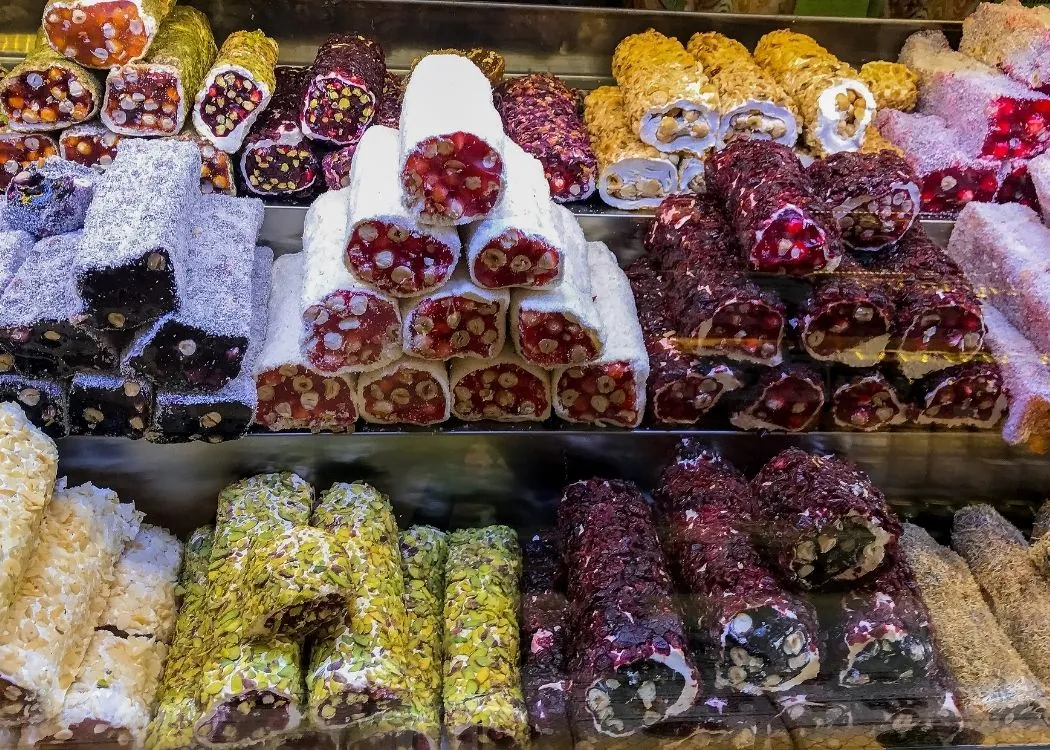
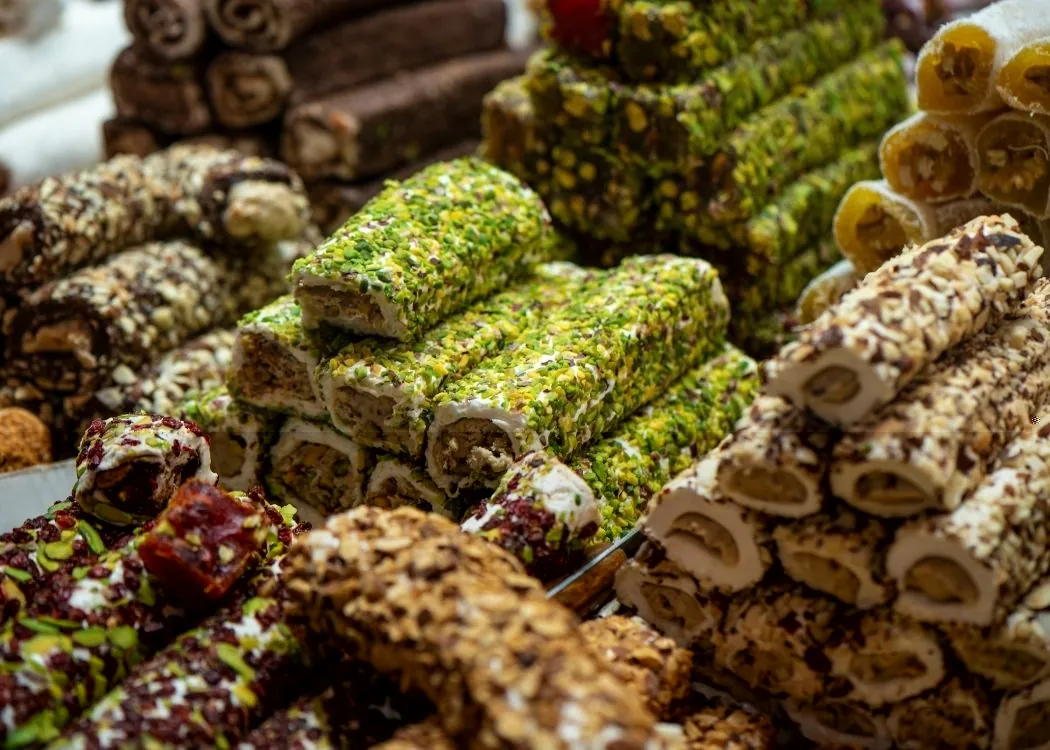
    3- Turkish Delight (Lokum): A Sweet Adventure


    Embark on a sweet adventure with Turkish Delight, known locally as Lokum. This chewy confection, often flavored with rosewater, citrus, or nuts, has enchanted palates for centuries. For an authentic experience, explore Istanbul's historic Spice Bazaar or the Grand Bazaar, where shops like Haci Bekir offer an array of lokum varieties, showcasing the true craftsmanship behind this iconic Turkish treat.


    Let's have a look at the popular markets for purchasing authentic lokum.


    Egyptian Bazaar (Spice Bazaar)


    Located in Istanbul's historic Eminönü district, this bustling marketplace is a sensory feast. Wander through the labyrinthine alleys lined with stalls overflowing with spices, dried fruits, nuts, and of course, lokum. Immerse yourself in the vibrant atmosphere and find yourself captivated by the colorful mountains of lokum, available in all imaginable shapes, sizes, and flavors.


    Grand Bazaar


    Another Istanbul treasure, the Grand Bazaar is a historical landmark and a shopping paradise. With over 4,000 shops selling everything from carpets and jewelry to ceramics and leather goods, you'll also find a dedicated Lokum Çarşısı (Turkish Delight Bazaar) within its walls. Here, you can indulge your sweet tooth and discover a variety of lokum prepared according to traditional recipes by generations-old confectioners.


    Tahtakale Market


    Step back in time at the Tahtakale Market, a historic Istanbul marketplace known for its traditional shops and wholesalers. This is the perfect place to find authentic lokum made with natural ingredients and time-honored techniques. Here, you can bargain for the best price and discover unique lokum varieties not found elsewhere.


    Bursa Kapalıçarşı (Closed Bazaar)


    Located in the heart of Bursa, the Kapalıçarşı is the largest covered market in Turkey. As you wander through its 5 kilometers of alleys lined with over 4,000 shops, you'll discover a rich and vibrant atmosphere. Be sure to stop at one of the many dedicated lokum shops and sample the city's renowned lokum, known for its exceptional quality and rich flavor.


    Gaziantep Baklava Bazaar:


    Gaziantep, the culinary capital of the south, is renowned for its exquisite baklava and, naturally, its lokum. Explore the city's bustling Baklava Bazaar and discover a vast selection of lokum in traditional flavors like rose, pistachio, and walnut. You can also find unique Gaziantep specialties like "dolama" lokum, filled with dried fruits and nuts.


    Tips for Purchasing Authentic Lokum:


    • Look for stalls where lokum is prepared fresh daily.
    • Trust your senses: the lokum should have a vibrant color, a soft and chewy texture, and a distinct aroma.
    • Don't be afraid to sample different flavors before making your purchase.
    • Ask the vendor about the ingredients and their origin.
    • Be mindful of the price: lokum made with natural ingredients and traditional methods will usually cost slightly more.
    • With its diverse flavors and textures, lokum offers a delightful taste of Turkish culture. So, delve into these vibrant markets and discover the sweet treasures that await you!


    4. Şekerpare: Soft and Sweet Semolina Cookies


    Şekerpare, delicate semolina cookies bathed in sweet syrup, are a Turkish delight that captivates with its melt-in-the-mouth texture. To savor the finest şekerpare, visit local bakeries in Gaziantep, renowned for their expertise in creating this soft and sweet delicacy. Shops like Imam Çağdaş have perfected the art of crafting şekerpare, making them a must-try in this southeastern culinary haven.


    Şekerpare, a traditional Turkish dessert characterized by its sweet syrup and crumbly texture, is a must-try for any sweets enthusiast visiting Istanbul. To help you navigate the city's vast culinary scene, here are some local bakeries renowned for their exceptional şekerpare.


    Local bakeries serving the best şekerpare in Istanbul


    Karadeniz Pastanesi


    Nestled in the vibrant Kadıköy district, Karadeniz Pastanesi is a local favorite known for its traditional Turkish pastries. Their şekerpare is no exception, boasting a delicate balance of sweetness and crunch. Be sure to arrive early, as these melt-in-your-mouth treats tend to sell out quickly!


    Tatlıses Pastanesi


    Located in the historic Balat neighborhood, Tatlıses Pastanesi is a charming establishment with a loyal following. Their şekerpare is made using a generations-old recipe, resulting in a unique and flavorful experience. Pair your bite with a cup of Turkish tea for the perfect traditional indulgence.


    Gönül Pastanesi


    If you're searching for a contemporary twist on a classic, head to Gönül Pastanesi in the Beyoğlu district. This modern bakery offers a variety of flavored şekerpare, including rose, orange blossom, and even chocolate. Their innovative creations are sure to tantalize your taste buds while staying true to the essence of şekerpare.


    Hafız Mustafa 1864


    With a rich history dating back to the late 19th century, Hafız Mustafa 1864 is a renowned Turkish confectionary brand. Their vast selection of traditional sweets includes a delectable şekerpare, crafted with the finest ingredients and meticulous attention to detail. You're sure to find the perfect box of şekerpare to take home as a souvenir or a sweet treat for loved ones.


    Karaköy Güllüoğlu


    Karaköy Güllüoğlu, another iconic Istanbul establishment, is a haven for baklava enthusiasts. However, they also offer an exceptional şekerpare that shouldn't be missed. Their version boasts a perfect balance of sweetness and texture, making it a delightful treat for any occasion.


    Tips for Choosing the Best Şekerpare


    • Look for a bakery with a good reputation and fresh ingredients.
    • The şekerpare should be golden brown in color and have a slightly crumbly texture.
    • The syrup should be sweet but not overly sticky.
    • Don't be afraid to ask to try a sample before making your purchase.
    • With its unique texture and sweet flavor, şekerpare is a true Turkish delight. By exploring these local bakeries, you're sure to discover the best that Istanbul has to offer and create lasting memories of your sweet adventure.


    5. Sütlaç: Creamy Turkish Rice Pudding


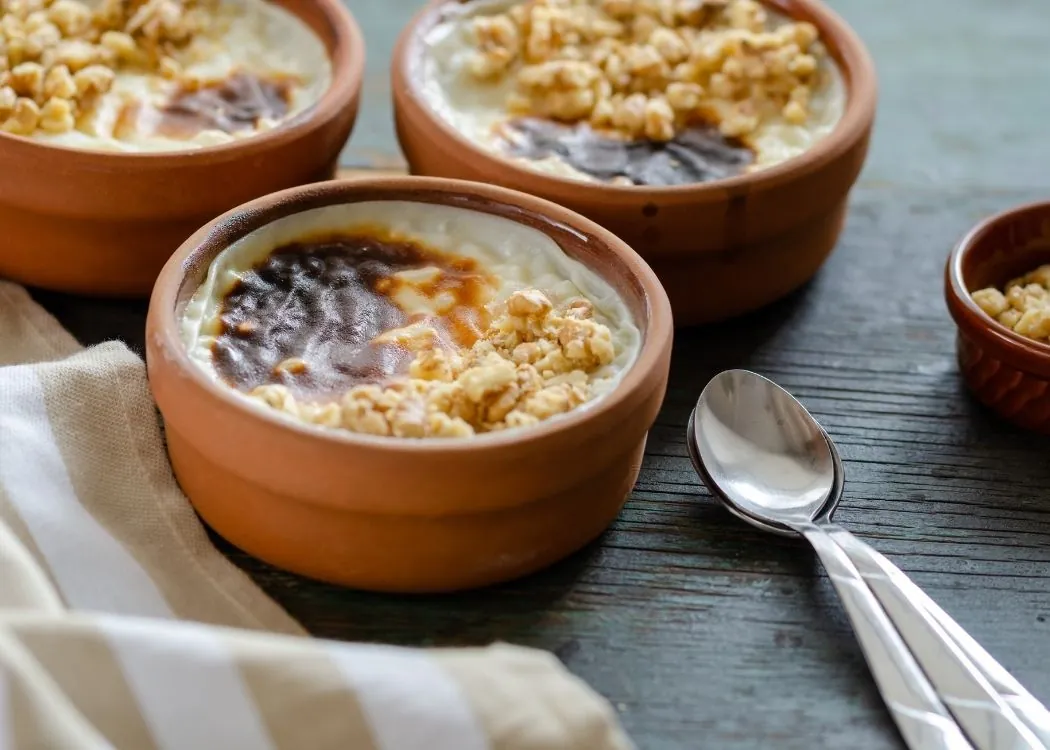
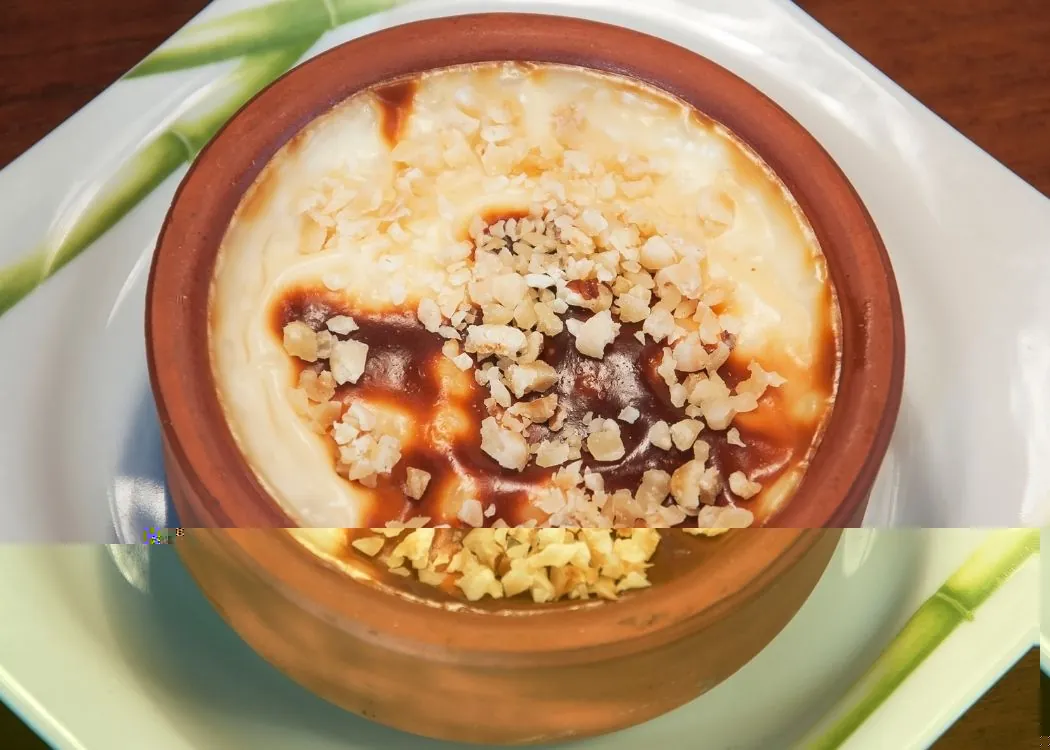
    Indulge in the creamy goodness of Sütlaç, a Turkish rice pudding that combines rice, milk, and sugar, delicately flavored with a hint of vanilla or cinnamon. To experience the best of this comfort dessert, visit traditional eateries in Istanbul's historic neighborhoods, such as Güllüoğlu, where the classic recipe is faithfully honored, offering a taste of nostalgia in every spoonful.


    Sütlaç, a comforting rice pudding that may be infused with cinnamon and delicately flavored with rosewater, is a beloved Turkish dessert. In Istanbul, where culinary history runs deep, several traditional establishments offer an authentic sütlaç experience. Let’s have a look at some suggestions for you.
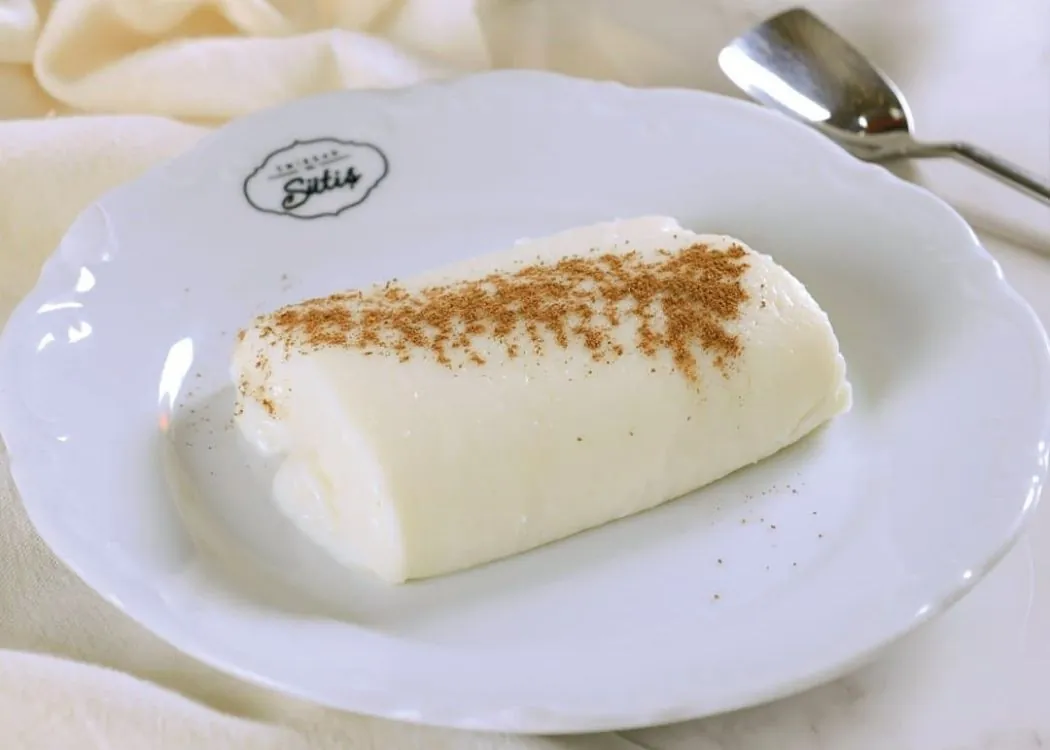


    Traditional Places to Enjoy Sütlaç in Istanbul


    Karaköy Güllüoğlu (Beyoğlu): This iconic bakery, established in 1820, is renowned for its dedication to time-honored recipes and high-quality ingredients. Their sütlaç is no exception, boasting a creamy and smooth texture, perfectly balanced sweetness, and a delicate aroma of cinnamon and rosewater.


    Hafız Mustafa 1864 (Multiple Locations): This renowned chain, with several branches across Istanbul, offers a delightful variety of Turkish sweets, including an exceptional sütlaç. Their version features a slightly thicker consistency than some, allowing the flavors to develop beautifully, resulting in a comforting and satisfying experience.


    Tarihi Sultanahmet Köftecisi (Sultanahmet): This historic restaurant, established in 1920, is known for its traditional Turkish cuisine and authentic ambience. Their sütlaç is a must-try, featuring a rich and creamy texture and a perfectly balanced sweetness.


    Fıstıkzade (Fatih): This traditional Turkish restaurant has been serving locals and tourists since 1864. Their sütlaç is a testament to their culinary heritage, featuring a silky smooth texture and a delicate rosewater aroma that lingers on the palate.


    Kanaat Lokantası (Beyoğlu): This charming restaurant offers a taste of traditional Turkish home cooking. Their sütlaç is made with the utmost care, resulting in a comforting and satisfying dessert that is perfect for ending a delicious meal.


    Tips for Choosing the Best Sütlaç


    • Look for establishments with a long history and reputation for traditional Turkish cuisine.
    • Choose sütlaç with a creamy and smooth texture, not too thick or watery.
    • The sweetness should be balanced and not overpowering.
    • The cinnamon and rosewater flavors should be subtle and not overpowering.
    • Don't hesitate to ask the waiter for recommendations.


    Let your taste buds embark on a journey through history and discover the traditional sütlaç that Istanbul offers. With its comforting warmth and delicate flavors, it's sure to leave you feeling satisfied and content.


    6. Revani: Citrus-infused Semolina Cake


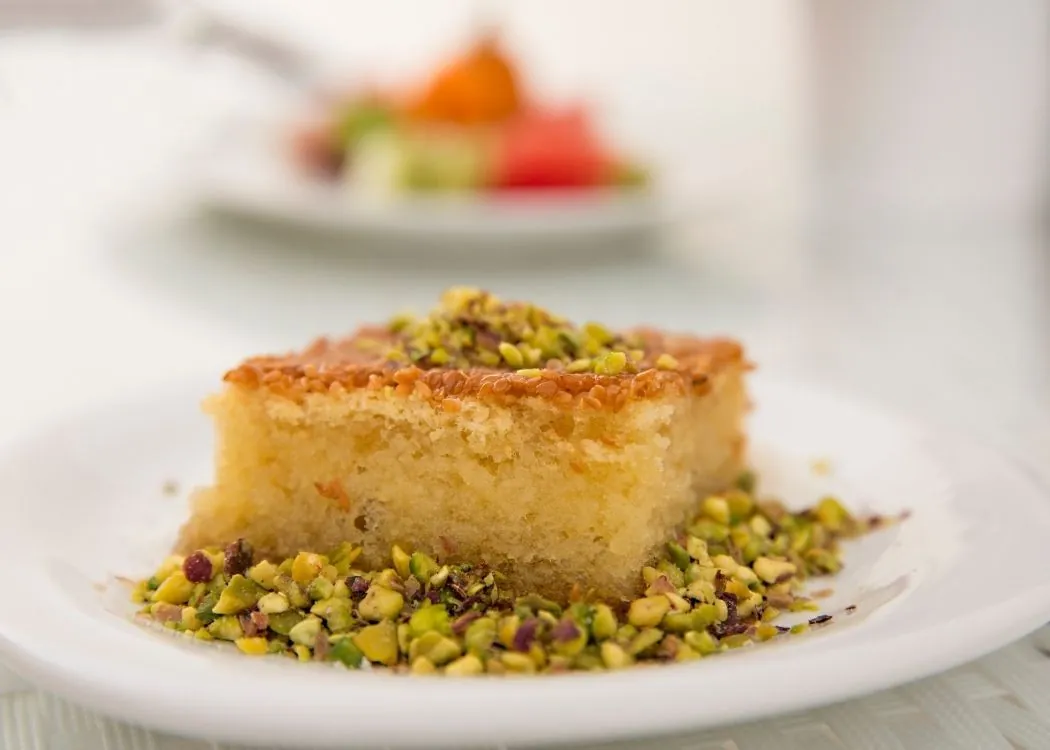
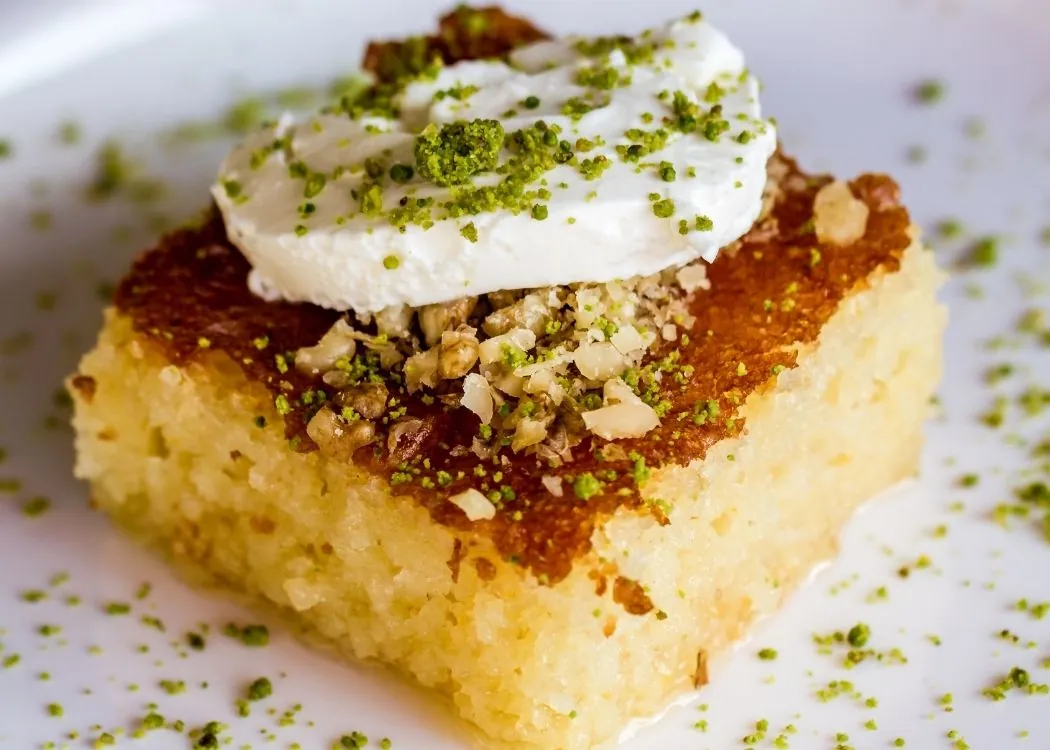
    Revani, a citrus-infused semolina cake, adds a zesty twist to the Turkish dessert repertoire. For an exquisite revani experience, seek out cafés or restaurants in the Aegean region, where the cake is often served with a dollop of kaymak (clotted cream). Places like Antiochia Concept in İzmir showcase a modern take on revani, blending tradition with contemporary flair.


    Cafes or Restaurants Known For Their Revani in Istanbul


    Revani, a moist and fragrant semolina cake soaked in sweet syrup, is a beloved Turkish dessert. With its delicate texture and subtle sweetness, it's a delightful treat for any occasion. In Istanbul, where culinary traditions flourish, several cafés and restaurants offer exceptional revani experiences. Here are some of the best:


    Karaköy Güllüoğlu (Beyoğlu)


    This iconic bakery, established in 1820, is renowned for its dedication to time-honored recipes and high-quality ingredients. Their revani is no exception, boasting a perfectly moist and crumbly texture, a subtle sweetness, and a delicate aroma of cinnamon and citrus.


    Tarihi Sultanahmet Köftecisi (Sultanahmet)


    This historic restaurant, established in 1920, is known for its traditional Turkish cuisine and authentic ambience. Their revani is a must-try, featuring a perfectly baked semolina cake and a fragrant syrup that is not overly sweet.


    Şahin Lokantası (Beyoğlu)


    This charming family-run restaurant has been serving traditional Turkish dishes since 1924. Their revani is a testament to their culinary heritage, featuring a light and airy texture and a delicately flavored syrup that complements the semolina cake perfectly.


    Çiya Sofrası (Kadıköy)


    This popular restaurant offers a modern take on traditional Turkish cuisine with an emphasis on seasonal and local ingredients. Their revani is a delightful twist on the classic, featuring a slightly denser texture and a unique flavor profile that is sure to tantalize your taste buds.


    Afitat Tatlı Dünyası (Sultanahmet)


    Located in the heart of the historic Sultanahmet district, this charming cafe offers a tempting selection of traditional Turkish desserts. Their revani is a local favorite, known for its generous portion size, moist and flavorful semolina base, and perfectly balanced syrup.


    Sarıhan Pastanesi (Fatih)


    This family-run bakery, established in 1927, is a local institution known for its fresh and authentic pastries. Their revani is a must-try, featuring a delicate semolina base that is perfectly cooked and a light syrup that complements the flavors without being overly sweet.


    Tips for Choosing the Best Revani


    • Look for establishments with a long history and reputation for traditional Turkish cuisine or sweets.
    • Choose revani with a golden color, indicating it has been cooked to perfection.
    • The texture should be moist and airy, not dry or crumbly.
    • The sweetness should be balanced and not overpowering.
    • The syrup should be clear and not overly sticky.
    • Don't hesitate to ask the staff for recommendations on the freshest revani available.


    Embark on a sweet journey through Istanbul and discover the revani that tantalizes your taste buds. With its delicate flavors and delightful textures, it's sure to become a favorite Turkish treat.


    7. Aşure: Noah's Pudding for Festive Occasions


    Aşure, known as Noah's Pudding, is a delightful ensemble of grains, legumes, dried fruits, and nuts, symbolizing unity and diversity. To partake in the festive spirit of aşure, plan your visit during the annual Aşure Day in Konya, where locals share this sweet concoction to commemorate a tale of survival and renewal.


    Festivals & places where tourists can experience aşure in Istanbul


    Aşure, a rich pudding symbolizing unity and sharing, is a beloved tradition deeply rooted in Turkish culture. Typically prepared during the Islamic month of Muharram, it offers a unique opportunity to experience the warmth and generosity of Turkish hospitality. If you're visiting Istanbul during this special time, here are some ways to immerse yourself in the spirit of aşure:
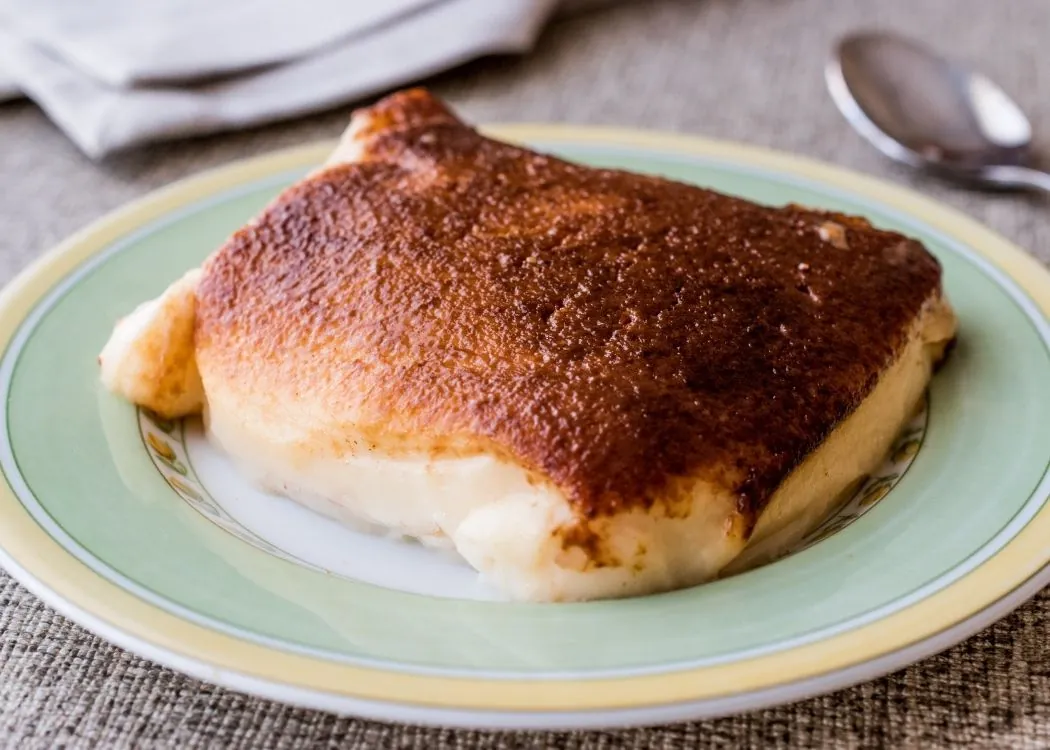


    Muharrem Processions and Tastings


    Throughout Muharram, various neighborhoods in Istanbul hold processions and gatherings where aşure is prepared and distributed to the community. Some notable locations include:


    Fatih Mosque: The courtyard of this historic mosque often hosts large-scale aşure distributions, offering a vibrant and communal experience.


    Eyüp Sultan Mosque: This esteemed mosque also holds traditional aşure gatherings, often accompanied by religious chanting and prayers.


    Balat Neighborhood: This historic district with a strong Muslim community organizes various aşure events and tastings, showcasing local variations and recipes.


    Beşiktaş Neighborhood: Beşiktaş Municipality serves free aşure for people in Beşiktaş Square every year. 


    Local Mosques and Cem Houses


    Many mosques and Cem Houses throughout Istanbul prepare and distribute aşure during Muharram. Inquire at local mosques near your accommodation or visit the website of the Religious Affairs Directorate for information on nearby events.
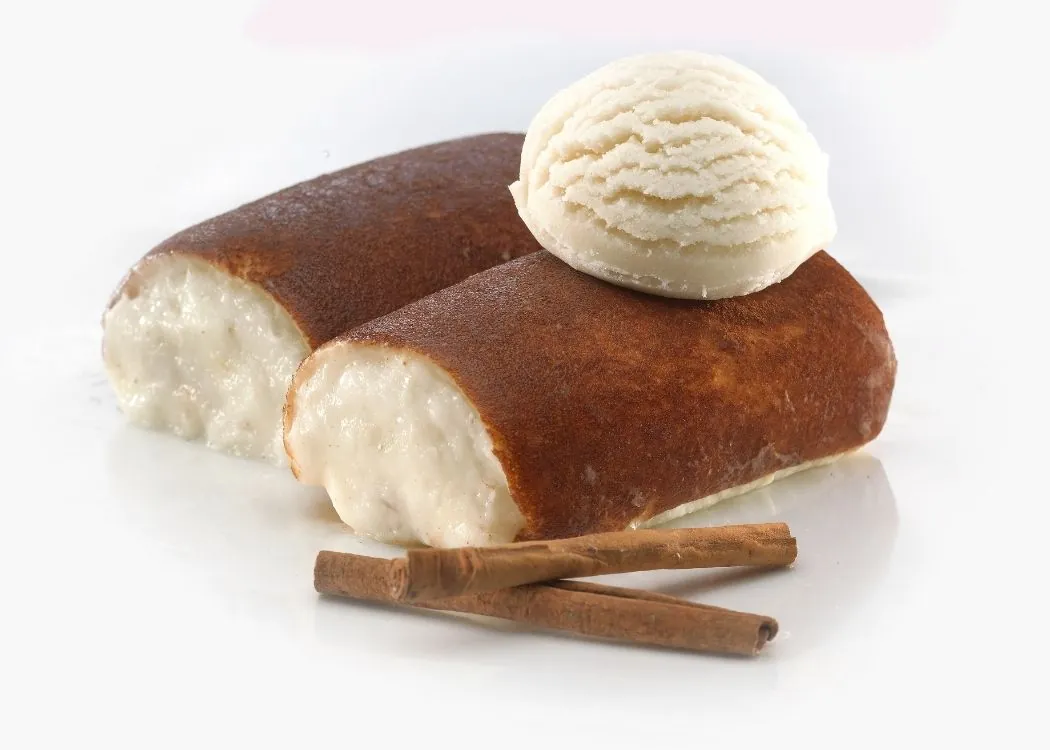


    Traditional Turkish Restaurants and Cafés


    Several restaurants and cafes in Istanbul include aşure on their seasonal menus during Muharram. Some popular options include:


    Karaköy Güllüoğlu (Beyoğlu): This renowned bakery offers a delicious and authentic version of aşure, prepared with traditional ingredients and meticulous care.


    Hafız Mustafa 1864 (Multiple Locations): This chain cafe boasts a variety of Turkish desserts, including a delightful aşure prepared with seasonal fruits and nuts.


    Tarihi Sultanahmet Köftecisi (Sultanahmet): This historic restaurant offers a traditional aşure alongside other Turkish specialties, providing a complete culinary experience.


    Home-Hosted Aşure Experiences


    Platforms like Airbnb and EatWith Locals offer unique opportunities to join Turkish families for Muharram celebrations and experience the preparation and sharing of aşure in an intimate setting.


    Grand Bazaar


    While not a specific location for enjoying aşure, the Grand Bazaar offers a vibrant atmosphere during Muharram, with many vendors selling ingredients and traditional utensils used in its preparation.


    Tips for Experiencing Aşure in Istanbul


    • Be respectful of the religious significance of Muharram and dress modestly when attending processions or community gatherings.
    • Don't be shy to accept aşure offered by locals, as it's a gesture of hospitality and community spirit.
    • Ask about the ingredients and variations of aşure you encounter, as each recipe offers a unique taste and story.
    • Appreciate the spirit of sharing and unity that aşure represents, and embrace the opportunity to connect with the local community.


    Aşure is more than just a dessert; it's a cultural symbol and a testament to Turkish hospitality. By immersing yourself in the traditions and flavors of aşure during your visit to Istanbul, you gain a deeper understanding and appreciation for Turkish culture and its rich heritage.


    8. Tavuk Göğsü: The Unique Chicken Breast Pudding


    Tavuk Göğsü, a unique chicken breast pudding, offers a surprising yet delightful blend of shredded chicken, milk, and sugar. To savor the authenticity of tavuk göğsü, explore the streets of Bursa, where traditional dessert shops like Ali Muhiddin Hacı Bekir provide a genuine taste of this unusual Turkish delicacy.


    Tavuk Göğsü, translating to "chicken breast" in Turkish, is a delectable and unusual dessert that has captivated palates for centuries. This creamy custard, made with shredded chicken breast, sugar, milk, and spices like cinnamon, boasts a fascinating texture and a surprisingly delightful flavor. If you're curious about this unique Turkish treat, here's where you can find and savor authentic tavuk göğsü:


    Where to Eat the Best Tavuk Göğsü in Istanbul:


    Göreme Muhallebicisi (Kurtuluş)


    This traditional muhallebici, established in 1965, is renowned for its exceptional tavuk göğsü. The custard here is known for its smooth texture, delicate sweetness, and subtle chicken flavor, making it a true testament to the traditional recipe.


    Sütiş Çiftliği (Online Delivery)


    This popular dairy farm offers delicious homemade tavuk göğsü prepared with fresh ingredients and delivered conveniently to your doorstep. If you prefer enjoying the dessert in the comfort of your accommodation, this is a convenient option.


    Tarihi Sariyer Muhallebicisi (Sariyer)


    This traditional muhallebicisi, established in 1898, is a local gem in the Sariyer district. Their tavuk göğsü is known for its creamy texture, generous portions, and authentic flavor, making it a favorite among locals.


    Fıstıkzade (Fatih)


    This renowned Turkish restaurant offers a delightful tavuk göğsü as part of their traditional dessert menu. Their version features a slightly thicker consistency and a subtle rosewater aroma, offering a unique twist on the classic recipe.


    Tips for Enjoying Tavuk Göğsü


    • Choose a reputable establishment known for its authentic Turkish cuisine or muhallebicisi specializing in milk-based desserts.
    • Opt for tavuk göğsü served at room temperature or slightly chilled, allowing the flavors to develop fully.
    • Use the special spoon with a flat, spade-like end, traditionally used for tavuk göğsü, to scoop and enjoy the custard.
    • Be prepared for a unique texture that is both creamy and slightly shredded due to the presence of chicken breast.
    • Embrace the unexpected and open your mind to a new and delightful taste experience.


    With its rich history and captivating flavor combinations, tavuk göğsü offers a unique culinary adventure. By venturing to these recommended spots, you can savor this authentic Turkish dessert and discover its surprising appeal.


    9. Fırın Helva: Baked Semolina Bliss


    Fırın Helva, a baked semolina dessert, captivates with its nutty flavor and crumbly texture. For an unforgettable fırın helva experience, visit local dessert shops in Gaziantep, where the dish has deep-rooted traditions. Establishments like İmam Çağdaş Helvacısı showcase the expertise required to perfect this heavenly semolina bliss.


    Local Dessert Shops Specializing in Fırın Helva


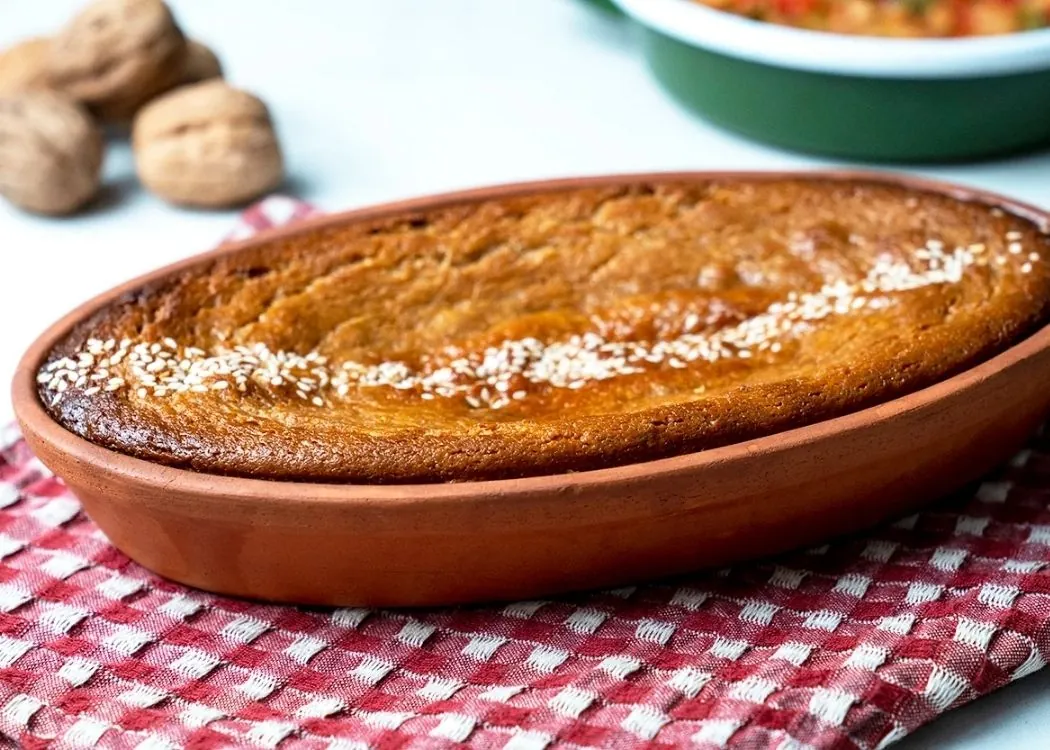
    Fırın helva, or oven-baked halva, is a delicious and decadent Turkish dessert made with tahini, sugar, and nuts. It is typically baked in a mold until golden brown and then cut into squares or triangles.


    Here are some local dessert shops in Istanbul that specialize in fırın helva:


    Helvacilar Pastanesi: This family-owned establishment has been serving Istanbulites since 1920, making them masters of traditional Turkish sweets. Their fırın helva is made with the finest ingredients and traditional methods, resulting in a rich and flavorful treat. They boast a 4.5-star rating and moderate prices.


    Tatlı Fırın Levent: This modern bakery offers a delicious twist on the classic fırın helva, featuring a slightly denser texture and a more pronounced sweetness. Their version is perfect for those who prefer a slightly richer dessert experience. They have a 4.6-star rating and moderate prices.


    Dedemin Tatları: This charming dessert shop serves up a wide variety of traditional Turkish sweets, and their fırın helva is no exception. Made with a focus on flavor and richness, their helva is sure to satisfy even the most discerning palate. They boast a 4.9-star rating and premium prices.


    Tips for Choosing the Best Fırın Helva


    • Look for establishments with a long history and reputation for traditional Turkish cuisine or sweets.
    • Choose fırın helva with a golden color, indicating it has been cooked to perfection.
    • The texture should be moist and flavorful, not dry or crumbly.
    • The sweetness should be balanced and not overpowering.
    • The spices should be subtle and not overpowering.
    • Don't hesitate to ask the staff for recommendations on the freshest fırın helva available.


    Embark on a sweet journey through Istanbul and discover the fırın helva that tantalizes your taste buds. With its rich flavors and decadent texture, it's sure to become a favorite Turkish treat.


    10. Kazandibi: Caramelized Goodness


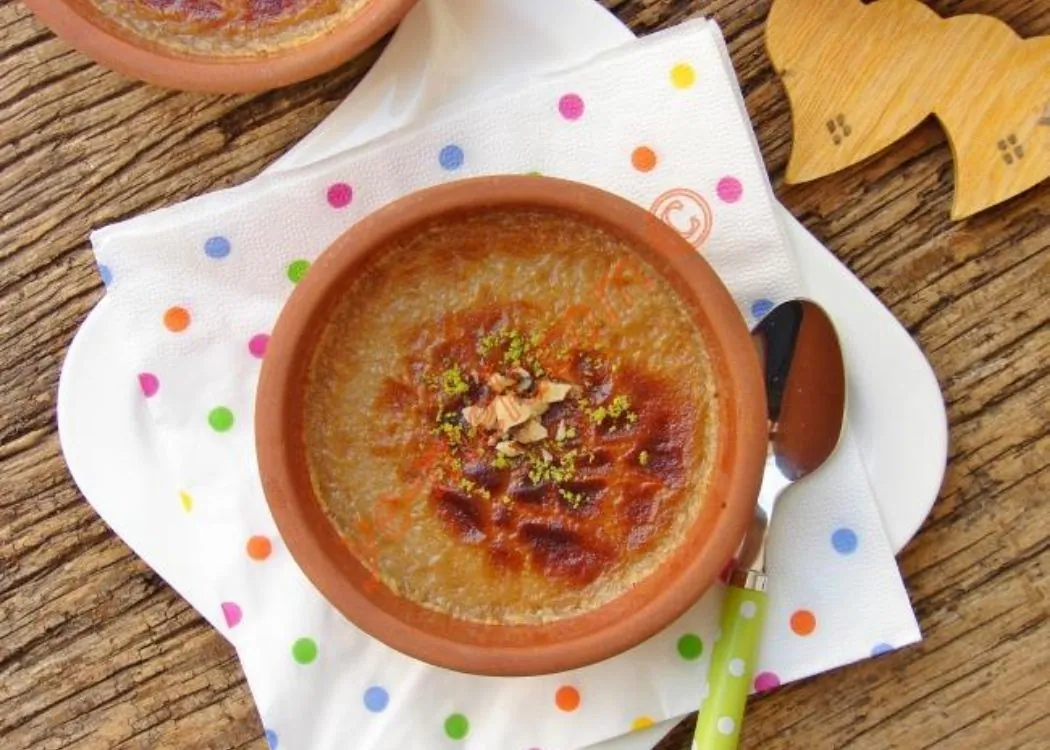
    Kazandibi, the caramelized underside of rice pudding, is a velvety Turkish treat that balances sweetness with a subtle hint of bitterness. To indulge in the best kazandibi, explore the streets of İzmir, where renowned dessert shops like Borsa Kazandibi have mastered the art of creating the perfect caramelized goodness, ensuring a delightful finale to your Turkish culinary journey.


    Top Places to Savor the Best Kazandibi


    Kazandibi, a caramelized milk pudding with a rich history and unique taste, is a must-try for any dessert enthusiast visiting Istanbul. Here are some top spots to discover the best kazandibi this vibrant city has to offer:


    Hamdi Restaurant (Eminönü)


    Located near the Spice Bazaar, this renowned establishment offers a delightful kazandibi as part of their traditional meze selection. Its delicate flavor and smooth texture are sure to leave you wanting more.


    Karaköy Lokantası (Beyoğlu)


    This charming restaurant, known for its authentic Turkish cuisine, boasts a delectable kazandibi prepared with fresh ingredients and time-honored methods. Its rich and creamy texture is a true delight.


    Tarihi Cibalikapı Sübyan Mektebi (Cibali)


    This unique establishment, formerly a schoolhouse, now serves delicious kazandibi alongside other traditional Turkish desserts. Its authentic recipe and charming atmosphere offer a memorable experience.


    Fıstıkzade (Fatih)


    This traditional Turkish restaurant, family-run for over 60 years, offers a delectable kazandibi made with meticulous care. Its creamy texture and perfectly balanced sweetness are a true delight.
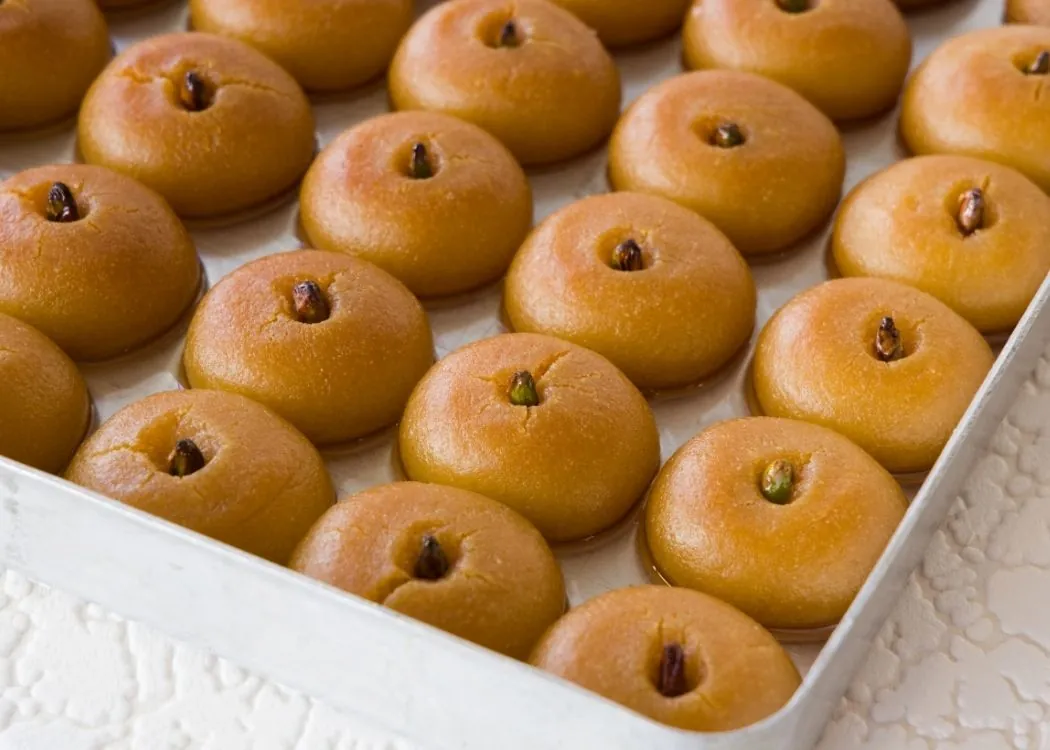


    Tarihi Süleymaniye Muhallebicisi (Fatih)


    Located near the Süleymaniye Mosque, this historic eatery offers a traditional and authentic kazandibi experience. Its creamy texture and subtle sweetness are a perfect ending to a delicious meal.


    Tips for Choosing the Best Kazandibi


    • Look for establishments with a long history and reputation for traditional Turkish cuisine or sweets.
    • Choose kazandibi with a golden color and a slightly caramelized bottom, indicating it has been cooked to perfection.
    • The texture should be creamy and smooth, not too thick or watery.
    • The sweetness should be balanced and not overpowering.
    • The caramelized flavor should be subtle and not burnt.
    • Don't hesitate to ask the staff for recommendations on the freshest kazandibi available.


    Embark on a sweet journey through Istanbul and discover the kazandibi that tantalizes your taste buds. With its rich flavors and delightful textures, it's sure to become a favorite Turkish dessert.

     

  • Istanbul’s Umbrella Streets: A Colorful Journey through Karakoy, Balat, and Kadıkoy

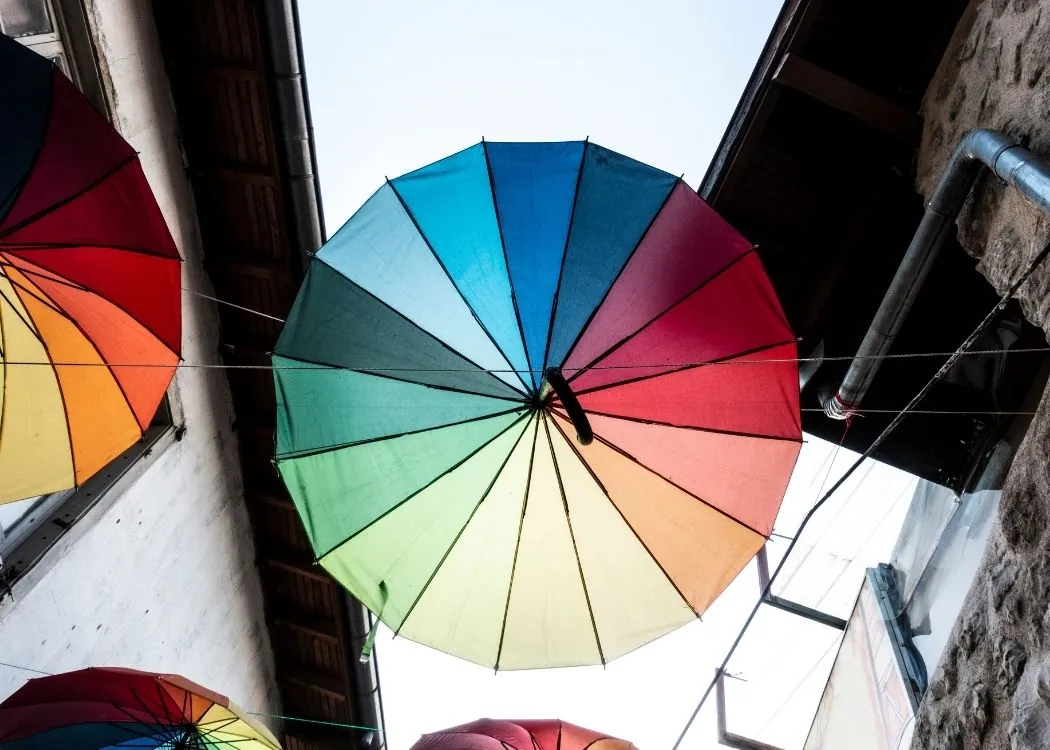
    Istanbul is a city full of history, culture, and vibrant energy. But beyond the iconic mosques, bustling bazaars, and ancient ruins, lies a hidden network of secret alleys transformed into captivating art installations, such as the "Umbrella Streets." These charming streets, adorned with cascading umbrellas overhead, offer a whimsical escape from the city's hustle and bustle, each with its unique charm and atmosphere.


    Karakoy Umbrella Street: The Cool One


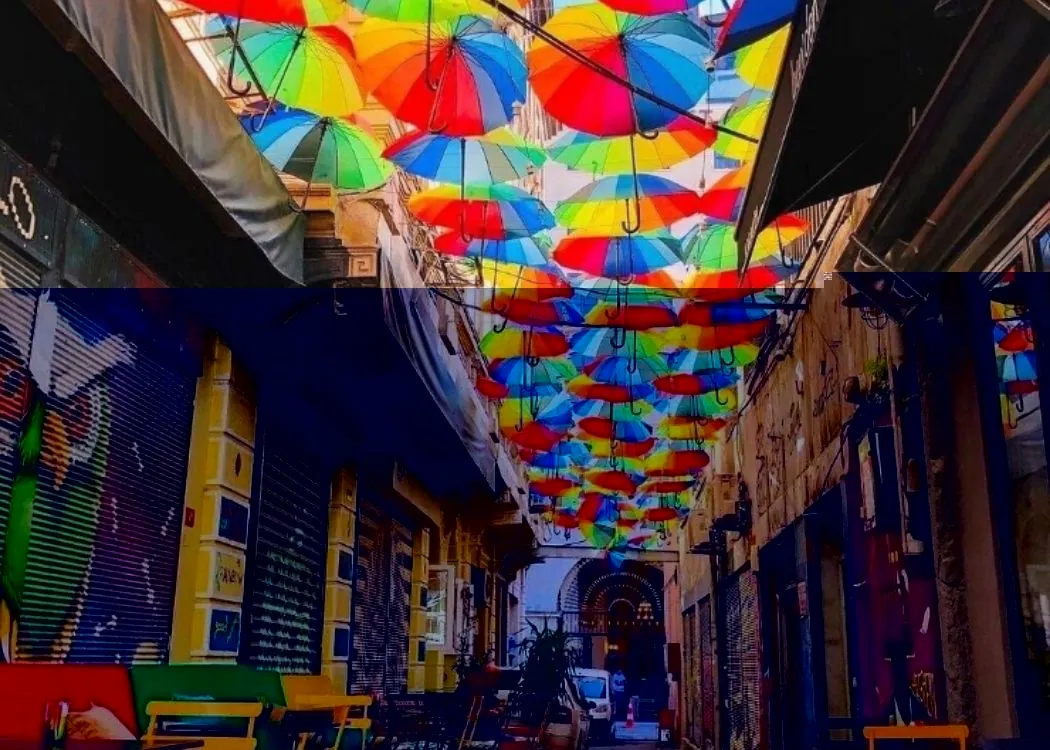
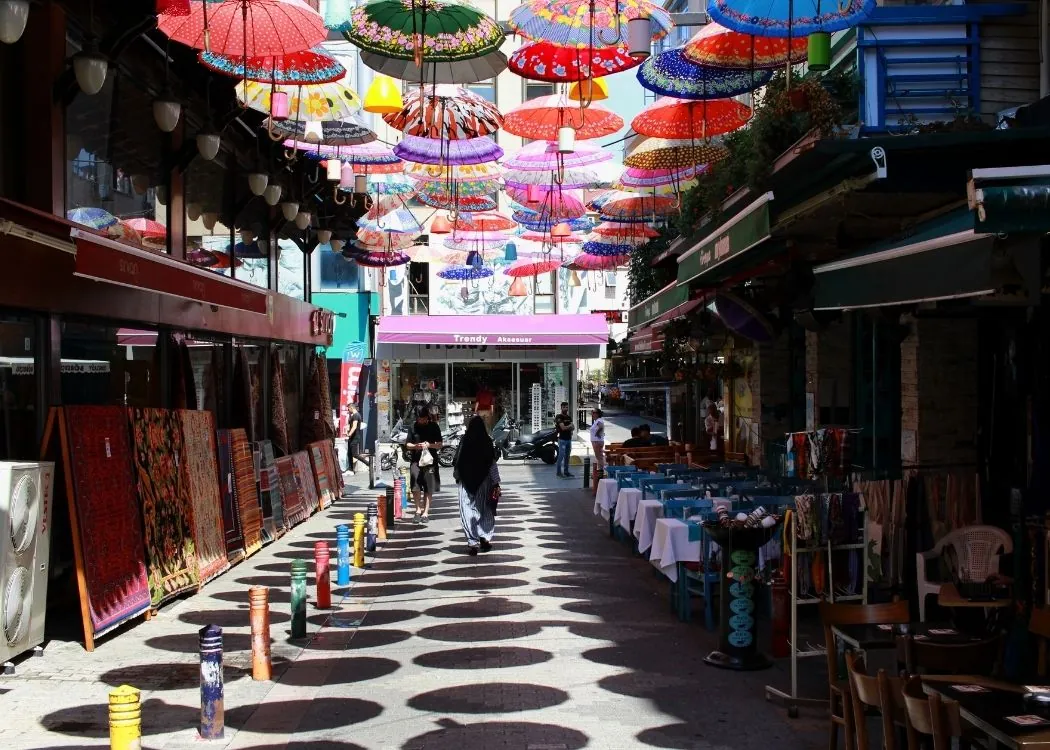
    Hoca Tahsin Street, located just in the heart of the trendy Karakoy district, is arguably the most well-known and photogenic of Istanbul's Umbrella Streets. This vibrant alley, lined with colorful cafes and adorned with a canopy of mismatched umbrellas, is a haven for Instagrammers and art enthusiasts alike. The street art adorning the walls adds another layer of visual interest, making it a truly captivating spectacle. Enjoy amazing food and drinks around there after taking photos! 


    Balat Umbrella Street: The Colors of the Past Today


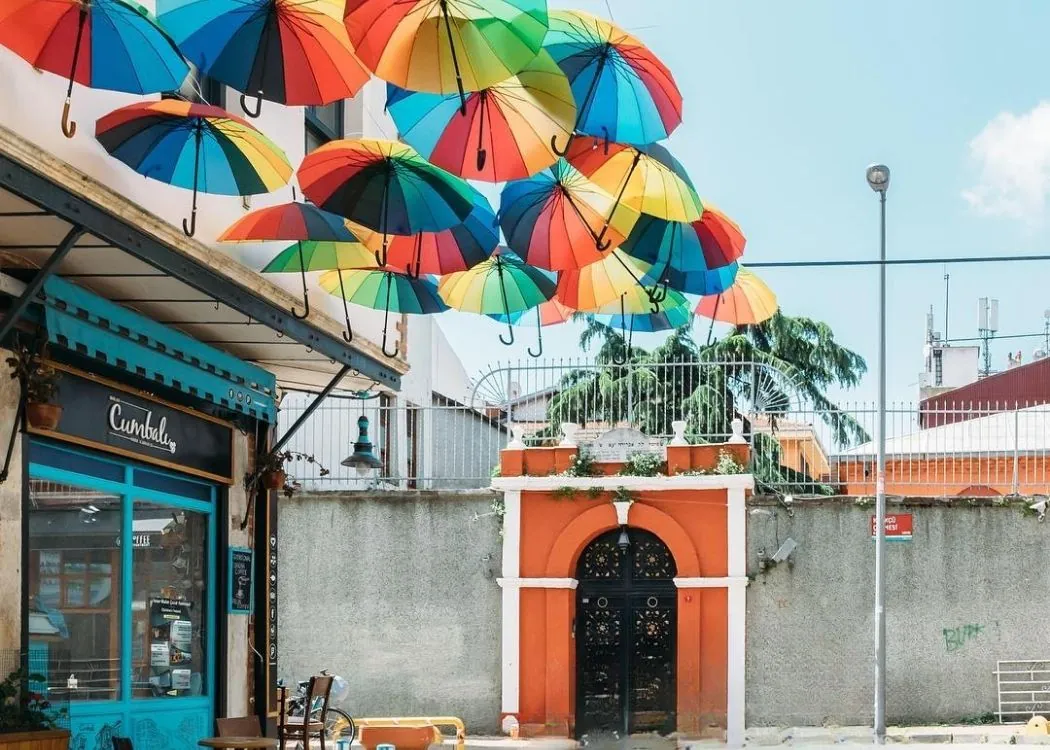
    Balat, a charming neighborhood known for its colorful houses and historical Greek Orthodox churches, also boasts charming streets full of little local shops. One of the nice streets in this neighborhood is Kürkçü Çeşmesi Sokak. This street, just near the bustling streets of the neighborhood, offers a welcoming break with its vibrant umbrellas and quaint cafes. The surrounding colorful houses and the historical backdrop add a unique charm to this hidden gem. On some stormy days, these umbrellas can be taken down but you can see them around summer.


    Kadikoy Umbrella Street: Flowers and Colors


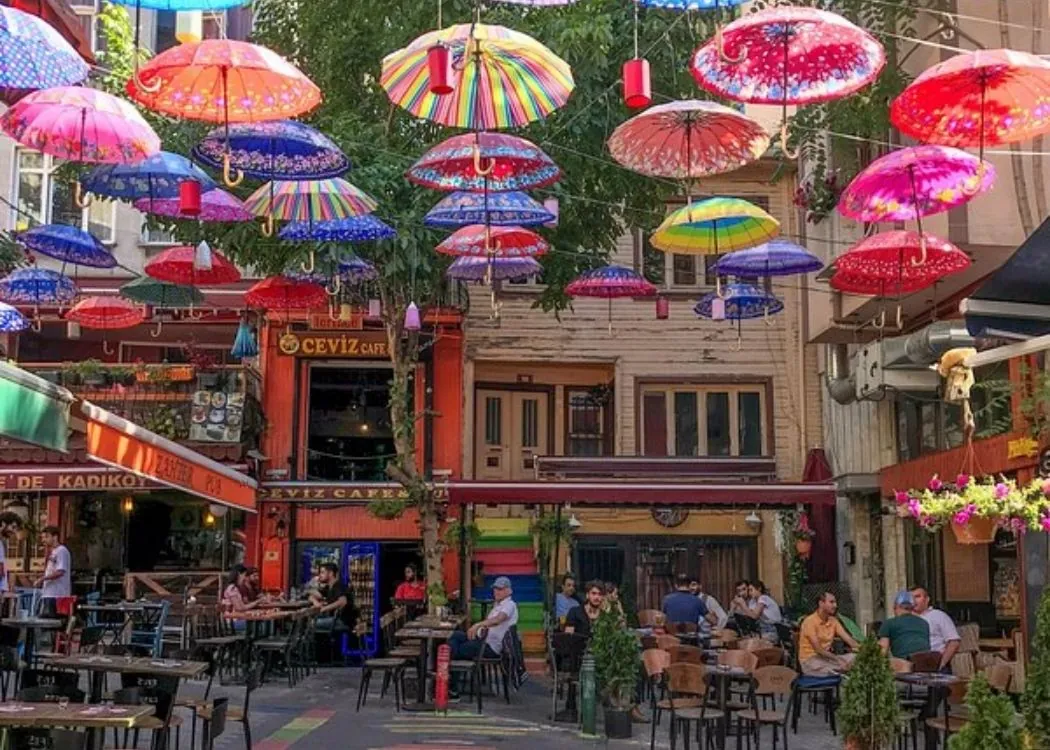
    On the Asian side of Istanbul, the Kadikoy district offers its own version of the Umbrella Street, Piri Cavus Sokak. This street, located within the heart of the hipster Kadikoy neighborhood, boasts a more modern and minimalist aesthetic with its colorful umbrellas. The surrounding cafes and shops, popular among locals and visitors alike, contribute to the trendy vibe of Umbrella Street. This street has also colorful pavement and nice flowers on the cafes around.


    Hot Air Balloon Street (Kadikoy): A Bonus Treat


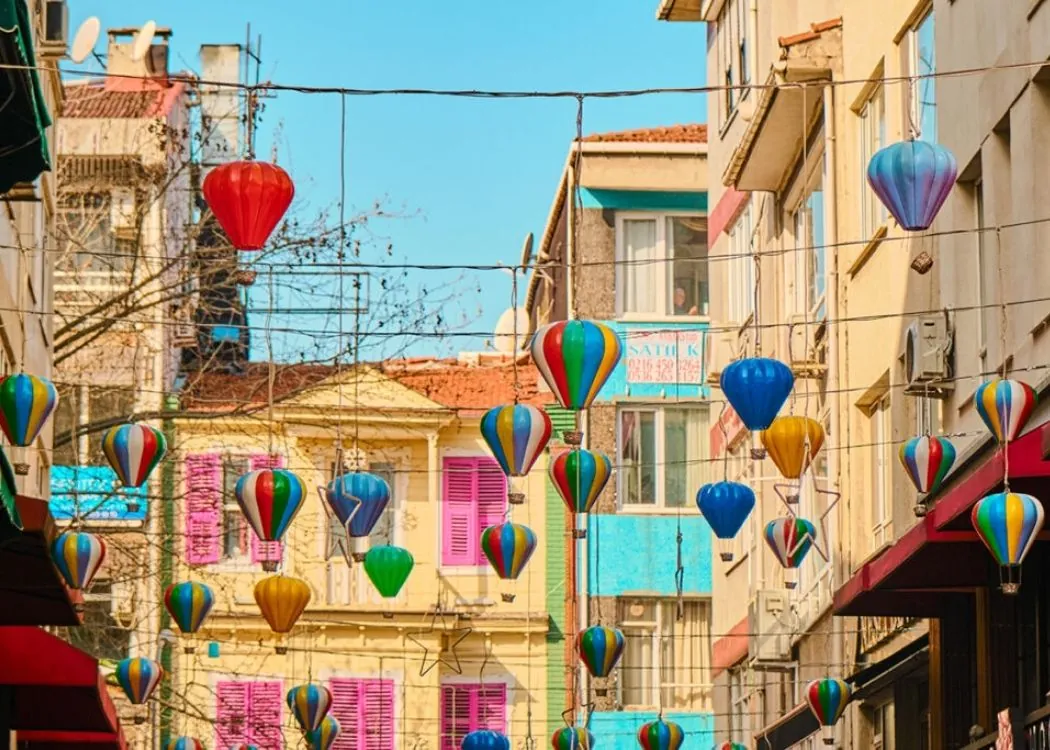
    While not technically an "Umbrella Street," the aptly named Hot Air Balloon Street, also located in Kadikoy, offers a similar whimsical experience. This narrow lane, known as Nazim Bay Sokak, is even more compact than the umbrella streets. This charming alley features colorful hot air balloons suspended overhead, creating a magical and Instagrammable atmosphere. This street can make you want to go to Cappadocia! If this is the case, did you know that there is a sister card of our Pass: Cappadocia Travel Pass®? Check out here to see the 35+ amazing attractions and services included in this amazing pass.


    Beyond the Visuals: History of the Umbrella Streets


    The Umbrella Streets of Istanbul are not simply visual spectacles; they offer a unique and memorable experience for visitors. The vibrant colors, playful atmosphere, and artistic expression create a sense of joy and wonder, making them perfect spots to relax, take photos, and soak up the creative energy of the city. But where are these umbrella cities coming from? Let’s have a look at the history of streets full of umbrellas.


    The Umbrella Sky Project, initiated by Sextafeira Produgues, is a vibrant urban installation that graces narrow city streets with a floating sea of colorful umbrellas. Launched in 2011 as part of the Ágitagueda Art Festival, this annual project uses low-cost concepts to create a stunning visual display and provide shade for pedestrians during the hot summer months of July, August, and September. The umbrellas, suspended on rooftop cables, not only create a beautiful scene but also cool the roadways in a creative and cost-effective manner. Evolving into a popular tourist attraction, these floating umbrellas add a touch of magic to the cityscape, showcasing different colors and patterns that form a unique geometric spectacle in the air and cast changing shadows on the streets below.


    Tips for Visiting the Umbrella Streets in Istanbul


    • Wear comfortable shoes as you will be doing a lot of walking.
    • Bring your camera to capture the vibrant colors and charming atmosphere.
    • Be patient as the streets can get crowded, especially during peak season.
    • Take some time to explore the surrounding neighborhoods and discover hidden gems.
    • Enjoy the local cafes and shops, and experience the authentic Turkish culture.


    The Umbrella Streets are a must-visit for anyone seeking a unique and charming escape from the ordinary. So, on your next trip to Istanbul, be sure to add these vibrant alleys to your itinerary and embark on a colorful journey through the heart of the city.


    Pay Less Enjoy More in Istanbul


    Introducing the Istanbul Tourist Pass®, a digital sightseeing pass that transforms your exploration of Istanbul into a seamless and enriched experience. Developed by a seasoned tourist agency with over 30 years of expertise, this innovative pass offers access to 100+ attractions and services across the city. Whether you're inclined towards guided tours, skip-the-line entrance tickets, discounted hop-on-hop-off bus tours, cruises, or various transportation alternatives, the Istanbul Tourist Pass® has you covered.


    Designed to enhance your visit to Istanbul, the pass provides a comprehensive package that ensures you make the most of your time in this vibrant city. With the Istanbul Tourist Pass®, you can easily access a variety of curated attractions and services, making it the first choice for smart travelers. Discover the richness of Istanbul with the convenience and flexibility that this digital card offers, providing a hassle-free way to explore the city's cultural and historical treasures.


  • Explore Istanbul’s Free Museums: A Budget-Friendly Guide

    Istanbul is full of things to see. Diverse culture and deep history lie hand in hand in this amazing city. Museums, ancient remains, historical mosques, and churches are on one hand, vibrant modern art galleries, contemporary fairs, and interactive museums on the other Istanbul is one of the few capitals of the world bringing past and the present together. In this article, we will talk about some of the Free Museums you can easily visit and be amazed. But before we get into these museums, here is the most convenient way to have an amazing Istanbul experience with great savings: Istanbul Tourist Pass®.


    Exploring the rich cultural heritage of Istanbul is made even more delightful with the Istanbul Tourist Pass®. This digital pass unlocks access to over 100 attractions and services in the city, including renowned museums. While some museums may have free admission days for Turkish residents only, the Istanbul Tourist Pass® enhances your experience by offering skip-the-line entrance tickets, ensuring you make the most of your time exploring the cultural wonders of Istanbul. Whether you're drawn to modern arts or other iconic cultural institutions, the Istanbul Tourist Pass® provides a seamless and convenient way to immerse yourself in the city's vibrant history and artistic treasures. Now get back to the free museums in Istanbul. Here are some of the best free-entrance museums worth visiting.


    Türkiye İş Bank Museum


    Enjoy a captivating journey through Turkey's diverse cultural and historical stories with a visit to the Türkiye İş Bank Museum. Nestled in the heart of Istanbul's historic district, this museum, established in 2007, unveils a fascinating narrative of Turkey's economic evolution.


    See the artifacts, documents, and photographs that chronicle Türkiye İş Bank's extraordinary journey from humble beginnings to its esteemed position as a leading financial institution in the country. Explore the complexities of banking operations, discover the bank's pivotal role in supporting Turkey's industrialization and social development, and gain profound insights into the nation's economic trajectory.


    The museum also hosts some temporary exhibitions. In 2023, the museum hosts the "Long Live Republic" exhibit which is dedicated to the 100th anniversary of the Turkish Republic. 


    Turkiye Is Bank Museum is open every weekday except Mondays between 10 AM and 6 PM. 


    Address: Hobyar, Bankacılar Sk. No:2, 34112 Fatih/İstanbul, Türkiye


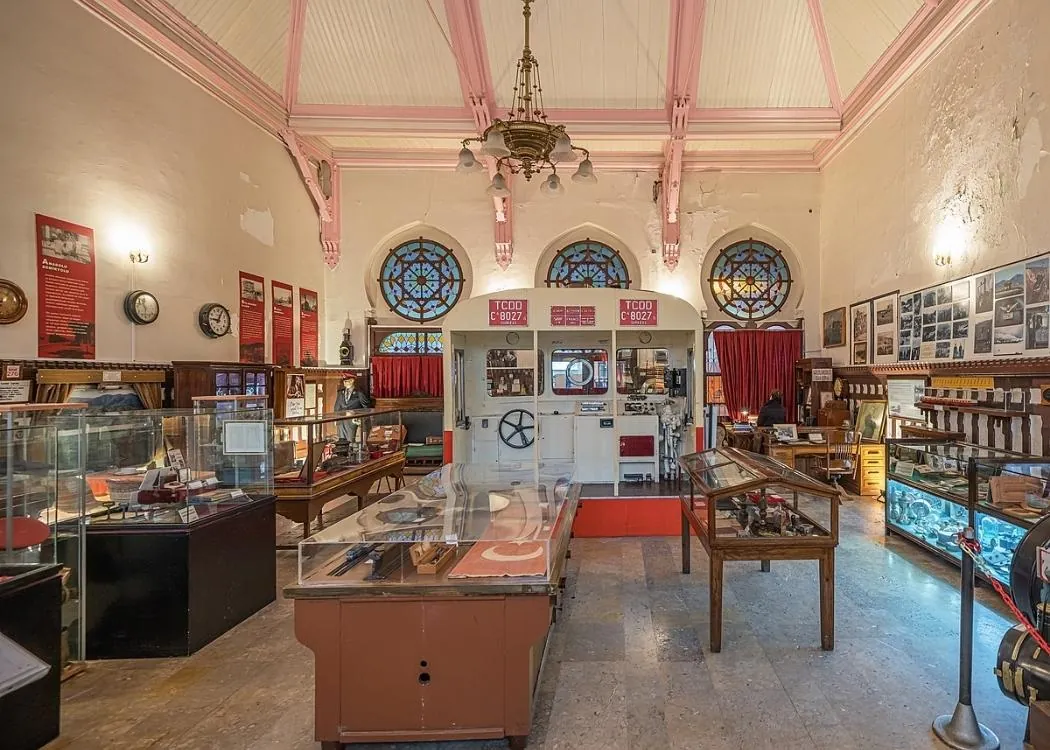
    Istanbul Railway Museum


    Step into the grand halls of the Istanbul Railway Museum at Sirkeci and embark on a timeless rail adventure. Housed within the iconic Sirkeci Station, this museum is a treasure trove of locomotives, carriages, and railway equipment spanning over a century of rail transportation history.


    Marvel at the gleaming Orient Express carriages, witness the intricate engineering of early steam locomotives and immerse yourself in the captivating stories of pioneers who shaped Turkey's extensive railway network.


    The Railway Museum is open every day except Sunday and Monday between 10.30 AM to 5 PM. Please note that the entrance will be closed at 4.40 PM. 


    Address: : Sirkeci Tren Gar, Sirkeci Train Station, Hoca Paşa, 34110 Fatih/İstanbul, Türkiye


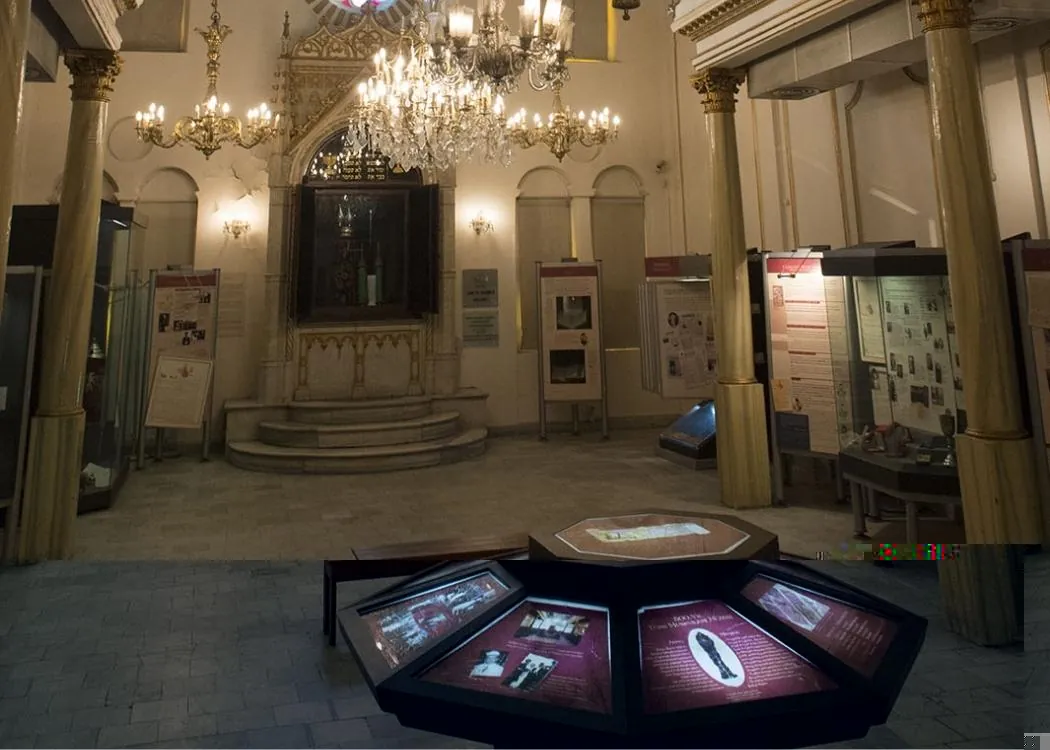
    500th Year Foundation Turkish Jews Museum


    Unveil a legacy of Sephardic heritage at the 500th Year Foundation Turkish Jews Museum, a testament to the vibrant Jewish community integral to Turkey's cultural fabric for centuries. Established in 2004, the museum showcases a comprehensive collection of artifacts, documents, and multimedia exhibits detailing the history, traditions, and contributions of Turkish Jews.


    Explore the restored synagogue sanctuary, delve into the community's religious and cultural practices, and gain a profound appreciation for the rich heritage of Sephardic Jewry in Turkey. Neve Shalom Synagogue visit is made at the entrance of the Quincentennial Foundation Museum of Turkish Jews.


    To visit the museum here is the opening and closing information:


    Monday, Tuesday, Wednesday, Thursday and Sunday

    10 AM – 5 PM


    Friday:

    10 AM – 1 PM


    Please note that the last visitor entry to the museum is 45 minutes before closing time. The museum is closed on Saturdays (Sabbath), national and religious holidays. An officially issued identity card or a passport is necessary to enter the museum and the entrance will be made after the security check.


    Address: Bereketzade, Büyük Hendek Cd. No:39, 34421 Beyoğlu/İstanbul, Türkiye


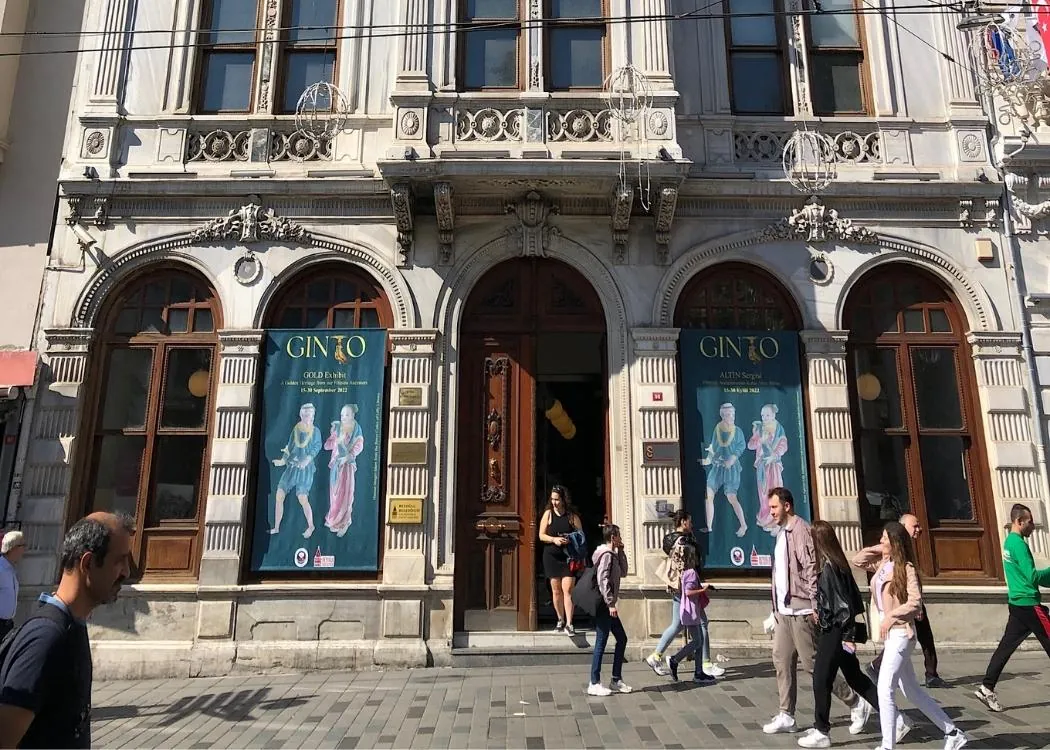
    Galatasaray University Cultural and Arts Center


    The Galatasaray University Cultural and Arts Center (GSÜ SANAT) beckons as a hub of creativity and innovation within the historic Galatasaray University campus.


    Offering a diverse range of exhibitions, performances, and workshops, GSÜ SANAT showcases the talents of emerging and established artists, musicians, and performers. Delve into the center's galleries, attend captivating concerts and theater productions, and engage in educational workshops fostering creativity and innovation.


    The Arts Center is open to the public every weekday between 9 AM and 6 PM but closed on weekends.  


    Address: Hüseyinağa, İstiklal Cd. No:90, 34435 Beyoğlu/İstanbul, Türkiye


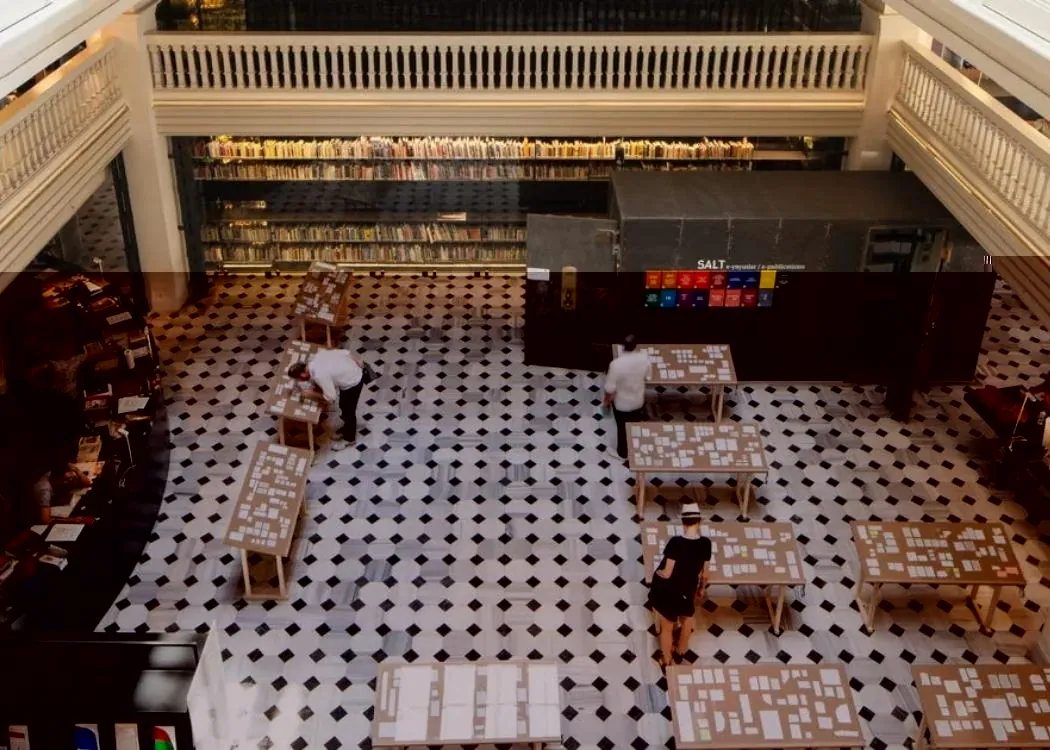
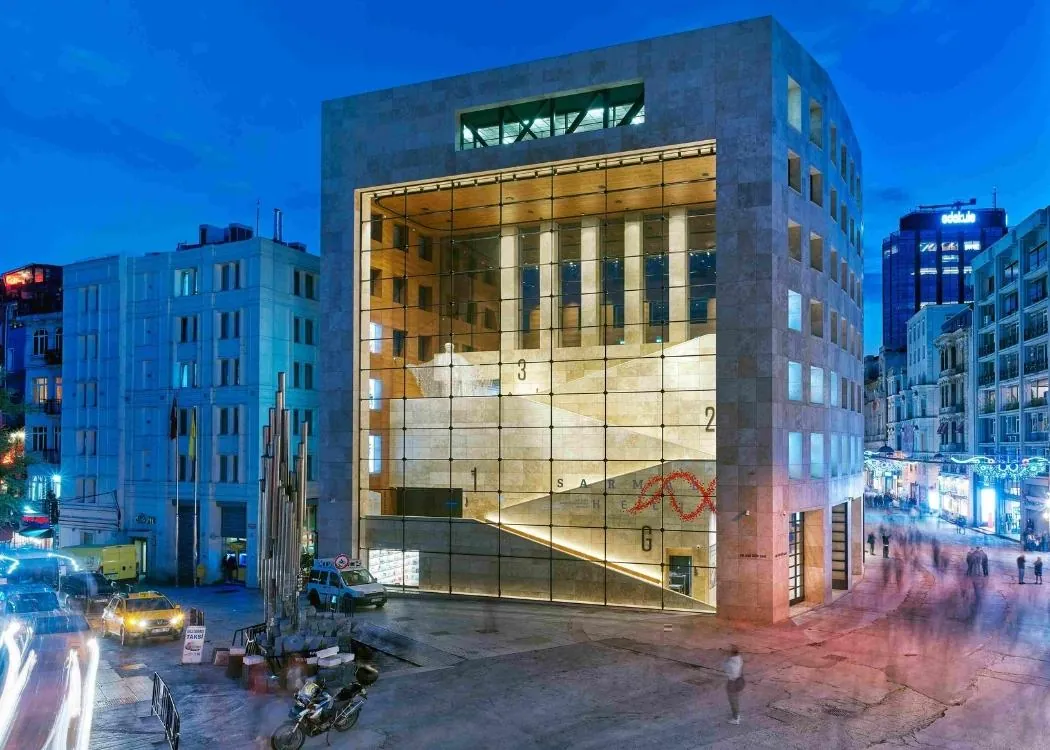
    Ottoman Bank Museum – Salt Galata


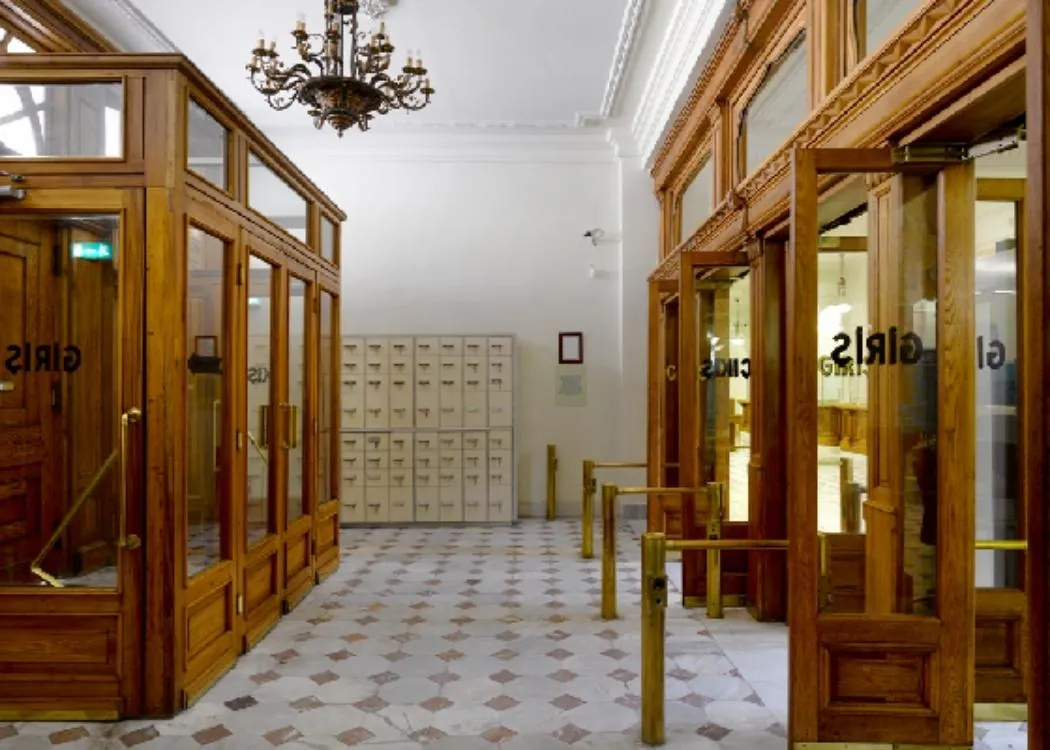
    The Ottoman Bank Museum is the first museum to be founded by a private bank in Turkey. Established in 2002 as part of the Ottoman Bank Archives and Research Centre, the museum is currently organized in the bank vaults and on the floors of the building.


    Journey back in time at the Ottoman Bank Museum – Salt Galata, housed within the atmospheric Salt Galata complex. Established in 1863, the museum provides a unique window into the financial history of the Ottoman Empire. Explore a rich collection of artifacts, documents, and interactive exhibits that chronicle the bank's operations, its impact on the Ottoman economy, and its legacy in shaping modern Turkish banking practices. Gain insights into the intricate financial instruments of the era, explore historical vaults, and appreciate the Ottoman Bank's contributions to Turkey's economic development.


    Salt Galata is open every day from 11 AM to 6 PM except Mondays.


    Address: Azapkapı, Bankalar Cd. No:11, 34420 Beyoğlu/İstanbul, Türkiye


    Yapı Kredi Museum


    For contemporary art enthusiasts, the Yapı Kredi Museum in Istanbul's bustling Beyoğlu district stands as a haven of artistic expression. Established in 1997, the museum houses an extensive collection of modern and contemporary Turkish art, showcasing diverse mediums, styles, and artistic expressions.


    Immerse yourself in the permanent collection featuring works by renowned Turkish artists, and stay attuned to the latest trends and innovations in contemporary Turkish art through temporary exhibitions. The Yapı Kredi Museum invites you to explore the dynamic landscape of Turkish contemporary art.

    Here is the visiting information:


    Monday – Friday: 10 AM – 7 PM

    Saturday: 11 AM – 7 PM

    Sunday: 12 AM – 7 PM


    Address: Tomtom, İstiklal Cd. No: 161, 34433 Beyoğlu/İstanbul, Türkiye


    Make the Most of Istanbul with the Istanbul Tourist Pass®


    Istanbul, a city steeped in history and culture, becomes even more enchanting with the Istanbul Tourist Pass®. This section guides you through the key aspects of the pass, ensuring you maximize your exploration of this vibrant city.


    What is the Istanbul Tourist Pass?


    The Istanbul Tourist Pass® is your digital gateway to over 100 attractions and services in Istanbul. Crafted by a seasoned tourist agency with 30+ years of experience, this pass offers a seamless and comprehensive way to discover the city's rich heritage. From skip-the-line entrance tickets to discounted hop-on-hop-off bus tours, the pass is your all-inclusive ticket to the best Istanbul has to offer.


    Exclusive Access to Top Attractions


    Immerse yourself in the cultural tapestry of Istanbul with exclusive guided tours to premium museums and attractions. The Istanbul Tourist Pass® opens doors to iconic institutions. Skip the ticket lines and delve into the heart of each attraction with the pass's premium offerings.


    How to Get Your Istanbul Tourist Pass


    Securing your Istanbul Tourist Pass® is a breeze. Visit the official website, choose the pass that suits your exploration plans, and make a secure online purchase. Your digital pass will be instantly delivered to your email, ready to be used for a hassle-free adventure in Istanbul.


    FAQs About Istanbul Tourist Pass®


    Got questions? Explore the frequently asked questions section to find detailed answers about the Istanbul Tourist Pass®. Whether it's about the pass's coverage, usage, or any other queries, we've got you covered to ensure a smooth and enjoyable experience during your Istanbul visit.

    Unleash the full potential of your Istanbul exploration with the Istanbul Tourist Pass®, where convenience, affordability, and exclusive access converge to make your journey truly unforgettable.

  • Exploring the Golden Horn in Istanbul: A Historical Marvel

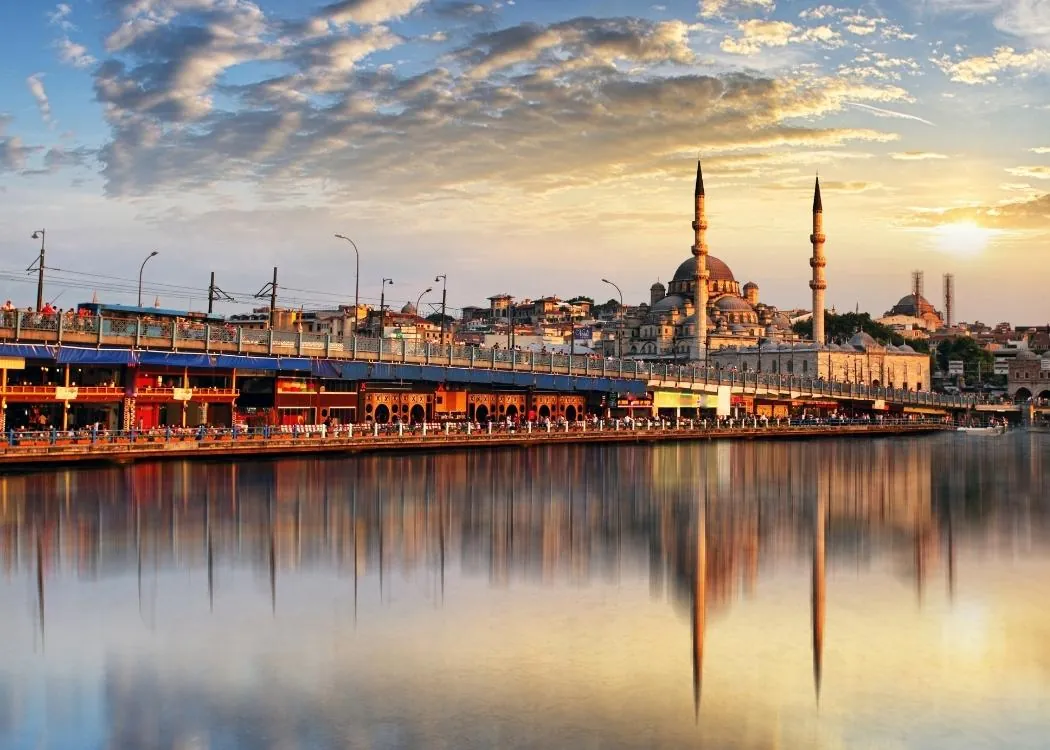
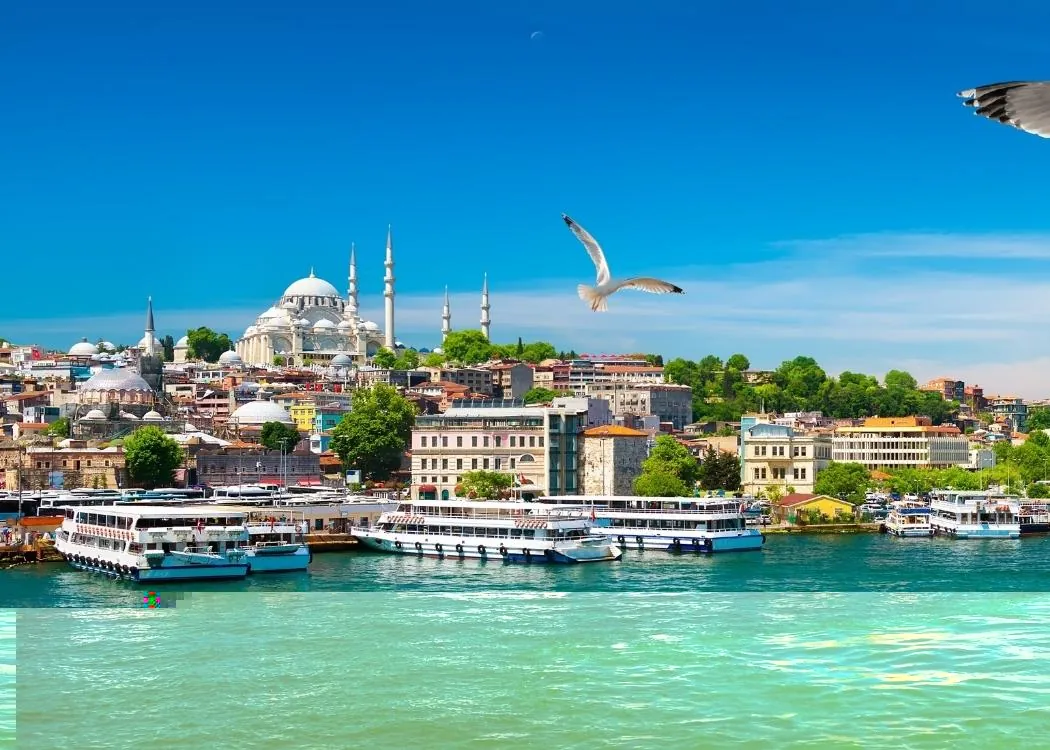
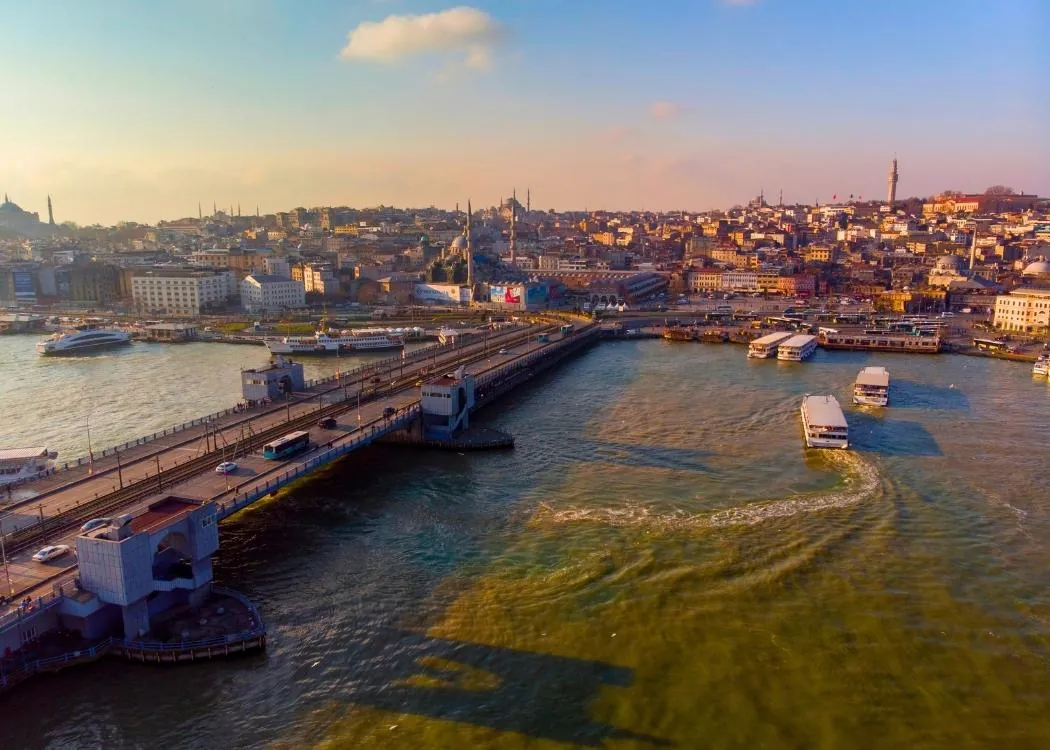
    Istanbul is a city full of wonders, from its ancient history to its bustling streets, it is one of the greatest capitals of the world. One of the most iconic landmarks in Istanbul is the Golden Horn, a natural harbor that has played a vital role in the city's development for centuries. The Golden Horn is a deep, winding inlet that extends for about 7 kilometers into the city. It is separated from the Bosphorus Strait by the Galata Bridge, one of the oldest and most famous bridges in the world. The Golden Horn stands as a testament to the city's rich history and vibrant energy. In this article, we will have a look at this natural harbor and the history around it. But first, let’s have a look at the best way to experience Istanbul: Istanbul Tourist Pass®


    For a seamless exploration of Istanbul's treasures, consider the Istanbul Tourist Pass®. This digital pass opens doors to 100+ attractions and services. From guided tours to skip-the-line entrance tickets, discounted hop-on-hop-off bus tours, cruises, and various transportation alternatives, the pass ensures a comprehensive and hassle-free experience of Istanbul's wonders. As you delve into the Golden Horn's enchanting atmosphere, let the Istanbul Tourist Pass® enhance your journey, providing access to a world of exploration and discovery.


    What is the Golden Horn Istanbul?


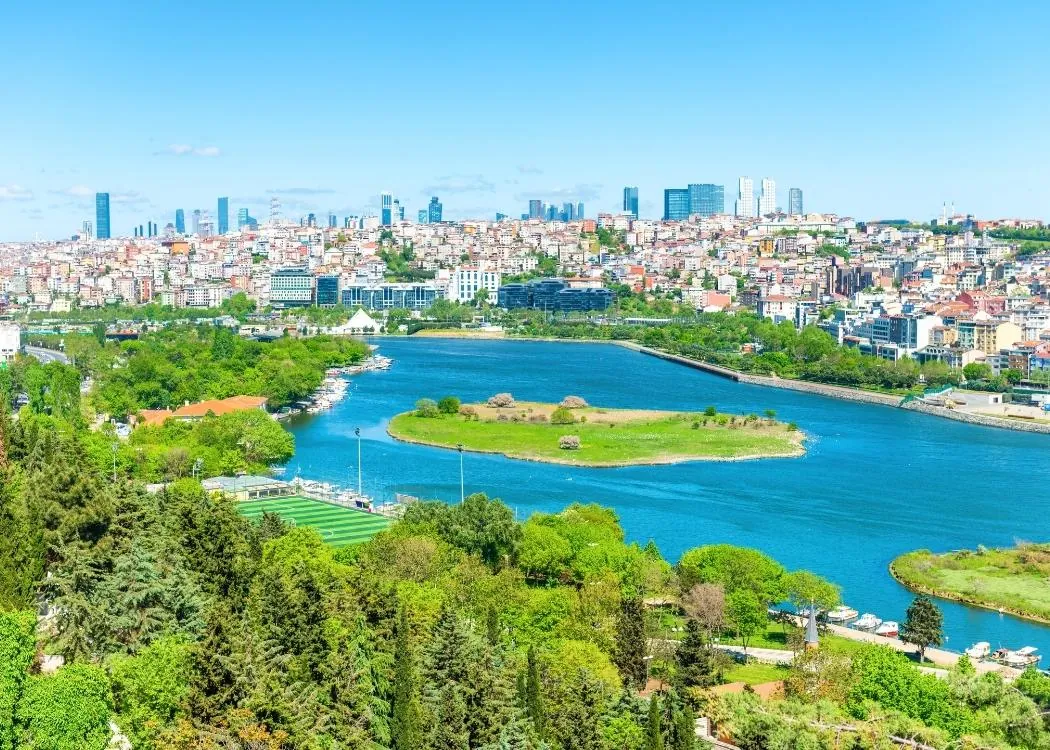
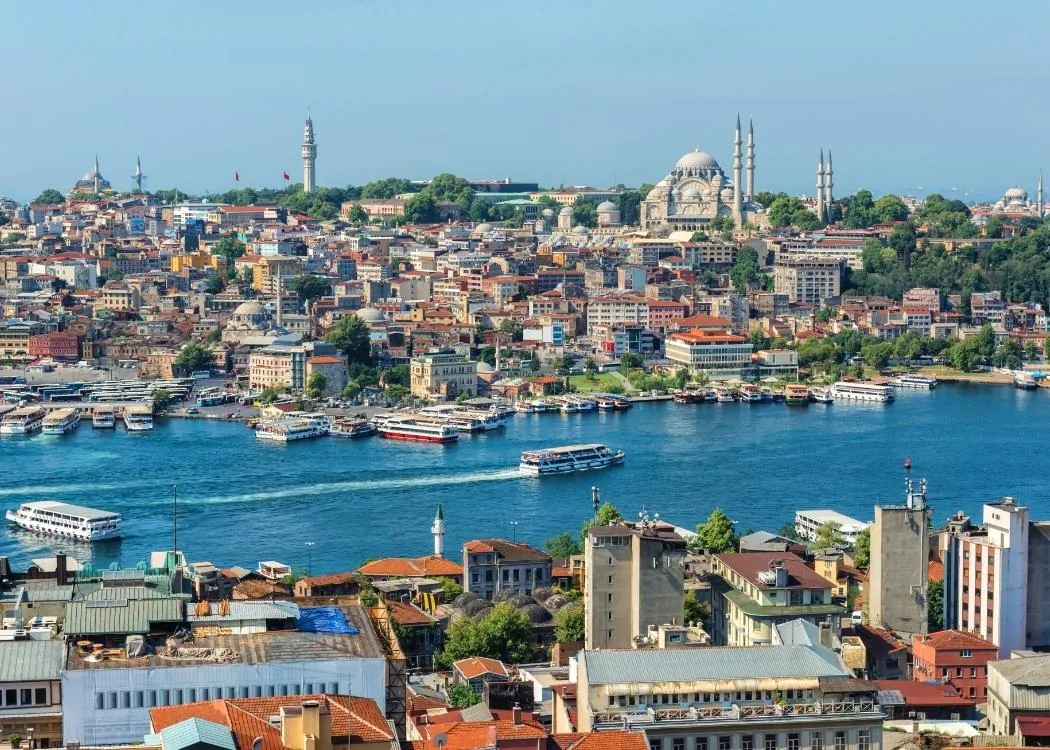
    The Golden Horn (Turkish: Altın Boynuz or Haliç; Ancient Greek: Χρυσόκερας, Chrysókeras; Latin: Sinus Ceratinus) weaves through Istanbul, Turkey, serving as the primary gateway to the Bosphorus. This natural beauty gracefully merges with the Bosphorus Strait, meeting the Sea of Marmara in a convergence of waters. Defining the northern edge of the peninsula housing "Old Istanbul" – the historical heart shaped by Byzantium and Constantinople – the Golden Horn curves around the promontory of Sarayburnu, or Seraglio Point.


    With its distinct horn-shaped embrace, the Golden Horn creates a sheltered harbor, a haven for trade ships from Greek, Roman, Byzantine, Ottoman, and diverse maritime cultures throughout the ages. Beyond its geographical role in separating Istanbul's historic center, the Golden Horn resonates with the echoes of turbulent historical events, immortalized in various artistic expressions.


    Geographically, the Golden Horn plays a pivotal role in shaping the northern boundary of the peninsula that encompasses "Old Istanbul." This historic core, resonating with the legacies of Byzantium and Constantinople, unfolds around the captivating promontory of Sarayburnu, or Seraglio Point.


    The Golden Horn derives its name from its distinctive horn-shaped expanse, creating a sheltered harbor that has cradled trade ships for millennia. Its currents have safeguarded vessels from the Greek, Roman, Byzantine, Ottoman, and various other maritime civilizations, contributing to the city's rich tapestry of history.


    Beyond its geographical significance, the Golden Horn has been a silent witness to countless historical incidents, its waters echoing the tales of the Greek, Roman, Byzantine, and Ottoman eras. This estuarial inlet effectively separates the historic center of Istanbul from the rest of the city, adding an extra layer of allure to its charm.


    The Significance of the Golden Horn in Istanbul


    The Golden Horn holds profound significance in the tapestry of Istanbul, weaving together historical, cultural, and geographical threads that define the city's identity.


    Geographical Hub


    As the primary inlet of the Bosphorus, the Golden Horn stands as a geographical nexus, linking the city with the Bosphorus Strait and the Sea of Marmara. Its strategic location has not only shaped the city's maritime history but also influenced its development as a hub of trade and cultural exchange.


    Historical Heartbeats of Istanbul


    The Golden Horn has been witness to the ebb and flow of civilizations that have left an indelible mark on Istanbul. The waters of this estuary have cradled the ships of Greek, Roman, Byzantine, and Ottoman cultures, symbolizing the city's resilience and adaptability through centuries of change.


    Full of Architectural Gems


    Lining the shores of the Golden Horn are architectural gems that tell the story of Istanbul's diverse history. The historic center, encapsulated by the estuary, houses iconic landmarks like the Hagia Sophia Mosque, Topkapi Palace Museum, and the Blue Mosque, creating a breathtaking skyline that reflects the city's rich heritage.


    Cultural Inspiration


    The Golden Horn has inspired artists, writers, and poets throughout history. Its picturesque views, framed by historic neighborhoods, have been depicted in numerous works of art, adding to the cultural richness of Istanbul. The Golden Horn's beauty has become a muse for creative minds seeking to capture the essence of the city.


    Modern Connectivity


    In the contemporary context, the Golden Horn remains a vital artery for transportation. The hourly ferry service and the T5 tramline not only connect the city's neighborhoods but also provide a scenic route along the water, offering residents and visitors a dynamic view of Istanbul's past and present.


    Getting to the Golden Horn


    The Golden Horn, a natural haven in the heart of Istanbul, is easily accessible from various points around the city. Whether you're starting your journey from the bustling Galata Bridge, seeking a scenic ferry ride, or yearning to capture the enchanting sunset over the Golden Horn's tranquil waters, here's how to make your way to this mesmerizing destination:


    Galata Bridge


    The Galata Bridge, an iconic landmark spanning the Golden Horn, offers a convenient starting point for your Golden Horn exploration. From the bridge's upper level, you can admire the breathtaking panoramic views of the harbor and the city skyline.


    If you are in Taksim Square, here are some alternatives for you to get to the Galata Bridge and enjoy the Golden Horn views.


    Walking from Taksim to Galata Bridge


    The most straightforward way is to walk. Start at Taksim Square and head down Istiklal Avenue towards the direction of Tünel (the historical tunnel). After reaching Tünel Square, you can take the historic Tünel funicular down to Karaköy. From Karaköy, it's a pleasant 2-minute walk to Galata Bridge.


    Taxi to Galata Bridge 


    Taxis are not so easily available in Istanbul. But if you are patient enough, you could catch a taxi and ask the driver to take you to Galata Bridge. It's a relatively short ride from Taksim, Beşiktaş, or Fatih areas, and taxis are a convenient option if you prefer not to walk.


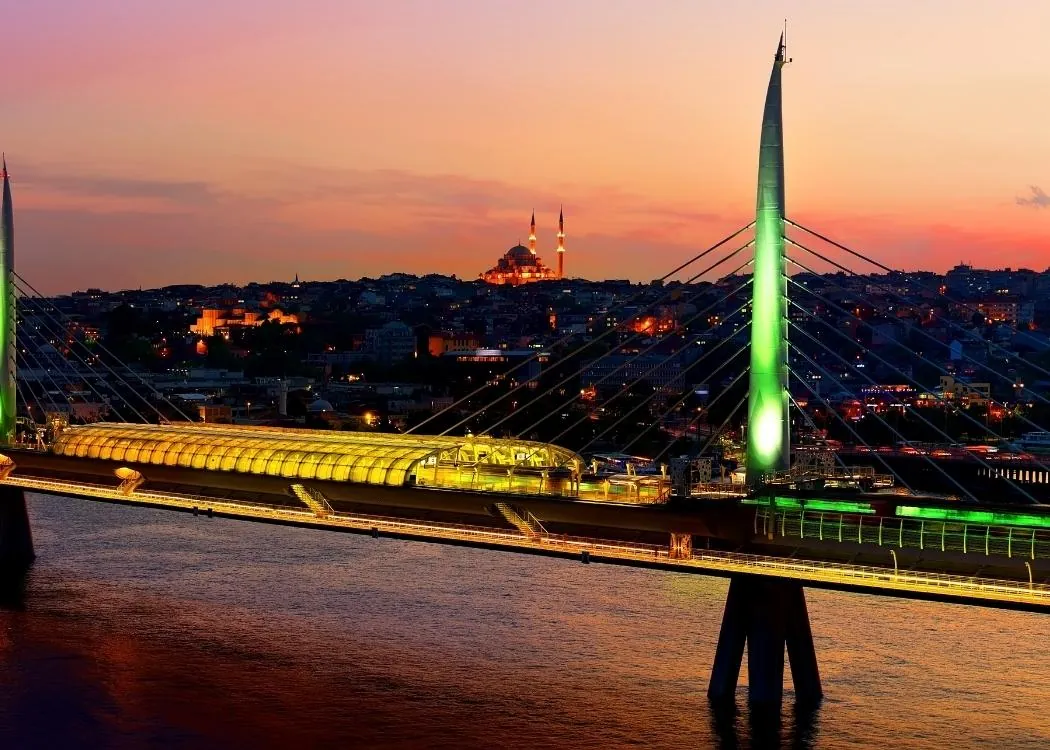
    Metro from Taksim to Halic Bridge


    Take the M2 Metro line to Yenikapi from Taksim.

    Get off the Halic Station.

    This station is on the Halic Bridge which is new to the Galata Bridge and you can have a 15-minute walk on the shore.


    Bus from Taksim


    Depending on your exact location in Taksim, there may be buses that can take you to Karaköy or Eminönü, both of which are close to Galata Bridge. You can ask the driver for the closest bus stop and then get off.


    Metro and Tram from Taksim


    Take the M2 Metro line from Taksim to Yenikapı.

    Transfer to the T1 Tram heading towards Kabataş.

    Get off at Eminönü and walk to Galata Bridge.


    Choose the option that best fits your preferences, whether it's the scenic walk, the convenience of a taxi, or the efficiency of public transportation.


    Ferries to Princes' Islands and the Asian Side from Golden Horn


    Venture beyond the Golden Horn's shores by embarking on a ferry journey to the Princes' Islands or the Asian side of Istanbul. From Eminönü or Karaköy ferry terminals, hop on a ferry bound for the Princes' Islands, a tranquil archipelago known for its car-free ambiance and charming wooden houses. Alternatively, cross the Golden Horn to the Asian side of Istanbul, where you can explore the vibrant neighborhoods of Kadıköy and Üsküdar.


    Check here for your great FREE Princes' Islands Tour with lunch from the western coast of the Golden Horn. 


    Watching Sunset by the Riverside


    As the sun dips below the horizon, casting a warm glow over the Golden Horn's waters, find a cozy spot along the riverside to witness this enchanting spectacle. Popular sunset-viewing spots include restaurants and cafes around Balat and Fener Neighbourhoods.


    As you immerse yourself in the Golden Horn's captivating beauty, let the city's rich history and vibrant spirit guide your exploration. Whether you're traversing its waters by ferry, strolling along its riverside promenade, or capturing the enchanting sunset, the Golden Horn promises an unforgettable journey into the heart of Istanbul.


    Historical Significance of the Golden Horn


    The Golden Horn, a natural estuary gracefully curving into the heart of Istanbul, has played a pivotal role in shaping the city's history and fortifying its significance as a maritime powerhouse. Throughout the ages, its tranquil waters have witnessed the rise and fall of empires, the clash of civilizations, and the enduring spirit of Istanbul.


    A Protected Harbor: A Strategic Asset


    The unique horn-shaped geography of the Golden Horn created a sheltered harbor that has been a strategic asset throughout the ages. Its natural contours provided a safe haven for ships, fostering trade and maritime activities. The harbor served as a crucial element in the development of Istanbul as a major hub for commerce and cultural exchange, drawing the attention of diverse civilizations seeking the security and economic advantages offered by its tranquil waters.


    Walls and the Enormous Iron Chain: Fortifying Defenses


    Recognizing the strategic importance of the Golden Horn, various empires implemented formidable security measures to safeguard this vital waterway. The Byzantines, in particular, constructed robust city walls along the shores, fortifying the defenses of Constantinople. One notable defensive measure involved the deployment of an enormous iron chain across the entrance of the Golden Horn during times of threat. This chain served as a formidable barrier, preventing hostile ships from entering the harbor and ensuring the security of the city.


    A Maritime Powerhouse: Trade and Cultural Exchange


    The Golden Horn became a vibrant center for trade and cultural exchange, connecting Istanbul with the broader Mediterranean and beyond. Ships laden with goods and passengers from distant lands navigated its waters, fostering the exchange of ideas, customs, and traditions. The harbor bustled with activity, serving as a testament to Istanbul's position as a crossroads of civilizations.


    An Ottoman Legacy: Shipyards, Trade, and Vibrant Neighborhoods


    The conquest of Constantinople by the Ottoman Empire in 1453 marked a transformative moment for the Golden Horn. The Ottoman rulers recognized the estuary's strategic importance and continued to enhance its infrastructure. The construction of iconic landmarks along its shores, such as the Topkapi Palace and the Süleymaniye Mosque, symbolized the city's prosperity and cultural richness. The Golden Horn continued to be a vital center for trade, connecting Istanbul with the broader Ottoman Empire.


    A Witness to History: Remnants of a Storied Past


    In the post-conquest era, the significance of the Golden Horn persisted as it became a hub for shipyards, trade activities, and vibrant neighborhoods. The waters that once witnessed the struggles of empires now carried the tales of a thriving Ottoman capital, solidifying the Golden Horn's historical legacy as a witness to the ever-changing fortunes of Istanbul. Today, remnants of its storied past can still be explored along the shores of this iconic waterway, offering a glimpse into the historical tapestry of Istanbul.


    The Golden Horn, with its rich history and enduring significance, remains an integral part of Istanbul's identity, a symbol of the city's resilience, adaptability, and enduring spirit. Its waters continue to reflect the vibrant tapestry of Istanbul, a city that has stood as a bridge between civilizations and a beacon of cultural richness throughout the ages.


    Exploring the Southern Shore of the Golden Horn


    The southern shore of the Golden Horn unveils a tapestry of diverse neighborhoods, each offering a unique blend of history, culture, and charm. From the bustling markets of Eminonu to the ancient streets of Fener and Balat, and the hidden gems in Eyup and Sutluce, this journey along the southern banks promises a captivating exploration of Istanbul's rich heritage.


    Eminonu Area: A Culinary and Architectural Delight


    Eminonu Bazaar – Streets of Eminonu: Begin your exploration in Eminonu, a vibrant district renowned for its bustling markets and historical landmarks. The Eminonu Bazaar, a fragrant haven of exotic spices, teas, and Turkish delights, invites you to immerse yourself in the sensory delights of Istanbul's culinary heritage. 


    Yeni Mosque: Adjacent to the bazaar stands the majestic Yeni Mosque, a masterpiece of Ottoman architecture. Its impressive domes and minarets grace the skyline, offering a tranquil space for reflection amidst the lively surroundings.


    Spice Bazaar: One of the oldest bazaars in the world, also called Egyptian Bazaar, the Spice Bazaar offers you a delightful experience in the world of spices, silk, herbs, and many amazing souvenir items. Here is a free Spice Bazaar audio guide for you to explore this amazing place by yourself. 


    Fener and Balat: A Journey Through Time


    Fener: Get into Fener, a neighborhood steeped in ancient history and characterized by narrow, winding streets. Explore the historic Greek Orthodox Patriarchate and the vibrant street art that adorns the buildings, reflecting the cultural diversity of the area.


    Balat: Adjacent to Fener, Balat enchants with its colorful houses lining cobblestone streets. This historically Jewish quarter invites you to discover its synagogues, churches, and the vibrant atmosphere that echoes centuries of coexistence.


    Eyup and Sutluce: Unveiling Hidden Gems


    Eyup: Further along the southern shore, discover Eyup, a district of spiritual significance housing the Eyup Sultan Mosque and Tomb. Pilgrims and visitors alike gather in this sacred space, surrounded by charming cafes and traditional shops. Miniaturk is a great place to visit also, here is more info


    Sutluce: Adjacent to Eyup, Sutluce offers a more tranquil atmosphere with its parks and waterfront promenades. Uncover hidden gems like the Rahmi M. Koc Museum, dedicated to the history of transportation, industry, and communications in Turkey.


    Embark on a Journey of Discovery


    As you embark on your journey along the southern shores of the Golden Horn, let each neighborhood unfold its unique story. From the aromatic markets to the ancient streets, and the serene spaces of spirituality, this exploration promises a delightful encounter with the multifaceted character of this dynamic city.


    Unlocking Istanbul's Treasures with the Istanbul Tourist Pass®


    As we navigate the captivating shores of the Golden Horn and explore the enchanting neighborhoods that line its banks, the Istanbul Tourist Pass® emerges as the key to unlocking a world of experiences in this vibrant city. This digital pass transcends the boundaries of time, seamlessly blending the historical charm of Istanbul with modern convenience.


    From the bustling markets of Eminonu, where the aroma of exotic spices fills the air, to the ancient streets of Fener and Balat, echoing with tales of coexistence, the Istanbul Tourist Pass® opens doors to the rich heritage that defines the southern shores of the Golden Horn.


    Immersing ourselves in the cultural mosaic of Eyup and Sutluce, we uncover hidden gems that add layers to Istanbul's narrative. The pass not only grants access to iconic landmarks and attractions but also enhances the journey with guided tours, seamless transportation, and exclusive experiences. Take a look at the discounted Istanbul City Card which is an unlimited transportation card valid on every public transportation vehicle. 


    Whether strolling through the vibrant stalls of the Spice Bazaar, marveling at the intricate architecture of Yeni Mosque, or delving into the ancient history of Fener and Balat, the Istanbul Tourist Pass® becomes the companion that turns each exploration into an unforgettable adventure.


    As you wall along the historical landscapes and hidden corners of Istanbul along the Golden Horn, consider the Istanbul Tourist Pass® as your digital gateway. With the pass in hand, the city reveals itself in all its splendor, inviting you to savor the past, relish the present, and anticipate the wonders that await around every corner.


  • Christmas and New Year’s Eve in Istanbul: Ottoman Empire and Modern Turkey

    Istanbul, the heart of the Ottoman Empire, is a city steeped in history and culture. Now, it is a vibrant metropolis that embraces its rich heritage while also looking towards the future. During the Ottoman era, Istanbul was a melting pot of cultures and religions, and this is reflected in the city's many festive celebrations. Perhaps the most well-known of these is Christmas, which is celebrated by Christians around the world on December 25th.


    Today's Istanbul, with its rich history and vibrant culture, is a captivating destination to celebrate Christmas. The city's blend of Ottoman architecture, bustling bazaars, and charming neighborhoods creates a unique atmosphere that perfectly complements the festive spirit of the season. From exploring the historical parts of the city to indulging in traditional Turkish cuisine, Istanbul offers a truly amazing Christmas experience. Let’s have a look for the perfect gift to give yourself for Christmas: Istanbul Tourist Pass®.


    In the modern era, experiencing Christmas in Istanbul and New Year's Eve in Turkey has been made even more enchanting with the introduction of the Istanbul Tourist Pass®. This innovative digital pass, crafted by a seasoned tourist agency with over 30 years of experience, opens the doors to 100+ attractions and services. With the Istanbul Tourist Pass®, visitors can seamlessly navigate the city's festive offerings, enjoying guided tours to iconic sites like the Hagia Sophia Mosque and the Topkapi Palace, skip-the-line entrance tickets to amazing experiences, discounted hop-on-hop-off bus tours, delightful cruises, and various transportation alternatives. The pass not only simplifies the exploration of Istanbul's historical and cultural gems but also enhances the Christmas celebration by providing convenient access to the city's vibrant festivities. You can fall in love with the rich heritage of the Ottoman Empire or experience the modern delights of Christmas in Istanbul, the Istanbul Tourist Pass® adds a touch of convenience and magic to the holiday experience. So why wait? Buy your Pass Now!


    Early Christmas and New Year Celebrations in Ottoman Times


    Christmas was not officially celebrated in the Ottoman Empire but there were early records of New Year's celebrations taking place in Istanbul. These celebrations were often held by foreign diplomats and their families, and they were attended by members of the Ottoman court and other dignitaries.


    Today's Istanbul, with its rich history and vibrant culture, is a captivating destination to celebrate Christmas. The city's blend of Ottoman architecture, bustling bazaars, and charming neighborhoods creates a unique atmosphere that perfectly complements the festive spirit of the season. From exploring the Hagia Sophia and the Blue Mosque to indulging in traditional Turkish cuisine, Istanbul offers a truly enchanting Christmas experience.


    1829: First Recorded New Year Celebration at the British Ambassador's Ball


    In 1829, the British ambassador to the Ottoman Empire, Robert Liston, hosted a New Year's ball at his residence in Pera. The ball was attended by Sultan Mahmud II and his court, as well as by members of the diplomatic corps and the local elite. This was the first time that a New Year's ball had been held in Istanbul, and it marked a growing tolerance for foreign customs and traditions within the Ottoman Empire.


    1856: Sultan Abdülmecid's Attendance at the French Ambassador's New Year Ball


    In 1856, Sultan Abdülmecid made history when he attended a New Year's ball hosted by the French ambassador to the Ottoman Empire. This was the first time that an Ottoman sultan had attended a public celebration of a Christian holiday. Sultan Abdülmecid's attendance at the ball was seen as a sign of his commitment to reform and his desire to modernize the Ottoman Empire.


    Christmas Celebrations in Ottoman Istanbul


    Christmas was not an official holiday in the Ottoman Empire but there were pockets of Christmas celebrations among the Christian minority, particularly the Armenians and Greeks. These communities held religious services, exchanged gifts, and enjoyed festive meals, creating their own unique Christmas traditions within the Ottoman context.


    Armenian Christmas Traditions


    Armenians in Istanbul celebrated Christmas with a blend of religious and cultural traditions. They attended church services on Christmas Eve, followed by a festive meal called "noche buona." Traditional Armenian Christmas dishes included stuffed grape leaves, roasted lamb, and sweet pastries.


    Greek Christmas Traditions


    Greek communities in Istanbul also held Christmas celebrations, often centered around their churches and community centers. They attended church services, sang Christmas carols, and exchanged gifts. Traditional Greek Christmas dishes included roasted lamb, pork, and various sweet treats.


    First Introduction of Christmas Celebrations


    As the Ottoman Empire modernized and interacted more closely with European nations, Christmas celebrations gradually gained popularity among the city's Christian minority. Churches began holding special services, and homes were adorned with festive decorations.


    The Legacy of Christmas Celebrations in Ottoman Istanbul


    Despite not being an official holiday, Christmas celebrations in Ottoman Istanbul left a lasting legacy. The city's diverse communities embraced the spirit of the season, adapting and incorporating their own cultural traditions into the festivities. This legacy continues today, as Istanbul welcomes visitors from around the world to experience its unique blend of Christmas traditions.


    The Rise of Christmas Markets and Festivities


    In the late 19th and early 20th centuries, Christmas markets and festivities became a familiar sight in Istanbul, particularly in the Galata and Beyoğlu districts. These events attracted both locals and tourists, further solidifying Christmas as a part of the city's cultural fabric.


    Evolution of New Year Celebrations in Turkish Society


    During the Ottoman era, New Year's Eve was primarily celebrated by the Christian and Jewish communities in Turkey. These communities held religious services and social gatherings to mark the beginning of the new year. The wider Turkish population, predominantly Muslim, observed the Islamic New Year, known as Nevruz, which falls on March 20 or 21.


    The celebration of New Year's Eve in Turkey has undergone a significant transformation over the years, reflecting the country's social, cultural, and political evolution. From its roots in Ottoman traditions to its adoption of Western customs, New Year's Eve in Turkey has become a vibrant and diverse celebration that encompasses a blend of old and new traditions.


    Early New Year Celebrations in Turkey


    In the early days of the Turkish Republic, New Year's Eve was not widely celebrated. The emphasis was placed on Nevruz, the traditional spring festival, which marked the beginning of the new year in the Turkic calendar. However, as Turkey modernized and adopted Western-style calendars, New Year's Eve gradually gained in popularity.


    In 1926, Turkey officially adopted the Gregorian calendar, aligning its calendar system with that of most Western countries. This shift paved the way for a more widespread embrace of Western New Year's Eve celebrations among the Turkish population.


    Adoption of Western Traditions


    In the 1920s and 1930s, under the leadership of Mustafa Kemal Atatürk, Turkey underwent a period of rapid modernization and Westernization. This included the adoption of the Gregorian calendar and the official recognition of January 1 as the start of the new year. As a result, New Year's Eve celebrations began to take on a more Westernized form, with the introduction of Christmas trees, Santa Claus, and other familiar symbols of the Western holiday season.


    The Rise of Secular New Year Celebrations


    While adopting Western New Year's Eve traditions, Turkish society also integrated its own customs and beliefs into the festivities. The wearing of red, a symbol of luck and prosperity, became a common practice. Additionally, the tradition of breaking a pomegranate, believed to bring abundance and fortune, gained popularity.


    In keeping with Turkey's secular traditions, Istanbul New Year's Eve celebrations focused on secular aspects rather than religious ones. Public festivities were organized in major cities, featuring fireworks displays, concerts, and street parties. These events attracted people from all walks of life, reflecting the country's diverse population.


    The Influence of Globalization


    In recent years, globalization has further impacted New Year's Eve celebrations in Turkey. The internet and social media have exposed Turkish people to a wider range of cultural influences, leading to the adoption of new traditions and practices. For instance, the popular tradition of New Year's resolutions has become increasingly common in Turkey, reflecting the country's growing integration into the global community.


    New Year's Eve in Contemporary Turkey


    Today, New Year's Eve is a widely celebrated holiday in Turkey, with a mix of traditional and modern customs. While Christmas trees and Santa Claus remain popular symbols, there is a growing emphasis on secular festivities and the celebration of new beginnings. Public events are still a major attraction, with cities like Istanbul putting on spectacular fireworks displays and concerts. However, private gatherings and home celebrations are also becoming increasingly popular, allowing people to connect with their families and friends in a more intimate setting.


    New Year's Eve in Turkey has evolved from its humble beginnings as a minor holiday to a national celebration that reflects the country's unique blend of tradition and modernity. It is a time for people to come together, reflect on the past year, and look forward to the future with hope and optimism.


    New Year's Eve has become a unifying force in Turkish society, bringing together people from diverse backgrounds to celebrate the start of a new year with hope and optimism. It is a time for reflection and renewal, a chance to let go of the past and embrace the future with open arms.


    The celebration of New Year's Eve in Turkey reflects a unique blend of Western and Turkish traditions. While Christmas trees, Santa Claus, and exchanging gifts remain popular customs, traditional Turkish elements such as playing okey (a Turkish board game), eating a special New Year's Eve meal called "Yılbaşı yemeği," and wearing red clothing for good luck are also widely observed.


    New Year's Eve has become a significant occasion in Turkish society, bringing people together to celebrate the passing of one year and the beginning of another. It serves as a symbol of unity and cultural diversity, showcasing the country's rich heritage and its embrace of modern traditions. Especially in Istanbul, visitors and locals celebrate New Year's Eve and Christmas with great events and activities.


    Official Recognition and Transformation of New Year's Eve


    The celebration of New Year's Eve in Turkey underwent a significant transformation during the early years of the Republic of Turkey, gaining official recognition and becoming a cornerstone of the country's cultural calendar.


    1936: First Official New Year Holiday Declared


    In 1936, a significant milestone was reached in the evolution of New Year's Eve celebrations in Turkey when the government officially declared it a national holiday. This decision further cemented the holiday's importance in Turkish society and reflected the growing adoption of Western New Year traditions.


    1938: Mustafa Kemal Atatürk's Response to New Year Greetings


    In 1938, Mustafa Kemal Atatürk, the founder of the modern Turkish Republic, sent a message of goodwill and unity in response to New Year's greetings from various sectors of Turkish society. This act highlighted the importance that Atatürk placed on New Year's Eve as a unifying occasion for all citizens of Turkey.


    Atatürk's message emphasized the importance of social cohesion and national unity, stating: "The New Year is a symbol of hope and renewal. It is an occasion for us to reflect on our past, to evaluate our present, and to look towards the future with determination and resolve. Let us enter the New Year with a renewed sense of unity and purpose, and let us work together to build a brighter future for our nation."


    Impact of Atatürk's Leadership on New Year Traditions


    Atatürk's leadership played a crucial role in shaping the celebration of New Year's Eve in Turkey. His modernization reforms and emphasis on secularism contributed to the adoption of Western New Year traditions, while his message of unity and social cohesion helped to establish the holiday as a symbol of national identity.


    New Year's Eve as a Reflection of Turkish Modernization


    The official recognition and transformation of New Year's Eve in Turkey reflect the country's embrace of modernization and its integration into the global community. The holiday has evolved from its roots in ancient Anatolian traditions to become a celebration that blends Western and Turkish customs, showcasing Turkey's rich cultural heritage and its place in the modern world.


    The celebration of New Year's Eve in Turkey has undergone a remarkable journey, reflecting the country's changing cultural and social landscape. From its ancient origins to its modern-day status as a national holiday, New Year's Eve has evolved into a vibrant and festive occasion that is enjoyed by people of all ages and backgrounds. It stands as a testament to Turkey's rich history, diverse traditions, and embrace of modernization.


    Contemporary New Year Celebrations in Turkey


    New Year's Eve has evolved into a widely celebrated and enthusiastic occasion in Turkey, reflecting the country's cultural dynamism and its embrace of modern traditions. The holiday is marked by a blend of traditional Turkish customs and Western-inspired festivities, creating a unique and vibrant atmosphere.


    Current Enthusiasm for New Year's Eve


    New Year's Eve has gained immense popularity in Turkey, becoming one of the most anticipated and celebrated holidays of the year. People from all walks of life eagerly await the opportunity to usher in the new year with joy, laughter, and hope.


    Modern Traditions: Christmas Invitations, Street Celebrations, and Gift Exchange


    While New Year's Eve remains a secular holiday in Turkey, the influence of Western traditions is evident in the way the holiday is celebrated. Christmas invitations are becoming increasingly common, particularly among urban populations, and the exchange of gifts has become a popular custom.


    Street Celebrations and Public Events


    Large-scale public celebrations are a hallmark of New Year's Eve in Turkey. Major cities like Istanbul, Ankara, and Antalya host vibrant street parties featuring live music, fireworks displays, and other entertaining attractions. These events draw large crowds of enthusiastic revelers eager to ring in the new year together.


    Modern Traditions


    New Year's Eve retains its secular nature in Turkey and it has absorbed some elements of Western Christmas traditions. Christmas trees, Santa Claus (Noel Baba), and exchanging gifts have become increasingly popular, particularly among urban populations. However, these Western traditions are often blended with unique Turkish customs, creating a distinctive New Year's Eve experience in Turkey.


    Christmas-themed invitations to parties and gatherings are common, and many people incorporate Christmas decorations into their homes. Street celebrations, particularly in major cities like Istanbul and Ankara, attract large crowds eager to enjoy music, fireworks displays, and other entertainment. The exchange of gifts remains an integral part of New Year's Eve celebrations, with friends and family members exchanging presents to express their affection and well wishes.


    New Year's Eve has become a significant commercial event in Turkey. Brands capitalize on the holiday's popularity by launching special promotions and marketing campaigns. Gift-giving remains a significant part of the festivities, with people exchanging tokens of appreciation and affection with loved ones.


    New Year's Eve Parties and Private Gatherings


    Alongside public celebrations, New Year's Eve parties and private gatherings are a popular way for people to celebrate. Friends and families come together to enjoy festive meals, play games, and exchange New Year's resolutions.


    New Year's Eve serves as a symbolic moment of reflection and anticipation. People look back on the past year with gratitude and look forward to the future with hope and optimism. The holiday is a time to renew aspirations, set new goals, and embrace new beginnings.


    A New Year's Eve to Remember: Cruise over the Bosphorus


    Ready to ring in the New Year in style? Join us for an unforgettable night on the Bosphorus. With Istanbul Tourist Pass®, you can enjoy a luxurious New Year dinner cruise, complete with delicious food, live music, and mesmerizing dance performances.


    As you sail past iconic landmarks, you'll be treated to stunning views of the city skyline. Sip on your favorite drinks, indulge in a gourmet meal, and watch talented dancers and musicians captivate the crowd.


    This is the perfect way to celebrate the start of a new year in Istanbul with friends and family. Book your spot now and create lasting memories on the Bosphorus.


    New Year's Eve in Istanbul with Istanbul Tourist Pass®


    As the clock ticks towards the grand celebration of New Year's Eve in Istanbul, the Istanbul Tourist Pass® emerges as an indispensable key to unlocking an unforgettable experience. With access to over 100 attractions and services, this digital card transforms the city into a playground of festive delights. Begin the evening by skipping the lines and immersing yourself in guided tours through historical landmarks, unraveling the rich tapestry of Istanbul's history. The pass offers discounted opportunities for a magical journey on the hop-on-hop-off bus tour, providing panoramic views of the city's glittering skyline as the anticipation builds.


    Cruise along the Bosphorus with ease, taking in the spectacular fireworks display that illuminates the night, all made more accessible with the Istanbul Tourist Pass®. Delight in traditional Turkish cuisine at select venues, savoring the flavors of the season. With the pass in hand, navigating the vibrant New Year's Eve celebrations in Istanbul becomes seamless, ensuring an enchanting start to the year.

  • Supermarkets & Grocery Stores in Istanbul: An Overview with Shopping Tips

    Istanbul is a vibrant and cosmopolitan city with a rich culinary tradition. Whether you're looking for fresh produce, local delicacies, or international brands, you're sure to find it at one of the city's many supermarkets and grocery stores.


    For visitors to Istanbul, it's helpful to have a basic overview of the different types of supermarkets and grocery stores available, and that’s why we are here to give you all the information you need to know! From the largest and most well-known supermarkets to more budget-friendly options, Istanbul offers you a great variety. Especially if you love to visit supermarkets when you are visiting foreign countries like the author of this article, you will definitely love this post! But before we dig into the market world, let’s have a look at the best thing you can have for a dreamy Istanbul journey: Istanbul Tourist Pass®.


    Istanbul Tourist Pass® is a valuable tool for visitors exploring Istanbul's vibrant city life. While supermarkets are an essential part of daily life in the city, this unique digital pass opens doors to a wealth of cultural and historical experiences. With access to over 100 attractions and services, Istanbul Tourist Pass® allows travelers to enjoy guided tours, skip-the-line entrance tickets, and discounted transportation options, among many other benefits. It's the first tourist city pass in Istanbul, designed by a reputable 30+ experienced tourist agency. So, while shopping for groceries in Istanbul, don't forget to complement your daily routine with the Istanbul Tourist Pass® to make the most of your stay in this mesmerizing city. Now let’s have a more detailed overview of the supermarkets and grocery stores available in the city.


    Types of Grocery Shopping Establishments in Istanbul


    Istanbul has a wide variety of grocery shopping establishments, ranging from large supermarkets to small local markets. Here is a brief overview of the different types of grocery stores and markets available in the city:


    Supermarkets in Istanbul


    Supermarkets are the most common type of grocery store in Istanbul. They offer a wide variety of products, including fresh produce, meat, seafood, dairy, baked goods, and groceries. Supermarkets also have a good selection of international brands. In the next section, we will have a look at the specific brands.


    Discount Supermarkets of Istanbul


    Discount supermarkets offer a limited selection of products but at lower prices than traditional supermarkets. Discount supermarkets are a good option for budget-minded shoppers or those who are looking for specific items, such as fresh produce or dairy products. In the next section, we will have a look at the discount market brands as well as other popular market brands.


    Istanbul Local Markets and Bazaars


    Local markets are a great place to find fresh produce, meat, seafood, and other local delicacies. Local markets were also good places to bargain with vendors but in recent years bargain is not a popular way and generally not accepted. Local markets are generally open-air and daily. For example, you can see a very popular one, Besiktas Bazaar on a Saturday. You can find fresh fruits and vegetables as well as carpets, clothes, and kitchen appliances.


    Organic Grocery Stores in Istanbul


    These are the newest ones in the city! While clean food is becoming the trend, people are starting to look for more organic foods. Organic grocery stores offer a wide variety of organic products, including fresh produce, meat, dairy, and groceries. Organic products are typically more expensive than conventional products, but they are often seen as being healthier and more sustainable. You can find organic stores in some high-end malls like Istinye Park or Kanyon. 


    Specialty Grocery Stores of Istanbul 


    Specialty grocery stores offer a wide variety of products in a specific category, such as cheese, wine, or chocolate. They are a good place to find unique and high-quality products. These stores mostly carry international brands which are not imported to Turkey directly. You can find these stores in Nişantaşı, Moda or Beşiktaş mostly. Especially if you are into different sauces like Sriracha or sweet & sour sauces, you will love these markets! 


    Ethnic Grocery Stores in Istanbul 


    Ethnic grocery stores offer a wide variety of products from specific countries or regions. They are a good place to find ingredients for international cuisine. For one of the most famous examples of these stores, check the Chinese Market right next to Taksim Square on Gümüşsuyu Street. You can find various Chinese and even Japanese products at great prices. Also in Aksaray in the Fatih Neighbourhood, you can find many Syrian, Iranian, or Arabic grocery stores and see various ethnic products. By the way, don't forget to visit Eatly in Zorlu Center for a great Italian market. In Eatly, you can find anything Italian from amazing cheese to ham and even great wines. Eatly also bake Italian bread in the shop so beware yourself some delicious smells!


    Online Grocery Stores You Can Shop in Istanbul


    There were online grocery stores in Turkey before but just after the Pandemic, online grocery shopping became one of the main ways of grocery shopping for people. Online grocery stores allow you to order your groceries online and have them delivered to your door. This is a convenient option for people who are busy or have difficulty getting to a grocery store. You can have an App and easily order your needs through Getir, Migros Hemen, Carrefour, Trendyol Go, Cepte Şok, or some other App of your choice.


    Top Supermarket Chains in Istanbul


    When it comes to supermarket chains in Istanbul, the city offers a diverse selection to meet various preferences and needs. Here's an in-depth look at the top supermarket chains:


    Migros


    As the largest and most popular supermarket chain in Turkey, Migros is a go-to choice for those seeking a wide range of products, including fresh produce, meat, seafood, dairy, baked goods, and groceries. Migros is renowned for its high-quality items, outstanding customer service, and easily accessible locations throughout Istanbul. It's a great option for those who value product variety and convenience. You can find alcoholic beverages in most of the Migros Markets. 


    Migros as a chain also has a smaller market group called Macrocenter for its high-end products like organic foods and quality brands. Macrocenter is a smaller, more upscale brand of Migros that offers a wider selection of international brands and high-quality organic foods. Macrocenter stores are generally smaller and more expensive than traditional Migros stores, but they offer a more unique and specialized shopping experience.


    CarrefourSA


    Offering a selection similar to Migros, CarrefourSA stands out for its competitive prices and frequent sales. If you're on the hunt for the best deals on groceries, CarrefourSA is an excellent choice. The convenience of its numerous locations across Istanbul adds to its appeal. Carrefour is also great for alcoholic beverage options, especially for wines and beers. 


    In some areas of Istanbul, you can see Carrefoursa Gourmet Markets, in which you can find organic fruits and vegetables, gourmet foods, special sauces, and more. Unline Macrocenters, Carrefour Gourmet markets are generally as large as a normal Carrefoursa Supermarket. As the writer of the article, I recommend you to check Carrefour Gourmet's fresh fruits and crazy variety of pastas. 


    Metro Hypermarket


    For those planning to cook meals for families or groups, Metro is a wholesale supermarket chain that provides bulk discounts on a wide array of products.


    Alongside its extensive offerings, you'll also find international brands and gourmet food items. While Metro stores aren’t as widespread in Istanbul as others, they tend to be hugely larger than Migros or CarrefourSA markets. Metro Grossmarkets have a wide selection of alcoholic beverages like wines, beers, and liquors.


    BIM


    If you're a budget-conscious shopper or seeking specific items like fresh produce or dairy products, BIM is a discount supermarket chain worth considering. While BIM stores may have a more limited selection compared to other chains, they are conveniently located throughout Istanbul.


    BIM markets also have an upscale market group File in which you can find gourmet products, especially frozen goods. File Markets are only on the Anatolian side of Istanbul for now. In both BIM and File you can not find alcoholic beverages or cigarettes. Actually, in these markets, they don't even sell lighters!


    ŞOK


    Similar to BIM, SOK is another discount supermarket chain with a focus on fresh dairy products and basic foods like legumes. Their widespread presence in the city makes them a convenient option, although their product selection may not be as extensive as some other supermarket chains.


    Unlike other supermarket chains, ŞOK is the only market brand the company offers. It is fair to say that ŞOK has a great fresh fruits and vegetables network. As the writer of this article, I always buy my vegetables in ŞOK Markets because they are both cheaper and fresher than other markets. You can not find alcoholic beverages in ŞOK but you can but cigarettes and lighters.


    A101


    A101, much like BIM and SOK, is a discount supermarket chain, known for its fresh produce and dairy products. With stores scattered across Istanbul, A101 is a budget-friendly choice, although it might not offer as broad a selection as some of its counterparts.


    All these discount stores are generally great places to buy some snacks and soft drinks. They don’t sell alcoholic beverages thou. You can not find alcoholic beverages in A101 but you can buy cigarettes and lighters.


    Choosing the right supermarket chain in Istanbul depends on your individual needs and preferences. For a wide variety of products, high-quality items, and top-notch customer service, Migros is an excellent option. If you're keen on finding the best grocery deals, CarrefourSA is the way to go. For bulk discounts and large gatherings, Metro is your best bet. On a tight budget? BIM, SOK, and A101 are solid choices. Regardless of your selection, you'll find the food you need at a price that suits your budget in Istanbul.


    Distinguishing Other Markets in Istanbul


    Istanbul is a shopper's paradise, with a wide variety of supermarkets to choose from. Whether you're looking for fresh produce, meat, seafood, dairy, baked goods, or groceries, you're sure to find it at one of the city's many supermarkets. But other


    Local Bazaars and Markets


    Local bazaars and markets are a great way to experience the authentic culture of Istanbul. They offer a wide variety of fresh produce, meat, seafood, dairy, baked goods, spices, and other local delicacies. Local bazaars and markets are also a good place to bargain with vendors.


    Some of the most popular local bazaars and markets in Istanbul include:


    • Kadıköy Farmers Market
    • Beşiktaş Fish Market
    • Bakırköy Vegetable Market
    • Eminönü Spice Bazaar
    • Kapalıçarşı (Grand Bazaar)
    • Mısır Çarşısı (Egyptian Spice Bazaar)
    • Yeni Cami Çarşısı (New Mosque Bazaar)
    • Beşiktaş Saturday Bazaar
    • Ulus Organic Bazaar on Saturdays


    Specialty and Gourmet Stores


    Istanbul also has a number of specialty and gourmet stores that offer unique and high-quality food items. These stores are a great place to find imported foods, artisanal cheeses, gourmet chocolates, and other specialty items.


    Some of the most popular specialty and gourmet stores in Istanbul include:


    • Gourmet Garage
    • Della Vita
    • Carrefour Gourmet
    • Macrocenter Gourmet
    • Fresh Gourmet
    • Namlıoğlu Gourmet
    • Tarihi Tahtakale Kuruyemişçisi
    • Karaköy Güllüoğlu
    • Hafız Mustafa 1864


    Distinguishing Features


    Local bazaars and markets are typically bigger, less organized, and more crowded than supermarkets. They also offer a less diverse selection of products, but they tend to be more affordable. Specialty and gourmet stores are typically smaller but more organized than local bazaars and markets. They offer a more diverse selection of products, but they tend to be more expensive.


    Understanding Turkish Food Culture in Supermarkets


    Turkish food culture is a rich and diverse tapestry, influenced by centuries of history and geography. The country's unique cuisine is reflected in the wide variety of food products available in Turkish supermarkets.


    One of the most important aspects of Turkish food culture is the emphasis on fresh products. Turkish supermarkets offer a huge selection of fruits, vegetables, greens, and herbs, all of which are essential ingredients in many traditional Turkish dishes. For example, tomatoes, cucumbers, and onions are used to make the delicious salad known as çoban salata, while eggplant, zucchini, and peppers are used to make the popular dish imam bayıldı.


    Turkish supermarkets also offer a wide variety of meats, including beef, lamb, and chicken. Meat is often used in kebabs, which are grilled skewers of meat that are a staple of Turkish cuisine. Other popular meat dishes include köfte (meatballs) and lahmacun (Turkish pizza). You can find various choices of meatballs and baked goods as frozen also. 


    Seafood is another important part of Turkish food culture. Turkish supermarkets offer a variety of fresh and frozen seafood, including fish, shrimp, and mussels. Seafood is often used in dishes such as balık ekmek (fish sandwich) and midye dolma (stuffed mussels).


    In addition to fresh produce, meat, and seafood, Turkish supermarkets also offer a wide variety of dairy products, baked goods, and groceries. Turkish dairy products include yogurt, cheese, and butter. Turkish baked goods include simit (bagel), börek (savory pastry), and baklava (sweet pastry). Turkish groceries include spices, herbs, and other ingredients used in traditional Turkish dishes.


    A few tips for understanding Turkish food culture in supermarkets:


    • Look for the "taze" label, which means "fresh."
    • Ask the butcher for recommendations on the best cuts of meat for kebabs and other dishes.
    • Try the different types of Turkish bread, such as simit and pide.
    • Experiment with different Turkish cheeses, such as beyaz peynir (white cheese) and kaşar peyniri (yellow cheese).
    • Buy fresh herbs and spices to add flavor to your dishes.
    • Don't forget to try some Turkish desserts, such as baklava and lokum (Turkish delight).

      By following these tips, you can explore the rich and diverse world of Turkish food culture in supermarkets.


    Here is an example of how to use the information from this article to plan a Turkish meal:


    Breakfast: Simit with beyaz peynir and tomatoes.

    Lunch: Balık ekmek with a side of ayran (yogurt drink).

    Dinner: Imam bayıldı with köfte and rice.

    Dessert: Baklava with Turkish coffee.


    Here is just a sample meal plan, and there are endless possibilities when it comes to Turkish cuisine. With its wide variety of fresh produce, meat, seafood, dairy products, baked goods, and groceries, Turkish supermarkets have everything you need to create delicious and authentic Turkish meals at home.


  • November in Istanbul

    Love is in the air in Istanbul in November! As the city's autumnal charm gives way to the crisp embrace of the upcoming winter, Istanbul takes on a romantic and alluring ambiance that's hard to resist. The city's charming streets, adorned with the golden hues of falling leaves, provide the perfect setting for couples seeking an intimate escape.


    While the weather cools down, the cozy atmosphere in cafes and restaurants warms up, inviting lovebirds to share quiet moments over a cup of traditional Turkish tea or coffee. Istanbul's enchanting landscapes, from the iconic silhouette of the Hagia Sophia mosque to the breathtaking views along the Bosphorus, become even more captivating as you explore hand in hand. With its rich history and captivating scenery, Istanbul in November becomes a captivating setting for love to flourish, making it an ideal destination for romantic getaways and memorable experiences for city breaks.


    November in Istanbul can be a wonderful time to explore the city, especially with the Istanbul Tourist Pass®. As the first and most inclusive digital Pass in the city, Istanbul Tourist Pass® offers access to over 100 attractions and services, making your visit to Istanbul both convenient and cost-effective. Whether you're interested in historical sites, museums, or unique experiences, the Istanbul Tourist Pass® can help you make the most of your trip.


    In November, the city is less crowded than during the peak tourist season, which means you can enjoy its rich history and culture at a more relaxed pace. So why wait longer? Buy your Pass now!


    Visiting Istanbul in November 2023


    Visiting Istanbul in November offers a unique and enchanting experience, far from the bustling crowds of the peak tourist season. With milder weather and fewer tourists, the city becomes more intimate and welcoming. You can explore its historical sites, savor the delicious local cuisine, and immerse yourself in the rich culture of Istanbul without the usual long lines and crowds.


    Whether you're strolling through the Grand Bazaar, admiring the architecture of Hagia Sophia Mosque, or enjoying a leisurely cruise on the Bosphorus, November provides the perfect opportunity to discover the city's treasures at your own pace, making your visit both relaxed and memorable.


    Weather in Istanbul in November 2023


    In November, Istanbul experiences a transition from pleasant autumn weather to cooler temperatures as winter approaches. Here's what you can expect:


    The Temperature in November 2023


    In November 2023, Istanbul experiences a cooler climate with temperatures that typically range from 13°C to 16°C (55°F to 61°F). This transition between seasons lends a distinct charm to the city, as autumn gives way to winter. While daytime temperatures remain relatively mild, the evenings bring a slight chill, making it advisable to layer up and perhaps carry a light jacket or coat to stay comfortable.


    Expected Rainfall in November 2023


    November typically brings about 3 to 8 days of rain, so packing waterproof shoes and jackets is a smart move to stay dry and enjoy your time in Istanbul without getting caught off guard by the occasional showers. Preparing for the weather will ensure a more enjoyable and hassle-free experience in this captivating city.


    Pastırma Yazı: Indian Summer of Turkey


    It is a Turkish term that refers to a period of warm, sunny weather that occurs in late autumn, typically in November. It is similar to the Indian summer that is experienced in many other parts of the world.


    Pastırma yazı is caused by a high-pressure system that stalls over the region. This system traps warm air near the ground, resulting in sunny skies and mild temperatures. The days are typically warm and sunny, with light winds and hazy skies. The nights are cooler, and sometimes there is frost or dew.


    Pastırma yazı is a popular time for outdoor activities, such as hiking, camping, and fishing. It is also a time when many traditional Turkish foods are prepared, such as pastırma (cured beef).


    Here are some other names for pastırma yazı in different languages:


    English: Indian summer, All Saints' summer, St. Martin's summer

    German: Altweibersommer (Old women's summer)

    French: Été de la Saint-Martin (Summer of Saint Martin)

    Spanish: Veranillo de San Juan (Summer of Saint John)

    Russian: Бабье лето (Babiye leto, Old women's summer)

    Japanese: 小春日和 (Kōsanbiyori, Little spring weather)


    What to Pack Before Coming to Istanbul in November


    Packing for a trip to Istanbul in November requires careful consideration of the weather and the activities you plan to enjoy. Here's a helpful packing list to ensure you're prepared for your November adventure:


    Layered Clothing: Istanbul's November weather can be quite variable. Pack a mix of long-sleeved shirts, sweaters, and a lightweight jacket or coat. Layering is key to adapting to changing temperatures. Gloves can help to feel warmer.


    Waterproof Jacket and Umbrella: As November brings some rain, a waterproof jacket and a compact umbrella are essential to stay dry during occasional showers. But don’t worry if you forget your umbrella because when it rains there are many places to buy umbrellas in Istanbul.


    Comfortable Walking Shoes: Istanbul is a city best explored on foot, so bring comfortable, waterproof, and supportive walking shoes. They're perfect for strolling through historic neighborhoods and exploring the city's attractions.


    Scarf and Hat: A scarf and hat can help keep you warm, especially in the evenings when temperatures drop. They can also add a stylish touch to your outfit. Bringing a scarf also helps women to cover their heads when they are visiting mosques.


    Travel Adapter: Istanbul uses European-style power outlets, so ensure you have the appropriate travel adapter to charge your devices.


    Daypack or Tote Bag: A small daypack or tote bag is handy for carrying essentials while exploring the city. In historic neighborhoods, you can buy many tote bags with special prints on them.


    Portable Charger: Keep your devices charged on the go with a portable charger like a power bank, especially if you're using your smartphone for navigation and capturing memories.


    Travel Guide and Istanbul Tourist Pass®: Don't forget your Istanbul Tourist Pass® for easy access to attractions and services. Also, a travel guide or a smartphone app with information about Istanbul can be invaluable for planning your itinerary.


    By packing these essentials, you'll be well-prepared to enjoy your visit to Istanbul in November and make the most of the incredible experiences the city has to offer.


    Unlock Unlimited Adventures with the Istanbul Tourist Pass® in November 2023!


    November in Istanbul offers a world of enchantment and discovery, and with the Istanbul Tourist Pass®, you can make the most of this magical season by enjoying exclusive benefits and seamless access to the city's most iconic attractions. Here's a curated list of the top things to do in Istanbul with the Istanbul Tourist Pass®:


    Visit the Hagia Sophia Mosque


    Explore the marvel of Hagia Sophia with a complimentary guided tour included in your pass. This architectural wonder, steeped in centuries of history, comes to life as your knowledgeable guide unveils its secrets, cultural significance, and architectural mastery. Stroll through its magnificent halls and let the past whisper its stories to you.


    Visit the Hagia Sophia History Museum


    Istanbul's Hagia Sophia History Museum stands as a timeless treasure waiting to be explored. Placed within walking distance from the Hagia Sophia Mosque, this immersive experience weaves together the captivating story of Hagia Sophia, tracing its evolution from an ancient temple to a revered mosque. The museum's video shows, guided tours, and a rich collection of unseen artifacts beckon you to uncover the intricate layers of history that define Istanbul. Visiting in November offers a tranquil atmosphere, allowing you to delve into the past at your own pace, making it a must-see stop on your Istanbul journey.


    Visit the Blue Mosque


    Immerse yourself in the spiritual beauty of the Blue Mosque or Sultanahmet Mosque with a FREE guided tour, offering insights into its breathtaking architecture and cultural significance. Feel the serenity that envelops this sacred place as you marvel at its impressive domes and minarets, all while gaining a deeper understanding of its place in Turkish history.


    See the Fire of Anatolia Dance Show


    As an exclusive offering for Istanbul Tourist Pass® holders, the Fire of Anatolia Dance Show is a mesmerizing journey through the vibrant world of Turkish dance and culture. Witness the energy and artistry of the performers as they bring the history and traditions of Turkey to life on the stage. Book your tickets now!


    Bosphorus Dinner Cruise with Turkish Shows


    Savor the breathtaking views of the Bosphorus aboard a dinner cruise, complete with Turkish shows that celebrate the nation's rich cultural heritage. This unforgettable experience is complimentary with your Istanbul Tourist Pass®, allowing you to dine and relax while taking in the spectacular vistas of Istanbul's illuminated waterfront. Here are the details! If you are interested in a more premium experience, get a great discount on a great premium Bosphorus Dinner Cruise too!


    Visit the Basilica Cistern


    Delve into the mysteries of the Basilica Cistern with a complimentary guided tour, allowing you to appreciate this ancient subterranean marvel to the fullest. Descend into the dimly lit depths, where you'll encounter the hauntingly beautiful Medusa heads and marvel at the architectural ingenuity that has stood the test of time.


    Visit Topkapi Palace Museum


    Step into the opulent history of the Ottoman Empire with a complimentary guided tour of the Topkapi Palace Museum. Explore its lavish courtyards, splendid chambers, and treasures that once belonged to sultans, all while your guide unveils the grandeur and tales of this historic palace.


    Catch a Whirling Dervishes Show


    Witness the mesmerizing Whirling Dervishes Show with exclusive free entrance for pass holders, an opportunity to experience the spiritual and cultural depth of Turkey. This deeply moving performance showcases the unique and profound rituals of the Sufi tradition, offering a glimpse into the mysticism of the country's heritage.


    Traditional Turkish Rug-Making Experience


    Engage in the art of traditional Turkish rug-making with a complimentary experience, accompanied by a complimentary Turkish coffee and additional discounts on these exquisite creations. Learn the intricate techniques and cultural significance behind these masterpieces, and perhaps even take home a unique piece of Turkish artistry as a memento of your visit.


    With the Istanbul Tourist Pass® in hand, you can unlock these adventures and more, making your November visit to Istanbul truly unforgettable. Enjoy the convenience, savings, and exclusive access that the pass offers as you explore this captivating city.


    Atatürk Memorial Day on November 10th


    November 10th marks Atatürk Memorial Day in Turkey, a day dedicated to commemorating the passing of Mustafa Kemal Atatürk, the esteemed founder of the Turkish Republic, in 1938. This day holds profound importance for the Turkish people, who hold Atatürk in high regard as a national hero for his pivotal role in steering Turkey towards independence and modernization.


    Atatürk, a visionary leader, orchestrated Turkey's transition from a declining empire into a secular and democratic republic. He instigated far-reaching reforms spanning education, healthcare, and infrastructure, while also championing women's rights and striving to enhance the quality of life for ordinary citizens.


    Atatürk's enduring legacy serves as a wellspring of inspiration for contemporary Turks. On November 10th, individuals across Turkey gathered to pay tribute to his life and accomplishments. Commemorative ceremonies take place at schools, government institutions, and military bases. At precisely 9:05 AM, the exact moment of Atatürk's passing, the entire nation observes a minute of silence, and traffic comes to a halt as people stand at attention.


    November 10th also offers an opportunity for Turks to ponder Atatürk's principles and values. Atatürk advocated for secularism, democracy, and the supremacy of law. He placed great emphasis on education and diligence, principles that continue to guide Turkey today.


    Beyond its historical significance, November 10th serves as a moment for the Turkish populace to unite and celebrate their national identity. It's a day to honor the sacrifices made in birthing the Republic of Turkey and to reaffirm their commitment to Atatürk's vision of a modern, secular, and democratic nation.


    Getting Around in Istanbul in November 2023


    Getting around Istanbul in November is convenient and varied, thanks to the city's well-developed transportation options. Here are some key ways to explore the city:


    Public Transportation: Istanbul boasts an extensive public transport system, including trams, buses, and the Istanbul Metro. 


    Ferries: Navigating the Bosphorus by ferry is a scenic and efficient way to move between the European and Asian sides of Istanbul. It's also a great way to enjoy breathtaking views of the city.


    Taxis: Taxis are widely available in Istanbul. Ensure that the taxi meter is turned on, or agree on a fare before starting your ride.


    Walking: Many of Istanbul's attractions are within walking distance of each other. Exploring on foot allows you to soak in the atmosphere and discover hidden gems in the city.


    Istanbul City Card: This unlimited transportation card is an invaluable companion for those looking to navigate and explore the enchanting city of Istanbul with ease. This prepaid smart card offers a hassle-free solution to the city's extensive public transportation system, granting access to a diverse range of travel options, including metro lines, trams, buses, metrobuses, and ferries. With the Istanbul City Card in hand, travelers can bypass the need for individual tickets, simplifying their journey and saving valuable time. Moreover, the card boasts a visually appealing design that captures the spirit of Istanbul. Its utility extends beyond transportation, as it becomes a cherished memento of a memorable visit to this captivating crossroads of cultures and histories. Get your discounted Istanbul City Card and it will be delivered to your hotel!


    Events in Istanbul November 2023


    Istanbul offers a vibrant cultural scene, and November is no exception. Here are some of the events and festivals to look forward to in Istanbul in November 2023.


    MIX Festival 2023


    MIX Festival will be held on November 3rd and 4th. This electronic music festival features a diverse lineup of artists from around the world, including Warhaus, Kid Francescoli, Weval, Benny Sings, Two Another, Lalalar, Isaac Delusion, Jayda G, Los Bitchos, ECHT!, The Flabbies, Cosmic Crooner, Nalan, Kwoon (Live), Aga B, Flört, Atakan Uysal, Barış Demirel, Ogem Yılmaz, and Zeynep Erbay. It takes place at the Zorlu PSM, a state-of-the-art performing arts center in Istanbul, Turkey.


    MIX Festival is one of the most expected electronic music festivals in the world, and it is known for its eclectic lineup and its commitment to showcasing new and emerging artists. The festival is also known for its stunning visuals and its immersive atmosphere.


    Jazz & Picnic Sundays in the Forest


    Differing from the jazz festivals that have occurred in Turkey thus far, the Jazz & Picnic Event, taking on a picnic-like format, unfolds at Lifepark Cam Bahçe with performances by renowned artists.


    The Jazz & Picnic Sundays event series will continue in Lifepark's indoor glass event area, Cam Bahçe, until the end of November. During the Jazz & Picnic Sundays events, feel free to bring along your picnic chairs and, if you'd like, your meal baskets.


    Galactic Empire Concert


    The vast doors of the "Star Wars" universe will open at KüçükÇiftlik Park on November 4th, thanks to the music of the legendary series reimagined in a metal style by Galactic Empire! As part of their European tour for their third studio album, "Special Edition," the American band is set to meet Turkish "Star Wars" enthusiasts for the first time. Following the concert, which promises to be a complete "Star Wars" frenzy with the film's music, costumes, lightsabers, and stands selling the band's merchandise, Galactic Empire members will also meet their fans and take photos. The event, organized by Yüzdeyüz Müzik and URU, will take place at KüçükÇiftlik Bahçe, the green face of KüçükÇiftlik Park.


    Tips for Visiting Istanbul in November 2023


    To make the most of your visit to Istanbul in November, consider these helpful tips:


    Check the Weather: Istanbul weather can be variable in November, so check the forecast and pack accordingly. Layers are key to adapting to temperature changes.


    Use the Istanbul Tourist Pass®: The Istanbul Tourist Pass® offers great value for accessing attractions and services. It can save you time and money, allowing you to explore more.


    Try Local Cuisine: Sample delicious Turkish cuisine at local restaurants and street food stalls. Don't miss classics like kebabs, baklava, and Turkish delight.


    Be Prepared for Rain: November can bring rain, so carry a waterproof jacket and an umbrella to stay dry.


    Learn Basic Turkish Phrases: While many in Istanbul speak English, learning a few basic Turkish phrases can enhance your experience and interactions with locals. Here is a great start for you.


    Respect Local Customs: Be mindful of local customs and traditions, especially when visiting religious sites. Dress modestly and remove your shoes when entering mosques.


    Plan for Crowds: While November is less crowded than peak tourist season, popular attractions can still be busy, so consider arriving early to avoid long lines.


    Embrace "Pastırma Yazı": Be prepared for the possibility of pleasantly warm and dry days, known as "Pastırma Yazı," and enjoy outdoor activities during this period.


    With these tips, you can make the most of your November visit to Istanbul, ensuring a memorable and enjoyable experience in this captivating city.


  • A Guide to Turkish Toilets: Alaturka and Alafranga Facilities

    Turkey, a country known for its rich history and vibrant culture, can indeed surprise tourists with its unique approach to restroom facilities. Two main types of toilets are commonly found in Turkey: the traditional "alaturka" and the Western-style "alafranga" toilets, providing visitors with a distinctive bathroom experience.


    Beyond the unique restroom experiences, Istanbul offers an array of captivating attractions, and for an effortless journey through this enchanting city, the Istanbul Tourist Pass® is your ideal companion. While exploring Istanbul's rich history and cultural sites, you can also enjoy the convenience and savings that this digital pass provides. So, after navigating the intricacies of Turkish toilets, immerse yourself in the beauty and heritage of Istanbul with the Istanbul Tourist Pass®, ensuring that your visit to this magnificent city is as enjoyable as it is enlightening. Buy your Pass Now!


    Introduction to Turkish Toilets


    Turkish toilets, an integral part of Turkish culture, often present a unique and intriguing experience for visitors. This section provides an introduction to Turkish toilets, including the two main types, Alaturka and Alafranga Toilets, and the cultural aspects that make using them a distinctive experience for tourists.


    Understanding the Two Types: Alaturka and Alafranga Toilets


    In Turkey, two primary types of toilets are prevalent, each with its unique design and cultural significance:


    Alaturka Toilets


    Also known as squat toilets, Alaturka Toilets are traditional Turkish toilets. They require users to squat over a hole in the ground. The design emphasizes minimal contact with the toilet surface, which is considered more hygienic by local standards. To use these toilets, one typically needs to remove their shoes and pants, squat over the hole, and flush with water from a hose. Below you will find more information about Alaturka Toilets, how to use them, and much more information you may need.


    Alafranga Toilets


    On the other hand, Alafranga Toilets are Western-style toilets, similar to those commonly found in many other countries. They come with a seat, a flush tank, and a more familiar sitting arrangement. These toilets are becoming increasingly common in urban areas, upscale hotels, and modern facilities. In continuance in this article, you will know everything you need to know about Alafranga toilets in Turkey. 


    Toilet Culture in Turkey: A Unique Experience for Tourists


    Experiencing Turkish toilets is more than just a practical necessity; it's an opportunity to delve into local culture and customs. Here are some cultural aspects that make using Turkish toilets a unique experience for tourists:


    Hygiene and Tradition: Alaturka Toilets emphasize traditional squatting and have cultural roots dating back centuries. This design aligns with local customs and is seen as more hygienic.


    The Coexistence of Styles: Turkey's toilet landscape is evolving, with both Alaturka and Alafranga Toilets coexisting. This reflects the country's embrace of modernity while preserving its cultural heritage.


    Cultural Connection: Using Turkish toilets offers a connection to Turkish culture and history. Visitors can appreciate the customs and traditions that have shaped this fascinating country.


    Cultural Etiquette: Understanding the local customs, such as the disposal of toilet paper in a trash can and washing hands after using the toilet, is a sign of respect for Turkish culture.


    Turkish toilets are more than just facilities; they are a reflection of the country's rich history and cultural diversity. Whether you're using a traditional Alaturka Toilet or a modern Alafranga Toilet, it's an integral part of the overall experience when exploring the beauty and heritage of Turkey.


    Alaturka Toilets: Traditional and Hygienic


    Alaturka toilets, often referred to as "Eastern" toilets, are deeply rooted in Turkish tradition. They are squat toilets, requiring users to squat over a hole in the ground. To use these toilets, you should first remove your shoes and pants, and then assume a squatting position over the hole. A handle on the wall can be used for balance. After completing your business, it's time to flush. The unique aspect of Alaturka Toilets is that they are flushed with water, but not from a conventional tank. Instead, a hose is used to spray water into the hole, ensuring cleanliness.


    In Turkey, the traditional Alaturka Toilets offer a unique and distinctive bathroom experience that has been a part of Turkish culture for centuries. While they may seem unfamiliar to many tourists, Alaturka Toilets have several advantages, including a focus on hygiene and a connection to the country's rich history.


    Anatomy of Alaturka Toilets: Squat Toilets and Their Benefits


    Alaturka Toilets are commonly known as squat toilets due to their distinct design. They consist of a simple arrangement: a hole in the ground and a space where users can squat. Here's a closer look at the components:


    The Hole: The central element of Alaturka Toilets is the hole in the ground. It may appear basic, but it's an essential part of the design. This design minimizes contact with the toilet surface, enhancing hygiene.


    Squatting Area: Around the hole, there's a designated area for users to squat. This position has a practical purpose – it allows users to maintain a safe distance from the toilet surface.


    Wall Handle: Alaturka Toilets often have a handle on the wall to provide support and stability to users while squatting.


    The Hygiene Factor: Why Alaturka Toilets Are Still Prevalent


    While many parts of the world have adopted Western-style toilets, Alaturka Toilets are still prevalent in Turkey for several reasons, with a primary focus on hygiene. Here's why they continue to be widely used:


    Hygiene and Minimal Contact: Alaturka Toilets are considered hygienic due to the minimal contact they involve. Users do not sit on a potentially contaminated surface, reducing the risk of exposure to germs and bacteria.


    Cultural Significance: Alaturka Toilets are deeply embedded in Turkish culture and traditions. They are seen as a connection to the past, reflecting the country's rich history.


    Efficient Cleaning: These toilets are relatively easy to clean, with no intricate components. They are washed with water after each use, ensuring a high level of cleanliness.


    Water Usage: Alaturka Toilets use water for flushing, which can be viewed as a more eco-friendly option compared to Western-style toilets with tanks that consume more water per flush.


    Adaptation: While Western-style toilets are becoming more common in Turkey, Alaturka Toilets are still found in many older establishments and public places. Visitors to the country can encounter them in various settings, contributing to a holistic cultural experience.


    Alaturka Toilets are not only a testament to Turkey's cultural heritage but also a practical and hygienic choice. They offer unique insights into Turkish customs and continue to be a prevalent part of the country's restroom landscape.


    Alafranga Toilets: Modern Comfort with a Twist


    On the other hand, Alafranga toilets, also known as "European" toilets, offer a more familiar experience to tourists. These are Western-style toilets, similar to what you'd find in your own home. Using them is straightforward – simply sit down on the seat and carry out your business. Afterward, you can flush the toilet by pressing a flush button, just like you're used to.


    Alafranga Toilets


    While Turkey's traditional Alaturka Toilets have a special place in its culture, modernity has also made its mark with the introduction of Alafranga Toilets. These Western-style facilities offer a familiar and comfortable restroom experience with a uniquely Turkish twist.


    Alafranga Toilets in Turkey: Western-Style Facilities


    Alafranga Toilets are Western-style toilets that have gained popularity in Turkey over recent years, providing a more conventional restroom experience for locals and tourists alike. Here's what you need to know about these facilities:


    Familiar Design: Alafranga Toilets closely resemble the toilets found in Western countries. They come with a seat, a flush tank, and a more comfortable sitting arrangement.


    Increasing Prevalence: While traditional Alaturka Toilets still have a strong presence, Alafranga Toilets are becoming more common in Turkey, particularly in newer buildings, hotels, and restaurants. This shift is driven by the desire to offer a more familiar experience to tourists and to cater to changing preferences.


    User-Friendly: Alafranga Toilets are user-friendly, making them a convenient option for those who may not be accustomed to squat toilets. They require no special instructions, as users simply sit down and flush as they would with toilets in their home countries.


    Toilet Paper Usage: In Alafranga Toilets, it is acceptable to dispose of toilet paper in the toilet, in contrast to Alaturka Toilets where it is generally thrown into a trash can. This aligns with Western norms and expectations.


    The Bidet Nozzle: A Sanitary Twist in Turkish Toilets


    One fascinating feature that sets many Alafranga Toilets in Turkey apart is the bidet nozzle. This hygienic twist is a notable addition and adds a distinct Turkish touch to modern restroom facilities:


    Bidet Functionality: In addition to the traditional toilet functions, Alafranga Toilets in Turkey often come equipped with a bidet nozzle. This nozzle allows users to clean themselves with a gentle stream of water, promoting enhanced hygiene and comfort.


    Hygienic Benefits: The bidet function is highly regarded for its hygienic advantages. It ensures thorough cleansing, reducing the need for excessive use of toilet paper and enhancing personal hygiene.


    Adjustable Settings: Users can adjust the water pressure and temperature to their preference, creating a personalized and comfortable experience.


    Eco-Friendly Option: The bidet nozzle is considered an environmentally friendly feature, as it reduces the consumption of toilet paper, contributing to a more sustainable and eco-conscious approach to personal hygiene.


    Alafranga Toilets with bidet nozzles offer a modern and sanitary twist to the Turkish restroom experience. As Turkey embraces both its cultural traditions and modern conveniences, these Western-style facilities provide a comfortable and familiar option for those seeking modern comforts with a uniquely Turkish touch.


    Toilet Etiquette and Hygiene


    Understanding toilet etiquette and maintaining proper hygiene while using restrooms in Turkey is essential for a smooth and respectful experience. This section explores some important aspects of restroom etiquette and hygiene practices in the country.


    Where to Dispose of Toilet Paper: A Common Turkish Practice


    In Turkey, one distinctive aspect of restroom etiquette is the disposal of toilet paper. Here's what you need to know about this common Turkish practice:


    Trash Can Usage: Unlike many Western countries where toilet paper is typically flushed down the toilet, in Turkey, it is customary to dispose of used toilet paper in a provided trash can. This practice is rooted in plumbing infrastructure concerns. Turkish pipes are often narrower, and disposing of toilet paper in the trash can helps prevent blockages and plumbing issues.


    Respecting Local Customs: While it may be different from what some visitors are used to, it's essential to respect local customs. Ensure that you follow this practice when using both Alaturka and Alafranga Toilets, as it's considered polite and necessary for maintaining proper restroom functionality.


    The Hygiene Dilemma: Alafranga Toilets in Public Spaces


    While Alafranga Toilets offer a more familiar experience, especially for tourists, there can be a hygiene dilemma when it comes to public restrooms. Here are some considerations:


    Public Alafranga Toilets: In public restrooms with Alafranga Toilets, it's important to be prepared. These facilities may vary in cleanliness, and it's advisable to carry your own supply of toilet paper and hand sanitizer in case they are not readily available.


    Maintaining Hygiene: Given that toilet paper is disposed of in a trash can, public restrooms may not always provide a fully hygienic experience. To maintain cleanliness, it's a good idea to carry travel-sized packets of wet wipes or tissues for personal use.


    Handwashing: Regardless of the type of toilet you use, it's crucial to wash your hands thoroughly after using the restroom. Public restrooms typically provide soap and sinks for this purpose. Always make it a point to practice proper hand hygiene to prevent the spread of germs.


    Toilet Seat Covers: In some public restrooms, you may find disposable toilet seat covers. These can be helpful for maintaining personal hygiene, especially in busy public spaces.


    Understanding and respecting Turkish toilet etiquette is key to a positive and respectful experience. Whether disposing of toilet paper in the trash can or navigating the hygiene aspect of public Alafranga Toilets, being prepared and practicing good hygiene can ensure a smooth and comfortable visit to Turkish restrooms.


    Turkish Toilets in Istanbul


    Istanbul, a bustling megacity that bridges Europe and Asia, offers a diverse range of restroom facilities to cater to its millions of residents and tourists. This section delves into the toilet landscape in Istanbul, showcasing the city's commitment to convenience and its tourist-friendly amenities.


    Istanbul's Toilet Facilities: A Megacity's Commitment to Convenience


    Istanbul's vast and dynamic urban landscape is home to various types of restroom facilities, ensuring the comfort and convenience of its inhabitants and visitors. Here's a glimpse into the city's diverse toilet landscape:


    Public Restrooms: Throughout the city, you'll find public restrooms in parks, squares, and transportation hubs. These facilities are typically well-maintained and accessible to the public. Some may be free, while others require a small fee for use.


    Shopping Malls and Restaurants: Istanbul boasts an array of modern shopping malls and restaurants that offer clean and well-appointed restroom facilities for patrons. These facilities often feature Western-style Alafranga Toilets with bidet nozzles for added comfort.


    Historical Sites: Many of Istanbul's historical sites, such as the Hagia Sophia and Topkapi Palace, have restroom facilities available to visitors. These restrooms offer the opportunity to experience modern convenience within the context of historical landmarks.


    Hotels: Istanbul is home to a wide range of hotels, from budget-friendly to luxury accommodations. The restroom facilities in these establishments are typically well-maintained and provide Western-style toilets, often with bidet nozzles, contributing to a comfortable and hygienic stay.


    Street Facilities: While wandering through the city's streets, you may encounter pay-per-use portable toilets. These are convenient options for tourists exploring the city, as they are strategically placed in high-traffic areas.


    Boutique Toilets: Tourist-Friendly Restrooms with a Choice


    In response to the city's popularity among tourists, Istanbul has introduced the concept of boutique toilets, providing visitors with an interesting choice. These boutique toilets offer an elevated restroom experience, combining comfort with aesthetics:


    Comfort and Style: Boutique toilets are designed to offer tourists a unique and upscale restroom experience. They are often decorated with local art, showcasing Turkey's rich cultural heritage.


    Choice of Toilets: These facilities typically offer both Alaturka and Alafranga Toilets, giving tourists the option to choose their preferred style. This caters to the diverse cultural backgrounds and preferences of visitors.


    Hygiene and Amenities: Boutique toilets prioritize hygiene, cleanliness, and comfort. Visitors can expect well-maintained facilities with modern amenities, such as hand sanitizer, wet wipes, and air conditioning.


    Convenient Locations: These boutique toilets are strategically placed in high-traffic tourist areas, making them easily accessible for visitors exploring Istanbul's historic and vibrant neighborhoods.


    Istanbul's restroom facilities reflect the city's commitment to offering convenience to its residents and a memorable experience for tourists. Whether you're looking for public restrooms, modern shopping mall facilities, or the unique choice provided by boutique toilets, Istanbul caters to a diverse range of preferences, ensuring a pleasant and comfortable visit for all.


    Navigating Gender Signage


    Understanding gender signage for restroom facilities is an important aspect of navigating public toilets in Turkey. This section sheds light on deciphering Turkish characters and the meanings behind terms such as "Kadın," "Bayan," "Erkek," and "Bay," which denote gender-specific restrooms.


    Deciphering Turkish Characters: Finding Toilets for Men and Women


    In Turkey, gender-specific restrooms are typically labeled with Turkish words and characters, which can be initially confusing for international visitors. However, understanding these characteristics is essential for a smooth restroom experience:


    "Kadın": This term, written in Turkish as "Kadın Tuvaleti," refers to women's restrooms. It's important to look for this signage if you're a female visitor or if you're assisting someone looking for a women's restroom.


    "Bayan": "Bayan Tuvaleti" is another term used to indicate women's restrooms. Both "Kadın" and "Bayan" serve the same purpose, helping female visitors easily locate restrooms.


    "Erkek": On the other hand, "Erkek Tuvaleti" denotes men's restrooms. This signage is meant for male visitors or those assisting someone in search of a men's restroom.


    "Bay": "Bay Tuvaleti" is an alternative term for men's restrooms, similar to "Erkek." It's worth noting that the choice between "Erkek" and "Bay" can vary depending on the establishment or location.


    These gender-specific terms and characters are essential for understanding restroom signage in Turkey and ensuring that you use the facilities that align with your gender. It's crucial to respect and adhere to these gender distinctions, both for convenience and to observe local customs.


    Deciphering Turkish characters and gender-specific terms on restroom signage is a valuable skill when navigating public toilets in Turkey. Familiarizing yourself with these terms will help you easily locate and use the appropriate facilities, ensuring a respectful and smooth restroom experience.


    Tips for Using Toilets in Istanbul


    Here are some essential tips for foreigners using toilets in Istanbul to make your restroom experience more comfortable and culturally sensitive:


    Carry Tissues or Wet Wipes: It's a good idea to carry your own tissues or wet wipes, as not all public restrooms provide them. These can come in handy for personal hygiene and cleaning.


    Learn the Local Terms: Familiarize yourself with Turkish terms for restrooms. "Kadın" and "Bayan" indicate women's restrooms, while "Erkek" and "Bay" are used for men's restrooms. Understanding these terms will help you find the right facilities.


    Follow Local Customs: Respect local customs, such as the practice of disposing of toilet paper in the trash can, not in the toilet. This helps prevent plumbing issues.


    Pay Attention to Gender Signage: Look for gender-specific signage on restroom doors to ensure you use the appropriate facilities. These signs will typically be written in Turkish, so knowing the terms for "women" and "men" is important.


    Carry Hand Sanitizer: Having hand sanitizer can be useful, especially in public restrooms. While many have sinks and soap, some may not. Keeping your hands clean is important for hygiene.


    Check for Toilet Paper: Before entering a restroom, it's a good practice to ensure you have enough toilet paper or tissues with you. Some public restrooms may not provide it.


    Mind Your Belongings: Keep your belongings safe and secure when using public restrooms, especially in high-traffic areas. Consider using a bag with a strap to keep your belongings within reach.


    Use Boutique Toilets: In busy tourist areas, boutique toilets offer a unique and upscale restroom experience. While they may come at a small cost, they often provide a clean and pleasant environment.


    Respect Prayer Times: Some mosque restrooms may be temporarily closed during prayer times. Be aware of the prayer schedule and plan your restroom breaks accordingly.


    Practice Patience: Restroom facilities in busy tourist areas can get crowded, especially during peak hours. Be patient and allow extra time for restroom visits.


    Hygiene Matters: Remember to wash your hands thoroughly after using the restroom. Proper hand hygiene is crucial for preventing the spread of germs.


    By keeping these tips in mind, you can navigate the unique restroom facilities in Istanbul with ease and respect local customs and etiquette. Enjoy your visit to this vibrant city!


    Exploring Istanbul with the Istanbul Tourist Pass®


    The Istanbul Tourist Pass® is your key to unlocking the best of Istanbul's treasures. This digital card offers access to over 100 attractions and services throughout this vibrant city. Created by a 30+ experienced tourist agency, the Istanbul Tourist Pass® provides an all-in-one solution for your sightseeing needs. Whether you're interested in guided tours, skip-the-line entrance tickets, discounted hop-on-hop-off bus tours, cruises, transportation options, or more, this pass has you covered. Discover the magic of Istanbul with ease and enjoy a hassle-free experience, all while saving both time and money. With the Istanbul Tourist Pass®, you have the city at your fingertips, making your visit to Istanbul unforgettable.