Tag: Best Neighborhoods

  • Karakoy Istanbul 2025 Guide: History, Things to Do, Local Food & Travel Tips

    Karakoy hugs the mouth of the Golden Horn where it meets the Bosphorus, and the neighborhood feels alive from dawn until long after the last ferry. Fresh-painted warehouses line a brand-new promenade, fishermen still guard their spots on Galata Bridge, and cruise passengers step straight into city streets instead of a fenced-off terminal.


    Come in 2025, and you will see a district fully renewed. Istanbul Modern now gleams in a glass box designed by Renzo Piano on the waterfront, while the Galataport project has buried an entire cruise terminal below ground so visitors can stroll 1.2 kilometres along the sea without barriers. 


    A Short Walk Through Karakoy History


    Layers of empire, commerce, and migration sit behind today’s latte counters and graffiti walls. When you know the backstory, every cobblestone and cornice suddenly feels alive with older footsteps. 


    Genoese Colony and Medieval Walls


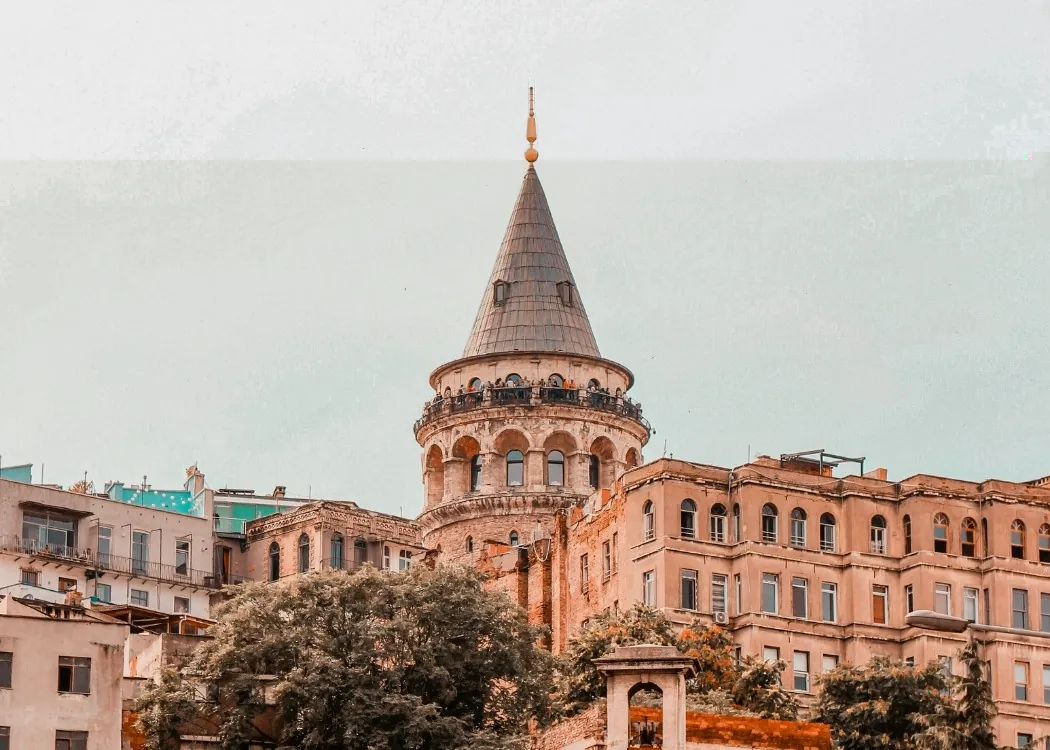
    In 1273 the Byzantine court granted Genoese merchants the right to build a fortified trading post on the north bank of the Golden Horn. They filled the hillside with warehouses for silk, spices, and furs, ringed it with stout stone ramparts, and crowned the ridge with Galata Tower in 1348 so watchmen could spot incoming ships on the Marmara and the Bosphorus. 


    The settlement soon turned into a small Latin city. Genoese guild halls, Franciscan churches, and merchant houses rose beside Greek shops and Jewish inns; streets echoed with Italian, Greek, Ladino, and Arabic. Many of those foundations survive inside later buildings, and you can still trace the line of the medieval wall on narrow lanes like Camekan and Kule. 


    Ottoman Docklands and the Age of Finance


    Mehmed the Conqueror absorbed Galata into Istanbul in 1453 but left its cosmopolitan privileges intact, encouraging Venetian, Jewish, and Armenian traders to keep business flowing.


    By the 1800s steam freighters clogged the quays, customs sheds stacked cotton bales six stories high, and Bankalar Street became the empire’s financial spine. The Imperial Ottoman Bank opened its marble headquarters here in 1892, soon joined by Deutsche Bank, Banque de Paris, and Lloyd’s insurers. 


    Moving money demanded speed, so engineers dug the Tünel funicular under the steep slope in 1875. It is the world’s second-oldest subway after London and still whisks commuters between Karakoy and Beyoglu in ninety seconds, a reminder of how modern the district once felt. 


    Industrial Decline and Creative Revival


    After the 1950s big cargo operations shifted up the Golden Horn and across to Haydarpasa, leaving Karakoy’s piers quiet and its warehouses empty. The water grew foul, the banks moved north to shiny towers, and the neighborhood slipped into decades of neglect.


    Clean-up projects in the 1990s brought life back. Artists rented cheap lofts, cafés replaced ship chandlers, and two headline projects sealed the rebirth: Istanbul Modern reopened in a glass box by Renzo Piano in 2023, and Galataport unveiled the world’s first underground cruise terminal along a 1.2-kilometre public promenade in 2024. The district that once guarded galleons now welcomes gallery-goers, joggers, and sunset strollers.


    Landmark Highlights


    Karakoy keeps its most famous sights within a ten-minute walk of one another. Spend a day here and you can climb a medieval watchtower, admire world-class art on the water, pray in a sixteenth-century mosque, leaf through bank ledgers in a free museum and finish with sunset on a brand-new promenade. Below you will find deeper notes on each landmark so you know exactly why it matters and how to enjoy it.


    Galata Tower


    The stone cylinder that rules the skyline was raised by Genoese merchants in 1348 as the watchtower of their walled colony. It stands 62 metres high and its Romanesque crown still gives the best 360-degree view in Istanbul. A careful restoration finished in 2023 stabilized the masonry, added bird-nest niches for the migrating swifts and rebuilt the wooden balcony.


    Visitor numbers are now capped at one hundred people per hour, so securing a hosted entry through Istanbul Tourist Pass saves a long wait. Two lifts take you to the seventh floor; a short spiral stair climbs to the open deck where you can trace the curve of the Golden Horn and watch ferries draw silver lines on the Bosphorus. Go near closing time for softer light and fewer selfie sticks. 


    Istanbul Modern


    Turkiye’s first museum of modern art reopened in May 2023 inside a shimmering glass-and-aluminium building designed by Renzo Piano. The five-level structure offers 10,500 square metres of galleries, a photography wing, film auditorium and an education lab for kids. Huge windows pull the Bosphorus into the galleries, and a roof terrace frames Topkapi Palace across the strait.


    Inside you will see a permanent survey of Turkish art from 1945 onward alongside global names like Olafur Eliasson; outside a public sculpture garden spreads toward the sea. The ground-floor café and design shop face the Galataport promenade, so even non-ticketed visitors can drop in for coffee with a front-row harbor view. Aim to visit mid-week when cruise traffic is light and the light through the facade is crystal clear. 


    Kilic Ali Pasa Complex


    Ottoman admiral Kilic Ali Pasa asked master architect Mimar Sinan to build this mosque beside the docks between 1578 and 1580. Sinan answered with a single half-orange dome that echoes Hagia Sophia on a smaller scale and floats above a cube of pale stone pierced by stained glass. Iznik tiles glow in the mihrab, and carved marble medallions honor the admiral’s victories at sea.


    The wider complex once served sailors with a madrasa, fountain and bathhouse; the hammam was restored in 2011 and now offers evening steam sessions under the original brick domes. Non-Muslim visitors are welcome outside prayer times—bring a scarf to cover shoulders, slip off your shoes at the door and let the caretaker point out Sinan’s signature on the courtyard fountain. 


    SALT Galata


    Bankalar Street was the Wall Street of the Ottoman Empire, and this marble palace from 1892 held the Imperial Ottoman Bank. A French-Levantine architect, Alexandre Vallauri, mixed neoclassical pillars and cast-iron beams long before art-deco lobbies became fashionable.


    Since 2011 the building has carried a new life as SALT Galata: part exhibition hall, part research library, part Ottoman Bank Museum. Entry is free. Browse the original vault rooms to see nineteenth-century share certificates, then climb to the reading room for Golden Horn views.


    The ground-floor café and Neolokal restaurant both champion Anatolian produce, so it is a fine lunch stop between sights. Opening hours run 11:00-19:00 Tuesday to Saturday and until 18:00 on Sunday. 


    Camondo Stairs


    A flourish of neo-Baroque curves links Bankalar Street with Galata’s upper slope. Banker Abraham Salomon Camondo commissioned the staircase in the 1870s so his grandchildren could reach the Austrian High School safely. The double-helix shape acts like a braid, slowing a fall if someone trips, and the pale stone catches golden light at dawn.


    The Camondo family’s banking empire has long gone, but the stairs survive as one of Istanbul’s most photogenic corners—come early for a clear shot, or stay late and watch newly married couples queue for wedding photos. 


    Galataport Promenade


    What used to be a fenced-off dockyard is now a 1.2-kilometre waterfront open to everyone. Galataport sank its entire cruise terminal 29,000 square metres underground and installed a 176-panel hatch system that only rises when a ship is in port. On normal days the quay feels like a seaside park lined with design stores, street-food kiosks, and pop-up art shows, while the original Tophane clock tower and cannon foundry peek through newer glass.


    The terminal can handle three ships and 15,000 passengers a day, yet you will rarely notice the logistics rumbling below your feet. Tram T1 stops at the eastern gate, and Istanbul Modern sits at the center, so you can weave culture, shopping and sea air into one relaxed loop. 


    What to Do and See in Karakoy Istanbul


    Karakoy rewards slow wandering. Pick a theme or let the alleys guide you—there is always something new behind the next mural.


    Street-art safari: Mumhane Street and the lanes toward Kemeralti burst with graffiti and pop-up galleries. Bring a camera and look up: many pieces fill entire facades.


    Golden Horn ferry rides: Public ferries to Kadikoy, Uskudar, and Eyup give postcard views for the price of a transit swipe.


    Design shopping: Indie boutiques like Mae Zae and weekend pop-up markets sell ceramics, linen wear, and local prints.


    Nightlife and music: Jazz riffs spill from vaulted brick arches under Galata Bridge; roof bars on Bankalar Street serve raki with sunset over Suleymaniye Mosque.


    What to Eat and Drink in Istanbul Karakoy in 2025


    Food in Karakoy swings between century-old institutions and experimental roasters—perfect for sampling both tradition and trend.


    Karakoy Lokantasi: A turquoise-tiled bistro famed for its midday meze trays and evening seafood plates. Book ahead for dinner.


    Karakoy Gulluoglu: Istanbul’s first dedicated baklava shop opened here in 1949 and now sells pistachio-stuffed midye baklava by the kilo.


    Third-wave coffee: Karabatak set the trend in a converted workshop, while Coffee Sapiens roasts beans on site and chats you through every pour.


    Street bites: Grab a fresh simit at the tram stop, or try a midye tava (fried mussel sandwich) from carts that appear after dark. Oh, don't forget to get a simit from one of many old bakeries. 


    Rooftop drinks: Terrace bars line Voyvoda Street; order a glass of local wine and watch the ferries trace light trails on the Bosphorus.


    Practical Tips for Discovering Karakoy in 2025


    Even a quick visit runs smoother with a little planning.


    When to go: Mornings bring softer light and open tables at cafés; Friday nights get crowded once office workers clock off.


    Getting around: Tram T1 stops at Karakoy, and ferries from Eminonu, Kadikoy, and Uskudar dock beside the Galataport terminal.


    Money and connectivity: Most spots take cards, but keep small lira coins for tea kiosks.


    Etiquette: Cover shoulders and knees inside mosques; ask before photographing shopkeepers.


    Explore Karakoy and the Rest of Istanbul with Istanbul Tourist Pass®


    If you plan to climb Galata Tower, tour Dolmabahce Palace, or cheer inside the Besiktas JK Museum, the pass covers them all and more. It bundles over 100 attractions and extra services into one QR code on your phone. 


    Galata Tower hosted entry: Get your tickets from a local guide, skip the ticket line, and use the audio guide to decode every skyline landmark. 


    Dolmabahce Palace skip-the-line ticket with audio guide: Wander chandeliered halls and Ataturk’s study any day except Monday. 


    Besiktas JK Football Museum: Walk straight into Tupras Stadium to trace the club’s 120-year story. 


    Flexible 1- to 5-day passes: Choose the length that matches your stay, tap to activate, and flash the QR at each venue.


    The pass often cuts total costs by half compared with single tickets, and the live schedule in the app helps you dodge unexpected closures. Pair the pass with Karakoy’s easy footpaths and ferries, and you will spend more of your trip tasting baklava, sailing the strait, and soaking up those unbeatable rooftop views instead of waiting in queues.

  • Exploring Kadikoy Istanbul: A Lively Guide for 2025

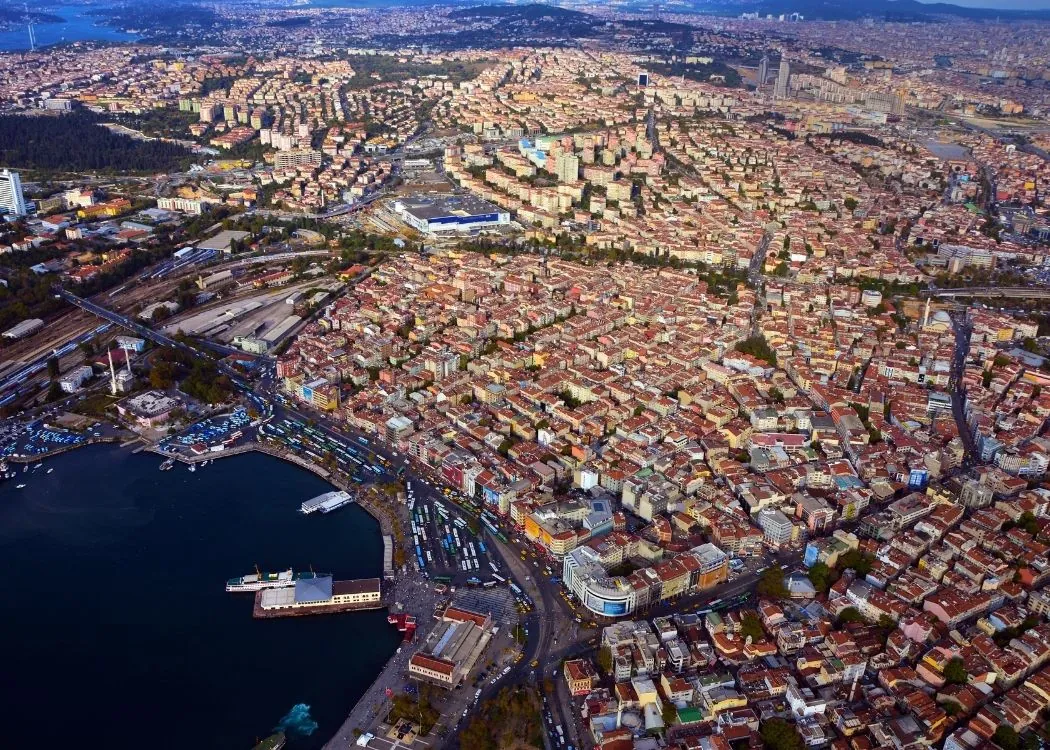
    Kadikoy is one of Istanbul’s most vibrant neighborhoods on the Asian side, known for its unique blend of local spirit and modern flair. This bustling district has soared in popularity in recent years , even earning a spot among the world’s coolest neighborhoods, thanks to its hundreds of new cafes, bars, restaurants, and shops that give visitors a feel for how Istanbulites hang out today. Despite its growth, Kadikoy maintains a relaxed, authentic vibe compared to the tourist-heavy European side of the city, offering a refreshing escape where you can soak up Istanbul’s inimitable views on a ferry ride across the Bosphorus.


    Kadikoy’s charm lies in its harmonious mix of tradition and trendiness. This is a place where artistic, bohemian soul and liberal spirit shine through street art, indie coffee shops, and a generally laid-back atmosphere. The neighborhood draws a diverse crowd, students, artists, intellectuals, and expats, all enjoying the inclusive community and creative freedom Kadikoy offers. Locals chat over coffee about art and politics, musicians perform on street corners, and people stroll along seaside promenades, savoring an authentic slice of Istanbul life. It’s no wonder tourists and expats alike are increasingly drawn to Kadikoy’s unique energy and local warmth.


    History of Kadikoy


    Kadikoy’s Ancient Roots: The story of Kadikoy stretches back to antiquity. In classical times it was known as Chalcedon, a Greek colony founded in 685 BC – actually a few years before Byzantium was established across the Bosphorus. According to legend, Chalcedon was dubbed the “city of the blind” after an oracle hinted that its founders must have been blind to overlook the superior site of Byzantium on the European shore.

    Exploring_Kadikoy_istanbul_Lively_Guide_for_2025_tickets_online_pass


    Despite living in the shadow of Constantinople, Chalcedon thrived as a trading port and even hosted the historic Council of Chalcedon in 451 AD, a major early Christian gathering. The area changed hands many times over the centuries – Persians, Romans, and Byzantines all ruled here – until it fell to the Ottoman Turks in 1350, nearly a century before Constantinople’s fall. Under Ottoman rule, the settlement was relatively rural at first, and its Turkish name “Kadikoy” (meaning “village of the judge”) likely came from an Ottoman judge who administered the area.


    From Ottoman Era to Modern Kadikoy: In the late Ottoman period and into the 19th century, Kadikoy began growing into a suburb connected by new railways and ferry lines. The magnificent Haydarpasa Train Station, built from 1906–1908 by German architects, became the terminus for trains heading to Anatolia and beyond. By the early 20th century, Kadikoy had evolved into a bustling township, officially separating from Uskudar district in 1928 to form its own municipality.

    Exploring_Kadikoy_istanbul_Lively_Guide_for_2025_tickets_online_pass


    Today, traces of Kadikoy’s layered history are still visible: Ottoman-era mosques and Greek Orthodox churches are tucked between modern buildings, and recent archaeological excavations around Haydarpasa have uncovered thousands of artifacts from Hellenistic, Roman, Byzantine, and Ottoman periods – even ancient coins and pottery from the old Chalcedon. This rich heritage lives on in Kadikoy’s streets, reminding visitors that this now-trendy district has seen millennia of change on its way to becoming the lively cultural hub it is in 2025.


    Important Places in Kadikoy


    Kadikoy brims with must-see sites that capture its character – from scenic waterfront hangouts to historic landmarks. Strolling through the neighborhood, you’ll find a blend of buzzing modern spots and lovingly preserved heritage buildings. Here are some of the important places in Kadikoy that no visitor should miss:


    Moda District and Seaside Promenade


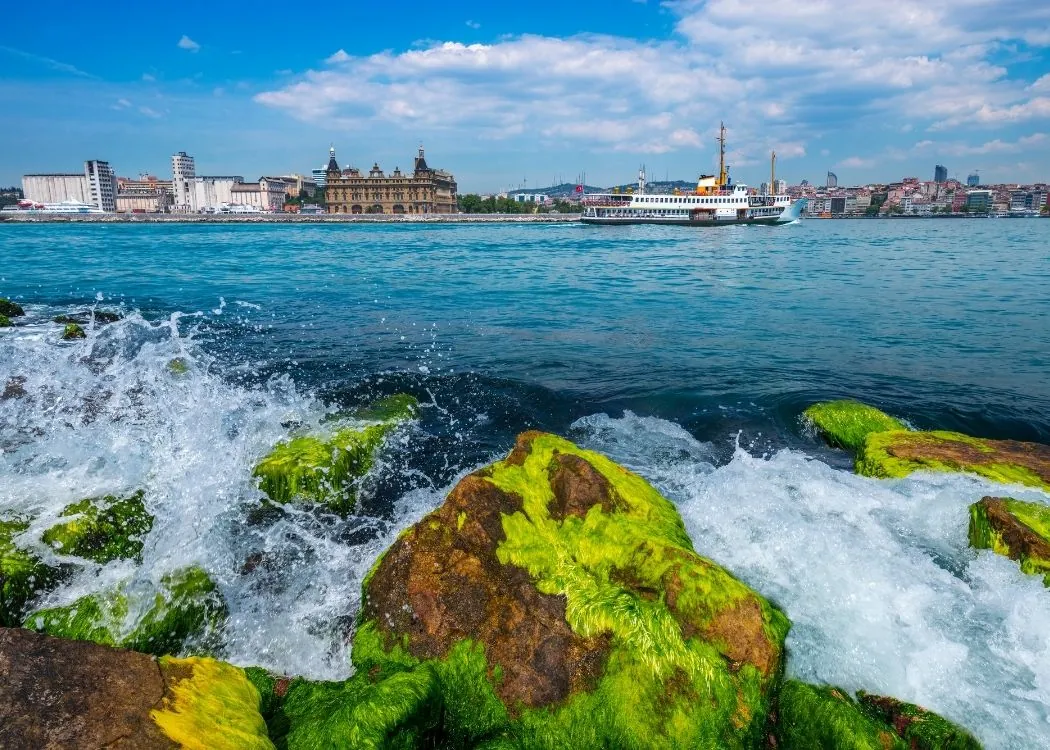
    Moda is the gem of Kadikoy’s coast – a laid-back seaside haven where locals and visitors unwind by the water. You can stroll along the Moda coastal promenade and take in panoramic views of the Sea of Marmara, often catching sight of the Princes’ Islands on the horizon. The Moda Coastal Park is a favorite gathering spot, especially at sunset when people picnic on the grass or sit on the rocks watching the sky glow over the historic peninsula across the strait.

    Exploring_Kadikoy_istanbul_Lively_Guide_for_2025_tickets_online_pass


    Moda’s charming streets are lined with vintage shops, indie boutiques, and some of Istanbul’s coziest cafes. Whether you’re in the mood for a leisurely walk, a coffee by the shore, or browsing unique little stores, Moda’s inviting vibe makes it a must-visit in Kadikoy. Don’t forget to join the locals in grabbing a cone from the famous Ali Usta Ice Cream shop or a hot pastry from a bakery – simple pleasures that taste even better with a sea breeze.


    Kadikoy Bull Statue and Bahariye Street


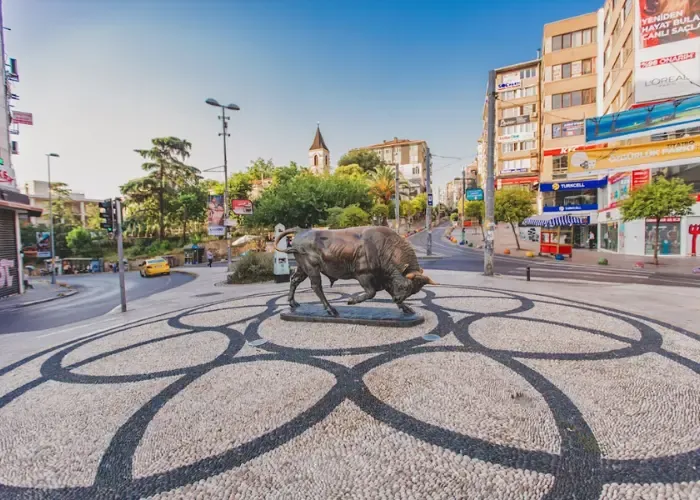
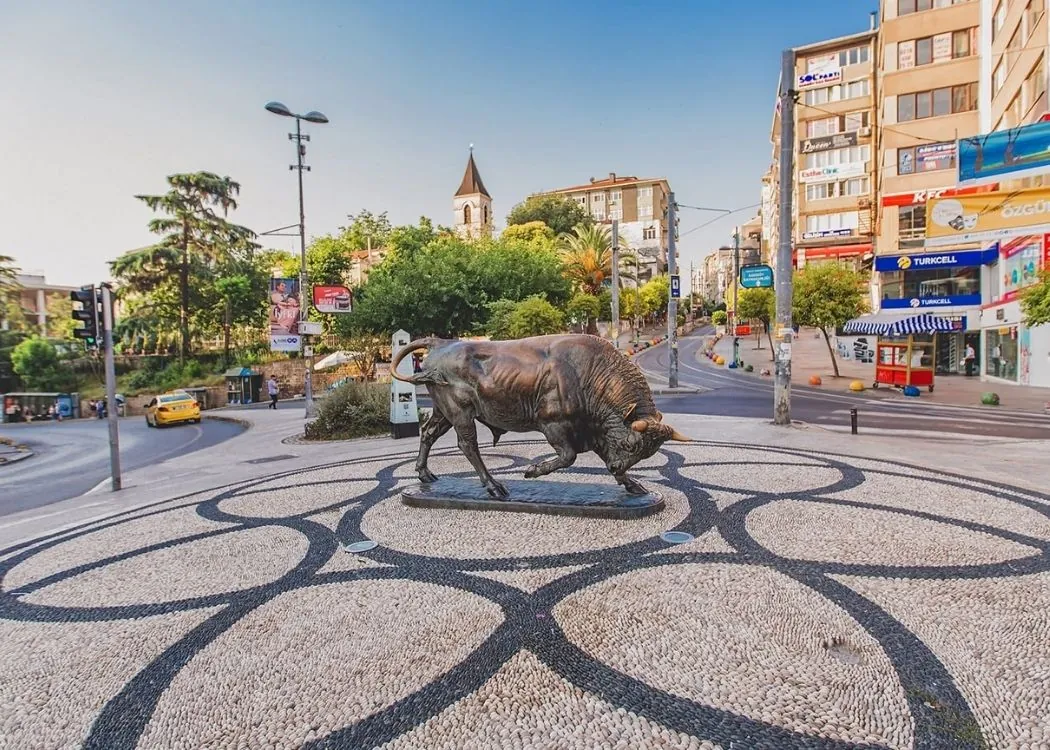
    The iconic Kadikoy Bull Statue at Altıyol Square has become one of the most popular meeting points on Istanbul’s Asian side. The Kadikoy Bull Statue (“Kadikoy Boga”) isn’t just a striking bronze sculpture – it’s a true symbol of the neighborhood. Originally created in 1864 in Paris by artist Jules Rouillard for the Ottoman Sultan, this fighting bull statue has traveled through palaces and exhibitions before finally being installed at Kadikoy’s Altıyol Square in 1987.

    Exploring_Kadikoy_istanbul_Lively_Guide_for_2025_tickets_online_pass


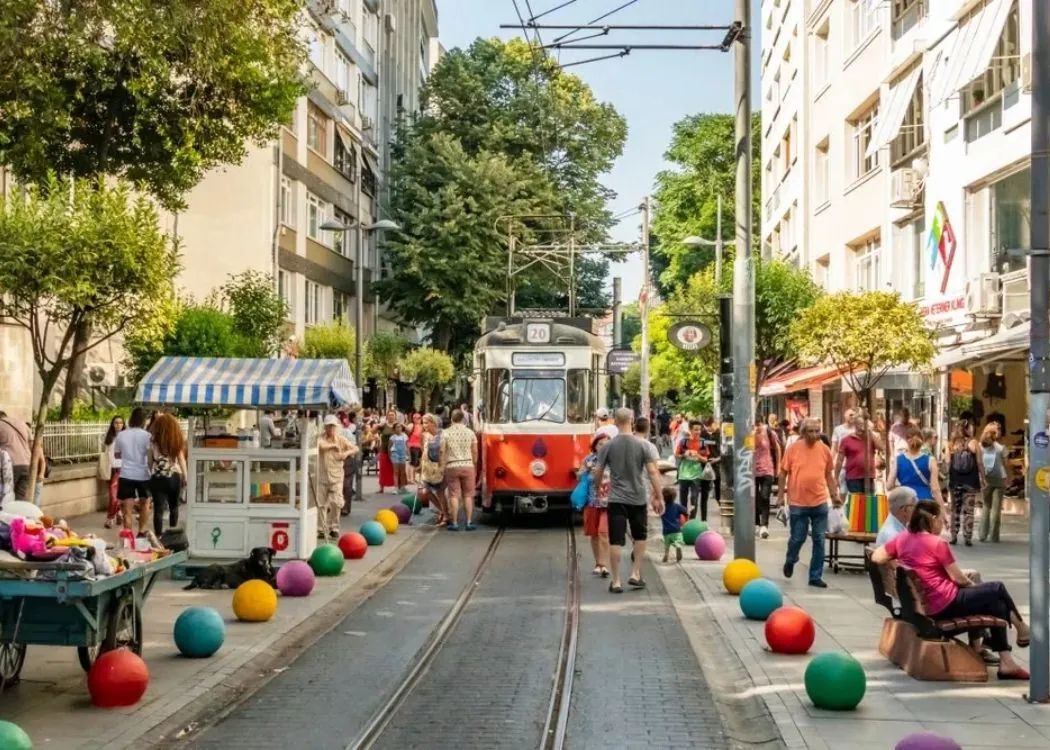
    Today it’s Kadikoy’s most famous rendezvous spot; you’ll often see friends arranging to “meet at the bull,” and it serves as a landmark mascot for the area. Surrounding the statue is the beginning of Bahariye Caddesi, Kadikoy’s main pedestrian shopping avenue. Walking up Bahariye Street, you’ll pass countless shops, boutiques, bookstores, and cafes, all set along a lively promenade that’s closed to traffic.


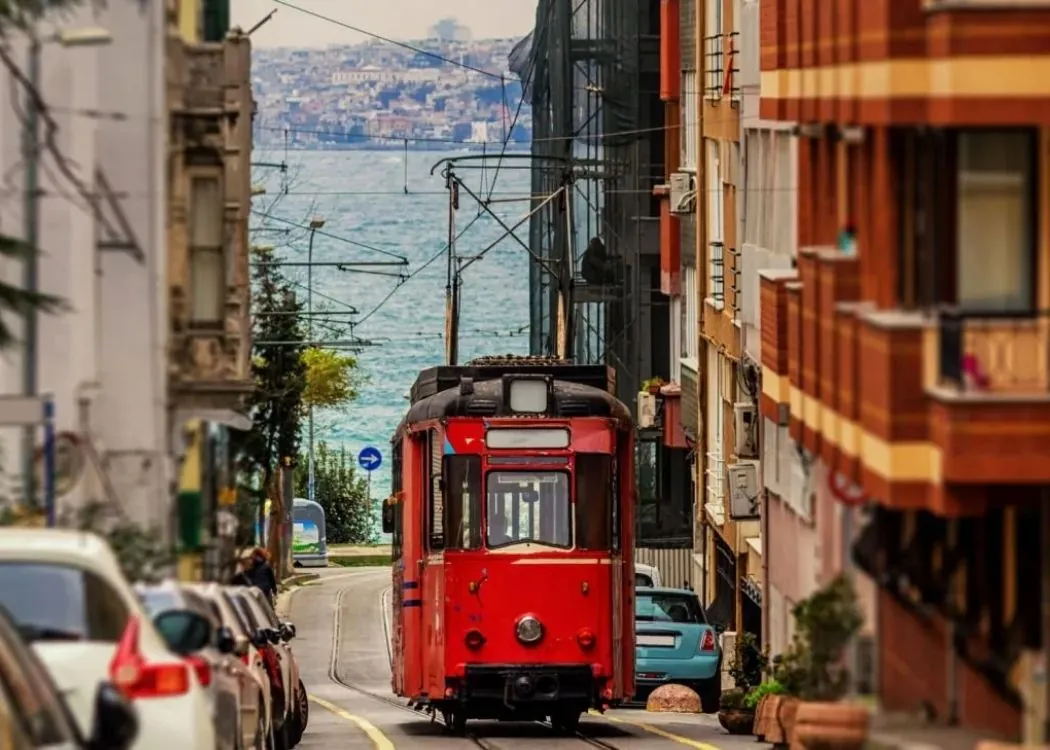
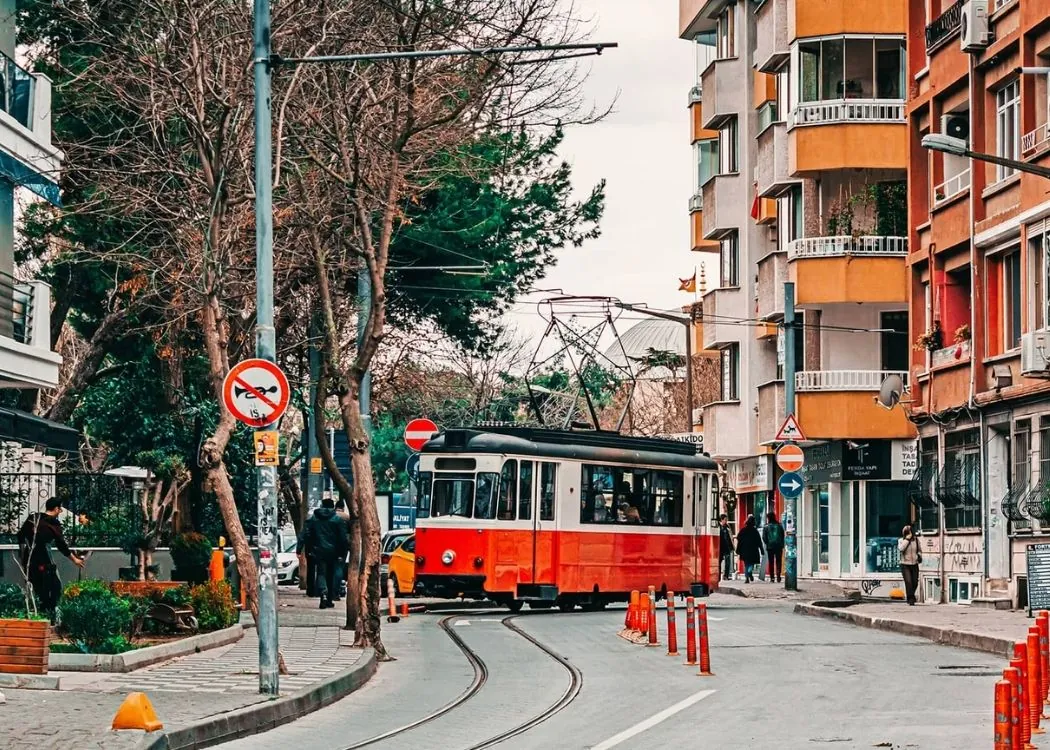
    A nostalgic red tram rattles along Bahariye up to Moda, giving the street a storybook feel as it trundles past colorful buildings. In the evenings, street musicians often perform here and the whole area buzzes with energy. Between the Bull Statue’s local lore and Bahariye’s bustling charm, this crossroads is the beating heart of Kadikoy.


    Sureyya Opera House


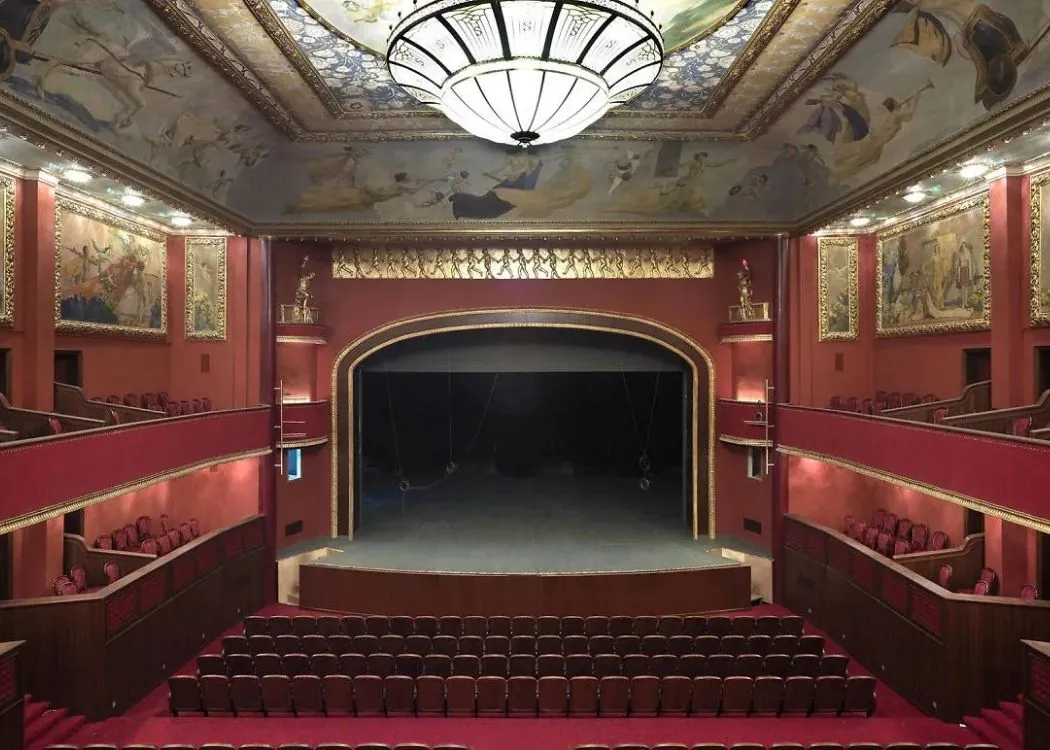
    Kadikoy even has its own historic opera house. The Sureyya Opera House is a beautiful 1927 art deco building on Bahariye Street, originally built by a forward-thinking Ottoman politician, Süreyya Ilmen Pasha. Interestingly, it never hosted an opera in its early years – because the stage machinery was incomplete, Sureyya operated as a movie theater and even a wedding hall for decades.

    Exploring_Kadikoy_istanbul_Lively_Guide_for_2025_tickets_online_pass


    After a thorough restoration, it finally opened in 2007 as a proper opera and ballet venue, fulfilling its founder’s grand intentions. Today, stepping into its elegant foyer (modeled after a Parisian theater) is like stepping back in time. Catching a performance here is a delight, but even from outside, the building’s ornate facade adds a touch of old-world glamour to Kadikoy. Sureyya Opera House stands as a testament to the neighborhood’s cultural heritage – a place where nostalgia and the performing arts come together under one opulent roof.


    Haydarpasa Train Station


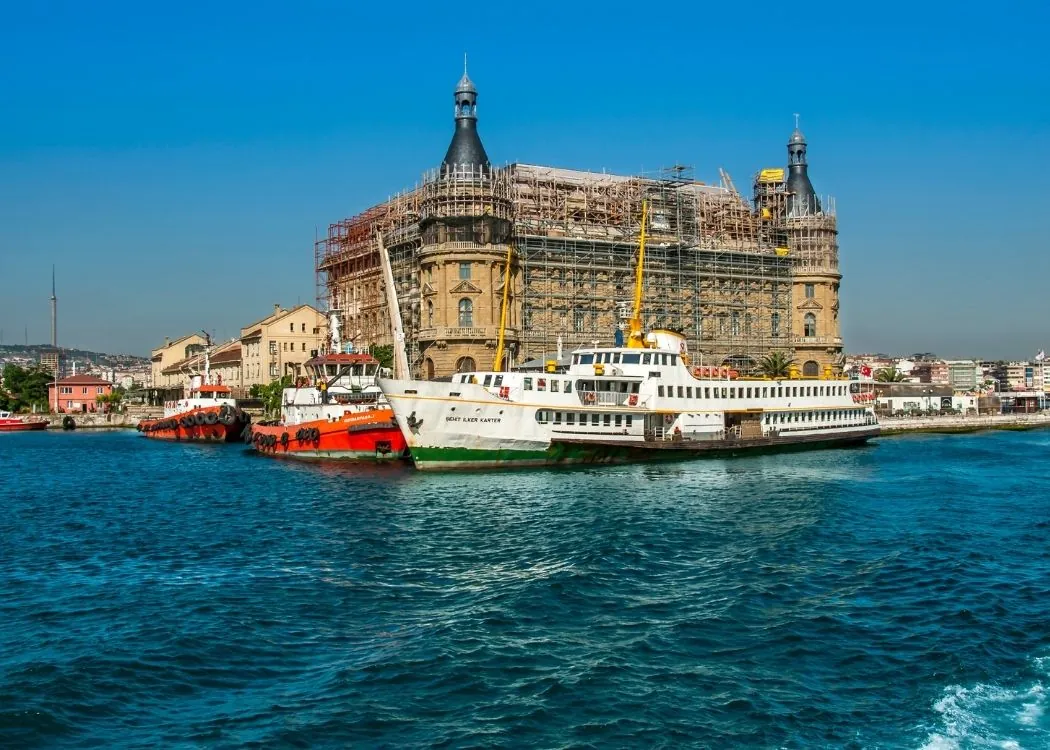
    The Haydarpasa Terminal is one of Istanbul’s most iconic landmarks, majestically presiding over Kadikoy’s waterfront. Built in 1908 as the western terminus of the Istanbul–Baghdad railway, this grand stone building was designed by German architects and for decades sent off trains bound for Anatolia and the Middle East. Its imposing neo-classical facade and clock tower have witnessed countless hellos and goodbyes. Although a fire in 2010 severely damaged Haydarpasa’s roof, a meticulous restoration project has been underway and is nearing completion as of 2024. (Transportation authorities announced that the station will be fully restored and expected to reopen by 2025, returning as both a working station and a cultural attraction.)

    Exploring_Kadikoy_istanbul_Lively_Guide_for_2025_tickets_online_pass


    For now, visitors cannot enter the terminal building due to ongoing works, but you can certainly admire it from the outside. Haydarpasa’s elegant silhouette, especially stunning viewed from a ferry at sunset, remains a beloved sight. There’s also an exciting new archaeological park being created around the station, showcasing artifacts unearthed beneath its tracks – from ancient coins to a 5th-century church – which will add another reason to visit this historic siteenglish.news.cnenglish.news.cn. Even in semi-retirement, Haydarpasa stands proudly as a monument to Istanbul’s railway age and Kadikoy’s significance as the gateway to Asia.


    Yeldegirmeni Art District


    Just a short walk from the ferry pier, the Yeldegirmeni neighborhood is a hidden bohemian enclave bursting with art and history. One of Kadikoy’s oldest quarters, Yeldegirmeni (meaning “windmill” in Turkish) was traditionally a multicultural residential area – home to Ottoman-era synagogues, churches, and some of Istanbul’s first apartment buildings with internal courtyards. In recent years, it has been transformed into a vibrant art district while retaining its old-world charm.


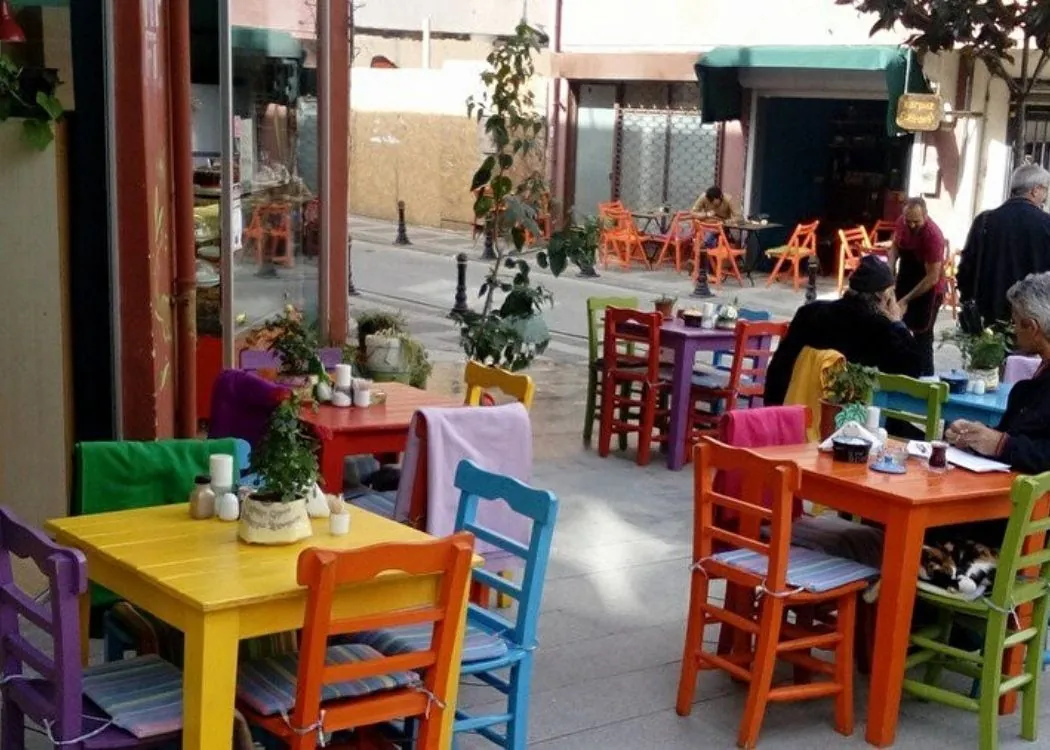
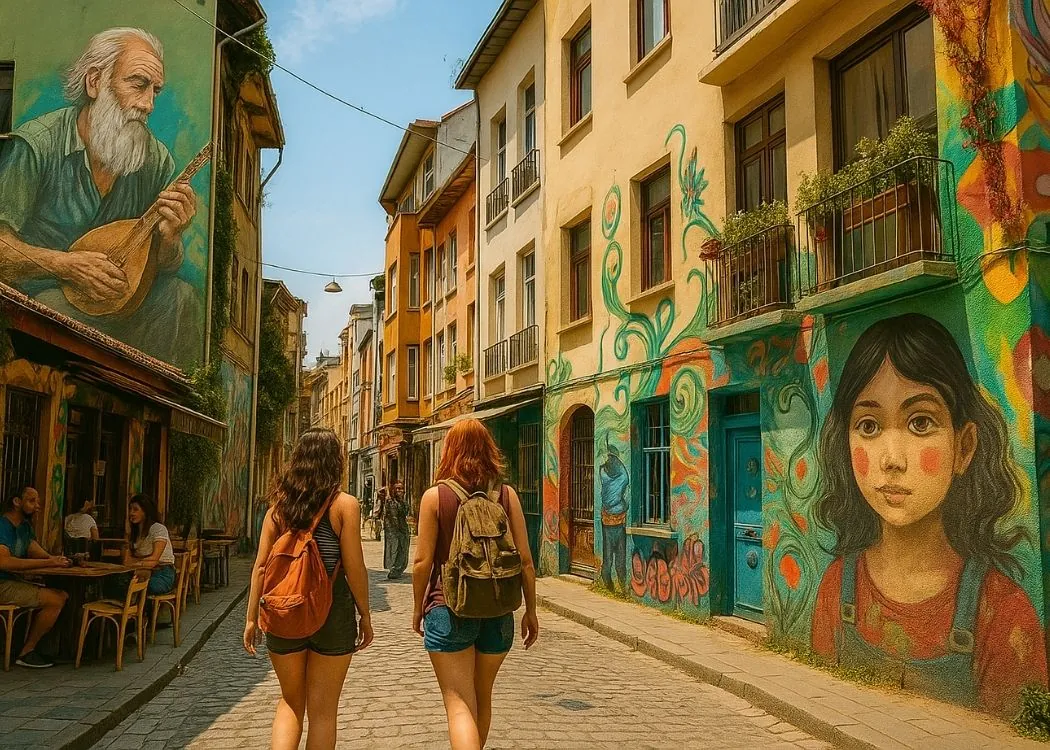
    The streets here are lined with impressive colorful murals on building facades – the result of Turkey’s first-ever street art festival held in 2012, when artists from around the world painted Yeldegirmeni’s blank walls with massive works of art.

    Exploring_Kadikoy_istanbul_Lively_Guide_for_2025_tickets_online_pass


    Scattered between traditional coffee houses and bakeries, you’ll now find dozens of art studios, galleries, and hip cafes, giving the area a lively, creative and slightly edgy vibe. It’s not unusual to turn a corner and stumble on a beautiful mural or a community art project in progress.


    Yeldegirmeni perfectly blends the past and present – century-old buildings and local shops coexisting with street art and student-filled hangouts. It’s a hidden gem in Kadikoy for those who love offbeat, artsy neighborhoods. Take a wander through its streets (perhaps using a street art map) and experience how tradition and bohemia meet in the most colorful ways here.


    What to Do and See in Kadikoy


    Beyond its landmarks, Kadikoy offers countless experiences that allow you to live like a local and soak up the neighborhood’s culture. Here are some of the top things to do and see for an immersive visit:


    Ferry Rides and Bosphorus Views


    One of the essential Istanbul experiences is taking a ferry ride, and Kadikoy is the perfect place to do it. From Kadikoy’s ferry docks, you can catch boats to various European-side neighborhoods – Eminonu, Karakoy, Besiktas, even the Princes’ Islands. The rides are short (15–20 minutes to most central piers) but spectacular. As you glide across the Bosphorus, you’ll be treated to panoramic views: the silhouette of Topkapi Palace, Hagia Sophia and the Blue Mosque fading behind you, and the Maiden’s Tower perched in the strait.

    Exploring_Kadikoy_istanbul_Lively_Guide_for_2025_tickets_online_pass


    Seagulls chase the ferry hoping for simit bread, and vendors on board might offer you hot tea. It’s a simple joy to stand by the railing with the wind in your face, watching Europe and Asia drift by on either side. Many locals commute this way daily, and for visitors it’s both transportation and sightseeing in one. Pro tip: try to time at least one ferry trip for sunset – few things beat the sight of the sun setting over Istanbul’s minaret-studded skyline from the deck of a Kadikoy ferry.


    Stroll Through the Kadikoy Bazaar (Local Markets)


    Kadikoy is famed for its bustling local market – a paradise for foodies and an experience for all the senses. Just a few steps from the ferry pier and bull statue, the Kadikoy Bazaar (Çarşı) unfolds in a maze of narrow streets around the historic Osman Aga Mosque. Here you’ll find one of Turkey’s largest food markets: stalls heaped with fresh produce, glistening olives, fragrant spices, and more varieties of cheese than you knew existed. Be sure to wander down Fish Market Street, where fishmongers enthusiastically hawk the day’s catch, from sea bass to giant shrimp, and will happily tell you how to cook them.

    Exploring_Kadikoy_istanbul_Lively_Guide_for_2025_tickets_online_pass_new


    The market also offers heaps of Turkish delight, baklava, dried fruits and nuts, and local delicacies from across Anatolia – it’s an edible tour of Turkey in one place. Even if you’re not buying, it’s fun to watch locals doing their daily shopping and to soak up the lively atmosphere (and maybe accept a sample of fresh melon or Turkish delight). On Tuesdays, Kadikoy also hosts an enormous Tuesday Market (Salı Pazarı) in a nearby open lot, selling everything from clothes to organic veggies. Whether you visit the daily bazaar or the weekly market, exploring Kadikoy’s marketplaces is a must-do cultural experience – an authentic glimpse into Istanbul life beyond the tourist stalls of the Grand Bazaar.


    Bookshops, Galleries, and Vintage Finds


    Kadikoy has a decidedly bookish, artsy side. Literature lovers should not miss the cluster of second-hand bookstores tucked in a two-story arcade off the main market – known as the Kadikoy Sahaflar Çarşısı (used book bazaar). In this well-trod hall of bookshops, you’ll find stacks of old books (in multiple languages), vintage maps, records, and magazines spanning every genre and era. It’s a treasure trove for bibliophiles and a great place to hunt for unique souvenirs.


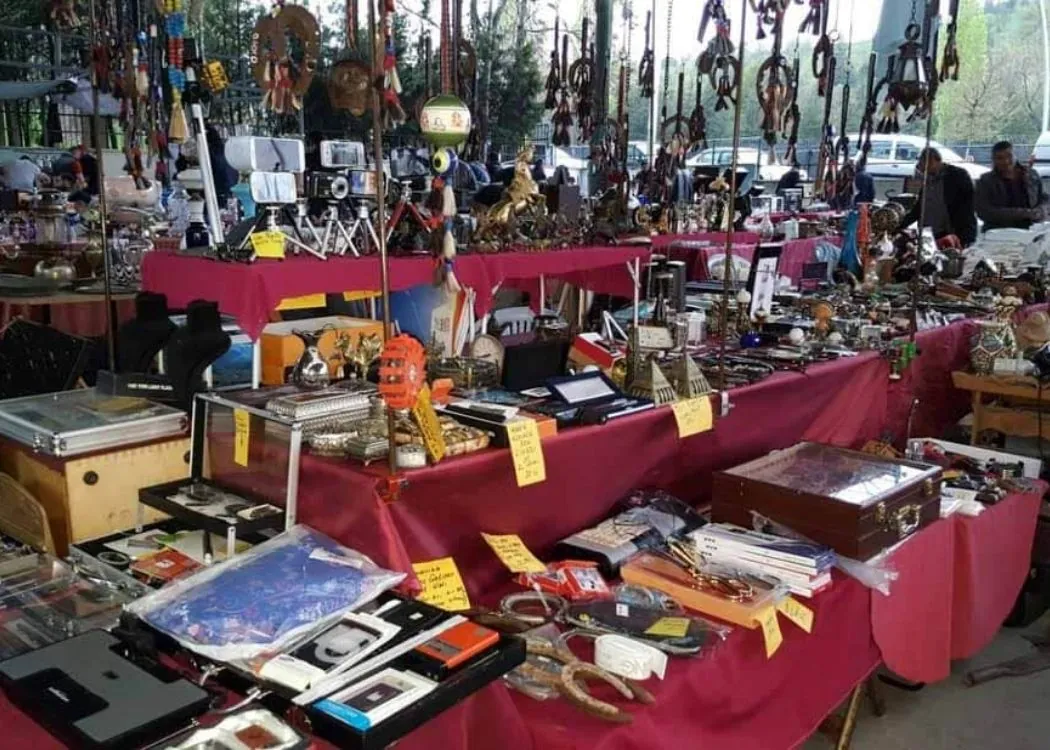
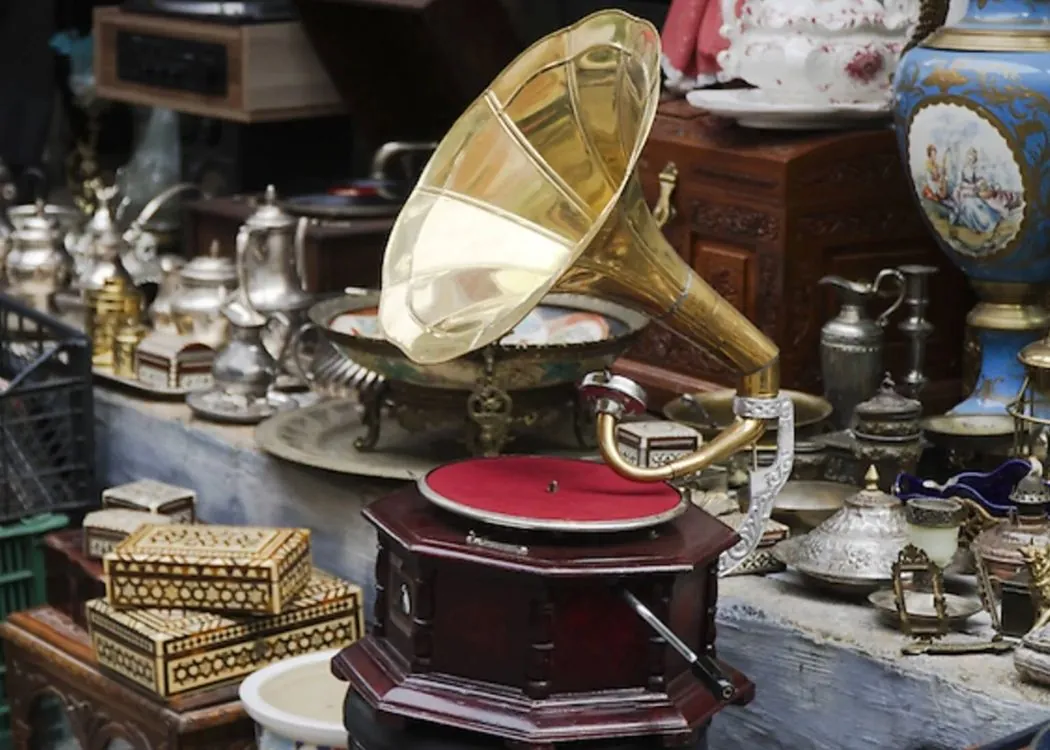
    Kadikoy is also booming with independent art spaces and galleries – from Halka Sanat to Arthere – often hosting free exhibits, workshops or live performances. Many are run by local artists (including a community of Syrian artists at Arthere) and welcome curious visitors to pop in. If you’re more into retro fashion and trinkets, Kadikoy won’t disappoint either. Stroll down Tellalzade Street, the antiques lane, where shops sell everything from old telescopes and gramophones to Ottoman-era jewelry and furniture.

    Exploring_Kadikoy_istanbul_Lively_Guide_for_2025_tickets_online_pass_new


    You can spend hours browsing the vintage clothing boutiques around Moda and Caferağa that offer quirky second-hand outfits, vinyl records, and 90s nostalgia. Whether you’re buying or just window-shopping, exploring Kadikoy’s bookshops, galleries, and vintage stores gives you a feel for its creative, intellectual spirit. Don’t be surprised if you end up chatting with a shop owner about local history or Istanbul’s art scene – Kadikoy’s creative community is friendly and always up for a conversation over a cup of Turkish tea.


    Watching the Sunset from the Moda Coast


    As evening approaches, make your way to the Moda coast for one of the simplest yet most magical Kadikoy experiences: watching the sunset. The waterfront park areas stretching from Moda to neighboring Fenerbahçe are local gathering spots at dusk. Find a spot on the seaside promenade or the large rocks by the water’s edge – you’ll see clusters of people already relaxing there, some with picnic blankets and snacks, others with guitars softly strumming.


    As the sun descends in the west, the sky over the Sea of Marmara explodes in hues of orange, pink, and purple. You’ll see the silhouettes of Istanbul’s historic skyline in the distance, and the lights of the Princes’ Islands start to twinkle in the sea. The call to prayer might echo faintly from across the water, adding to the ambiance.

    Exploring_Kadikoy_istanbul_Lively_Guide_for_2025_tickets_online_pass_new


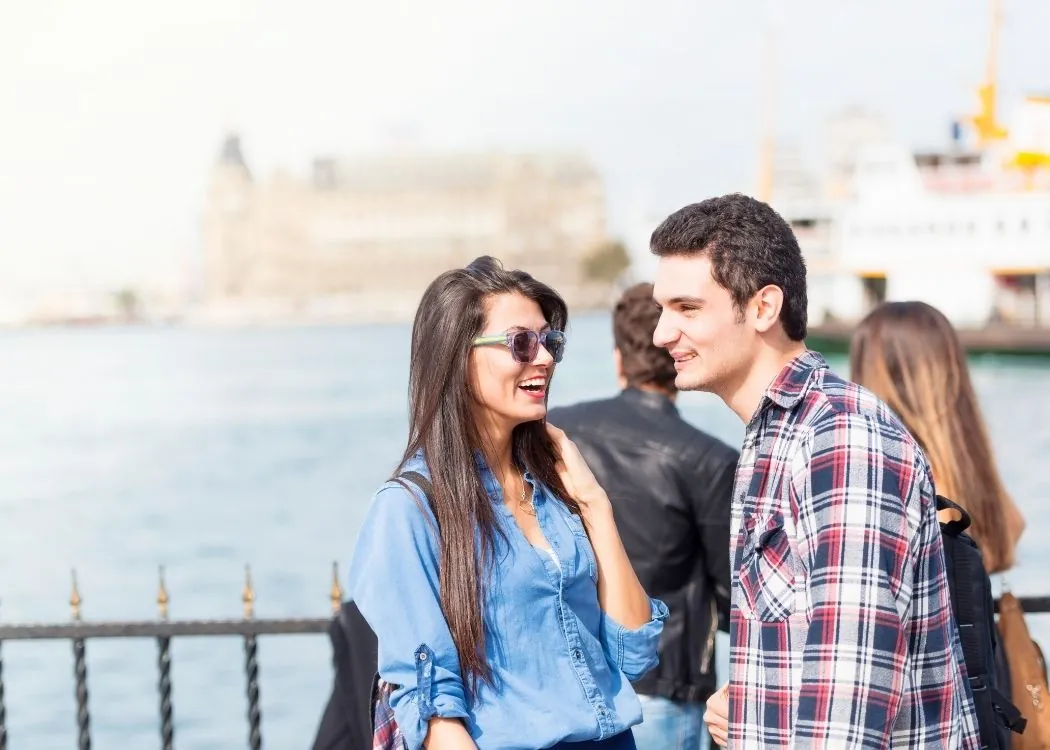
    This daily show draws everyone from young couples to families and solo wanderers – all pauses in collective appreciation of the moment. Many bring a beverage (you can grab a takeaway tea or beer from nearby cafes) to sip as day turns to night. Watching the sun set over the Bosphorus or Marmara from Moda is a quietly beautiful ritual that costs nothing and stays in your memory long after you leave Istanbul. It’s the perfect way to reflect on your Kadikoy adventures and feel a sense of connection with the city and its people.


    What to Eat in Kadikoy


    Kadikoy’s food scene is legendary, reflecting Istanbul’s culinary diversity with a hip, local twist. On these streets you can feast like a sultan one moment and eat like a street-food-loving student the next. Here are some of the top eats and treats to seek out:


    Traditional Turkish Breakfast Spots


    Istanbul is famous for its lavish Turkish breakfast (kahvaltı), and Kadikoy offers some of the best breakfast spots in the city. Join the locals on a lazy morning at a neighborhood cafe to indulge in a proper spread: freshly baked breads, cheeses, olives, tomatoes and cucumbers, eggs (maybe menemen, the Turkish-style scramble with tomatoes), honey and clotted cream, and endless tea refills.


    In Kadikoy’s Moda area you’ll find the much-loved Van Kahvalti Evi, known for its Van-style breakfast with regional cheeses and hot pastries – a true “breakfast feast” that arrives as dozens of small plates covering your table. Another popular spot is Küff, a trendy café that by day serves hearty breakfast platters in its leafy garden (and turns into a bar at night).

    Exploring_Kadikoy_istanbul_Lively_Guide_for_2025_tickets_online_pass_new


    For a more traditional vibe, seek out Cakmak Kahvalti Salonu, a no-frills breakfast joint often packed with locals. Wherever you go, a Kadikoy breakfast is meant to be savored slowly. On weekends especially, you’ll see groups of friends making brunch an hours-long social occasion. Pro tip: try to get a seat in a café’s backyard or terrace – many Kadikoy breakfast spots have hidden gardens that make your morning meal even more relaxing. With so many options, you can easily eat a huge breakfast in Kadikoy every day and never have the same combination twice!


    Street Food Adventures: Midye Dolma, Kokorec, Durum and More


    Kadikoy is a street food paradise, inviting you to eat your way through Turkish comfort foods on the go. One absolute must-try is midye dolma – stuffed mussels. Come evening, you’ll spot vendors like Moda Midyecisi offering trays of these morsels: plump mussels on the half-shell, filled with aromatic spiced rice, doused in a squeeze of lemon. It’s a beloved local snack (especially after a night out) – just don’t be shy, pop them one after another until you’re full! For the more adventurous palate, kokoreç is the ultimate late-night street food.


    Kokoreç consists of skewered lamb intestines grilled over coals, chopped and seasoned with herbs, and served in a crispy bread loaf. It might sound intimidating, but places like Reks Kokoreç in Kadikoy have perfected this savory delicacy – one bite of the spicy, herby kokoreç sandwich and you might become a convert. Also omnipresent are dürüm wraps. You can grab dürüm with all kinds of fillings – classic döner kebab sliced from the spit, or Tantuni (spiced tiny beef strips) rolled in soft lavash bread.

    Exploring_Kadikoy_istanbul_Lively_Guide_for_2025_tickets_online_pass_new


    One famous local spot, Borsam, is known more for its super-crispy lahmacun (Turkish “pizza”), but you can find excellent dürüm at many small grills around the market. Don’t miss trying a fresh simit (sesame bagel) from a street cart for breakfast, or a cup of roasted chestnuts in winter. And if you have a sweet tooth, look for halka tatlisi (spiral churro-like fritters in syrup) or stop by a bakery for baklava. Kadikoy’s street food reflects Istanbul’s soul – comforting, flavorful, and best enjoyed while wandering or perched on a street bench. It’s cheap, delicious, and you’ll quickly see why Istanbulites are so passionate about their street eats.


    Trendy Cafes and Coffee Roasters


    Coffee culture is thriving in Kadikoy, fueled by a young crowd and creative entrepreneurs. The area is dotted with third-wave coffee roasters and cozy cafes where you can get your caffeine fix in style. One of the most beloved is Montag Coffee Roasters, tucked in a side street with a minimalist vibe – locals praise its carefully sourced beans and expert brewing methodsj. There’s also Coffee Manifesto, another pioneer of specialty coffee in Kadikoy, and the whimsically themed Walter’s Coffee Roastery (inspired by Breaking Bad) where baristas in lab coats brew your latte.


    These indie coffee shops take their craft seriously: expect flat whites with rosetta art, cold brews, and Aeropress or Chemex options for the connoisseur. Many double as comfortable work and hangout spaces, so you can linger for hours. If tea is more your speed, traditional Turkish tea is everywhere too – but Kadikoy even has modern tea houses and matcha cafes now. 180° Coffee Bakery and Çekirdek are other favorites combining good coffee with freshly baked treats. And for those who like a little nightlife in their café, spots like Arkaoda and Bina morph from daytime coffee hangouts to trendy bars in the evening.


    Exploring_Kadikoy_istanbul_Lively_Guide_for_2025_tickets_online_pass_new


    In short, Kadikoy’s cafe scene is as diverse as its people: whether you want a strong Turkish coffee cooked in sand, or a soy-milk latte with latte art, you’ll find a welcoming spot here. Take a break from sightseeing in one of these cafes, sip a cup, and watch Kadikoy’s street life through the window – it’s the perfect way to feel like an Istanbul local.


    Vegetarian and Vegan Eats


    Kadikoy’s dining scene has something for everyone including vegetarians and vegans. In fact, this neighborhood is at the forefront of Istanbul’s plant-based movement, with several popular vegan restaurants and cafes. One top pick is Kümin Vegan Lezzetler, a cozy vegan eatery in Rasimpaşa that serves up creative dishes like seitan “meatball” burritos, zucchini noodle pastas, and hearty lentil. Their menu is so flavorful and varied that even non-vegans leave impressed. Another favorite is Mahatma Cafe, also in Kadikoy, which offers wholesome vegan daily specials and desserts, think chickpea wraps, creamy hummus, and vegan köfte, all made with organic ingredients.

    Exploring_Kadikoy_istanbul_Lively_Guide_for_2025_tickets_online_pass_newest


    For a quick bite, Veganarsist in Osmanaga is known for vegan versions of Turkish street foods, you can try a plant-based kokoreç or vegan lahmacun there!. Many of the regular cafes and restaurants in Kadikoy also have vegetarian options on their menus, reflecting the area’s young, health-conscious crowd. And if you’re looking for a casual meal, Kadikoy’s numerous meze restaurants (Turkish tapas) offer plenty of veggie delights like ezme (spicy tomato salsa), grilled eggplant, stuffed grape leaves, and more.


    In short, you won’t go hungry in Kadikoy if you don’t eat meat; actually, you’ll be spoiled for choice. The neighborhood’s welcoming, progressive vibe extends to its food, making it easy for vegetarians and vegans to dine deliciously while traveling.


    Local Kadıköy Tips and Hidden Gems


    For those who want to go beyond the standard guidebook highlights, Kadikoy has a wealth of local hangouts and hidden gems that reward the curious traveler. Here are a few insider tips to enrich your Kadikoy experience:


    Nightlife on Kadife Street (Barlar Sokak)


    When the sun goes down, head to Kadife Sokak – aka “Bar Street” – to experience Kadikoy’s famously eclectic nightlife. This stretch of Kadife Street in the Caferağa neighborhood is lined with gritty, bohemian bars and clubs that have transformed Kadikoy into one of Istanbul’s most happening night districts. Iconic venues like Arkaoda (opened in 1999) led the way in turning Kadikoy into the city’s hippest neighborhood.

    Exploring_Kadikoy_istanbul_Lively_Guide_for_2025_tickets_online_pass_newest


    By day, Arkaoda is a chill café, but by night it becomes a lively bar/club with DJ sets on the upper floor and a courtyard full of expats, students, and artists relaxing on vintage velvet armchairs. A few doors down is Karga, another legendary bar set in a creaky old building where alternative music plays amid dim lighting and eclectic decor. Whether you’re into craft beer pubs, rock bars, or laid-back lounges, you’ll find a spot on Kadife Street – there’s even a bar with live rock and jazz in what used to be an old cinema.


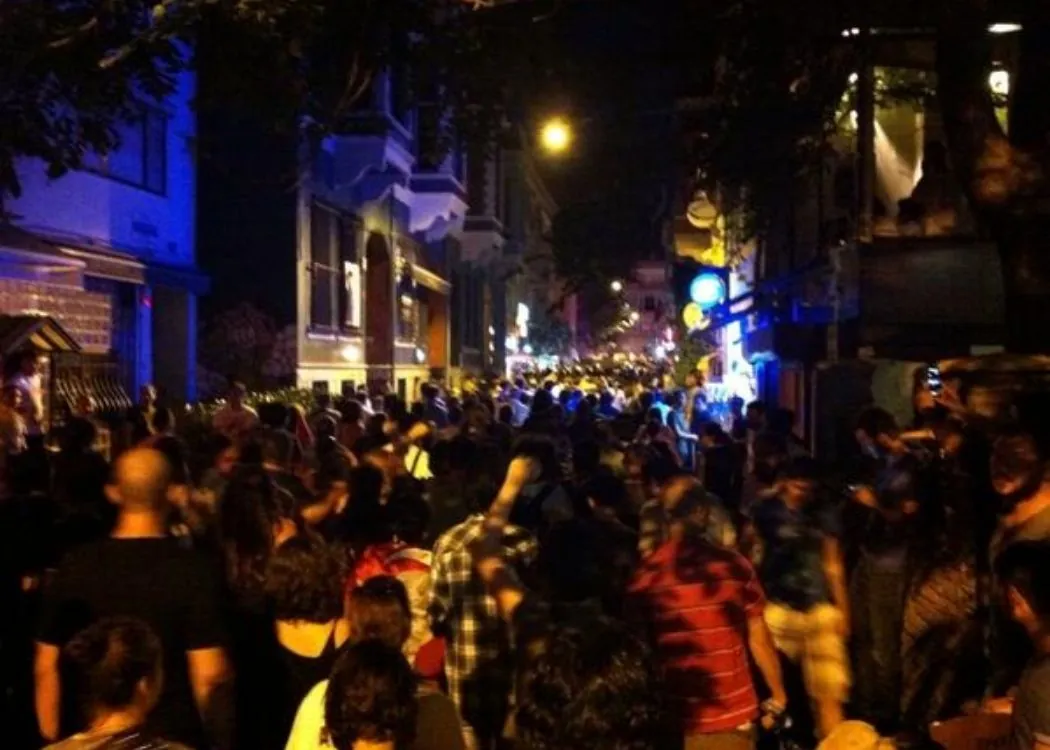
    The atmosphere on weekends is electric, with the whole street buzzing as people hop between venues or simply hang out on the sidewalk with drinks in hand. It’s far less touristy than nightlife in Taksim, giving you a chance to party shoulder-to-shoulder with Istanbul locals. If you’re into a more traditional vibe, Kadikoy also has meyhanes (Turkish taverns) and live fasıl music pubs tucked away nearby. But for a true taste of Kadikoy after dark, Kadife Sokak is the place to be – come as you are, and enjoy the neighborhood’s creative, come-as-you-like spirit late into the night.


    Open-Air Cinemas in Summer


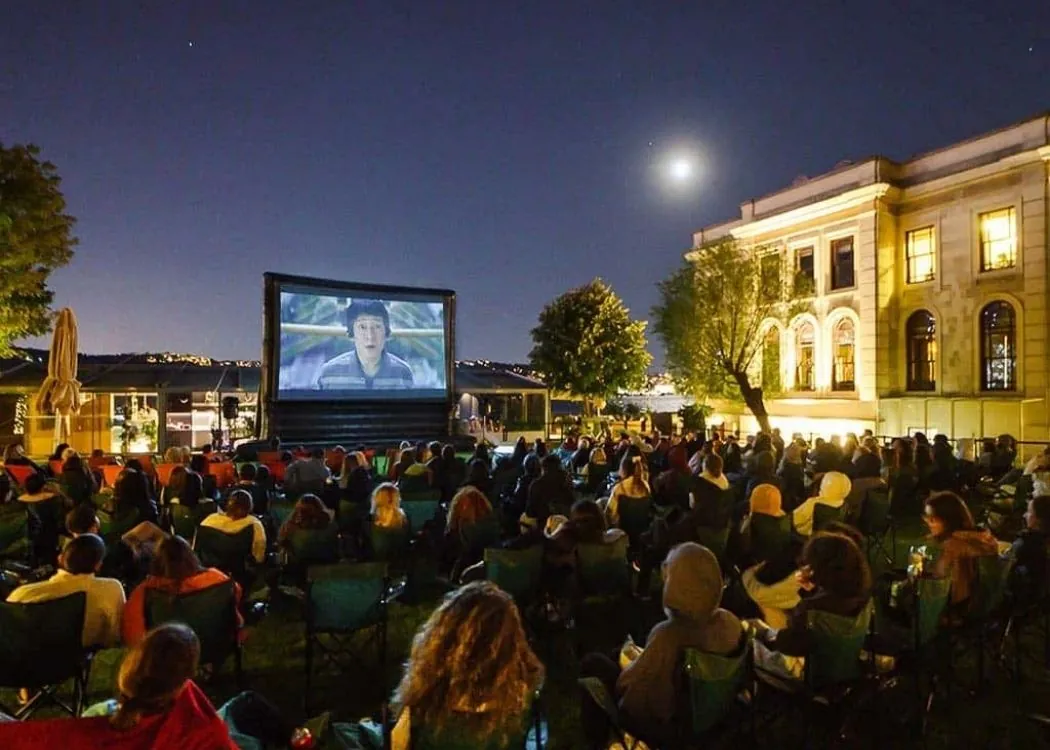
    Here’s a delightful local secret: in the summer months, Kadikoy indulges in a bit of nostalgia with open-air cinema evenings. While outdoor movie screenings in Istanbul aren’t extremely common, there are a few initiatives that bring films under the stars – and Kadikoy residents love them. For example, the Kadikoy Municipality often organizes free outdoor film nights in Yoğurtçu Park or in the courtyard of cultural centers, showing a mix of old Turkish classics and popular movies.

    Exploring_Kadikoy_istanbul_Lively_Guide_for_2025_tickets_online_pass_newest


    Imagine sitting on the grass or a portable chair on a warm night, surrounded by families and young couples, watching a Yeşilçam (Golden Age) Turkish film flicker on a big inflatable screen – it’s a cozy, communal experience. Some cafes and bars also host rooftop or garden movie nights during summer; keep an eye out for posters or social media announcements when you’re in the area.


    Just across the Bosphorus in Üsküdar, there’s the well-known Çengelköy open-air cinema in a park, which screens nostalgic Turkish films weekly in summer – Kadikoy locals sometimes venture there for a change of scenery. Additionally, not far away in Ataşehir (still on the Asian side) is the Cinecity Trio open-air cinema, where you can lounge by a pool and watch movies on certain nights.


    The schedules vary year to year, but if you visit Istanbul in July or August, ask around in Kadikoy for any outdoor movie events. It’s a charming way to spend a warm evening like a local – sipping something cool, possibly nibbling sunflower seeds (a Turkish movie tradition), and enjoying cinema al fresco with the sea breeze in the air.


    Second-Hand and Antique Treasures


    Kadikoy is a fantastic hunting ground for those who love thrifting and antiques. We already mentioned Tellalzade Street in the bazaar area, famous for its antique shops piled high with treasures. Walking down this street feels like a mini-grand bazaar: you’ll see everything from Ottoman-era gramophones and telescopes to vintage vinyl records and old postcards, all jumbled in charming chaos.


    Nearby, the Kadikoy Antiques Bazaar is a small arcade where vendors sell fine antiques and old furniture if you’re seeking something special. But antiques aside, Kadikoy also has a growing scene of second-hand and vintage clothing stores. Around Moda and the streets leading from Bahariye, look for quirky shops like Sentetik Sezar or Paper Kite Vintage (both highlighted in local guides) selling retro fashion, 90s streetwear, and upcycled accessories.

    Exploring_Kadikoy_istanbul_Lively_Guide_for_2025_tickets_online_pass_newest


    There’s also an indoor flea market on some weekends (often at the Kadikoy municipality hall) where locals sell pre-loved clothes, books, and handmade crafts – essentially a pop-up community thrift event. If you’re into books, don’t skip the used book arcade we discussed, or Khalkedon Books for rare finds. Another hidden gem is the Moda Book and Record Shop (just off Moda Caddesi), where you can flip through second-hand books and classic vinyls in a cozy setting.


    Part of Kadikoy’s appeal is that it hasn’t been sanitized of its quirks – you can still find dusty old stores and unexpected markets. So take a detour from the main streets and explore the little alleys; you never know what vintage lamp or one-lira comic book might be waiting for you. Even if you buy nothing, the act of browsing these shops – often while chatting with their friendly, passionate owners – is a rewarding way to connect with the neighborhood’s soul.


    Relaxing in Yoğurtçu Park


    For a quiet breather amid your urban explorations, join Kadikoy locals in Yoğurtçu Park, one of the area’s beloved green spaces. Stretching along the coastline by the Moda and Fenerbahçe neighborhoods, Yoğurtçu Park offers a peaceful retreat of lawns, walking paths, and tall trees right by the water. Here you can do as the locals do: take an early morning jog with a view of the Marmara Sea, or sit on a bench in the shade reading a book while elderly men nearby play backgammon.

    Exploring_Kadikoy_istanbul_Lively_Guide_for_2025_tickets_online_pass_newest


    The park has sports facilities (tennis and basketball courts) and plenty of open space where on weekends you’ll find families having picnics and kids kicking around a soccer ball. Its location is fantastic – one side of the park runs along Kurbağalıdere Creek, where small boats are moored, and on the other side is the coastal promenade with views toward the Fenerbahçe Lighthouse and marina. In the evenings, especially in summer, Yoğurtçu Park comes alive with locals strolling, cyclists and skaters passing through, and sometimes even open-air events or live music performances spontaneously happening.


    The park is named after an old “yoghurt seller’s fountain” that still stands from Ottoman times, but today it really serves as Kadikoy’s communal backyard. Grab a cup of tea or a Turkish ice cream from a nearby cafe and enjoy a slow moment in the park, watching dogs play and the sky change colors towards dusk. Amid the buzz of Kadikoy, Yoğurtçu offers a dose of tranquility and nature. As you relax under its palm trees and pines, with the sounds of city life muted by rustling leaves and gentle waves, you’ll understand why Istanbul residents cherish these green oases. It’s the perfect spot to recharge after a day of exploring, or to gear up for another round of nightlife after sundown!


    Istanbul Tourist Pass® Benefits for Asian Side Travelers


    If you’re visiting Kadikoy and other parts of Istanbul’s Asian side, the Istanbul Tourist Pass® can be your secret weapon for saving money and enhancing your experience. This all-in-one digital pass grants access to over 100 attractions and services across the city (European and Asian sides) – and it includes several perks that are especially useful for travelers exploring the Asian side in 2025. Here are some key benefits for Kadikoy and beyond:


    Sabiha Gokcen Airport VIP Transfer: Flying into Istanbul’s second airport (SAW) on the Asian side? The Tourist Pass offers a discounted private VIP transfer from Sabiha Gokcen Airport to your hotel. You’ll be met with a name board at arrivals and whisked into a comfy Mercedes van – no haggling with taxi drivers or lugging bags on shuttle buses. Pass holders pay a fixed discounted fee (around €98 round-trip for up to 5 people) for a 24/7 private transfer, which is about €14 cheaper than booking directly. It’s a stress-free way to start or end your trip, especially after a long flight, and you can use it in either direction (to or from the airport) even outside your pass activation days. This perk alone can make the pass worthwhile for Asian-side arrivals, ensuring you reach Kadikoy comfortably and quickly.

    Exploring_Kadikoy_istanbul_Lively_Guide_for_2025_tickets_online_pass_newest


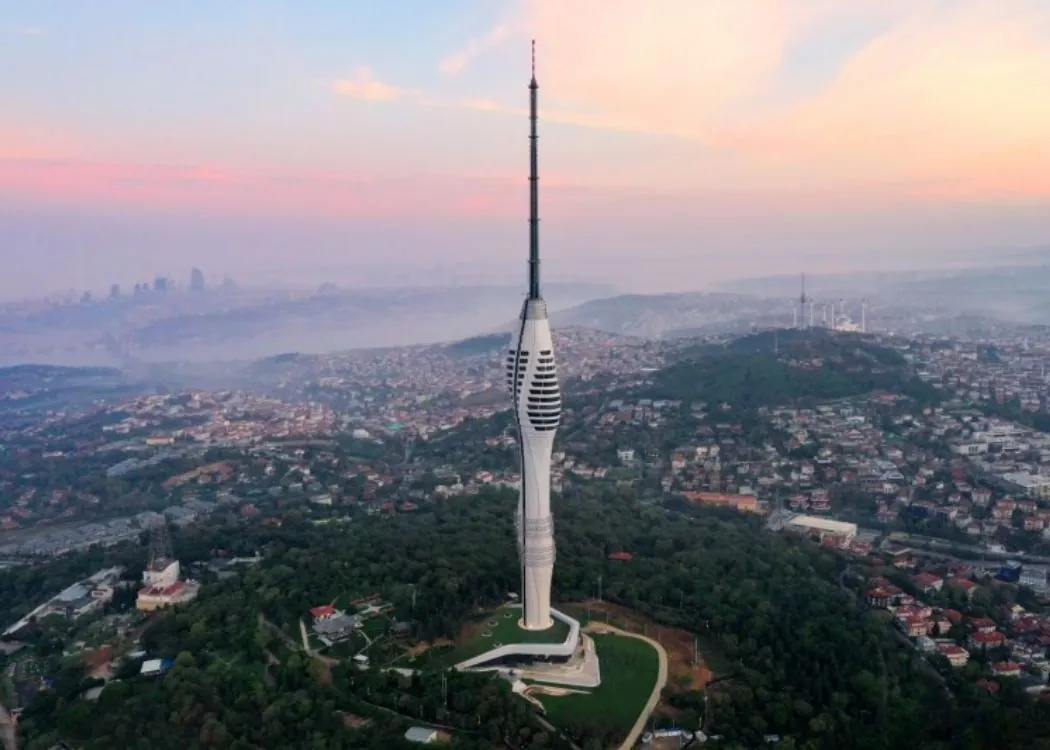
    Çamlıca Tower Observation Deck: The Camlica Tower is a new standout on Istanbul’s Asian skyline – a sleek telecommunications tower with a public observation deck offering panoramic city views from about 369 meters high. With the Istanbul Tourist Pass, you get free entry to the Camlica Tower’s observation deck (including an audio guide). This means you can ride up to the tower’s viewing platform and enjoy 360-degree vistas of Istanbul, the Bosphorus, and the Marmara without buying a separate ticket. On a clear day, the views are absolutely stunning and stretch for miles. Visiting Camlica Tower is a great addition to a Kadikoy itinerary (it’s a short drive or bus ride from Kadikoy to Camlica Hill), and with the pass you won’t have to worry about ticket lines or fees – just show your digital pass and head up to soak in the scenery.

    Exploring_Kadikoy_istanbul_Lively_Guide_for_2025_tickets_online_pass_newest

    Emaar Skyview & Aquarium: Kadikoy is not far from the modern Emaar Square Mall in the Acibadem area, which boasts two attractions included with the Tourist Pass®. First, the Emaar Aquarium and Underwater Zoo – home to an impressive range of marine life including sharks, rays, and a walk-through tunnel – is free with the pass. It’s a fun stop, especially for families, and lets you explore marine ecosystems right on the Asian side. Secondly, the mall’s SkyView observation deck (atop the Emaar Tower) is available to pass holders at a discounted rate.


    The Skyview elevator takes you up 48 floors to an open-air terrace for yet another fabulous city panorama – different from Camlica’s, but equally breathtaking, especially at sunset. Having the pass means you can enjoy the aquarium at no extra cost and get a price break on the Skyview deck. It’s a convenient way to experience a slice of Istanbul’s contemporary side – combining shopping, dining, and attractions – during your Kadikoy visit.


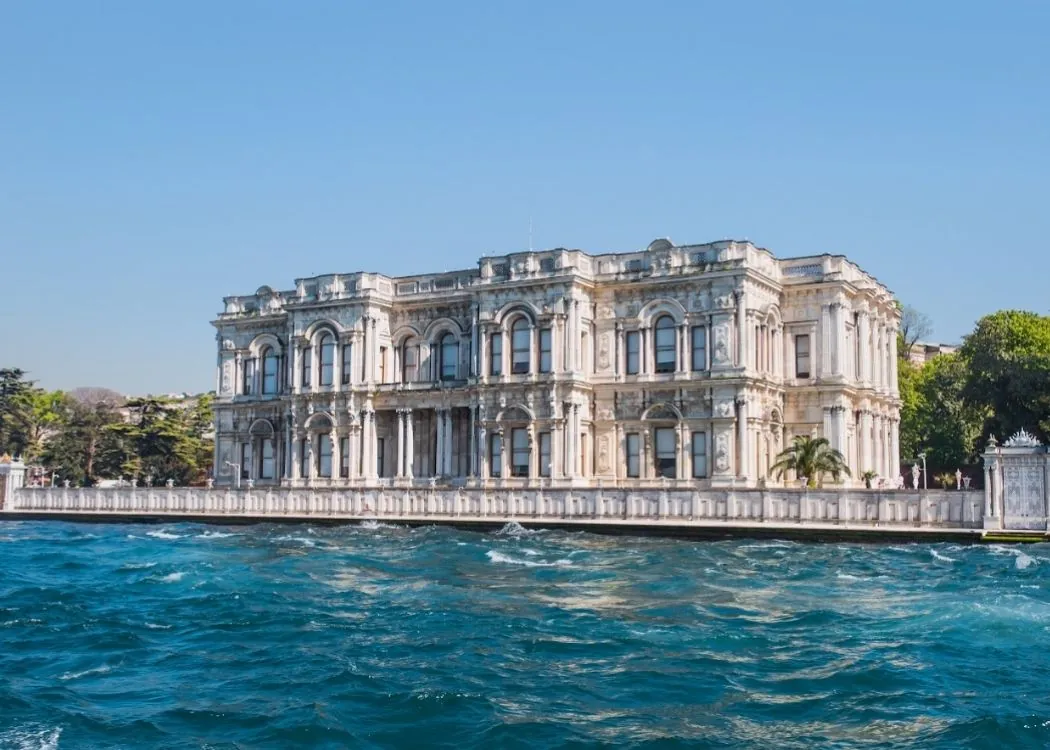
    Beylerbeyi Palace: Nestled on the Asian shore of the Bosphorus, not far from Kadikoy, is Beylerbeyi Palace – a gorgeous 19th-century Ottoman palace that served as a summer residence for sultans. With the Tourist Pass, you get skip-the-line entry to Beylerbeyi Palace, including an audio guide, for free. This means you can tour the ornate salons, harem, and gardens of this waterside palace without paying the standard ticket price. Visiting Beylerbeyi is a great complement to exploring Kadikoy; it gives you a dose of Asian-side imperial history in a fraction of the time it would take to visit Dolmabahce or Topkapi on the European side. The palace’s interior is richly decorated (European Baroque meets Ottoman opulence), and the audio guide helps you appreciate the stories behind each room and the sultans who lived there. Since Beylerbeyi is directly under the Bosphorus Bridge, you can easily reach it by a short taxi or bus ride from Kadikoy, enjoy the tour with your pass, and even have tea in the palace’s courtyard café by the water.

    Exploring_Kadikoy_istanbul_Lively_Guide_for_2025_tickets_online_pass_newest


    In addition to the above, the Istanbul Tourist Pass® includes many other attractions across the city from Maiden’s Tower ferry access to Hop-on Hop-off Bus tours and even a Bosphorus dinner cruise, as well as practical perks like an unlimited public transport card discount. But for travelers focusing on the Asian side, the pass’s coverage of the airport transfer, Camlica Tower, Emaar experiences, and Beylerbeyi Palace can significantly enrich your itinerary while saving you money and hassle.


    You could start your day marveling at Camlica’s skyline views, spend your afternoon wandering Kadikoy and Moda, pop over to Beylerbeyi Palace, and cap it off with an evening aquarium visit or ferry ride – all seamlessly facilitated by the pass. It allows you to combine Kadikoy exploration with Asian-side highlights that first-time visitors often overlook.


    Tip: The Istanbul Tourist Pass® has a digital QR code system you buy for a set number of days, so you can download its app to your phone and simply scan in at included sites. Just remember to check if any attractions (like the Camlica Tower or aquarium) require advance reservation on their system – the pass website/app will guide you. Overall, if you plan to sightsee broadly and take advantage of the Asian side’s offerings, the Istanbul Tourist Pass® can be a worthwhile investment that turns Istanbul into your all-access playground, Kadikoy very much included.

    Exploring_Kadikoy_istanbul_Lively_Guide_for_2025_tickets_online_pass_new


    By combining Kadikoy’s local delights with broader Istanbul experiences, you’re in for an unforgettable journey. This lively neighborhood will welcome you with open arms; whether you’re sipping tea in Moda, bargaining for books in the bazaar, or enjoying the Bosphorus breeze on a ferry. In 2025, Kadikoy continues to thrive as a cultural hotspot where the past and present mingle freely. Tourists and expats are discovering what locals have long known: Kadikoy is more than just a district; it’s a way of life, one that captures the soul of Istanbul’s Asian side. Enjoy your visit, and let Kadikoy’s creative, vibrant energy inspire you at every turn! Safe travels, or, as we say in Turkish, iyi yolculuklar!
  • Kuzguncuk Istanbul: Beautiful, Lively, and Quiet

    The first light hits the domes of old Istanbul and every street wakes in its own way. Ferries honk across the Golden Horn, shopkeepers lift metal shutters, and the smell of fresh simit drifts over the bridges. Spend a few days in this vast city and you soon crave a breather from the roar of traffic and the long museum lines. When that moment comes, turn your steps toward the Asian shore and keep going until the rush fades to birdsong.


    Kuzguncuk sits there like a calm breath between busy lungs. One narrow lane leads to another, each lined with wooden houses painted pistachio green or sky blue. Fig trees lean out over low stone walls. Neighbors linger on stoops to share gossip and ripe tomatoes from the backyard garden. A tiny Greek church and two old synagogues stand almost shoulder to shoulder, reminders that this village was always a patchwork of faiths. Walk slowly, let the cat curl around your ankles, and order tea at Nail Kitabevi while the aroma of fresh börek seeps from the bakery next door. Istanbul may be huge, but Kuzguncuk proves it still has a village heart beating softly by the water.


    Everything You Need to Know About Kuzguncuk


    Step off the ferry in Üsküdar, keep the Bosphorus on your left, and within ten quiet minutes you reach Kuzguncuk. The neighborhood feels more like a small seaside town than a suburb of a vast metropolis. Life moves at walking pace. Gardeners rinse figs under an outdoor tap, grandmothers trade recipes by the bakery window, and the smell of fresh Turkish coffee drifts from every corner. Here is a guide to help you slip into that gentle rhythm.


    kuzguncuk_istanbul


    Where Exactly Is Kuzguncuk?


    Kuzguncuk nestles between Beylerbeyi and Üsküdar on the Asian shoreline. A single main street, İcadiye Caddesi, runs uphill from the water, weaving past cafés, antique stores, and greengrocers that still handwrite the day’s prices on chalkboards.


    A Short Walk Through History


    Ottoman records mention Kuzguncuk as early as the fifteenth century. Over time it became a magnet for Greek, Armenian, and Jewish families who worked on the docks or traded across the Bosphorus. That mix of cultures still shows in the architecture and in the shared neighborhood festivals that fill the street with music each spring.


    kuzguncuk_istanbul


    Wooden Houses and Colorful Streets


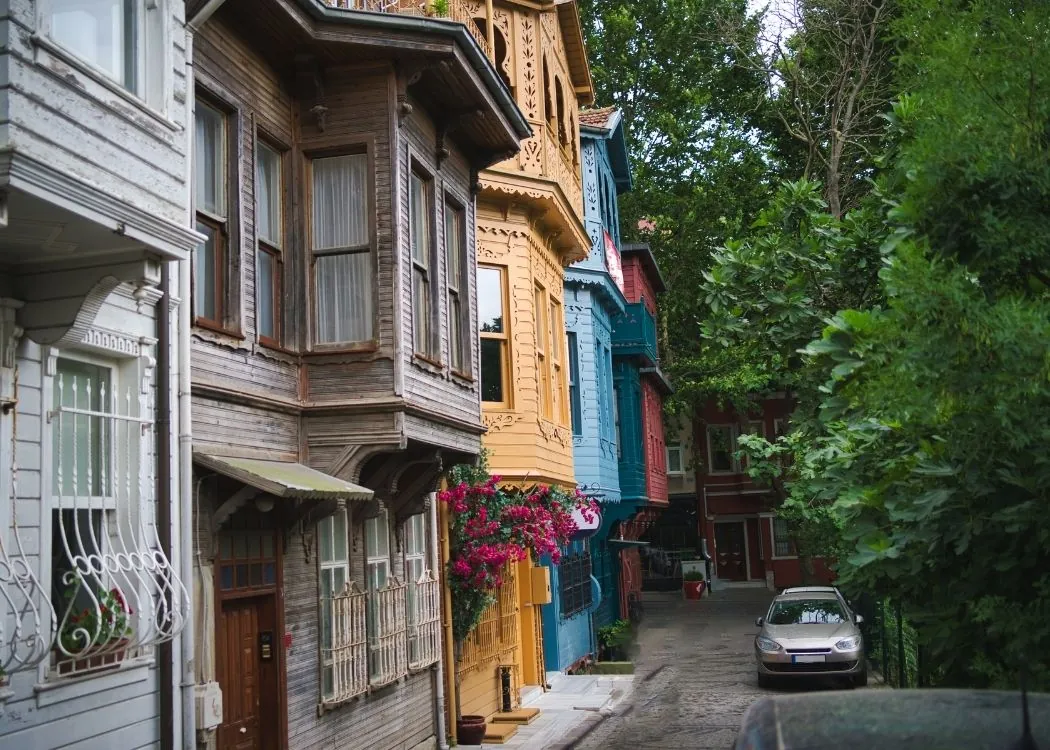
    The rows of timber homes are the soul of Kuzguncuk. Locals repaint them every few years in gentle pinks, pistachio greens, and sunflower yellows. Sit on a low wall and watch sunlight slide across the flaking shutters. Many façades appear in Turkish TV dramas, but their owners still lean out of upstairs windows to greet passers-by.


    Faiths Living Side by Side


    A stone’s throw apart stand the Greek Orthodox Ayios Panteleimon Church, the Surp Krikor Lusavoriç Armenian Church, and two nineteenth-century synagogues, Bet Yaakov and Bet Nissim. A small mosque completes the circle. Bells, calls to prayer, and hushed Sabbath songs rise at different hours yet blend into one familiar soundtrack for residents.


    The Community Garden


    Behind a low fence on İcadiye Caddesi lies Kuzguncuk Bostanı, a public garden where neighbors plant tomatoes, peppers, and sunflowers. Children learn how to dig a furrow, and anyone can rest on a bench beneath the fig trees. It is rare open ground in a city of concrete and glass.


    kuzguncuk_istanbul


    Café and Food Culture


    Mornings begin with sesame-coated simit from the stone oven of Kuloğlu Bakery. Book lovers drift into Nail Kitabevi to read over thick Turkish coffee. Lunchtime brings gözleme at Pita Kuzguncuk or seasonal meze at Ismet Baba, the old fish restaurant by the pier. Save room for rose-scented milk pudding at Çikolatacı Aziz Bey.


    How to Get There


    Take any ferry to Üsküdar, then hop on bus 15 or 15F for three short stops. You can also walk the entire way in fifteen minutes along the waterfront promenade. Taxis from Kadıköy take about twenty minutes outside rush hour.


    Local Tips


    Carry some small change for the old-school grocer who sells roasted chestnuts in winter. Visit on a weekday morning if you want empty streets for photos. Skip heels; the cobblestones are uneven. Finally, greet shopkeepers with a simple “Günaydın” and see how quickly the village welcomes you as one of its own.


    kuzguncuk_istanbul


    Things to Experience in and Around Kuzguncuk


    Kuzguncuk rewards slow travelers. It is the kind of place where you let curiosity steer your feet. Here are a few simple ideas to fill a relaxed morning or a whole day, with options just beyond the village for a little extra exploring.


    Begin with Breakfast on the Waterfront


    Arrive early and find a table at one of the tiny tea gardens beside the pier. Order simit, fresh feta, olives, and steaming tulip-shaped glasses of tea. Watch small fishing boats glide past the Bosphorus tankers and feel the city wake up.


    Stroll Icadiye Street and Peek into Vintage Stores


    Walk uphill along İcadiye Caddesi. Flip through second-hand vinyl, sift through antique copperware, and pause for a fresh pomegranate juice from the corner stall. Each shopkeeper is ready with a story if you linger.


    kuzguncuk_istanbul


    Pause for a Book and Coffee at Nail Kitabevi


    Step inside this old bookstore café, choose a weathered paperback, and settle at a wooden table. Thick Turkish coffee arrives with a square of lokum on the side. Voices stay quiet here out of respect for the pages.


    Visit the Bet Yaakov Synagogue and Ayios Panteleimon Church


    If the doors are open, step in respectfully. Light slants through stained glass onto stone floors worn smooth by generations. Volunteers often share gentle tales of the families who once filled these pews.


    Sit Under the Fig Trees in Kuzguncuk Bostanı


    The community garden is free for all. Find a bench, listen to bees among the tomato vines, and glimpse the Bosphorus between plum branches. Local children play tag in the long grass after school.


    Taste Lunch at Ismet Baba


    This simple fish restaurant has served the neighborhood since the 1950s. Order fried anchovies in season and a cold salad of rocket leaves. Seat yourself by the open window so you can hear the gulls.


    kuzguncuk_istanbul


    Climb Up to Nakkaştepe Millet Bahçesi


    A ten-minute uphill walk leads to this new city park. Wide wooden decks give sweeping views of both bridges and the domes of the Historic Peninsula. Bring a picnic or just sit with a bottle of cold ayran and let the breeze cool your face.


    Cross to Beylerbeyi Palace


    Walk or take a short bus ride south along the shore to the Ottoman summer palace. Marble halls face the water, crystal chandeliers catch stray sunbeams, and the garden smells of linden blossom in late spring.


    End the Day with Sunset on the Pier


    Return to Kuzguncuk as evening settles. Order a glass of Turkish tea or a scoop of pistachio ice cream from the corner kiosk. The water turns gold, mosque silhouettes sharpen, and the city quiets for the night.


    Stretch Your Day with Istanbul Tourist Pass®


    Kuzguncuk costs nothing but time, yet many of the sights nearby do carry a fee. That is where Istanbul Tourist Pass® steps in.


    Start by walking or taking a quick bus south to Beylerbeyi Palace. Your pass includes a fast-track ticket and a rich audio guide, so you step straight inside the summer home of the sultans and wander past sparkling chandeliers at your own pace.


    kuzguncuk_istanbul


    Next, cross the Bosphorus to Karaköy Pier on the European shore. Boats to Maiden’s Tower now leave only from this point, and the tower entrance, along with its audio guide, is fully covered by the pass. Climb to the viewing deck and watch ferries trace silver lines across the water.


    If you feel like ending the day under the sea rather than above it, ride a short taxi or metro to Emaar Square Mall. Your pass opens the doors of Emaar Aquarium and Underwater Zoo, where sharks glide above the walkway and Pacific octopuses hide in massive coral tanks.


    kuzguncuk_istanbul


    Kuzguncuk gives you the village calm. Istanbul Tourist Pass® adds the palatial grandeur, the lighthouse legend, and a window into the deep: without extra tickets, queues, or stress. It is the easiest way to turn one quiet neighborhood visit into a full Istanbul adventure.

  • Hidden Gems of Old Istanbul: Uncovering Treasures

    Istanbul is often described as a city where East meets West, but for those who look closer, it is also a city where the past meets the present in unexpected corners. While the grandeur of Hagia Sophia and the majesty of Topkapi Palace draw millions of visitors each year, it’s the hidden corners of Old Istanbul that offer the most personal, memorable experiences.


    Tucked away behind monumental landmarks and woven into quiet streets are forgotten courtyards, overlooked mosques, and historic neighborhoods where time seems to pause. These places don’t always appear in guidebooks or on the average traveler’s itinerary, but they tell stories just as compelling—often more so.


    With the Istanbul Tourist Pass®, which grants entry to over 100 top attractions and experiences across the city, visitors can explore not just the well-known highlights but also these lesser-known gems—saving time, money, and the hassle of individual bookings.


    Here are some of the most rewarding hidden treasures of Old Istanbul.


    The Zeyrek District and the Zeyrek Mosque


    Zeyrek is a historic neighborhood near the Golden Horn, largely untouched by modern redevelopment. Its narrow lanes, modest homes, and locals sipping tea on the sidewalk offer a glimpse of a slower, more authentic Istanbul.


    At the heart of Zeyrek stands the Zeyrek Mosque, formerly the Monastery of the Pantocrator—a Byzantine structure that predates even Hagia Sophia in parts. The building’s layered history, architectural complexity, and quiet serenity make it one of the most underrated spiritual sites in the city.


    A stroll through Zeyrek, with views over the Golden Horn, is a journey through centuries of change and continuity.


    Fener and Balat: The Living Story of Multicultural Istanbul


    To the northwest of the Historic Peninsula, along the shores of the Golden Horn, lie the adjoining neighborhoods of Fener and Balat. These districts once formed the cultural heart of Istanbul’s Greek Orthodox and Jewish communities.


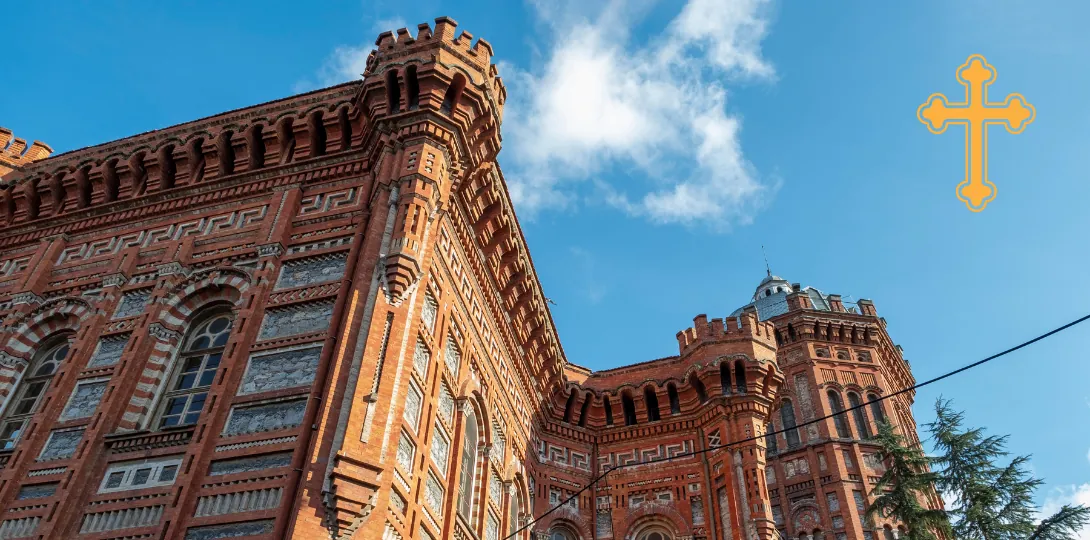
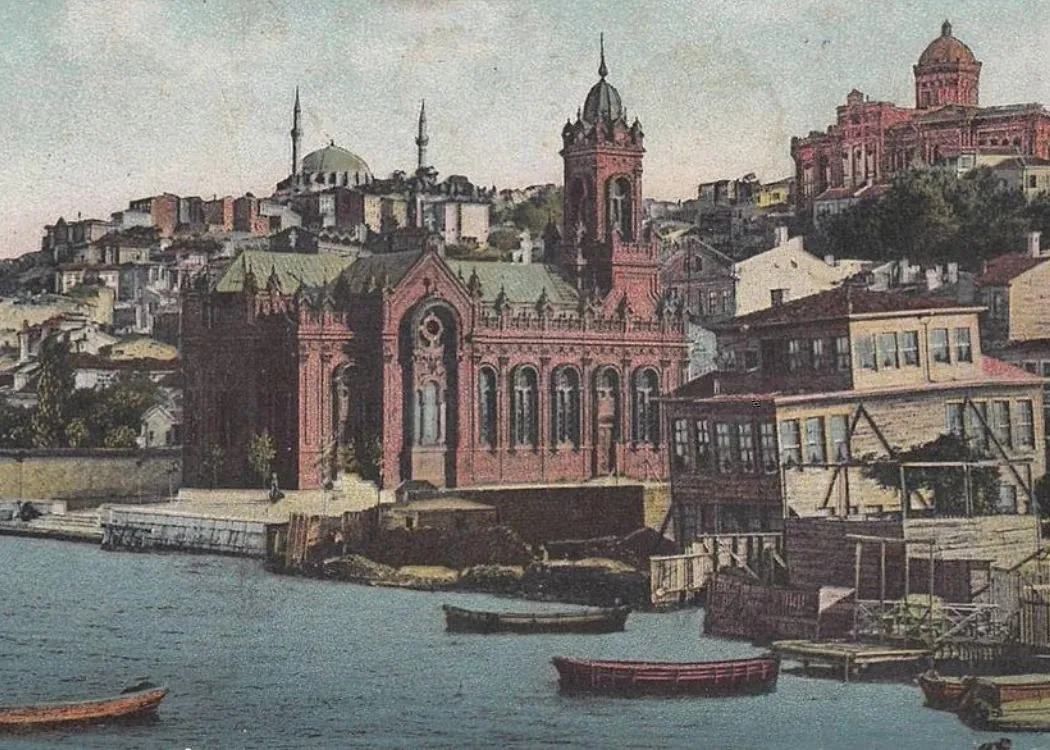
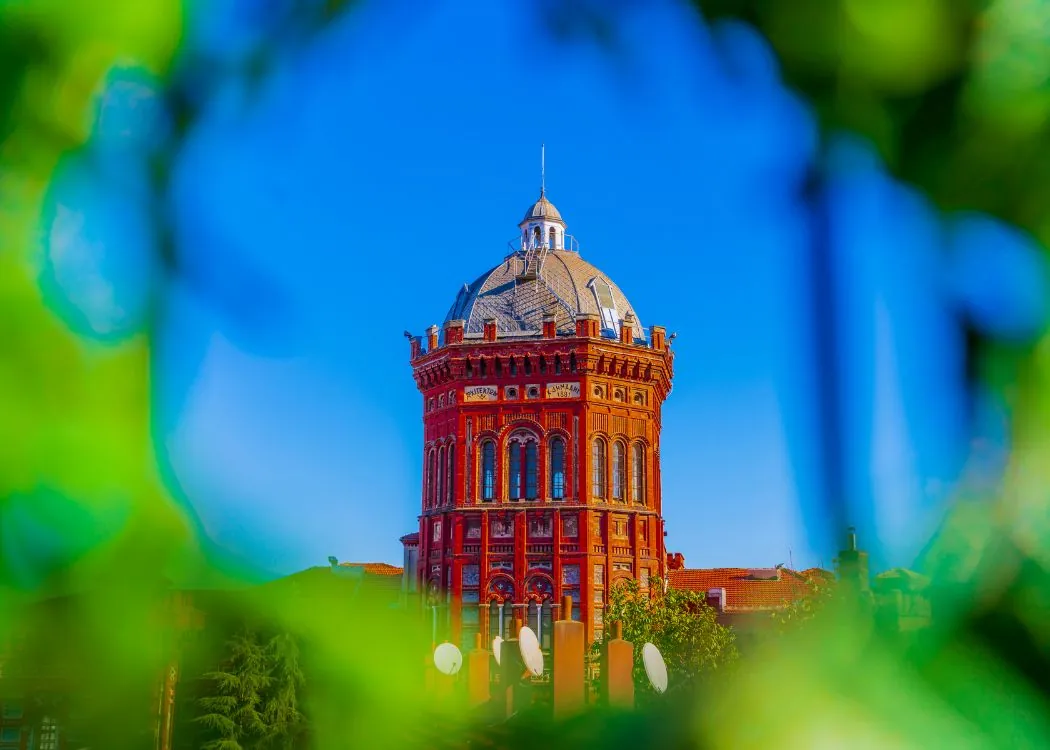
    Here you’ll find the Phanar Greek Orthodox College, a dramatic red-brick structure resembling a fortress; the Church of St. George, seat of the Ecumenical Patriarch of Constantinople; and quiet synagogues and Armenian churches that speak to the city’s layered identity.


    Balat is also a haven for photographers and wanderers: cobbled streets curve between pastel-colored homes, old bookstores, vintage shops, and artisanal cafés. A guided walking tour—available through the Istanbul Tourist Pass®—is one of the best ways to uncover the deep stories embedded in these neighborhoods.


    Rustem Pasha Mosque: A Hidden Masterpiece


    While many flock to the Blue Mosque and Süleymaniye Mosque, few discover the understated brilliance of the Rustem Pasha Mosque, discreetly nestled above shops in the Spice Bazaar district.


    Designed by the legendary architect Mimar Sinan, this mosque is often cited as a jewel of Ottoman tilework. The walls are adorned with intricate Iznik tiles—floral patterns in cobalt, turquoise, and deep red that captivate the eye.


    Small and often uncrowded, the Rustem Pasha Mosque offers a sense of peaceful intimacy and aesthetic wonder rarely found in more famous sites.


    Caferaga Medrese: Art in a Quiet Courtyard


    Steps from the bustling plaza of Sultanahmet, behind the towering form of Hagia Sophia, lies the Caferaga Medrese, a 16th-century former Islamic school turned arts center.


    Today, the medrese houses artisan studios and galleries where visitors can explore or take short workshops in traditional Turkish crafts—calligraphy, ceramic painting, miniature art, and marbling (ebru).


    Its tranquil courtyard, punctuated by vines and wooden doors, provides a restful, cultural retreat amid the tourist energy outside. It’s a space where Istanbul’s creative spirit is alive and rooted in centuries of tradition.


    The Museum of Turkish and Islamic Arts


    Located inside the palace of Ibrahim Pasha—Grand Vizier to Suleiman the Magnificent—this museum stands at the edge of Sultanahmet Square, yet many pass by without realizing what lies inside.


    The Museum of Turkish and Islamic Arts holds a world-class collection of Ottoman calligraphy, antique carpets, Qur’anic manuscripts, and ethnographic displays. It is not only a valuable cultural institution but also a peaceful, immersive environment to deepen one’s understanding of Islamic art and heritage.


    Entry is included with the Istanbul Tourist Pass®, making it an easy and rewarding addition to any itinerary.


    Süleymaniye Complex: The Heart of Ottoman Harmony


    While it is not exactly hidden, the Süleymaniye Mosque often feels like a secret, especially compared to its more crowded counterparts. Its sweeping courtyard, clean lines, and commanding hilltop views make it one of the city’s most emotionally resonant spots.


    Designed again by Mimar Sinan, it’s considered his crowning achievement. The surrounding complex, including soup kitchens, hospitals, and schools, speaks volumes about the civic vision of the Ottoman era.


    A visit here is more than architectural admiration—it’s a spiritual pause, a chance to feel the city’s pulse from a quieter vantage point.


    Discover the Istanbul Most Tourists Miss


    Travelers often remember the moments that felt most personal. A quiet street in Balat. A conversation with an artist in a medrese courtyard. The silence under the dome of a forgotten mosque. These are the experiences that shape a truly meaningful visit to Istanbul.


    With the Istanbul Tourist Pass®, you’re not limited to the obvious. You gain fast-track access to Istanbul’s most celebrated attractions and the freedom to explore its hidden corners. Whether you're in the city for one day or five, the pass is your key to crafting an itinerary rich in both grandeur and discovery.


    Purchase your Istanbul Tourist Pass® online, download the app, and start uncovering the treasures that make Istanbul unforgettable—one hidden gem at a time.


  • Fener Istanbul: Orthodox Heritage, Colorful Streets & Local Charm

    Istanbul is a city of dazzling contrasts. Palaces shimmer beside Ottoman mosques, Byzantine churches hide in winding lanes, and every ferry ride brings a different skyline. From the Bosphorus to the Golden Horn, each waterfront tells its own story. Nowhere does that story feel more alive than on the northern curve of the Historical Peninsula, where the inlet’s calm waters mirror centuries of faith, trade and quiet resilience.


    Welcome to Fener. Tucked between Cibali and Balat, this hillside quarter was the heart of Istanbul’s Greek Orthodox world for more than five hundred years. Cobbled streets lead you past the red-brick Phanar Greek Orthodox College, the still-active Patriarchal Church of St George and rows of timber houses painted in happy pastels. Recent EU-backed restorations have protected over two hundred historic homes, letting cafés, art studios and guesthouses bloom without erasing local life.


    Stay a while, listen for church bells mingling with the call to prayer, and you will feel why Fener is a gem worth discovering on its own. 


    Fener’s Own Story: A Hidden Quarter on the Golden Horn


    Many visitors link Fener with its colorful neighbor Balat, yet this hillside quarter has a character all its own. Walk a few minutes north and the mood shifts. Bright wooden houses still lean over cobblestones, but the air feels quieter, the street rhythm slower, and the Orthodox legacy deeper. Think of Fener as the calmer sibling who guards centuries of stories while Balat chats away next door.


    fener_istanbul_discover_orthodox_church


    Location & Setting


    Fener hugs the southern bank of the Golden Horn between Cibali and Balat. Steep lanes climb toward Fatih, and every turn offers fresh angles of minarets, chimneys, and water glinting below. The map makes the district look small, but its maze of courtyards and shortcuts can fill an afternoon.


    Historical Roots


    For five centuries Fener was the heart of Istanbul’s Greek community. Merchants, scholars, and ship captains built handsome mansions near the shore and timber row houses up the hill. Even after many families moved away in the twentieth century, Greek letterboxes and street names keep their memory alive.


    Architectural Soul


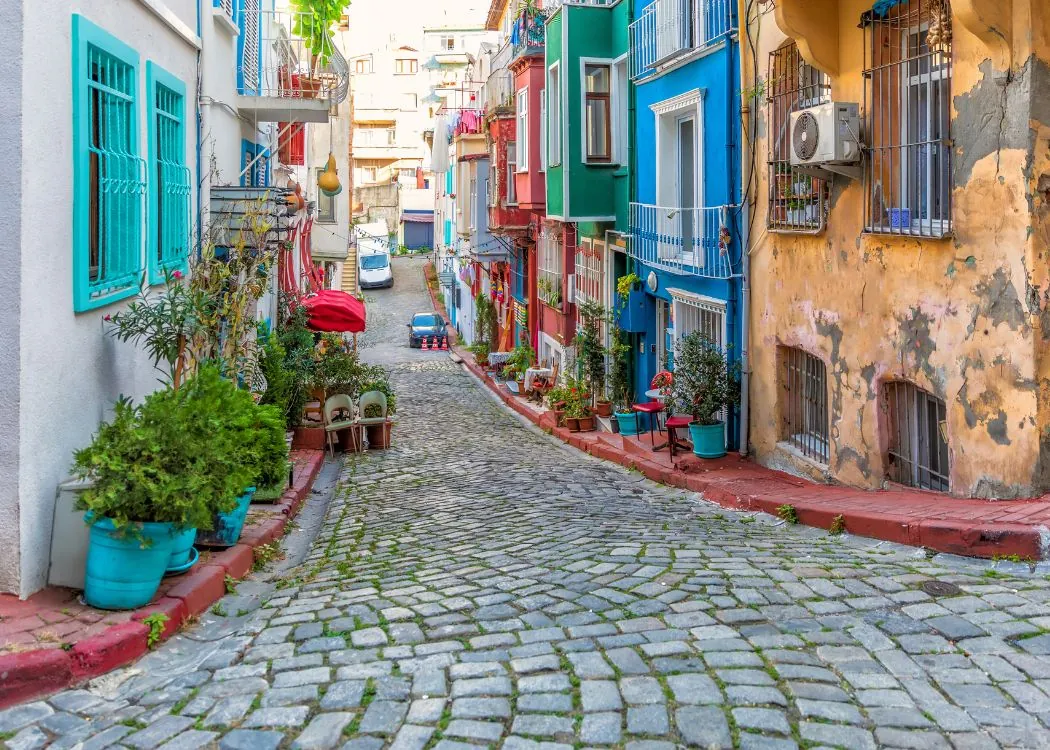
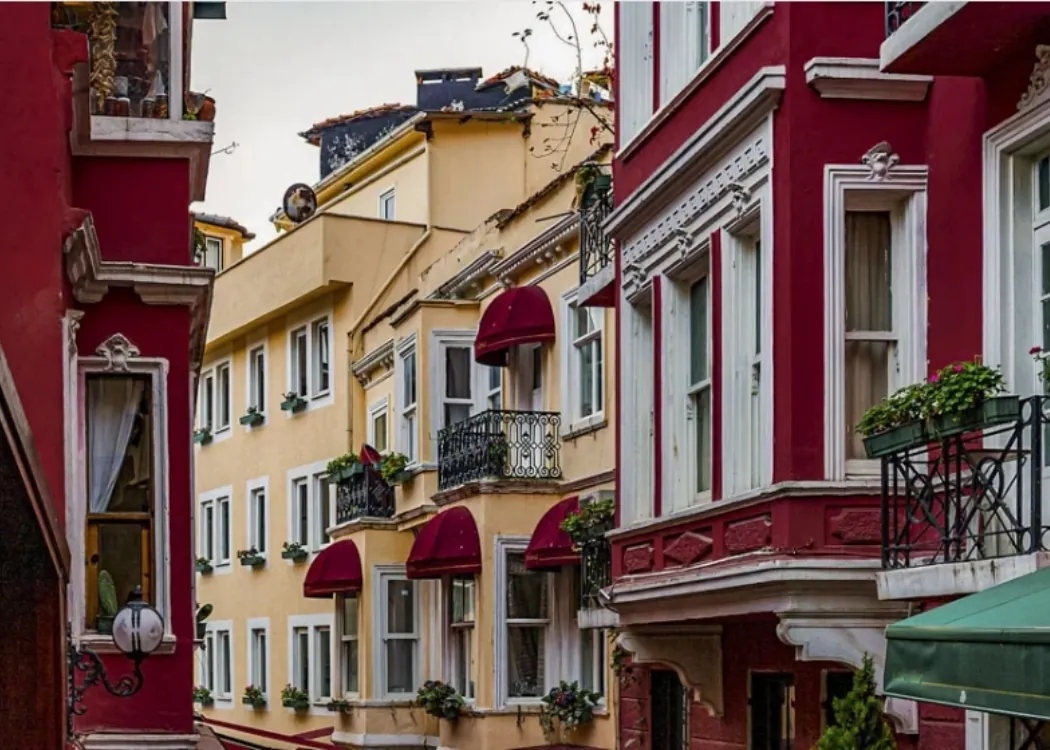
    Timber façades wear pistachio, rose, and mustard paint. Bay windows lean over narrow cobblestones, while iron balconies drip with geraniums. A few grander brick houses once belonged to Phanariote elites who served the Ottoman court. Restoration projects respect the quirks: crooked shutters stay crooked, and the scent of old pine lingers in stairwells.


    istanbul_fener_discover_cats_orthodox_church


    Community & Daily Life


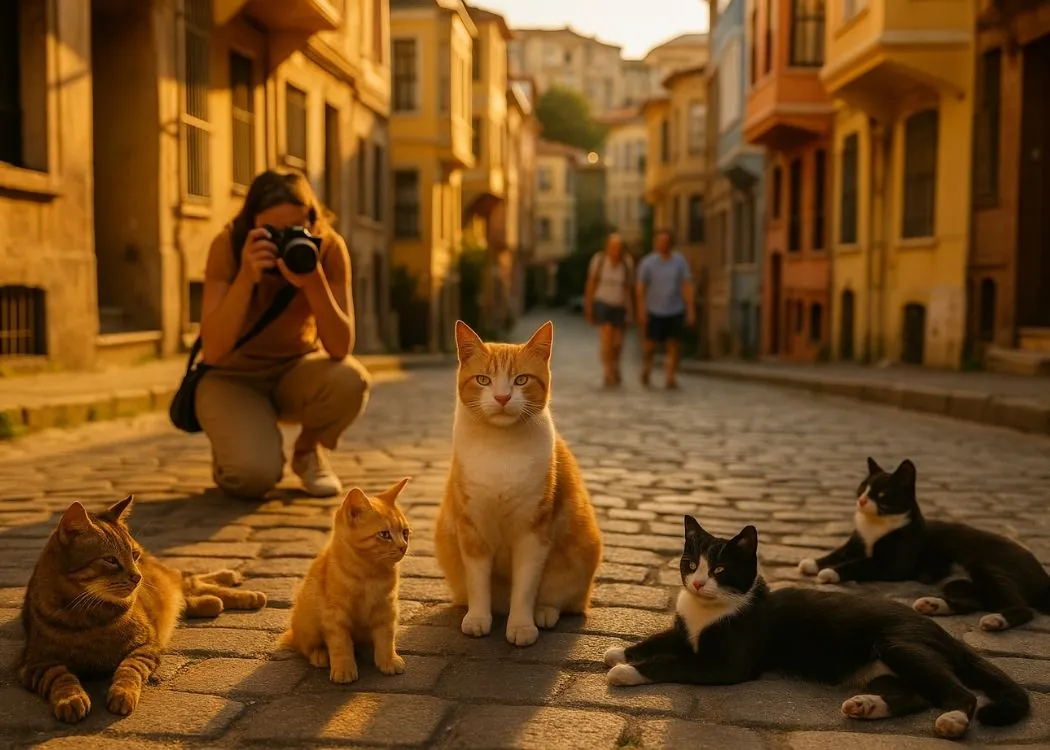
    Mornings start slow. Cats of Istanbul stretch on sun-warmed steps, and bakers hang fresh simit on hooks outside. By midday children spill from school gates, students sketch façades, and neighbors share tea on stoops. Evenings bring soft light for photographers and long talks for families who pull chairs onto the street.


    Access & Transport


    Reach Fener by T5 tram from Eminönü, a Golden Horn ferry that stops at the tiny pier, or coastal buses that glide up from Galata Bridge. Once you arrive, forget wheels. The district’s charm hides in alleys and stairways too narrow for cars, so comfortable shoes are the best ticket to explore.


    Ecumenical Patriarchate of Constantinople: The Beating Heart of World Orthodoxy


    Few corners of Istanbul carry as much spiritual weight as the walled compound on Dr Sadık Ahmet Street. Here the Ecumenical Patriarch, first among equals for roughly three hundred million Orthodox believers, still presides in the modest basilica of St George. Visitors step through quiet courtyards where Byzantine incense mingles with the smell of beeswax candles and remember that this quarter once spoke Greek more often than Turkish.


    fener_istanbul_discover_orthodox_church


    From Imperial Capital to Fener


    After the Ottoman conquest of 1453 the Patriarchate moved several times before settling in Fener in 1602. Fires damaged the complex in 1720 and 1941, yet each rebuilding kept the three-aisled plan of the church. Look for the Middle Gate in the outer wall. It has been sealed since 1821 when Patriarch Gregory V was executed there during the Greek War of Independence. 


    Why It Matters Today


    The Ecumenical Patriarchate works for unity among the worldwide Orthodox churches and sponsors dialogue with Catholics, Anglicans, and other faiths. Patriarch Bartholomew I, elected in 1991, also speaks out on environmental issues and religious freedom. On major feast days such as Orthodox Easter and Christmas, pilgrims from Greece, the Balkans, and the Middle East crowd the compound for all-night services. 


    What You Will See


    Patriarchal Church of St George


    Marble columns, a gilded iconostasis, and reliquaries holding fragments of the True Cross and relics of three early patriarchs await inside. Lighting is low to protect the icons so allow your eyes a moment to adjust.


    fener_istanbul_discover_orthodox_church


    Patriarchal Library


    A small brick building across the garden shelters rare Byzantine manuscripts. Access requires prior permission but you can admire the exterior from the path.


    Sealed Middle Gate


    The iron-bound gate on the south wall remains closed as a memorial to 1821. Visitors pause here for reflection before entering the main courtyard.


    Planning Your Visit


    Opening hours: 8.00 AM–4.30 PM daily, though liturgies can close the church to tourists for short periods. Arrive early to avoid waiting. 


    Admission: Free, donations welcome. Modest dress is expected. Shoulders and knees covered, hats removed inside.


    Getting there: Ride the T5 tram from Eminönü to Fener stop in ten minutes, or hop on a Golden Horn ferry from Üsküdar or Karaköy straight to the pier beside the compound. The walk uphill takes five minutes.


    Security: All bags pass through an X-ray scanner at the gate. Photography is allowed without flash unless a service is in progress.


    fener_istanbul_discover_orthodox_church


    Traditions to Witness


    On 6 January, the Feast of Epiphany, the Patriarch tosses a wooden cross into the Golden Horn and swimmers race to retrieve it. Crowds line the waterfront well before noon so claim a spot early if you wish to watch this unique ceremony.


    Standing in the cool hush of St George you feel both the humility and the endurance of the Orthodox world. The icons glow softly, the relic cases gleam, and history breathes in candlelight. When you step back into the sunlight of Fener the church bells may still echo in your ears.


    Fener-Balat UNESCO Rehabilitation Project


    The Golden Horn’s wooden row houses once leaned at dangerous angles. Roofs sagged and narrow streets lacked basic services. In 1985 UNESCO placed the Historic Areas of Istanbul—including Fener and Balat—on its World Heritage List and urged action to protect this living museum of Ottoman-Greek life.


    fener_istanbul_discover_orthodox_church


    A World Heritage Commitment


    After the Habitat II conference in 1996 UNESCO and the European Union prepared a feasibility study for a large-scale rescue plan. The result was a 7 million-euro grant agreement signed in 2000 between the EU, Fatih Municipality and the Turkish Treasury to finance a pilot “Rehabilitation of Fener-Balat Districts Programme.”


    Inside the 2003-2007 Programme


    Work ran from January 2003 to June 2007. Teams documented every façade, offered micro-loans and construction advice through the Fatih Heritage House, and partnered with local craftsmen instead of outside contractors. About two hundred houses, roughly one-seventh of the stock,received new roofs, timber repairs and fresh colours. The project also revived Balat Çarşı, created a social centre and improved waste management.


    Early Results and Ongoing Lessons


    Restored streets drew cafés, guesthouses and walking tours, proving heritage can fuel economic life without evicting long-time residents. A five-year ban on selling renovated buildings helped curb runaway gentrification in the first phase, though property prices eventually rose and pressure returned. Academics still cite Fener-Balat as a model for participatory urban conservation that balances bricks, livelihoods and identity.


    fener_istanbul_discover_orthodox_church


    UNESCO’s Continuing Role


    When the EU project ended, UNESCO used the momentum to expand technical support across the peninsula, advising on Zeyrek, Süleymaniye and Yenikapı and training municipal staff in timber-house conservation. The Heritage House in Balat remains a hub where owners can seek permits and expert guidance before picking up a paintbrush.

    UNESCO World Heritage Centre


    Today, as you wander Fener’s pistachio and rose-coloured lanes, look for discreet plaques that mark homes restored during the programme. They are quiet reminders that saving a neighbourhood is possible when culture, community and clever funding meet.


    What to Do in Fener


    Fener invites you to slow down and let curiosity lead the way. The district is best explored on foot, where each steep lane reveals playful colors, hidden courtyards, and centuries-old whispers of Orthodox life. Below are a handful of experiences that capture its spirit; mix and match them, follow the sound of church bells or the aroma of fresh simit, and let the quarter tell you its own story.


    fener_istanbul_discover_orthodox_church


    Lose Yourself in the Colorful Lanes


    Start on Merdivenli Yokuş, Kiremit Caddesi or Sancaktar Yokuş. Wooden houses in pistachio green, rose pink and sunflower yellow lean over cobblestones while locals chat on stoops. Photographers love the early-afternoon light here, so bring a camera and wander without a map.  


    Gaze Up at the “Red School”


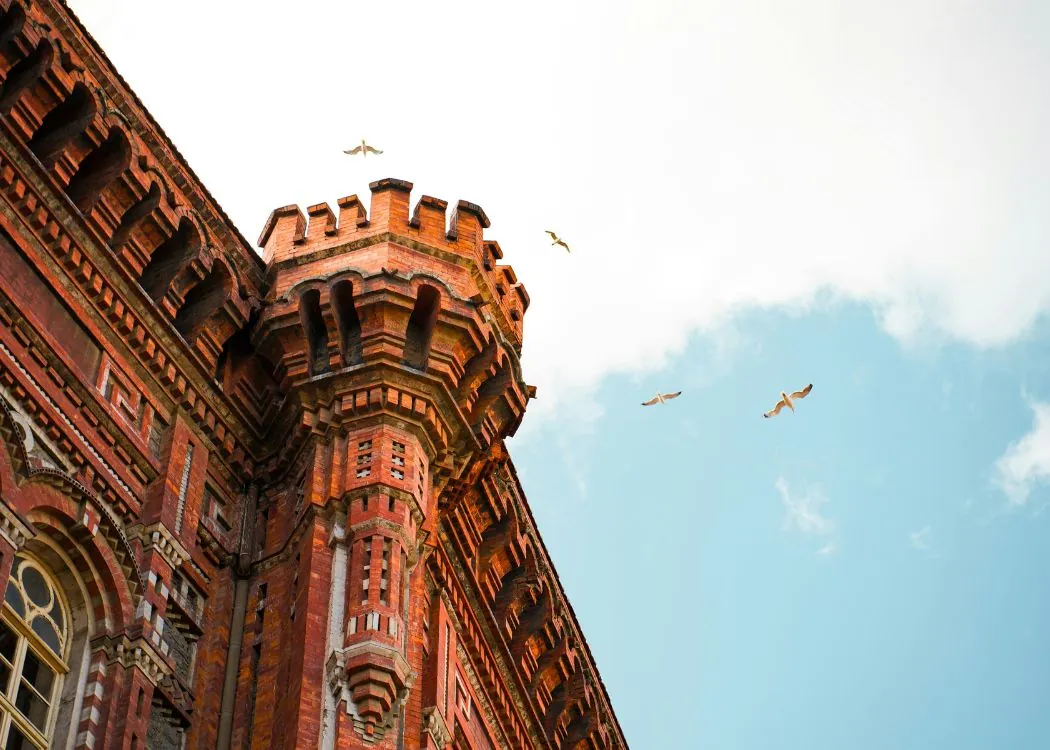
    The Phanar Greek Orthodox College, nicknamed the Red School for its towering crimson bricks, dominates the skyline. The building still functions as a secondary school, so the gates stay closed except for occasional open days and charity bazaars. Even from the street the Neo-Byzantine details are striking, and sunset turns the façade to burnished copper.  


    Step Inside the Church of St Mary of the Mongols


    Walk uphill five minutes to this church, the only one in Istanbul never converted into a mosque. It opens daily 9 00 AM – 5 00 PM; ring the bell if the door is shut. Inside, late-Byzantine icons glow beneath a timber roof saved by a 15th-century ferman from Sultan Mehmet II. 


    istanbul_fener_discover_cats_orthodox_church


    Trace the Old Sea Walls and Ayakapı Gate


    Follow the waterfront toward Balat to find battered stretches of the Byzantine sea walls. The Ayakapı gate—credited to architect Mimar Sinan—still pierces the masonry. Pause here to imagine galleys anchoring in the Golden Horn below.


    Pause for Coffee with a View


    Settle on a balcony at Fanaraki Café for a panorama of the Red School, or duck into Pop’s Balat for retro furniture and slow-drip brews. Many cafés double as art studios or co-working spaces, perfect for a longer break. 


    istanbul_fener_discover_cats_orthodox_church


    Take the Golden Horn Ferry at Dusk


    End your visit on the water. Board the hourly Şehir Hatları ferry at tiny Fener pier and glide to Karaköy or Eyüp as the evening call to prayer echoes across both shores. From the deck you catch the best full-length view of Fener’s hillside skyline.


    Spend a few unhurried hours and you will see why Fener rewards curious footsteps more than checklists: every corner holds a faded monogram, a shy street cat or the scent of fresh simit.


    Discover Fener at Your Own Pace with Istanbul Tourist Pass®


    Istanbul Tourist Pass® turns the whole city into an open-air museum you can explore on your own schedule. In Fener and neighboring Balat, the Pass unlocks a detailed audio guide that walks you street by street through wooden mansions, hidden churches, and lively back-alley cafés. Just press play in the app, pop in your earphones, and follow the storyteller’s hints, you decide when to linger for photos or pause for a simit break.


    fener_istanbul_discover_orthodox_church


    Why Use the Pass Here?


        Freedom to Roam: No fixed tour times. Start the audio guide whenever the Golden Horn light feels just right.


        Local Stories in Your Pocket: Hear legends of Phanariote merchants, the tale behind the sealed Middle Gate, and tips on the best viewpoints for the Red School.


        Seamless Old-Town Sightseeing: After Fener, the same Pass covers Topkapi Palace hosted entry, Hagia Sophia and Basilica Cistern audio guides, the Grand Bazaar walking route, and more: over 100 attractions and services across the Historic Peninsula.


    Quick How-To


        Buy Istanbul Tourist Pass® online in minutes.


        Download the free app and log in.


        Find “Fener and Balat Walking Tour with Audio Guide” under Audio Guides.


        Head to Fener tram stop, press play, and follow the map.


    istanbul_fener_discover_cats_orthodox_church


    Extra Perks Nearby


    Your Pass also grants skip-the-line or discounted access to:


        Galata Tower FREE Online Entry Ticket with an Audio Guide


        Museum of Turkish and Islamic Arts Ticket also with a great Audio Guide


        Whirling Dervish show at Hodjapasha with a great discount


        Unlimited Public Transportation Card delivered to your hotel with a discount!

        Free WhatsApp concierge for on-the-spot help on business hours


    With Istanbul Tourist Pass® you can greet Fener on your own terms, then dive straight into the rest of Old Istanbul with the same digital pass. One purchase, countless stories waiting around every corner.

  • Cihangir: Istanbul’s Coolest Corner of Creative Buzz

    Istanbul is a city that never sits still. Ferries criss-cross the Bosphorus, prayers drift from slender minarets, and side streets burst into sudden song. Yet behind all the movement, the city keeps pockets of calm where artists think, cats nap, and conversations spill out of tiny cafés. One of those pockets is Cihangir.


    Perched on the hillside between lively Taksim and the ferry piers of Kabataş, Cihangir feels close to everything while guarding its own pace. Painters and actors chat over strong coffee, antique shops hide treasures behind misted windows, and the scent of fresh simit floats up narrow lanes. In these streets you can still hear stories of emperors and poets, but the neighborhood’s heartbeat is modern, bohemian, and welcoming.


    Slip down from the rush of İstiklal Avenue and you will find a place that asks you to slow down, breathe in the sea air, and stay for one more tea. This guide will show you how to make the most of Cihangir whether you stop by for a quick breakfast or decide to linger long enough to call it home.


    Cihangir Istanbul Neighborhood Guide: Art, Cafés, Bosphorus Views


    Cihangir is small but full of life. Fewer than four thousand people live on its sloping streets, yet the buzz never stops. The area sits between Taksim Square and Kabataş, so you can walk down from Istiklal Avenue and reach the water in minutes.


    The name comes from Şehzade Cihangir, son of Süleyman the Magnificent. His mosque still looks over the Bosphorus. Old apartments and leafy pockets surround it, giving the neighborhood a timeless feel.


    cihangir_istanbul


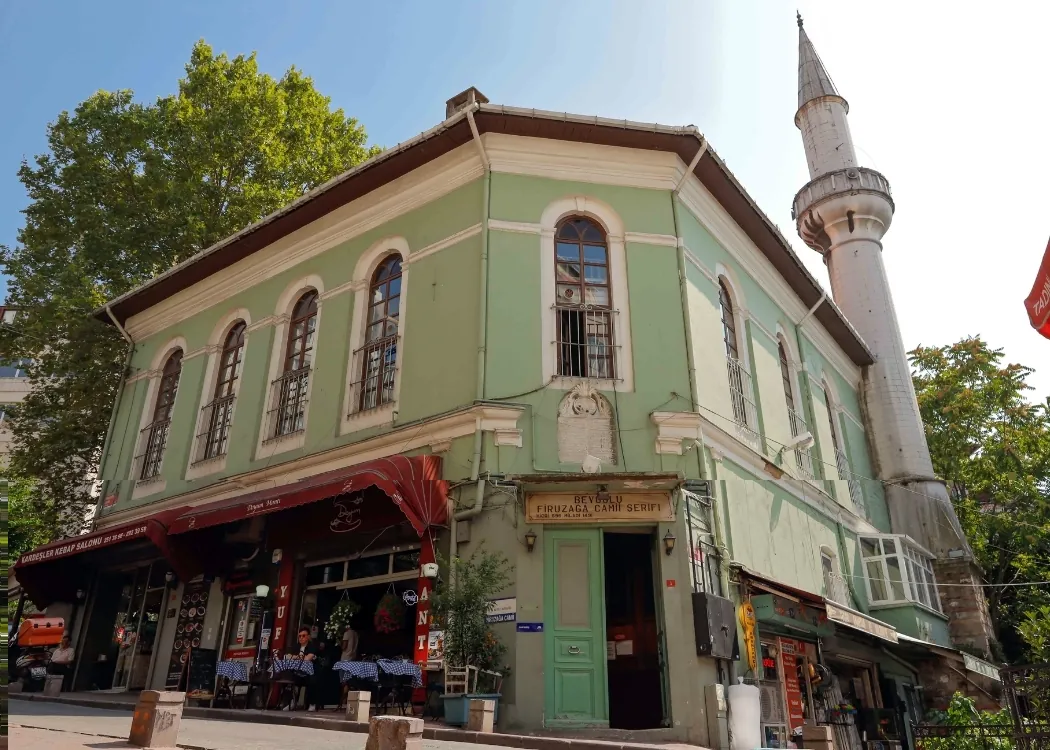
    Artists, writers, and actors made Cihangir their base years ago. That spirit remains. You can sip tea at Firuzağa Kahvesi and end up chatting with painters or film students. Street cats wander everywhere, and locals feed them with pride.


    Cihangir feels safer than many nearby districts, though it pays to stay aware after midnight. Coffee shops, vintage stores, and tiny bars line the lanes. Many offer vegan snacks and strong espresso. At sunset the sea breeze moves up the hill, and the call to prayer blends with soft guitar from a window above.


    It is easy to love this place. You can wake to a Bosphorus view, explore antique shops in Çukurcuma, and finish the day with meze on Akarsu Street. Cihangir is calm yet creative, historic yet young at heart. Come for an afternoon and you may start looking for an apartment.


    Best Things to Do in Cihangir Istanbul in 2025


    Cihangir looks quiet at first glance. Give it a day and the streets open like a storybook. One corner hides a seventeenth-century mosque. The next serves hand-pulled espresso beside vinyl records. Walk slowly, talk to the cats, and use this guide to dive deep.


    Streets Worth a Slow Walk


    Akarsu Yokuşu: The life of the neighborhood. Tables crowd the pavement, waiters balance tea glasses, and music drifts from open windows. Stay long enough and the street feels like a living room.


    cihangir_istanbul


    Sıraselviler Caddesi: Start at Taksim Square and drift downhill. Small bakeries sell warm simit, and halfway down the Bosphorus flashes between buildings. Keep going and you reach the Kabataş tram in ten minutes.


    Çukurcuma Lanes: Cobblestones, antique shops, and sleepy cats. Every shopkeeper has a story about the lamp or gramophone you are holding, so take time to listen.


    Historic Spots


    Cihangir Mosque: Built in 1559 for Prince Cihangir, rebuilt in 1889. The tiny courtyard frames a postcard view of Seraglio Point across the water. Step inside for quiet and the faint scent of old cedar.


    cihangir_istanbul


    Firuzağa Mosque: A pocket-size sanctuary in pale green tiles. It marks the true entrance to Cihangir. Sit on the wall outside with a tea and watch daily life swirl past.


    Çukurcuma Hamamı: A mixed-gender Turkish bath from the 1830s. Book the full scrub and massage package. You walk out lighter, skin glowing and mind clear.


    Art and Galleries


    Museum of Innocence: Orhan Pamuk turned a novel into a real house. Cabinets hold faded photos, matchboxes, and letters that trace a love story set in 1970s Istanbul. Audio guide recommended to catch every secret.


    Galerist: Bright white rooms, bold Turkish painters, and regular openings where artists actually show up. Perfect place to see what Istanbul’s next art wave looks like.


    cihangir_istanbul


    Pi Artworks: Small space, big ideas. Shows rotate often so there is always something fresh on the walls.


    Wellness and Yoga


    Cihangir Yoga: One of Istanbul’s best-loved studios. Classes run from sunrise Vinyasa to evening Yin, and the “Yoga for Everyone” vibe makes newcomers feel safe. Travellers can drop in for a single session or stream live classes online. 


    Coffee and Food


    Firuzağa Kahvesi: Wooden stools under a plane tree, endless glasses of tea, and random debates about cinema. Old Istanbul social life at its best.


    Kronotrop: Third-wave roaster that serves flat whites strong enough to power the steep walk back to Taksim. Almond croissants vanish by noon.


    cihangir_istanbul


    Van Kahvaltı Evi: A table-filling Turkish breakfast from the eastern city of Van. Think fresh white cheese, honeycomb, olives, and sizzling menemen.


    Asrin Tursucusu: This is a colorful pickle shop in which you can taste and buy various pickles and drink pickle juice! It may sound weird, but it is something local to try! 


    Bars and Nightlife


    Cafe 21: Looks like a tavern, feels like a living room. Order a rakı or a house cocktail and watch actors drop in after rehearsals. Finding a seat after 9 PM is a small miracle.


    Geyik: Cihangir’s street-corner cocktail lab. Drinks come in recycled jam jars, and half the crowd stands outside chatting with strangers.


    cihangir_istanbul


    MiniMuzikhol: Basement club for underground house and disco. Arrive before midnight to avoid the line and bring dancing shoes.


    Kaktüs: Bar, café, late-night sanctuary. Open until 4 AM on weekends. Expect relaxed beats and the occasional celeb sighting.


    Roxy: It is one of the most classic clubs of the city. Roxy hosts various concerts and parties. It is an LGBT+-friendly place and hosts various Pride parties. 


    Restaurants and Meyhanes


    Babel: A very authentic place to enjoy a coffee, an artisan beer, or delicious Middle Eastern foods! Especially the second floor is a must see!


    Symrna: A local favorite that serves delicious Aegean cuisine with amazing platters and quality wine. It is also a meeting point for local celebs. 


    Demeti: Classic meyhane with a balcony that hovers over the Bosphorus. Order cold meze, grilled sea bass, and a chilled carafe of rakı. Book the balcony days ahead.


    cihangir_istanbul


    Hayat: Bright lights, fast service, and meze that keeps refilling. Ideal for big groups who want to graze for hours.


    Çukurcuma 49: Wood-fired pizzas topped with Turkish buffalo mozzarella. House red wine is smooth and comes in sturdy tumblers.


    Kasabım: Kasap means 'Butcher'. In this small eatery steakhouse meets casual diner. Try their take on İskender kebab: thick slices of beef over buttery pide, topped with tomato sauce and yogurt.


    Sweet Treats and Late-Night Bites


    Yaşar Usta’s Ice Cream: Yaşar Usta is one of the most famous ice cream makers in Istanbul. Shabby shopfront, heavenly black mulberry sorbet. Summer nights often see a queue but it moves fast.


    Cross Fingers: Greasy burgers, hand-cut fries, and tacos til 2 AM. Exactly what you crave after a night at Geyik.


    Parks and Viewpoints


    Cihangir Park: A pocket park facing the Old City. Bring coffee at sunset and watch the skyline glow pink. There is a huge parking space under the park if you need one!


    cihangir_istanbul


    Top of Sıraselviler Hill: Pause on the first bend for a hidden photo spot. The Golden Horn, Galata Tower, and half the city line up in one frame.


    Vintage and Antiques


    A La Turca: Ottoman textiles and silk kaftans you can actually buy. Prices are high but the pieces are museum-quality.


    Aslı Günşiray Antik: Stacks of copper coffee sets, vinyl records, and Bakelite phones. Even if you leave empty-handed, the browsing is half the fun.


    Local Tips


    • Keep a few coins in your pocket for street musicians and ignore shoe-shine tricks where a brush “drops” near your feet.

    • Wear flat shoes

    • Start your morning early if you want photos on Akarsu Yokuşu without crowds.

    • For sunset views, bring a takeaway beer to Cihangir Merdivenleri and arrive thirty minutes before the call to prayer.

    • Book balcony tables at Demeti two days ahead; they fit only four small tables.

    • Most cafes welcome laptops, yet locals order a fresh drink every hour to keep the table.

    • Carry a small pack of cat treats; the neighborhood cats will follow you like guides.

    • Antique shops in Çukurcuma open at 10 AM and close by 6 PM; bargain with a smile for better prices.

    • Late taxis can be scarce; save the BiTaksi app or catch the night bus 129T from Taksim.

    • Noise after midnight is rare; if you hear banging pots it is likely a peaceful protest, so watch from a distance.

    • Cihangir rewards slow explorers. Choose a few spots, stay open to chance, and let the hill reveal its own plan for your day.


    Istanbul Tourist Pass®: Your Shortcut to Cihangir’s Neighbors


    Cihangir charms you with cafés and cats, yet many must-see sights sit only a short walk downhill. The Istanbul Tourist Pass® puts them all on one digital ticket, ready on your phone.


    Why love it?


    cihangir_istanbul


    Easy wins within ten minutes


    • Galata Tower Skip the ticket booth, ride the lift, and watch ships glide up the Golden Horn with the audio guide in your ear.
    • Museum of Illusions Step off Istiklal Street into rooms that bend light and flip gravity. Great on a rainy afternoon.
    • Pera Museum Scan your QR at the door and stroll past Ottoman tiles and modern art in a grand old hotel building.
    • Taksim & Istiklal Audio Guide Plug in your earphones and let the app tell you why this place is the beating heart of Istanbul!


    Extras that fit the vibe


    A quick sample day


        Breakfast at Van Kahvaltı Evi in Cihangir.


        Walk to Galata Tower for morning light over the rooftops.


        Head back up Istiklal, duck into the Museum of Illusions.


        Coffee in Pera, then the Pera Museum for cool air and bold canvases.


        Finish with a cold drink on the Cihangir Steps while your pass figures out tomorrow.


    cihangir_istanbul


    The pass saves more than fifty percent compared with buying each ticket on the spot. Buy it once, explore at your own pace, and keep that extra cash for another round of Turkish coffee. Buy now!

  • Moda Istanbul Guide: A Local Seaside Escape in Kadikoy

    Istanbul spreads across two continents like a living mosaic. Palaces and buzzing bazaars fill the European side, yet a quick ferry ride lands you in Kadikoy on the Asian shore where life slows down. Street markets spill onto wide sidewalks, musicians play on corners, and sunset turns the Bosphorus a soft shade of gold. This district shows the city’s everyday rhythm and invites visitors to join in.


    Walk a few more minutes and you reach Moda, a small headland that feels both historic and effortlessly cool. It is the 'Brooklyn' of Istanbul with hipsters, local artists, and beloved musicians living there. A restored 1917 pier now serves ferries, a book café, and a bright public library. Vintage tramcars circle quiet streets lined with pastel mansions and art-house cinemas, following a 2.6-kilometer loop first opened in 2003. 


    Cats nap on cafe chairs, students chat outside record shops, and church bells mix with the call to prayer. It is the place to trade crowds for real neighborhood life, taste homemade ice cream by the sea, and feel like you have found Istanbul’s hidden backyard.


    General Info About Moda Neighborhood 


    Moda sits at the tip of Kadikoy on Istanbul’s Asian shore. A short ferry ride from the historic peninsula brings you to its small headland, framed by the Marmara Sea on three sides. The district grew in the late nineteenth century when wealthy Armenian, Greek, and Levantine families built elegant wooden mansions along quiet lanes.


    istanbul_moda_kadikoy_2025


    Today the same streets shelter bookshops, boutique cafés, and art-house cinemas. A heritage tram circles the neighborhood on a 2.6-kilometer loop that began service in 2003, linking Kadikoy Square with Bahariye Street and Moda Street.


    Locals like to call Moda the “Brooklyn of Istanbul.” Young designers, indie musicians, and street artists rent flats beside retired sea captains and old-school bakers. The newly restored 1917 Moda Pier now serves ferries, a small book cafe, and a public library that overlooks the water. 


    Evenings start with live guitar on the grass, drift into craft-beer bars on Kadife Sokak, and often end with a late simit at the seaside. The pace is slower than in Taksim, yet the energy is fresh. Visitors come for the view, stay for the vibe, and leave feeling like temporary locals in Istanbul’s most creative corner.


    What to Discover in Moda in 2025


    Moda rewards slow wandering. Each corner hides something different, from cobbled lanes full of murals to wooden mansions shaded by fig trees. Step in with curious eyes and you will meet history, faith, and music all sharing the same seaside breeze.


    Streets to Stroll


    Start on pedestrian-only Bahariye Street. Boutiques, vinyl shops, and old patisseries fill the lane while the heritage tram rings past. Slip into Kadife Sokak, called Bars Street, for live DJ sets and craft beer after dark. Detour down Tellalzade and Muvakithane Streets to see pastel houses, antique stores, and spontaneous street-art murals that paint the walls with color. End at the Bull Statue on Altıyol Square, a local meeting point since the 1980s.


    istanbul_moda_kadikoy_2025


    Churches and Chapels


    Moda’s mix of faiths shows in its small sanctuaries. The 19th-century Ayia Efimia Greek Orthodox Church hides behind the market stalls yet glows with frescoes and flickering candles. A short walk away stand Armenian and Anglican churches that still hold weekly services, reminding visitors of the neighborhood’s layered past.


    Historic Mansions


    Late-Ottoman elites left a trail of ornate wooden homes. The 1903 Arif Sarıca Mansion rises behind high stone walls on Moda Caddesi and is still owned by the same family . A few blocks south sits Whittall Mansion, now the Barış Manço Museum where gold records line the salon and the singer’s stage outfits hang in glass cases. Peek through garden gates to spot other timber beauties that survived Istanbul’s rapid growth.


    Waterfront, Park, and Lighthouse


    Follow the seaside path to Moda Park. Locals jog at dawn, families picnic at dusk, and street cats rule the lawns. The 1917 Moda Pier, restored in 2022, hosts a café and small library with open water views. Keep walking to the 19th-century Moda Lighthouse, a simple white tower that still guides ships into the Bosphorus. Waves crash on the rocks below, and the Princes’ Islands shimmer on the horizon.


    Art, Books, and Music


    Catch an opera or ballet at the 1927 Süreyya Opera House, the first music hall on Istanbul’s Asian side, now fully restored with velvet seats and crystal chandeliers. Dig for second-hand vinyl and Turkish rock magazines in Akmar Passage, a narrow arcade stuffed with stalls. End the day at the Barış Manço Museum for a dose of Anatolian pop history or in an indie cinema showing Turkish shorts. Moda lives and breathes creativity, and every corner offers a new story to join.


    istanbul_moda_kadikoy_2025


    Tasty Stops in Moda in 2025


    Dondurmacı Ali Usta is the go-to spot for stretchy Maraş-style ice cream and more than fifty rotating flavors. 


    Asuman draws long lines for layered chocolate desserts served in tiny jars that travel the world on Instagram. 


    Baylan Pastanesi opened in 1961 and still plates classic Kup Griye sundaes inside a patisserie that feels frozen in time. 


    Naan Bakeshop fills the street with sourdough scent at breakfast and sells sandwiches on crusty bread baked fresh all day.


    Naga Putrika serves one of the city’s most generous Turkish breakfasts in a leafy back-garden that stays cool even in July. 


    Viktor Levi Wine House hides behind a wooden gate and pairs local wines with meze plates in a vine-covered courtyard.


    Walter’s Coffee Roastery turns coffee into a science experiment for Breaking Bad fans, complete with lab coats and beakers. 


    Moda Aile Çay Bahçesi is the classic seaside tea garden where locals sip tulip-shaped glasses of çay while the sun sinks into the Marmara.


    Explore the City with Istanbul Tourist Pass®


    The Istanbul Tourist Pass® is a fully digital sightseeing key that pairs perfectly with a day in Moda. Buy a 1- to 5-day pass, download the app, and you get instant QR tickets for 100 + museums, cruises, and family attractions all over the city. Skip the long ticket lines at Hagia Sophia, Galata Tower, Basilica Cistern, and more; your phone unlocks the gate the moment you arrive.


    istanbul_moda_kadikoy_2025


    The pass also loads a tourist-friendly public-transport card, so your ferry ride to Kadıköy, a hop on the nostalgic Kadıköy–Moda tram, and even a quick metro trip back home cost nothing extra. Topkapı Palace is the only attraction that comes with a hosted guide, leaving the rest of your schedule wide open.


    Extra perks sweeten the deal: free airport transfer on arrival, over 50 percent savings compared with buying each ticket on site, weekday WhatsApp support, and tasty add-ons like a discounted Nomads dinner or a free meze platter under Galata Bridge. Tap, scan, and spend your hours hunting murals in Moda instead of queuing for tickets.

  • The Coolest and Hippest Neighborhoods in Istanbul

    Istanbul is a city where the past and current coexist most vibrantly and excitingly. From ultra-modern galleries to old bazaars, this city never gets old in inspiration. But Istanbul's appeal is in its neighborhoods, each with a different atmosphere than its famous sites. The hippest areas of Istanbul are where the city's creative energy really comes alive whether you're drinking coffee in the laid-back cafes of Moda, Istanbul, wandering through the bohemian alleyways of Cihangir, or soaking up the edgy, urban chill of Karaköy.


    Examining these areas has never been simpler—or wiser—than with the Istanbul Tourist Pass®. Designed for smart travellers, the pass is your all-access pass to stylishly exploring Istanbul and a money and time saver tool. Features like our creative "Show&Go" technology allow you to instantly create QR codes close to attractions, therefore bypassing lengthy queues and enabling direct access to the experience. Furthermore, the pass is the best friend for finding the hippest locations in this energetic city as it includes a range of top sites and activities. Buy your now and be the coolest in town!


    Finding Istanbul's Trendiest Areas


    Istanbul is a city of opposites; nowhere else is this more clear than in its districts. From Asian vitality to European grace, every area of the city has character. Among the hippest and most active places are Moda, Karaköy, and Cihangir, each of which offers a special blend of local character, culture, and design. Whether your interests are history, cuisine, or just a means of soaking up the vibe of the city, these trendsetting areas provide a unique encounter.


    Cihangir : The Bohemian Heart of Istanbul


    Cihangir, tucked away on Europe's side of the city, is where Istanbul's creatives, authors, and artists gather. The area is a maze of little, cobblestone lanes dotted with boutiques, art galleries, and unusual eateries. Its streets will reveal murals and street art reflecting the free-spirited attitude of the neighborhood as you meander around. Get a coffee at a café like Kronotrop for a classic Cihangir experience and take in the laid-back appeal of the area while people-watching.


    Cihangir is also quite historically rich. Inspired by the Ottoman prince Cihangir, the name itself translates in Turkish as "Conqueror." See the quiet jewel hidden away from the bustle—the Firuz Ağa Mosque. And if lucky, you could come upon one of the little antique stores with walls seeming to contain decades of Istanbul's spirit.


    Karaköy: The Meeting of Modernism and Culture


    Originally a historic harbor and commerce center, Karaköy has seen an incredible make-over. Today is a mixing pot of modern sophistication and old-world appeal from Istanbul. Modern art galleries like Istanbul Modern coexist with classic lokantas presenting delicious Turkish cuisine. See Namlı Gurme for a brunch combining new ideas with traditional Turkish tastes.


    With industrial-chic cafés and boutique hotels situated in rebuilt 19th-century structures, Karaköy's streets are Instagrammer's heaven. Never miss a stroll along the shoreline to enjoy amazing views of the Galata Tower and the Bosphorus. Karaköy wakes up at night with rooftop bars like Mikla providing amazing cocktails and a stunning view.


    Moda: The colorful center of Asian Istanbul


    To find Moda, the crown gem of Istanbul's Asian side, cross the Bosphorus. Renowned for its laid-back attitude and young vitality, Moda is where residents flee the hectic pace of the metropolis. Wander along Moda Sahil, a lovely beachside promenade ideal for seeing the boats float past as the sun sets over the European coast, to start your adventure.


    A foodie's dream come true is also Moda. At Ali Usta, try some of the greatest ice cream in the city or indulge in classic Anatolian cuisine at Çiya Sofrası. There is a developing craft beer sector in the area, with local produced pints available at little businesses like Bira Fabrikası. Bookworms really must visit one of Moda's local bookshops to find a gem to read at a nearby park.


    Celebrity Hotspots in Istanbul


    Istanbul is a city where glitz and fame shine clearly, not only a cultural melting pot. From soap opera stars to social media influencers, celebrities of all stripes swarm Istanbul's trendiest areas to see and be seen. The city has lots of chances for star-spotting with its mix of elegance, character, and a vibrant nightlife. You never know which well-known person could stroll by whether you're dining at a high-end restaurant or drinking coffee in a hip café. Let's have a look at the best places to spot celebs!


    Bebek: Top cafes for high society


    Sitting on the Bosphorus, Bebek is associated with elegance and refinement. Renowned for its elegant stores, breathtaking waterfront vistas, and upscale restaurants, it draws Turkey's top and worldwide stars. Celebrities visit hip cafés like Lucca, a modern café-bar where you could savor fine cuisine while mingling with glitterati from Istanbul.


    Even a slow walk in Bebek Park may become an amazing event. High-profile performers, corporate magnates, and even visiting Hollywood stars have been seen savoring the laid-back yet elegant atmosphere of the region. If you want to savor the great societal appeal of the city, Bebek is the place to be. 


    Etiler and Nişantaşı: Old School Glitz


    Neighborhoods Etiler and Nişantaşı exude vintage elegance and richness. Exclusive nightclubs and gourmet restaurants like Nusret, where celebrities routinely assemble for great meals and late-night entertainment, Etiler is home. Concurrently, Nişantaşı, Istanbul's response to Paris's Champs-Élysées, is a refuge for old-money stars and fashionistas. Rich and famous people frequent this shopping location as designer stores and high-end goods abound on the streets.


    Your best choice if you want to watch a known artist or a seasoned actor is these areas. Their elegant surroundings provide them the perfect backdrop for recognizing seasoned stars that value better things in life.


    Cihangir: Star Soap Opera Actor Spot


    Among Turkey's soap opera stars and movie performers, Cihangir is a favorite because of its bohemian appeal and creative energy. Renowned for its relaxed vibe and artistic cafés, this is the type of venue celebrities feel comfortable in. Perfect for star-spotting while savoring a cappuccino or a hearty lunch are popular venues like Susam Café or Journey.


    The little lanes and old buildings of this area offer a private, understated setting where celebrities may mix with residents without much notice. If you enjoy Turkish plays, here is the area where your preferred actors may be just enjoying coffee at the next table.


    Moda: The refuge for modern celebrities


    Moda has evolved into the preferred area for alternative bands, social media influencers, and upcoming stars on Istanbul's Asian side as well. Its young, energetic vibe and independent culture attract artistic brains from all across the city. Here, celebrities are more likely to be discovered hanging out at a hip café like Koço or playing live at a small venue.


    The beach promenade and unique atmosphere of Moda also make it ideal for influencers gathering the ideal Instagram picture. Moda's streets and hangouts are where you will find the new wave of celebrity culture if you enjoy it.


    Celebrity Sightings in the Popular Malls in Istanbul


    Regarding celebrity sightings in Istanbul, malls are equally popular as the hip areas of the city. Stars seeking shopping, socializing, or event attendance will find Istanbul's malls ideal locations given their opulent interiors, upscale stores, and energetic dining scenes. From a quick coffee to retail therapy to a glitzy gala, these malls provide lots of chances to run across Turkey's well-known personalities.


    Akmerkez: a timeless classic


    Since its 1990 opening, Etiler, Akmerkez has been a hallmark of elegance. Although it might not be as contemporary as more recent stores, its traditional appeal nevertheless draws old-money elite of Istanbul. Popular for those who want a more subdued, more intimate ambiance, celebrities frequently stop by for a leisurely coffee or lunch in its elegant setting. Akmerkez is the place to visit if you want to find a seasoned actor or a legendary person in Turkish film.


    The center for glitzy events is Zorlu Center.


    Zorlu Center is a cultural and social center rather than only a retail mall. Renowned for organizing theatrical productions, concerts, and major events, Zorlu draws a star-studded audience every given day. Celebrities frequent its opulent cafés and restaurants, such as Morini or Eataly for lunch; its rooftop lounges provide breathtaking views and an opportunity to mix with Istanbul's elite.


    Turkey's top stars find the mall a magnet on event evenings. Whether it's a fashion show, new product introduction, or red carpet event, Zorlu is the go-to venue to catch a sight of the most glitzy city personalities.


    Kanyon: a modern star magnet


    One of the most visually arresting malls in Istanbul, Kanyon's clean, open-air architecture is a favorite among celebrities visiting movie galas or private gatherings. Gala evenings see the movie here transformed into a hive of activity as celebs stroll the red carpet and fans assemble to catch a peek of their favorites.


    Kanyon is ideal for seeing celebrities lounging over a calm coffee or exploring the newest designs at opulent boutiques during the day. Its contemporary and artistic sensibility fits the tastes of the creative and stylish elite of Istanbul.


    Istinye Park: The Commercial and Retail Center


    Celebrities visit İstinye Park, in Sarıyer, to mix leisure with work. Business lunches and power conferences find it a popular choice because of its chic meeting areas and luxury stores. With names like Louis Vuitton and Chanel, it's also a refuge for well-publicized shopping visits.


    Any given day you could see a well-known actor or artist closing a contract over coffee or shopping accompanied by their entourage. One of the most sought-after locations for Istanbul's stars is the mall as it combines vitality and exclusiveness.


    Istanbul Tourist Pass® is for Everyone!


    The Istanbul Tourist Pass® is your ideal friend whether your interests are hip youngster searching for Instagram-worthy locations, crowded family wanting to create memories, adventure seeker hungry for thrill, or solo traveler seeing Istanbul at their own speed. The pass fits every kind of adventurer with access to more than 100+ attractions and experiences. From avoiding lineups at famous sites like Hagia Sophia to appreciating guided tours and exclusive privileges, the pass guarantees you maximize your Istanbul experience free from the pressure of preparation.


    The Istanbul Tourist Pass® is as flexible as you need it to be because of its creative show and go technology. Just create a QR code near a landmark, avoid the ticket lineups, and go right into the experience. Whether you're searching for celebrities in Bebek, taking in Moda's creative spirit, or meandering the bohemian lanes of Cihangir, the pass lets you experience Istanbul your way, with great ease and notable savings. No matter who you are or how you get about, it is really the key to opening the city.


  • All About Beyoglu Istanbul: Discover the Beating Heart of the City

    Istanbul has been a colorful fusion of cultures and traditions for ages. With its famous skyline of domes and minarets, labyrinthine streets alive with bustle, and waters shimmering with tales, Istanbul promises an experience unlike any other. It is a place where ancient histories mingle with thriving modern communities, where every corner could hold a hidden story and every view is mouth drop. The colorful district of Beyoglu makes up the heart of this amazing city, embodying the eclectic and beautiful spirit of Istanbul. The district is often called the beating heart of Istanbul’s cultural and social life. It is a neighborhood of contrasts and surprises full of small local shops, world-famous brands, little bakeries, luxury nightclubs, or traditional meyhanes there are many to see, do, and taste there all of them side by side. From the historic Galata Tower to the lively Istiklal Avenue, Beyoglu calls out to you to discover its layers, so every step reveals what is special and calls to your heart.


    To find Beyoglu — and Istanbul more broadly — you don’t make like a tourist, just drifting through its streets; you need a key to creations. Your key to Istanbul: Get the Istanbul Tourist Pass®, the all-in-one ticket to explore the city. The pass grants access to more than 100 attractions and services, and it allows you to get to the core of the experience, including the kaleidoscopic sights and sounds of Beyoğlu. Skip the lines at historic landmarks, join professionally guided tours, and discover hidden gems without the trouble. Exploring natural landscapes, cultural districts and attractions with the Istanbul Tourist Pass® Beyoğlu with its artistic edge, busy cafes, and enthusiastic nightlife will change the shape of your experience undoubtedly. Take a walk along Istiklal or visit a historic art gallery, the pass will make your trip one to remember.


    History of Beyoglu


    Beyoğlu, formerly known as Pera, has a history that stretches back to the 7th century BC when it was inhabited by the Greeks as part of the city of Byzantium. During the Byzantine era, it was called Peran en Sykais ("The Fig Field on the Other Side") and later Galata, named either after milkmen (galatas), the Celtic Gauls (Galatai), or the Italian word Calata ("downward slope"). The Genoese constructed the iconic Galata Tower in 1348, which remains a landmark of the area from then. Although at first the Tower was not built as beautiful as it is today. Over long centuries, Beyoğlu evolved into a significant hub for trade, especially under Genoese and Venetian influence during the late Byzantine period.


    Beyoglu slowly yet steadily evolves throughout time. Let's jump to the Ottoman period from here. The district flourished during the Ottoman period, becoming a center for European merchants, diplomacy, and culture. Since Istanbul is a greatly diverse city, Beyoglu's also cosmopolitan nature is reflected in its architecture, including Catholic churches like St. Anthony of Padua and embassies along the famous İstiklal Avenue.


    Beyoglu was always a symbol of the western lifestyle in the empire. With innovations like electricity, trams, and the Tünel, the second subway system in the world, in the 19th century, Beyoğlu embraced modernism early on as a result of Ottoman efforts to westernize the region. It was a center of culture, with theaters, cafes, and schools founded by foreigners that added to its distinctive fusion of European and Ottoman styles. There are still many stores, cafes, schools, and even theatres from that period that carry the soul of the Ottoman Empire's late years with their vibes.


    Despite a period of decline brought on by population changes and political conflicts in the middle of the 20th century, Beyoğlu has experienced substantial gentrification in recent decades. As a local Istanbulite, it is easy to see the effects of gentrification everywhere I look at the area. The area around İstiklal Avenue has become lively again, drawing both locals and visitors. The district still functions as a vibrant nexus of Istanbul's past and present, with historic structures being restored and hip neighborhoods like Cihangir making a comeback.


    Neighborhoods in Beyoglu


    Beyoglu is the heart of modern Istanbul, we know it is a cliche but still, it is a correct statement. First, it is located on the European side of the city. It is full of vibrant and diverse neighborhoods and each of them has its own unique character and charm. Visitors can explore lively streets, historic landmarks, and trendy cafes. In this section, we will shortly have a look at the most popular neighborhoods in the district. Beyoğlu is a perfect mix of old traditions and modern culture. It offers endless opportunities for sightseeing, shopping, and dining.


    Cihangir Neighborhood


    Cihangir is a spot in Istanbul that is both charming and full of life. Its bohemian atmosphere is legendary. The neighborhood is popular with artists and expats. Something more yours will be its narrow streets and its buildings that treasure history. Prettier Cihangir is a little cosmopolitan nest with art, vibes, and good food.


    Things to Do in Cihangir


    Start with a traditional Turkish breakfast at Kahve6 Cihangir. A favorite breakfast place featured freshly-baked simit, Cihangir Tarihi Simit Fırını. For a bit of R and R, stop by the historic Cihangir Hamam. A traditional Turkish bath, a revitalizing experience. Fans of Turkish dumplings should head to the tasty Cihangir Manti. And explore the nightlife in the evening. Vibrant bars such as Cihangir Bar have a cozy and fun atmosphere. As you walk around, there are lots of hidden treasures to discover.


    Best Food in Cihangir


    Cihangir is a food lover’s paradise. Its cafes and restaurants offer some of the best Turkish breakfasts in town. For breakfast, sample a spread of fresh bread, cheeses, olives and jams. As a raki balik rite of passage, head to one of the neighborhood’s old-school fish restaurants. At these establishments, fish is served fresh, with raki, a favored local beverage. Cihangir also has many snug restaurants, good for a quiet meal. No matter if you’re in the mood for a comforting meal or tiny bites, there’s variety for all tastes here.


    Cukurcuma Neighborhood


    Cukurcuma is among the most magical neighborhoods in all of Istanbul. It has cobblestone streets and antique shops that give it a time-warp feeling. It is rich in cultural heritage and laid-back charm. I love how each corner here seems to have their own story.


    Things to Do in Çukurcuma


    During your visit, just make sure to stop by the Cukurcuma Hamamı Istanbul, which is steeped in history as far back as 2070 years ago. This old-fashioned Turkish bath offers a glimpse of the city’s past. Spend the time in Çukurcuma Antique Shops. Because they are great to search for unique treasures and vintage pieces. Whenever I shop in these stores, it’s always like I’m on a treasure hunt. Do not miss Tomtom Street, where the intersection between art and design is a perfect match! It’s a good place to see creativity in action and become immersed in the artsy vibe of the neighborhood.


    Best Food in Çukurcuma


    Çukurcuma area is famous for its homely little cafés and adorable little shops. Grab a cup of real Turkish coffee at one of its local coffeeshops. It is the intimate and welcoming atmosphere that makes these cafés so memorable. If you’re pausing from wandering the town’s streets or taking in a peaceful moment, the coordinates above boast some irresistible food and drink.


    How to Get to and From Beyoğlu


    Beyoğlu itself is easy and convenient to reach. Whether you’re coming in from the airport or heading out to iconic landmarks, you’ll find options to fit your budget and style. Here’s a guide to help you on your journey.


    Beyoğlu from Istanbul Airport


    There are a few options to get from Istanbul Airport to Beyoğlu.


    Taxi: The easiest way to get to Beyoğlu is via taxi. The rides are generally smooth and reasonably priced, especially if you’re with baggage or traveling in a group. Don't be afraid about Istanbul taxi drivers, most of them are very kind and helpful, and they only use taximeters. 


    Metro: It’s a cheap option. It’s efficient, with well-defined routes that link the airport with the city center. It’s my best friend when I want to steer clear of traffic especially when it rains. Use the metro to get to Mecidiyekoy and then transfer to the "Haciosman – Yenikoy" metro line and then get off at Taksim station.


    Havaist Shuttle Busses: Istanbul Tourist Pass® includes an airport shuttle to/from Istanbul Airport. For a stress-free transfer to Taksim Beyoglu, where most hotels are located, you can use the shuttles directly to take you to the district.


    Private Transfers: To ensure maximum comfort and an intimate travel experience, we provide you the option of private transfers at discounted rates. They may not be for everyone because of the prices but definitely for those who wants to travel in style and comfort.


    Beyoglu to Sabiha Gokcen Airport


    Sabiha Gökçen Airport is easy to reach Beyoğlu from there.


    Taxi: Taxi is in abundance, which takes directly back to Beyoğlu. The fares are more expensive than other choices but are worth it for the convenience. Remember, in Turkey you cannot use Uber.


    Metro: A transfer is needed, but the metro is easily navigable. Follow the signs and you’ll be en route to Beyoğlu before long. First, you need to get off at the Sogutlucesme Station and get to Marmaray, and get to Yenikapi. Then get to Haciosman metro to go Taksim station. Ok, it sound very tiring but it is very fast at the end!


    Bus: Buses to Sabiha Gökçen are an inexpensive way to go. They are reliable but take longer than the alternatives. There are some direct public busses to Taksim but you need to check the recent timetable before you wait the bus. 


    Shuttle Services: There are direct Havabus shuttles from the airport to Taksim. Shuttles are not included from Sabiha Gökçen, but they are reliable and provide direct transport to Beyoğlu.


    Sabiha Gökçen Airport Private Transfer with Discount: We have discounted private transfer options from Sabiha Gökçen Airport as well. These guarantee a smooth and pampered beginning to your journey.


    Beyoğlu to Some of Istanbul’s Iconic Destinations


    Many of the city’s most famous sights are easily accessible from Beyoğlu.


    Beyoğlu to Taksim Square: Taksim Square is only a short walk from most sections of Beyoğlu. The streets are filled with shops and cafes along the way.


    Beyoğlu to Sultanahmet: Sultanahmet is easy to reach by public transport. The fastest way is by metro and tram combination. It’s quick and provides picturesque views in the process. I really enjoy the tram ride — it’s nice to see the city while on the way, it’s always nice.


    Best Things to Do in Beyoğlu


    Beyoğlu is a lively, historical and full of character neighborhood. It’s the center of Istanbul’s actual culture, and every corner has a piece of excitement to offer. Whether you’re wandering its unique avenues, sampling its eclectic dining scene or unearthing its hidden spots, Beyoğlu never fails to deliver.”


    Stroll Down Istiklal Street


    You have to go to Istiklal Street when you are in Beyoğlu.


    A destination to explore all day: this busy avenue is lined with shops, cafes, and restaurants.


    Be sure to check out Umbrella Street near Beyoğlu Square, a colorful area ideal for photos.


    Performing buskers create a vibrant ambiance, and the area is dotted with cultural manifestations like its historical churches and a retro tram, that make it feel special.


    Sample Beyoğlu’s Culinary Scene


    Beyoğlu is a culinary nirvana.


    Restaurants serve up the best of classic Turkish food in small places throughout the district.Treat yourself to a classic raki balik experience with fresh seafood and Turkish meze, a local dining tradition.


    If you feel like some international inspiration, duck into one of the district’s cozy Irish pubs for a pint and conversation.


    Hidden Gems in Beyoglu


    For those who will wander from the beaten path, Beyoğlu is filled with surprises. Visit antique shops in Çukurcuma, the best for those hunting for treasures.


    Art galleries and boutique stores in Tomtom feature a blend of modern design and cultural artisanal.


    Check the Piyalepaşa Mosque, made by the legendary Ottoman architect Mimar Sinan. The buildings are stunning, and the area has a rich history, making it an undiscovered jewel of the area.


    Wherever you go in Beyoğlu, you’ll discover a blend of history, art, and local culture that will make your trip unforgettable.


    Discover Beyoglu with the Istanbul Tourist Pass®


    Exploring Beyoglu is even more exciting and hassle-free with the Istanbul Tourist Pass®. This all-in-one digital pass gives you access to top attractions in the district and beyond, making it the ultimate companion for your Istanbul adventure.


    Skip the Lines at Iconic Beyoglu Attractions


    With the Istanbul Tourist Pass®, you can skip the ticket lines and dive straight into the best experiences Beyoglu has to offer. Madame Tussauds Istanbul allows you to step into a world of lifelike wax figures and snap photos with your favorite celebrities and historical icons.


    Enjoy the skip-the-ticket line entrance to Galata Tower with your Pass. With the included audio guide, you can uncover the fascinating history of the tower and take in breathtaking panoramic views of Istanbul from the top of this historical tower.


    More Than Just Tickets But a Stress-Free Way to Explore


    The Istanbul Tourist Pass® goes beyond skip-the-line access. It’s a gateway to a wide range of curated experiences and services designed to enhance your trip:


    Access to over 100 attractions across Istanbul.


    Audio guides for key landmarks, so you can explore at your own pace.


    Discounts on unique tours, shows, transportation, and more.


    No need to worry about long queues or juggling multiple tickets. Simply show your digital pass and enjoy the best of Beyoglu and Istanbul.


    Ready to make your Beyoglu visit unforgettable? The Istanbul Tourist Pass® is here to help you experience the magic of this vibrant district and beyond!


  • Kadıköy: A Guide to the Best Things to See and Do

    Kadıköy is a bustling district located on the Asian side of Istanbul, Turkey. It's a lively neighborhood with cultural landmarks, delicious food, and fascinating sights. If you're planning a trip to Istanbul, in this article, we have gathered some of the best things to do in Kadıköy. But before we dig in, let’s have a look at the Istanbul Tourist Pass®.


    If you're planning a trip to Istanbul, the Istanbul Tourist Pass® is a must-have. This pass provides visitors with access to 100+ of the city's top attractions, including museums, historical sites, and cultural experiences. With the Istanbul Tourist Pass®, you'll also receive a guidebook to help you navigate the city and make the most of your time there. Plus, the pass includes discounts on additional activities, such as boat tours and shopping. By purchasing the Istanbul Tourist Pass®, you'll save time and money while experiencing all that this incredible city has to offer. Be sure to buy your pass in advance to make the most of your trip.


    Landmarks to See in Kadıköy


    One of the most famous landmarks in Kadıköy is the Maiden's Tower (Kız Kulesi). This tower sits on a small island just off the coast of the neighborhood and is steeped in legends and myths. According to one story, a king was told that his daughter would die on her 18th birthday from a snake bite. To prevent this, he had the tower built on the island and sent her there for protection. On her 18th birthday, he brought her a basket of fruit as a gift, but a snake was hiding inside and bit her, causing her death.


    Another popular landmark is the Haydarpaşa Train Station. This historic train station was built in the early 20th century and served as the gateway to Istanbul from Asia. It's a beautiful example of neo-classical architecture and has been used as a backdrop for many movies and TV shows.


    Barış Manço Museum is a popular cultural attraction located in Kadıköy, dedicated to the life and legacy of the late Turkish musician and artist Barış Manço. The museum showcases a wide range of Manço's personal belongings, including his instruments, costumes, and artwork, as well as archival footage and photographs that highlight his contributions to Turkish music and culture. Visitors can learn about Manço's life and career, including his pioneering work in fusing traditional Turkish music with rock and pop influences, as well as his activism on social and environmental issues. The museum is a must-visit destination for fans of Turkish music and culture, offering a unique opportunity to explore the creative legacy of one of the country's most beloved artists.


    Mosques to See in Kadıköy


    Kadıköy has several beautiful mosques that are worth visiting. The most famous is the Kadıköy Mosque, which was built in the 16th century. This Ottoman-era mosque has a stunning interior with intricate tilework and calligraphy. Another notable mosque is the Caferağa Medrese Mosque, which was converted from a madrasa (Islamic school) into a mosque in the 19th century. It has a unique octagonal shape and is decorated with beautiful floral motifs.


    Churches to Visit in Kadıköy


    Kadıköy has a rich history of religious diversity, and there are several beautiful churches in the area. One of the most famous is the Armenian Church of Surp Takavor, which was built in the 19th century and is known for its ornate interior and impressive bell tower. Another notable church is the Greek Orthodox Church of Ayia Fotini, which dates back to the Byzantine era and features stunning frescoes and mosaics.


    Markets in Kadıköy


    No trip to Kadıköy would be complete without a visit to its bustling markets. The most famous is the Kadıköy Market, which takes place every Tuesday and is a great place to buy fresh produce, spices, and handmade goods. The Moda Market, which takes place on Sundays, is also worth checking out for its selection of vintage clothing, antiques, and handmade jewelry. And if you're looking for something sweet, be sure to stop by the Çiya Sofrası dessert shop, which serves traditional Turkish treats like baklava and şekerpare.


    Kadıköy Fish Market is a bustling and vibrant marketplace located on the Asian side of Istanbul, Turkey. The market is a hub for fresh seafood, with a wide variety of fish, shellfish, and other seafood products available for purchase. Visitors can find everything from popular Turkish fish species such as sea bass and mackerel to rarer catches like octopus and swordfish. The market is a popular destination for locals and tourists alike, who come to sample the fresh seafood and experience the lively atmosphere of the market. In addition to the fish market itself, there are also numerous restaurants and cafes located in the surrounding area, making it a great place to enjoy a meal or a snack while taking in the sights and sounds of this unique marketplace.


    Other Activities to Do in Kadıköy


    In addition to its landmarks, mosques, churches, and markets, Kadıköy has plenty of other activities for tourists to enjoy. Take a stroll along the Kadıköy Pier to enjoy stunning views of the Bosphorus Strait, or head to the Kadıköy Iskelesi Square to watch street performers and musicians. And if you're looking for a more relaxing activity, head to one of the many hammams (Turkish baths) in the area for a traditional Turkish spa experience.


    One of the best ways to experience the neighborhood is by walking around and exploring its narrow streets and alleyways. You'll come across small shops selling handmade goods and traditional Turkish sweets, as well as street vendors offering snacks like simit (a type of bread with sesame seeds) and roasted chestnuts.


    Another popular attraction in Kadıköy is the Fenerbahçe Şükrü Saracoğlu Stadium, the home of the Fenerbahçe football team. If you're a sports fan, attending a match here is a must-do activity. The stadium has a capacity of over 50,000 and is known for its electric atmosphere during games.


    If you're looking for a more relaxing activity, head to one of the many parks in Kadıköy. The Yeldeğirmeni Park is a popular spot for families, with its playgrounds, picnic areas, and walking paths. Moda Sahili Park, located along the Bosphorus, offers stunning views of the water and is a great place to take a leisurely stroll.


    Foodies will also love Kadıköy for its delicious cuisine. The neighborhood is known for its fresh seafood and meze (small dishes of appetizers). Be sure to try the balık ekmek (fish sandwich) at one of the many street vendors, or head to one of the local restaurants for a traditional Turkish dinner.


    In conclusion, Kadıköy is a fascinating neighborhood with something to offer for every type of tourist. From its historical landmarks to its bustling markets, there's plenty to see and do here. So, be sure to add Kadıköy to your Istanbul itinerary and experience this unique neighborhood for yourself! Whether you're interested in history, and architecture, or just want to experience the local culture, there's something for everyone in Kadıköy.


    There is more to do in Istanbul. From the European side to the Asian side, there are 100+ amazing attractions and services included in Istanbul Tourist Pass® for you to save time and money. Don't miss out, buy your pass today. Until next time, keep reading our blog, and have a great time in Istanbul! 


    FAQ


    What are some must-see attractions in Kadıköy?


    Kadıköy offers a variety of interesting and unique attractions, including the bustling fish market, the historic Moda neighborhood, and the lively bar and cafe scene along the Kadıköy shore. Additionally, the Barış Manço Museum and the Yeldeğirmeni Art Center are both worth visiting for those interested in Turkish art and culture.


    Are there any parks or green spaces in Kadıköy?


    Yes, Kadıköy is home to several lovely parks and green spaces, including the expansive Fenerbahçe Park, which offers beautiful views of the sea and a variety of recreational activities, such as jogging, cycling, and picnicking. Other notable parks in the area include Göztepe Park, Moda Park, and Özgürlük Park.


    What kind of cuisine can I expect to find in Kadıköy?


    Kadıköy is known for its diverse and delicious culinary scene, which includes a wide range of Turkish and international cuisine. Visitors can sample traditional Turkish dishes such as kebabs and meze, as well as international favorites like pizza and sushi. In addition, the area is home to many popular dessert shops and bakeries, offering everything from Turkish delight to freshly baked pastries.


    What are some popular shopping destinations in Kadıköy?


    Kadıköy is a great place to shop for unique and interesting souvenirs, as well as trendy fashion and accessories. The Kadıköy bazaar is a popular destination for clothing, jewelry, and handicrafts, while the surrounding streets offer a range of boutique shops and vintage stores. Additionally, Bahariye Avenue is home to many popular high-end retailers and department stores.


    Is Kadıköy easy to navigate?


    Kadıköy is a relatively compact and walkable neighborhood, with many attractions located within easy walking distance of each other. Additionally, the area is well-served by public transportation, including the Marmaray and ferry services, making it easy to explore the rest of Istanbul from Kadıköy.