Tag: History

  • Constantinople to Istanbul: A Brief History of the City for 2025 Travelers

    Istanbul in 2025 feels alive every hour. Ferries glide between two continents while café chatter rises over the call to prayer. Skyscrapers share space with sixth-century domes, and the city’s spirit seems to stretch both forward and back at the same time.


    To understand how this modern scene came to be, we need to rewind many centuries. The settlement once called Byzantion became Constantinople under Roman rule and later evolved into Istanbul under the Ottomans. Each era left layers of culture, faith, and architecture that still shape what you see today. In the sections that follow, we will walk through those turning points so the next time you cross the Bosphorus, you can picture the stories below the surface.


    Byzantion: The First Settlement in Istanbul


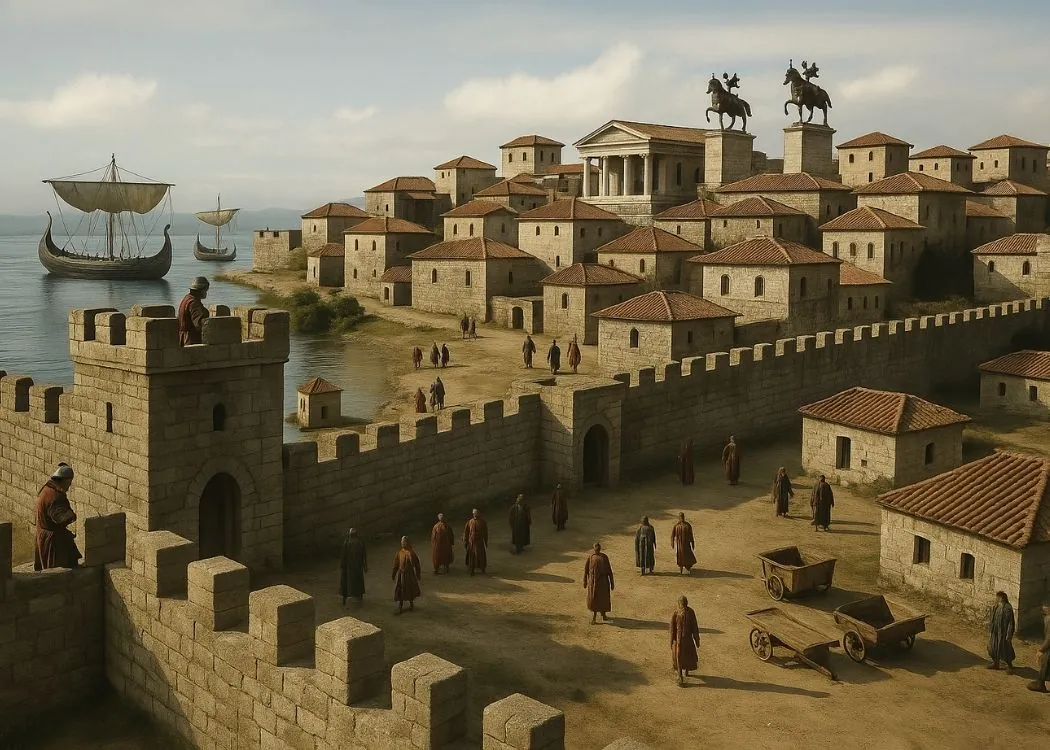
    Greek colonists from the city-state of Megara arrived on the Bosporus in the seventh century BCE. Legend says their leader, Byzas, chose the triangular promontory because ships could slip from the Sea of Marmara into the Golden Horn and sit safe from storms. They called the new town Byzantion (Latinized as Byzantium) and set up a modest marketplace, a small acropolis on today’s Seraglio Point, and wooden quays for Black Sea grain and Aegean wine.

    history_of_istanbul


    Geography did most of the early advertising. The Golden Horn formed a deep, sheltered inlet, while the narrow strait beside it let merchants tax any vessel moving between Europe and Asia. Within a few generations the settlement was exporting salted fish, collecting customs duties, and minting its own coins. Even when Persia seized the town during Darius I’s Scythian campaign, traders kept working the same piers because no other harbor along the strait offered equal protection. 


    Byzantion’s fortunes rose and fell with the power struggles around it. The city paid tribute to one empire, then another, yet it kept its walls strong and its treasury fuller than most rivals. That stubborn survival is why Constantine the Great will look here centuries later when he needs a fresh capital. First, though, the small Greek port must weather Roman expansion and that is the next step in our story. 


    Constantinople and the Roman Dream


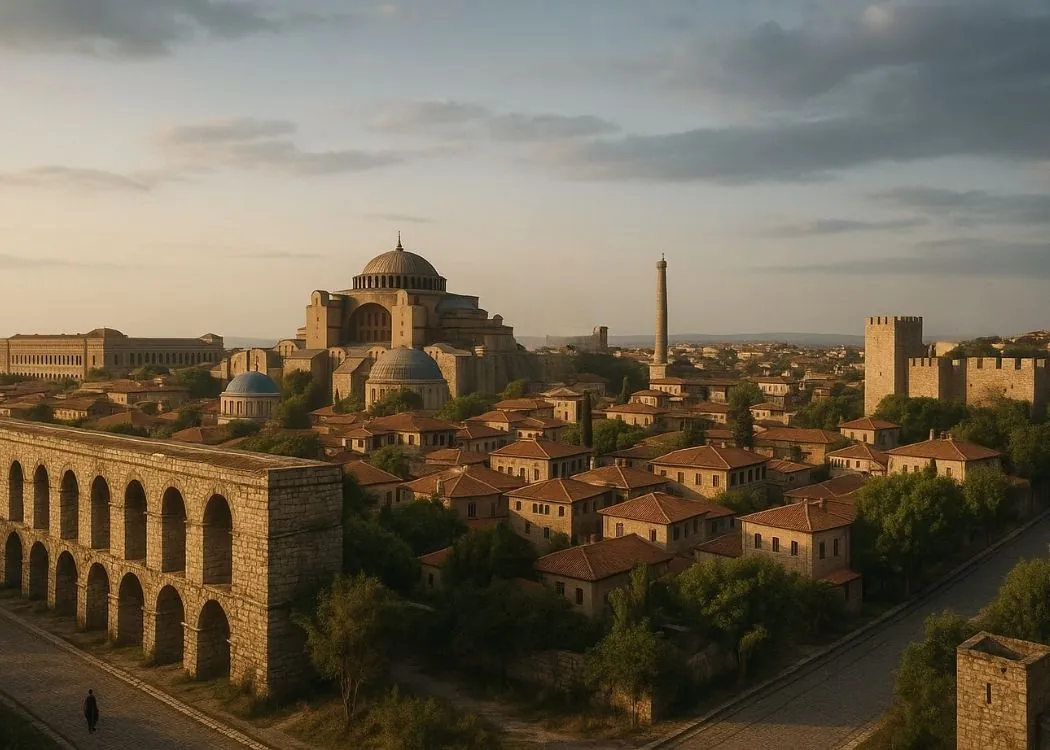
    Constantine the Great won control of the Eastern Empire in 324 CE and looked for a fresh stage for his power. He chose the modest port of Byzantion, renamed it Nova Roma at first, and formally dedicated the new capital on May 11, 330. Locals and travelers soon called the city Constantinople, the city of Constantine, because the emperor filled it with symbols of imperial pride. He brought senators from Italy, opened grain shipments from Egypt, and mapped the streets into fourteen districts, echoing the layout of old Rome. 

    history_of_istanbul


    Building came fast. Constantine ordered new land and sea walls to ring the promontory, then expanded an ancient racecourse into the huge Hippodrome, linked directly to his Great Palace where the Blue Mosque stands today. Rows of statues, an imperial box, and granite spina monuments copied the Circus Maximus in Rome. Early churches rose beside the palace, and by 360 the first Hagia Sophia stood as the city’s cathedral, its timber roof already hinting at the stone marvel Justinian will erect two centuries later. These monuments turned a trading outpost into a marble showcase. 


    Within a generation Constantinople had grown into the beating heart of the eastern Mediterranean. Latin titles ruled its courts, Greek merchants packed its quays, and scholars copied texts for libraries that rivaled Alexandria. When old Rome faltered in the fifth century, this newer Rome kept the empire’s laws, taxes, and faith alive. Its strength, and its thick stone walls, will help the city face the sieges and crises that mark the next chapter of its story.


    From Zenith to Twilight: Constantinople’s Changing Fortunes


    Istanbul’s story moves fastest in the thousand years after Constantine. The city glows, stumbles, and finally yields to a new power. Below, three linked snapshots trace that dramatic arc and show how each age prepares the ground for the next.


    The Golden Age of Byzantium


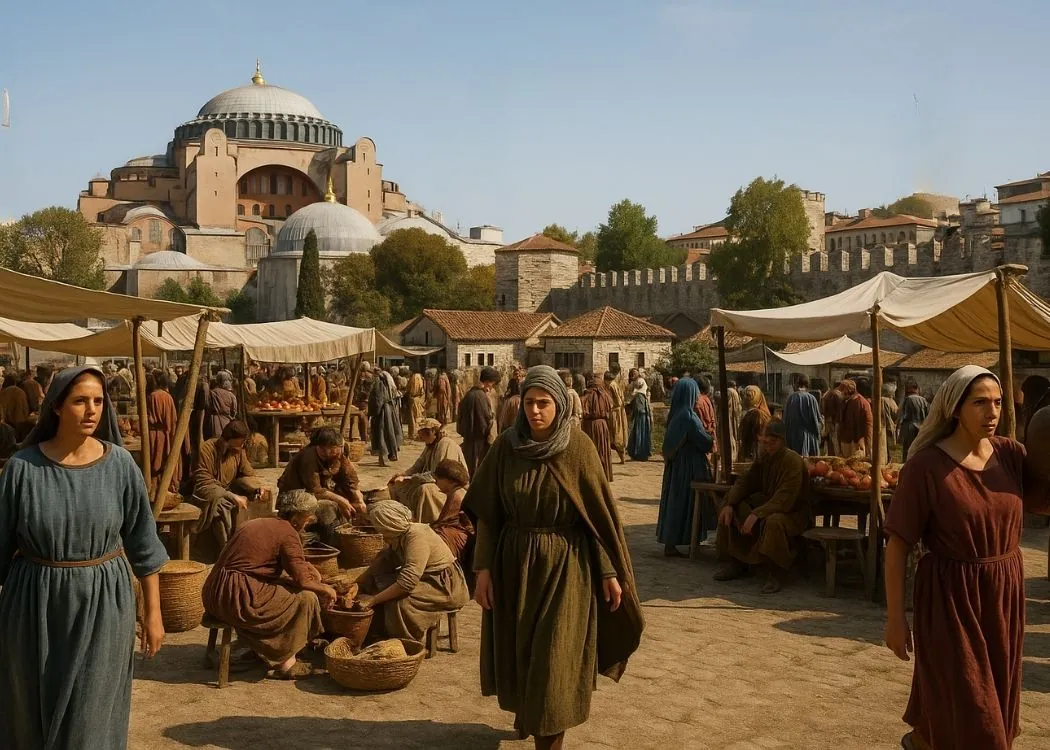
    Justinian I rules from 527 to 565 and wants his capital to dazzle. Taxes from Egypt and Syria pay for bold projects. The new Hagia Sophia opens in 537 with a dome so wide that visitors think it hangs from heaven. Mosaics cover palaces, law students copy the emperor’s Corpus Juris Civilis, and silks arrive from the Far East by caravan and ship.

    history_of_istanbul


    Trade fills the ports, scholars fill the libraries, and the city’s double walls stand firm. Constantinople becomes the lighthouse of Orthodox faith and Greek learning while the rest of Europe slips into early medieval darkness.


    Storms at the Gates


    Fortunes turn in the seventh century. Arab fleets test the sea walls, Slavic tribes raid the countryside, and a first pandemic of plague thins the streets. The city survives, but each siege drains coffers and people.


    The deepest wound comes in 1204 when the Fourth Crusade diverts here. Latin knights breach the walls, loot icons, and set fires that scar neighborhoods for decades. A fragile Latin Empire rules until 1261, yet never repairs what it burns. Byzantium returns but smaller, poorer, and surrounded by rising Turkish beyliks in Anatolia. By the early fifteenth century only the core of the old peninsula remains under imperial control.


    1453: Mehmet II Takes the City


    Sultan Mehmet II, just twenty-one, orders a final campaign in April 1453. Massive bronze cannons pound the Theodosian Walls day and night. Genoese ships try to block the Golden Horn with a chain, yet the Ottomans drag their own vessels across Galata hill to outflank the barrier.


    On May 29 the last gate falls. The young sultan rides to Hagia Sophia, prays, and converts the great church into an imperial mosque. He renames the city Istanbul in official records and invites craftsmen, merchants, and scholars from across his empire to repopulate the streets. A new era has begun, but the memory of Byzantine grandeur still lingers in every marble fragment and hidden mosaic.


    Empire to Republic: Istanbul Reinvented


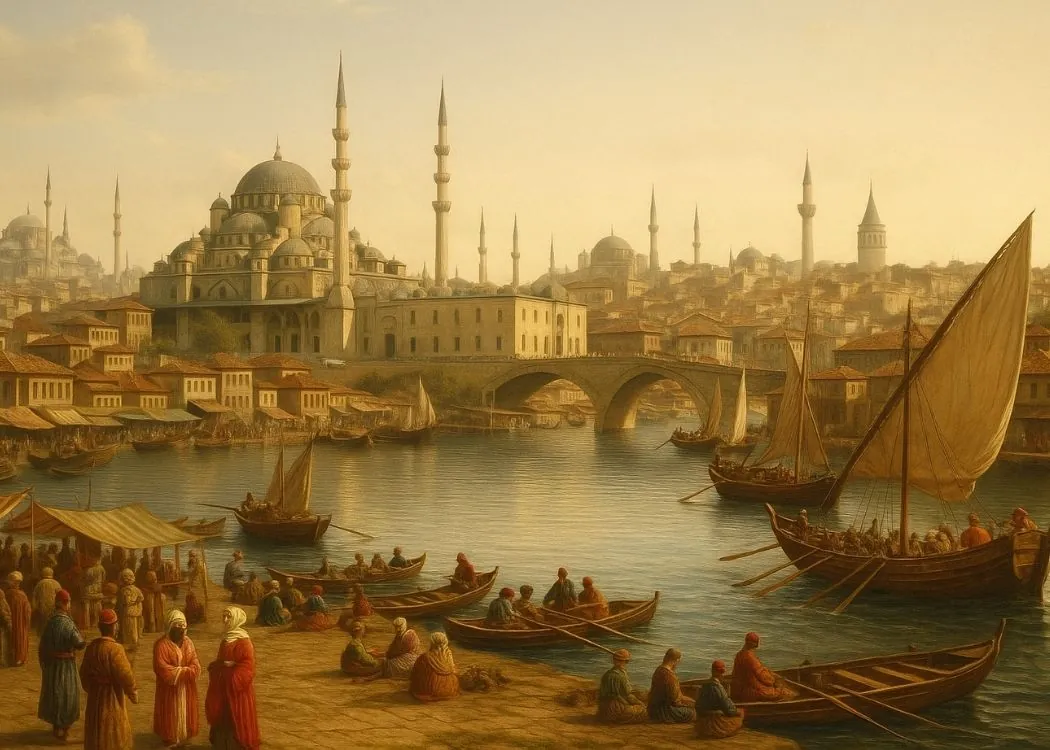
    Istanbul changed more between the fifteenth and twentieth centuries than in any period before. The Ottomans made it the seat of a vast empire. Reformers then tried to pull that empire toward modern life. Finally, the Turkish Republic turned the city into a fast-growing metropolis that kept pressing outward in every direction.

    history_of_istanbul


    Ottoman Glory and Global Exchange


    Sultans after Mehmet II filled the skyline with stone. The Süleymaniye Mosque crowned one hill. The Grand Bazaar became a maze of spices, silks, and jewels that drew traders from Venice to Samarkand. Court architects mixed Arabic calligraphy with Byzantine domes and built hundreds of fountains so the whole city hummed with water. Diplomats arrived from Europe, North Africa, and Persia because imperial edicts and trade routes all began here.


    Reform, Railways, and Upheaval


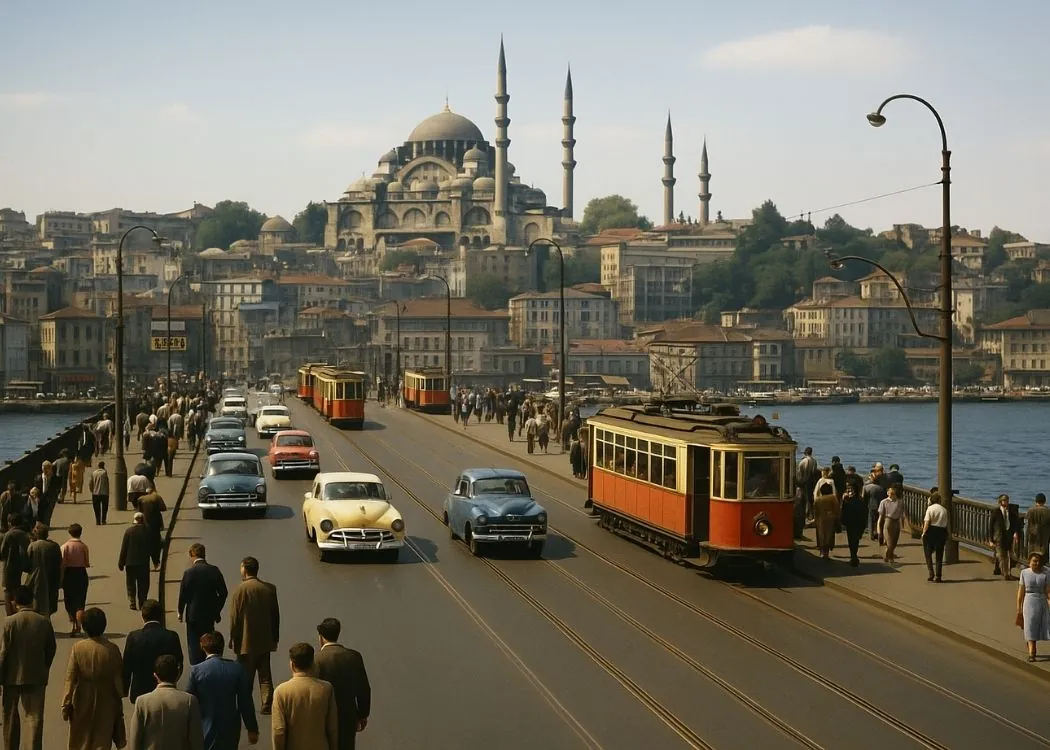
    By the early nineteenth century the empire lagged behind Europe’s factories and armies. Tanzimat ministers issued new laws, opened secular schools, and laid telegraph lines. The Orient Express steamed into Sirkeci Station in 1883, shrinking the journey from Paris to a single week. Yet modern uniforms and Western ideas stirred unrest. Revolts on the Balkan frontier and rival political clubs in the capital weakened the palace’s grip and set the stage for radical change.

    history_of_istanbul


    Republic Rise and Urban Boom


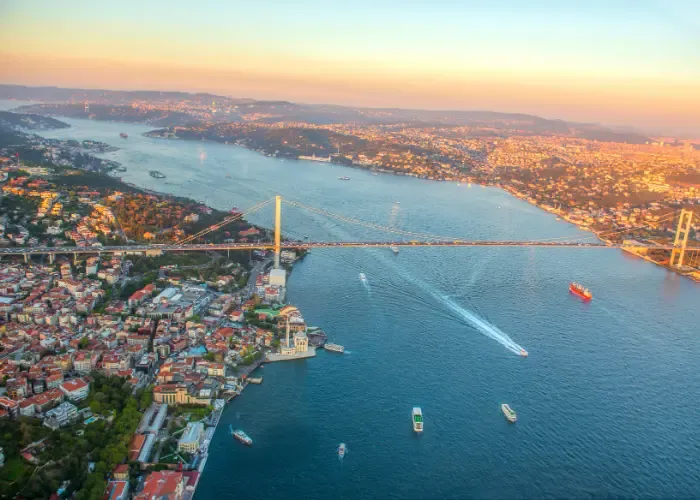
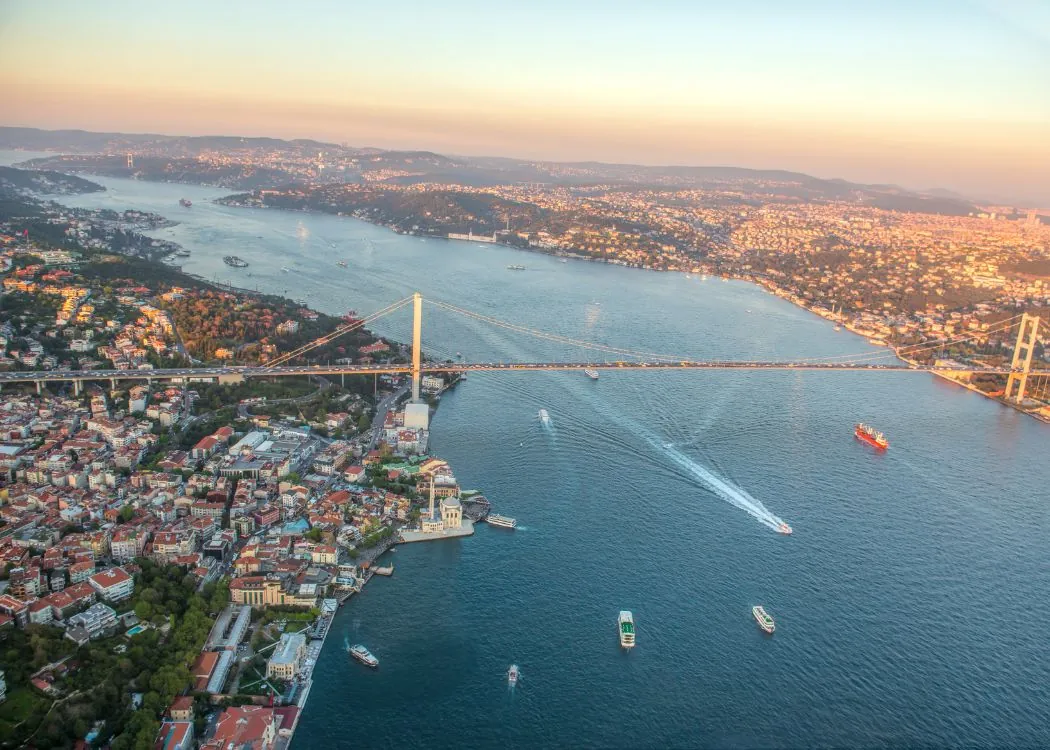
    The Ottoman era ended in 1922, and a year later the Republic of Türkiye was born. Ankara became the new capital, but Istanbul stayed the country’s cultural magnet. Population doubled in the 1950s as rural families moved in for factory work. Car ferries and the 1973 Bosphorus Bridge stitched Europe and Asia together. New districts climbed every hillside, and concrete towers replaced many old wooden houses. Today you can still sip coffee under a sixteenth-century dome, but a light-rail train may glide past the door.


    Istanbul in 2025


    The city is having a fresh growth spurt. Tech is the loudest engine: almost three-quarters of Türkiye’s start-ups base themselves here, from fintech apps to gaming studios, and the big “Take-Off Istanbul 2025” summit has already opened pre-registration for founders hunting global capital.


    Culture keeps pace. Renzo Piano’s glass-lined Istanbul Modern reopened on the Karaköy waterfront in 2023, while the reinvented Galataport next door has turned a closed dock into a promenade of museums, cafés, and design stores that stay busy long after cruise ships depart. 

    history_of_istanbul


    Public spaces are livelier too. The Atatürk Cultural Center hosts nightly concerts under its red-brick dome, and the M11 airport metro, fully extended to Gayrettepe in January 2024, now delivers visitors from the runway to the city center in half an hour. 


    With restorations such as the mosaic-covered Chora (Kariye) Mosque reopening in 2024 and new bike lanes tracing the Golden Horn, Istanbul in 2025 feels both younger and older at once, proof that every century it finds another way to reinvent itself.


    Era Place Why It Matters
    Greek Colony Archaeological Museums, Sarayburnu Marble reliefs and coins from ancient Byzantion tell how the tiny trading post began.
    Roman / Early Byzantine Hippodrome (Sultanahmet Square) Obelisks, the Serpent Column, and paving stones where chariots once thundered.
    Justinian’s Zenith Hagia Sophia The 537-built dome that defined Orthodox worship for a millennium.
    Middle Byzantine Theodosian Land Walls Fourteen kilometres of brick and limestone that defied armies for 1,000 years.
    Late Byzantine Chora (Kariye) Mosque Dazzling 14th-century mosaics and frescoes, freshly revealed after a four-year restoration.
    Ottoman Conquest Topkapı Palace Mehmet II’s seat of power; treasury and harem rooms overlook the Bosphorus.
    Classical Ottoman Süleymaniye Mosque Sinan’s masterpiece, where giant buttresses hide inside the walls.
    Tanzimat Reform Dolmabahçe Palace Crystal chandeliers and the hall where the empire flirted with European styles.
    Early Republic Galata Bridge Walk from the old city to Beyoğlu and watch anglers, trams, and ferries weave together.
    Modern Revival Istanbul Modern & Galataport Contemporary art in a sleek Renzo Piano shell beside a once-silent quay.


    Explore with Istanbul Tourist Pass®


    Travel light, scan once, and walk straight in. The fully digital Istanbul Tourist Pass® unlocks skip-the-ticket-line entry to more than 100 attractions, including the Hagia Sophia, Topkapı Palace, Basilica Cistern, and Dolmabahçe Palace, all with audio guides delivered to your phone. One QR code covers guided tours, museums, and even airport transfers, so you move from site to site without digging for cash or paper tickets. 

    history_of_istanbul


    The pass also bundles Bosphorus cruises, family parks like Vialand, and live chat support. Choose a validity of one to ten days and save up to half the cost of buying tickets separately while keeping every plan flexible. Purchase takes two minutes, the app shows real-time schedules, and you start exploring the city’s full timeline the moment you land.

  • Istanbul’s Forgotten History: Exploring the City’s Lesser-Known Past

    When we speak of Istanbul's past, names like Constantine, Sultan Suleiman, and Atatürk echo through the centuries. We conjure images of Hagia Sophia, the Blue Mosque, and the grandeur of Topkapı Palace. But beyond these celebrated symbols lies a rich tapestry of overlooked stories, forgotten districts, and hidden corners that hold secrets as powerful and fascinating as any empire.


    For curious travelers and history enthusiasts, exploring Istanbul’s lesser-known past is like peeling back layers of a living palimpsest—a city that’s been rewritten, rebuilt, and reborn countless times. Here’s your guide to discovering the side of Istanbul few tourists ever see. And with the Istanbul Tourist Pass®, these historic experiences become even more accessible and rewarding.


    The Walls of Constantinople: Silent Sentinels of an Empire


    Most visitors overlook the massive stone fortifications that once defined the edge of Constantinople. Built in the 5th century by Emperor Theodosius II, the Walls of Constantinople stretch over six kilometers and once protected the city from invaders for nearly a millennium.


    You can walk alongside these ancient ramparts, especially in areas like Yedikule and Edirnekapı, where the stones remain largely untouched by modern development. The nearby Yedikule Fortress (also known as the Fortress of the Seven Towers) offers both a historical overview and panoramic views of the Sea of Marmara.


    Tip: Combine this visit with a guided tour included in your Istanbul Tourist Pass®, which helps you make sense of what you're seeing through the lens of expert narration.


    Balat and Fener: Chronicles of Istanbul’s Minorities


    The colorful streets of Balat and Fener tell the story of the city’s multicultural legacy. Once home to Greek Orthodox Christians, Jews, and Armenians, these neighborhoods offer a mosaic of faiths, languages, and customs that shaped Istanbul’s social fabric for centuries.


    Wander past old synagogues, faded Greek Orthodox schools like the Phanar Greek Orthodox College, and houses with distinctive bay windows painted in pastel hues. Stop at the Ahrida Synagogue, one of the oldest in the city, dating back to the 15th century.


    These quiet streets whisper stories of coexistence, exile, and resilience. Many self-guided walking tours of Balat are included in the Istanbul Tourist Pass®’s curated experiences.


    The Byzantine Underground: Cisterns and Forgotten Engineering


    While most tourists marvel at the grandeur of the Basilica Cistern, far fewer know about the many other cisterns lying beneath the city. These ancient subterranean reservoirs were critical to the city's survival during sieges and droughts.


    Theodosius Cistern, less crowded than its more famous counterpart, recently reopened after restorations and offers a more intimate look at Byzantine engineering. The Binbirdirek Cistern, near the Hippodrome, is another gem often skipped by crowds.


    With the Istanbul Tourist Pass®, skip-the-line access to the Basilica Cistern and guided explanations of these underground marvels are part of your package.


    Lesser-Known Mosques with Powerful Stories


    Beyond the Blue Mosque and Süleymaniye Mosque lie quieter sanctuaries with equally rich histories:


    • Mihrimah Sultan Mosque in Üsküdar, designed by Sinan for the daughter of Suleiman the Magnificent, is an architectural poem to female power and piety.

       
    • Zeyrek Mosque, formerly the Church of Christ Pantokrator, is one of the few remaining examples of Byzantine religious architecture still in use today.

       
    • Sancaktar Hayrettin Mosque, once a Byzantine chapel, offers a blend of Roman brickwork and Ottoman restoration rarely seen elsewhere.


    These places are not just beautiful—they are powerful symbols of Istanbul’s layered past.


    Ottoman Cemeteries and Forgotten Tombs


    Hidden behind stone walls or tucked into quiet corners are some of Istanbul’s oldest cemeteries. The Eyüp Sultan Cemetery rises along the hill leading to the Pierre Loti Café. Its winding path, filled with centuries-old gravestones, speaks of Ottoman court officials, dervishes, and poets long forgotten.


    The Karacaahmet Cemetery on the Asian side is one of the largest and oldest in Turkey, a place where trees grow tall among intricately carved headstones.


    These locations offer reflective, often poignant insights into Istanbul’s spiritual and social past—often without the crowds.


    The Story of the City Beneath the City


    Few realize that Istanbul’s modern metro system has unearthed some of its greatest archaeological finds. During the construction of the Marmaray rail project, archaeologists discovered a Byzantine-era harbor (Yenikapı) filled with ancient shipwrecks and artifacts.


    Although much of it is still under excavation, parts are occasionally exhibited at nearby museums. These recent discoveries serve as a reminder: history in Istanbul is never static. It is constantly being uncovered.


    Rediscover the Hidden Istanbul with the Istanbul Tourist Pass®


    If you're a traveler who enjoys uncovering what most others miss—quiet alleys, lost architecture, and forgotten tombs—then Istanbul’s lesser-known history is waiting for you.


    The Istanbul Tourist Pass® is your key to unlocking these experiences. With over 100 attractions and tours included, you’ll gain not just access, but deeper understanding, guided insights, and seamless entry into a city layered with secrets. From hidden cisterns to ancient walls, from neighborhood walks to river cruises—a deeper Istanbul is waiting beneath the surface.


    Rediscover history beyond the headlines. Buy your Istanbul Tourist Pass® today and step into the forgotten heart of the world’s most storied city.

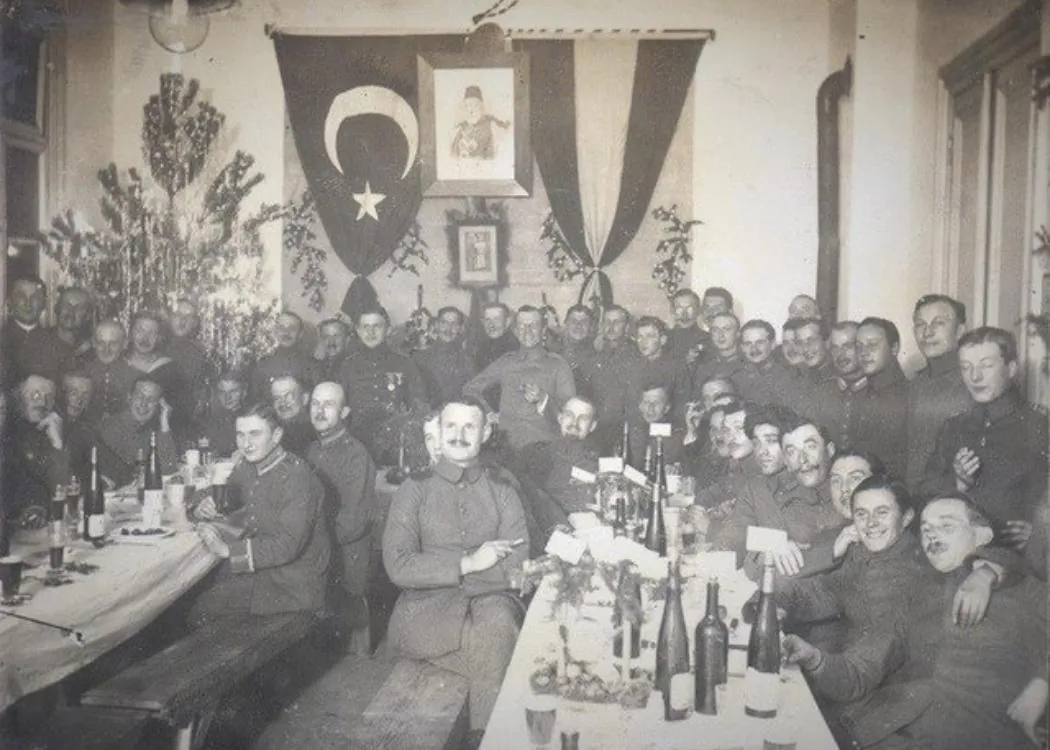
  • Christmas and New Year’s Eve in Istanbul: Ottoman Empire and Modern Turkey

    Istanbul, the heart of the Ottoman Empire, is a city steeped in history and culture. Now, it is a vibrant metropolis that embraces its rich heritage while also looking towards the future. During the Ottoman era, Istanbul was a melting pot of cultures and religions, and this is reflected in the city's many festive celebrations. Perhaps the most well-known of these is Christmas, which is celebrated by Christians around the world on December 25th.


    Today's Istanbul, with its rich history and vibrant culture, is a captivating destination to celebrate Christmas. The city's blend of Ottoman architecture, bustling bazaars, and charming neighborhoods creates a unique atmosphere that perfectly complements the festive spirit of the season. From exploring the historical parts of the city to indulging in traditional Turkish cuisine, Istanbul offers a truly amazing Christmas experience. Let’s have a look for the perfect gift to give yourself for Christmas: Istanbul Tourist Pass®.


    In the modern era, experiencing Christmas in Istanbul and New Year's Eve in Turkey has been made even more enchanting with the introduction of the Istanbul Tourist Pass®. This innovative digital pass, crafted by a seasoned tourist agency with over 30 years of experience, opens the doors to 100+ attractions and services. With the Istanbul Tourist Pass®, visitors can seamlessly navigate the city's festive offerings, enjoying guided tours to iconic sites like the Hagia Sophia Mosque and the Topkapi Palace, skip-the-line entrance tickets to amazing experiences, discounted hop-on-hop-off bus tours, delightful cruises, and various transportation alternatives. The pass not only simplifies the exploration of Istanbul's historical and cultural gems but also enhances the Christmas celebration by providing convenient access to the city's vibrant festivities. You can fall in love with the rich heritage of the Ottoman Empire or experience the modern delights of Christmas in Istanbul, the Istanbul Tourist Pass® adds a touch of convenience and magic to the holiday experience. So why wait? Buy your Pass Now!


    Early Christmas and New Year Celebrations in Ottoman Times


    Christmas was not officially celebrated in the Ottoman Empire but there were early records of New Year's celebrations taking place in Istanbul. These celebrations were often held by foreign diplomats and their families, and they were attended by members of the Ottoman court and other dignitaries.


    Today's Istanbul, with its rich history and vibrant culture, is a captivating destination to celebrate Christmas. The city's blend of Ottoman architecture, bustling bazaars, and charming neighborhoods creates a unique atmosphere that perfectly complements the festive spirit of the season. From exploring the Hagia Sophia and the Blue Mosque to indulging in traditional Turkish cuisine, Istanbul offers a truly enchanting Christmas experience.


    1829: First Recorded New Year Celebration at the British Ambassador's Ball


    In 1829, the British ambassador to the Ottoman Empire, Robert Liston, hosted a New Year's ball at his residence in Pera. The ball was attended by Sultan Mahmud II and his court, as well as by members of the diplomatic corps and the local elite. This was the first time that a New Year's ball had been held in Istanbul, and it marked a growing tolerance for foreign customs and traditions within the Ottoman Empire.


    1856: Sultan Abdülmecid's Attendance at the French Ambassador's New Year Ball


    In 1856, Sultan Abdülmecid made history when he attended a New Year's ball hosted by the French ambassador to the Ottoman Empire. This was the first time that an Ottoman sultan had attended a public celebration of a Christian holiday. Sultan Abdülmecid's attendance at the ball was seen as a sign of his commitment to reform and his desire to modernize the Ottoman Empire.


    Christmas Celebrations in Ottoman Istanbul


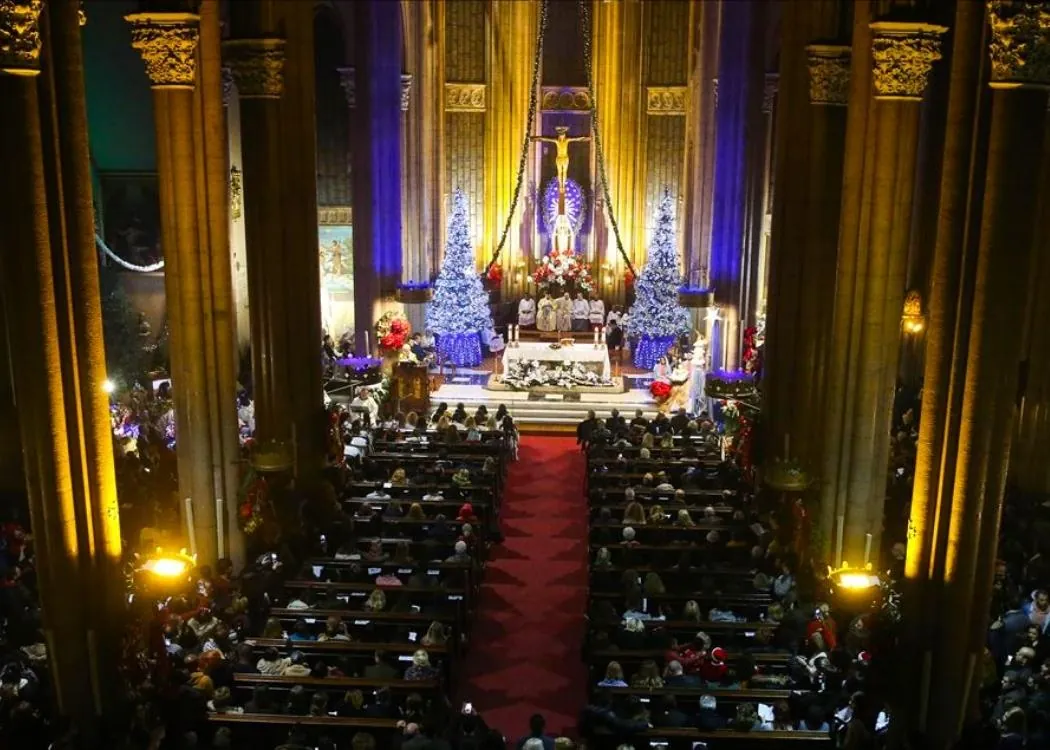
    Christmas was not an official holiday in the Ottoman Empire but there were pockets of Christmas celebrations among the Christian minority, particularly the Armenians and Greeks. These communities held religious services, exchanged gifts, and enjoyed festive meals, creating their own unique Christmas traditions within the Ottoman context.


    Armenian Christmas Traditions


    Armenians in Istanbul celebrated Christmas with a blend of religious and cultural traditions. They attended church services on Christmas Eve, followed by a festive meal called "noche buona." Traditional Armenian Christmas dishes included stuffed grape leaves, roasted lamb, and sweet pastries.


    Greek Christmas Traditions


    Greek communities in Istanbul also held Christmas celebrations, often centered around their churches and community centers. They attended church services, sang Christmas carols, and exchanged gifts. Traditional Greek Christmas dishes included roasted lamb, pork, and various sweet treats.


    First Introduction of Christmas Celebrations


    As the Ottoman Empire modernized and interacted more closely with European nations, Christmas celebrations gradually gained popularity among the city's Christian minority. Churches began holding special services, and homes were adorned with festive decorations.


    The Legacy of Christmas Celebrations in Ottoman Istanbul


    Despite not being an official holiday, Christmas celebrations in Ottoman Istanbul left a lasting legacy. The city's diverse communities embraced the spirit of the season, adapting and incorporating their own cultural traditions into the festivities. This legacy continues today, as Istanbul welcomes visitors from around the world to experience its unique blend of Christmas traditions.


    The Rise of Christmas Markets and Festivities


    In the late 19th and early 20th centuries, Christmas markets and festivities became a familiar sight in Istanbul, particularly in the Galata and Beyoğlu districts. These events attracted both locals and tourists, further solidifying Christmas as a part of the city's cultural fabric.


    Evolution of New Year Celebrations in Turkish Society


    During the Ottoman era, New Year's Eve was primarily celebrated by the Christian and Jewish communities in Turkey. These communities held religious services and social gatherings to mark the beginning of the new year. The wider Turkish population, predominantly Muslim, observed the Islamic New Year, known as Nevruz, which falls on March 20 or 21.


    The celebration of New Year's Eve in Turkey has undergone a significant transformation over the years, reflecting the country's social, cultural, and political evolution. From its roots in Ottoman traditions to its adoption of Western customs, New Year's Eve in Turkey has become a vibrant and diverse celebration that encompasses a blend of old and new traditions.


    Early New Year Celebrations in Turkey


    In the early days of the Turkish Republic, New Year's Eve was not widely celebrated. The emphasis was placed on Nevruz, the traditional spring festival, which marked the beginning of the new year in the Turkic calendar. However, as Turkey modernized and adopted Western-style calendars, New Year's Eve gradually gained in popularity.


    In 1926, Turkey officially adopted the Gregorian calendar, aligning its calendar system with that of most Western countries. This shift paved the way for a more widespread embrace of Western New Year's Eve celebrations among the Turkish population.


    Adoption of Western Traditions


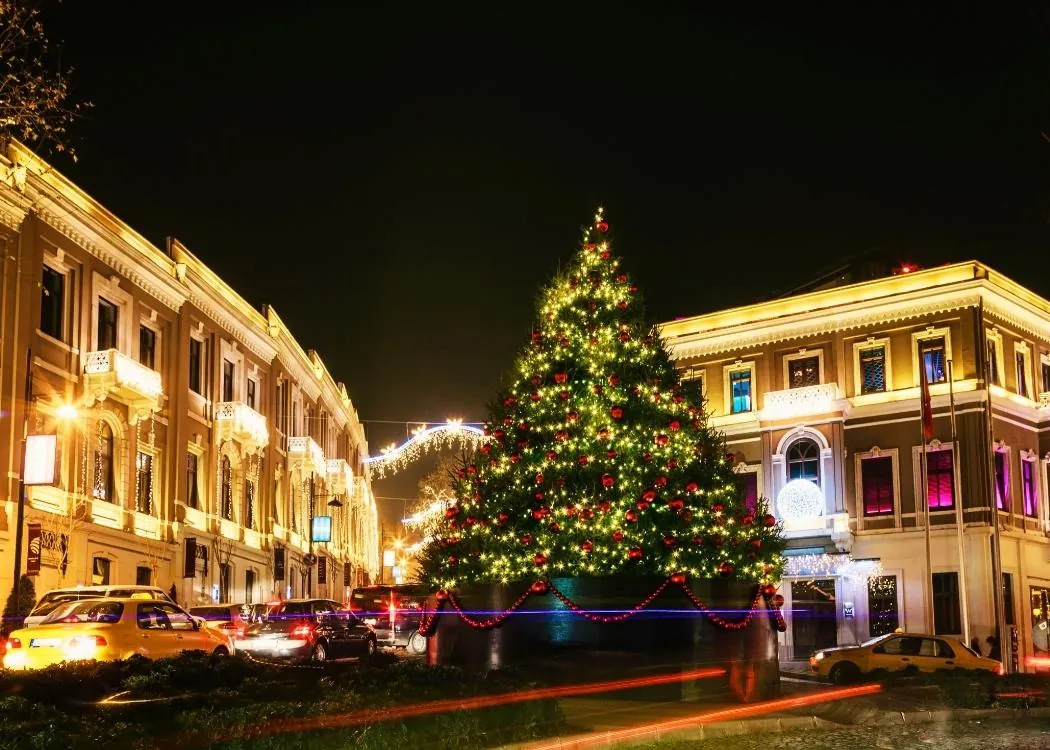
    In the 1920s and 1930s, under the leadership of Mustafa Kemal Atatürk, Turkey underwent a period of rapid modernization and Westernization. This included the adoption of the Gregorian calendar and the official recognition of January 1 as the start of the new year. As a result, New Year's Eve celebrations began to take on a more Westernized form, with the introduction of Christmas trees, Santa Claus, and other familiar symbols of the Western holiday season.


    The Rise of Secular New Year Celebrations


    While adopting Western New Year's Eve traditions, Turkish society also integrated its own customs and beliefs into the festivities. The wearing of red, a symbol of luck and prosperity, became a common practice. Additionally, the tradition of breaking a pomegranate, believed to bring abundance and fortune, gained popularity.


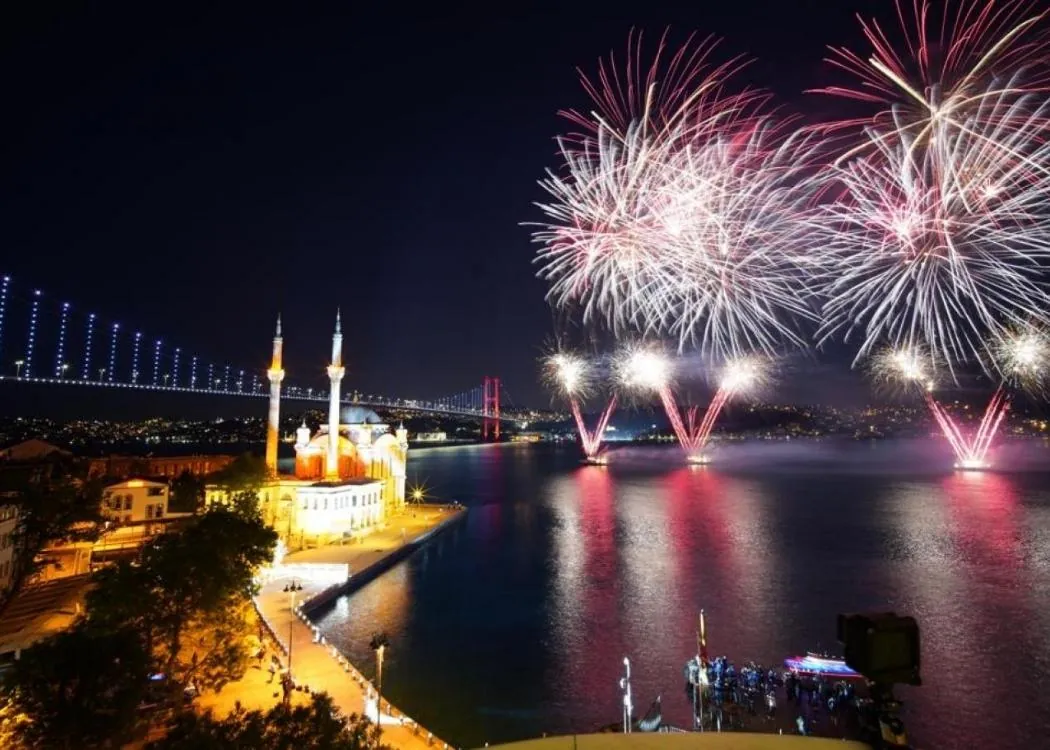
    In keeping with Turkey's secular traditions, Istanbul New Year's Eve celebrations focused on secular aspects rather than religious ones. Public festivities were organized in major cities, featuring fireworks displays, concerts, and street parties. These events attracted people from all walks of life, reflecting the country's diverse population.


    The Influence of Globalization


    In recent years, globalization has further impacted New Year's Eve celebrations in Turkey. The internet and social media have exposed Turkish people to a wider range of cultural influences, leading to the adoption of new traditions and practices. For instance, the popular tradition of New Year's resolutions has become increasingly common in Turkey, reflecting the country's growing integration into the global community.


    New Year's Eve in Contemporary Turkey


    Today, New Year's Eve is a widely celebrated holiday in Turkey, with a mix of traditional and modern customs. While Christmas trees and Santa Claus remain popular symbols, there is a growing emphasis on secular festivities and the celebration of new beginnings. Public events are still a major attraction, with cities like Istanbul putting on spectacular fireworks displays and concerts. However, private gatherings and home celebrations are also becoming increasingly popular, allowing people to connect with their families and friends in a more intimate setting.


    New Year's Eve in Turkey has evolved from its humble beginnings as a minor holiday to a national celebration that reflects the country's unique blend of tradition and modernity. It is a time for people to come together, reflect on the past year, and look forward to the future with hope and optimism.


    New Year's Eve has become a unifying force in Turkish society, bringing together people from diverse backgrounds to celebrate the start of a new year with hope and optimism. It is a time for reflection and renewal, a chance to let go of the past and embrace the future with open arms.


    The celebration of New Year's Eve in Turkey reflects a unique blend of Western and Turkish traditions. While Christmas trees, Santa Claus, and exchanging gifts remain popular customs, traditional Turkish elements such as playing okey (a Turkish board game), eating a special New Year's Eve meal called "Yılbaşı yemeği," and wearing red clothing for good luck are also widely observed.


    New Year's Eve has become a significant occasion in Turkish society, bringing people together to celebrate the passing of one year and the beginning of another. It serves as a symbol of unity and cultural diversity, showcasing the country's rich heritage and its embrace of modern traditions. Especially in Istanbul, visitors and locals celebrate New Year's Eve and Christmas with great events and activities.


    Official Recognition and Transformation of New Year's Eve


    The celebration of New Year's Eve in Turkey underwent a significant transformation during the early years of the Republic of Turkey, gaining official recognition and becoming a cornerstone of the country's cultural calendar.


    1936: First Official New Year Holiday Declared


    In 1936, a significant milestone was reached in the evolution of New Year's Eve celebrations in Turkey when the government officially declared it a national holiday. This decision further cemented the holiday's importance in Turkish society and reflected the growing adoption of Western New Year traditions.


    1938: Mustafa Kemal Atatürk's Response to New Year Greetings


    In 1938, Mustafa Kemal Atatürk, the founder of the modern Turkish Republic, sent a message of goodwill and unity in response to New Year's greetings from various sectors of Turkish society. This act highlighted the importance that Atatürk placed on New Year's Eve as a unifying occasion for all citizens of Turkey.


    Atatürk's message emphasized the importance of social cohesion and national unity, stating: "The New Year is a symbol of hope and renewal. It is an occasion for us to reflect on our past, to evaluate our present, and to look towards the future with determination and resolve. Let us enter the New Year with a renewed sense of unity and purpose, and let us work together to build a brighter future for our nation."


    Impact of Atatürk's Leadership on New Year Traditions


    Atatürk's leadership played a crucial role in shaping the celebration of New Year's Eve in Turkey. His modernization reforms and emphasis on secularism contributed to the adoption of Western New Year traditions, while his message of unity and social cohesion helped to establish the holiday as a symbol of national identity.


    New Year's Eve as a Reflection of Turkish Modernization


    The official recognition and transformation of New Year's Eve in Turkey reflect the country's embrace of modernization and its integration into the global community. The holiday has evolved from its roots in ancient Anatolian traditions to become a celebration that blends Western and Turkish customs, showcasing Turkey's rich cultural heritage and its place in the modern world.


    The celebration of New Year's Eve in Turkey has undergone a remarkable journey, reflecting the country's changing cultural and social landscape. From its ancient origins to its modern-day status as a national holiday, New Year's Eve has evolved into a vibrant and festive occasion that is enjoyed by people of all ages and backgrounds. It stands as a testament to Turkey's rich history, diverse traditions, and embrace of modernization.


    Contemporary New Year Celebrations in Turkey


    New Year's Eve has evolved into a widely celebrated and enthusiastic occasion in Turkey, reflecting the country's cultural dynamism and its embrace of modern traditions. The holiday is marked by a blend of traditional Turkish customs and Western-inspired festivities, creating a unique and vibrant atmosphere.


    Current Enthusiasm for New Year's Eve


    New Year's Eve has gained immense popularity in Turkey, becoming one of the most anticipated and celebrated holidays of the year. People from all walks of life eagerly await the opportunity to usher in the new year with joy, laughter, and hope.


    Modern Traditions: Christmas Invitations, Street Celebrations, and Gift Exchange


    While New Year's Eve remains a secular holiday in Turkey, the influence of Western traditions is evident in the way the holiday is celebrated. Christmas invitations are becoming increasingly common, particularly among urban populations, and the exchange of gifts has become a popular custom.


    Street Celebrations and Public Events


    Large-scale public celebrations are a hallmark of New Year's Eve in Turkey. Major cities like Istanbul, Ankara, and Antalya host vibrant street parties featuring live music, fireworks displays, and other entertaining attractions. These events draw large crowds of enthusiastic revelers eager to ring in the new year together.


    Modern Traditions


    New Year's Eve retains its secular nature in Turkey and it has absorbed some elements of Western Christmas traditions. Christmas trees, Santa Claus (Noel Baba), and exchanging gifts have become increasingly popular, particularly among urban populations. However, these Western traditions are often blended with unique Turkish customs, creating a distinctive New Year's Eve experience in Turkey.


    Christmas-themed invitations to parties and gatherings are common, and many people incorporate Christmas decorations into their homes. Street celebrations, particularly in major cities like Istanbul and Ankara, attract large crowds eager to enjoy music, fireworks displays, and other entertainment. The exchange of gifts remains an integral part of New Year's Eve celebrations, with friends and family members exchanging presents to express their affection and well wishes.


    New Year's Eve has become a significant commercial event in Turkey. Brands capitalize on the holiday's popularity by launching special promotions and marketing campaigns. Gift-giving remains a significant part of the festivities, with people exchanging tokens of appreciation and affection with loved ones.


    New Year's Eve Parties and Private Gatherings


    Alongside public celebrations, New Year's Eve parties and private gatherings are a popular way for people to celebrate. Friends and families come together to enjoy festive meals, play games, and exchange New Year's resolutions.


    New Year's Eve serves as a symbolic moment of reflection and anticipation. People look back on the past year with gratitude and look forward to the future with hope and optimism. The holiday is a time to renew aspirations, set new goals, and embrace new beginnings.


    A New Year's Eve to Remember: Cruise over the Bosphorus


    Ready to ring in the New Year in style? Join us for an unforgettable night on the Bosphorus. With Istanbul Tourist Pass®, you can enjoy a luxurious New Year dinner cruise, complete with delicious food, live music, and mesmerizing dance performances.


    As you sail past iconic landmarks, you'll be treated to stunning views of the city skyline. Sip on your favorite drinks, indulge in a gourmet meal, and watch talented dancers and musicians captivate the crowd.


    This is the perfect way to celebrate the start of a new year in Istanbul with friends and family. Book your spot now and create lasting memories on the Bosphorus.


    New Year's Eve in Istanbul with Istanbul Tourist Pass®


    As the clock ticks towards the grand celebration of New Year's Eve in Istanbul, the Istanbul Tourist Pass® emerges as an indispensable key to unlocking an unforgettable experience. With access to over 100 attractions and services, this digital card transforms the city into a playground of festive delights. Begin the evening by skipping the lines and immersing yourself in guided tours through historical landmarks, unraveling the rich tapestry of Istanbul's history. The pass offers discounted opportunities for a magical journey on the hop-on-hop-off bus tour, providing panoramic views of the city's glittering skyline as the anticipation builds.


    Cruise along the Bosphorus with ease, taking in the spectacular fireworks display that illuminates the night, all made more accessible with the Istanbul Tourist Pass®. Delight in traditional Turkish cuisine at select venues, savoring the flavors of the season. With the pass in hand, navigating the vibrant New Year's Eve celebrations in Istanbul becomes seamless, ensuring an enchanting start to the year.

  • Most Popular Historic Mosques You Must Visit in Istanbul

    Istanbul is one of the most culturally rich and diverse cities in the world thanks to its deep history which is comprised of many empires, cultures, and religions. Because of this, you can find numerous historically significant sites here, from churches to various museums to fortresses. But there is no doubt that the influence of the Ottomans in Istanbul was the most significant, so there are many old mosques that still stand today. Since these are some of the most interesting parts of the city, we prepared this guide so you don’t miss these amazing historic mosques in Istanbul.


    Before we dig into these amazing architectural wonders, let’s talk about Istanbul Tourist Pass® and the 100+ amazing attractions included in it. Istanbul’s first and most comprehensive tourist card, Istanbul Tourist Pass®, is created with years-long experience and deep love for this beautiful city. We want you to love this city as much as we do, and to save time & money in your journey so you can come back again. Now let’s check out


    Hagia Sophia Mosque


    Hagia Sophia is now serving as an active mosque before. It was converted into a museum before but you can see many church parts of the building as well as many Islamic artworks and relics inside. Nonetheless, Hagia Sophia is one of the most famous attractions in the world for a reason. It is no wonder that this cornerstone of architecture is considered the 8th wonder of the world. Built-in the 5th century as the Greek Orthodox Christian patriarchal cathedral, this magnificent monument witnessed two of the largest empires in the history of mankind. It is said that Hagia Sophia alone changed the course of architecture and stayed as the largest cathedral in the world for around 1000 years. When Mehmet the Conqueror took Istanbul, he converted this place into a mosque. In 1931, it became a museum and then it was converted into a mosque again.


    Since it is an active mosque right now, you need to have long pants or skirts, and women must cover their heads with a scarf or a hat. You don’t need to bring them with you, you can just borrow them at the entrance. And one final note, you’ll take your shoes off before entering the mosque because it is covered with carpet. So you may need to choose your socks accordingly.


    Inside, the historical mosque parts like the minbar, mihrab, low-hanging chandeliers, and Islamic inscriptions still catch the eye easily. Other than that, you can see many amazing relics and artworks, like urns, columns, and doors. There are countless amazing Christian mosaics on the walls too.


    Hagia Sophia is a place where you can miss too much if you are not with an informative guide with you. That’s why we have an amazing Hagia Sophia Skip-the-Line Online Ticket with a Audio Guide for you to enjoy this place at its best.


    Blue Mosque


    Easily one of the most famous mosques in not only Istanbul but the whole country as well, Sultanahmet Mosque still draws thousands of visitors from all around the world each month. Famously known as Blue Mosque amongst tourists, it gets this name from the beautiful blue Iznik tiles that decorate the inside. Built in 1616 during the reign of Sultan Ahmed, this mosque is a marvel no matter where you look at it from. Like other imperial mosques of Istanbul, it was built as a complex, so it also includes a madrasah, Sultan Ahmed’s tomb, and a hospice. This grand monument has six minarets and five main domes. Its entire design is perfectly symmetrical. Inside, you will see the peak of Ottoman mosque architecture as the atmosphere and the artistic value of this mosque are simply unparalleled. This mosque is definitely one of the most important parts of the Old City of Istanbul.


    Blue Mosque is under construction in 2023 so right now it is not possible to see inside but, with our guided tours to Old City Highlights Tour you will learn a lot about this beautiful historical mosque as well.


    Suleymaniye Mosque


    Designed by Mimar Sinan for the famous Ottoman emperor Suleiman the Magnificent, Suleymaniye Mosque is one of the top mosques in Istanbul. It was built in 1557 at the highest point of the historical peninsula. It has a very large courtyard at the entrance with a fountain at the center. While walking to the entrance in this yard, you get to see the amazing exterior built with marble, granite, and porphyry along with its large dome and four minarets. When you get inside, you will be amazed just like you would in any other imperial mosque. The main dome, decorations on the walls, the spherical design, religious inscriptions, and the low-hanging large chandelier; of them play a role in creating a unique atmosphere.


    We have created an audio guide for you to listen to during your visit to Suleymaniye Mosque. In this audio guide, you will find out the history and important information about the structure.


    Rustem Pasha Mosque


    Another spectacular work of Mimar Sinan, Rustem Pasha Mosque was built for the grand vizier of Suleyman the Magnificent, Rustem Pasha, who was also the husband of one of the daughters of Sultan Suleyman. The main feature that sets it apart from other old mosques in Istanbul is that it is built above the street level, on top of a series of shops. These shops supported the mosque both physically and financially.


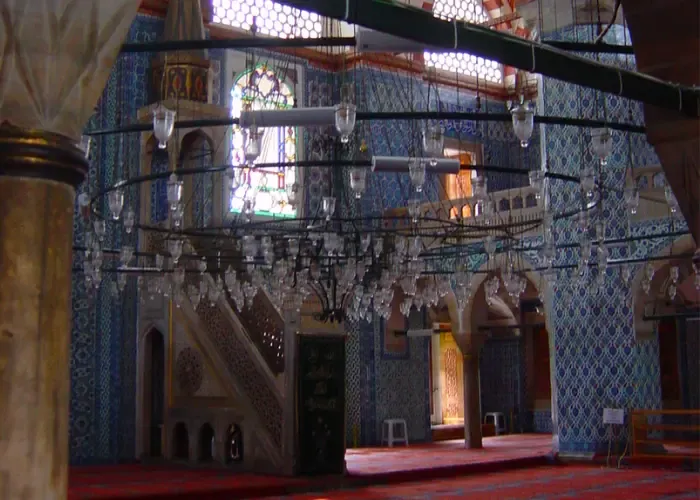
    Inside, the Rustem Pasha Mosque is known for its use of Iznik tiles. There is a great number of Iznik tiles in use here, so much so that no other mosque uses these tiles as much as Rustem Pasha Mosque. These tiles have more than 80 different patterns for different sections of the interior. All in all, it is one of the most beautiful mosques in Istanbul.


    Mihrimah Sultan Mosques


    There are two Mihrimah Sultan Mosques in Istanbul. While that may seem confusing, learning the amazing story behind this fact will transform this confusion into bewilderment.


    These two mosques were made by the famous chief Ottoman architect Mimar Sinan at the request of the daughter of Sultan Suleiman, Mihrimah Sultan. The mosque in Uskudar was built on a high hill while the one in Edirnekapi was built in a rather unknown place. The interesting thing is, in Persian, Mihr-u Mah means “sun and moon”. Knowing this, Mimar Sinan built the mosques in such locations that every year during April and May, sunsets down behind one of the mosques and the moon rises behind the other.


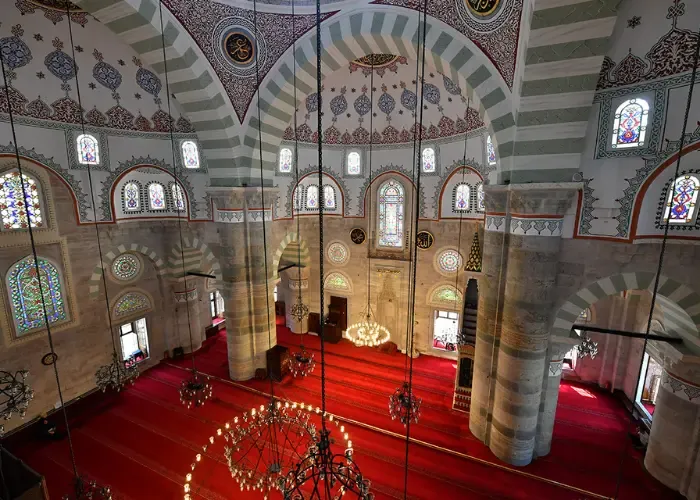
    Apart from this amazing story, the mosques are magnificent as they are examples of Mimar Sinan’s earlier works. Mihrimah Sultan Mosque in Uskudar is the smaller one. It has one big main dome like most of Sinan’s works and 3 semi-domes. Its thin minarets, various Islamic scriptures, and great interior design definitely stand out. Mihrimah Sultan Mosque in Edirnekapi is a bigger mosque with a courtyard. This courtyard is surrounded by semi-open corridors with an ablation fountain in the middle. Its inside is more decorated and modern, caused by the restorations.


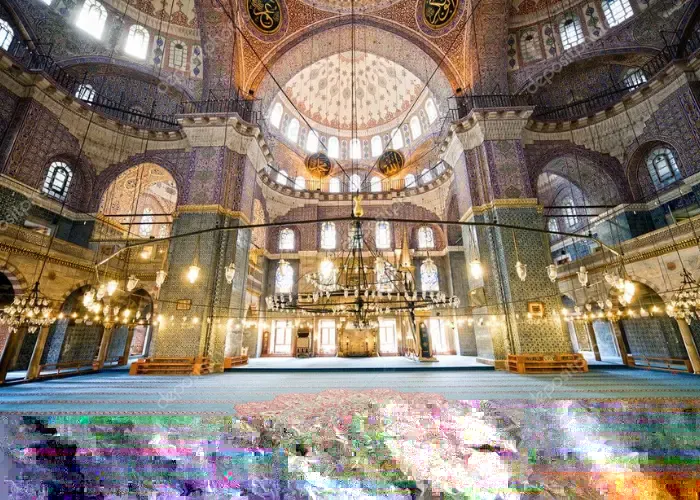
    New Mosque


    While its name may make it seem like this mosque is new, its history goes back more than 4 centuries. Its construction was ordered by the wife of Sultan Murad III, Safiye Sultan, in 1595. But due to conflicts in the court about the mosque’s economic implications, the construction was stopped midway through 1603. After this, the mosque gradually decayed and was mostly destroyed in the Great Fire of Istanbul in 1660. It was completed by the Turhan Sultan, who was the mother of Sultan Mehmed IV. Since Turhan Sultan was the second Valide Sultan to have a part in the construction of this mosque, the mosque was named “Yeni Valide Sultan Camii” (New Valide Sultan Mosque), but this gradually shortened to Yeni Camii (New Mosque).


    In terms of aesthetic value, this mosque is one of the best historic mosques in Istanbul. This large building looks beautiful from the outside, especially with the yellow lighting that turns on around it after the sun sets. Its 66 domes and semi-domes along with its 2 minarets stand out from the rest of the city. Since it is an imperial mosque, it was built as a complex, which also included a primary school and a spice bazaar.


    The inside of the mosque is breathtaking as the natural lighting provided by the countless windows makes it so that every piece of art on the walls is clearly visible. Iznik tiles of various colors create a colorful sight while Islamic calligraphy plates stand out amongst the detailed walls of the interior. When you take all of these into account, New Mosque is definitely among the Istanbul Classics.


    There is so much to do in Istanbul’s every corner. For you not to get lost among these thousands of things we have gathered the most popular and the best attractions for you in the Istanbul Tourist Pass®. We differ in service quality, customer care, and our guide team. Choose the best, and buy your Pass today.


    FAQ


    What is the oldest mosque in Istanbul?


    Hagia Sophia Mosque is the oldest mosque in Istanbul. There is also the Arap Mosque one of the oldest mosques in Istanbul. These mosques are both converted into mosques from Roman churches after the conquest of Istanbul.


    How many famous mosques are there in Istanbul?


    There are 3.469 mosques in Istanbul by the end of 2022.


    What are the two main mosques in Istanbul?


    Hagia Sophia Mosque and Blue Mosque are the two most popular mosques in Istanbul. Istanbul Tourist Pass® has great guided tours to both.


    Which is older Hagia Sophia or Blue Mosque?


    Hagia Sophia is much older than Blue Mosque. In fact, Hagia Sophia is one of the oldest still-active buildings in the world.

  • History and Today of Grand Bazaar, Insider Tips

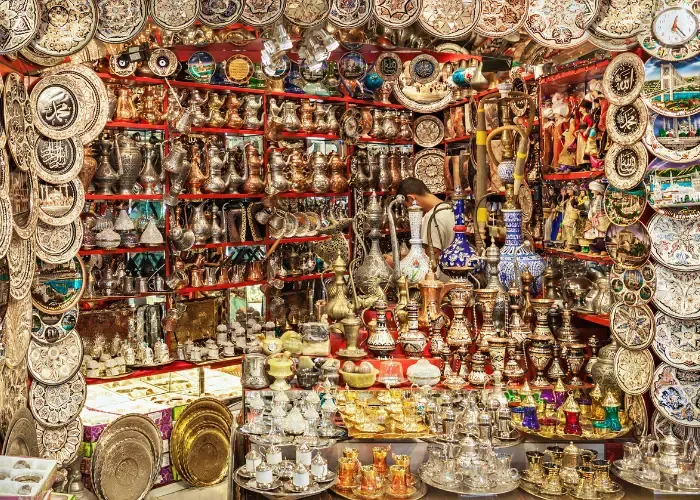
    The Grand Bazaar has grown over time to include a variety of services in addition to direct commerce. It also includes restaurants, the most recent of which was the renowned chef Nusret Gökçe's Salt Bae restaurant last year, a mosque, a hammam, and its own police station, as if it were a suburb or an area in and of itself. You will approach the covered market Grand Bazaar in Istanbul or the “Kapalı Çarşı” if you enter from Beyazit Gate, Nuruosmaniye Gate, Urgo Gate, or Sorguçlu Han Gate.


    The Grand Bazaar in Istanbul is a popular destination for most visitors since it is the world's largest covered market. The Grand Bazaar's ancient history is full of tales and legends about its beauty and heritage.


    With Istanbul Tourist Pass®, you can join a guided tour of the Grand Bazaar. We strongly recommend you visit this amazing place with a guide especially if it is your first time there. You'll be amazed by the richness of culture and history of the Grand Bazaar.


    Here check out other 100+ attractions you can visit for FREE with Istanbul Tourist Pass®, and if you love history, don't forget to book your place for guided tours! Let's start digging into the history of Grand Bazaar.


    Grand Bazaar’s Construction


    The Grand Bazaar, which was built between 1451 and 1481 during Sultan Mehmed II "the Conqueror's" reign, is one of the world's largest and oldest covered bazaars or markets, with an area of 30,700 square meters and over 60 avenues, alleys, and over 4,000 shops.


    The question of the Grand Bazaar's gates, as well as the question of the market's streets and how to differentiate them from one another usually arises among tourists in Istanbul. Specialization is the solution! The gates were built according to specializations to ensure that shoppers, including those who had recently visited the Grand Bazaar, do not get lost. For eg, anyone looking for gold and jewels should go to the Beyazit Gate and follow the directions, while those looking for carpets and wool goods should go to the Zenneciler Gate, and those looking for antiques and Ottoman pieces should go to the Nuruosmaniye Gate or the Mercan Gate. Check the gates well when you visit Istanbul!


    The Grand Bazaar's past is riddled with incidents, including several disasters, which were generated to provide funds to Hagia Sofya. Earthquakes and fires have wreaked havoc on the city. The covered market burned down in 1701 and 1750 before being damaged by an earthquake in 1766. Then, there were new fires in 1791 and 1826, followed by the great Istanbul earthquake of 1894, and finally the fire of 1954. Following the burn, renovation work on this business lasted for five years and is still going strong today.


    The covered market came to an end in its present form after Suleiman the Magnificent rebuilt it from wood to stone during his rule between 1520 and 1566, and it has since included handicrafts as well as buying and selling. There are streets dedicated to the selling of leather goods and furniture, and others to the production of traditional Turkish sweets, especially Turkish delight. It's worth noting that some of the streets have taken on the names of popular occupations, such as Gold Street and Copper Street.


    Prices in Grand Bazaar


    Many people are unaware that the market's rates are the highest in Istanbul, but they are open to "bargaining," and a first-time buyer might be stunned to find that the price has dropped to half of his initial estimate. In addition, because of the scale of the shops and the people who work in them, some of them have business relationships with countries and big multinational corporations. The amount of gold shipped from the market on a daily basis is immense, as is the amount of leather shops and heritage goods sold, including those used in films. The Grand Bazaar is said to be where most of the actors in historical Turkish TV shows get their clothing.


    Where is Grand Bazaar


    The Grand Bazaar is in the Beyazıt area of the Fatih district, one of the oldest settlements in Istanbul. The Grand Bazaar is easily accessible via public transportation. After leaving the Beyazıt station on the T1 tram line, the Grand Bazaar is a few minutes away from the station. Before your trip, please do not forget to check what time Grand Bazaar opens and closes.


    The shopping mall opens at 08:30 am and closes at 07:00 pm, so definitely make sure you have enough time to discover this magnificent place extensively and to shop! And no need to worry about any Grand Bazaar Istanbul entrance fee! The historical shopping mall is free to enter and walk through.


    The Grand Bazaar is also the perfect location for a long day of exploring the city. With the T1 tram line, you can easily go from the Grand Bazaar to Spice Bazaar Istanbul, near the Eminönü station, and discover the unique atmosphere of Eminönü and the Spice Market, get fresh air near the seashore and take in the area’s beauty.


    If you are wondering how far Grand Bazaar is from Blue Mosque, they are also close in proximity. Blue Mosque is easily accessible through the T1 tram line at the Sultanahmet station. If you would like to have a full-day trip, discovering the various iconic landmarks of the city, consider our Blue Mosque tour for a guided trip through places such as the Grand Bazaar and the Blue Mosque. This day-long trip takes you on a journey through time amongst the most well-known Ottoman and Byzantine relics and informs you about the centuries-old history of Istanbul.


    The Grand Bazaar is one of the oldest covered shopping malls in the world, so no need to worry about the weather! The Grand Bazaar is great for both summer and winter visits! If you do not know where to shop in Grand Bazaar, worry not! Your guided experience takes you through the most reputable shops in the mall, so you can get an idea of what to buy in Grand Bazaar Istanbul our guide teaches you how to bargain in Grand Bazaar so you can shop smart. Also, you’ll get the unique experience of visiting workshops and seeing master artisans and how their works come into being.


    Insider Tips for Grand Bazaar


    Our most important Grand Bazaar Istanbul tips are: do not get overwhelmed by the countless shops and definitely do not get lost in the mall! Our Grand Bazaar shopping tips are: to bargain relentlessly and take your time when examining intricate works such as Turkish rugs, copperware, and other decor and jewelry items to fully appreciate the work that goes into making them. After a fun bargaining and shopping spree, you might want to know where to eat near Grand Bazaar Istanbul for the most delicious Turkish food. You are in luck! The Grand Bazaar is surrounded by all kinds of food options, from quick and easy Turkish fast foods like döner and kokoreç to the most delicious and hearty kebabs and home-style meals. You can also walk around and see other important buildings like Hagia Irene and Topkapi Palace. You can take a tour of the Hagia Irene Museum or Topkapi Palace. Maybe you will want to see a lot of things in Istanbul and choose the Istanbul In 1 Day tour.


    If you like indoor spaces, we offer you two more places. You can enjoy a fun Safari in Istanbul and experience the horror in Dungeon in Istanbul. They are both in Istanbul.


    Book your trip now! We have safe and secure payment options for credit cards, protected by the international infrastructure so you can enjoy your trip with peace of mind! If you need any help whilst you visit Istanbul, istanbultouristpass.com offers a WhatsApp service so you can get the help you need!

  • Istanbul: The Legend of Seven Hills and the Foundation of Constantinople

    Istanbul is a city with a deep history and amazing stories. There are many things to explore in this beautiful city. In this article, we will take a closer look at one of the legends rooted in the city's rich history. 


    Before starting digging into the past, check out the 100+ amazing attractions, guided museum tours, and experiences you can join for a single price with Istanbul Tourist Pass®. Especially if you love history, you will enjoy our guided museum tours


    What is the Importance of Seven Hills?


    Istanbul is well known as the City with seven hills. But that's not a geographically right definition. The ancient peninsula's hills were initially described by the Byzantines, who took their inspiration from Rome's seven hills. So, it is actually Rome, not Istanbul which was founded on seven hills. When Constantin the Great was moving the capital of the Roman Empire from Rome to Istanbul, he adapted the tale of seven hills to this city, as well as many institutions and foundations.


    Thus the high locations around the Golden Horn were declared as the seven hills of Istanbul. These hills were ornamented by the Byzantines with temples, palaces, and forums. Mosques were first constructed in the city following the Ottoman conquest in 1453. Many cities throughout the world are known to be erected atop seven hills. Some of these are Mecca, Tehran, Barcelona, Edinburgh, Seattle, and Moscow. Rome and Istanbul are the most well-known of these cities, though, given the former was the first and the latter was the final capital of the Roman Empire.


    This is the region called the historical peninsula today. For centuries, when the city of Constantinople was mentioned, this limited area was mentioned. Compared to the most extreme borders that Istanbul has reached today, this area, which includes seven hills, constitutes a very small part of a big city.


    What are the “seven hills” of Istanbul?


    Where are the seven hills of Istanbul? These seven hills, which were clearly evident before the city was influenced by modern architecture, are located within the wall called "real Istanbul" or "historical Istanbul". Let’s have a look at the Seven Hills of Istanbul


    Hill 1st – Sarayburnu 


    From Seraglio Point, the first hill on which the ancient city of Byzantium was built, spans over the entire region that is home to Hagia Sophia, the Blue Mosque, and Topkapi Palace.


    As today it is called, Sarayburnu, which sits at the very end of the old peninsula, is around 40 meters high. Here, Istanbul's conqueror Fatih Sultan Mehmet erected his palace. Following then, Topkapi Palace was the epicenter of an empire spanning three continents for 400 years. If one has not visited the Topkapi Palace, one cannot comprehend Istanbul or the Ottoman Empire.


    Hill 2nd – Cemberlitas


    The Nuruosmaniye Mosque, Grand Bazaar, and Column of Constantine are located on the second hill. A rather broad valley that originates from Babiali on the east Eminönü separates the second hill from the first hill. From Beyazit to Sultanahmet, a huge circular column known as the Cemberlitas or Constantine Column may be seen. It is well known that throughout the Roman and Byzantine eras, the Constantinople Forum—which served as the city's political and commercial hub—was constructed on the location of Cemberlitas.


    Hill 3rd – Süleymaniye Mosque


    The principal structures of Istanbul University, the Bayezid II Mosque, and the Süleymaniye Mosque are currently located on the third hill. The hill's southern slopes fall down to Kumkapi and Langa. The Suleymaniye Mosque is situated atop Istanbul's third hill. The mosque is regarded as a journeyman's design by the eminent architect Mimar Sinan. It is named after Suleiman, the Sultan who ruled during the height of the Empire's supremacy. The mosque is portrayed as the beautiful memory of the Empire spreading to three continents with many conquests in the famous poet Yahya Kemal's work "Feast Morning in Süleymaniye," which is about the mosque.


    Hill 4th – Fatih Mosque


    The fourth hill, which once hosted the Church of the Holy Apostles and later the Fatih Mosque, dips down somewhat steeply to Aksaray in the south and the Golden Horn to the north. The Church of the Holy Apostles was the second-most significant church in the city during the Byzantine era, after the Hagia Sophia. Additionally, there is a cemetery where the Byzantine emperors are interred. The destroyed cathedral was replaced with the Fatih Mosque and Complex after the city was taken over.


    Hill 5th – Yavuz Sultan Selim Mosque


    The Sultan Selim Mosque is located on fifth hill. The valley that descends on the west toward Balat on the shore of the Golden Horn divides the fifth and sixth hills. This hill, which dominates the Balat area, is situated on the rocky Golden Horn slopes. The Ecumenical Patriarchate building is close by and is situated in a historically non-Muslim district with lots of churches and synagogues all around. It is structured as a compound and contains many educational institutions, just like Fatih and Süleymaniye Mosques. Here is also where Sultan Selim's octagonal mausoleum is. A white robe can be seen by the Sultan's coffin's bedside.


    Hill 6th – Mihrimah Sultan Mosque


    Edirnekapi and Ayvansaray districts are located on the sixth hill. Its gentle slopes extend past the perimeter of the fortification walls. Theodosian Walls, which surround the old city, are near this hill, which marks the highest point of the peninsula. İt is situated in the Edirnekapi neighborhood of Karagümrük. This is where Mimar Sinan's Mihrimah Sultan Mosque, which he constructed for Suleiman the Magnificent's daughter.


    Hill 7th – Kocamustafapasa Hill


    The seventh hill, often referred to as the "dry hill" or Xrolophos in Byzantine times, stretches from Aksaray to the Theodosian Walls and the Marmara. Having three summits, it forms a triangle with apexes in Topkapi, Aksaray, and Yedikule. It is a broad hill. In contrast to the other six hills, Kocamustafapasa Hill is situated near the Sea of Marmara. Kocamustafapaşa Hill, which is over 60 meters above sea level and is situated between the Cerrahpaşa and Samatya districts, stretches from the Aksaray area to the Theodosian Walls and the Marmara Sea.


    Now, let's dig deeper into how Istanbul (Constantinople with its historical name) was founded.


    How was Constantinople founded?


    The Emperor Constantin 1st, or by his other name Constantin the Great thinks a lot about what happened due to the event known as the Migration of Nations in history, and anticipating the possible dangers, he searches for a new, safe, powerful, and centrally located capital for the ancient Roman Empire, which was in a difficult situation. (Actually, this search begins much earlier. Even Gaius Julius Caesar thought of moving the capital to Milan. The capital of Western Rome would be moved to Ravenna later.) Before Constantinople, Constantine the Great thought of Troy (Çanakkale) as the capital, but according to rumors, in one night's dream, God asked him for another capital.


    Apart from Troy, undoubtedly, the most suitable city among the cities within the borders of the empire of that period is Augusta Antonina, that is, Istanbul, which was named Byzantium by Emperor Vespasian. There are many reasons for this.


    • being a transit point between Europe and Asia,

    • the possibility to reach the Mediterranean and therefore Africa via Istanbul,

    • the location makes it possible to control the Black Sea trade,

    • being suitable for agriculture and fishing, rich in terms of geographical and land features

    • being available for reconstruction

    • being in a dominant position to control both the Asian continent, the European continent, and the Middle East

    • being an ancient Greek city


    The fact that the ancient Constantinople city center area has 7 hills just like ancient Rome and the silhouette of the city resembles an eagle (the symbol of Rome) also played a mystical role in this choice.


    This city, called Nova Roma (New Rome) in Latin, was declared as the new capital of the Roman Empire on 11 May 330 AD, 65 years before the empire was divided into east and west. Even before the reconstruction of the city was completed, all important institutions such as the army, the senate, the treasury, etc. were moved here. A little over half a century later, it became the capital of the Eastern Roman Empire.


    FAQ


    Why is Istanbul called seven hills?


    Historically, the old town, which is the first territory of the city, consisted of seven hills as in Rome. When Constantin the Great was moving the capital of the Roman Empire from Rome to Istanbul, he adapted the tale of seven hills to this city, as well as many institutions and foundations.


    Why are the seven hills important?


    Seven Hills is thought of as a sign of a city’s holiness. 


    Was Constantinople built on 7 hills?


    Historically yes, but compared to the most extreme borders that Istanbul has reached today, this area, which includes seven hills, constitutes a very small part of a big city.


    Does Istanbul have 7 hills?


    İstanbul has many hills. Seven Hills signifies the first land city that originated. 

  • History of the Ottoman Empire

    When you visit Istanbul, you will find tens of traces from the glamorous Ottoman Empire. Having ruled the city for over 600 years, Ottoman architecture and arts had a great impact on Istanbul's city soul. During your Istanbul trip, you will find Hagia Sophia, Galata Tower, Topkapi Palace and other iconic landmarks in Istanbul that were built during the Ottoman era. Now, let’s learn more about the history of Ottoman-era with a quick summary!


    For over 600 years, the Ottoman Empire ruled over a substantial portion of the Middle East and Eastern Europe. It was established in 1299 and disbanded in 1923, when it was replaced by the Turkey Republic. The Ottoman Empire's Ascendancy In 1299, Osman I, a chief of Turkish tribes in Anatolia, founded the Ottoman Empire. Osman I extended his empire, bringing many of Anatolia's autonomous states under his control. Over the people he conquered, Osman formed a formal government and permitted religious freedom.


    Istanbul in Ottoman Empire


    The Ottoman Empire began to spread for the next 150 years. The Byzantine Dynasty was the most powerful empire in the land at the time (Eastern Roman Empire). Mehmet II the Conqueror led the Ottoman Empire to conquer Constantinople, the Byzantine Empire's capital, in 1453. He renamed Constantinople Istanbul and made it the capital of the Ottoman Empire. The Ottoman Empire will become one of the world's biggest and most powerful empires for the next few centuries.


    As the Ottoman Empire conquered Constantinople a vast number of scholars and artists fled to Italy. This aided in the rise of the European Renaissance. It also prompted European nations to seek out new trading routes to the East, beginning the Age of Exploration.


    Suleiman The Magnificent


    During the reign ofSuleiman the Glorious, the Ottoman Empire achieved its height. From 1520 to 1566, he ruled. During this period, the empire rose to include a large portion of Eastern Europe, including Greece and Hungary.


    Suleiman the Magnificent was regarded as all Muslims' earthly king. The Ottomans named him "The Lawgiver." 


    In the late 1600s, the Ottoman Empire started to fall apart. It started expanding and started to struggle economically with India and Europe. Internal bureaucracy and weak administration contributed to the empire's gradual collapse until 1923, when it was dissolved and Turkey declared a republic.


    In the Ottoman Empire, religion was very significant. While the Ottomans were Muslims, they did not compel their captured peoples to convert. They made it possible for Christians and Jews to pray without fear of being persecuted. This stopped the defeated people from revolting and permitted them to reign for too long. Among Ottoman’s most iconic religious buildings, we can findHagia Sophia Mosque and Chora Church. When you travel to Istanbul you will find many more churches and mosques, reflecting the city’s cosmopolitan texture.


    Ottoman Sultans


    The Sultanwas the name given to the ruler of the Ottoman Empire. The eldest son inherited the title of Sultan. When a new Sultan came to power, he would imprison both of his brothers. He will have his brothers executed until he had a son of his own to inherit the throne.


    The Sultan and his many wives resided in Istanbul's Topkapi Palace. Fun fact since he was afraid of being killed, the Sultan would move to a new place in the palace at night!


    Save Time and Money with Istanbul Tourist Pass!


    The Istanbul Tourist Pass is needed whether you are a first-time traveler or returning to the amazing city of culture. The Pass grants access to more than 85 attractions while still saving you money! With the Istanbul Tourist Pass, you can save up to 75%. You will also save a lot of time with the Pass, since you will not have to stand in ticket queues. All you have to do is screen your pass on your phone, and you’re free to go! There are a slew of other benefits that come with the Pass that you can check out!

  • A Quick Brief Of Istanbul’s History

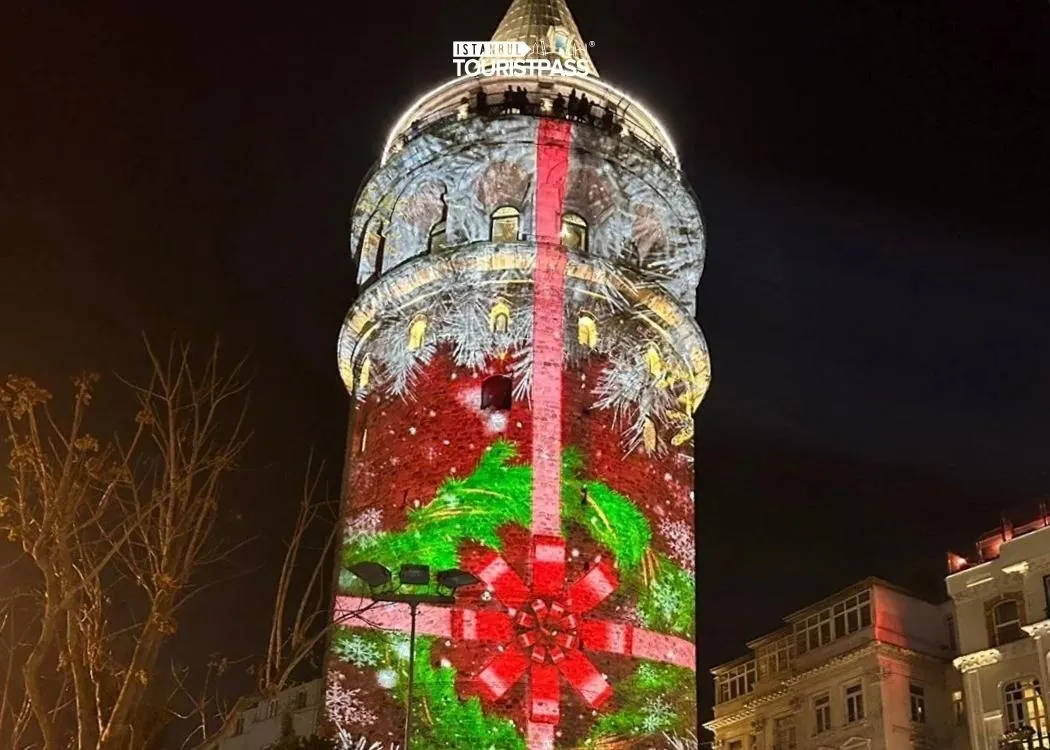
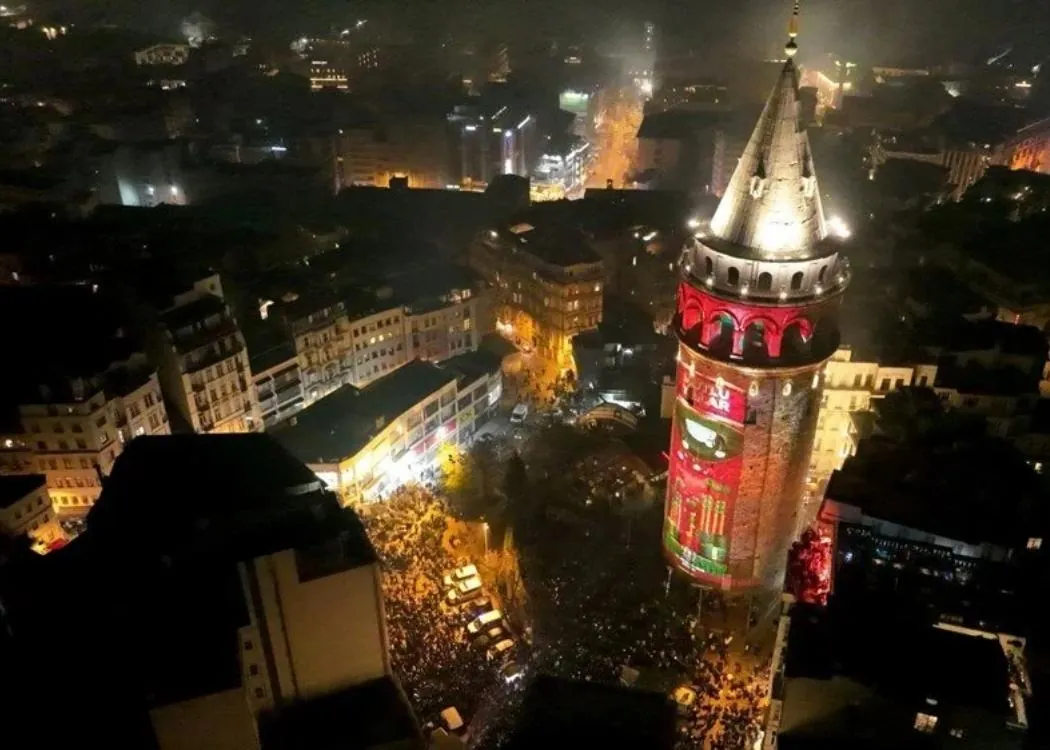
    Galata Tower is one of the most magnificent sights in Istanbul, overlooking "Beyoglu" and "Karakoy" from its incredible location. Its colorful lights can be seen at night from all over the city, so it is one of the most famous tourist destinations among visitors in the city. Galata Tower is visible to anyone who visits Istanbul and walks along with one of the city's most popular and oldest avenues, such as Taksim or Eminönü. This tower is one of the city's most well-known tourist attractions, whether because of its tradition, geometric shape, or special geographic location. Hence, it is not surprising that it is on the visit list for all tourists in Istanbul, here is a look at the history of Galata Tower!


    History of Galata Tower


    Although the exact date of construction of the Galata Tower is unknown, historical records suggest that it was constructed during the reign of the Byzantine Emperor Justinian in about 507 AD. The Genoese called the tower "Christian Torres," or the Tower of Christ, while the Byzantines called it "Migalus Pyrgos," or the Great Tower, at the time. The Galata district, colonies of the Republic of Genoa, served as a chain of economic and commercial centers in the Mediterranean and the Black Sea during the Genoa era, when the tower took on its current form.


    The tower was severely damaged by an earthquake in 1509, but it was rebuilt by the renowned Ottoman architect "Hayreddin," who also designed the Sultan Bayezid II complex in Edirne during the reign of the Ottoman Sultan Suleiman the Magnificent. 


    The tower was used to detain inmates who were forced to serve in the shipyard at the time, and by the end of the sixteenth century, an observatory had been attached to the roof, but the tower was doomed to become a jail again during Sultan Murad III's reign between 1546 and 1595.


    The tower was used for a brief time by the Mehter division, an Ottoman military division before the seventeenth century began, and then became a fire observatory in 1717 due to its location as a high point in Istanbul at the time. The tower was devastated by fire in 1794, but it was rebuilt under Sultan Selim III's rule. 


    The 219-foot (66.90-meter) tower is now a popular tourist destination in Istanbul, with crowds lining up to climb to the top for a breathtaking view of Istanbul's skyline from the balcony. The elevator carries guests up to seven levels, but the final two floors are only accessible by stairs. Visit Istanbul and learn more about Galata Tower today!


    Where is Galata Tower?


    The Galata Tower, as its name suggests, is situated in the Galata district of Istanbul just above Karaköy and it has become one of the city's most significant symbols. From the top of the tower, visitors can see the Istanbul Bridge, which separates Istanbul's Asian and European sections, as well as the Golden Horn Bridge and historic peninsula.


    Galata Tower Opening Hours


    It is possible to visit Galata Tower every day from the morning until the evening hours, just keep in mind that there is still a long line of tourists waiting to enjoy the view from the top of the tower. The best time to visit Galata Tower, whether you want to avoid long lines, is early in the morning or later in the evening.


    Travel Istanbul with Istanbul Tourist Pass!


    The Istanbul Tourist Pass allows you to visit over 85 attractions while saving money! You will save over 50% with the Istanbul Tourist Pass. You'll also save a lot of time with the Pass and you won't have to wait in line for tickets. Now all you have to do is check your pass on your phone and you're good to go! There is a slew of other perks that come with the Pass that you can look into! Visit the iconic Istanbul sightseeing spots such as Dolmabahce Palace, Blue Mosque, and more with the Pass!

  • History of Spice Bazaar

    The historical Egyptian Bazaar is one of Istanbul's main bazaars that dates back to the Ottomans. The market served as the Ottoman Empire's foreign trading base. Today, it is a vibrant and traditional bazaar known for its herbalists and numerous interesting souvenirs, as well as the most well-known covered shopping complex after the Grand Bazaar. Are you curious to know more about the history of Spice Bazaar?


    It was called Egyptian Bazaar since it was founded in 1660 with funds from the Ottoman district of Egypt. Istanbul's spice trade is focused on the bazaar. Spice Bazaar has 85 shops offering spices, Turkish delight, and other sweets, jewelry, souvenirs, dried fruits and nuts, and so on. A trip to Istanbul will be incomplete without a visit to the atmospheric Spice Bazaar. Visit the Egyptian Bazaar, which is more colorful and lively during Ramadan than normal. An Istanbul tour is never complete without a visit to the Istanbul Spice Bazaar!


    What to Buy in Spice Bazaar?


    The Spice Bazaar, which is another spot to buy authentic merchandise, is also known as the Egyptian Bazaar. Souvenirs such as porcelain cups and glasses are available. 


    Many different varieties of spices from Turkey and other Eastern countries are available here. Mystical aromas and wild aromas of different spices. The enticing aromas of cumin, mint, cinnamon and a plethora of other herbs and spices produce an incredible ambiance here. You will also include Turkish delight (Lokum) and scent, in addition to spices. When you visit Istanbul, make sure to visit this location to get a true sense of the old city's spirit!


    History of Egyptian (Spice) Bazaar


    Several records indicate that the bazaar's original name was "New Bazaar." It was given the name "Egyptian Bazaar" (Turkish: Mısır Çarşısı) since it was founded with funds from the Ottoman district of Egypt in 1660. This is why the name is often mistranslated as "Corn Bazaar," since Egypt means "corn" in Turkish. The bazaar was (and still is) the hub of Istanbul's spice trade, although, in recent years, other types of shops have increasingly replaced spice sellers. 


    The structure itself is part of the New Mosque complex. The proceeds from the leased shops within the bazaar building were used to maintain the mosque. It was designed by court architect Koca Kasim Aga, but construction began in the last months of 1660 under the supervision of another court architect, Mustafa Aga; following Istanbul's Great Fire of 1660, which began on 24 July 1660 and lasted slightly more than two days (circa 49 hours, according to Abdi Pasha's chronicles). Following the fire, a massive reconstruction and redevelopment campaign began in the area, including the resumption of the New Mosque's construction works in 1660 (the mosque's construction was eventually finished between 1660 and 1665) and the start of the Spice Bazaar's construction in the same year.


    What is Istanbul Tourist Pass, and Is It Advantageous?


    The Istanbul Tourist Pass is a digital pass that gives entry to more than 85 attractions in Istanbul, including the world-famous Hagia Sophia Mosque, the opulent Topkapi Palace, the legendary Basilica Cistern, and many more. The Istanbul Tourist Pass, on the other hand, is not limited to these attractions. It also provides a variety of fantastic programs, such as a lovely dinner on a Bosphorus cruise, or a getaway trip to Bursa. During the cruise, when enjoying some of the best foods in the world, you will be awestruck by the city's nightscape. All of these Istanbul attractions are included in the price of the Istanbul Tourist Pass.

  • History of Blue Mosque

    If a question is asked which is the best mosque built by the Turks, the first mosque that will come to mind will undoubtedly be the "Blue Mosque". The Blue Mosque is also known as Sultan Ahmet in Turkish. The Blue Mosque, one of the most fascinating parts of the Istanbul skyline, is also one of Istanbul’s most important symbols. It is one of the greatest examples of classical Turkish art. This valuable building is one of the most important works presented to Istanbul during the Ottoman Empire period.


    The mosque was named Blue Mosque by Europeans. The interior of the mosque, especially the inside of the dome, is decorated with approximately 21 thousand Iznik tiles. Since these tiles are mostly blue in color, they are called the Blue Mosque by foreigners. These tiles depict pictures of trees, flowers and other plants, all of them designed in shades of blue. The breathtaking Iznik tiles decorating the Blue Mosque's domes were included in the UNESCO World Heritage Istanbul List in 1986.


    It is located directly opposite the Hagia Sophia Museum, which is one of our most important historical artifacts and is admired by all local and foreign visitors to Istanbul. Sultan Ahmet Square is also named after the Blue Mosque (Sultan Ahmet Mosque).


    This unique mosque was built by the Ottoman Sultan Ahmet I between 1609 and 1616. The work, which is the most typical example of Turkish Classical Art, is the first mosque originally built with 6 minarets. Architect Sedefkâr Mehmet Aga, the architect of the Mosque, is the student of the famous architect of the Ottoman, Mimar Sinan. 


    The Architectural Structure of Blue Mosque


    The Blue Mosque, built in 1616, has eight secondary domes and five main domes. It combines many Byzantine elements with traditional Islamic architecture and is considered the last great mosque of the classical period.


    The mosque is built in a rectangular plan and the prayer area, which is in a square plan, consists of a total of 2,646 m2. The diameter of the dome, which has a height of 43 meters, is 23 meters. The mosque, which attracts attention with its size, is one of the most important tourist attractions in Istanbul.


    The courtyard of the Blue Mosque is at least as imposing as the interior. The mosque, which has a very large courtyard, is located in a cord made of iron at the western entrance of the courtyard.


    Minarets


    An important feature of the Blue Mosque is its minarets. The Blue Mosque is one of the two mosques with six minaretsin Turkey, and the latter is Sabanci Mosque in Adana. There are four minarets at the corners of the Blue Mosque. Each of these corrugated, pencil-shaped minarets has three balconies with stalactite domes (Şerefe), the other at the end of the front courtyard has two balconies. 


    Today, as the sun sets, the mosque is illuminated with colored projectors and large crowds gather around the mosque, consisting of both Turks and tourists, to listen to the evening prayer call emanating from the loudspeaker in the minaret.


    Does The Istanbul Tourist Pass cover the visit to The Blue Mosque?


    Definitely! Istanbul Tourist Pass grants access to more than 85 attractions, including the fascinating Blue Mosque. While you are visiting these attractions, you can also get information thanks to the guides. Moreover, the Pass helps you save a huge amount of money, up to 75%.  Blue Mosque is one of Istanbul’s most iconic spots. If you want to access all of these, all you have to do is buy The Pass.