Tag: Tips & Guides

  • Spring in Istanbul: What to Do, See & Eat


    Istanbul in the spring is nothing short of magical. As the city shakes off the winter chill and the streets come alive with the vibrant colors of blooming flowers, there’s a special energy in the air. The weather is perfect for exploring, with mild temperatures and clear skies offering the ideal conditions to experience the best that Istanbul has to offer. Whether you’re strolling through its historic streets, indulging in delicious Turkish dishes, or simply soaking in the beauty of nature, Istanbul in the spring offers a wealth of opportunities for adventure and relaxation. Here’s your guide to what to do, see, and eat during a springtime visit to Istanbul.


    1. Visit the Tulip Gardens at Emirgan Park


    Spring in Istanbul means tulip season! One of the most iconic sights during this time of year is the blooming of tulips in the city’s parks and gardens. Emirgan Park, located on the European side of Istanbul, is one of the best spots to enjoy the vibrant colors of the tulip festival. The park is home to thousands of tulips in a variety of colors, and it offers stunning views of the Bosphorus. It’s the perfect place to have a leisurely walk, enjoy a picnic, or simply take in the beauty of the flowers. While you're there, stop by one of the park’s traditional tea gardens to enjoy a cup of Turkish tea while surrounded by nature.


    2. Take a Bosphorus Cruise


    Spring is the perfect time to experience Istanbul from the water. A Bosphorus cruise offers breathtaking views of the city’s skyline, iconic landmarks, and lush green hills on both the European and Asian sides. The weather during spring is ideal for a boat ride, as the temperature is not too hot or cold, and the views are clear. You’ll pass by landmarks such as the Dolmabahçe Palace, Rumeli Fortress, and the Beylerbeyi Palace, all of which look stunning against the backdrop of the spring greenery along the Bosphorus.


    Many boat tours offer a more intimate, romantic experience with options like sunset cruises. You can sip on a refreshing drink while watching the sun dip below the horizon, creating a perfect moment to share with loved ones or simply enjoy the peaceful views of the Bosphorus.


    3. Stroll Through Sultanahmet and the Historic Peninsula


    With the mild spring weather, walking around the historic Sultanahmet area becomes an even more enjoyable experience. The streets come alive with locals and visitors enjoying the perfect weather, and there’s no shortage of iconic attractions to explore. Start with Hagia Sophia, one of Istanbul’s most famous landmarks. Afterward, head to the nearby Blue Mosque, marveling at its grandeur, and then stroll through the Hippodrome, where chariot races once took place during the Byzantine era.


    As you explore Sultanahmet, take some time to wander through the charming streets, visit local shops, and enjoy the views of the Topkapi Palace and its gardens. The area is filled with history and culture, making it the perfect place to get lost and soak in the essence of Istanbul.


    4. Relax in a Traditional Turkish Hammam


    Spring is a great time to experience a traditional Turkish hammam, especially after a long day of sightseeing. The warmth of the steam and the soothing massages will leave you feeling refreshed and rejuvenated. There are plenty of famous hammams in Istanbul, but Çemberlitaş Hammam and Ayasofya Hurrem Sultan Hammam are two of the most beautiful and historic. These bathhouses offer the perfect escape from the hustle and bustle of the city, allowing you to relax in style while indulging in a centuries-old tradition.


    5. Explore the Green Spaces: Gulhane Park & Yıldız Park


    Istanbul’s spring season brings lush green spaces to life, and there’s no better place to enjoy the blooming flowers and serene surroundings than Gulhane Park and Yıldız Park. Both of these parks are perfect for a relaxing day out. Gulhane Park, located just next to Topkapi Palace, is an expansive green space offering beautiful pathways, flowerbeds, and picturesque views. It's a perfect spot to enjoy a spring picnic, take a leisurely walk, or simply unwind in nature.


    Yıldız Park, located between Beşiktaş and Ortaköy, is another peaceful escape where you can enjoy the beauty of the season. The park is less crowded than Gulhane, offering a more secluded experience, making it perfect for a romantic stroll or a quiet afternoon.


    6. Visit the Istanbul Modern Art Museum


    For those who love art, spring is a great time to visit the Istanbul Modern Art Museum. Located in Karaköy, this museum showcases contemporary Turkish and international art, providing a perfect contrast to the city’s historic sites. The museum's sleek and modern architecture is a treat to explore, and the exhibitions are always thought-provoking. Whether you're a lover of modern art or simply enjoy exploring new spaces, this museum offers an excellent experience.


    7. Taste the Flavors of Istanbul in Spring


    No visit to Istanbul would be complete without indulging in the city’s culinary delights. Spring in Istanbul is a time for fresh ingredients, so be sure to try the seasonal dishes that showcase the best of Turkish cuisine.


    Simit, the Turkish sesame bread, is a popular snack, and in spring, you'll find it freshly baked all over the city. Pair it with a glass of Turkish tea for a simple yet delicious treat. Another must-try is börek, a savory pastry made with flaky dough and filled with cheese, minced meat, or spinach. For dessert, indulge in baklava, the iconic sweet pastry filled with pistachios or walnuts and soaked in honey or syrup.


    Spring is also the time to enjoy fresh fish dishes, especially in neighborhoods like Karaköy and Eminönü, where you’ll find waterfront restaurants serving up grilled fish and mezze platters. And don’t forget to try a refreshing glass of ayran, the yogurt-based drink that pairs perfectly with many Turkish dishes.


    8. Explore the Prince Islands


    If you’re looking to escape the hustle and bustle of Istanbul and enjoy a tranquil day trip, head to the Prince Islands. Just a short ferry ride from the city center, these islands are car-free, offering a peaceful atmosphere surrounded by beautiful landscapes. You can explore the islands on foot, by bike, or even by horse-drawn carriage. The spring weather makes it the ideal time to visit, as the island’s lush greenery and stunning sea views will leave you feeling relaxed and rejuvenated.


    Conclusion


    Spring in Istanbul is truly a magical time to visit. With its blooming flowers, perfect weather, and endless things to see and do, the city is a dream come true for any traveler. From historical landmarks and cultural experiences to tranquil parks and delicious seasonal dishes, Istanbul offers something for everyone. To make the most of your springtime visit, be sure to get your Istanbul Tourist Pass®, which provides skip-the-line access to top attractions like Hagia Sophia, the Blue Mosque, and Topkapi Palace, allowing you to experience the best of the city without the hassle of waiting in long queues.


    Book your Istanbul Tourist Pass® today and start your spring adventure in Istanbul!

  • Couple Things to Do in Istanbul – Discover Istanbul as a Couple

    Istanbul, with its mesmerizing blend of cultures, history, and stunning landscapes, is the perfect destination for couples looking to create lasting memories together. Whether you’re a couple seeking romance, adventure, or relaxation, this vibrant city has something for everyone. From intimate boat rides along the Bosphorus to strolling through charming neighborhoods, here are some of the best things for couples to do in Istanbul, ensuring you experience the city’s beauty and culture in the most romantic way possible.


    1. Take a Sunset Cruise on the Bosphorus


    One of the most romantic experiences you can have in Istanbul is taking a sunset cruise along the Bosphorus Strait. As you sail between two continents, Europe and Asia, you’ll be treated to stunning views of the city’s skyline, with iconic landmarks like the Galata Tower, Topkapi Palace, and the Bosphorus Bridge illuminated by the golden hues of the setting sun.


    A private or shared boat ride offers a chance to enjoy the tranquility of the water, while also offering a spectacular view of Istanbul’s coastline. You can even enjoy a glass of wine or Turkish tea as you glide along the Bosphorus, making this a perfect moment to unwind and connect with your partner.


    2. Wander Through the Romantic Streets of Karaköy and Galata


    For couples who love exploring charming neighborhoods, Karaköy and Galata offer a blend of historical significance and modern-day romance. Karaköy, once an old port area, is now a trendy district filled with cafes, art galleries, and boutiques. Wander hand-in-hand through the narrow streets, enjoying a coffee or Turkish pastry at a local café, or visit the famous Karaköy Güllüoğlu for a taste of delicious baklava.


    A short walk away is Galata, where you can explore its narrow alleys and visit the iconic Galata Tower, offering panoramic views of the city. The streets of Galata are full of hidden gems, making it a delightful place to wander and experience the authentic vibe of Istanbul.


    3. Stroll Through the Gardens of Topkapi Palace


    For couples interested in Istanbul’s rich history and serene beauty, a visit to Topkapi Palace is a must. The palace, once home to the Ottoman sultans, is an architectural marvel. Take a leisurely stroll through the lush gardens, which offer stunning views of the Bosphorus and the Golden Horn. The palace gardens provide a serene escape from the bustle of the city and are a great spot to relax together while soaking in the beauty of Istanbul.


    4. Visit the Princes’ Islands for a Day of Seclusion


    A short ferry ride from Istanbul, the Princes’ Islands offer couples the chance to escape the city’s hustle and bustle. These islands, particularly Büyükada and Heybeliada, are car-free, allowing for a peaceful atmosphere. Rent a bicycle or take a horse-drawn carriage ride, explore charming wooden houses, or relax by the sea. The islands’ natural beauty and calm environment make them a perfect romantic retreat.


    5. Indulge in a Turkish Hammam Experience Together


    What better way to unwind as a couple than by indulging in a traditional Turkish hammam experience? Visit one of Istanbul’s historic hammams, such as Çemberlitaş or Süleymaniye Hammam, where you can enjoy a luxurious scrub, foam massage, and steam session together. Many hammams offer couples' packages, providing a private and intimate space to relax while experiencing an important part of Istanbul’s cultural heritage.


    6. Enjoy a Romantic Dinner with a View


    Istanbul offers numerous romantic restaurants with breathtaking views of the Bosphorus. Whether on a rooftop or by the water, places like Mikla and 360 Istanbul serve delicious Turkish meals with panoramic vistas. These intimate settings provide the perfect backdrop for an unforgettable evening with your partner.


    7. Explore the Hidden Cafés of Sultanahmet


    While Sultanahmet is known for its famous attractions, it also hides many quiet and charming cafés. Discover tucked-away spots like Café Sultan or Süleymaniye Café, where you can enjoy Turkish coffee in a cozy setting. It’s a wonderful way to experience Istanbul like a local and share quiet moments together away from the crowds.


    8. Take a Hot Air Balloon Ride Over Cappadocia (Optional Day Trip)


    For adventurous couples, a day trip to Cappadocia can add excitement to your Istanbul visit. Known for its fairy chimneys and ancient cave dwellings, a sunrise hot air balloon ride over this surreal landscape is one of the most romantic and unforgettable experiences in Turkey. It’s a perfect blend of adventure and romance.


    Conclusion


    Istanbul is a city filled with romance, culture, and adventure, offering couples the perfect backdrop to create unforgettable memories. Whether you’re seeking relaxation, history, or adventure, Istanbul has something special to offer. From romantic sunset cruises on the Bosphorus to peaceful moments in Topkapi Palace gardens, the city offers a wealth of experiences for couples looking to connect and explore together.


    For those planning to visit, the Istanbul Tourist Pass® offers exclusive access to many of the city’s top attractions and hidden gems, making it the perfect way to explore Istanbul with your loved one. Book your pass today and start discovering Istanbul like never before!

  • Cultural Souvenirs to Bring Home from Istanbul

    Istanbul, a city that blends ancient history with vibrant modern culture, is a treasure trove of unique souvenirs. Whether you’re strolling through its bustling bazaars or exploring its historic neighborhoods, you’ll find an array of traditional, handcrafted, and meaningful items that capture the essence of the city. From intricate handicrafts to delicious delicacies, Istanbul offers a wealth of cultural souvenirs that will serve as lasting memories of your journey. Here's a guide to some of the best cultural souvenirs to bring home from Istanbul.


    1. Turkish Rugs and Carpets


    Turkish rugs and carpets are famous worldwide for their intricate designs, high-quality craftsmanship, and rich history. These handwoven masterpieces come in various styles, colors, and sizes, reflecting the diverse cultural influences of the different regions of Turkey. The vibrant patterns often feature geometric designs, floral motifs, or representations of animals, each telling a unique story.


    The Grand Bazaar and the historic Arasta Bazaar are excellent places to shop for a rug or carpet. Whether you’re looking for a small kilim (flat-woven rug) or a luxurious silk carpet, you’ll find something that perfectly encapsulates the beauty of Istanbul’s artistic traditions. A Turkish rug is not just a decorative item; it’s a piece of history that can add warmth and character to any home.


    2. Turkish Delight (Lokum)


    One of the most iconic and delicious souvenirs you can bring back from Istanbul is Turkish delight, or lokum. This sweet treat, made from sugar, starch, and various flavorings like rose, lemon, or pistachio, has been enjoyed in the Ottoman Empire for centuries. Its delicate texture and sweetness make it a beloved snack that captures the essence of Turkish cuisine.


    The Grand Bazaar, Spice Bazaar (Mısır Çarşısı), and many local sweet shops throughout Istanbul offer a wide variety of Turkish delight in different flavors and textures. Packaged beautifully, Turkish delight makes for an excellent gift or a personal indulgence that will remind you of Istanbul’s rich culinary heritage long after you’ve left.


    3. Iznik Tiles


    Iznik tiles, named after the town of Iznik, have been a defining feature of Turkish art for centuries. Known for their vivid colors and intricate patterns, these tiles are often used in the decoration of mosques, palaces, and other important structures. The most famous examples are seen in the Blue Mosque and Topkapi Palace, where the intricate floral designs are a testament to the craftsmanship of Ottoman artisans.


    You can find these exquisite tiles in various forms, including as decorative plates, coasters, or even as full-sized wall art. They make for a perfect souvenir, blending artistic beauty with cultural significance. Many shops in the Sultanahmet district and the Grand Bazaar sell beautifully crafted Iznik-style tiles that are both beautiful and meaningful.


    4. Handcrafted Copperware


    Copperware is another traditional souvenir that represents the artistic craftsmanship of Istanbul. From intricately designed coffee pots (cezve) to beautifully hammered trays and decorative bowls, Turkish copperware is highly regarded for its elegance and durability. These items are often hand-etched with delicate designs and are a wonderful reminder of Istanbul’s rich craft traditions.


    Copper items are popular souvenirs for those seeking functional yet artistic pieces. You can purchase copperware in the Grand Bazaar or in specialty shops throughout the Old City, and they make for exceptional home décor or practical kitchen tools.


    5. Nazar Boncuğu (Evil Eye)


    The nazar boncuğu, or "evil eye" bead, is one of the most popular and symbolic souvenirs in Turkey. This blue and white glass bead is believed to protect the wearer from the evil eye, or negative energy, and is commonly used in Turkish culture as a charm for good luck and protection.


    These beads come in many forms, from necklaces and bracelets to keychains and wall hangings, making them a versatile and meaningful souvenir. The Nazar Boncuğu is a perfect gift for friends and family, symbolizing protection and good fortune. You can find them in countless shops across Istanbul, particularly in the Grand Bazaar.


    6. Turkish Tea and Tea Sets


    Tea plays a central role in Turkish culture, and a visit to Istanbul wouldn’t be complete without experiencing the city’s tea culture. Turkish tea, typically served in small tulip-shaped glasses, is strong, aromatic, and a symbol of hospitality.


    For those who want to bring a piece of this tradition home, purchasing Turkish tea is a wonderful option. You can find loose leaf teas in a variety of flavors, including classic black tea, apple, or herbal blends, at markets like the Spice Bazaar. Pair your tea with a traditional Turkish tea set, which includes the characteristic tulip-shaped glasses and a matching saucer. A beautiful tea set makes for an elegant and thoughtful gift or souvenir that allows you to share the Turkish tea experience with others.


    7. Turkish Ceramics


    Turkish ceramics, often featuring vibrant colors and intricate patterns, have been a part of the country’s cultural heritage for centuries. From painted plates and bowls to decorative tiles and vases, these ceramic items are a beautiful representation of Istanbul’s artistic history.


    The famous Kütahya ceramics are known for their bright, bold colors and patterns inspired by Islamic art. These items make perfect souvenirs, whether you're looking for something functional like a coffee cup or something decorative like a wall plaque. You'll find a wide selection of Turkish ceramics in the Grand Bazaar, artisan shops, and the Sultanahmet area.


    8. Leather Goods


    Istanbul is also renowned for its high-quality leather goods, including bags, jackets, and accessories. Turkish leather products are well-known for their durability and craftsmanship, and many local artisans create one-of-a-kind items that reflect both modern trends and traditional designs.


    The Grand Bazaar and local boutiques throughout Istanbul offer a range of leather products, from stylish handbags and wallets to jackets and belts. Leather goods make for a luxurious and practical souvenir, combining craftsmanship with timeless style.


    Conclusion


    Istanbul offers a rich selection of cultural souvenirs that reflect the city's unique blend of history, art, and tradition. Whether you’re looking for a handwoven rug, a sweet treat like Turkish delight, or an intricately crafted piece of copperware, Istanbul's markets and bazaars have something for everyone. These cultural souvenirs are more than just objects; they are tangible reminders of the city's vibrant culture and rich heritage.


    For a seamless experience, consider purchasing your souvenirs with the Istanbul Tourist Pass®. With exclusive access to the city’s top attractions and a range of additional services, the Istanbul Tourist Pass® ensures a smooth and enjoyable experience while you explore the best that Istanbul has to offer. Bring a piece of Istanbul home with you today!

  • The Perfect 3-Day Istanbul Plan: An Unforgettable Adventure

    Day 1: Explore Istanbul’s Historic Heart


    Your first day in Istanbul should be dedicated to exploring the city’s most iconic attractions, all located in the Sultanahmet area. These are the must-visit sites that will give you a deep sense of the city's history and cultural significance.


    Start your day with a visit to Hagia Sophia, one of the most impressive landmarks in Istanbul. This architectural marvel, originally built as a church in the Byzantine era, later converted into a mosque, and now a museum, offers a stunning display of both Christian and Islamic art. The soaring dome, intricate mosaics, and historical significance will leave you in awe.


    Next, head over to the Blue Mosque, just a short walk from Hagia Sophia. This mosque, with its six minarets and stunning blue tiles, is one of the most recognizable buildings in Istanbul. You’ll have the chance to step inside and appreciate its grandeur and tranquil atmosphere. Be mindful to dress modestly when entering, as it’s an active place of worship.


    After visiting the Blue Mosque, take a walk over to the Basilica Cistern, an underground wonder built in the 6th century to store water for the Great Palace of Constantinople. This atmospheric location, with its dim lighting and haunting beauty, offers a cool respite from the midday heat. Marvel at the ancient columns and the mysterious Medusa heads that decorate the cistern.


    In the afternoon, make your way to the Topkapi Palace, the former residence of Ottoman sultans. This vast palace, which overlooks the Bosphorus, is a treasure trove of history. Explore its many rooms, including the Harem, the Treasury, and the Imperial Kitchens, to gain insight into the opulence of the Ottoman Empire.


    To finish your day, enjoy a relaxing stroll through the Gulhane Park, which is located just outside the palace. This peaceful park offers beautiful views and is a perfect spot to unwind after a day of sightseeing.


    galata-tower-istanbul-skyline


    Day 2: Discover Istanbul’s Art, Culture, and Shopping


    On your second day in Istanbul, immerse yourself in the city's vibrant art scene, cultural highlights, and unique shopping experiences. Start your day with a visit to the Istanbul Modern Art Museum, located in the Karaköy district. This museum is home to a diverse collection of contemporary Turkish and international art. Whether you're an art enthusiast or just looking for a leisurely experience, the museum offers a peaceful atmosphere to reflect on modern creativity.


    Next, head to Istiklal Avenue, one of the busiest streets in Istanbul, to experience the city’s vibrant shopping scene. This pedestrian-only street is lined with boutiques, cafes, and galleries, making it the perfect place for a leisurely stroll. Stop by Taksim Square, the heart of modern Istanbul, and enjoy the lively atmosphere. If you're in the mood for a snack, try some traditional Turkish street food like simit (sesame bread) or kebap.


    In the afternoon, make your way to the Galata Tower. This medieval stone tower offers panoramic views of Istanbul, including the Golden Horn and the Bosphorus. The tower's observation deck provides a fantastic vantage point to take in the city’s skyline, making it a perfect spot for photos.


    Afterward, cross the Galata Bridge and head toward the Eminönü area, known for its vibrant markets and historic shops. Here, you’ll find the famous Spice Bazaar, where you can browse through aromatic spices, sweets, and souvenirs. The Spice Bazaar is a sensory overload and a great place to pick up gifts or sample Turkish delights.


    In the evening, relax at a rooftop restaurant with views of the Bosphorus. One of the best places to dine is Mikla, a fine dining restaurant offering modern Turkish cuisine with a twist. Enjoy a delicious meal while watching the sun set over the city.


    Day 3: Cruise the Bosphorus and Experience Istanbul’s Local Life


    On your third day, it’s time to experience Istanbul from a different perspective: the water. Take a Bosphorus Cruise to explore the city’s two continents—Europe and Asia—by boat. The cruise offers stunning views of Istanbul's landmarks, including the Dolmabahçe Palace, Beylerbeyi Palace, and Rumeli Fortress. There are various types of cruises available, from short rides to more extended tours, allowing you to sit back, relax, and enjoy the views while learning about the city’s rich maritime history.


    After the cruise, visit Kadıköy, a lively district on the Asian side of Istanbul. Kadıköy offers a more local and laid-back vibe, with its bustling markets, vibrant street art, and charming cafes. You can wander through Bahariye Street, which is lined with shops, boutiques, and eateries. Stop for a Turkish coffee or indulge in some fresh seafood at one of the local restaurants by the waterfront.


    For the afternoon, head to Çamlıca Hill, the highest point in Istanbul, where you can enjoy panoramic views of the entire city. It’s a peaceful escape from the hustle and bustle, offering the perfect spot for some downtime. Take a walk through the hill’s gardens or relax at one of the hilltop cafés.


    To end your perfect 3-day trip, spend your evening in the Sultanahmet Square area. Enjoy a leisurely dinner at one of the restaurants overlooking the Blue Mosque, with the magnificent monument lit up against the night sky.


    Conclusion


    Istanbul is a city that never fails to impress, whether you’re exploring its rich history, indulging in delicious food, or taking in the stunning views. With just three days, this itinerary offers a well-rounded experience, allowing you to enjoy the best of both its historic sites and modern attractions. To make your experience even more seamless and stress-free, don’t forget to get your Istanbul Tourist Pass®. This all-in-one pass grants you skip-the-line access to top attractions, helping you make the most of your time in the city.


    Book your Istanbul Tourist Pass® today and embark on an unforgettable journey through this magnificent city!

  • Where to Shop in Istanbul: From Grand Bazaar to Local Designers


    Istanbul, a city where East meets West, offers a shopping experience that caters to every style, budget, and taste. Whether you’re seeking high-end designer labels, handcrafted goods, or unique pieces from local artisans, the city is a shopper's paradise. From the historic Grand Bazaar to trendy boutiques featuring the latest designs from Turkish designers, Istanbul presents an eclectic mix of traditional and modern shopping experiences. Here’s your guide to the best places to shop in Istanbul, ensuring that your visit is as much about fashion as it is about discovering the heart and soul of the city.


    1. The Grand Bazaar: A Shopper’s Dream


    No trip to Istanbul would be complete without a visit to the Grand Bazaar, one of the world’s oldest and largest covered markets. This sprawling market, dating back to the 15th century, is a maze of over 4,000 shops spread across 61 streets. Here, you can find a vast array of goods—from spices, jewelry, and textiles to handmade carpets and leather goods. The vibrant atmosphere, combined with the hustle and bustle of locals and tourists, makes shopping here an unforgettable experience.


    Bargaining is part of the Grand Bazaar experience, and you can often get a better deal by engaging in friendly negotiation with the shopkeepers. If you’re looking for something truly special, make sure to visit the antique shops and jewelry vendors, where you can find unique, one-of-a-kind pieces.


    For those interested in traditional Turkish items, the Grand Bazaar is a great place to pick up a handwoven kilim rug, copperware, or a Turkish evil eye charm (known as the nazar boncuğu)—a symbol of protection in Turkish culture.


    2. Spice Bazaar: A Feast for the Senses


    Another iconic shopping destination in Istanbul is the Spice Bazaar (also known as Mısır Çarşısı), located in the Eminönü district. While it’s smaller than the Grand Bazaar, it offers an equally vibrant shopping experience. Here, you can shop for a wide variety of spices, herbs, dried fruits, nuts, and Turkish delights. The air is filled with the aroma of saffron, cinnamon, and dried roses, making it a sensory delight.


    In addition to spices, the Spice Bazaar offers beautifully packaged olive oils, pomegranates, Turkish coffee, and tea. You can also find many shops selling decorative items, such as ceramic bowls, vases, and jewelry, all showcasing the intricate beauty of Turkish craftsmanship.


    If you're looking for a unique souvenir or just want to indulge in some of Turkey's finest culinary delights, the Spice Bazaar is the place to be. Be sure to take a moment to taste some freshly made baklava or a kebap sandwich from the local vendors while you shop.


    grand-bazaar


    3. Istiklal Avenue: High-End Fashion and Trendy Boutiques


    For those interested in modern fashion and stylish shopping, Istiklal Avenue in the Beyoğlu district is the place to be. This bustling pedestrian street stretches for nearly 1.5 kilometers and is lined with both international luxury brands and local boutiques. From Chanel, Louis Vuitton, and Zara to up-and-coming Turkish designers, Istiklal Avenue offers an excellent mix of high-end fashion and trendy streetwear.


    You’ll also find a variety of cafes, bookstores, and galleries along Istiklal, making it a great place to spend a whole afternoon. Many local designers have set up shop here, offering unique clothing, accessories, and jewelry. If you want to support Turkish talent and find one-of-a-kind pieces, be sure to explore the smaller boutiques on the side streets off Istiklal Avenue.


    4. Nişantaşı: Istanbul’s Fashion Hub


    If you’re seeking luxury shopping and designer labels, head to the upscale district of Nişantaşı, located in the Şişli area. Known as Istanbul’s fashion hub, Nişantaşı is home to a wide array of international luxury brands such as Prada, Gucci, and Burberry, as well as Turkish designer boutiques. The area is also known for its chic cafes and fine dining, making it the perfect place for a glamorous day of shopping and people-watching.


    Nişantaşı’s Abdi İpekçi Street is one of the most exclusive shopping streets in Istanbul and is lined with both high-end designer boutiques and contemporary Turkish labels. If you're in the mood to splurge, Nişantaşı offers the perfect shopping experience with an emphasis on quality, luxury, and style.


    5. Kadıköy: Local Designers and Vintage Finds


    For a more relaxed shopping experience, head over to Kadıköy on the Asian side of Istanbul. This district has become a hub for Istanbul’s young and creative crowd. You’ll find an eclectic mix of vintage shops, local designer boutiques, and handcrafted jewelry stores. The area has a bohemian vibe, with independent designers showcasing their latest collections in small, charming shops.


    Kadıköy’s Bahariye Street is perfect for strolling, where you can explore hidden gems offering everything from vintage clothing to handmade leather goods. You’ll also find a wide variety of cafes and street food vendors serving delicious Turkish snacks like simit and börek, making it a great spot to shop and enjoy the lively atmosphere of the district.


    6. Local Handicrafts and Artisanal Goods


    If you’re looking for something truly unique, Istanbul is filled with markets and shops that feature locally crafted artisanal goods. Areas like Çukurcuma (near Galata) and Arasta Bazaar (near the Blue Mosque) are known for offering traditional Turkish handicrafts, such as hand-painted ceramics, copper jewelry, vases, pashmina scarves, and textiles.


    Many of the smaller shops offer handmade and authentic items made by local artisans, allowing you to take home a piece of Turkish craftsmanship that you won’t find anywhere else. If you’re a fan of antiques, make sure to visit the Çukurcuma Antique Market, which is filled with quirky vintage items and rare treasures.


    7. Istanbul’s Concept Stores and Pop-Up Shops


    Istanbul is also home to a growing number of concept stores that blend fashion, art, and lifestyle into one shopping experience. Stores like Mendel’s and Beymen offer high-end, curated selections from both local and international designers, giving you the chance to explore unique collections in stylish spaces. The pop-up shops that frequently appear around areas like Karşıyaka and Karaköy offer limited-edition items and innovative designs, giving you access to the latest trends in a more exclusive setting.


    Conclusion


    Istanbul is a city that offers a shopping experience like no other. From the historic and bustling markets of the Grand Bazaar to the high-end boutiques of Nişantaşı, there’s something for every shopper in this dynamic metropolis. Whether you’re looking for luxury fashion, unique handmade goods, or trendy designer pieces, Istanbul’s diverse shopping scene has it all.


    To make the most of your shopping adventure, don’t forget to get your Istanbul Tourist Pass®, which provides you with skip-the-line access to top attractions and museums. With the pass, you can explore Istanbul's rich history and vibrant culture while enjoying a seamless shopping experience.


    Get your Istanbul Tourist Pass® today and start your shopping journey in one of the world’s most exciting cities!

  • Best Attractions Around Sultanahmet: A Guide to Istanbul’s Historic Heart

    Hagia Sophia: A Timeless Wonder


    No visit to Sultanahmet is complete without experiencing Hagia Sophia. Originally built as a cathedral by the Byzantine Emperor Justinian in the 6th century, it later became a mosque and now serves as a museum. This architectural marvel combines Christian and Islamic elements, from its intricate mosaics to its grand dome. The vast space inside, with its impressive size and stunning details, makes it one of the most awe-inspiring buildings in the world. Take your time exploring the interior, where you’ll find rich history, beautiful art, and a sense of grandeur that has stood for centuries.


    The Blue Mosque: A Majestic Masterpiece


    Just a short walk from Hagia Sophia, you’ll find the Blue Mosque, one of the most recognizable landmarks in Istanbul. This magnificent mosque, also known as the Sultan Ahmed Mosque, is famous for its striking blue tiles that adorn the interior walls. Built in the early 17th century, the mosque features stunning Ottoman architecture, with its towering minarets, spacious prayer hall, and beautifully landscaped courtyards. The peaceful atmosphere inside offers a serene escape from the bustling city, and visitors are welcome to enter to admire its beauty—just be sure to dress modestly when visiting.


    blue_mosque_istanbul


    Topkapi Palace: A Glimpse into Ottoman Royalty


    For a deeper understanding of Istanbul’s Ottoman past, head to Topkapi Palace, the former residence of Ottoman sultans for over 400 years. This sprawling palace complex, set on a hill overlooking the Bosphorus, is a treasure trove of history and opulence. Explore the various courtyards, including the Harem, where the sultan’s family lived, and the Imperial Treasury, which houses incredible artifacts like the Topkapi Dagger and the Spoonmaker’s Diamond. The palace also offers stunning views of the Bosphorus, making it a great spot for photography and reflection.


    Basilica Cistern: The City’s Hidden Gem


    For something unique and atmospheric, visit the Basilica Cistern, an ancient underground water reservoir built by Emperor Justinian in the 6th century. This eerie and beautiful space, with its rows of marble columns and dim lighting, offers a cool and peaceful retreat from the crowds above. The cistern’s haunting ambiance is enhanced by the gentle sound of water dripping, and the famous Medusa heads at the base of two columns add a mysterious touch. It’s a fascinating glimpse into Istanbul’s ancient infrastructure, and it’s one of the city’s most unforgettable experiences.


    Hippodrome of Constantinople: Step Back in Time


    Located right next to the Blue Mosque, the Hippodrome of Constantinople is a vast historical square that was once the heart of Byzantine life. In the past, it served as a stadium for chariot races and other public events. Today, only remnants of the ancient Hippodrome remain, but its significance in Istanbul’s history is undeniable. As you walk around the square, you’ll see important landmarks, such as the Obelisk of Theodosius and the Serpent Column. The area around the Hippodrome is now a bustling square, perfect for a relaxing stroll or a stop at one of the many nearby cafes.


    Turkish and Islamic Arts Museum: A Cultural Treasure


    Situated right across from the Blue Mosque, the Turkish and Islamic Arts Museum is a hidden gem for art lovers. The museum showcases a vast collection of Turkish and Islamic art, including beautiful carpets, calligraphy, ceramics, and textiles. Housed in a former palace, the museum provides insight into the rich cultural heritage of the Ottoman Empire and beyond. It’s a peaceful spot to admire intricate works of art while learning more about the history and culture of the region.


    Sultanahmet Square: The Heart of It All


    Sultanahmet Square is the central hub of the area, where many of the district’s main attractions are located. It’s the perfect place to start or end your day, offering open spaces for relaxing and people-watching. Surrounded by the majestic Blue Mosque, Hagia Sophia, and Topkapi Palace, the square offers incredible photo opportunities and is a great spot for a leisurely stroll. In the evenings, the square takes on a magical atmosphere, with the landmarks beautifully illuminated against the night sky.


    The Grand Bazaar: Shopping for Souvenirs


    A visit to the Grand Bazaar is a must when in Sultanahmet. One of the largest and oldest covered markets in the world, the Grand Bazaar features over 4,000 shops selling everything from jewelry and textiles to spices and souvenirs. Wander through its labyrinthine alleys, haggle for unique items, and enjoy the vibrant atmosphere. Whether you're looking for a special gift or simply want to experience the hustle and bustle of this iconic market, the Grand Bazaar is a must-see destination in the heart of Istanbul.


    The Museum of Turkish Jews: A Hidden Gem of History


    Not far from the Hippodrome, the Museum of Turkish Jews is a lesser-known attraction that offers a fascinating glimpse into the history of Jews in Istanbul. The museum tells the story of the Jewish community’s presence in the city, showcasing artifacts, documents, and photographs that highlight their contributions to Istanbul’s culture and society. It’s an educational and enlightening stop for those interested in learning more about the diverse history of the city.


    Arasta Bazaar: A Quieter Shopping Experience


    For those looking to avoid the crowds of the Grand Bazaar, the Arasta Bazaar is a quieter and more relaxed alternative. Located just behind the Blue Mosque, this small market features a range of traditional goods, including carpets, jewelry, and hand-crafted items. The Arasta Bazaar is less crowded than its larger counterpart, making it a perfect place for a leisurely shopping experience while still being close to Sultanahmet’s key attractions.


    Conclusion


    Sultanahmet is the heart and soul of Istanbul, offering a perfect blend of history, culture, and beauty. Whether you're marveling at the grandeur of Hagia Sophia, shopping for souvenirs in the Grand Bazaar, or exploring the hidden corners of the Hippodrome, there’s something for everyone in this historic district. For an even more seamless experience, don’t forget to get your Istanbul Tourist Pass®, which gives you skip-the-line access to many of these iconic attractions. With the Istanbul Tourist Pass®, you can make the most of your time and explore Istanbul’s rich heritage with ease.


    Get your Istanbul Tourist Pass® today and enjoy fast-track access to the city’s top attractions!

  • A Lazy Traveler’s Guide to Istanbul: Experience the City Without Breaking a Sweat

    Istanbul, a city where history, culture, and modernity collide, is an incredible destination for all types of travelers. But not everyone has the energy or desire to rush around, especially when vacationing. If you’re the kind of traveler who likes to take it slow and enjoy the city at a relaxed pace, you're in for a treat. Istanbul offers countless leisurely activities that will allow you to soak in its charm without feeling rushed. Here’s your ultimate lazy traveler’s guide to Istanbul, where you can still experience the city’s magic, but at your own pace.


    Take a Bosphorus Ferry Ride


    No trip to Istanbul is complete without a leisurely ferry ride across the Bosphorus. The boat trip between Europe and Asia provides panoramic views of Istanbul’s stunning skyline, from palaces and mosques to modern skyscrapers. You don’t have to rush; just sit back, relax, and watch as the beautiful city passes by. You can enjoy a cup of Turkish tea or coffee while taking in the scenic vistas. The journey is peaceful, and there’s no need to do anything other than enjoy the view.


    Indulge in a Traditional Turkish Breakfast


    Start your day slowly by enjoying a traditional Turkish breakfast in one of the city’s many cafés or restaurants. Turkish breakfast is a delightful spread of cheeses, olives, tomatoes, cucumbers, honey, and freshly baked bread, all paired with Turkish tea. Sit back, relax, and enjoy the peaceful morning atmosphere in places like Karaköy or Besiktas. This is the ideal way to ease into the day without feeling hurried.


    istanbul_tourists


    Visit the Istanbul Modern Art Museum


    If you love art and want to experience the city's creative side without feeling rushed, a visit to the Istanbul Modern Art Museum is the perfect way to spend a few hours. Located by the Bosphorus in Karaköy, the museum showcases contemporary Turkish and international art in a tranquil setting. You can stroll through the exhibitions at your own pace, and there’s no pressure to rush through the collections. Take a moment to reflect and enjoy the peaceful ambiance.


    Take a Stroll Through Sultanahmet Square


    Sultanahmet Square, home to some of Istanbul's most iconic landmarks, is perfect for a lazy stroll. The Blue Mosque, Hagia Sophia, and the Basilica Cistern are just a few steps away from each other, allowing you to explore at your own pace. You don’t have to race through these sites—take your time enjoying the history, the architecture, and the atmosphere. The surrounding area is also full of charming cafés, so you can stop for a leisurely tea or coffee whenever you need a break.


    Relax in a Traditional Turkish Hammam


    For the ultimate lazy day experience, unwind in a traditional Turkish hammam (bathhouse). This centuries-old tradition is the perfect way to pamper yourself while immersing in a bit of Turkish culture. Relax in the steamy warmth, let the masseuse scrub and exfoliate your skin, and unwind in the serene atmosphere. Hammams like the historic Cemberlitas or Ayasofya Hurrem Sultan are perfect for visitors who want to take things slow and indulge in a luxurious experience.


    People Watch at Istiklal Avenue


    Istiklal Avenue is a vibrant and bustling street in Istanbul, but you can still take it slow by simply people-watching. Grab a seat at one of the many cafés that line the avenue, and watch the crowds go by. From street performers to locals and tourists, the diversity of people makes for an interesting sight. You can sip on a Turkish tea, have a pastry, and take in the dynamic energy of this iconic street without ever needing to rush.


    Cruise the Golden Horn


    Another relaxing option is a cruise along the Golden Horn, the natural harbor of Istanbul. The area is calm and picturesque, and the cruise provides stunning views of the old city, with its minarets, ancient palaces, and scenic bridges. The gentle pace of the boat ride offers a peaceful escape from the busy city life. You can sit back and relax as you glide past picturesque neighborhoods like Eyüp and Balat, all while taking in the beauty of Istanbul’s historic waterfront.


    Enjoy a Lazy Dinner with a View


    Istanbul is famous for its rooftop restaurants and bars, which provide stunning views of the city. Enjoy a slow and relaxed dinner while watching the sunset over the Bosphorus or the Golden Horn. Popular spots like Mikla and 360 Istanbul offer amazing views, delicious food, and a comfortable atmosphere. There’s no need to rush through your meal—sit back, take your time, and savor every bite as the city’s lights twinkle below.


    bosphorus_istanbul


    Sip Nargile at a Café in the Old City


    Experience a traditional Turkish pastime by enjoying a nargile (hookah) at one of the many cafés in Istanbul’s old town. These relaxed spots, often with plush seating and low tables, offer the perfect environment to kick back and take it easy. With a warm breeze, a fragrant hookah, and a cup of Turkish coffee or tea, you’ll feel the rhythm of the city slow down. Some cafés also feature live music, providing a soothing soundtrack to your relaxation.


    Get the Istanbul Tourist Pass


    To make your time in Istanbul even more relaxed, the Istanbul Tourist Pass® is an excellent way to explore the city without rushing. It grants you skip-the-line access to top attractions like Hagia Sophia, the Topkapi Palace, and the Bosphorus Cruise, so you can enjoy these popular sites at a relaxed pace. No need to stand in long lines or rush through attractions—you can simply enjoy the best of Istanbul without the stress.


    Conclusion


    Istanbul is an exciting city with endless things to do, but it’s also a great place to unwind and take it easy. Whether you’re cruising the Bosphorus, indulging in a traditional breakfast, or simply lounging in a hammam, there’s no shortage of leisurely activities for a relaxing experience. And with the Istanbul Tourist Pass®, you can enjoy all of these experiences without the hassle of waiting in long lines. So, pack your bags, take a deep breath, and get ready for a slow and enjoyable adventure through Istanbul.

  • 10 Fascinating Facts About Hagia Sophia You Never Knew

    Hagia Sophia, an architectural masterpiece in the heart of Istanbul, stands as a symbol of the city’s rich and complex history. This iconic structure, which has served as a cathedral, mosque, and now a museum, has been a point of fascination for historians, architects, and travelers for centuries. In this blog, we will dive into 10 lesser-known facts about Hagia Sophia that highlight its significance, beauty, and fascinating history.


    A Monumental Architectural Marvel


    Hagia Sophia was originally constructed as a church in 537 AD under the Byzantine Emperor Justinian I. At the time, it was the largest cathedral in the world and remained so for nearly 1,000 years. The building's remarkable dome, which appears to float effortlessly above the central hall, is a testament to the innovative engineering of the Byzantine era.


    The Cathedral That Changed the Christian World


    For nearly 1,000 years, Hagia Sophia served as the seat of the Eastern Orthodox Church and was the center of the Christian world. It was here that the Orthodox Church made monumental decisions, including the famous Ecumenical Councils. The structure itself was considered the most important Christian building of its time, influencing church designs across Europe and the Mediterranean.


    A Mosque for Over 400 Years


    In 1453, after the conquest of Constantinople by the Ottoman Empire, Sultan Mehmed II transformed Hagia Sophia into a mosque. This was a pivotal moment in history, marking the transition from Byzantine to Ottoman rule in the region. The conversion also led to the addition of Islamic features, including minarets, a mihrab (prayer niche), and a minbar (pulpit), blending Islamic architecture with the existing Byzantine elements.


    It Was a Museum for Nearly a Century


    In 1935, following the foundation of the Republic of Turkey under Mustafa Kemal Atatürk, Hagia Sophia was secularized and converted into a museum. This decision was part of a broader effort to promote modernization and secularism in Turkey. As a museum, Hagia Sophia was open to visitors from around the world and provided a space for both religious and secular dialogue.


    The Iconic Dome Has withstood Earthquakes


    One of the most remarkable aspects of Hagia Sophia is its resilient dome. Over the centuries, Istanbul has been rocked by numerous earthquakes, but Hagia Sophia's dome has survived them all. The dome is supported by a series of buttresses and windows, which distribute the weight and pressure evenly, preventing it from collapsing during seismic events.


    The Building is a Blend of Two Architectural Styles


    Hagia Sophia is a rare architectural blend of two major styles: Byzantine and Ottoman. The original design by the architect Isidore of Miletus and Anthemius of Tralles combined elements of Roman basilica architecture with a central plan, and later Ottoman additions brought in the iconic minarets and Islamic calligraphy. This unique fusion makes Hagia Sophia one of the most strikingly beautiful and historically significant buildings in the world.


    The Building Was Almost Destroyed in the 9th Century


    Hagia Sophia was nearly destroyed during the reign of the Byzantine Emperor Leo III in the 9th century. Emperor Leo sought to rid the empire of religious icons and ordered the removal of all religious images, including those inside Hagia Sophia. However, the building was saved from destruction, and the iconoclast movement eventually came to an end, preserving many of the building's treasures.


    Hagia Sophia Has Some of the World’s Most Stunning Mosaics


    One of the most awe-inspiring features of Hagia Sophia is its collection of Byzantine mosaics. These include detailed images of religious figures such as the Virgin Mary, Jesus Christ, and various emperors. The mosaics are a stunning example of Byzantine artistry and serve as a reminder of the building's Christian past. While some of these mosaics were covered up during the Ottoman period, they have since been uncovered, revealing their intricate beauty.


    The Building is Still a Place of Worship


    Today, Hagia Sophia continues to serve as a mosque, as it was officially reconverted by the Turkish government in 2020. Despite this, it remains open to visitors of all faiths and is still a popular tourist attraction. The building’s rich history as both a mosque and a church creates a unique environment where visitors can experience the convergence of multiple cultures and religions.


    The Name ‘Hagia Sophia’ Means ‘Holy Wisdom’


    The name "Hagia Sophia" translates to "Holy Wisdom" in Greek. This name reflects the building's original purpose as a church dedicated to the Holy Wisdom (Sophia) of God, a concept in Christian theology. The name has remained unchanged throughout its history, regardless of the building's various roles over the centuries.


    Why Visit Hagia Sophia?


    Hagia Sophia is more than just a historical landmark. It is a living monument to the blending of cultures, religions, and architectural styles. Whether you're drawn by its religious significance, its architectural brilliance, or its rich history, a visit to Hagia Sophia is a must for anyone visiting Istanbul.


    Discover the Beauty of Hagia Sophia with Istanbul Tourist Pass®


    Istanbul Tourist Pass® gives you exclusive access to Hagia Sophia, allowing you to explore this magnificent structure without the hassle of long lines or ticket purchases. With the Istanbul Tourist Pass®, you can delve into the rich history and stunning architecture of Hagia Sophia at your own pace, ensuring a memorable experience in one of the world’s most famous landmarks.


  • 10 Facts about Hagia Sophia You Never Knew

    Hagia Sophia, an architectural masterpiece in the heart of Istanbul, stands as a symbol of the city’s rich and complex history. This iconic structure, which has served as a cathedral, mosque, and now a museum, has been a point of fascination for historians, architects, and travelers for centuries. In this blog, we will dive into 10 lesser-known facts about Hagia Sophia that highlight its significance, beauty, and fascinating history.


    A Monumental Architectural Marvel


    Originally constructed in 537 AD under Emperor Justinian I, Hagia Sophia was the largest cathedral in the world for nearly 1,000 years. Its iconic dome appears to float effortlessly, showcasing the advanced engineering of the Byzantine period.


    The Cathedral That Changed the Christian World


    Hagia Sophia served as the seat of the Eastern Orthodox Church and the heart of Christian religious decisions for almost a millennium. It influenced church architecture across Europe and stood as the most important Christian building of its time.


    hagia-sophia-istanbul


    A Mosque for Over 400 Years


    After the 1453 Ottoman conquest, Sultan Mehmed II converted Hagia Sophia into a mosque. Minarets, a mihrab, and a minbar were added, blending Islamic elements with the original Byzantine structure.


    It Was a Museum for Nearly a Century


    In 1935, Hagia Sophia became a museum as part of Turkey’s secularization efforts under Atatürk. This allowed global visitors to explore its religious and cultural layers in a neutral space.


    The Iconic Dome Has Withstood Earthquakes


    The dome of Hagia Sophia has endured multiple earthquakes throughout the centuries. Thanks to its ingenious design—buttresses and windows that distribute pressure—it remains standing strong.


    The Building is a Blend of Two Architectural Styles


    Hagia Sophia uniquely merges Byzantine and Ottoman architecture. Designed by Isidore of Miletus and Anthemius of Tralles, it incorporates elements of a Roman basilica, while Ottoman features like minarets and Islamic calligraphy were added later.


    The Building Was Almost Destroyed in the 9th Century


    During the reign of Emperor Leo III, the building narrowly escaped destruction during the iconoclast movement, which sought to remove religious imagery. Fortunately, many of Hagia Sophia’s artistic treasures were preserved.


    Hagia Sophia Has Some of the World’s Most Stunning Mosaics


    The Byzantine mosaics inside depict Jesus Christ, the Virgin Mary, and various emperors. Some were hidden during the Ottoman era but have since been uncovered and restored to reveal their breathtaking detail.


    The Building is Still a Place of Worship


    In 2020, Hagia Sophia was reconverted into a mosque. Despite this, it remains open to all visitors and stands as a symbol of cultural and religious convergence.


    hagia-sophia-istanbul-attraction


    The Name ‘Hagia Sophia’ Means ‘Holy Wisdom’


    The name comes from the Greek words for “Holy Wisdom”, referencing its dedication to the divine wisdom of God. This name has endured through all of the building’s religious transitions.


    Why Visit Hagia Sophia?


    Hagia Sophia is not just a historical site—it’s a bridge between civilizations, cultures, and faiths. Its architectural wonder, religious symbolism, and layered history make it an essential stop in Istanbul.


    Discover the Beauty of Hagia Sophia with Istanbul Tourist Pass®


    Istanbul Tourist Pass® gives you exclusive access to Hagia Sophia, allowing you to explore this magnificent structure without the hassle of long lines or ticket purchases. With the ITP, you can delve into the rich history and stunning architecture of Hagia Sophia at your own pace, ensuring a memorable experience in one of the world’s most famous landmarks.


    Get your PASS today and enjoy easy access to 100+ attractions in Istanbul including Hagia Sophia!

  • Easter in Istanbul: Mass, Bread and Eggs

    Spring in Istanbul is a sensory festival: tulips set Gulhane Park ablaze with exuberant color, boats cut across a sparkling Bosphorus where dolphins sometimes appear, and cafes spill back into sun-warmed pavements. Christians all over the world commemorate Easter during this seasonal reawakening, a festival of resurrection and regeneration. Though Turkey's population is mostly Muslim, Istanbul's unique past as the ancient Constantinople, the heart of Eastern Orthodoxy for more than a millennium, means the city still speaks with the bells, hymns, and rich culinary customs of the Christian Pascha.


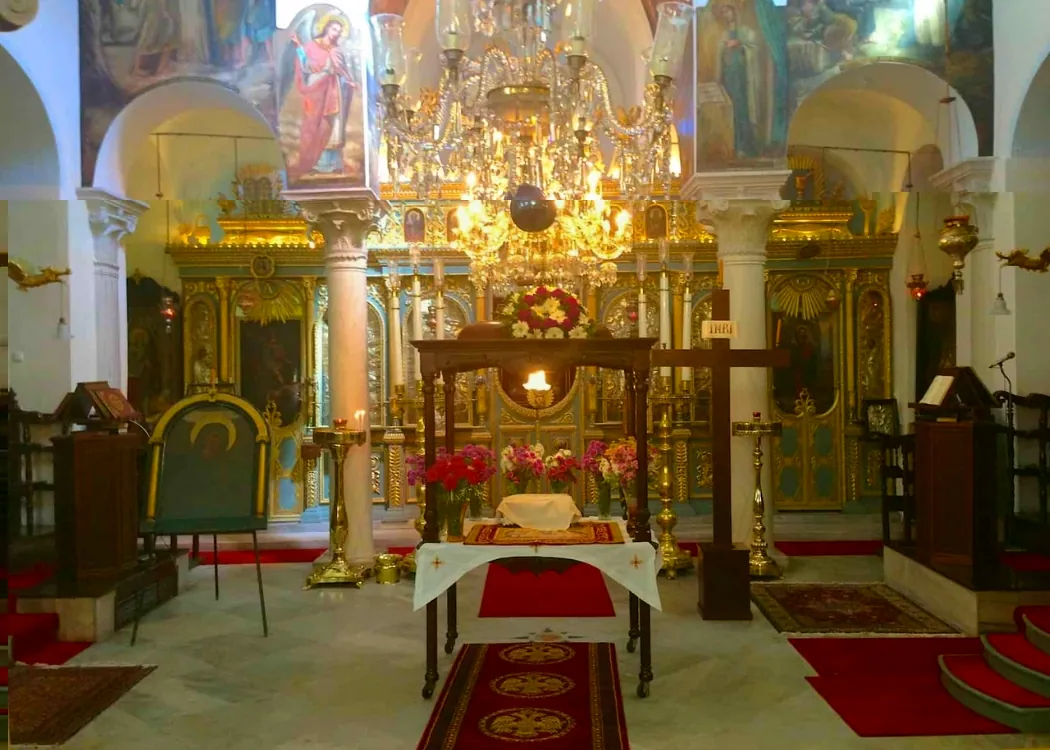
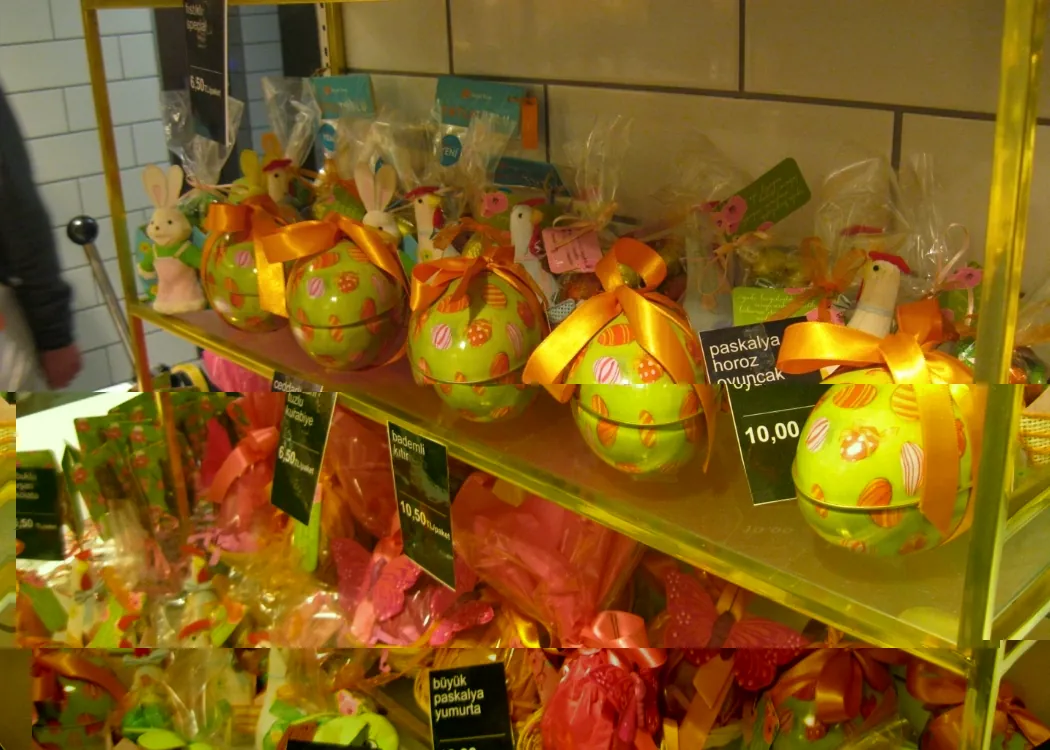
    Easter celebrations in 2025 come twice: Western (Catholic/Protestant) Easter happens on Sunday, 20 April, while Orthodox Easter is also the same day specially this year!.  Between those Sundays, Istanbul becomes a living palimpsest: candle-lit midnight liturgies echo inside Hagia Irene and the Ecumenical Patriarchate, expats hunt pastel eggs under blooming Judas trees, and bakeries from Beyoğlu to Kadıköy perfume the streets with mahlepli paskalya coregi (Easter sweet bread). Istanbul boasts Easter experiences unlike anywhere else in Turkey, whether you are a pilgrim looking for an English-language mass, a history traveler after Byzantine processions, or an inquisitive food lover ready to taste red-dyed eggs and lamb on the spit.


    This post unpacks all of it: history, sacred places, 2025 service schedules, family-friendly brunches, ferry routes to island processions, plus insider tips on where to find the fluffiest tsoureki and the brightest egg dyes.  Welcome to Easter in Istanbul: a confluence of faith, cuisine, and springtime marvel.


    Easter in Istanbul


    Istanbul looks different at Easter. Istanbul church bells mix with the ferry horns. Sellers stack tulips next to red‑dyed eggs. Most locals fast for Ramadan or drink spring tea in cafés, yet the old Christian rhythm is still there. It shows up in midnight candles, in sweet paskalya çöreği (Easter sweet bread), and in the crowds climbing the hill to Saint George on Büyükada. This section gives the basics; how Easter got here, why the city still matters, and what to expect on the ground. You can also read Christmas in Istanbul here. 


    easter_istanbul_mass_service


    A Short History of Easter in Istanbul


    Constantinople kept Easter long before the city took the name Istanbul. Emperors as early as the 4th century ordered grand liturgies in churches like the first Hagia Sophia. The rite that grew here later spread across the Orthodox world. Hagia Sophia, finished in 537, became the model for worship from Greece to Russia. The sound of “Christ is risen” once filled an empire, and echoes of it still roll out each spring.


    The spiritual leader of Eastern Orthodoxy, the Ecumenical Patriarch, lives in the Fener district. His seat, Saint George Cathedral, is small but pivotal. Pilgrims come every Pascha to kiss the icons and catch a glimpse of the Patriarch lifting the triple-flame candle. They do it because this spot keeps the chain unbroken between today’s services and the ancient ones of Byzantium.


    Easter Today in Istanbul


    Western & Orthodox Easter in 2025 falls on 20 April. In the week between, Istanbul feels half‑festival, half‑pilgrimage. Midnight services glow at Hagia Irene and the Patriarchate. Expat families hide plastic eggs in Maçka Park. Ferries to the Princes’ Islands fill with city folk hoping to tie a wish ribbon on the Saint George tree. Bakeries from Beyoğlu to Kadıköy sell tsoureki loaves scented with mahlep. It is a low-key holiday by Turkish standards, but every neighborhood offers a moment worth seeing.


    easter_istanbul_mass_service


    Is It Safe to Visit Istanbul for Easter?


    Tourist spots stay busy and mostly calm. The latest foreign‑office notices rate Turkey at “exercise increased caution,” the same level as many European countries. Advice is simple: avoid protests, keep an eye on bags, steer clear of the Syrian and Iraqi borders. Istanbul churches use metal detectors on big feast nights. Pick‑pocketing is the main nuisance; violent crime is rare in tourist areas. Most visitors who keep normal city sense report a peaceful Easter week. But we can easily say that yes, Istanbul is safe to visit always! It is a huge city and you will feel safe and peaceful in this friendly city. 


    Easter in Istanbul 2025


    The April air felt soft. Tulips were wide open, the Bosphorus looked silver, and the city smelled of fresh bread. This year both church calendars matched. One Easter Sunday. One long night of candlelight. Locals, expats, and pilgrims walked the same stone streets toward the same bells. Istanbul sounded old and new at once.


    Midnight at Fener Patriarchate


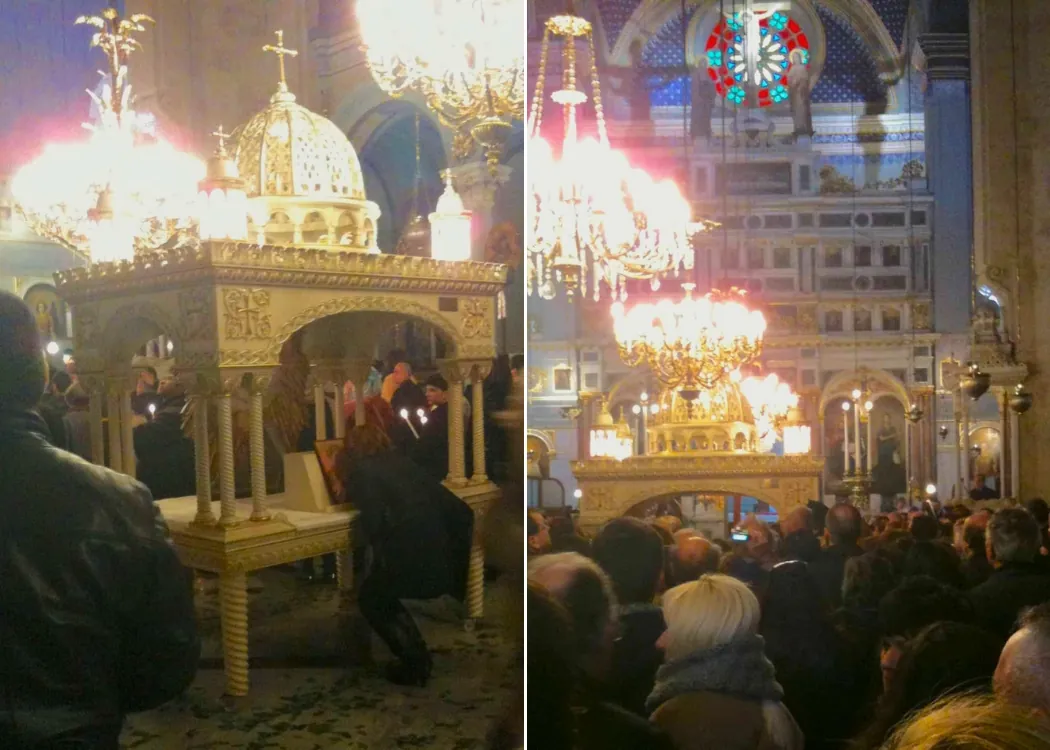
    The heart of the night was the Church of St. George in Fener. Patriarch Bartholomew led the liturgy. People queued down the narrow street, clutching beeswax candles and plastic bags of red eggs. The prayers rolled on until dawn, and a final service was set for 10 a.m. Monday. Greece’s consul general stood near the front pews, shoulder to shoulder with ordinary pilgrims.


    easter_istanbul_mass_service


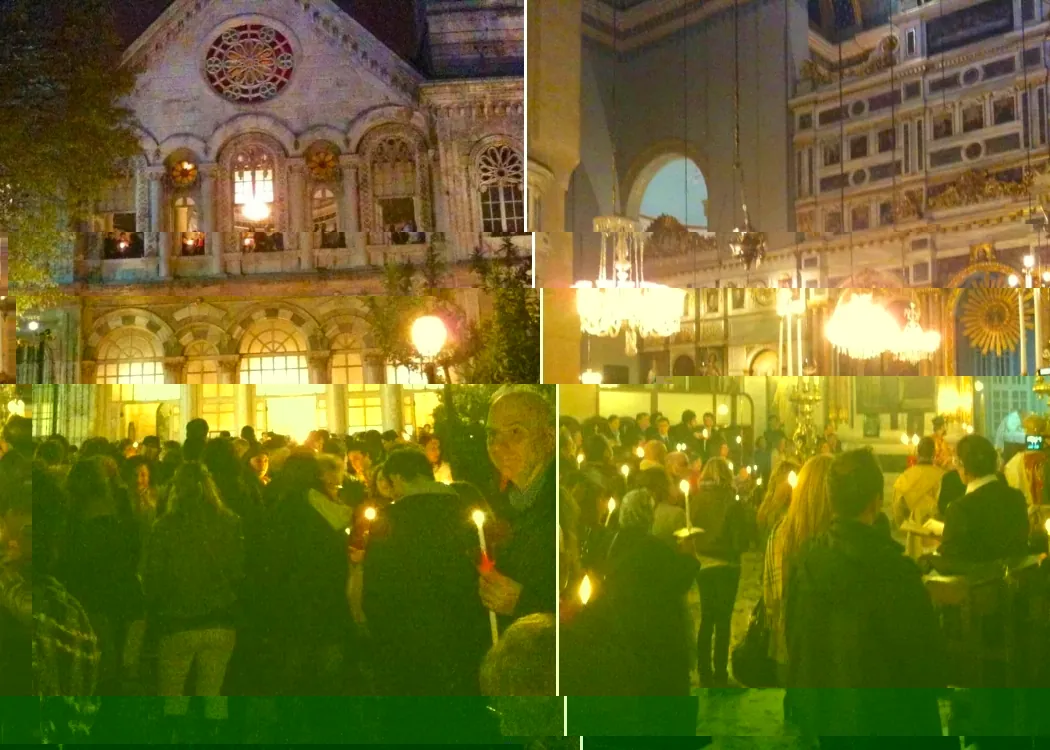
    Just before midnight, people packed the lane outside the Patriarchate in Fener. They held thin bees‑wax candles and red eggs in plastic bags. The triple bell rang. Patriarch Bartholomew stepped out with the Paschal flame. “Christ is risen,” he said, and the flame passed from hand to hand until the whole crowd glowed. The vigil rolled on till dawn, finishing with a second liturgy at ten‑o’clock Monday morning.


    Aya Yorgi in Daylight


    Inside the courtyard of Aya Yorgi the crowd was just as thick. Diplomats from Greece and Ukraine slipped in among local Greeks, Russians, and Georgians. The smell of incense mixed with the sweet spice of paskalya çöreği. Worshippers brought dyed eggs and little cakes, lit candles, and whispered prayers for peace.


    easter_istanbul_mass_service


    A few hours later Aya Yorgi’s courtyard filled again. Diplomats from Greece and Ukraine slipped in beside local Greeks, Russians, and Georgians. Incense drifted over baskets of paskalya çöreği and red‑dyed eggs. Long queues formed at the gate; nobody seemed to mind. They sang, lit candles, and shared bread in the spring sun.


    A Greeting from Ankara


    Earlier that day President Erdoğan sent a short Easter message. He called the feast “a symbol of unity, brotherhood and sharing” and wished peace to every Christian in Türkiye. Churches across the city read it aloud before the Gospel.


    easter_istanbul_mass_service


    Street Notes


    The metro ran all night to move the crowd leaving Fener. Police set up quick bag checks at church doors; the mood stayed calm. Bakeries in Beyoğlu sold out of tsoureki before noon. Latecomers grabbed sesame simit instead. On Büyükada, the wish‑tree wore new ribbons by sunset. Everywhere you heard the same words, in Greek, Turkish, Russian, English: “Khristos Anesti—He is risen.”


    Voices beyond the Bosphorus


    Easter rang far outside Istanbul too. Armenian clergy sang in Diyarbakır’s Surp Giragos Church. Syriac hymns echoed inside Kırklar Church in Mardin. Muslims stood alongside Christians, trading holiday sweets and wishes for peace. The same spirit of neighborly respect drifted back to Istanbul by Monday morning ferries.


    What worshippers noticed


    • Long security lines at major churches—but a calm mood once inside.
    • Metro trains ran all night to handle the crowds leaving Fener.
    • Bakeries sold out of tsoureki by noon; latecomers settled for simit.
    • The wish‑tree on Büyükada sprouted ribbons in every color before sunset.


    Takeaway


    Easter 2025 showed Istanbul at its best: one city, many tongues, and a single bright flame passed from hand to hand in the dark. Easter 2025 left the city warm, lit, and smelling of spice and wax. One Sunday, one flame, many voices.


    Come for Easter, Enjoy More in Istanbul


    You fly in for the liturgy, the tulips, and the smell of fresh paskalya çöreği. You stay because the city never runs out of stories. The easiest key to those stories is Istanbul Tourist Pass®.


    Everything lives in one phone app. Download from the App Store or Google Play, sign in, and the whole package sits in your pocket—no paper, no pickup desk, no stress.

    What the pass gives you


    • Skip‑the‑ticket‑line QR codes for Hagia Sophia, Dolmabahce Palace, Basilica Cistern, and more. Just scan your instant online ticket, and walk in.
    • Smart audio guides that whisper stories while you wander on your own.
    • Amazing free Bosphorus cruises and Bosphorus dinners with Turkish shows
    • Family hits: theme parks, aquaparks, and aquariums full of sharks.
    • Local help: free airport transfer, discount on private car + driver if you want the royal treatment.
    • Extra travel freedom: special price on the unlimited Istanbul City Card for buses, metro, trams, and ferries.
    • And soooo much more.. 


    istanbul_tourist_pass_easter


    How it works


    The pass runs on a simple credit system. Pick the size that fits your stay, then mix and match attractions. No set itinerary. Change plans if the weather flips or a friend drags you to the islands.


    Groups of 10 or more get special discounts. One payment, one dashboard, everyone covered.


    Why it matters at Easter?


    Lines at the big museums grow when holiday visitors arrive. The pass lets you glide past them and still make it to midnight mass on time. Free transfer means less hauling luggage across town after that late flight. Audio guides fill the quiet hours between services with stories that knit the city’s Christian and Ottoman layers together.


    One app. One price. A hundred doors swing open. Use the time you save for another cup of Turkish coffee or to watch the sun set behind Hagia Sophia while your candle from the vigil still smells of beeswax.