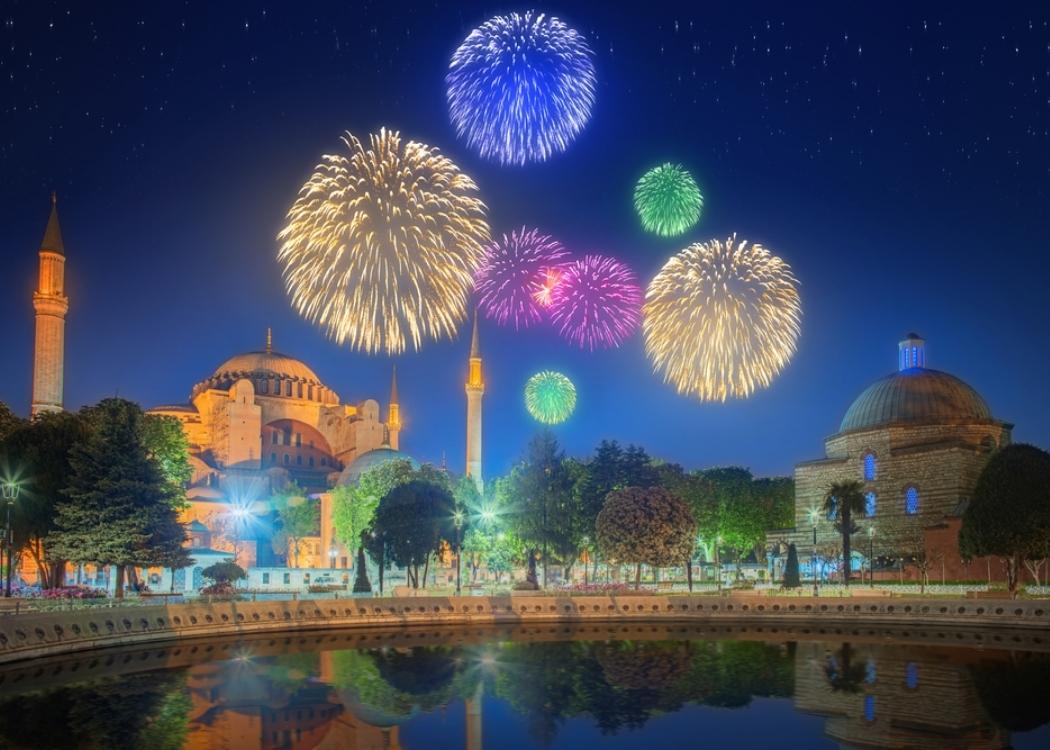



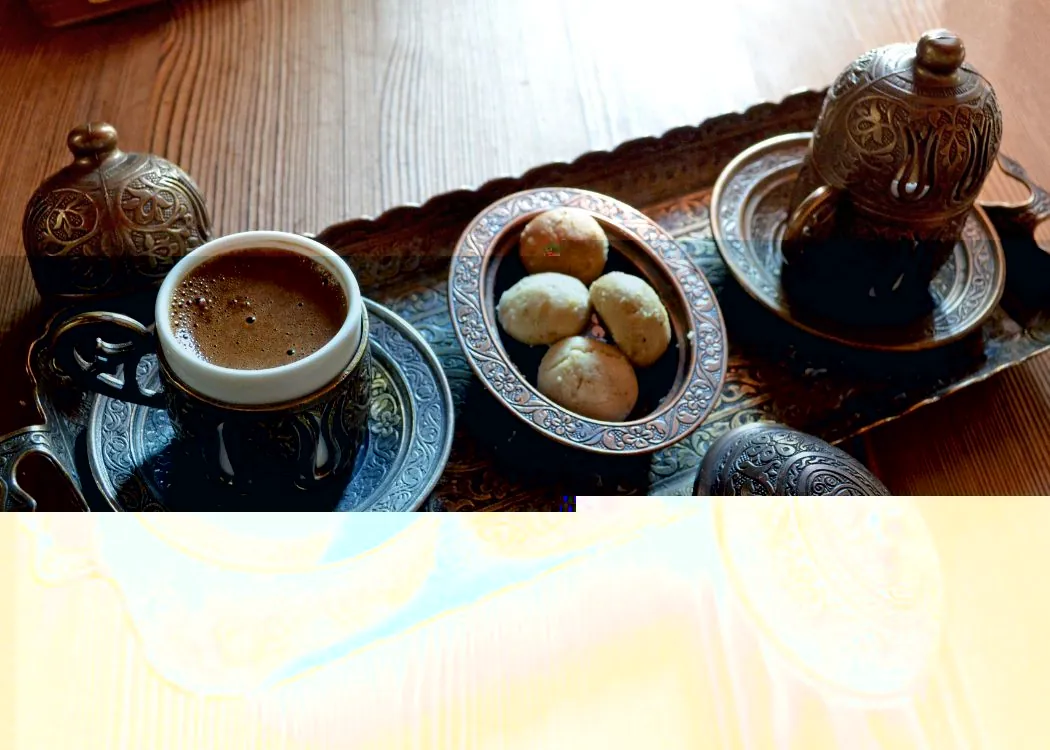
Turkish coffee sits at the heart of that daily rhythm. Residents linger over tiny porcelain cups, letting the thick brew cool as they trade news or plan the day. The drink is more than caffeine. It is a social pause, a fortune‐telling tool, and a bridge to centuries of tradition. Step into any Istanbul coffeehouse and you join a living ritual that has stirred the city awake for five hundred years.
History of Turkish Coffee
Coffee’s road to Istanbul starts in the mountains of Ethiopia, winds through Yemen’s port cities, and ends in the kitchens of Ottoman sultans. Follow its path to see how a single bean reshaped palace customs, sparked Europe’s first cafés, and still flavors daily life across Türkiye today.

Origins in Arabia
Coffee first grew wild in the highlands of Ethiopia, yet the earliest written tales of brewing come from Yemen in the fifteenth century. Sufi monks there prepared the drink to stay awake in long hours of prayer. Merchant ships soon carried the beans north through the Red Sea to the busy port of Alexandria and then to Ottoman Empire lands.
Coffee Reaches Istanbul
In 1554 two Syrian traders opened the city’s first coffeehouse in Tahtakale near the Spice Bazaar. Curious locals gathered inside low wooden rooms scented with cardamom and smoke. Court chroniclers say Sultan Suleiman’s chief consort Hürrem relished the drink, and palace kitchens perfected the method of roasting, grinding, and slow cooking in a cezve over live coals. From the Topkapı Palace kitchens the habit flowed into every neighborhood, from Galata’s docks to Üsküdar’s hillside gardens.
From Palace to Bazaar
By the seventeenth century, Istanbul brimmed with coffeehouses called kıraathane, a word that combines “reading” and “house.” Poets recited verses, janissaries played backgammon, and traveling storytellers spun epics for crowds warmed by tiny porcelain cups. Roasted beans, prized as gifts, traveled in silk pouches from the palace to provincial governors, reinforcing the idea that sharing coffee showed hospitality and rank.
Turkish Coffee and the European Craze
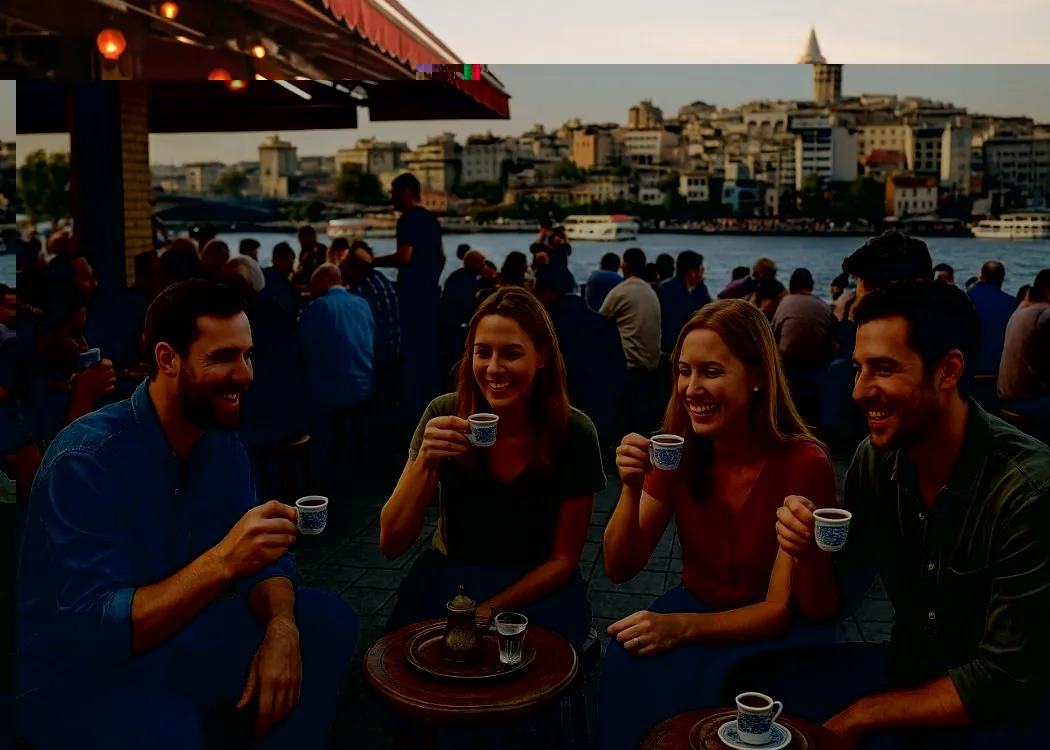
Ottoman diplomats carried cezves and cups on foreign postings. In 1669 the Ottoman envoy to Paris, Süleyman Ağa, hosted lavish coffee receptions that dazzled the French court. Vienna tasted its first cup after the failed Ottoman siege of 1683 when abandoned sacks of green beans were discovered outside the city walls. Traders soon opened coffeehouses in Venice, London, and Amsterdam, yet they mimicked the thick, unfiltered brew they labeled “Turkish style.” Europe’s long romance with coffee began in those moments of diplomatic showmanship and battlefield chance.
A Symbol in the Republican Era
After the foundation of the Turkish Republic in 1923, coffeehouses shifted from imperial lounges to modern meeting rooms. Journalists drafted articles at bar-top stools, and politicians debated under hanging oil lamps. The government promoted Turkish coffee at world fairs to signal a unique national identity, even as espresso machines and instant granules entered the scene. Today ordering a orta şekerli cup—medium sweet—still links office workers and grandparents to centuries of shared flavor and conversation.
How to Make Turkish Coffee
Turkish coffee is slow brewed and unfiltered. You need only three things: very finely ground coffee, cold water, and a small copper pot called a cezve. Sugar is optional. Choose between no sugar, little sugar, medium sweet, or very sweet before you start, because the sugar cooks with the coffee.
Steps of Making Turkish Coffee
- Measure one heaped teaspoon of coffee for each cup and place it in the cezve.
- Add one small Turkish coffee cup of cold water for every serving.
- If you want sugar, add it now and stir until the grounds sink.
- Set the pot over low heat. Do not stir again. A dark foam will rise slowly.
- Just before the foam reaches the rim, lift the pot and spoon a bit of the foam into each cup.
- Return the cezve to the heat. When the coffee begins to rise a second time, remove it completely.
- Let the grounds settle for a few seconds, then pour the coffee gently so the foam sits on top.
Serve with a glass of water to cleanse the palate and, if you wish, a piece of Turkish delight on the side.
Everything About Coffee Cup Readings
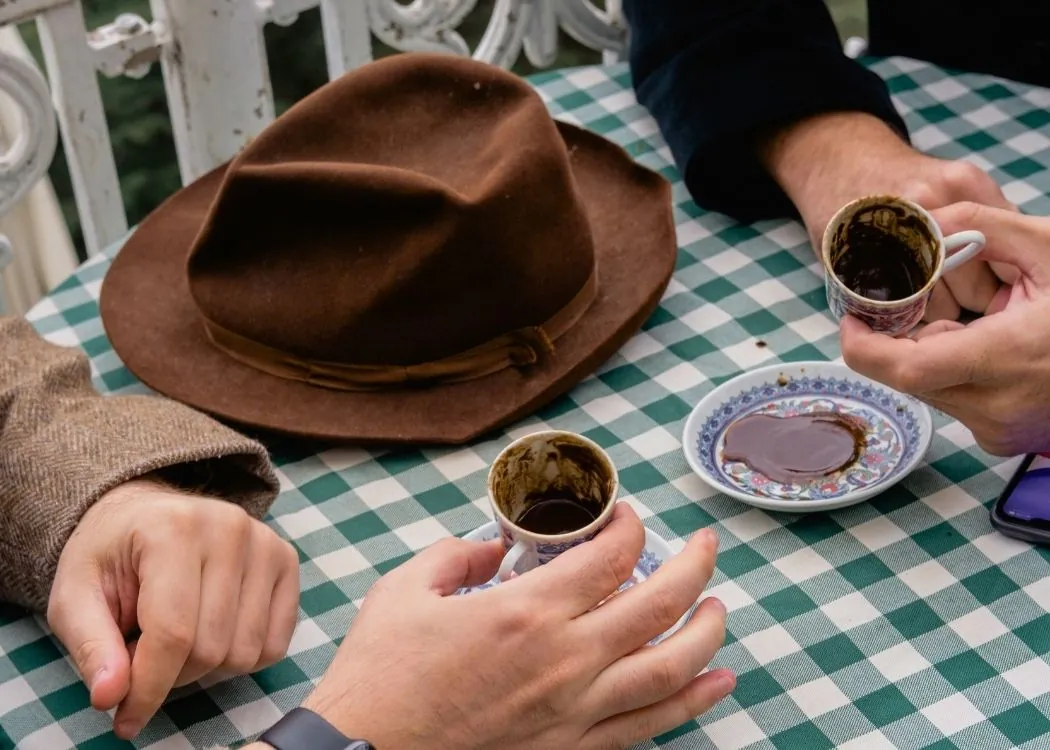
When the last sip is gone, the ritual often continues with fortune telling called fal bakma. It is as common at family tables as it is in cafés.
How it works
- Place the saucer over the cup, make a silent wish, and flip the set upside down.
- Wait a few minutes for the grounds to cool and slide down the interior, creating patterns.
- Lift the cup and read the shapes. Many people see letters, animals, or paths that suggest future events. A bird can hint at good news, while a straight road may signal travel.
- Some readers also examine the saucer for extra clues, saying the splashes show money or obstacles.
The practice is playful, and no one takes each symbol too seriously. Still, it offers a charming excuse to linger, share hopes, and laugh with friends over a second round of coffee.
Fortune Cafes in Beyoğlu
Tiny coffeehouses hide in the side streets off İstiklal Avenue. They look ordinary until you notice the line of friends waiting with turned-over cups. Inside, professional readers move from table to table, interpreting symbols that form along the porcelain. A short walk from Galatasaray Square brings you to venues that market themselves as the “first fortune-telling cafés” of the district. Many offer set menus that pair one cup of coffee with a reading lasting ten to fifteen minutes. Fees start from 250 TL but rise in the evening when demand peaks.
Tarot Meets Coffee
Readers often spread a small tarot deck beside the cup. They say the cards clarify the shapes in the grounds and add details about relationships or work decisions. The mix of card symbols and coffee swirls turns the session into a playful ritual. Local women, especially groups of university friends, book tables after class for a shared reading and gossip session that can stretch for hours.
Digital Fortunes on Demand
If you cannot reach Beyoğlu, two Istanbul-based apps bring the ritual to your phone. Faladdin and Kaave ask you to upload photos of your emptied cup. Real fortune tellers, sometimes aided by AI, send back written readings within minutes. Both apps report millions of users worldwide and claim to handle more than a million readings each day. Basic readings are free but detailed interpretations and horoscope add-ons cost from 100 TL to 1500 TL.
Star Readers and Sliding Fees
Some fortune tellers build cult followings on social media. Many are women; a notable number are LGBTQ+ icons who turn each session into a small show. Their cafés release weekly booking lists that fill quickly. A reading by a celebrated reader can cost 500 TL or more, especially on Friday nights. Visitors treat the price as part show ticket, part spiritual advice, and part souvenir of Istanbul’s lively café culture.
Turkish Coffee and Istanbul in Art and Story
Istanbul’s tiny porcelain cups appear everywhere in local culture. Writers, poets, and film-makers rely on their slow-swirling brew to set a scene or mark a turning point. The drink turns into a shorthand for pause, memory, and shared fate.
Coffee in Verse
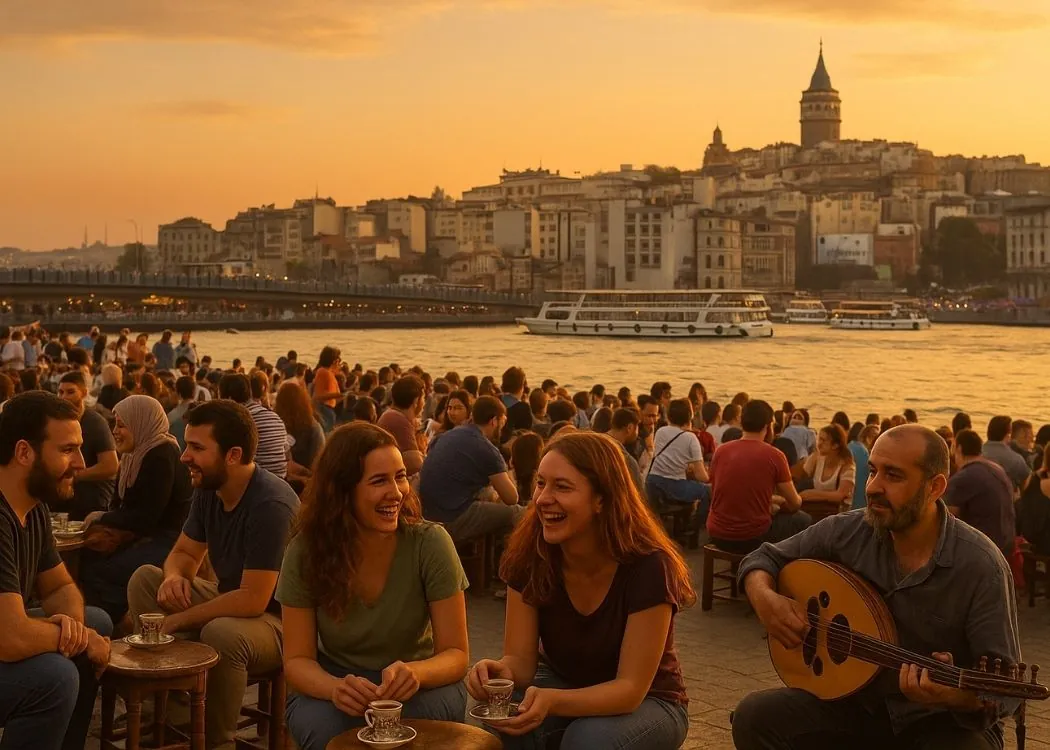
Ottoman divan poets praised the “black pearl” that brightened night gatherings, but modern voices keep the image alive. Orhan Veli Kanık ends a famous invitation with “let us sit and have coffee one day, the coffees are on me, the view is from you,” a line many locals still quote when they text friends for a catch-up.
Novels Steeped in Aroma
Coffeehouses shape whole chapters in Orhan Pamuk’s memoir Istanbul: Memories and the City, where he calls them one of the city’s greatest treasures.
Elif Shafak’s The Bastard of Istanbul opens inside a bustling Beyoğlu café whose cezve never rests; the clatter of cups frames the novel’s clashes of past and present.
Scenes on Screen
Film directors also lean on the ritual. Nuri Bilge Ceylan’s Winter Sleep lets tension build while characters sip Turkish coffee in long, silent takes, underlining unspoken thoughts.

The Hollywood drama The Water Diviner even pauses its Gallipoli story for a fortune-teller who reads a soldier’s cup, proving the ritual’s power travels well beyond Türkiye.
Heritage on a World List
UNESCO placed Turkish coffee culture on its Intangible Cultural Heritage register in 2013, noting how the drink appears in songs, proverbs, and literature as a symbol of hospitality and friendship.
Together these lines, pages, and frames show that a small cup can hold an entire city’s imagination.
Istanbul Coffee Events and Festivals in 2025
Istanbul’s coffee calendar is now as busy as its ferry piers. From trade fairs to open-air tastings, every month brings a chance to meet roasters, test new gear, and sip fresh brews with locals. Below are the key dates you will want to mark if you love Turkish coffee and its modern cousins.
Coffex Istanbul | 9–11 May 2025
The city’s largest coffee fair fills the Lütfi Kırdar Congress Center for three full days. Exhibitors range from micro-roasters to global machine brands, and this year India is the focus country. Expect cupping tables, beginner workshops, and the latest in espresso tech. Tickets start at 200 TL per day, with discounts online.
Istanbul Coffee Festival | 26–28 September 2025
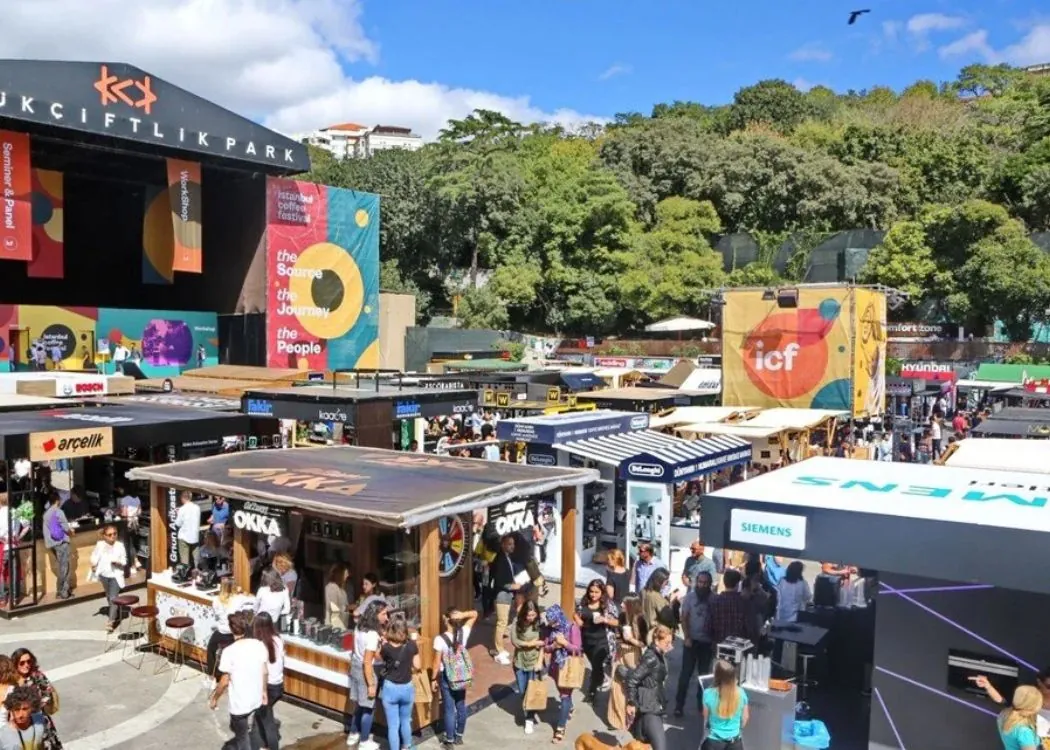
Now in its eleventh edition, the Istanbul Coffee Festival returns to KüçükÇiftlik Park for a long weekend of live music, latte‐art battles, and endless sampling. More than 150 stalls pour everything from single-origin filter brews to classic Turkish coffee cooked on hot sand. Early bird passes usually sell out by mid-summer, so keep an eye on the festival’s social feeds.
Kahve Zirvesi | 12–14 September 2025
Hosted inside Müze Gazhane, this “Coffee Summit” focuses on consumer trends and sustainability. Panel talks, brand pop-ups, and tasting labs run from morning until late evening. Organisers expect over seventy thousand visitors across three days.
National Championships by SCA Turkey
Coffee Brewing Championship — 24–26 January 2025, Gaziantep.
Latte Art & Cezve/İbrik Championships — 12–13 April 2025, Hilton Garden Inn Bayraklı, İzmir.
Winners here go on to represent Türkiye at the World Coffee Championships later in the year, so the crowd is packed with baristas cheering for friends.
Keep these dates handy, and you can plan your next Istanbul visit around some of the liveliest coffee gatherings on the planet.
Top Places to Enjoy Turkish Coffee in 2025
Let's have a look at the best places to drink Turkish coffee in 2025. This list is completely personal, if you have other cafes, write us via @istanbultouristpass on Instagram.
Mandabatmaz (Beyoğlu)
Step off busy İstiklal Avenue into Olivya Geçidi and you find this pocket-size shop with only a handful of stools on the pavement. The barista keeps a row of copper cezves bubbling over a gas flame and pours each cup without filters, leaving a velvety foam that locals praise as the thickest in town. The name means “a buffalo would not sink,” and regulars say the brew really is that dense. Come before noon for a quiet seat, or drop by after work when writers and musicians crowd the alley for a quick caffeine shot.

Kurukahveci Mehmet Efendi (Eminönü)
Follow the sweet aroma around the corner from the Spice Bazaar and you will see a fast-moving queue outside this historic roastery founded in 1871. Staff slide cups across a marble ledge while another team fills brown paper packets with freshly ground beans for travellers to carry home. The coffee is roasted on site in small batches, so each sip arrives hot, fragrant, and slightly chocolatey. Even if you wait ten minutes, the line feels like part of the ritual that has linked the bazaar and this brand for more than a century.
Fazıl Bey’in Türk Kahvesi (Kadıköy Bazaar)
Cross the Bosphorus by ferry and wander into Kadıköy’s covered market, where this family café has been brewing since the early years of the republic. Wooden shelves display tins of dark roast, and small round tables fill with shoppers taking a break from the lively produce stalls outside. Order your coffee medium sweet and it will come with a square of lokum plus a glass of cold water, just as the founder served it in the 1920s. The simple décor and steady hum of conversation make the place feel like a neighbourhood living room. If Fazıl Bey is too crowded you may go to Moda Cay Bahcesi, it is the next best thing.
Pierre Loti Café (Eyüp Hill)
Ride the cable car up from the Golden Horn and step onto a terrace that sweeps across Istanbul’s historic peninsula on Pierre Loti. The staff still prepare Turkish coffee in individual cezves, keeping the heat low so the foam stays thick in the thin mountain air. Take a seat under the plane trees, breathe the pine-scented breeze, and read a few pages from the French novelist who gave the café its name. Many visitors linger until sunset, watching mosque silhouettes darken as ferry lights flicker below.
Sade Kahve (Rumeli Hisarı)
Hidden beside a fifteenth-century fortress on the Bosphorus, Sade Kahve opens just after sunrise to serve rowers, dog-walkers, and couples who want the first light on the water at Rumeli Hisarı. Wooden tables scatter across a leafy garden, and sparrows hop between chairs searching for crumbs of simit. The house style is sade, which means no sugar, but you can ask for a little or a lot if you prefer. After your coffee, stroll the seaside promenade that links the fortress to the smart cafes of Bebek.
Bonus: Starbucks Turkey
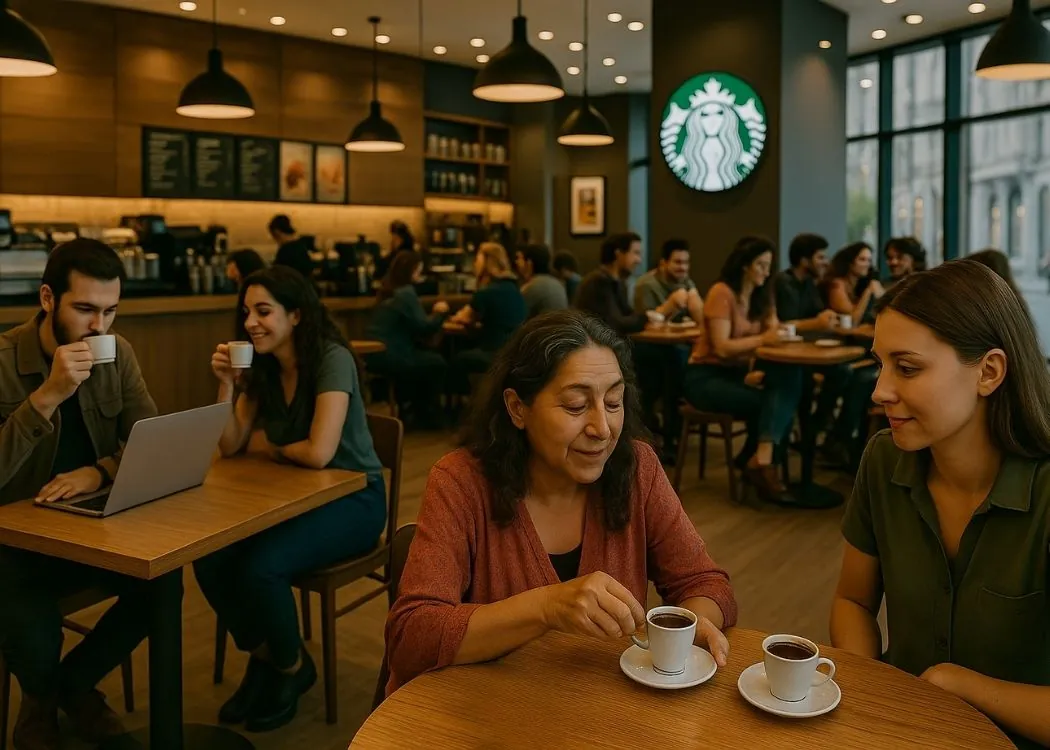
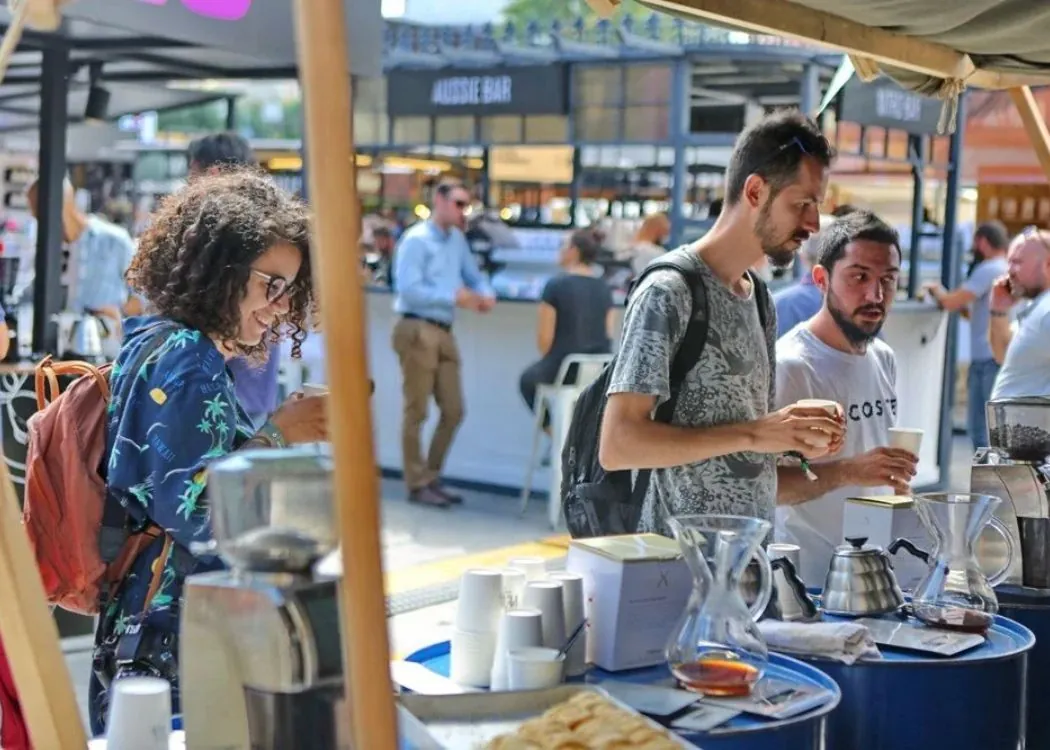
Customer demand finally convinced Starbucks to add Türk Kahvesi to its national menu, and the drink is now available in every one of the chain’s 600-plus Turkish stores. Baristas prepare it in small cezves kept behind the counter, and many branches serve it with a cube of Turkish delight at no extra charge. A single cup costs about 150 TL, making it one of the most affordable items on the board. You can also buy Starbucks-branded Turkish coffee in retail packs to brew at home, a nod to the loyalty local coffee lovers expect.
Explore Istanbul with Istanbul Tourist Pass®
Istanbul Tourist Pass® is the first and still the most inclusive digital sightseeing pass in the city. It gathers more than one hundred attractions, audio guides, and handy services in a single mobile pass. That means you can hop from museum to mosque without lining up for tickets and still have time to sit down for a proper Turkish coffee.
The pass works well for coffee lovers because many featured stops circle the same neighborhoods as the best cafés. The Spice Bazaar audio guide leads you past Kurukahveci Mehmet Efendi, where the air smells like fresh roast. The Galata Tower fast-track QR ticket drops you a three-minute walk from Mandabatmaz. The unlimited public transportation card option lets you sail across the Bosphorus to Kadıköy and reach Fazıl Bey’in Türk Kahvesi with no extra fare.
You can build an easy day around both coffee and culture:
- Start at the Grand Bazaar with the Istanbul Tourist Pass® audio guide, then walk to the nearby Turkish Coffee Museum for a short visit.
- Continue to the Spice Bazaar and grab a cup while the pass app explains the history of the market.
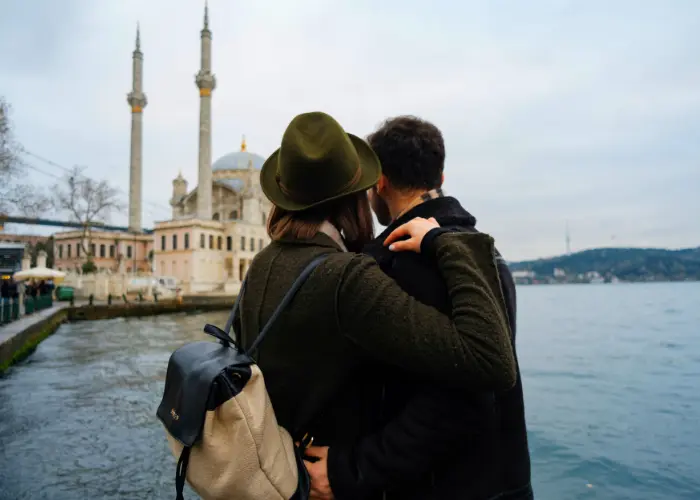
- Ride the included Bosphorus cruise to see the skyline from the water and note new cafés along the shore.
- Finish on the Asian side with Kadıköy Street Art walks, pausing for another coffee when you need a break.
Along the way the pass keeps customer service open on WhatsApp, so you can ask for directions to the nearest café or check if a last-minute Bosphorus sunset cruise still has seats. Whether you stay two days or a full week, Istanbul Tourist Pass® helps you taste more, move faster, and spend less on entry tickets: leaving a little extra in your pocket for that final round of Turkish coffee.
.jpg)