
Istanbul Tourist Pass
search

The Little Hagia Sophia Mosque: An Architectural Marvel in Istanbul

Istanbul is a unique city that has hosted many civilizations throughout history and contains traces of different cultures. Its strategic importance, with its geographical location connecting Asia and Europe, includes traces from different periods. It was the capital of the Roman Empire, followed by the Byzantine Empire and then the Ottoman Empire.

Istanbul.com Creator Community
June 14, 2024 • 6 min
Share
The Little Hagia Sophia Mosque: An Architectural Marvel in Istanbul


These riches of Istanbul, whose name has changed throughout its history and has hosted many cultures, are revealed at every step as you wander through the city streets. Historical buildings and monuments, from Hagia Sophia to Sultanahmet, from Topkapi Palace to the Grand Bazaar, make Istanbul a world-class centre of culture and history.


Every structure in this magnificent city has a story of its own. One of these stories is the story of Little Hagia Sophia Mosque. Little Hagia Sophia is a critical structure located in the historical peninsula of Istanbul, attracting attention with its architectural beauty. This church was built during the Byzantine period and has undergone many changes. Today, it serves as a mosque that holds an important place in the cultural mosaic of Istanbul.


Little Hagia Sophia Mosque makes an important contribution to Istanbul's fascinating texture, with its rich historical and cultural heritage extending from the past to the present.


With the Istanbul Tourist Pass®, you can visit more than 100 attractions in Istanbul. You can save time and money by not waiting long lines or paying museum entrance fees. Istanbul Tourist Pass® offers the highest level of services in Istanbul. The free audio guide feature can make your tour more enjoyable. You can both travel and learn.


Additionally, the Customer Support line is at your service to help you plan and navigate your trip before arriving in Istanbul. Istanbul Tourist Pass® is a sightseeing pass that provides access to many attractions, such as Topkapı Palace, Hagia Sophia, Dolmabahce Palace, a Sapanca Lake day tour, dinner on the Bosphorus, and the Istanbul Airport Shuttle. Benefit from discounted premium services with Istanbul Tourist Pass®. Visit the website for more details and updated attractions available with the pass.


About Little Hagia Sophia Mosque


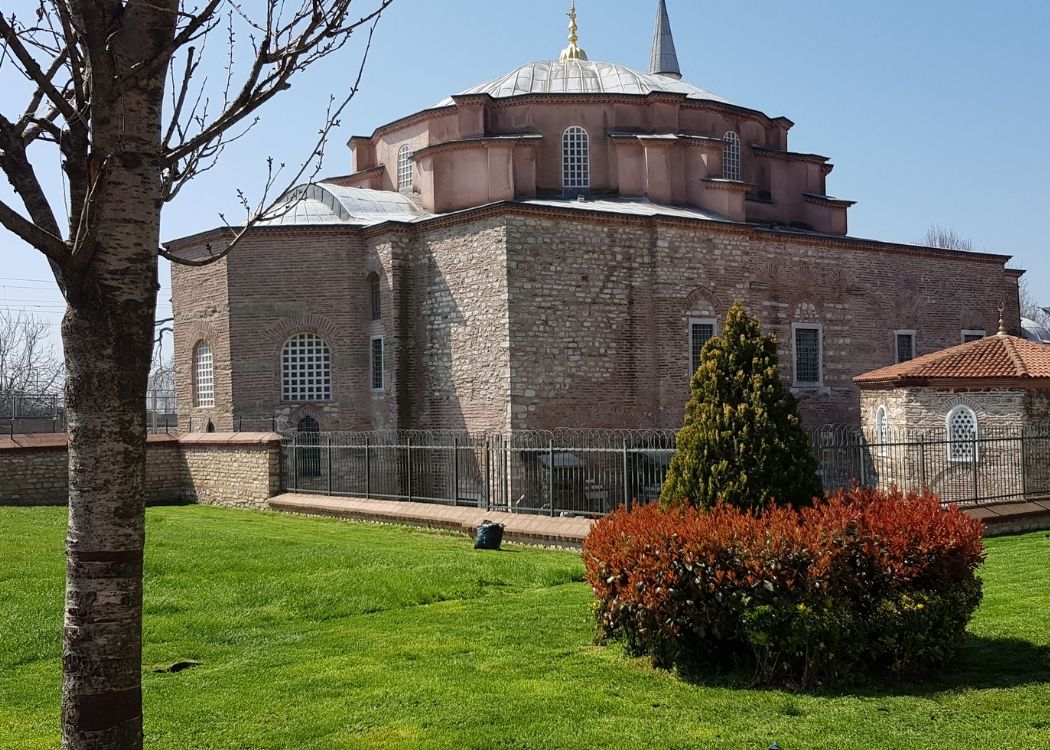
The Little Hagia Sophia Mosque was converted from a church originally built by Emperor Justinianos (527-565) and named after Sergios Bakkhos. As you approach this unassuming structure, you'll notice its simplicity, a testament to a different era. The small domed building exudes a quiet charm, surrounded by a small green garden. Despite its modest appearance, the significance of this place echoes through the ages.


Please take a moment to appreciate the serenity of its surroundings, hidden away in the Kumkapi neighbourhood. It may not boast intricate carvings or elaborate designs, but its humble presence holds a wealth of history and cultural importance. Step inside and discover the hidden treasures within the walls of Little Hagia Sophia. Double the quality of your Little Hagia Sophia Mosque tour with a great FREE audio guide.


History of Little Hagia Sophia


Emperor Justinian I, known for his grand buildings, like the Hagia Sophia, had this place built between 527 and 536 CE. Initially, it was called the Church of Saints Sergius and Bacchus, honouring two soldiers who were Christian martyrs. This church was remarkable because of its unique design, with a giant dome in the middle, which was quite new back then. It might have even inspired the design of the more significant Hagia Sophia.
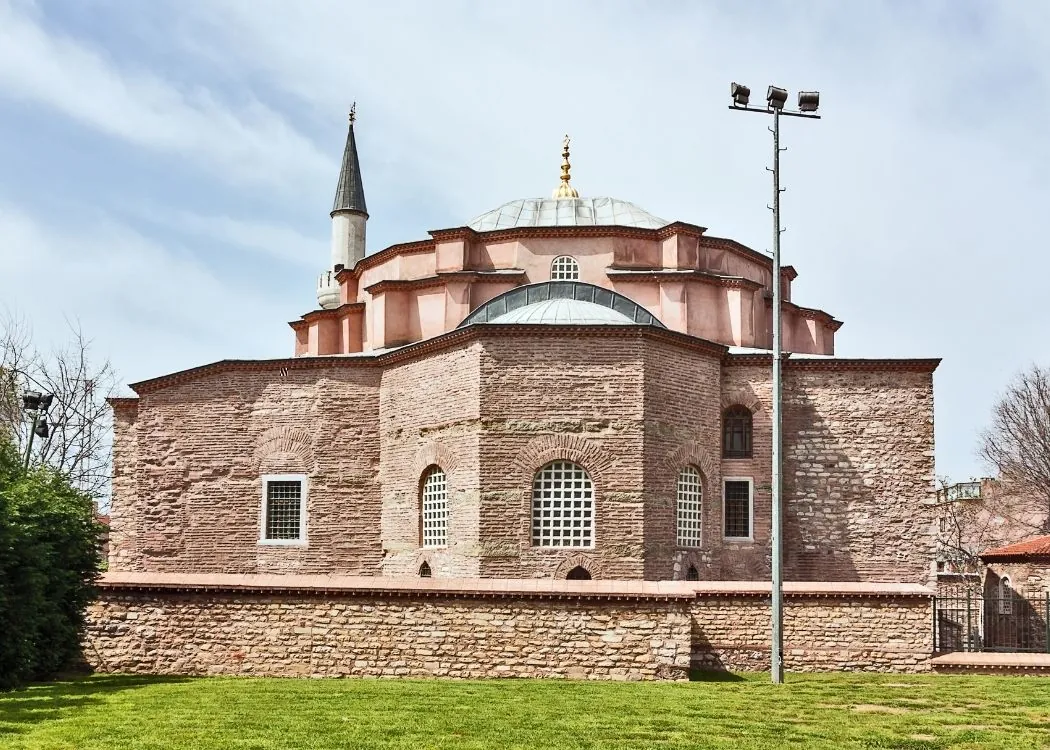


Jump forward to the time after the Ottomans took over Constantinople in 1453. They changed the church into a mosque called Küçük Ayasofya Camii, or Little Hagia Sophia Mosque. They added a tall tower called a minaret and a school for religious learning. Over the years, the mosque faced some problems like earthquakes and dampness. During wars, it even became a home for people who needed shelter. But thanks to restoration work, it's still standing strong today.


What to See in Little Hagia Sophia


From the outside, you'll notice this ancient structure's simple yet elegant design. Built with bricks and mortar, it is a testament to the architectural techniques of its time. The walls are strengthened by chains made of small stones, adding to their durability.
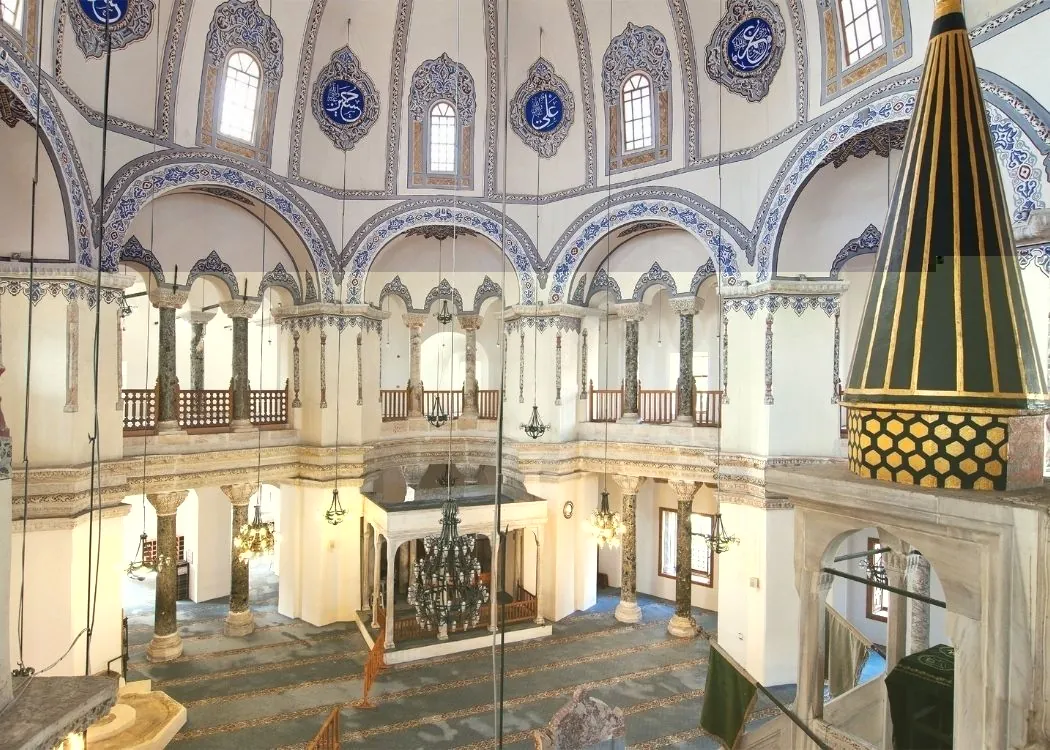


Little Hagia Sophia is octagonal, meaning it has eight sides. Picture a big octagon inside a lopsided square. Perched atop this unique shape is a magnificent dome divided into sixteen sections, some flat and some curved. Eight pillars support the dome and create a mesmerizing silhouette against the sky. As you approach the entrance, you'll find a charming courtyard adorned with a small garden and a fountain. It's a tranquil space where you can pause and admire the surroundings before entering.


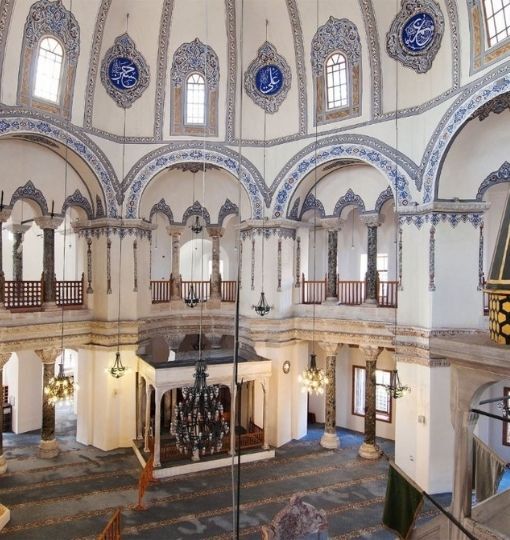
Upon entering, you'll be greeted by serenity and grandeur. The interior features a two-storey arcade along the north, west, and south sides, adorned with verd antique and red Synnadic marble columns. These columns bear witness to the craftsmanship of artisans from centuries past. Look closely, and you'll notice an elegant inscription in twelve Greek hexameters dedicated to Emperor Justinian, his wife Theodora, and Saint Sergius, the patron saint of Roman soldiers. The interior's intricate details and historical significance make it a captivating space to explore.


Stories and Legends about Little Hagia Sophia


While not as rich in legends as its grand counterpart, the Hagia Sophia, the Little Hagia Sophia holds its share of intriguing tales.


One captivating legend revolves around Emperor Justinian, who, before ascending to the throne, faced a grave accusation of treason against his uncle, Emperor Justin I. Facing imminent death, the intervention of Saints Sergius and Bacchus purportedly saved Justinian. These saints are said to have appeared to Justin I in a dream, advocating for Justinian's innocence. In gratitude for his salvation, Justinian vowed to erect a church to honour the saints. Many believe the Little Hagia Sophia is a testament to this sacred promise.
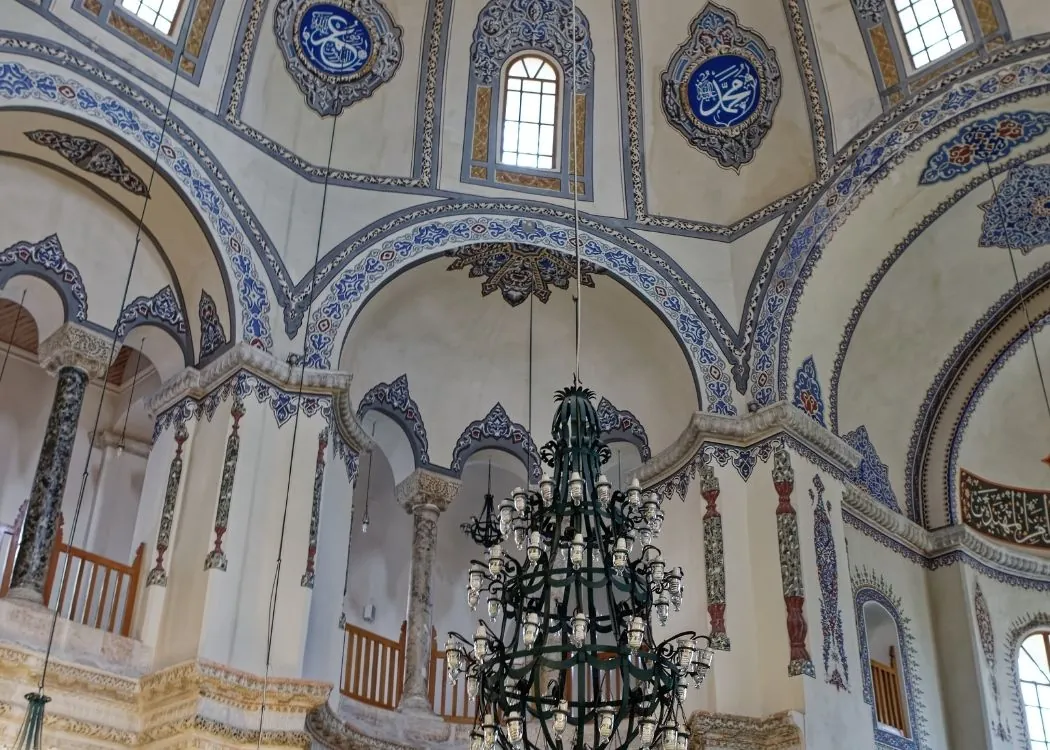


Another fascinating tale surrounds the architectural significance of the Little Hagia Sophia. It's said to have served as a testing ground for innovative techniques that would later find their perfection in constructing the grand Hagia Sophia. While not a supernatural tale, this legend highlights the spirit of innovation and experimentation that defined Byzantine architecture.


Like many ancient structures steeped in history, whispers persist of hidden treasures concealed within the walls of the Little Hagia Sophia. Some speculate that these riches were secreted away during the tumultuous period of the Ottoman Conquest. While the notion of hidden treasure adds a sense of mystery to the site, its existence remains uncertain.


As with all legends, these stories offer a blend of truth and imagination, providing insights into the beliefs and aspirations surrounding the Little Hagia Sophia throughout the ages.

 

What You're Wondering About

What are the visiting hours of Little Hagia Sophia Mosque? expand_more
The mosque is open from 10 AM - 6 PM every day, but is closed to visitors during prayer times.
Is there an entrance fee to the Little Hagia Sophia Mosque? expand_more
There is no entrance fee for the Little Hagia Sophia Mosque, but donations are welcome.
Are there any dress requirements when visiting the Little Hagia Sophia Mosque? expand_more
Modest attire is required for both men and women, ensure shoulders and knees are covered. Women should cover their heads before entering.
What's Worth Seeing in Little Hagia Sophia Mosque? expand_more
Visitors can discover the simplicity of the exterior of the building and carvings, historical inscriptions and calm courtyard of the interior.
What are the most important rules of the Little Hagia Sophia mosque? expand_more
Please respect the religious significance and atmosphere of the mosque. Don't forget to take off your shoes before entering. Keep noise levels low and avoid disruptive behaviour.

Find more Istanbul inspiration

Los mejores centros comerciales en Estambul para turistas
calendar_today Dec 9, 2025 • 11 min

Los mejores centros comerciales en Estambul para turistas

Planeas una escapada urbana con cultura, gastronomía y compras intensas? Los mejores centros comerciales de Estambul son fiables, para toda la familia y de fácil acceso en metro, tranvía o ferry. Esta guía te ayuda a planificar un día entre museos y tiendas.

Kinaliada de las Islas de los Príncipes: Razones para Pasar un Día
calendar_today Jun 24, 2024 • 13 min

Kinaliada de las Islas de los Príncipes: Razones para Pasar un Día

Las Islas de los Príncipes, situadas en aguas serenas frente a Estambul, son el destino imprescindible para quienes buscan un descanso del bullicio de la ciudad. En orden de tamaño, las cuatro islas principales son Kinaliada, Burgazada, Heybeliada (griego, Halki) y Buyukada (griego, Prinkipos). […]

Explorando Kadikoy, Estambul: Guía práctica
calendar_today Jun 16, 2025 • 13 min

Explorando Kadikoy, Estambul: Guía práctica

Kadıköy es uno de los barrios más vibrantes de Estambul en el lado asiático, reconocido por su mezcla de espíritu local y modernidad. Este distrito bullicioso ha ganado popularidad en los últimos años y figura entre los barrios más increíbles del mundo gracias a sus numerosos cafés, bares y tiendas.

Noviembre en Estambul: Clima, Qué llevar, Eventos y Consejos
calendar_today Oct 28, 2022 • 16 min

Noviembre en Estambul: Clima, Qué llevar, Eventos y Consejos

El amor está en el aire en Estambul en noviembre. A medida que el encanto otoñal cede ante la llegada del invierno, Estambul adquiere una atmósfera romántica y atractiva que es difícil resistir. Sus calles, con hojas doradas, son ideales para parejas que buscan una escapada íntima.

Los lugares más valiosos de Estambul
calendar_today Nov 4, 2021 • 3 min

Los lugares más valiosos de Estambul

Estambul es, sin duda, el centro de atención para visitantes de todo el mundo. Estambul ofrece una gran experiencia para todos sus habitantes al proporcionar un ambiente adecuado para diversos estilos de vida. 
 
 Existen numerosos beneficios de vivir en Estambul. Estambul se distingue por sus propiedades lujosas, una estructura social multicultural y otras razones destacadas.

Un Pedacito de Cielo en el Corazón de la Ciudad: Pabellon Ihlamur
calendar_today Mar 15, 2023 • 5 min

Un Pedacito de Cielo en el Corazón de la Ciudad: Pabellon Ihlamur

Estambul es una ciudad con una historia increíble. Hay muchas maravillas históricas y naturales a su alrededor, y Ihlamur Pavilion (Ihlamur Kasri) es una de ellas. Ihlamur significa tilo en turco. Es un lugar con un jardín hermoso lleno de tilos y huele muy bien, especialmente en primavera. Si visitas Estambul en esa estación, el Pabellon Ihlamur es una parada obligada para ver y disfrutar.

Magia del Fire of Anatolia: un viaje cultural cautivador
calendar_today May 23, 2023 • 10 min

Magia del Fire of Anatolia: un viaje cultural cautivador

Fire of Anatolia es un grupo de danza turco reconocido internacionalmente por sus actuaciones envolventes. Sus coreografías dinámicas, trajes coloridos y música enérgica lo han convertido en una de las exportaciones culturales más destacadas de Türkiye. Presentamos una novedad para la experiencia Istanbul Tourist Pass®: una entrada gratuita para presenciar esta producción de renombre mundial.

El vecindario colorido de Estambul: una guía de Balat
calendar_today Jan 2, 2023 • 5 min

El vecindario colorido de Estambul: una guía de Balat

Estambul tiene mucho para descubrir. Este artículo destaca Balat, su historia, casas coloridas y atracciones únicas, con Istanbul Tourist Pass® para ver más de 100 atracciones con un solo pase.

Qué hacer en Estambul con la familia
calendar_today Sep 7, 2022 • 6 min

Qué hacer en Estambul con la familia

Estambul, una ciudad con historia y cultura, es también un destino estupendo para familias. Con su ambiente vibrante, su cocina deliciosa y una variedad de actividades, hay algo para todos. Explora sitios históricos, recorre zocos bulliciosos y disfruta de parques encantadores. Haz un viaje en barco por el Bósforo, disfruta de la deliciosa comida turca o simplemente camina por los coloridos barrios de la ciudad. Al abrazar la mezcla única de lo antiguo y lo moderno, las familias pueden crear recuerdos inolvidables juntos.

Las principales razones para elegir Estambul para un trasplante capilar
calendar_today Feb 13, 2023 • 6 min

Las principales razones para elegir Estambul para un trasplante capilar

Estambul es una ciudad fascinante con numerosas maravillas. En años recientes, la salud se ha convertido en una de las principales razones para visitarla. En particular por motivos estéticos, personas de todo el mundo acuden a las magníficas clínicas de Estambul. Uno de los procedimientos cosméticos más comunes a nivel mundial es el trasplante capilar. Mayoritariamente hombres, pero también mujeres con la caída del cabello pueden enfrentar aislamiento social y buscan una solución.