
Istanbul Tourist Pass
search

10 Fascinating Facts About Hagia Sophia You Never Knew

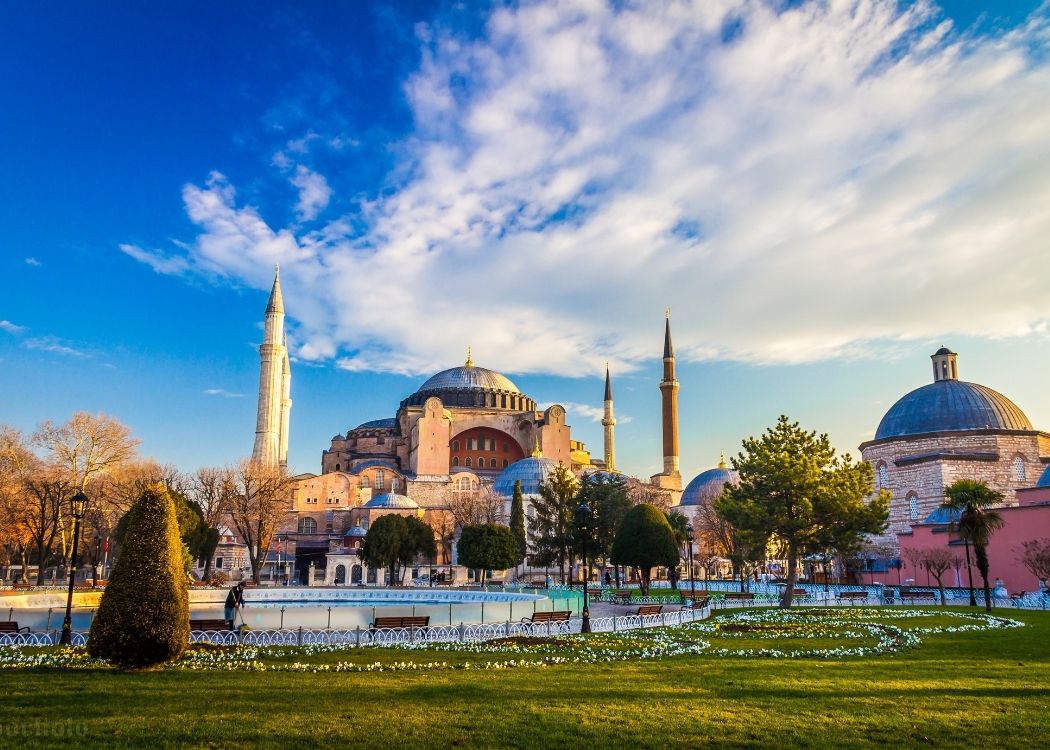
Hagia Sophia, an architectural masterpiece in the heart of Istanbul, stands as a symbol of the city’s rich and complex history. This iconic structure, which has served as a cathedral, mosque, and now a museum, has been a point of fascination for historians, architects, and travelers for centuries. In this blog, we will dive into 10 lesser-known facts about Hagia Sophia that highlight its significance, beauty, and fascinating history.

Istanbul.com Creator Community
April 21, 2025 5 min
Share
10 Fascinating Facts About Hagia Sophia You Never Knew


A Monumental Architectural Marvel


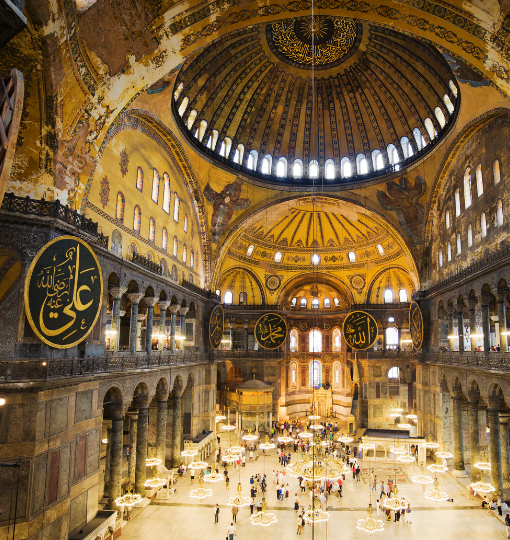
Hagia Sophia was originally constructed as a church in 537 AD under the Byzantine Emperor Justinian I. At the time, it was the largest cathedral in the world and remained so for nearly 1,000 years. The building's remarkable dome, which appears to float effortlessly above the central hall, is a testament to the innovative engineering of the Byzantine era.


The Cathedral That Changed the Christian World


For nearly 1,000 years, Hagia Sophia served as the seat of the Eastern Orthodox Church and was the center of the Christian world. It was here that the Orthodox Church made monumental decisions, including the famous Ecumenical Councils. The structure itself was considered the most important Christian building of its time, influencing church designs across Europe and the Mediterranean.


A Mosque for Over 400 Years


In 1453, after the conquest of Constantinople by the Ottoman Empire, Sultan Mehmed II transformed Hagia Sophia into a mosque. This was a pivotal moment in history, marking the transition from Byzantine to Ottoman rule in the region. The conversion also led to the addition of Islamic features, including minarets, a mihrab (prayer niche), and a minbar (pulpit), blending Islamic architecture with the existing Byzantine elements.


It Was a Museum for Nearly a Century


In 1935, following the foundation of the Republic of Turkey under Mustafa Kemal Atatürk, Hagia Sophia was secularized and converted into a museum. This decision was part of a broader effort to promote modernization and secularism in Turkey. As a museum, Hagia Sophia was open to visitors from around the world and provided a space for both religious and secular dialogue.


The Iconic Dome Has withstood Earthquakes


One of the most remarkable aspects of Hagia Sophia is its resilient dome. Over the centuries, Istanbul has been rocked by numerous earthquakes, but Hagia Sophia's dome has survived them all. The dome is supported by a series of buttresses and windows, which distribute the weight and pressure evenly, preventing it from collapsing during seismic events.


The Building is a Blend of Two Architectural Styles


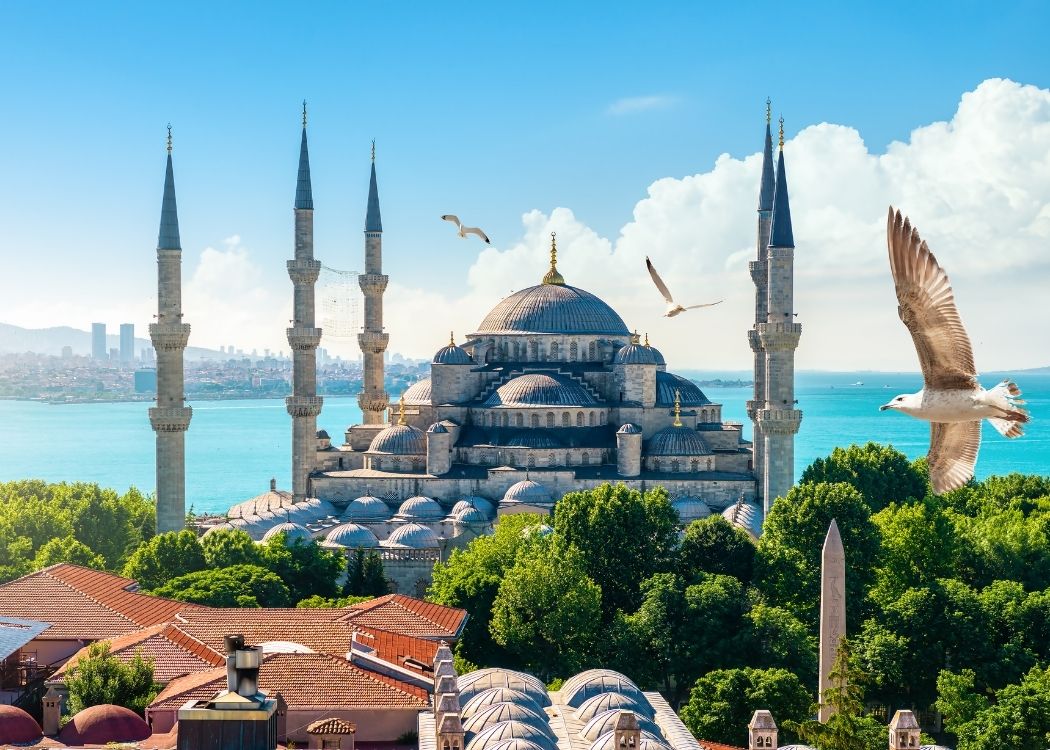
Hagia Sophia is a rare architectural blend of two major styles: Byzantine and Ottoman. The original design by the architect Isidore of Miletus and Anthemius of Tralles combined elements of Roman basilica architecture with a central plan, and later Ottoman additions brought in the iconic minarets and Islamic calligraphy. This unique fusion makes Hagia Sophia one of the most strikingly beautiful and historically significant buildings in the world.


The Building Was Almost Destroyed in the 9th Century


Hagia Sophia was nearly destroyed during the reign of the Byzantine Emperor Leo III in the 9th century. Emperor Leo sought to rid the empire of religious icons and ordered the removal of all religious images, including those inside Hagia Sophia. However, the building was saved from destruction, and the iconoclast movement eventually came to an end, preserving many of the building's treasures.


Hagia Sophia Has Some of the World’s Most Stunning Mosaics


One of the most awe-inspiring features of Hagia Sophia is its collection of Byzantine mosaics. These include detailed images of religious figures such as the Virgin Mary, Jesus Christ, and various emperors. The mosaics are a stunning example of Byzantine artistry and serve as a reminder of the building's Christian past. While some of these mosaics were covered up during the Ottoman period, they have since been uncovered, revealing their intricate beauty.


The Building is Still a Place of Worship


Today, Hagia Sophia continues to serve as a mosque, as it was officially reconverted by the Turkish government in 2020. Despite this, it remains open to visitors of all faiths and is still a popular tourist attraction. The building’s rich history as both a mosque and a church creates a unique environment where visitors can experience the convergence of multiple cultures and religions.


The Name ‘Hagia Sophia’ Means ‘Holy Wisdom’


The name "Hagia Sophia" translates to "Holy Wisdom" in Greek. This name reflects the building's original purpose as a church dedicated to the Holy Wisdom (Sophia) of God, a concept in Christian theology. The name has remained unchanged throughout its history, regardless of the building's various roles over the centuries.


Why Visit Hagia Sophia?


Hagia Sophia is more than just a historical landmark. It is a living monument to the blending of cultures, religions, and architectural styles. Whether you're drawn by its religious significance, its architectural brilliance, or its rich history, a visit to Hagia Sophia is a must for anyone visiting Istanbul.


Discover the Beauty of Hagia Sophia with Istanbul Tourist Pass®


Istanbul Tourist Pass® gives you exclusive access to Hagia Sophia, allowing you to explore this magnificent structure without the hassle of long lines or ticket purchases. With the Istanbul Tourist Pass®, you can delve into the rich history and stunning architecture of Hagia Sophia at your own pace, ensuring a memorable experience in one of the world’s most famous landmarks.


What You're Wondering About

Can I visit Hagia Sophia with the Istanbul Tourist Pass? expand_more
Yes, the Istanbul Tourist Pass provides you with easy access to Hagia Sophia, allowing you to skip the lines and explore this historical landmark without any hassle. The Istanbul Tourist Pass also grants access to many other top attractions in Istanbul, making it the perfect way to experience the city's rich heritage.
What Does Hagia Sophia Mean? expand_more
The name "Hagia Sophia" comes from Greek, where "Hagia" means Holy and "Sophia" means Wisdom. So, the name translates to Holy Wisdom. In Latin, it is referred to as Sancta Sophia.
What Should I Wear in Hagia Sophia? expand_more
Since Hagia Sophia is a mosque where people pray daily, visitors should wear modest clothing. Women are required to cover their heads with a headscarf. Shorts and revealing clothes are not allowed inside the mosque. Additionally, visitors must remove their footwear before entering and place it in a bag.
Can I Take Photos in Hagia Sophia During My Visit? expand_more
Yes, visitors are allowed to take photos inside Hagia Sophia. However, it's important to be respectful and follow any photography guidelines provided inside the mosque. Avoid using flash photography during prayer times to maintain the peaceful atmosphere.

Find more Istanbul inspiration

Istanbul en julio de 2024: ¡unas vacaciones mágicas te esperan!
calendar_today Jun 30, 2023 9 min

Istanbul en julio de 2024: ¡unas vacaciones mágicas te esperan!

Estambul, una ciudad con historia y patrimonio cultural, invita a viajeros de todo el mundo. Sus maravillas como Hagia Sofía y Topkapi la convierten en un destino único. En julio, la ciudad se enciende bajo el sol, perfecto para visitar. Si planeas viajar en julio de 2024, esta guía te ayuda a sacar el máximo provecho a tu viaje.

Guía del Istanbul Jazz Festival
calendar_today May 26, 2025 6 min

Guía del Istanbul Jazz Festival

Estambul nunca se detiene. Los ferries cruzan el Bósforo, los músicos callejeros alegran las calles y las cafeterías laten hasta tarde. Del 1 al 17 de julio de 2025, el Istanbul Jazz Festival convierte ese ritmo diario en una gran celebración. La edición 32 trae casi cuarenta conciertos en parques, salones históricos y el propio Bósforo.

Estambul: la ciudad más deseada de Europa en 2025 – 7 formas de explorarla como local
calendar_today Nov 20, 2025 6 min

Estambul: la ciudad más deseada de Europa en 2025 – 7 formas de explorarla como local

Estambul ganó la categoría “Mejor Ciudad Deseada (Europa)” 2025. Descubre por qué y explora como local con 7 rutas inteligentes, consejos de comida, ferries y pases que ahorran dinero.

Visitar mezquitas por primera vez en Estambul – Qué hacer y qué no hacer
calendar_today Jun 12, 2024 8 min

Visitar mezquitas por primera vez en Estambul – Qué hacer y qué no hacer

Estambul, una ciudad que une dos continentes, es reconocida por su impresionante arquitectura, su cultura vibrante y su historia rica. Entre sus lugares más icónicos se encuentran las hermosas mezquitas que adornan la ciudad, cada una ofrece una visión de la herencia islámica. Para los visitantes primerizos, entrar en estos espacios sagrados puede ser una experiencia muy significativa. […]

Fútbol, vida nocturna y cultura: Aquí está Beşiktaş, Estambul
calendar_today Apr 7, 2023 10 min

Fútbol, vida nocturna y cultura: Aquí está Beşiktaş, Estambul

Estambul es una ciudad hermosa con muchas cosas para hacer, ver y vivir. Una de las ventajas más destacadas es la diversidad de distritos, cada uno con su identidad, cultura y estilo de vida. Este artículo se enfoca en uno de los barrios con historia y vida diaria muy marcada. Antes de sumergirnos en Beşiktaş, descubramos la mejor forma de explorar Estambul ahorrando tiempo y dinero: Istanbul Tourist Pass®.

Noches de Rakı en Estambul: Guía local de la cultura de la leche del león
calendar_today Jun 12, 2025 15 min

Noches de Rakı en Estambul: Guía local de la cultura de la leche del león

Estambul, una ciudad con más de 15 millones de habitantes, donde Europa y Asia se encuentran, es un mosaico de historia, comida y tradiciones. Desde mercados de especias hasta las orillas del Bósforo, la ciudad ofrece muchas formas de vivir su rica cultura. Pero los locales dicen que las noches más memorables giran en torno a una mesa de meyhane.

Pabellón Hünkar: una joya tranquila junto a la Nueva Mezquita
calendar_today May 19, 2025 5 min

Pabellón Hünkar: una joya tranquila junto a la Nueva Mezquita

Estambul no oculta sus hitos, pero algunos de sus rincones más destacados quedan justo a la altura de la vista. Los transbordadores llegan a Eminönü, los puestos sirven té y las palomas giran alrededor de la Nueva Mezquita. Al mirar hacia arriba desde la plaza, verás un pequeño puente de piedra que conduce a un edificio modesto de dos plantas. Este es el Pabellón Hünkar, antaño retiro real, y hoy un museo compacto de la gracia otomana.

Consulados y Embajadas en Estambul
calendar_today Apr 18, 2025 8 min

Consulados y Embajadas en Estambul

Napoleón Bonaparte dijo: «Si la Tierra fuera un estado único, Estambul sería su capital». Estambul es una ciudad fascinante y su rol como centro cultural y económico de Turquía es notable. Este artículo te guía por los consulados y embajadas en la ciudad, con direcciones, horarios y consejos prácticos para viajeros.

Belleza y Negocios: BeautyIstanbul
calendar_today Apr 15, 2025 6 min

Belleza y Negocios: BeautyIstanbul

Estambul mezcla oriente y occidente, con historia y modernidad. BEAUTYISTANBUL reúne a profesionales de cosmética y cuidado personal de todo el mundo, con oportunidades de negocio y actividades culturales incluidas con Istanbul Tourist Pass®.

Té turco 101: historia, tradición, cómo prepararlo
calendar_today May 26, 2025 9 min

Té turco 101: historia, tradición, cómo prepararlo

Estambul te recibe con capas de historia, el zumbido de las gaviotas y el reconfortante aroma del té negro en vasos en forma de tulipán. La ciudad vive a ambos lados del Bósforo, fusionando Europa y Asia como hojas que giran en un çaydanlık. Desde la llamada al amanecer hasta el último tranvía, el té une cada momento. Se sirve en la cubierta del ferry, se comparte en el Gran Bazar y acompaña a estudiantes con simit. Donde sea que estés, un tintineo suave de vidrio recuerda la hospitalidad cercana.