
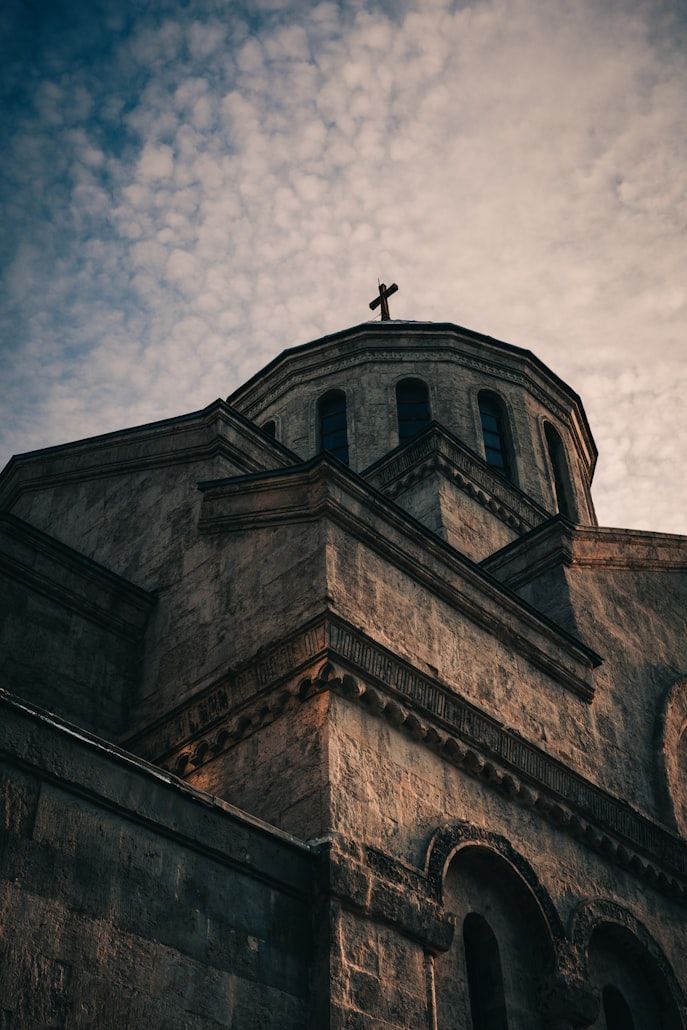
Istanbul Churches: A Local Guide to What to See
If you are visiting for the first time, Istanbul churches can feel like a living timeline: Byzantine basilicas, Orthodox sanctuaries, and Catholic landmarks, all layered into one city that has reinvented itself for centuries. Some sites are museums, some are active places of worship, and a few have changed function more than once. The good news is that with a simple plan and the right etiquette, you can see the highlights without rushing and still understand what you are looking at.
How to Approach Istanbul Churches as a Visitor
Before we talk specific buildings, it helps to know what “church” can mean in Istanbul. A historic church might be a museum today, or it might function as a mosque while still preserving Christian-era architecture and art. Access rules can change based on worship times, restoration work, or special services, so keep your schedule flexible.
- Decide what you want most: architecture, mosaics and frescoes, active worship, or a mix.
- Plan by neighborhood: the Historic Peninsula for major Byzantine-era monuments, and Beyoglu and Galata for later Catholic and minority community churches.
- Go early on weekdays: you will generally get calmer interiors and better photo conditions (where photography is allowed).
Istanbul churches
If your goal is to understand the city quickly, focus on a small set of representative sites: one monumental Byzantine landmark, one early Byzantine church, one masterpiece of late Byzantine art, and one active Catholic church. That combination tells the story of the city from Constantinople to modern Istanbul.
Landmark Origins: Hagia Sophia and the Shape of Byzantine Istanbul
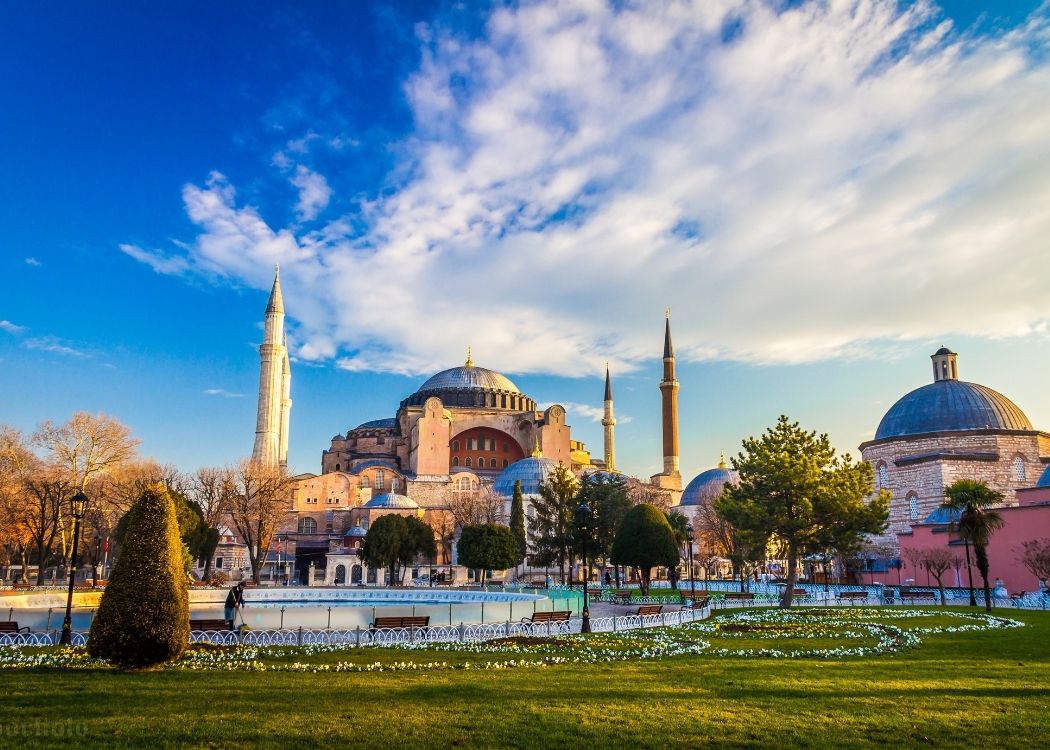
No conversation about Istanbul’s Christian heritage starts anywhere but Hagia Sophia. Completed in 537 under Emperor Justinian I, it became the defining model of Byzantine architecture, especially through its pioneering dome system. Over time it served as an Eastern Orthodox cathedral, later a Catholic church during the Fourth Crusade period, then a mosque after 1453, and it has continued to evolve in the modern era. When you visit, think of it as a masterclass in how a city reuses its most powerful spaces.
From a practical standpoint, treat this as a “big energy” visit: it is popular, it is meaningful to many communities, and it can be crowded. Dress modestly and plan your timing around worship periods so you are not turned away at the door.
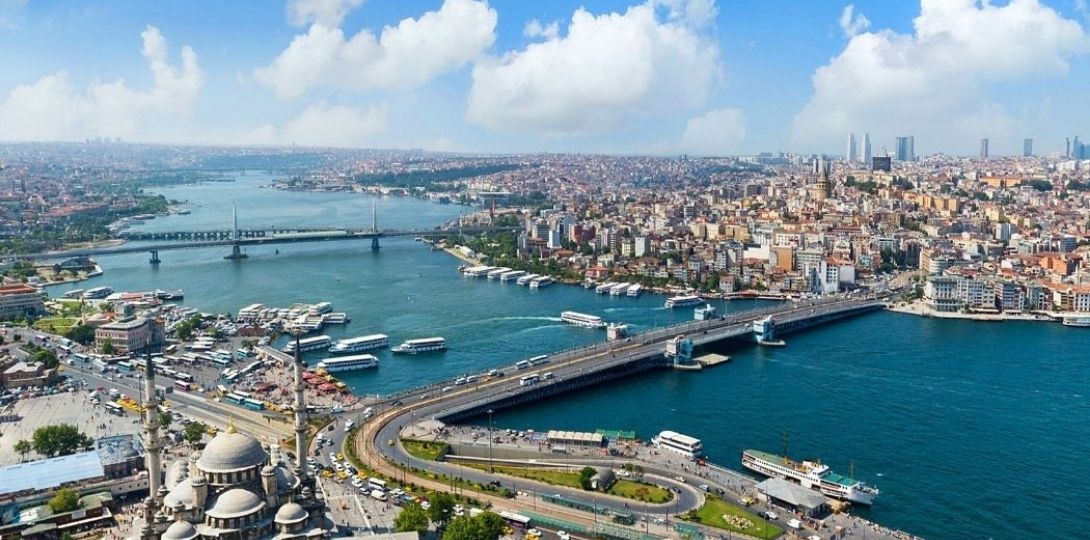
While you are in Sultanahmet, it makes sense to pair the area with other essentials nearby, including the Blue Mosque and Topkapi Palace, so you can experience how imperial, religious, and civic life once clustered around the same core.
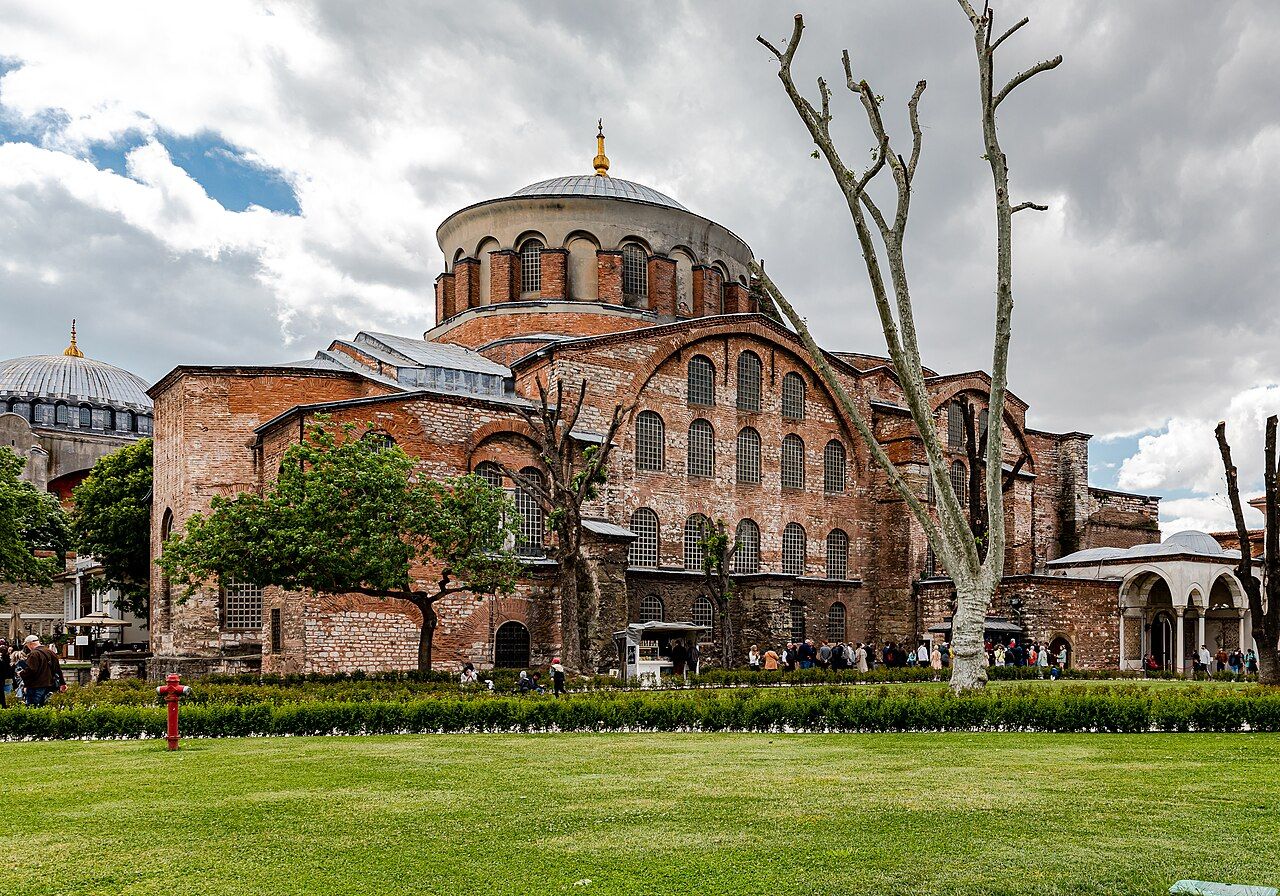
Hagia Irene: The Quiet Byzantine Gem Inside the Palace Grounds
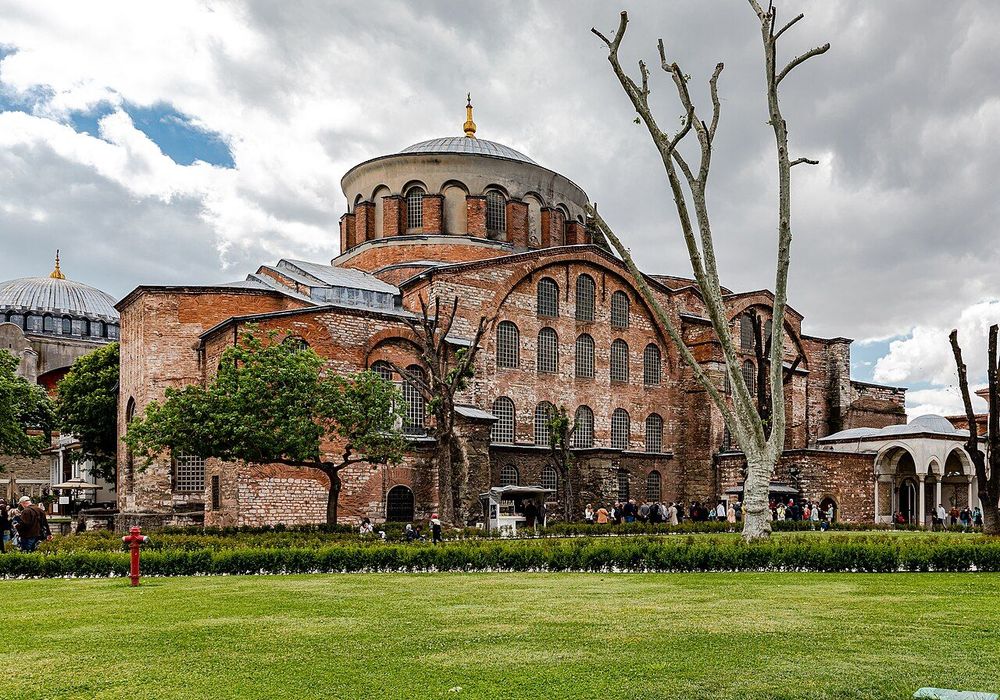
If you want an early Byzantine atmosphere without the crowds, put Hagia Irene high on your list. It is considered the earliest Byzantine church in the city, dating to the 4th century, and it was rebuilt after the 532 fire, completed in 548. Its interior is famous for its spacious feel and notable acoustics, which is why it has been used for concerts.
To keep your visit smooth, I recommend a hosted entry style experience where logistics are handled for you. If that fits your travel style, consider the Hagia Irene Museum Hosted Entry Tour and Audio Guide so you can focus on the building’s history rather than the ticket process.
Local tip: Hagia Irene is a great “reset stop” between bigger sights. Give yourself a quiet 20 to 40 minutes inside to notice the structure and light, not just the checklist.
Chora: A Masterpiece of Byzantine Mosaics and Frescoes
For many art lovers, the most moving Christian-era imagery in the city is found at Chora, celebrated for its Byzantine mosaics and frescoes. It is smaller and more intimate than Hagia Sophia, which makes the artwork feel close and personal. Because access conditions can vary when a site functions as a place of worship, it is smart to arrive early and be prepared for restricted areas at certain times.
If you want an easy, self-paced interpretation of what you are seeing, the Chora Church Museum Tickets and Audio Guide is a practical way to follow the narratives in the artwork without needing to join a large group.
Galata and Beyoglu: Catholic and Minority Heritage on Foot
After the Historic Peninsula, head north toward Galata and Istiklal for a different chapter of the city’s Christian life. This is where you will feel Istanbul’s cosmopolitan layers most clearly, especially in the streets around Galata and the long pedestrian stretch of Istiklal.
St. Anthony of Padua: Istanbul’s Largest Church
St. Anthony of Padua is widely known as Istanbul’s largest church. Designed by Giulio Mongeri and built between 1906 and 1912, it remains one of the most accessible places to experience an active Catholic community in the city. Historically, it is also associated with Pope John XXIII, who preached here during his time in Istanbul as a Vatican ambassador. Expect the church to be especially busy around major Christian holidays.
When you visit, remember that this is not a museum atmosphere. Keep your voice low, dress modestly, and step aside if a service is taking place.
St. Pierre and St. Paul: Galata’s Dominican Story
In Galata, the Church of St. Pierre and St. Paul represents a long, resilient history shaped by fires, rebuilding, and shifting urban life. A notable detail is the involvement of Swiss architect Gaspare Fossati, also known for restoration work connected to Hagia Sophia. This church is a great stop if you enjoy tracing the European and Levantine influences that shaped Istanbul’s port districts.
St. Stephen Bulgarian Orthodox Church: A Dome with a Story
St. Stephen Bulgarian Orthodox Church stands out for its prominent dome, built after an Ottoman-era ban on minority domes was lifted. Inscriptions date its completion to 1880. Beyond the architecture, it is a reminder that Istanbul’s Christian communities were never a single story, but many distinct traditions living side by side.
Byzantine Architecture Basics You Can Spot on Site
You do not need an art history degree to read these buildings. As you explore Istanbul churches, look for a few repeating features that signal different eras and design approaches:
- Basilican plans: long, rectangular spaces that feel processional and open.
- Greek cross and central domes: more compact, centered designs that draw your eye upward.
- Vaulting and domes: especially important in Justinian-era rebuilding, visible in the way spaces are covered and supported.
- Brick and layered construction: common in Byzantine building practices, often easier to notice from the exterior.
Once you start noticing these elements, each stop becomes more than “another church” and turns into a readable chapter of the city.
Visitor Etiquette: Dress Codes, Worship Times, and Respect
Istanbul is welcoming, but it expects visitors to behave thoughtfully in sacred spaces. Rules are usually simple, and following them makes your day smoother.
- Dress modestly: cover shoulders and knees. Some places may require additional coverage during worship times.
- Plan around services: active churches may limit movement during mass, and sites functioning as mosques may restrict tourist access during prayers.
- Keep noise low: even when photography is allowed, treat interiors like living community spaces.
Suggested 1-Day Route for First-Time Visitors
If you only have one full day, here is a route I often recommend to friends who want a balanced view of Istanbul churches without bouncing all over the city:
- Morning: Start in Sultanahmet with Hagia Sophia, then walk to nearby landmarks and take a short break.
- Late morning: Visit Hagia Irene for a quieter, earlier Byzantine feel.
- Afternoon: Head to Beyoglu and Istiklal for St. Anthony of Padua, then continue toward Galata for St. Pierre and St. Paul.
If you want to add one more unforgettable stop in the historic core, the underground atmosphere of the cisterns pairs beautifully with these church visits.
![chora-museum-the-attendant-angels[1].jpg](https://demos.istanbultouristpass.com/uploads/chora_museum_the_attendant_angels_1_9a7afbb1e2.jpg)
Related Experiences That Pair Well with Church Visits
To complement the above route, I like adding one “below the city” stop, especially on a warm day or when the streets are crowded. The Basilica Cistern Skip-the-Ticket-Line Entry with Audio Guide fits neatly into a Historic Peninsula morning and gives you a dramatic contrast to the soaring domes above ground.
For any hosted entry experience, keep this standard routine in mind: Book online, choose a date and time, arrive 10 to 15 minutes early, meet our host at the entrance, the host handles the tickets on the spot and guides guests straight to security so they skip the ticket line.
Conclusion: Making the Most of Istanbul’s Christian Heritage
The best way to enjoy Istanbul churches is to treat them as living places with layered identities, not just photo stops. Mix one monumental landmark with a quieter early church, add a mosaic-rich site for art, and finish with an active community church in Beyoglu or Galata. You will leave with a clearer sense of how Istanbul carries its past forward, one stone and one story at a time.
FAQs
What are the most famous churches in Istanbul?
Hagia Sophia is the most iconic, originally a Byzantine cathedral and now functioning as a mosque with a long, complex history. Many visitors also prioritize Hagia Irene for early Byzantine architecture and Chora for its celebrated mosaics and frescoes.
Can I visit Chora Church, and do I need a ticket?
Chora is visitable, but access rules can vary because it functions as a place of worship at times. Expect controlled entry and plan to arrive early; if you prefer a structured visit, a ticket with an audio guide can help you move efficiently and understand the artwork.
Is Chora worth visiting compared with Hagia Sophia?
Yes, especially if you love Byzantine art. Hagia Sophia is grand and architectural, while Chora is more intimate and often praised for the quality and density of its mosaics and frescoes.
Which Istanbul churches are best for attending an active service?
St. Anthony of Padua is a straightforward choice for experiencing an active Catholic community, especially around major holidays. For an Orthodox atmosphere, churches serving minority communities can be rewarding, but always check service times locally and behave respectfully.
What is the dress code for visiting Istanbul churches and former churches now used as mosques?
Plan to cover shoulders and knees, and keep clothing modest. If a site is functioning as a mosque during your visit, additional coverage may be required during prayer times, so carrying a light scarf can be helpful.
What is the best time of day to visit Istanbul churches to avoid crowds?
Weekday mornings are usually the calmest, especially soon after opening. Avoid peak holiday periods and be mindful that worship schedules can affect access at certain sites.
How do I visit multiple Istanbul churches in one day without wasting time?
Cluster your stops by neighborhood: the Historic Peninsula in the morning, then Beyoglu and Galata in the afternoon. This reduces transit time and helps you experience the city’s historical layers in a logical order.
Do I need a guided tour, or can I do Istanbul churches self-guided?
Self-guided works well if you enjoy moving at your own pace and you are comfortable reading architectural clues. A guided or audio-guided visit can be worth it at art-heavy sites like Chora or complex monuments like Hagia Sophia, where context changes what you notice.
What common mistakes should I avoid when visiting Istanbul churches?
The biggest mistakes are arriving during worship times and wearing clothing that does not meet modest dress expectations. Also, do not assume every historic church is a museum with free movement; some spaces have restricted areas depending on current use.
Image Alt Suggestions
- Interior view of Hagia Irene showing early Byzantine architecture and spacious nave
- Close-up detail of Chora mosaics and frescoes in a quiet side chapel
- Facade of St. Anthony of Padua on Istiklal Street during a calm weekday morning
- Night-time streets of Galata leading to historic churches and community landmarks
- Walking route map concept for Istanbul churches across Sultanahmet and Beyoglu